In dynamic wireless environments, fluctuations in user distribution and channel conditions challenge the stability and efficiency of federated learning (FL) systems, especially in multi-UAV-assisted scenarios. UAV-assisted wireless FL has drawn great attention for its flexible deployment and distributed computing capabilities. However, centralized aggregation faces the risk of single-node failure at aggregation nodes, which can severely impact system reliability in dynamic environments. To address these issues, we propose a Decentralized Aggregation in UAV-assisted wireless Federated Learning (DAUFL) framework, which replaces centralized aggregation with a multi-node model aggregation mechanism to maintain stable operation and enhance system reliability under node failures. Furthermore, we develop an Adaptive Interference-aware Resource allocation and Deployment Optimization (AIRDO) algorithm. It first employs Constrained K-means for efficient UAV coverage, then applies Multi-Agent Reinforcement Learning (RL) for dynamic interference-aware resource allocation and UAV deployment optimization. Simulation results show that DAUFL achieves strong robustness and model performance under both Independent and Identically Distributed (IID) and Non-IID data distributions, maintaining over 90% and 80% accuracy even under a 50% node failure rate. The AIRDO algorithm further accelerates convergence, reduces training latency, and maintains stable performance with large-scale users.
Integrated sensing and communication (ISAC) provides an effective solution for supporting both high-rate data transmission and environmental perception in connected and automated vehicles (CAVs). However, in urban environments, buildings frequently hinder signal propagation between the base station (BS) and vehicles, thereby compromising link reliability and weakening the effectiveness of radar-based sensing. To mitigate these challenges, intelligent reflecting surface (IRS) technology has been proposed to enhance CAV operations by improving the signal propagation environment. This study focuses on the ISAC system implemented in IRS-assisted CAV scenarios. In this system, the IRS facilitates the simultaneous transmission of communication and radar signals. By jointly optimizing the active beamforming matrix at the BS and the passive beamforming matrix at the IRS, the sum rate achievable by vehicular users is maximized, while ensuring compliance with the BS’s power budget, maintaining required radar detection quality, and adhering to the IRS phase configuration limits. In light of these considerations, an approach, namely Adaptive Optimization for Sensing and Forming (AOSF), is proposed, which employs the semidefinite relaxation (SDR) and successive convex approximation (SCA) algorithms to optimize the active beamforming matrix at the BS and employs the fractional programming algorithm to optimize the passive beamforming matrix at the IRS. The method decomposes the non-convex optimization problem into a series of manageable subproblems and employs an iterative solving approach to gradually refine the results and converge toward a satisfactory solution. Simulation results indicate that the proposed approach significantly improves achievable sum rate performance and reveals the trade-offs between communication and sensing.
This paper proposes a secure space-air-ground in tegrated network (SAGIN) transmission scheme in which an unmanned aerial vehicle (UAV) equipped with reconfigurable holographic surfaces (RHS) antennas to tackle the challenges of ultra-long distances in ground-space (G2S) links and eaves dropping risks in wireless channels. Leveraging the holographic beamforming principle, the UAV can relay confidential G2S signals while transmitting interference as artificial noise toward eavesdroppers to counter interception. The closed-form expressions of the secrecy transmission rate for SAGIN are first derived. Then, an optimization strategy is designed under onboard energy consumption constraints, which jointly optimizes the beam radiation amplitude, 3D trajectory and power allocation, aiming to maximize the average secrecy rate (ASR) while satisfying the quality of service for legitimate users. A block coordinate descent algorithm is employed to decouple the original non convex problem into four subproblems, and feasible solutions are obtained through successive convex approximation. Simulation results validate the advantages of the proposed scheme, with the ASR significantly outperforming baseline schemes, such as those without holographic beamforming, horizon-only trajectory deployment, and without power control. The variations of the ASR with RHS element size and UAV transmit power are also analyzed. This research provides new theoretical insights and technical solutions for secure communication in SAGIN.
Low earth orbit (LEO) satellite networks, as integrated service systems, are typically divided into domains based on application functions, such as observation and communication. However, independent domain resources and the high dynamics of satellites make cross-domain resource interactions difficult to capture, posing challenges to large-scale satellite network resource coordination and degrading the quality of service (QoS) for task flows. To address this, a multi-level hypergraph (MLH) is introduced to represent domain resources across temporal, resource type and spatial dimensions. MLH consolidates similar resource features via hyperedges, reducing redundant connections. The cross-domain resource coordination problem is then modeled as a mixed-integer linear programming (MILP) problem to maximize the sum of the minimum priorities of scheduled tasks. Furthermore, by leveraging MLHs topological nesting, a multi-dimensional resource dual-level scheduling algorithm (MRDSA) is proposed, decomposing the problem into two subproblems solved using the hyperpath scheduling algorithm (HSA) and internal path scheduling algorithm (IPSA). Simulations demonstrate that the proposed method enhances QoS, reduces computational complexity and improves resource utilization ratio in LEO satellite networks.
Autonomous vehicles must accurately predict the trajectories of surrounding vehicles to ensure safety and efficiency in complex traffic environments. However, existing approaches often neglect the impact of driving style variations, limiting their ability to model diverse driver behaviors. This paper proposes a Spatial-Temporal Transformer considering Driving Style (DS-STT) for accurate and personalized vehicle trajectory prediction. The model constructs a spatial-temporal traffic graph (STTG) from vehicle trajectories and employs a Transformer-based encoder with Spatial Self-Attention (SSA) and Temporal Convolution (TC) to capture inter-vehicle interactions and temporal dependencies. A Style Attention Module (SAM) is further introduced to integrate driving style, motion state, and interaction features, enabling adaptive prediction for different driving behaviors. Experimental results on the HighD and ApolloScape datasets demonstrate that DS-STT consistently outperforms baseline models, achieving up to 81.58% lower Root Mean Squared Error(RMSE) on the HighD dataset and 22.51% lower Final Displacement Error (FDE) on the ApolloScape dataset. These results confirm the superior accuracy, robustness, and long-term prediction capability of DS-STT, highlighting the significance of incorporating driving style in enhancing the safety and reliability of autonomous driving systems.
In recent years, uncrewed aerial vehicles (UAVs) have become increasingly prevalent for collecting environmental data from various wireless sensors. However, existing research on employing UAVs to collect data from wireless sensors has often ignored the heterogeneous requirements of sensors. In this paper, we investigate joint deployment, user association, and power allocation for data collection in the UAV-assisted wireless sensor network to accommodate the heterogeneous requirements of sensors, where a novel satisfaction function is designed for three types of sensors, including sensors with delay requirements, sensors with energy consumption requirements, and sensors with both delay and energy consumption requirements. Leveraging the satisfaction function, we formulate the optimization problem aimed at jointly optimizing the positions of UAVs, the association between sensors and UAVs, and the power allocation of sensors to maximize overall satisfaction of sensors. In order to effectively address the considered problem, we decompose it into two subproblems, i.e., joint UAV deployment and user association subproblem, and transmission power allocation subproblem. An enhanced human evolutionary algorithm is developed to tackle the joint UAV deployment and user association subproblem, and the Lagrange dual method and gradient descent method are employed to solve the transmission power allocation subproblem. The suboptimal solution is achieved by iteratively addressing the two subproblems until convergence of the proposed enhanced Lagrange and gradient descent-based human evolutionary optimization algorithm is attained. Extensive simulations demonstrate the effectiveness of the proposed algorithm in enhancing overall satisfaction of sensors, underscoring its significant advantages in managing heterogeneous network environments.
As one of the core signal carriers in molecular communication (MC), Ca2+ exhibits irreplaceable value in nanomedical scenarios, including targeted drug delivery and target detection. However, the random movement of cells and the spatiotemporal attenuation of signals severely limit communication performance. To address these challenges, a Ca2+ signal transmission enhancement model is proposed by integrating cell chemotaxis with a relay amplification mechanism. Specifically, Geometric Brownian Motion (GBM) is employed to quantitatively characterize the movement behavior of biological cells, while relay nanomachines dynamically boost the Ca2+ concentration of passing cells to mitigate signal attenuation. A novel performance metric is developed, and an improved Yin-Yang-Pair Optimization (YYPO) algorithm is adopted to optimize the relay position and energy configuration, thereby maximizing the system performance under the constraint of avoiding cell apoptosis. Simulation results demonstrate that the proposed model achieves a 200% improvement in signal transmission distance compared with the random motion model and an 8% enhancement relative to the pure chemotaxis model. Additionally, the number of activated cells in the target region is increased by 43% compared with the random model. This work provides an efficient and compatible signal transmission solution for the construction of an in vivo nano-internet of things.
As the healthcare industry continues to embrace digital transformation, the Internet of Medical Things (IoMT) emerges as a key technology. IoMT plays a critical role in revolutionizing healthcare delivery by enabling remote patient monitoring, personalized treatments, and efficient healthcare management. This survey offers a comprehensive overview of IoMT, elucidating its concepts and architectural framework. It explores its diverse applications and the challenges associated with its adoption. Additionally, it investigates key methods in lightweight, explainable artificial intelligence, discusses their applications in healthcare services, and outlines relevant evaluation metrics. Furthermore, it examines data security and privacy concerns in healthcare, presenting relevant methodologies. Finally, this review provides insights into the future of IoMT, considering existing challenges and opportunities for advancement.
In Connected and Autonomous Vehicles (CAVs), traditional network architectures require vehicle users to access application services via Macro Base Stations (MBS) that are connected to the core network, leading to a significant delay. Edge caching leverages the storage resources of Small Base Stations (SBS) to pre-cache content, effectively reducing latency for vehicle content access. However, CAVs face constraints on spectrum and computing resources, and the Quality of Service (QoS) requirements vary across different application services. To address the varying tolerances for user latency and freshness, this study considers multiple content application services with diverse QoS requirements and measures data freshness using Age of Information (AoI). When a vehicle user initiates a service request, minimizing the associated cost while meeting latency and AoI constraints within limited resources has emerged as a key research problem. This paper introduces a Multi-Agent Reinforcement Learning (MARL) algorithm incorporating graph neural networks to optimize cache distribution and resource allocation. The objective is to minimize system cache costs while satisfying diverse QoS requirements for various vehicle user application requests. Firstly, a graph neural network model predicts cached content popularity using historical user request data. The SBS agents are modeled as graph vertices, with inter-agent relationships represented as edges, and the predicted cached content popularity integrated into the environment. The MARL framework further employs Graph Neural Networks (GNN) to extract effective inter-agent information, facilitating improved decision-making. Simulation results show that the proposed algorithm achieves faster convergence than baseline methods and effectively lowers cache costs while meeting diverse QoS requirements.
With the continuous expansion of the Low Earth Orbit (LEO) satellite scale, the formation of large LEO satellite constellations (LLSC) has significantly enhanced both network capacity and coverage capabilities. However, frequent handovers within multi-satellite coverage areas not only reduce handover efficiency but also adversely affect the quality of network services. This paper analyzes the relationship between constellation scale and system performance during the constellation design, aiming to minimize coverage time, handover frequency, and susceptibility to terrestrial interference. Under the condition of design parameters and seamless coverage requirements, a multi-objective optimization algorithm, namely the S-Metric Selection Evolutionary Multi-objective Optimization Algorithm (SMS-EMOA), is developed to optimize the LLSC configuration. Furthermore, an LLSC design scheme based on the Walker-delta and Walker-polar models is proposed, where both schemes have two different satellite service times, $\mu =300$ s and $\mu =600$ s. Simulation results demonstrate that compared to existing systems such as Kuiper and OneWeb, the designed Walker-delta LLSC achieves the minimum coverage time while exhibiting superior handover performance and stronger anti-interference ability.
Mobile Crowd Sensing (MCS) is an emerging and effective data collection paradigm. In MCS, there are often some unpopular tasks, which are usually because the task is remote or paid less. To solve the problem that the task is difficult to complete, this paper proposes a task-bundling winner auction algorithm considering auction pricing. Specifically, the mechanism in this paper is divided into two stages: the task bundling stage and the bundle auction stage. In the task bundling stage, this paper considers that the time overlaps as much as possible, and the tasks with similar geographical locations are bundled one-to-one, that is, a popular task is bundled with an unpopular task. Afterwards, the bundle probability is calculated to measure the quality of the bundle; in the bundle auction stage, the worker’s willingness to complete the bundle and the unit’s ability to bid are considered, and the worker winner of each round of auction is determined comprehensively. In addition, some winner workers will not complete the task. In this case, the price update rules for losers are designed, and secondary recruitment is carried out to maximize the utility of the platform. Finally, the effectiveness of the mechanism proposed in this paper is proved by comparing with three benchmark algorithms.
The integration of vehicular networks with Machine Learning (ML) is driving the advancement and intelligence of future vehicular systems. As a core technology in the IoVs, Vehicular Edge Computing (VEC) leverages the computational and communication resources of both vehicles and edge servers, enabling model training closer to the data source. Federal Learning (FL) has shown great promise in training large-scale ML models without exposing raw data. However, many vehicles are reluctant to participate in FL training due to high resource demands and the inherent mobility challenges of vehicular networks. To address this issue, this paper proposes an FL auction framework that incentivizes vehicle participation by maximizing the utility of the FL platform. Specifically, our approach factors in the basic utility, average reward and tolerance delay of dynamic vehicles to determine their bidding intent. Additionally, an online auction-based client selection algorithm is proposed that ensures individual rationality for vehicles, coupled with a reward function based on model accuracy to further encourage participation in FL training. Simulation results demonstrate the effectiveness of the proposed algorithm, showing a 38.9% improvement in platform utility and a 31.3% reduction in average payments compared to the Online Auction (OA) algorithm.
Integrated Energy Systems (IES) are critical infrastructures enabling multi-energy synergy and low-carbon transitions. However, their distributed and uncertain nature poses significant challenges for adaptive and efficient scheduling. To address these issues, this paper proposes a software, edge-intelligent, and cross-layer orchestration algorithm based on Multi-Agent Multi-Objective Proximal Policy Optimization (MAMOPPO). First, a cooperative multi-agent scheduling model is established, where distributed agents operate at the edge and coordinate through shared global information. Then, a multi-value network is employed to decouple and optimize operational costs, carbon emissions, and renewable energy utilization. Finally, a mirror learning strategy is introduced to enhance policy stability under uncertainty and facilitate cross-layer coordination between energy control and communication layers. Simulation results show that the proposed approach reduces system cost by 42.8%, lowers emissions by 44.6%, and maintains high renewable energy utilization, demonstrating its effectiveness in orchestrating intelligent edge-based services in next-generation smart grid scenarios.
Significant differences in cellular tower density across cities pose a major challenge for identifying intercity travel origin-destination (OD) pairs from mobile phone signalling data. Many existing OD identification algorithms apply uniform parameters across cities, which can undermine detection accuracy in heterogeneous networks, and their performance remains underexplored under varied tower density conditions. To address this gap, we conducted a field experiment collecting mobile signalling data from intercity trips in two metropolitan regions with different tower densities, while recording GPS trajectories and travel diaries as ground truth. We compared the unsupervised spatiotemporal clustering method (ST-DBSCAN) and the supervised deep learning model (Bi-LSTM) for OD identification. Furthermore, we introduced a novel genetic algorithm adaptive parameter selection mechanism to enhance performance under different density conditions by dynamically adjusting ST-DBSCAN's clustering radius, time threshold and minimum cluster size, as well as tuning Bi-LSTM's input features and time window length. Results show that this adaptive approach significantly improved OD identification accuracy, with optimised ST-DBSCAN achieving 84% accuracy and Bi-LSTM 91%. These findings highlight the importance of adaptive algorithm calibration and offer theoretical insights and practical guidance for more reliable intercity travel modelling in metropolitan areas with heterogeneous cellular infrastructure.
This review delves into the applications and prospects of nonterrestrial networks (NTNs) in the field of information and communication. NTNs utilize aerial or space platforms as critical components of the communication network, including high-altitude unmanned systems, low-altitude unmanned systems, and satellites. Compared to traditional terrestrial cellular networks, NTNs offer advantages, such as wider coverage, flexible deployment, and resistance to ground-based disasters. Therefore, NTNs have broad application prospects in industries, such as transportation, public safety, media entertainment, healthcare, energy, agriculture, and finance. This review focuses on the network architecture and key technologies that support NTNs, including the system's composition architecture, key technologies, application case analysis, challenges, potential solutions, and future outlook, aiming to provide beneficial reference and guidance for the promotion and application of NTNs. The review also examines the support of international organizations for NTNs' standardization, as well as related research progress and future challenges.
The output uncertainties caused by the excessive dependence of renewable energy sources (RES) on meteorological factors affect the optimal operation of isolated microgrids. In addition, the superposition of demand fluctuations due to their power usage patterns and different scales severely affects the optimal control of distributed energy resources (DER) in microgrids. To solve the above problems, we design a distributed architecture driven by flexible loads in dual domains to solve the demand imbalance problem in microgrids, i.e., time and power flexible domains. Specifically, we first measure the probability of PV and load prediction error, that is, the conditional probability density function (PDF) by the Copula function. Based on these PDFs, we propose a copula-based correlated discrete convolutional (CopCDC) algorithm to calculate the uncertainty range of netload. Finally, a distributed optimal resources control strategy under correlated uncertainties algorithm(DOC-CU) is proposed, for different DERs to achieve game strategy exchange and individual optimum, guaranteeing the overall optimal consistency of the microgrid. The results show that the DOC-CU algorithm proposed has an 18.4 % reduction in user expenditures, a 15.4 % increase in microgrid benefits, a 13.5 % reduction in microgrid costs, a 65.5 % reduction in penalty expenditures, and finally a 24.5 % increase in user satisfaction.
Vehicles need to dynamically changing content to support latency-sensitive applications in Internet of vehicles (IoV), thereby increasing the load on the macro base station (MBS) and reducing the freshness of content. Utilizing edge caching to cache the latest content in small base station (SBS) can effectively reduce the latency and improve the content freshness. An in-depth analysis was conducted on latency and content's age of information (AoI). A content freshness assurance multi-agent reinforcement learning (MARL) algorithm was proposed, which optimized cache distribution decisions to guarantee high freshness. Simulation results show that the proposed algorithm not only converges faster but also demonstrates better performance in reducing latency and enhancing content freshness.
Vehicular Edge Computing (VEC) enhances the quality of user services by deploying wealth of resources near vehicles. However, due to highly dynamic and complex nature of vehicular networks, centralized decision-making for resource allocation proves inadequate within VECs. Conversely, allocating resources via distributed decision-making consumes vehicular resources. To improve the quality of user service, we formulate a problem of latency minimization, further subdividing this problem into two subproblems to be solved through distributed decision-making. To mitigate the resource consumption caused by distributed decision-making, we propose Reinforcement Learning (RL) algorithm based on sequential alternating multi-agent system mechanism, which effectively reduces the dimensionality of action space without losing the informational content of action, achieving network lightweighting. We discuss the rationality, generalizability, and inherent advantages of proposed mechanism. Simulation results indicate that our proposed mechanism outperforms traditional RL algorithms in terms of stability, generalizability, and adaptability to scenarios with invalid actions, all while achieving network lightweighting.
Short-packet communication (SPC) has gained significant attention in Industrial Internet of Things. In SPC systems, retransmissions improve reliability but consume time slots and reduce effective throughput, achieving a tradeoff between retransmission frequency and data rate. Therefore, it is urgent to improve the impact of retransmission on SPC systems. This article investigates a model of an SPC system that incorporates incremental redundancy hybrid automatic repeat request mechanisms. The primary objective is to optimize the tradeoff between retransmission frequency and system throughput across varying operational conditions by determining an optimal block length selection strategy. Under the assumption of known channel distribution information (CDI), an offline optimization approach is utilized to derive the tradeoff solution. To address scenarios with unknown CDI, we propose a motivation-guided Q-learning algorithm, informed by motivation-hygiene theory, to derive the optimal block length policy. Extensive simulation results validate the proposed methods, showing that the learned policies significantly enhance the balance between retransmission count and throughput efficiency within the system.
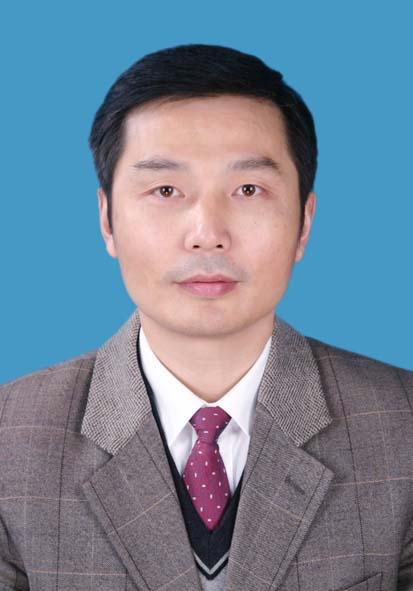 Ruyan Wang (王汝言)合作论文数School of Communications and Information Engineering, Chongqing University of Posts and Telecommunications78
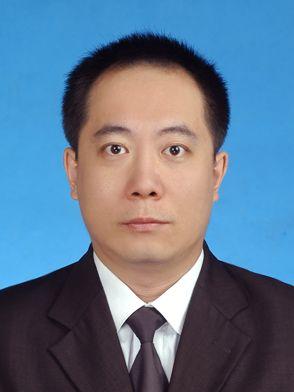 Dapeng Wu (吴大鹏)合作论文数School of Communications and Information Engineering, Chongqing University of Posts and Telecommunications62
 Peng He合作论文数Chongqing Univ Posts & Telecommun, Sch Commun & Informat Engn, Chongqing 400065, Peoples R China53
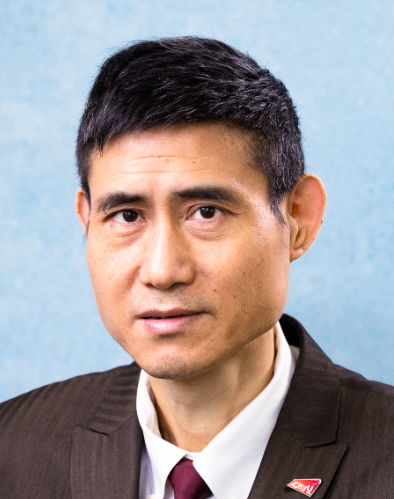 Dapeng Oliver Wu (吳大鵬)合作论文数Department of Computer Science, City University of Hong Kong16
 Xuming Fang (方旭明)合作论文数The School of Information Science and Technology, Southwest Jiaotong University11
 Luo Chen合作论文数5
 Xinyun Huang合作论文数School of Communication and Information Engineering and the Chongqing Key Laboratory of Ubiquitous Sensing and Networking, Chongqing University of Posts and Telecommunications, Chongqing, China4
 Ming Xiao合作论文数Department of Information Science and Engineering, School of Electrical Engineering and Computer Science, KTH Royal Institute of Technology4
 Yan Zhen (甄岩)合作论文数4Ang Duan合作论文数3Xisheng Yang合作论文数3
 Yingjie Liang合作论文数3
 Lijuan Du合作论文数3
 Qing Xue合作论文数3Mengnan Su合作论文数3Yi Lv (吕翊)合作论文数3Hong Zou (邹虹)合作论文数3
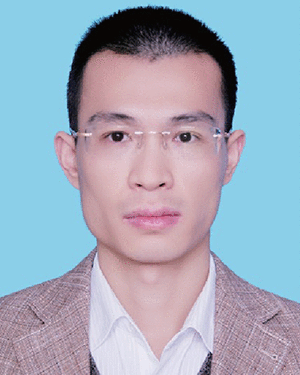 Yanping Liu合作论文数3
 Hao Zheng合作论文数3Yufeng Zheng合作论文数2Chen Qin合作论文数2
 Mengjiao Yan合作论文数2
 Jiaojiao Hu合作论文数2
 Jifang Li合作论文数2Chunyan Zang合作论文数2
 Fei Yang合作论文数2
 Fuhong Song合作论文数Southwest Jiaotong Univ, Sch Comp & Artificial Intelligence, Chengdu 611756, Peoples R China2
 Yang Lin合作论文数2Xinyue Fan合作论文数2HaiYing Peng (彭海英)合作论文数2
 Yan Li合作论文数2
 Honggang Wang合作论文数Department of Graduate Computer Science and Engineering, Katz School of Science and Health, Yeshiva University2
 Hong Zhang合作论文数Chongqing University of Posts and Telecommunications, Chongqing University of Posts and Telecommunications2
 Jing Yang合作论文数2Xinqi Lin (林新棋)合作论文数福建师范大学数学与信息学院2Yingchen Gu合作论文数1Zhaopeng Ying合作论文数1Yan Zhu合作论文数1Hailong Lei合作论文数1Tao Song合作论文数1
 Kai Wang合作论文数1Peng Wang合作论文数1Qi-Qi Li合作论文数1Luxi Cheng合作论文数1Chunhui Lan合作论文数1Wei Chuanfeng合作论文数1




