Traditional classroom group learning state evaluations are labor-intensive, time-consuming, and often biased, which has sparked the need for an automatic group learning state assessment method. Current research on smart education focuses primarily on identifying individual student behaviors, which has left a gap in the assessment of the group learning states. To address this, an integrated machine learning method with a Fuzzy Atmosfield for group learning state assessment is proposed. The Fuzzy Atmosfield was designed to capture the learning state of the group using an improved three-axis vector. The proposed method was tested on a customized simulated classroom dataset. Subsequently, it was applied to a real classroom video dataset. The accuracy of behavior recognition in the real classroom video data reached 83.73%, and the analysis results corresponded to real classroom situations. The experimental results show that the proposed method can provide automatic, accurate, and real-time group learning state assessments in a smart classroom.
Angle-of-attack (AoA) sensor faults have historically contributed to several aviation accidents. To address this issue, a sensor fusion-based fault diagnosis framework is introduced that integrates first principles of physics with sensor data. A reduced-order aircraft model that incorporates sensor biases and gains is first developed using first principles of physics. This model is used to propose a two-stage fault detection scheme: an extended Kalman filter (EKF) innovation monitoring with covariance regularization (IMCR) for initial fault detection and Euclidean bias/gain deviations (EBGD) for fault confirmation. A physics-informed long shortterm memory (PILSTM) network is then trained as a virtual sensor for use in the case of dual AoA faults. Finally, a fault mitigation method is developed to determine the appropriate actions in the event of a fault. It uses the IMCR-EBGD fault detection, aircraft sensor redundancy, and the PILSTM virtual sensor. The full framework is validated using flight data from the Advanced Technologies Testing Aircraft System (ATTAS) under both fault-free and fault-injected conditions. The proposed method detects ramp-type AoA faults within 0.18 s and yields a lower 95% Clopper-Pearson false alarm upper bound under fault-free scenarios. A sensitivity analysis incorporating Gaussian noise shows the proposed method achieves a lower false alarm rate. Furthermore, under the dual AoA fault test, the best estimation performance was obtained when the PILSTM loss function included a 15% contribution from the physics-informed loss function. These results demonstrate that hybridizing data-driven learning with first principles of physics improves fault diagnosis in complex sensor environments.
The angle-of-attack (AoA) sensor is essential to modern aircraft systems; however, its vulnerability to faults has contributed to several aviation accidents. This study proposes two novel sensor fusion-based fault detection methods that combine data-driven techniques with physics principles: the Physics-Informed Transformer with Residual Analysis (PITRA) and the Adaptive Threshold Kalman Filter (ATKF). PITRA uses a physics-informed encoder-decoder transformer to construct a virtual AoA sensor. By incorporating reduced-order aircraft dynamics into the loss function and applying an adaptive weight (gamma(adaptive)) to balance physics-informed and data-driven losses, PITRA enhances AoA estimation. The ATKF augments a reduced-order aircraft model with sensor bias and gain parameters for fault detection using adaptive thresholding and Kalman filtering. Both methods are evaluated using using flight data from the Advanced Technologies Testing Aircraft System (ATTAS) under fault-free, faulty, and noisy sensor conditions. Sensitivity analyses with Gaussian and non-Gaussian sensor noise showed that PITRA (gamma(adaptive)) is more robust in noisy environments. During elevator maneuver with a 10% Gaussian noise to-signal power ratio (NSPR) AoA sensor, PITRA achieved an average false positive rate (FPR) of 0, compared to 12.8 +/- 19.8 for ATKF. PITRA (gamma(adaptive, Noisy)), trained on 70% of the dataset with 10% NSPR Gaussian noise, performed better with only minimal degradation. However, ATKF outperformed PITRA in terms of detection delay, identifying ramp faults in 0.18 seconds, compared to 0.44 seconds. The research shows that while physics informed machine learning models require significant computational resources, they excel in noisy environments. In contrast, physics-based fault detection methods using Kalman filters are less resource-intensive and more effective.
Fault detection is critical to ensure the safety of modern aerospace systems. Most existing studies evaluate data-driven fault detection methods against other data-driven fault methods and physics-based model fault detection methods against physics-based model fault detection methods. This compartmentalized evaluation impedes a comprehensive understanding of the strengths and limitations of each approach. To address this gap, we propose two novel physics-based models for the angle of attack (AoA) sensor fault detection: Manhattan Bias and Gain Tracking (MBGT) and Innovation Monitoring with Covariance Regularization (IMCR), both utilizing the Extended Kalman Filter (EKF). The proposed methods use a reduced order fixed-wing aircraft physics model developed using the first principles of physics and sensor fusion. We benchmarked these methods against machine learning-based approaches, including Long Short-Term Memory (LSTM) with residual analysis. The MBGT and IMCR are validated using flight data from the ATTAS research aircraft. The fault detection methods are evaluated under fault and fault-free conditions. Sensitivity analyses using a noisy sensor test dataset are also conducted. The results indicate that the MBGT and IMCR achieve near-zero false positive rates (FPR) under fault-free conditions. For ramp faults, the detection delays are 0.2 s for the IMCR and 0.18 s for the MBGT, demonstrating high responsiveness. In contrast, machine learning-based methods gave 0.4 s delay for ramp faults. Although physics-based methods are efficient and computationally lightweight, data-driven approaches, particularly LSTM, offer superior performance in noisy sensor environments and achieve lower FPR. The results show that a hybrid method is effective for fault detection.
Unlike other medical images, polyp images usually contain a lot of noise interference, which reduces the accuracy of polyp segmentation. To solve the problem of polyp images containing a large amount of noise interference, a Multi-stage Noise Suppression Network (MNSNet) that integrates Transformer and CNN is proposed. Firstly, for the problem that low-level polyp features contain a lot of background noise interference, the Polyp Background Noise Suppression (PBNS) module is constructed based on the self-attention to improve the anti-background noise ability of MNSNet in the feature extraction stage, which in turn improves the network’s performance in polyp segmentation. Secondly, to address the lack of anti-interference ability of the semantic fusion method in the existing polyp segmentation network, the Polyp Dynamic Noise Suppression (PDNS) module is constructed based on the dynamic kernel method to improve the adaptability of MNSNet to complex and variable noise interference in the polyp images during the semantic fusion stage, thereby improving the network’s polyp segmentation accuracy. Experiment results show that the MNSNet has best performance compare with five methods (SANet, SSFormer, PPFormer, TransFuse and Meta-Polyp), under five benchmark polyp segmentation datasets (the Kvasir dataset, the CVC-ClinicDB dataset, the CVC-ColonDB dataset, the CVC-T dataset and the ETIS dataset). In particular, compared with the Meta-Polyp, MNSNet improves mDice and mIoU by 2.2
To strengthen the population diversity and search capability of equilibrium optimizer (EO), a dynamic multi-population mutation architecture-based equilibrium optimizer (DMMAEO) is proposed. Firstly, a dynamic multi-population guidance mechanism is constructed to enhance population diversity. Secondly, a dynamic Gaussian mutation-based sub-population concentration updating mechanism is introduced to strengthen exploitation ability. Finally, a dynamic Cauchy mutation-based sub-population equilibrium candidate generation mechanism is integrated to boost exploration ability. The optimization ability of DMMAEO is assessed through a comparison with several recent promising algorithms on 58 test functions (including 29 representative test functions and 29 CEC2017 test functions). The comparison results reveal that the DMMAEO has superiority in the performance assessment of seeking global optimum over other compared algorithms. The DMMAEO is further employed in addressing six engineering design problems and a UGV multi-target path planning problem. The results show the practicality of DMMAEO in addressing engineering application tasks. The aforementioned numerical optimization and engineering application experimental results show that the three enhancement mechanisms of DMMAEO improve the optimization ability of the canonical EO, and the DMMAEO has competitiveness in tackling various kinds of complex numerical optimization and engineering application problems.
The integration of Large Language Models (LLMs) with robotic systems has opened new avenues for the development of empathetic and interactive robot partners. This paper introduces a service robot system that incorporates multi-modal emotion recognition and LLM-based emotion dialogue generation. The system captures user emotions through a tri-modal emotion recognition model (TriMER), which processes audio, text, and facial expressions using advanced techniques like BiLSTM, CNN, and Deformable Convolutional Networks (DCN). Experiments conducted using the IEMOCAP dataset show that our TriMER model achieves an accuracy of 74.15
Recent advances in deepfake facial technology have enabled its misuse for creating deceptive content and spreading false information, posing serious risks to personal privacy, social order, and national security. However, early deepfake detection methods fell short. For instance, the traditional reconstruction model couldn't adapt to data distribution changes, and the single-scale structure struggled to fully uncover various forgery artifacts. Therefore, we propose a deepfake face detection framework named Multi-scale Attention Reconstruction (MSAR). The framework reconstructs real faces to learn their feature distributions, enhancing detector generalization. Firstly, we introduce the adaptive neighborhood aggregation (ANA) module. It integrates information from adjacent regions at different scales and realizes selective feature fusion at the same scale, improving reconstruction quality. Moreover, we propose the attention collaborative guidance (ACG) module. It takes the mask difference between the reconstructed and source real-face images as input and captures long-range dependencies and local detail information. This guides the model to focus more on key features related to reconstruction errors, thus enhancing the classifier's performance. Experiments on public datasets such as FaceForensics++ and CelebDF show that MSAR outperforms existing methods in key metrics such as ACC and AUC. Ablation experiments also verify the effectiveness of each module.
In order to evaluate students’ concentration in offline education, an algorithm based on fuzzy comprehensive evaluation is proposed. The algorithm evaluates students’ concentration by measuring their head attitude angle, which consists of three modules: face key points detection, head attitude angle measurement and concentration decision, and outputs the curve of students’ overall concentration score over time. Compared with other concentration evaluation methods, the proposed algorithm achieves the evaluation of overall students’ concentration under low pixel video and is suitable for most offline classrooms with monitoring devices. The overall functional effectiveness of the algorithm was tested with a classroom video dataset of 35 students. The algorithm outputs students’ concentration scores at 30 FPS, meeting the requirement of a real-time classroom. The algorithm’s scores were compared to the artificial scores of 15 experts, resulting in an average accuracy of 88.3
The multi-product production line has become an important component of modern manufacturing. This study investigates a multi-product serial line with limited buffer capacity and machines obeying the geometric reliability model, analyzing both transient and steady-state production performance. We first provide an analytical analysis method for one- and two-machine lines. Then, for multi-machine lines, a computationally efficient approximation method is proposed based on an equivalent parameter calculation procedure that satisfies the production equivalence conditions. Numerical experiments validate the high accuracy of the proposed approximation method. Furthermore, the properties of the multi-product production line are investigated. Finally, a case study is presented to demonstrate the applicability of the proposed model and the analyzing approach.
In sequential recommender systems, two primary challenges are the long-tailed distribution of data and data distribution bias. To effectively address these issues, a Contrastive and Causal Learning Algorithm for Sequential Recommendation (C2ASeRec) has been proposed. The algorithm enhances the training efficacy of sequential recommendation models and boosts their performance by introducing environment partition and reweighting, regularization term constraint based on causal learning, and methods to enhance uniformity of representation. These innovations mitigate the performance degradation previously caused by data distribution bias. By concurrently incorporating causal learning-based regularization constraints and representation uniformity enhancement techniques, C2ASeRec demonstrates both universality and robustness across different environment partitioning principles, enabling superior performance in complex real-world scenarios. Experimental results indicate that C2ASeRec achieves outstanding outcomes in addressing data distribution bias. In terms of key performance metrics such as hit rate and normalized discounted cumulative gain, our algorithm significantly surpasses seven previous methods, showcasing exceptional advanced performance.
An overlap window-based transformer is proposed for infrared and visible image fusion. A multi-head self-attention mechanism based on overlapping windows is designed. By introducing overlapping regions between windows, local features can interact across different windows, avoiding the discontinuity and information isolation issues caused by non-overlapping partitions. The proposed model is trained using an unsupervised loss function composed of three terms: pixel, gradient, and structural loss. With the end-to-end model and the unsupervised loss function, our method eliminates the need to manually design complex activity-level measurements and fusion strategies. Extensive experiments on the public TNO (grayscale) and RoadScene (RGB) datasets demonstrate that the proposed method achieves the expected long-distance dependency modeling capabilities when fusing infrared and visible images, as well as the positive results in both qualitative and quantitative evaluations.
A perceptually adversarial fusion network is proposed to achieve concise and adaptive unsupervised training across various image fusion tasks. The proposed method features the adaptation of pre-trained representations through a novel discriminator, which evaluates the fused image from the generator by distinguishing representation from a learned representation. A spatial context attention mechanism is proposed to obtain learned representation by adapting and fusing the representations of the source image. The attention models scene salience, with its adapted representation being discerned by the discriminator, which in turn facilitates the acquisition of the learned representation. Moreover, a feature salience loss function is proposed, which compares the fused image representation with the learned representation through recursive downsampling refine the generated content from multiple scales. The proposed method is evaluated on multi-focus, multi exposure, medical, and infrared-visible image fusion tasks through subjective and objective comparisons state-of-the-art fusion methods, as well as ablation studies. The notable vision effect and favorable numerical metrics of the proposed method achieved in these evaluations demonstrate the effectiveness of adversarial representation learning in enhancing fusion training in the absence of explicit ground truths. The code released at https://github.com/6xw/PAFusion.
Aiming at the issues of population diversity attenuation, insufficient search efficiency, and susceptibility to a local optimum in the equilibrium optimizer (EO), a dynamic heterogeneous search-mutation structure-based equilibrium optimizer (DHSMEO) is developed. First of all, a dynamic dual-subpopulation adaptive grouping strategy is constructed to boost population diversity, and it provides an effective information-exchange structure for the heterogeneous hybrid search strategy. Then, a heterogeneous hybrid search-based concentration-updating strategy is integrated to enhance search efficiency. Finally, a dynamic Levy mutation-based optimal equilibrium candidate-refining strategy is incorporated to strengthen the capability of escaping local optima. The optimization capability of DHSMEO is evaluated using 39 typical benchmark functions, and the experimental results validate its effectiveness and superiority. Moreover, the practicality of DHSMEO in solving the practical optimization problem is validated through the UAV mountain path planning problem.
A multiscale sequence information fusion (MSSIF) method is presented for dynamic facial expression recognition (DFER) in video sequences. It exploits multiscale information by integrating features from individual frames, subsequences, and entire sequences through a transformer-based architecture. This hierarchical feature fusion process includes deep feature extraction at the frame level to capture intricate visual details, intrasubsequence fusion using self-attention mechanisms for analyzing adjacent frames, and intersubsequence fusion to synthesize long-term emotional dynamics across time scales. The efficacy of MSSIF is demonstrated through extensive evaluation on three video datasets: eNTERFACE’05, BAUM-1s, and AFEW, where it achieves overall recognition accuracies of 60.1%, 60.7%, and 58.8%, respectively. These results substantiate MSSIF’s superior performance in accurately recognizing facial expressions by managing short and long-term dependencies within video sequences, making it a potent tool for real-world applications requiring nuanced dynamic facial expression detection.
To meet the growing need for customized products, flexible production systems are gaining widespread application in modern factories. The inherent complexity of these flexible systems poses new challenges for production management. In this paper, we intend to contribute an operation-level analytical model for such systems, thus providing an effective evaluation tool for productivity and energy consumption analysis. Specifically, a multi-type serial production line with machines obeying the geometric reliability model and intermediate buffers having limited capacity is considered, in which K batches of parts are processed sequentially in each shift. Analytical solutions for key operation metrics are first developed for small systems using a Markov model. For multi-machine lines, a semi-analytical method based on aggregation is proposed. The effectiveness of the proposed analysis method is verified through simulation experiments. Besides, system properties are analyzed to provide insights for continuous improvement and optimization.
At the present stage, the identification of dangerous behaviors in public places mostly relies on manual work, which is subjective and has low identification efficiency. This paper proposes an automatic identification method for dangerous behaviors in public places, which analyzes group behavior and speech emotion through deep learning network and then performs multimodal information fusion. Based on the fusion results, people can judge the emotional atmosphere of the crowd, make early warning, and alarm for possible dangerous behaviors. Experiments show that the algorithm adopted in this paper can accurately identify dangerous behaviors and has great application value.
A multi-cue dynamic features hybrid fusion (MDF-HF) method for video-based facial expression recognition is presented. It is composed of key-frame selection, multi-cue dynamic feature extraction, and information fusion components. An adaptive key-frame selection strategy is first designed in the training procedure to extract pivotal facial images from video sequences, addressing the challenge of imbalanced data distribution and improving data quality. The similarity threshold used for key-frame selection is automatically adjusted based on the number of image frames in each expression category, creating a flexible frame processing procedure. Multi-cue spatio-temporal feature descriptors are then designed to acquire diverse dynamic feature representations from the selected key-frame sequences. With parallel computation, different levels of semantic information are extracted simultaneously to explore facial expression deformation in video clips. To integrate features from multiple cues, a weighted stacking ensemble strategy is devised, preserving unique feature characteristics while exploring interrelationships among the multi-cue features. The proposed method is evaluated on three benchmark datasets: eNTERFACE'05, BAUM-1s, and AFEW, achieving average accuracies of 59.7%, 57.5%, and 54.7%, respectively. The MDF-HF method exhibits superior performance, compared to state-of-the-art methods in facial expression recognition, offering a robust solution for recognizing facial expressions in dynamic and unconstrained video scenarios.
In recent years, graph convolutional networks (GCNs) have attracted increasing attention in hyperspectral image (HSI) classification owing to their exceptional representation capabilities. However, the high computational requirements of GCNs have led most existing GCN-based HSI classification methods to utilize superpixels as graph nodes, thereby limiting the spatial topology scale and neglecting pixel-level spectral–spatial features. To address these limitations, we propose a novel HSI classification network based on graph convolution called the spatial-pooling-based graph attention U-net (SPGAU). Specifically, unlike existing GCN models that rely on fixed graphs, our model involves a spatial pooling method that emulates the region-growing process of superpixels and constructs multi-level graphs by progressively merging adjacent graph nodes. Inspired by the CNN classification framework U-net, SPGAU’s model has a U-shaped structure, realizing multi-scale feature extraction from coarse to fine and gradually fusing features from different graph levels. Additionally, the proposed graph attention convolution method adaptively aggregates adjacency information, thereby further enhancing feature extraction efficiency. Moreover, a 1D-CNN is established to extract pixel-level features, striking an optimal balance between enhancing the feature quality and reducing the computational burden. Experimental results on three representative benchmark datasets demonstrate that the proposed SPGAU outperforms other mainstream models both qualitatively and quantitatively.
 Zhiyang Jia (贾之阳)合作论文数School of Automation, Beijing Institute of Technology64
 Kaoru Hirota (广田薰)合作论文数School of Automation, Beijing Institute of Technology53
 Xiangyang Xu (许向阳)合作论文数School of Automation, Beijing Institute of Technology26
 Jianqiang Zhu (朱健强)合作论文数Shanghai Institute of Optics and Fine Mechanics, Chinese Academy of Sciences;University of Chinese Academy of Sciences20
 Zhongjian Dai (戴忠健)合作论文数School of Automation, Beijing Institute of Technology17
 Yinzhu Li合作论文数16Zhao Lin-hui合作论文数14
 Ye Ji合作论文数12
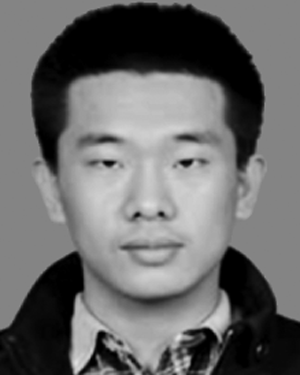 Kaixin Zhao合作论文数Beijing Inst Technol, Sch Automat, Beijing, Peoples R China11Shuai Shao合作论文数10Tao Wang (王韬)合作论文数9
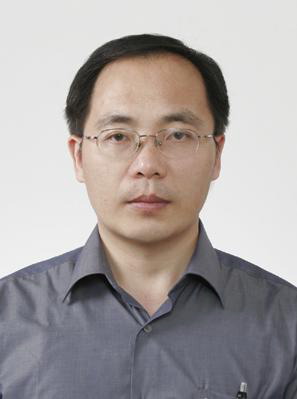 Cheng Liu (刘诚)合作论文数中国科学院上海光学精密机械研究所9Yuan Yao (姚远)合作论文数School of Physics, Beijing Institute of Technology9Dezhen Tian合作论文数8
 Xiangdong Wu合作论文数8XiaoTian Cheng (程笑天)合作论文数8
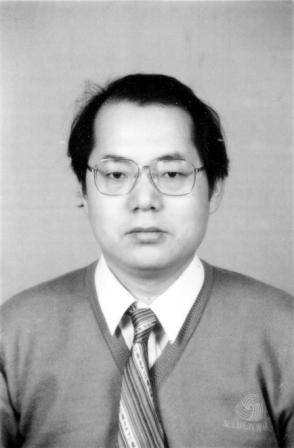 Qinglin Wang (王庆林)合作论文数北京理工大学自动化学院8Liangyu Li合作论文数7LiangYu Li (李良钰)合作论文数7
 Zhaoyang Li合作论文数7
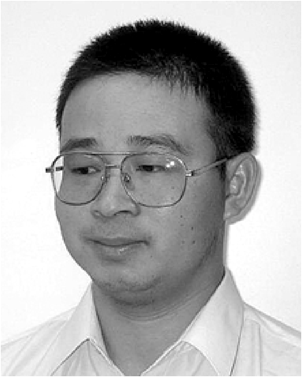 Guang Xu合作论文数7Jian Zhu (朱俭)合作论文数6FAN Guo-chuang合作论文数6Arbab Nighat合作论文数6
 Chang Liu合作论文数School of Computer Science, Beijing Institute of Technology6
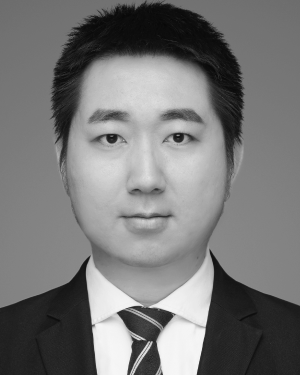 Junjie Ma合作论文数6Hu Xie合作论文数6Ji-xian ZHANG (张吉先)合作论文数6QiuHai Zhong (钟秋海)合作论文数6
 Zunqi Lin (林尊琪)合作论文数Shanghai Institute of Optics and Fine Mechanics, Chinese Academy of Sciences6
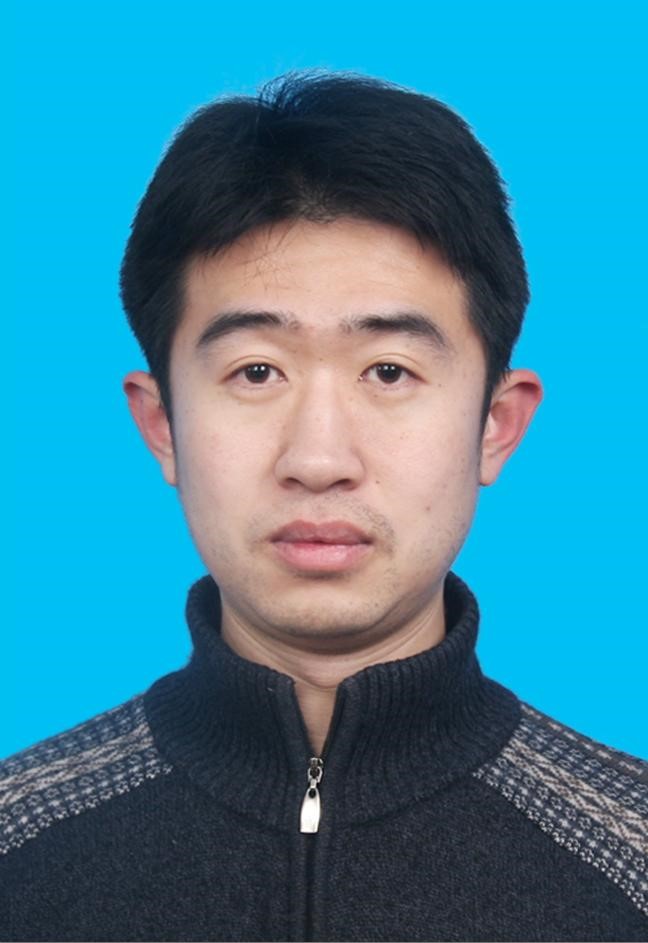 Zhe Zuo (左哲)合作论文数School of Mechanical Engineering, Beijing Institute of Technology6
 Zengru Jiang (姜增如)合作论文数School of Automation, Beijing Institute of Technology6
 Zhen Chen (陈振)合作论文数School of Automation, Beijing Institute of Technology6Yanni Wang合作论文数6
 Yaobin Chen (陈耀斌)合作论文数Elmore Family School of Electrical and Computer Engineering, College of Engineering, Purdue University;Transportation & Autonomous Systems Institute, College of Engineering, Purdue University6Yi-Zhi Qu合作论文数6
 Lingxi Li合作论文数Elmore Family School of Electrical and Computer Engineering, College of Engineering, Purdue University6Weixin Ma合作论文数6
 Fangyan Dong合作论文数5
 Xiaohan Wang合作论文数5Meng Fan-Cheng合作论文数5
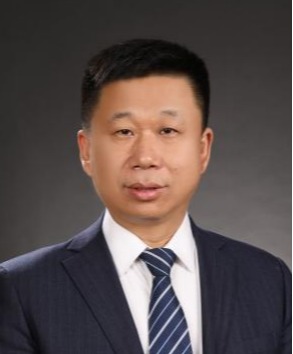 Weiqi Li (李伟起)合作论文数清华大学能源与动力工程系5JinFeng Shi合作论文数5Liu Xiuzhi合作论文数5Guang REN (任光)合作论文数5
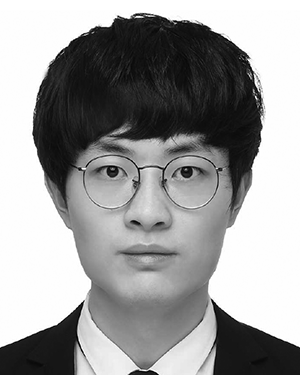 Jingchuan Chen合作论文数School of Automation, Beijing Institute of Technology;State Key Laboratory of Intelligent Control and Decision of Complex Systems, Beijing, People's Republic of China;School of Automation, Beijing Institute of Technology5
 Linwei Ma (麻林巍)合作论文数Department of Energy and Power Engineering, Tsinghua University5
 Donghai Li (李东海)合作论文数清华大学航空发动机研究院5




