By hydrolyzing with pyrolysis steam from cellulose, metal-based nitrogen carriers release NH 3 as the nitrogen source for nitrogen-enriched pyrolysis and show multi-functional roles of nitrogen donation, catalysis, heat transfer, and recyclability.
Hydrothermal carbonization (HTC) is a promising pretreatment for enhancing the quality of biomass fuel pellets. In this study, the effects of HTC atmospheres (N2, CO2, and air) on the composition and structure of hydrochar were compared, focusing on the variations in fuel properties and pellet characteristics of the fuel pellets. The results indicated that the atmosphere had no significant effect on carbon content and HHV, whereas CO2 atmosphere contributed to reducing the ash content of hydrochar. Notably, HTC significantly improved the pellet characteristics of fuel pellets. In particular, under the air atmosphere at 220 degrees C, the fuel pellets exhibited enhanced quality, with a relaxed density of 1328.70 kg/m3 and an equilibrium moisture content as low as 1.68 %. Compared to corn stalk, hydrochar fuel pellets showed a shift in combustion range toward higher temperatures, facilitating improved combustion stability and energy release efficiency. Overall, HTC under air atmosphere is a suitable condition for producing high-quality fuel pellets, and 220 degrees C is recommended as the treatment temperature.
This paper investigates the isothermal co-gasification of lignite char (LC) and coffee grounds char (CGC) in a CO(2 )atmosphere. The effects of temperature, pressure, and particle size on the reactivity, synergistic effect, and kinetic characteristics were studied experimentally. The results indicated that higher temperature and moderate particle size significantly enhance the synergistic effect of co-gasification, while pressure mainly promotes the reaction rate but has a relatively limited influence on synergistic strength. The classical Random Pore Model (RPM) can accurately describe the LC gasification process, but for the CGC and LC-CGC, the Modified Random Pore Model (MRPM) is needed. The model parameters (pore structure constant phi , dimensionless power-law parameter p, and dimensionless constant c ) in the MRPM model can reflect the kinetic evolution process in the co-gasification reaction. Under varying temperatures and pressures, the kinetic model parameters for LC ( = 8.0 +/- 0.5) and CGC ( phi= 22.5 +/- 0.5, p = 4.4 +/- 0.5, and c = 1.22 +/- 0.05) remained largely stable. However, when particle size varied, the CGC parameters changed markedly ( phi= 22.2-28, c = 1.35 +/- 0.1). LC-CGC cogasification parameters typically fell between single-component values ( phi= 12.7 +/- 0.7, p = 4.4 +/- 0.5, and c = 1.25 +/- 0.02). These model parameters provide a theoretical basis for predicting the co-gasification reaction rate and evaluating synergistic effects.
N-Methylfurfurylamine is a vital intermediate for antifungal pharmaceuticals, agricultural fungicides, and functional materials. While electrocatalytic reductive amination offers a sustainable synthesis route, non-precious metal catalysts for this transformation are currently constrained by poor Faradaic efficiency, low selectivity, and instability. Herein, we report a bifunctional Zn/Cu foam (Zn/CF) electrode with a 3D porous petal-like architecture, fabricated via in situ electrodeposition. Distinguishing itself from the widely reported electronic modulation in conventional CuZn bimetallic catalysts, combined ex situ experimental and theoretical investigations suggest that the imine intermediate, spontaneously formed from furfural and methylamine, preferentially adsorbs at Cu0–Zn2+ heterointerfaces, resulting in a volcano-type dependence of catalytic performance on Zn loading. At −0.4 V vs. RHE, the electrode achieved 81% Faradaic efficiency, 99% selectivity, and a remarkable partial current density of 19.4 mA cm−2 toward N-methylfurfurylamine. In-depth mechanistic analyses propose a distinctive dual-site synergistic effect designated as “Zn-anchoring/Cu-activating”: Zn2+ serves as a Lewis acid to stabilize the imine via N-coordination, while the adjacent Cu0 sites activate the CN bond through d–π* back-donation. This reaction mechanism effectively optimizes the selective hydrogenation process and suppresses the competitive hydrogen evolution reaction. Furthermore, we critically assess the long-term durability of the system, identifying irreversible Zn leaching and surface carbon deposition as the primary intrinsic drivers of performance decay. Ultimately, this work provides profound mechanistic insights and establishes a foundational proof-of-concept for the rational design of noble-metal-free catalysts in biomass valorization.
The catalytic hydrodeoxygenation of lignin phenolic derivatives represents a promising pathway for the efficient utilization of biomass. This process is both attractive and challenging, particularly in achieving mild and selective deoxygenation of phenolic hydroxyl and methoxy groups while preserving the integrity of the benzene ring structure. We proposed the use of a nickel (Ni) promoter to induce surface oxygen vacancies, facilitating the precise deoxygenation of oxygen-containing groups in guaiacol. The catalyst Ni1.5Mo1/HBeta demonstrated impressive performance, achieving a high aromatic yield of 28.4 %, a guaiacol conversion rate of 99.7 %, and 100 % selectivity for aromatic hydrocarbons. Density functional theory (DFT) calculations indicate that proton-coupled electron transfer at the Ni/Mo interfaces enhances hydrogen activation and significantly reduces the energy barriers for the formation of oxygen vacancies. Furthermore, the Br & Oslash;nsted acid centers of HBeta play a crucial role in mediating hydrogen transfer, which promotes proton-coupled electron transfer between dispersed Ni and Mo. This selective deoxygenation strategy effectively preserves the benzene ring structure and paves the way for the development of novel catalysts exhibiting mild and selective deoxygenation activity.
The paper proposed an Ar/NH3-mediated stepwise pyrolysis strategy to regulate the component enrichment and nitrogen migration behavior of cellulose, lignin, and their mixtures during pyrolysis. There were complementary richness curves for cellulose and lignin single-component derivatives, facilitating the separation of two component derivatives. Cellulose derivatives were mainly released at 300 degrees C, while the pyrazoles and nitriles derived from lignin reached an enrichment of nearly 100% in the first and fourth stages, respectively. The promoting effect of interactions between the two components on product enrichment was more remarkable at 300 degrees C. Notably, both NH3 and inter-component interactions jointly suppressed the release of embedded nitrogen. The comprehensive comparison revealed that cellulose was superior to lignin in deoxygenation and nitrogen doping, but nitrogen migration and transformation in the mixture were mainly determined by lignin. The paper opens up new ways for biomass components to be selectively utilized and bio-based nitrogenous chemicals to be directionally prepared.
Ultrasonic assistance can utilize the cavitation effect to significantly accelerate the reaction of biodiesel and effectively enhance the product yield. In the research, a magnetic lignin-supported heteropolyacid catalyst Fe3O4-LS@0.3HPW was successfully prepared via coprecipitation-impregnation method and applied in the ultrasound-assisted catalytic production of biodiesel from oleic acid. A variety of characterization techniques were employed to verify the feasibility of the catalyst. The specific surface area of 152.67 m2/g and pore volume of 0.1661 cm3/g demonstrate that the catalyst is capable of accommodating a greater number of active sites, while saturation magnetization of 27.36 emu/g enables rapid separation of the products from the catalyst. RSM-BBD was adopted to optimize the conditions. Under the optimal parameters (ultrasonic power is 96 W, catalyst dosage is 3.1 wt%, MOAMR is 9.4: 1, reaction time is 80 min), the conversion reached 96.46%. The catalyst exhibited excellent stability, maintaining a conversion rate of over 80% after 7 consecutive reuse cycles. An activation energy of 37.16 kJ/mol indicates that this reaction proceeds readily. In summary, the Fe3O4-LS@0.3HPW catalyst exhibits promising application prospects in the field of ultrasound-assisted biodiesel synthesis.
Biomass, a renewable carbon-containing resource, offers a promising avenue for the efficient production of green energy, chemicals, and carbon materials through catalytic pyrolysis. However, current limitations include low conversion efficiency and product selectivity towards the target products. Currently, industrial agglomeration zones are increasingly challenged by the need for sustainable and centralized multi-source waste disposal. Consequently, creating an integrated system comprising biomass catalytic pyrolysis and multi-source waste treatment for treating complex waste mixtures offers a significant opportunity to advance the innovation of biomass catalytic pyrolysis technology and facilitate the establishment of waste-free industrial agglomeration parks. This review examines the latest aspects of biomass characteristics, catalytic pyrolysis mechanisms, integration with diverse waste streams (agricultural production process waste, petrochemical industry waste, alumina industrial waste, and biological refining industry waste), and applications of catalytic pyrolysis products. Based on the above analysis of scientific literature, an integrated zero-waste industrial agglomeration areas model combining biomass catalytic pyrolysis with collaborative treatment of multiple waste sources to generate renewable energy and achieve sustainable waste management was proposed. To guide future research, it also outlines the emerging trends in the integrated technology of biomass catalytic pyrolysis and multi-source waste treatment. This review can provide scientific support and reference for establishing efficient multi-source waste treatment strategies integrated with biomass catalytic pyrolysis technology.
Lignin pyrolysis is a sustainable pathway for synthesizing high-value alkylphenol chemicals and fuels. In this study, the co-pyrolysis process of lignin and spent bleaching clay was investigated for producing alkylphenols. The effects of different metal-loaded biochars, pyrolysis temperatures, and lignin-derived phenolic compounds on the distribution of pyrolysis products were examined. The results showed that the total acid content in Mo/C was 3.39 times higher than that in the pristine carbon. Additionally, Mo/C exhibited the highest number of weak acid sites (56.0%), abundant surface oxygen-containing functional groups, and a microporous structure. These characteristics facilitated both the cleavage of methoxy groups (CAr–OCH3) and the occurrence of aromatic C–C coupling reactions, thus increasing the selectivity of alkylphenols from 6.5% to 33.0%. Alkylphenol yield peaked at 500°C, whereas higher temperatures favored demethoxylation over coupling. Methoxyphenol exhibited an approximately 20–25% higher alkylation rate than phenol. Electrostatic potential calculations attributed this enhancement to the electron-donating effect of the methoxy group, which facilitated its attack by electrophilic alkyl fragments. In-situ diffuse reflectance infrared Fourier transform spectroscopy (DRIFTS) revealed the anchoring of phenolic intermediates on the Mo/C surface through Mo–O bonds. Charge difference calculations revealed electron transfer between the oxygen-containing functional groups of phenolic compounds and the Mo/C catalyst, thereby activating the C–O bond. Alkylphenols were generated through two distinct pathways: the deoxygenation of methoxyphenols and the coupling reaction between phenol and alkyl fragments. The deoxygenation pathway was more energetically favorable. This study provides insight into the low-cost and efficient production of green alkylphenol compounds.
The rheological behavior of paddy soil plays a critical role in determining traction resistance, trafficability, and the operational performance of agricultural machinery. This study quantified the effects of moisture content on the steady-state and dynamic rheological properties of remolded paddy soil using a rotational rheometer. Soil samples were prepared at four moisture contents (23%, 26%, 29%, and 32%) and tested under steady shear and oscillatory loading conditions. Steady shear tests (0.1-100 s(-1)) revealed pronounced shear-thinning behavior, which was well described by a power-law model (n < 1). Within this shear rate range, the apparent viscosity decreased from 11.57-1600 Pass at 23% moisture content to 1.343-238.7 Pass at 32%. Amplitude sweep tests indicated a transition from solid-like to liquid-like behavior, with the yield strain increasing approximately linearly with moisture content, while the yield modulus decreased. The loss factor increased with strain following a power-law relationship, and the fitted exponent decreased from 0.449 to 0.336 as moisture content increased. Frequency sweep tests identified a crossover frequency of approximately 40 Hz, at which the dominant response shifted from viscous-to elastic-dominated behavior under the test conditions. These results provide quantitative parameters and critical thresholds for understanding the structural stability of paddy soil under cyclic loading, and offer guidance for the optimization of running gear design and antislip/anti-sinkage strategies in paddy-field machinery.
To enhance the ketone and phenol contents in corn stover (CS) pyrolysis bio-oil, a tandem dual-catalyst system integrating reduced red mud (RRM) and a reduced Fe/Ca catalyst was employed. A systematic study was conducted, focusing on the effects of the Fe/Ca mass ratio, reduction temperature, pyrolysis temperature, and catalyst recycling on the content and selectivity of the target products. The reaction mechanisms underlying the enrichment of ketones and phenols were also elucidated. Results indicated that at an Fe/Ca mass ratio of 1:2 and a reduction temperature of 650 degrees C (FC2-R650), Fe/Ca displayed an increased number of surface oxygen vacancies, a greater abundance of acid-base sites, and enhanced textural properties manifested by an enlarged specific surface area and expanded pore volume. Its crystal structure was primarily composed of Ca2Fe2O5 and CaO. The tandem catalysis enhances the efficiency of RRM in promoting reactions including cyclization, crossketonization, and alkylation-for pyrolysis vapor molecules. At a pyrolysis temperature of 500 degrees C, RRM single-stage catalysis yielded phenol and ketone contents of 22.72 % and 30.51 %, respectively. Under tandem catalysis, these contents increased to 42.87 % and 37.31 %, while carboxylic acids and light aldehydes were not detected. Recycling experiments confirmed the good cycling performance of the tandem catalytic system, with the content of ketones and phenols maintained at 73.67 % after three cycles. The tandem dual-catalyst system based on RRM and FC2-R650 offers an innovative catalytic strategy for the resource utilization of agricultural and industrial wastes, contributing to the production of sustainable fuels and high-value chemicals.
COx (CO and CO2) is an abundant and sustainable C1 feedstock, and its conversion into sustainable aviation fuel (SAF) or methanol as a green marine fuel for shipping applications offers a promising route to decarbonize the aviation and maritime sectors. However, conventional Fischer-Tropsch synthesis (FTS) is limited by the Anderson-Schulz-Flory (ASF) distribution, which restricts SAF selectivity to <= 41%, while methanol formation is not favored under typical reaction conditions. Herein, a tandem catalytic system integrating Fe sites with nanosheet-structured ZSM-11 is developed for the co-production of SAF and green methanol from CO2-rich syngas. Among the catalysts studied, 20% Fe/ZSM-11 exhibits the best performance, delivering significantly higher COx conversion and SAF selectivity compared with 15%, 25%, and 30% Fe loadings. Under optimal conditions (420 degrees C, 2 MPa, GHSV = 2200 mL center dot g-1 center dot h-1), COx conversion reaches 46.3% with a SAF selectivity of 47.9%, surpassing the ASF limitation. The nanosheet architecture of ZSM-11 promotes rapid diffusion of monocyclic intermediates and suppresses over-condensation, leading to product distribution dominated by monocyclic aromatics (83.7%) with limited polycyclic formation (14.5%). Meanwhile, green methanol accounts for up to 50.4% of the products, improving overall carbon utilization. The catalyst shows excellent stability over 100 h on stream, maintaining 43.5% COx conversion and 45.4% SAF selectivity. These results demonstrate a robust tandem Fe/ZSM-11 system for efficient COx valorization into SAF and green methanol.
An integrated process for producing gasoline-range hydrocarbons from biomass-derived syngas was developed and evaluated using Aspen Plus. The model couples a dual fluidized-bed (DFB) gasification unit with a syngas-to-gasoline (STG) reaction system, enabling continuous simulation of biomass conversion through a three-stage tandem reaction pathway. Thermodynamic equilibrium modeling was applied to predict product distributions, and the effects of key operating parameters, including temperature and pressure, on gasoline selectivity were systematically examined. Reaction temperature strongly influences carbon chain growth, with maximum gasoline-range hydrocarbon (C5-C11) selectivity obtained at 360 °C–380 °C, whereas higher temperatures favor the formation of heavier hydrocarbons. Moderate pressure (4 MPa) promotes chain growth and enhances gasoline selectivity. Under optimized conditions (gasification temperature of 800 °C, S/B ratio of 0.6, and STG pressure of 4 MPa), the overall carbon conversion reaches 18.0%, with a gasoline-range carbon conversion of 12.63% and an energy efficiency of 50.69%. Economic evaluation yields a total capital investment of approximately 2.3 × 10⁸ CNY and a unit product cost of 8.47 × 10³ CNY t−1. Environmental assessment gives a global warming potential of 41.71 kg CO2-eq h−1 and an acidification potential of 0.385 kg SO2-eq h−1, predominantly originating from the gasification unit. The integrated DFB-STG configuration enables continuous conversion of biomass to gasoline-range hydrocarbons and provides a quantitative basis for process optimization, techno-economic assessment, and scale-up of sustainable fuel production.
To enhance electron transfer during methanogenesis, Fe/N co-modified biochar (NMBC) was introduced in the anaerobic digestion (AD) system. The results showed that NMBC exhibited a synergistic effect of N and Fe modification, increasing methane yield by 29.42% compared with the control (p < 0.001). Gompertz kinetic analysis further indicated that Fe/N co-modification significantly improved the methane production potential and maximum methane production rate (p < 0.05). Nitrogen modification facilitated the enrichment of Clostridia, Methanosarcina and Methanobacterium through improved the specific surface area and pore structure of biochar. Fe modification increased the content of -OH and C=O functional groups, and facilitated direct interspecies electron transfer (DIET) via the Fe2+/Fe3+ redox cycle. The relative abundances of key enzyme genes involved in electron transfer increased, with methylenetetrahydromethanopterin dehydrogenase, coenzyme F-420 hydrogenase, and 5,10-methylenetetrahydromethanopterin reductase elevated by 159.73%, 162.87%, and 99.63%, respectively. NMBC also promoted the enrichment of Bacilli and Anaerolineae and facilitated DIET-related interactions associated with Methanosarcina through oxygen-containing functional groups, while the Fe2+/Fe3+ redox cycle further enhanced electron transfer processes, thereby promoting methane production. The findings highlight the potential of NMBC as a functional additive for improving energy recovery from organic wastes and provide a strategy for optimizing biochar-based enhancement of biogas production.
To enhance pyrolysis product yield and control the formation of nitrogenous compounds, this study proposed a feather-straw co-pyrolysis strategy to fully leverage their complementary advantages in composition and other aspects. By systematically analyzing the coupled mechanism of raw material mixing ratios and catalysts on co-pyrolysis product distribution and characteristics, the intrinsic regulatory patterns of multi-source biomass synergistic conversion are elucidated. The results showed that the oxygen-containing compounds and active hydrogen free radicals produced during straw pyrolysis could react with the unstable nitrogen-containing groups derived from feathers. This effectively inhibited the loss of nitrogen and promoted its retention in bio-oil in the form of nitrogenous compounds. Ultimately, the catalytic co-pyrolysis system achieved a synchronous increase in bio-oil yield and nitrogenous compound content. Particularly when the ratio of feather: straw was 2:1, the bio-oil yield increased to 55.7 %, which was 4.2 % higher than the theoretical yield (51.5 %). Concurrently, the content of nitrogenous compounds rose to 71 %, with a synergistic increment of up to 28 %. After further introduction of MCM-41, the content of nitrogen-containing compounds increased to 73.7 %. During co-pyrolysis, the migration of nitrogen to the gas phase was significantly suppressed, thereby increasing the nitrogen content within biochar. Furthermore, co-pyrolysis promoted the decomposition of protein-N in bio-char, while enhancing the proportion of pyrrole-N. This work presents a practical strategy to explore the synergistic upgrading and utilization of waste feathers and straw, while also supplying a theoretical foundation for the synergistic enhancement of nitrogen-containing chemicals from multiple sources of biomass.
Thermal history affects cellulose pyrolysis, yet the organization of the complete particle-temperature trajectory under matched process constraints remains unclear. Here, monotone trajectories were optimized under common limits on total process time, particle-heating rate, maximum temperature, and final conversion, and compared with independently optimized linear and ramp-plus-hold trajectories across a time–rate operating map. A published kinetic mechanism was assessed against a fast-heating time series at 325 ℃, giving RMSEs of 5.49 and 3.99 percentage points for solid residue and released levoglucosan, respectively. Without prescribing thermal stages, free-form trajectories repeatedly converged on a three-function rapid–slow–rapid organization: rapid entry into the reactive region, controlled traversal of an intermediate-temperature region, and terminal heating for product release. This organization increased released LVG by up to 6.51% relative to the optimized ramp-plus-hold trajectory. At a 0.5% relative-yield-loss tolerance, the minimum-sufficient complexity was three linear elements in 12 of 18 feasible conditions, four elements in four conditions, five elements in one condition, and one element in one condition. At 20 s and 100 K s-1, the intermediate traversal accounted for 95.3% of the sugar-forming reaction extent and raised the integrated sugar-forming share of activated-cellulose branching from 59.24% to 62.96%, whereas the terminal interval accounted for 73.8% of retained-levoglucosan release. Counterfactual reorderings and full-network balances attributed the gain to redistributed temperature exposure among competing pathways. Temperature-ceiling, kinetic-sensitivity, and particle-heating analyses further bounded the operating domain, assessed particle-heating feasibility, and informed experimental test conditions.
Biomass-derived ketones and aldehydes are characterized by short carbon chains and high oxygen content, making them unsuitable for direct use as fuel. This study utilized ruthenium-based polyoxometalates (Ru/POMs) as superacid catalysts to facilitate hydroxyalkylation/alkylation (HAA) and hydrodeoxygenation (HDO) of the biomass-derived ketones/aldehydes with 2-methylfuran, producing high-grade aviation fuel. It was observed that the physiochemical properties of POMs would be effectively changed by regulating ions. Among them, cesium phosphotungstate (CsPW) exhibited the strong acidity and hydrophobicity, thus exhibiting superior catalytic activity. The HAA reaction of 2-methylfurnan and cyclohexanone was effectively catalyzed under mild conditions (60 degrees C, 5 h, solvent-free), producing 85.9% HAA products. Furthermore, bifunctional Ru/CsPW was prepared by loading Ru sites on CsPW, which could remove oxygen-containing functional groups of the HAA product to generate high-quality jet fuel. Under the mild conditions of 200 degrees C, 4 h, 3 MPa H2, the reactant was completely converted, with the yields of pentyl cyclohexane and 1-methyldecalin as high as 60.8 and 16.1%, respectively. In this work, an innovative catalytic system was proposed for aviation fuel production from biomass-derived platform compounds.
Although methanol (MeOH) is increasingly recognized as a promising low-carbon fuel for decarbonizing the shipping industry, comprehensive comparisons of CO2-neutral production pathways remain scarce. Given that shipping currently accounts for about 3 % of global anthropogenic carbon emissions, projected to rise to 5-8 % by 2050 without mitigation, identifying efficient and sustainable MeOH production methods is critical. This study analyzed three CO2-neutral MeOH production processes: natural gas steam reforming, biomass gasification and biogas reforming, using Aspen Plus simulations to calculate mass and energy balances, with energy, exergy, economic and environmental assessments for 500 kg h-1 production. Material flow analysis shows that all three pathways require feedstock inputs of similar magnitude, with natural gas reforming using the least and biomass/ biogas slightly more. Steam demand varies more noticeably, as biogas reforming requires substantially less than the other routes. Despite these differences, energy and exergy efficiencies remain comparable at roughly 49-51 %. Natural gas reforming is currently the most economical option, while biomass-and biogas-based routes hold longer-term promise as renewable feedstock costs decrease. Environmentally, biogas reforming achieves the greatest emissions reduction (61.7 %), followed by biomass gasification (51.4 %), underscoring their advantages for low-carbon MeOH production.
The conversion of CO2 into gasoline-range hydrocarbons represents a sustainable pathway to achieve deep decarbonization in the transportation sector. Nevertheless, the traditional Fischer-Tropsch synthesis (FTS) suffers from a broad product distribution, which restricts the achievable selectivity toward C5−C11 gasoline-range hydrocarbons to roughly 45%. This study presents the development of a bifunctional catalyst that integrates In2O3/ZrO2 metal oxides with SAPO-11 molecular sieves, aiming at efficiently converting CO2/CO mixtures into C5−C11 gasoline hydrocarbons. Catalysts with varying In/Zr ratios were prepared via co-precipitation. By employing a COx (CO/CO2) co-feeding strategy (CO/COx = 0.5), the formation of by-product CO was significantly suppressed, thereby enabling the selectivity for gasoline hydrocarbons to exceed the maximum predicted by the Anderson-Schulz-Flory (ASF) model. Notably, under identical reaction conditions, the In2Zr1Ox/SAPO-11 catalyst exhibited higher performance compared with In2O3/SAPO-11 and ZrO2/SAPO-11. The COx conversion was elevated by 1.7% and 0.2%, while the selectivity toward C5–C11 hydrocarbons was enhanced by 8.0% and 16.0%, respectively. Furthermore, the In2Zr1Ox/SAPO-11 catalyst delivered a single-pass performance of 24% COx conversion and 68% selectivity for C5−C11 hydrocarbons at 380 °C, 3 MPa and a gas hourly space velocity (GHSV) of 2400 mL/(min·g). Within this product distribution, isoparaffins accounted for 32.6% of the total components, corresponding to an isoparaffin/neoparaffin ratio of 12.3. After 150 h of stability testing, the catalyst maintained a single-pass COx conversion of 23% and a C5−C11 selectivity of ~65%, demonstrating excellent catalytic activity and promising potential for industrial application.
 Zhihe Li (李志合)合作论文数College of Agricultural Engineering and Food Science, Shandong University of Technology159
 Xueyuan Bai (柏雪源)合作论文数98
 Peng Fu合作论文数61Yongjun Li合作论文数58Deli Zhang (张德利)合作论文数48Hongyou Cui (崔洪友)合作论文数School of Chemical Engineering,Shandong University of Technology40
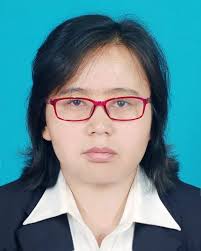 Hongzhen Cai (蔡红珍)合作论文数山东理工大学轻工与农业工程学院38Li-Hong Wang合作论文数37Wang Fang合作论文数36
 Shaoqing Wang (王绍庆)合作论文数31
 Shanjian Liu (柳善建)合作论文数28Andong Zhang合作论文数27
 Fang He (何芳)合作论文数School of Chemistry and Chemical Engineering, Nanchang University26LiHong Wang (王丽红)合作论文数25YuChun Zhang (张玉春)合作论文数20
 Jingang Yao合作论文数20
 Nana Wang合作论文数KTH Royal Institute of Technology20
 Guanyi Chen (陈冠益)合作论文数School of Mechanical Engineering, Tianjin University of Commerce;School of Environmental Science and Engineering, Tianjin University18
 Beibei Yan (颜蓓蓓)合作论文数School of Environmental Science and Engineering, Tianjin University17
 Tian Chunyan合作论文数16
 Qingfa Zhang合作论文数15
 Dongmei Bi (毕冬梅)合作论文数15Feng Song合作论文数13Zhiyu Li合作论文数12
 Jing Liu (刘晶)合作论文数School of Life Sciences, Tianjin University12Juntao Yang合作论文数11
 Xiaona Lin合作论文数11
 Zhanjun Cheng (程占军)合作论文数School of Environmental Science & Engineering, Tianjin University11Shuqin Wei合作论文数University of Montreal, Universite de Montreal11Shuping Zhuo合作论文数School of Chemical Engineering, Shandong University of Technology11Wang Ming合作论文数10Yuan Zhang合作论文数10Ping Geng合作论文数10JianWen Zha (闸建文)合作论文数10YongJun Li (李永军)合作论文数10Yi Li (李轶)合作论文数10Gaixiu Yang合作论文数10Shuangning Xiu合作论文数North Carolina A&T State University10
 Junmeng Cai (蔡均猛)合作论文数Biomass Energy Engineering Center, School of Agriculture and Biology, Shanghai Jiao Tong University9Qiao-Chun Gao合作论文数9Zhen Wan合作论文数9Yan-mei LI (李艳美)合作论文数9
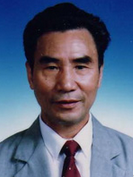 Fusheng Yao (姚福生)合作论文数School of Mechanical Engineering, Shanghai Jiao Tong University9
 Yujiao Xie合作论文数8Jiangang Wang合作论文数8JinCheng Ding (丁金城)合作论文数8Jie Lu合作论文数8Xiuli Shen合作论文数8
 Yong Wang (王勇)合作论文数School of Materials Science and Engineering, Zhejiang University;Center of Electron Microscopy, Zhejiang University8




