With the advancement of precision medicine, gene expression data have become a crucial tool in both cancer diagnosis and prognosis for different cancer types. The incorporation of biological pathways as prior knowledge has gained increasing interest in tackling the difficulties of high dimensionality and noisy information within gene expression data. However, most existing approaches guided by biological pathways ignore the intrinsic link between diagnostic and prognostic tasks in cancer research. They fail to capitalize on the potential of leveraging shared biological information from both tasks to enhance gene pathway representations. To this end, we introduce the Biological Knowledge-guided Multi-task Attention Network (BioMTAN), a novel multi-task learning framework designed for simultaneous prediction of molecular subtypes and survival risk. Specifically, we compile tailored knowledge collections that comprise multiple pathways for the two tasks, model them as unique subgraphs and use a multi-level information fusion strategy to provide a wealth of biological insights. Moreover, we develop a Multi-task Attention Module, which extracts essential global information functioning as the key and value by interacting with biological pathways from different collections, and utilizes task-specific local information as the query, efficiently decoding task-awareness feature for each task and facilitating communication across tasks within cancer diagnosis and prognosis. Extensive validation on the public The Cancer Genome Atlas (TCGA) datasets confirms the enhanced performance of BioMTAN and highlights the significant pathways in each task, underscoring its potential as an instrumental asset in precision oncology.
Topological degeneracies, such as Dirac or Weyl points and exceptional points, play a vital role in photonics and metamaterials due to their unique topological characteristics. This study investigates the intricate evolution of topological charges in degenerate bands, focusing on the interactions among bound states in the continuum (BICs), degenerate states (DS) and circularly polarized states ( C points). Specifically, by controlling the optical axis (OA) orientation in anisotropic materials to break azimuthal anisotropy symmetry, we elucidate the evolutionary laws of DS and BICs in momentum space with the rotation of OA, and clarify the accompanying phenomena of charge annihilation and generation. When polar anisotropy symmetry is broken, the complex processes including splitting of BICs, migration of C points and the charge reversal of Γ-point BICs are further displayed. Our work introduces an additional degree of freedom for modulating band degeneracies and their associated topological properties, inspiring future developments in singularity physics through engineering naturally anisotropic materials.
Light inherently possesses multiple degrees of freedom (DoFs), such as wavelength, polarization, phase, and intensity, making it a powerful carrier for information encoding and processing. The accurate detection and analysis of these DoFs of light form the cornerstone of modern optics and photonics. With the rapid advancement of photonic integration technologies, integrated light field sensors have garnered significant attention for their potential to enable compact, multifunctional, and high-performance optical systems. Recent progress in nanophotonic architectures and computational perception has propelled the development of on-chip sensors capable of low- and high-dimensional light field measurements. This review focuses on recent advances in integrated optical sensors for spectra, polarization, and orbital angular momentum detection. The high-dimensional light field sensing includes spectral imaging, polarimetric imaging, phase imaging, spectropolarimetric detection, and polarized vortex beam detection. We systematically summarize the underlying physical mechanisms, engineering strategies, and representative device architectures, while also discussing their potential applications across various fields. Finally, we outline the existing challenges and offer a perspective on the future directions of chip-scale light field sensing technologies.
Virtual-cell and perturbation models are increasingly used to predict cellular responses for biomedical discovery, but chemical and genetic perturbations are not automatically interchangeable. Existing evaluations often study chemical response prediction or genetic perturbation prediction separately, leaving target-matched chemical-to-genetic translation under-tested. We introduce Chem2Gen-Bench, a benchmark comprising 260,084 chemical and 1,099,045 genetic perturbation profiles organized into cell-target contexts, and evaluate pairwise alignment, retrieval, protocol covariate associations, feature spaces, and foundation-model embeddings. Across matched contexts, translation fidelity is measurable but heterogeneous; background adjustment increases the association between pairwise similarity and retrieval success, while paired tests show lower mean retrieval success after adjustment under the evaluated settings. In a target-matched K562 audit, the evaluated foundation-model embeddings did not consistently improve over gene-delta baselines. Chem2Gen-Bench provides an auditable framework for testing when chemical and genetic perturbations align around shared targets and when representation gains are supported by matched perturbation evidence.
The evolutions of polarization singularities, including bound states in the continuum (BICs) and circularly polarized states (C points), are usually realized by tuning the geometric parameters of photonic crystal slabs. Here, we use the off-diagonal terms of permittivity tensor to manipulate polarization singularities without breaking the structural symmetry in an anisotropic grating system. By controlling the optical axis of anisotropic media, BICs can be shifted to different positions or split into C points, meanwhile, the creation and annihilation of multiple C points are also observed during the evolution process for both TE and TM modes, respectively. Remarkably, two different splitting directions of BICs can be achieved by tuning the off-diagonal terms of permittivity tensor for the two modes. This work illustrates the important role of off-diagonal terms on the far-field polarization singularities and provide an alternative way to precisely manipulate optical singularities
Multiple Instance Learning (MIL) has enabled weakly supervised analysis of whole-slide images (WSIs) in computational pathology. However, traditional MIL approaches often lose crucial contextual information, while transformer-based variants, though more expressive, suffer from quadratic complexity and redundant computations. To address these limitations, we propose HookMIL, a context-aware and computationally efficient MIL framework that leverages compact, learnable hook tokens for structured contextual aggregation. These tokens can be initialized from (i) key-patch visual features, (ii) text embeddings from vision-language pathology models, and (iii) spatially grounded features from spatial transcriptomics-vision models. This multimodal initialization enables Hook Tokens to incorporate rich textual and spatial priors, accelerating convergence and enhancing representation quality. During training, Hook tokens interact with instances through bidirectional attention with linear complexity. To further promote specialization, we introduce a Hook Diversity Loss that encourages each token to focus on distinct histopathological patterns. Additionally, a hook-to-hook communication mechanism refines contextual interactions while minimizing redundancy. Extensive experiments on four public pathology datasets demonstrate that HookMIL achieves state-of-the-art performance, with improved computational efficiency and interpretability. Codes are available at https://github.com/lingxitong/HookMIL.
Patients diagnosed with cancer of unknown primary (CUP) have poor prognoses, highlighting the need to identify primary sites for targeted therapeutic intervention. Here, we present a protocol to predict the primary sites of CUP based on gene expression data using BPformer. We describe steps for installing software, collecting and preprocessing data, and training the BPformer model. We then detail procedures on using BPformer via a visualized web server. For complete details on the use and execution of this protocol, please refer to Xie et al.1.
The evolutions of polarization singularities, including bound states in the continuum (BICs) and circularly polarized states (C points), are usually realized by tuning the geometric parameters of photonic crystal slabs. Here, we use the off-diagonal terms of permittivity tensor to manipulate polarization singularities without breaking the structural symmetry in an anisotropic grating system. By controlling the optical axis of anisotropic media, BICs can be shifted to different positions or split into C points; meanwhile, the creation and annihilation of multiple C points are also observed during the evolution process for both TE and TM modes, respectively. Remarkably, two different splitting directions of BICs can be achieved by tuning the off-diagonal terms of permittivity tensor for the two modes. This work illustrates the important role of optical axis orientation on the far-field polarization singularities and provides an alternative way to precisely manipulate optical singularities.
With the continuous development of digital twin theory and technology, it has shown wide application value in the field of complex equipment products. Electronic equipment is an important guarantee for the safe operation of aviation, aerospace, and civil equipment, with characteristics such as complex structure, long service life, harsh operating environment, and high requirements for quality and reliability. This article first introduces the concept of digital twin of electronic devices, analyzes the research status of common key technologies of digital twin and its application in electronic devices, dissects the main problems faced, and finally takes airborne electronic devices as the application scenario to provide the implementation framework of digital twin technology for electronic devices. It has reference significance for further improving the digitalization and intelligence level of airborne equipment and achieving high reliability and long life design of products.
Multi-modal learning that combines pathological images with genomic data has significantly enhanced the accuracy of survival prediction. Nevertheless, existing methods have not fully utilized the inherent hierarchical structure within both whole slide images (WSIs) and transcriptomic data, from which better intra-modal representations and inter-modal integration could be derived. Moreover, many existing studies attempt to improve multi-modal representations through attention mechanisms, which inevitably lead to high complexity when processing high-dimensional WSIs and transcriptomic data. Recently, a structured state space model named Mamba emerged as a promising approach for its superior performance in modeling long sequences with low complexity. In this study, we propose Mamba with multi-grained multi-modal interaction (SurvMamba) for survival prediction. SurvMamba is implemented with a Hierarchical Interaction Mamba (HIM) module that facilitates efficient intra-modal interactions at different granularities, thereby capturing more detailed local features as well as rich global representations. In addition, an Interaction Fusion Mamba (IFM) module is used for cascaded inter-modal interactive fusion, yielding more comprehensive features for survival prediction. Comprehensive evaluations on five TCGA datasets demonstrate that SurvMamba outperforms other existing methods in terms of performance and computational cost.
Circular polarization points (C points), which evolve from bound states in the continuum and feature topological half vortices, are important in manipulating chiroptical effects and controlling valley exciton emission in photonic systems. The methods for generating and manipulating C points usually rely on symmetry breaking of structures, but new strategies are required for more refined control. In this work, we investigate the generation and evolution of C points in photonic crystal slabs (PCSs) composed of anisotropic media while keeping the geometrical structure unchanged. By adjusting the optical axis of the anisotropic media, we introduce two degrees of freedom including azimuth and rotation angles, leading to the V point to split into two C points with opposite handedness. Our approach offers flexible control of C points by tuning material properties, presenting new, to the best of our knowledge, opportunities for direction- and spin-dependent optical devices.
Three-dimensional (3D) third-order topological insulators (TIs) have zero-dimensional corner states, which are three dimensions lower than bulk. Here we investigate third-order TIs on breathing pyrochlore lattices with p-orbital freedom. The tight-binding Hamiltonian is derived for the p-orbital model, for which we find that the two orthogonal pi-type (transverse) hoppings are the key to open a band gap and obtain higher-order topological corner states. We introduce the Z4 Berry phase to characterize the bulk topology and analyze the phase diagram. The corner states, demonstrated in a finite structure of a regular tetrahedron, exhibit rich 3D orbital configurations. Furthermore, we design an acoustic system to introduce the necessary pi-type hopping and successfully observe the orbital corner states. Our work extends topological orbital corner states to third order, which enriches the contents of orbital physics and may lead to applications in novel topological acoustic devices.
The assay for transposase-accessible chromatin with sequencing (ATAC-seq) identifies chromatin accessibility across the genome, crucial for gene expression regulating. However, bulk ATAC-seq obscures cellular heterogeneity, while single-cell ATAC-seq suffers from issues such as sparsity and costliness. To this end, we introduce DECA, a sophisticated deep learning model based on vision transformer to deconvolve cell type information from bulk chromatin accessibility profiles, utilizing single-cell ATAC-seq datasets as reference for enhanced precision and resolution. Notably, patch attention generated by DECA's multi-head attention mechanism aligns with chromatin interactions detected by Hi-C. Additionally, DECA predicted lineage-specific cell composition changes due to genetic perturbation. The chromatin accessibility signatures predicted by DECA are enriched with cell-type specific genetic variations. Ultimately, we applied DECA on pan-cancer ATAC-seq datasets and demonstrated its capability to deconvolve cell type proportions with clinical significance. Taken together, DECA deconvolves cellular proportions and predicts their chromatin accessibility profiles from bulk chromatin accessibility data, which enable exploring the gene regulatory programs in development and diseases.
We propose the grating systems composed of anisotropic material and study the tunability of such anisotropy to the evolutions of bound states in the continuum (BICs) and leaky mode, as well as the band flip between odd- and even-mode. The dependence of band transitions on the permittivity anisotropy is given in the single-layer grating lattice. By further introducing the freedom of interlayer shift, different numbers of band closures (zero, two and four) can be achieved during one shift period in a bilayer grating system. Besides, we also investigate the merging and transition of accidental BICs in a thicker grating structure, and analyze the asymptotic behavior of Q factor in such process. These studies elucidate the important effect of anisotropy on leaky-mode resonance and may supplement the research of band dynamics in isotropic grating systems.
We propose the grating systems composed of anisotropic material and study the tunability of such anisotropy to the evolutions of bound states in the continuum (BICs) and leaky mode, as well as the band flip between odd- and even-mode. The dependence of band transitions on the permittivity anisotropy is given in the single-layer grating lattice. By further introducing the freedom of interlayer shift, rich transitions and band closures (zero, two and four) can be achieved during one shift period in a bilayer grating system. The study elucidates the important effect of anisotropy on leaky-mode resonance and may supplement the research of band dynamics in isotropic grating systems.
Cancer of unknown primary (CUP) represents metastatic cancer where the primary site remains unidentified despite standard diagnostic procedures. To determine the tumor origin in such cases, we developed BPformer, a deep learning method integrating the transformer model with prior knowledge of biological pathways. Trained on transcriptomes from 10,410 primary tumors across 32 cancer types, BPformer achieved remarkable accuracy rates of 94%, 92%, and 89% in primary tumors and primary and metastatic sites of metastatic tumors, respectively, surpassing existing methods. Additionally, BPformer was validated in a retrospective study, demonstrating consistency with tumor sites diagnosed through immunohistochemistry and histopathology. Furthermore, BPformer was able to rank pathways based on their contribution to tumor origin identification, which helped to classify oncogenic signaling pathways into those that are highly conservative among different cancers versus those that are highly variable depending on their origins.
Whole Slide Image (WSI) classification is often formulated as a Multiple Instance Learning (MIL) problem. Recently, Vision-Language Models (VLMs) have demonstrated remarkable performance in WSI classification. However, existing methods leverage coarse-grained pathogenetic descriptions for visual representation supervision, which are insufficient to capture the complex visual appearance of pathogenetic images, hindering the generalizability of models on diverse downstream tasks. Additionally, processing high-resolution WSIs can be computationally expensive. In this paper, we propose a novel "Fine-grained Visual-Semantic Interaction" (FiVE) framework for WSI classification. It is designed to enhance the model's generalizability by leveraging the interaction between localized visual patterns and fine-grained pathological semantics. Specifically, with meticulously designed queries, we start by utilizing a large language model to extract fine-grained pathological descriptions from various non-standardized raw reports. The output descriptions are then reconstructed into fine-grained labels used for training. By introducing a Task-specific Fine-grained Semantics (TFS) module, we enable prompts to capture crucial visual information in WSIs, which enhances representation learning and augments generalization capabilities significantly. Furthermore, given that pathological visual patterns are redundantly distributed across tissue slices, we sample a subset of visual instances during training. Our method demonstrates robust generalizability and strong transferability, dominantly outperforming the counterparts on the TCGA Lung Cancer dataset with at least 9.19% higher accuracy in few-shot experiments. The code is available at: https://github.com/ls1rius/WSI_FiVE.
Photonic band gaps (PBGs) in all-dielectric one-dimensional (1-D) photonic crystals strongly shift towards shorter wavelengths as incident angle increases. Such strong blueshift property of PBGs poses a great challenge to achieving large omnidirectional photonic band gaps (OPBGs), wide-angle narrow-band filtering, and wide-angle narrow-band absorbing. Based on the phase-variation compensation theory, we achieve a large angle-insensitive PBG in a 1-D photonic hypercrystal consisting of alternating dielectric and hyperbolic metamaterial layers in the visible range. Different from blueshift PBGs in all-dielectric 1-D photonic crystals, the angle-insensitive PBG demonstrates a superior angle-insensitive property. Empowered by the angle-insensitive property, the width of the OPBG reaches 200.36 nm. Besides, we realize wide-angle absorption based on an angle-insensitive Tamm plasmon polariton in a heterojunction composed of a metal layer, a dielectric spacer layer, and a 1-D photonic hypercrystal. This work would facilitate the development of large OPBGs, wide-angle narrow-band filtering, and wide-angle narrow-band absorbing.
 Huanyang Chen (陈焕阳)合作论文数Department of Physics, College of Physical Science and Technology, Xiamen University25
 Ze-Huan Zheng合作论文数Inst Electromagnet & Acoust, Xiamen Univ8
 Guoxiong Cai (蔡国雄)合作论文数School of Electronic Science and Engineering, Xiamen University8
 Zhong Chen (陈忠)合作论文数Department of Electronic Science, School of Electronic Science and Engineering, Xiamen University;School of Medicine, Xiamen University;State Key Laboratory of Physical Chemistry of Solid Surfaces, Xiamen University7
 Feng Wu合作论文数5
 Rongshan Yu (俞容山)合作论文数School of Informatics, Xiamen University5
 Congbo Cai (蔡聪波)合作论文数School of Electronic Science and Engineering, Xiamen University5
 Qinghuo Liu (柳清伙)合作论文数School of Electronic Science and Technology, College of Information Science and Technology, Eastern Institute of Technology, Ningbo5
 Jianhua Jiang (蒋建华)合作论文数School of Physical Science and Technology, Soochow University4
 Xiaobo Qu (屈小波)合作论文数Department of Electronic Science, School of Electronic Science and Engineering, Xiamen University;Fujian Provincial Key Laboratory of Plasma and Magnetic Resonance, Xiamen University4
 Wenxian Yang合作论文数School of Computer Engineering, Nanyang Technological University4
 Zhi-Kang Lin合作论文数Soochow Univ, Sch Phys Sci & Technol, 1 Shizi St, Suzhou 215006, Peoples R China3
 Jiajing Xie合作论文数Fujian Med Univ, Sch Basic Med Sci, Dept Bioinformat, Key Lab,Minist Educ Gastrointestinal Canc, Fuzhou 350122, Peoples R China3
 Jinhui Chen (陈锦辉)合作论文数厦门大学电子科学与技术学院3
 Lin Chen (陈林)合作论文数School of Electronic Science and Engineering, Xiamen University3
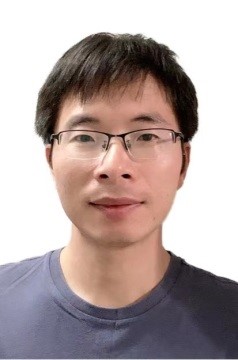 Xiancong Lu (卢仙聪)合作论文数Department of Physics, College of Physical Science and Technology, Xiamen University3
 Zhilin Yang (杨志林)合作论文数Department of Physics, College of Physical Science and Technology, Xiamen University3
 Na Liu (刘娜)合作论文数厦门大学电子科学与技术学院3
 Jianhui Zhong合作论文数Department of Physics and Astronomy, School of Arts & Sciences, University of Rochester;Department of Imaging Sciences, School of Arts & Sciences, University of Rochester3
 Liansheng Wang (王连生)合作论文数Department of Computer Science and Technology, School of Informatics, Xiamen University3
 Shuhui Cai (蔡淑惠)合作论文数School of Electronic Science and Engineering, Xiamen University3
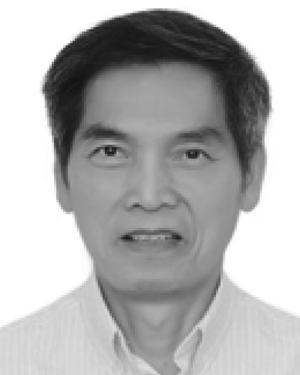 Tien-Mo Shih合作论文数3Yuxiang Lin合作论文数2
 Yuhang Yin合作论文数2wei li合作论文数2Qilin Duan合作论文数2
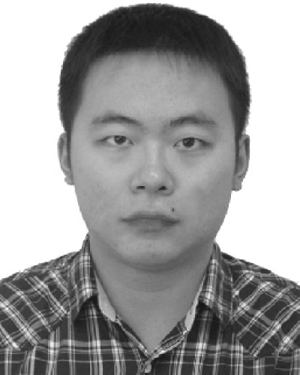 Congyu Liao合作论文数Zhejiang Univ, Coll Biomed Engn & Instrumental Sci, Ctr Brain Imaging Sci & Technol, Key Lab Biomed Engn,Minist Educ, Hangzhou, Zhejiang, Peoples R China2
 Xiaozhi Cao合作论文数Center for Brain Imaging Science and Technology, Key Laboratory for Biomedical Engineering of Ministry of Education, College of Biomedical Engineering and Instrumental Science, Zhejiang University, Hangzhou, Zhejiang, China2Shan Zhu合作论文数2Weimin Yang合作论文数Xiamen Univ, Dept Phys, Xiamen 361005, Peoples R China2
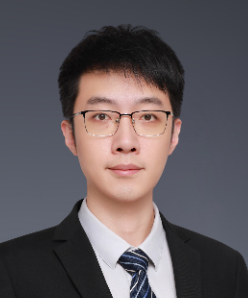 Jin Yao (姚金)合作论文数School of Physics Science and Engineering, Tongji University2
 Mengsha Tong (童梦莎)合作论文数School of Life sciences, Xiamen University2
 Di Guo (郭迪)合作论文数College of Computer and Information Engineering, Xiamen University of Technology2
 Hongjian He (何宏建)合作论文数School Of Physics, Zhejiang University2
 Longfang Ye (叶龙芳)合作论文数Department of Electronic Science, School of Electronic Science and Engineering, Xiamen University;Institute of Electromagnetics and Acoustic, Xiamen University2
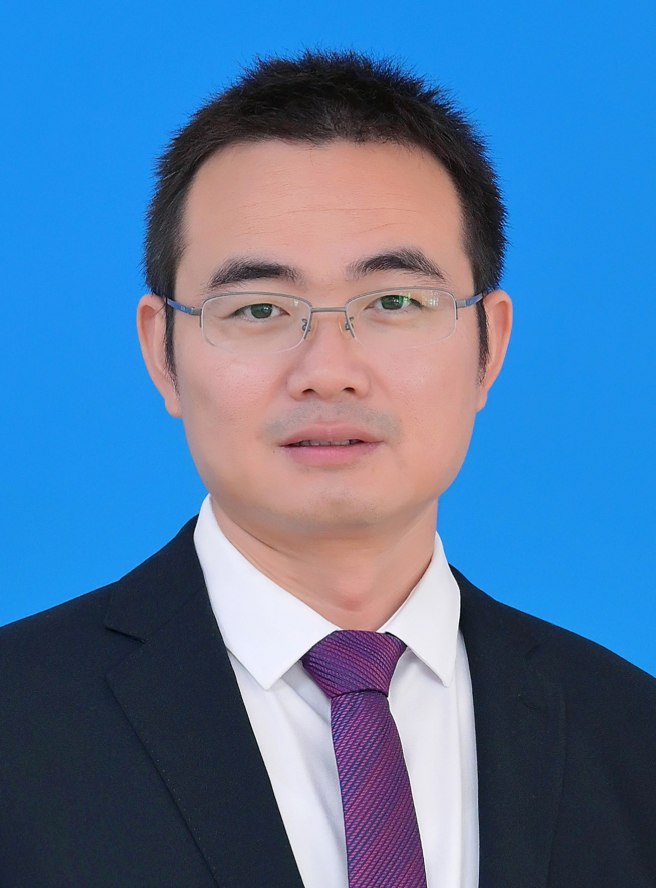 Zhengyong Song (宋争勇)合作论文数School of Electronic Science and Engineering, Xiamen University2
 Lin Xu (徐林)合作论文数Institutes of Physical Science and Information Technology, Anhui University2
 Min Gao (高敏)合作论文数School of Physics and Technology, Xinjiang University2
 Hao Wu (吴皓)合作论文数Shanghai Ninth People’s Hospital, Shanghai Jiao Tong University School of Medicine;Ear Institute, Shanghai Jiaotong University School of Medicine2
 Jing Li (李静)合作论文数College of Physical Science and Technology, Xiamen University;Pen-Tung Sah Institute of Micro-Nano Science and Technology, Xiamen University2
 Qiaoliang Bao (鲍桥梁)合作论文数Department of Materials Science and Engineering, Monash University;Institute of Functional Nano and Soft Materials, Soochow University2
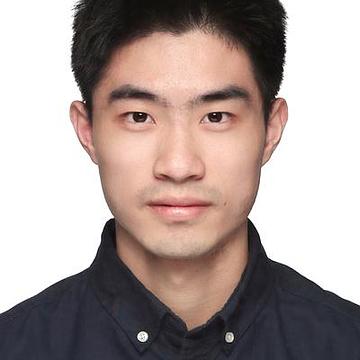 Yuxuan Sun合作论文数College of Computer Science and Technology, Zhejiang University;School of Engineering, Westlake University1Zhaoming Cheng合作论文数1
 Yifei Chen合作论文数IT Innovation and Research Center, Huawei1
 Jiawen Li合作论文数Institute of Biomedical and Health Engineering, Tsinghua Shenzhen International Graduate School, Tsinghua University1Miaoxin Qiu合作论文数1Ke-Ren Shen合作论文数1Sheng-ke Zhu合作论文数1




