BACKGROUND:Liver cancer stem cells (CSCs) are critical determinants of HCC relapse and therapeutic resistance, but the mechanisms underlying the maintenance of CSCs are poorly understood. We aimed to explore the role of tumor repressor Zinc-fingers and homeoboxes 2 (ZHX2) in liver CSCs.METHODS:CD133+ or EPCAM+ stem-like liver cancer cells were sorted from tumor tissues of HCC patients and HCC cell lines by flow cytometry. In addition, sorafenib-resistant cells, tumor-sphere forming cells and side population (SP) cells were respectively cultured and isolated as hepatic CSCs. The tumor-initiating and chemoresistance properties of ZHX2-overexpressing and ZHX2-knockdown cells were analyzed in vivo and in vitro. Microarray, luciferase reporter assay, chromatin immunoprecipitation (ChIP) and ChIP-on-chip analyses were performed to explore ZHX2 target genes. The expression of ZHX2 and its target gene were determined by quantitative RT-PCR, western blot, immunofluorescence and immunohistochemical staining in hepatoma cells and tumor and adjacent tissues from HCC patients.RESULTS:ZHX2 expression was significantly reduced in liver CSCs from different origins. ZHX2 deficiency led to enhanced liver tumor progression and expansion of CSC populations in vitro and in vivo. Re-expression of ZHX2 restricted capabilities of hepatic CSCs in supporting tumor initiation, self-renewal and sorafenib-resistance. Mechanically, ZHX2 suppressed liver CSCs via inhibiting KDM2A-mediated demethylation of histone H3 lysine 36 (H3K36) at the promoter regions of stemness-associated transcription factors, such as NANOG, SOX4 and OCT4. Moreover, patients with lower expression of ZHX2 and higher expression of KDM2A in tumor tissues showed significantly poorer survival.CONCLUSION:ZHX2 counteracts stem cell traits through transcriptionally repressing KDM2A in HCC. Our data will aid in a better understanding of molecular mechanisms underlying HCC relapse and drug resistance.
IL-35, a novel IL-12 family member, is a potent inhibitory cytokine predominantly produced by regulatory T and B lymphocytes that exerts optimal suppression in immune response. However, it remains unclear whether IL-35 plays an inhibitory role on human dendritic cells. In the present study, we focused on the possible immunosuppressive effect of IL-35 on the differentiation, maturation and function of monocyte-derived DCs (MoDCs). Addition of exogenous IL-35 was able to partially suppress MoDCs differentiation in vitro. Subsequently, LPS was used for the maturation of MoDCs and IL-35 was found to mainly restrain the maturation of MoDCs, characterized by the remarkable down-regulation of costimulatory molecules, CD83 and HLA-DR as well as a reduced production of pro-inflammatory cytokines (IL-12p70, IFN-γ, and TNF-α). Furthermore, IL-35-treated MoDCs exhibited strong inhibition in the proliferation of allogeneic CD4+/CD8+ T lymphocytes. Meanwhile, IL-35-treated MoDCs also suppressed the polarization of naïve CD4+ T lymphocytes towards Th1 phenotype and impaired CD8+ T cells allogeneic responses. And the foregoing suppression of MoDCs maturation and function by IL-35 might be due to the aberrant activation of STAT1/STAT3 and inhibition of p38 MAPK/NF-κB signaling pathway. Our results demonstrated for the first time that IL-35 played a critical role in modulating not only adaptive immune response, but also innate immune response. The inhibitory effect of IL-35 on MoDCs maturation and function may facilitate the development of promising therapeutic interventions in tumors and other diseases.
Cytotoxic T lymphocyte-associated antigen 4 (CTLA-4), a potent immunoregulatory molecule, can down-regulate T-cell activation and inhibit anti-tumor immune response. This study showed that LPS-stimulated human dendritic cells (DCs) decreased the expression of HLA-DR, CD83 and costimulatory molecules (CD40, CD80 and CD86) following coculturing with CTLA-4+ breast cancer cells. Moreover, the suppressed DCs further inhibited proliferation of allogeneic CD4+/CD8+ T-cells, differentiation of Th1 and function of cytotoxic lymphocytes (CTLs). However, CTLA-4 blockade in breast cancer cells could recover DC maturation and cytokine production, elevate antigen-presenting function of DCs, reverse Th1/CTLs response and cytokine secretion. Subsequent study demonstrated that the activation of extracellular-signal regulated kinase and signal transducer and activator of transcription 3 of DCs caused by CTLA-4+ breast cancer cells were the predominant mechanism of DC suppression. In addition, CTLA-4 blockade treatment also directly inhibited proliferation and induced apoptosis of CTLA-4+ breast cancer cells. Collectively, CTLA-4 was expressed and functional on human breast cancer cells through influencing maturation and function of DCs in vitro, and CTLA-4 blockage not only recovered the antigen-presenting function of DCs and T-cells activation but also suppressed the biological activity of breast cancer cells themselves. This study highlights the clinical application of CTLA-4 blockade therapy in breast cancer.
Gliomas are among the most lethal primary brain tumors found in humans. In high-grade gliomas, vasculogenic mimicry is often detected and has been correlated with prognosis, thus suggesting its potential as a therapeutic target. Vasculogenic mimicry mainly forms vascular-like channels independent of endothelial cells; however, little is known about the relationship between astrocytes and vasculogenic mimicry. In our study, we demonstrated that the presence of astrocytes promoted vasculogenic mimicry. With suspension microarray technology and in vitro tube formation assays, we identified that astrocytes relied on TGF-β1 to enhance vasculogenic mimicry. We also found that vasculogenic mimicry was inhibited by galunisertib, a promising TGF-β1 inhibitor currently being studied in an ongoing trial in glioma patients. The inhibition was partially attributed to a decrease in autophagy after galunisertib treatment. Moreover, we observed a decrease in VE-cadherin and smooth muscle actin-α expression, as well as down-regulation of Akt and Flk phosphorylation in galunisertib-treated glioma cells. By comparing tumor weight and volume in a xenograft model, we acquired promising results to support our theory. This study expands our understanding of the role of astrocytes in gliomas and demonstrates that galunisertib inhibits glioma vasculogenic mimicry induced by astrocytes.
Maternal immune adaptation is required for a successful pregnancy to avoid rejection of the fetal-placental unit. Dendritic cells within the decidual microenvironment lock in a tolerogenic profile. However, how these tolerogenic DCs are induced and the underlying mechanisms are largely unknown. In this study, we show that human extravillous trophoblasts redirect the monocyte-to-DC transition and induce regulatory dendritic cells. DCs differentiated from blood monocytes in the presence of human extravillous trophoblast cell line HTR-8/SVneo displayed a DC-SIGN(+)CD14(+)CD1a(-) phenotype, similar with decidual DCs. HTR8-conditioned DCs were unable to develop a fully mature phenotype in response to LPS, and altered the cytokine secretory profile significantly. Functionally, conditioned DCs poorly induced the proliferation and activation of allogeneic T cells, whereas promoted CD4(+)CD25(+)Foxp3(+) Treg cells generation. Furthermore, the supernatant from DC and HTR-8/SVneo coculture system contained significant high amount of M-CSF and MCP-1. Using neutralizing antibodies, we discussed the role of M-CSF and MCP-1 during monocyte-to-DCs differentiation mediated by extravillous trophoblasts. Our data indicate that human extravillous trophoblasts play an important role in modulating the monocyte-to-DC differentiation through M-CSF and MCP-1, which facilitate the establishment of a tolerogenic microenvironment at the maternal-fetal interface.
Malignant glioma is notorious for its aggressiveness and poor prognosis, and the invasiveness of glioma cells is the major obstacle. Accumulating evidence indicates that kinesin superfamily proteins (KIFs) may play key roles in tumor invasiveness, but the mechanisms remained unresolved. Our previous study demonstrated that membrane type 1-matrix metalloproteinase (MT1-MMP) was involved in Kinesin family member 1B (KIF1B)-modulated invasion of gastric cancer cells. Therefore, the role of KIF1B in glioma cell invasion and its relationship with MT1-MMP were explored in the present study. We found that aberrantly increased expression of KIF1B was associated with worse WHO pathological classification and Karnofsky performance status (KPS), which also showed a trend towards worse prognosis. In the transwell assay, knockdown of KIF1B using siRNA repressed U87MG and A172 glioma cell migration and invasion. Silencing KIF1B inhibited expression of membranal MT1-MMP; however, the amount of MT1-MMP in the whole cell lysate was not affected. In conclusion, targeting KIF1B may be an option for anti-invasive therapies targeting glioma.
 Qianqian Shao合作论文数3Shengnan Hao合作论文数2Wenjuan Gao合作论文数2
 Bin Huang (黄斌)合作论文数School of Physics and Electronics, Hunan University2Xi Chen合作论文数2Xun Qu (曲迅)合作论文数Qilu Hospital of Shandong University2
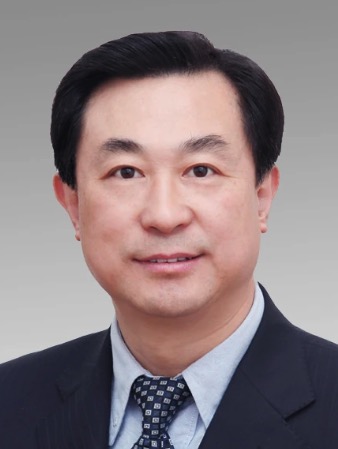 Xingang Li (李新钢)合作论文数Qilu Hospital, Shandong University;Institute of Brain and Brain-Like Science, Shandong University2Haiting Mao合作论文数2Tixiao Wang合作论文数1Xin Zhang合作论文数1
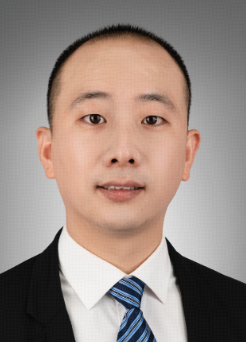 Zhuanchang Wu (武专昌)合作论文数Department of Immunology, School of Basic Medical Sciences, Shandong University1Dong Sun合作论文数1Lijie Wang (王立杰)合作论文数1Chao Zhang合作论文数1Qinghai Lin合作论文数1Leiqi Xu合作论文数Univ Texas Med Br, Galveston, TX USA1Siyu Tan合作论文数1Yutong Ge合作论文数1Zehua Wang合作论文数Shandong Univ, Environm Res Inst, Qingdao 266237, Peoples R China1
 Yang Wang合作论文数1Songyu Chen合作论文数1Xiang-Yu Guo合作论文数1Qibing Huang合作论文数1
 Fang Wang (王芳)合作论文数Chinese Academy of Medical Sciences1Zhao Lei合作论文数1
 Guo Xiaofan合作论文数Qilu Hospital, Shandong University1
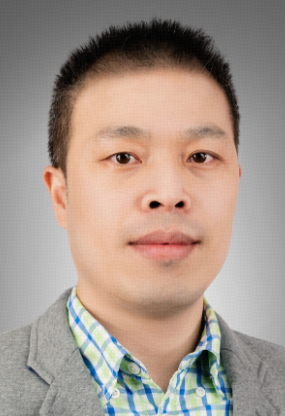 Xuetian Yue (岳学田)合作论文数Department of Cell Biology, School of Basic Medical Sciences, Shandong University1Chen Weiliang合作论文数1
 Xiaojia Song合作论文数1Han Mingzhi合作论文数Shandong University and Brain Science Research Institute, Shandong University1
 Liang Gao (高亮)合作论文数Tenth People's Hospital of Tongji University1
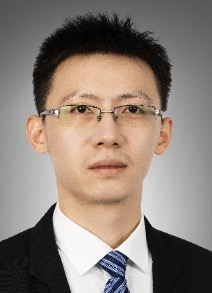 Detian Yuan (袁得天)合作论文数Department of Biochemistry and Molecular Biology, School of Basic Medical Sciences, Shandong University1
 Hui Song (宋晖)合作论文数School of Stomatology, Shandong University1
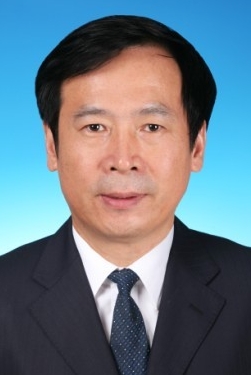 Beihua Kong (孔北华)合作论文数Qilu Hospital of Shandong University1
 Lin Zhang (张霖)合作论文数Department of Atmospheric and Oceanic Sciences, School of Physics, Peking University1
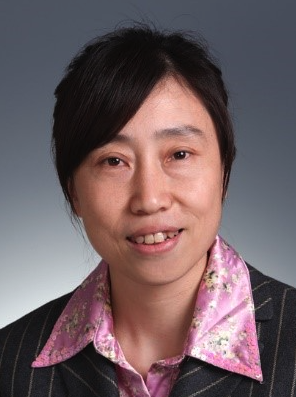 Chunhong Ma (马春红)合作论文数Department of Immunology, School of Basic Medical Sciences, Shandong University;Cheeloo College of Medicine, Shandong University1
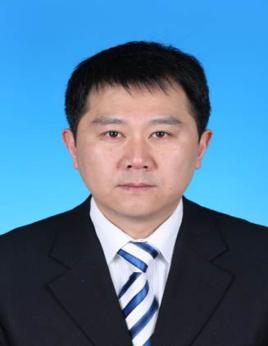 Jian Wang合作论文数ChiNor Brain Research Centre, Institute of Brain and Brain-like Sciences, Shandong University;Department of Biomedicine, University of Bergen1
 Yun Zhang (张运)合作论文数Key Laboratory of Cardio-vascular Remodeling and Function Research,;Chinese Ministry of Education, Chinese Ministry of Health, Qilu Hospital, Shandong University1Jia Liu合作论文数1
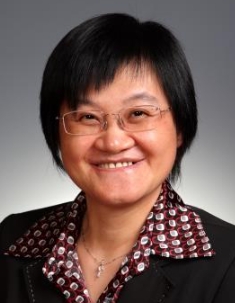 Yaoqin Gong (龚瑶琴)合作论文数Department of Genetics, School of Basic Medical Sciences, Shandong University1Xiaohong Liang (梁晓红)合作论文数1
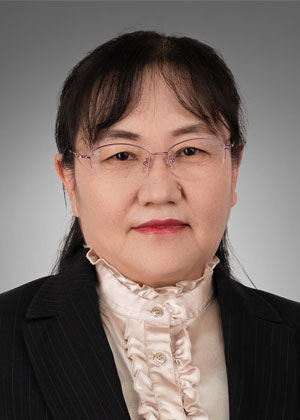 Lifen Gao (高立芬)合作论文数Key Laboratory of Infection and Immunity of Shandong Province, Department of Immunology, School of Basic Medical Sciences, Shandong University1




