openPangu models are attractive targets for private and domestic large-language-model deployment, yet their robustness under aggressive post-training quantization on Ascend NPUs has not been systematically characterized. This paper conducts a controlled empirical study of openPangu 1B and 7B models on Huawei Ascend 910B1 NPUs. We evaluate representative weight-only and weight-activation post-training quantization methods, including RTN, GPTQ, AWQ, SmoothQuant, GPTAQ, BiLLM, and SliM-LLM, under a unified calibration and evaluation protocol. Across 18 evaluation tasks, we find that 8-bit weight-only quantization is effectively lossless for both models, while 4-bit quantization remains practical for the 7B model but is visibly more harmful for the 1B model on reasoning, math, and code tasks. Ultra-low precision remains challenging: most 2-bit and binary settings collapse to near-random behavior, and W4A4 SmoothQuant produces non-finite perplexity in our evaluation. These results provide an NPU-oriented accuracy map for selecting openPangu quantization settings and highlight the persistent difficulty of extreme low-bit compression.
Artificial intelligence is increasingly catalyzing scientific automation, with multimodal large language model (MLLM) agents evolving from lab assistants into self-driving lab operators. This transition imposes stringent safety requirements on laboratory environments, where fragile glassware, hazardous substances, and high-precision laboratory equipment render planning errors or misinterpreted risks potentially irreversible. However, the safety awareness and decision-making reliability of embodied agents in such high-stakes settings remain insufficiently defined and evaluated. To bridge this gap, we introduce LABSHIELD, a realistic multi-view benchmark designed to assess MLLMs in hazard identification and safety-critical reasoning. Grounded in U.S. Occupational Safety and Health Administration (OSHA) standards and the Globally Harmonized System (GHS), LABSHIELD establishes a rigorous safety taxonomy spanning 164 operational tasks with diverse manipulation complexities and risk profiles. We evaluate 20 proprietary models, 9 open-source models, and 3 embodied models under a dual-track evaluation framework. Our results reveal a systematic gap between general-domain MCQ accuracy and Semi-open QA safety performance, with models exhibiting an average drop of 32.0
Accurate modeling of learners’ evolving cognitive states is essential for intelligent educational systems, yet many existing knowledge tracing and graph-based approaches rely on static structures or purely sequential representations that inadequately capture dynamic structural changes in learning processes. This study proposes a Learner Cognitive Graph (LCG) framework that integrates dynamic heterogeneous graph modeling, structured behavioral data acquisition, and reinforcement learning-based intervention optimization. A Dynamic Cognition Graph (DCG) is formally defined as a sequence of temporally evolving graph snapshots representing interactions among learners, knowledge concepts, and exercises. A reverse Turing test-based agent with structured prompting is introduced to collect reasoning-oriented behavioral evidence, improving data reliability for cognitive modeling. Temporal message passing, multi-scale memory updating, and self-supervised learning objectives are employed to construct dynamic cognitive representations. Personalized intervention is formulated as a Markov decision process to optimize long-term learning outcomes. Experiments conducted on real-world and simulated educational datasets demonstrate improved knowledge mastery prediction accuracy, cognitive state transition modeling, and intervention efficiency compared with representative baselines. The proposed framework provides a systematic and scalable approach for dynamic cognitive modeling and adaptive educational support.
World action models (WAMs) have recently shown promise in jointly modeling future observations and executable robot actions. However, most existing WAMs still operate in 2D video or latent spaces, where visually plausible rollouts miss the 3D spatial constraints and occluded contact geometry required for precise manipulation. While geometric foundation models offer strong priors for recovering dense 3D structure and motion from visual observations, forcing WAMs to predict the dense 4D representation introduces costly geometric decoding and slows down causal action generation. To address the trade-off, we present WAM4D, a fast 4D world action model that uses lightweight spatial register tokens as training-time future-depth readouts to transfer pretrained geometric priors into a causal video-action transformer, then removes the register branch for lightweight action inference. To prevent non-causal shortcuts, we further design causal mixture attention for the Mixture-of-Transformers (MoT) WAM backbone, defining modality-specific visibility among video, action, and geometry tokens. Comprehensive experiments on RoboTwin 2.0 and challenging real-world manipulation tasks show that WAM4D improves spatial consistency and achieves competitive action prediction while maintaining efficient inference.
Developing generalist embodied agents requires interactive environments providing visually realistic feedback and accurate action-conditioned dynamics. Interactive world models address this by simulating such complex dynamics. However, purely data-driven methods struggle to ensure precise control alignment and physically plausible visual feedback due to a lack of explicit structural constraints. To address this, we propose IOI, a hybrid interactive world model integrating analytical kinematic priors with learned physical dynamics. Unlike data-driven approaches prone to spatiotemporal drift, IOI introduces explicit kinematic guidance, computing forward kinematics from action sequences for accurate motion trajectories. These trajectories are rendered into synchronized front, side, and top orthographic projections, eliminating the need for extrinsic camera calibration. A Multi-view Kinematic Aggregation and Injection module fuses these geometric cues and injects them into the video generator, providing geometry-consistent guidance. Conditioning video generation on these deterministic trajectories establishes a synergy between the analytical simulator and the world model. Decoupling deterministic motion into the kinematic prior frees the generator to model stochastic physical interactions. Experiments on the RoboTwin benchmark validate IOI across kinematic fidelity, out-of-distribution (OOD) generalization, and policy evaluation. IOI achieves state-of-the-art simulation performance and robust zero-shot generalization to unseen OOD tasks. Furthermore, IOI serves as a reliable policy evaluator, yielding success rates closely aligning with ground-truth physics simulators. On real-world platforms, policies trained on IOI-synthesized data match those trained on teleoperation demonstrations, solidifying its practical value for embodied policy learning.
World-Action Models (WAMs) have emerged as a promising paradigm for embodied control by coupling future visual prediction with action generation. However, most existing WAMs rely on photorealistic future prediction, which incurs high inference latency and makes real-time robot deployment difficult. This motivates a more efficient WAM design that preserves the control benefits of future visual prediction while reducing its inference cost. We introduce Efficient-WAM, a World-Action Model that reduces the cost of future imagination while preserving its control benefit. Efficient-WAM improves inference efficiency via a compact video expert transferred from WAN-2.2-5B, token-sparse video latents, and asymmetric video-action denoising that allocates fewer sampling steps to video than to actions. Instead of optimizing the future branch for visual fidelity, Efficient-WAM treats future video prediction as a compact guidance signal for action generation. Comprehensive experiments on RoboTwin 2.0 and real-world manipulation tasks show that Efficient-WAM maintains strong action performance despite visibly coarse future predictions. While maintaining competitive control capabilities, our 1B-parameter model can reduce per-chunk latency to around 100 ms during physical deployment, achieving a 30x speedup over existing WAMs.
Recent advancements in robotic manipulation video synthesis have shown promise, but challenges remain in achieving robust instruction-following and high visual fidelity. Existing approaches like RoboDreamer rely on linguistic decomposition for compositional understanding but often overlook sequential dependencies and key visual cues such as depth and semantics, which are crucial for improving visual quality. We propose ManipDreamer, an advanced world model based on an action tree structure and enriched with visual guidance. Each instruction is represented as a structured action tree, with nodes linked to learned embeddings that improve compositional reasoning. These embeddings condition the world model, enhancing instruction-following accuracy. To improve visual fidelity, we integrate depth and semantic information via a visual guidance adapter compatible with the world model. ManipDreamer thus enhances both instruction-following accuracy and visual realism. Evaluations on standard benchmarks show ManipDreamer outperforms RoboDreamer, increasing PSNR from 19.55 to 21.05, SSIM from 0.7474 to 0.7982, and reducing Flow Error from 3.506 to 3.201 on unseen tasks. It also boosts the average success rate in robotic manipulation tasks by 2.5% across six RLbench tasks.
Robotic grasping is a fundamental capability in robotic manipulation. Yet grasping remains challenging under partial observations. Reliable grasping depends on both local contact cues and object-level 3D structure. Existing geometry-aware grasping methods recognize the value of reconstruction, but they typically treat geometry as an intermediate prediction rather than a reusable object prior for grasping. In this paper, we present GraspFoM, a unified framework that leverages 3D foundation priors (SAM3D) to build a shared 3D object latent for both reconstruction and grasp pose prediction. Built on this shared object latent, we introduce an anchor-initialized truncated pose-reasoning diffuser that predicts continuous and multimodal grasp poses without directly relying on discrete grasp candidates. We further investigate the interaction between reconstruction and grasping through a reconstruction-aware scorer and a residual latent updater. Reconstruction provides grounded geometric cues, while grasp supervision refines the shared object latent toward grasp-relevant affordances. GraspFoM jointly predicts grasp poses and reconstructs high-fidelity 3D assets in mesh and 3DGS forms. Comprehensive experiments demonstrate that GraspFoM achieves state-of-the-art results on both reconstruction and grasping. Notably, these improvements require only a small number of additional trainable parameters. Component-wise ablation studies also demonstrate the contribution of each component.
Building high-quality digital assets of robotic arms is crucial yet challenging for the Real2Sim2Real pipeline. Current approaches naively bind static 3D Gaussians according to URDF links, forcing them to follow an URDF-rigged motion passively. However, real-world arm motion is noisy, and the idealized URDF-rigged motion cannot accurately model it, leading to severe rendering artifacts in 3D Gaussians. To address these challenges, we propose RoboArmGS, a novel hybrid representation that refines the URDF-rigged motion with learnable Bézier curves, enabling more accurate real-world motion modeling. To be more specific, we present a learnable Bézier Curve motion refiner that corrects per-joint residuals to address mismatches between real-world motion and URDF-rigged motion. RoboArmGS enables the learning of more accurate real-world motion while achieving a coherent binding of 3D Gaussians across arm parts. To support future research, we contribute a carefully collected dataset named RoboArm4D, which comprises several widely used robotic arms for evaluating the quality of building high-quality digital assets. We evaluate our approach on RoboArm4D, and RoboArmGS achieves state-of-the-art performance in real-world motion modeling and rendering quality. The code and dataset will be released.
Data scarcity continues to be a major challenge in the field of robotic manipulation. Although diffusion models provide a promising solution for generating robotic manipulation videos, existing methods largely depend on 2D trajectories, which inherently face issues with 3D spatial ambiguity. In this work, we present a novel framework named ManipDreamer3D for generating plausible 3D-aware robotic manipulation videos from the input image and the text instruction. Our method combines 3D trajectory planning with a reconstructed 3D occupancy map created from a third-person perspective, along with a novel trajectory-to-video diffusion model. Specifically, ManipDreamer3D first reconstructs the 3D occupancy representation from the input image and then computes an optimized 3D end-effector trajectory, minimizing path length while avoiding collisions. Next, we employ a latent editing technique to create video sequences from the initial image latent and the optimized 3D trajectory. This process conditions our specially trained trajectory-to-video diffusion model to produce robotic pick-and-place videos. Our method generates robotic videos with autonomously planned plausible 3D trajectories, significantly reducing human intervention requirements. Experimental results demonstrate superior visual quality compared to existing methods.
Online 3D occupancy prediction provides a comprehensive spatial understanding of embodied environments. While the innovative EmbodiedOcc framework utilizes 3D semantic Gaussians for progressive indoor occupancy prediction, it overlooks the geometric characteristics of indoor environments, which are primarily characterized by planar structures. This paper introduces EmbodiedOcc++, enhancing the original framework with two key innovations: a Geometry-guided Refinement Module (GRM) that constrains Gaussian updates through plane regularization, along with a Semantic-aware Uncertainty Sampler (SUS) that enables more effective updates in overlapping regions between consecutive frames. GRM regularizes the position update to align with surface normals. It determines the adaptive regularization weight using curvature-based and depth-based constraints, allowing semantic Gaussians to align accurately with planar surfaces while adapting in complex regions. To effectively improve geometric consistency from different views, SUS adaptively selects proper Gaussians to update. Comprehensive experiments on the EmbodiedOcc-ScanNet benchmark demonstrate that EmbodiedOcc++ achieves state-of-the-art performance across different settings. Our method demonstrates improved edge accuracy and retains more geometric details while ensuring computational efficiency, which is essential for online embodied perception. The code will be released at: https://github.com/PKUHaoWang/EmbodiedOcc2.
This study focuses on developing educational agents capable of understanding and adapting to learners' complex cognitive behaviors. We propose a “Reverse Turing Test” (RTT) framework to evaluate AI's ability to perceive human cognition and construct an adaptive teaching agent, “Xiaohang,” based on Multimodal Large Language Models (MLLMs). The research employs four key methods: RTT, multimodal data perception, adaptive teaching strategies, and memory-reflection mechanisms. RTT captures learners' cognitive states through interactive dialogues, multimodal perception collects multidimensional data (text, speech, images), adaptive strategies adjust teaching plans based on real-time feedback, and memory-reflection mechanisms optimize subsequent teaching outcomes. Experiments conducted in project-based learning (PBL) scenarios demonstrate that Xiaohang significantly enhances the quality of problem formulation, creativity in solution design, and task completion efficiency, validating its effectiveness in improving educational outcomes.
Traditional educational systems struggle to model dynamic cognitive processes, limiting personalized interventions. This paper presents a Learner Cognitive Graph (LCG) framework using educational large language models with bias mitigation to address this challenge. We introduce a Dynamic Cognition Graph (DCG) to represent spatiotemporal interactions among students, knowledge, and exercises, capturing cognitive evolution and state transitions. A reverse Turing test-driven agent collects multi-modal behavioral data via structured prompts with hallucination control, while dynamic graph neural networks and reinforcement learning enable behavior prediction and personalized intervention optimization. The framework forms a closed loop from perception to adaptive support, enhancing cognitive modeling precision and providing scalable learning support. Key innovations include heterogeneous DCG construction, interactive data extraction with bias detection, and data-driven intervention design. This work advances intelligent educational systems while addressing inherent biases in large language models.
Foundation models have revolutionized language modeling, while whether this success is replicated in scientific computing remains unexplored. We present OmniArch, the first prototype aiming at solving multi-scale and multi-physics scientific computing problems with physical alignment. We addressed all three challenges with one unified architecture. Its pre-training stage contains a Fourier Encoder-decoder fading out the disharmony across separated dimensions and a Transformer backbone integrating quantities through temporal dynamics, and the novel PDE-Aligner performs physics-informed fine-tuning under flexible conditions. As far as we know, we first conduct 1D-2D-3D united pre-training on the PDEBench, and it sets not only new performance benchmarks for 1D, 2D, and 3D PDEs but also demonstrates exceptional adaptability to new physics via in-context and zero-shot learning approaches, which supports realistic engineering applications and foresight physics discovery.
Fourier Neural Operators (FNO) have emerged as promising solutions for efficiently solving partial differential equations (PDEs) by learning infinitedimensional function mappings through frequency domain transformations. However, the sparsity of high-frequency signals limits computational efficiency for high-dimensional inputs, and fixedpattern truncation often causes high-frequency signal loss, reducing performance in scenarios such as high-resolution inputs or long-term predictions. To address these challenges, we propose FreqMoE, an efficient and progressive training framework that exploits the dependency of high-frequency signals on low-frequency components. The model first learns low-frequency weights and then applies a sparse upward-cycling strategy to construct a mixture of experts (MoE) in the frequency domain, effectively extending the learned weights to highfrequency regions. Experiments on both regular and irregular grid PDEs demonstrate that FreqMoE achieves up to 16.6 percent accuracy improvement while using merely 2.1 percent parameters (47.32x reduction) compared to dense FNO. Furthermore, the approach demonstrates remarkable stability in long-term predictions and generalizes seamlessly to various FNO variants and grid structures, establishing a new Low frequency Pretraining, High frequency Fine-tuning" paradigm for solving PDEs.
The health monitoring of CRF (circulation water) pumps is essential for prognostics and management in nuclear power plants. However, the operational status of CRF pumps can vary due to environmental factors and human intervention, and the interrelationships between monitoring parameters are often complex. Consequently, the existing methods face challenges in effectively assessing the health status of CRF pumps. In this study, we propose a health monitoring model for CRF pumps utilizing a meta graph transformer (MGT) observer. Initially, the meta graph transformer, a temporal–spatial graph learning model, is employed to predict trends across the various monitoring parameters of the CRF pump. Subsequently, a fault observer is constructed to generate early warnings of potential faults. The proposed model was validated using real data from CRF pumps in a nuclear power plant. The results demonstrate that the average Mean Absolute Percentage Error (MAPE), Mean Absolute Error (MAE), and Root Mean Square Error (RMSE) of normal predictions were reduced to 1.2385, 0.5614, and 2.6554, respectively. These findings indicate that our model achieves higher prediction accuracy compared to the existing methods and can provide fault warnings at least one week in advance.
Pretrained large language models (LLMs) exhibit exceptional general language processing capabilities but come with significant demands on memory and computational resources. As a powerful compression technology, binarization can extremely reduce model weights to a mere 1 bit, lowering the expensive computation and memory requirements. However, existing quantization techniques fall short of maintaining LLM performance under ultra-low bit-widths. In response to this challenge, we present BiLLM, a groundbreaking 1-bit post-training quantization scheme tailored for pretrained LLMs. Based on the weight distribution of LLMs, BiLLM first identifies and structurally selects salient weights, and minimizes the compression loss through an effective binary residual approximation strategy. Moreover, considering the bell-shaped distribution of the non-salient weights, we propose an optimal splitting search to group and binarize them accurately. BiLLM achieving for the first time high-accuracy inference (e.g. 8.41 perplexity on LLaMA2-70B) with only 1.08-bit weights across various LLMs families and evaluation metrics, outperforms SOTA quantization methods of LLM by significant margins. Moreover, BiLLM enables the binarization process of the LLM with 7 billion weights within 0.5 hours on a single GPU, demonstrating satisfactory time efficiency.
With the advancement of artificial intelligence and the Internet of Things, the demand for deploying neural networks on embedded devices is steadily increasing. Field Programmable Gate Arrays (FPGAs) are an optimal solution for this challenge due to their low power consumption, low latency, and programmability, which has garnered significant attention in the industry. This paper proposes a hardware accelerator architecture that leverages both the Processing System (PS) and Programmable Logic (PL) sides in parallel, based on the ZYNQ-7000 series System on Chip (SoC), and demonstrates its superior performance through the deployment of multiple convolutional models.
This study addresses the challenges faced in personalized tutoring within large-scale programming courses, such as significant ability gaps among students, limited available resources, among others. For these reasons, we proposed an intelligent programming assistant, ProgMate, based on large language models (LLMs). Benefitting from the robust understanding and learning capabilities of LLM, ProgMate not only comprehensively monitors the learning process, but can also surpass human teaching in aspects such as intelligent assignment grading, identification of knowledge gaps, and assessment of learning abilities. ProgMate embodies a new 4-A digital teaching paradigm, characterized by its ability to provide precise guidance with anything, to anyone, anywhere, at any time, with features like “omnipresence”, “adaptive guidance” and “customization”. It facilitates the organic integration of collective teaching and individualized guidance, continuous learning, and long-term development, as well as resource efficiency and precision nurturing, offering a viable path and empirical support for the digital transformation of future education.
 Jianwei Niu (牛建伟)合作论文数School of Aeronautic Science and Engineering, Beihang University11
 Shanghang Zhang (仉尚航)合作论文数Institute for Visual Technology, School of Computer Science, Peking University;Institute for Artificial Intelligence, Peking University10
 Xiaobao Wei (韦小宝)合作论文数Institute of Software, Chinese Academy of Sciences;Peking University7
 Chuan Lv (吕川)合作论文数School of Reliability and System Engineering, Beihang University7
 Sheng Hong (洪晟)合作论文数School of Advanced Manufacturing, Nanchang University7
 Yangdong Liu合作论文数6Zhanhe Liu合作论文数5Jingzhuo Liang (梁靖卓)合作论文数5
 Jie Geng (耿杰)合作论文数School of Reliability and Systems Engineering, Beihang University5
 Xiaowei Chi合作论文数5
 Ming Lu (陆鸣)合作论文数Intel Lab5
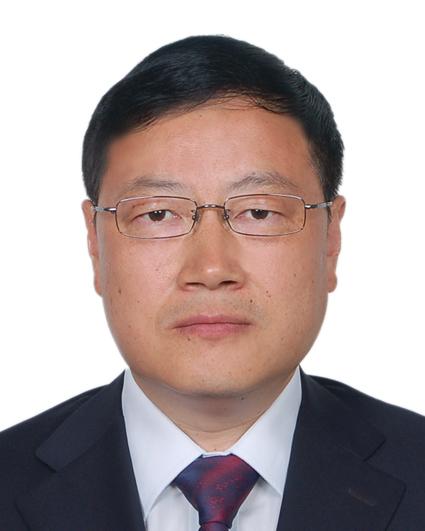 Jun Huang (黄俊)合作论文数School of Aeronautic Science and Engineering, Beihang University5
 Xiang Long (龙翔)合作论文数School of Computer Science and Engineering, Beihang University5
 Xianglong Liu (刘祥龙)合作论文数State Key Laboratory of Software Development Environment, School of Computer Science and Engineering, Beihang University5JinCheng Qiu合作论文数4Shicheng Yu合作论文数4
 Peilin Huang (黄沛霖)合作论文数School of Aeronautic Science and Engineering, Beihang University4
 Jiong Zhang合作论文数Amazon4
 You Song (宋友)合作论文数School of Software, Beihang University4
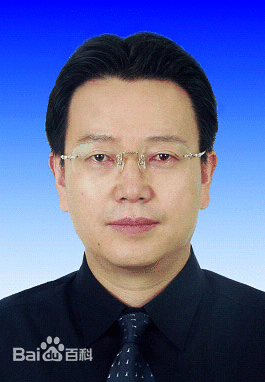 Zhe Wu (武哲)合作论文数Dongguan University of Technology4Xin Ren合作论文数3Yan Yue合作论文数3
 Haotong Qin (秦浩桐)合作论文数Center for Project-Based Learning D-ITET, ETH Zürich3
 Mingjing Ai (艾明晶)合作论文数School of Computer Science and Engineering, Beihang University3
 Jianxin Li (李建欣)合作论文数School of Computer Science & Engineering, Beihang University;Beijing Advanced Innovation Center of Big data and Brain Computing, Beihang University3
 Mohammed Atiquzzaman合作论文数School of Computer Science, The University of Oklahoma3
 Guanghong Gong (龚光红)合作论文数School of Automation Science and Electrical Engineering, Beihang University3
 Tianyu Chen (陈天宇)合作论文数School of Computer Science and Engineering, Beihang University2Xinpeng Ma合作论文数2Simbarashe Matutu合作论文数2Qianben Qi合作论文数2Song Mo合作论文数2
 Wei Huang合作论文数2
 Haoyi Zhou (周号益)合作论文数School of Software, Beihang University;Beijing Advanced Innovation Center for Big Data and Brain Computing2Jia Wang合作论文数2
 Wenzhao Zheng (郑文钊)合作论文数Department of EECS, University of California, Berkeley2
 Jinzu Ji (姬金祖)合作论文数School of Aeronautic Science and Engineering, Beihang University2
 Leilei Sun (孙磊磊)合作论文数School of Computer Science & Engineering, Beihang University2
 Qinghua Cao (曹庆华)合作论文数School of Computer Science and Engineering, Beihang University2Tongyu Zhu (诸彤宇)合作论文数2
 Meikang Qiu合作论文数Department of Computer & Cyber Sciences, School of Computer and Cyber Sciences, Augusta University;Department of Computer Science, Texas A&M University Commerce;Department of Electrical Engineering, Columbia University2
 Hao Wang (王皓)合作论文数School of Mechanical Engineering, Shanghai Jiao Tong University2Qishan Zhang (张岐山)合作论文数School of Economics and Management, Fuzhou University2
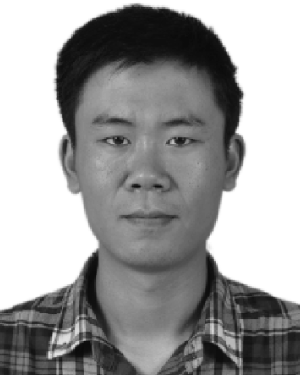 Lin Sun合作论文数2
 Zili Wang (王自力)合作论文数School of Reliability and Systems Engineering, Beihang University;School of Software, Beihang University2
 Jian Tang (唐剑)合作论文数Department of Electrical Engineering and Computer Science, College of Engineering, Syracuse University2Zhengdao He (何政道)合作论文数2




