The CFRP buckle arrestor, designed as an innovative arresting device, effectively enhances the local circumferential stiffness of subsea pipes, serving as a barrier to prevent the spread of buckling. This arrestor consists of multiple layers of adhesive and CFRP, carefully wound around the subsea pipes in several loops. In the present work, a fully-coupled nonlinear finite element (FE) model is proposed to simulate the collapse and its evolution of tubes wrapped with CFRP arrestors, which is verified by the previous experimental results. The interface bonding performance between tubes and CFRP arrestors is characterized by the surface-based cohesive behavior in ABAQUS, and the circumferential, axial, and normal bonding behavior is defined according to the measured bonding strength and slip. The failure mechanism at the interface between the tubes and CFRP arrestors is revealed. Subsequently, broad parametric analyses are numerically performed, covering key geometric and material parameters as well as interface bonding properties. Finally, based on the extensive FE results, optimized empirical formulas are established to assess the crossover pressure and arresting efficiency of CFRP buckle arrestors under flattening-mode.
Polar subsea wellhead systems undergo long-term ice-wind-wave-current coupled loads in extreme Arctic marine environments, where periodic alternating shear forces and bending moments readily induce structural fatigue failure. Based on polar marine environmental conditions, this study establishes a floating ice-marine riser coupling model to acquire ice-induced load time histories under broken and floating ice conditions. Combined with wave and current effects, the fatigue load spectrum at the subsea wellhead datum is determined. A local decoupling method is adopted to develop a refined wellhead model considering lateral shear and bending responses, and the bending moment-stress transfer function is derived for fatigue evaluation. The results show that the high-and low-pressure welds achieve fatigue lives of 29.61 years and 2.59 years under ice-free conditions. Ice loads severely degrade structural fatigue performance, and broken ice causes the most critical damage, reducing the low-pressure weld fatigue life to only 0.07 years under completion conditions. This study provides a theoretical basis for fatigue life assessment of polar subsea wellhead systems in drilling and completion operations.
Composite pipes are crucial for continuously transporting deep-sea oil, gas, and mineral resources. Composite materials have been applied to the design of flexible pipes to cope with weight and extreme loading challenges. However, under the influence of many nonlinear factors, the failure behaviour of composite flexible pipes is complex. This paper proposes a novel failure envelope analytical and numerical models for composite pipes based on through-thickness failure criteria. The failure characteristics of each layer, the material's nonlinearity, and the fibers' local deformation are fully considered. The numerical model also considers the detailed geometric characteristics of the composite pipe. Select corresponding failure criteria for different material characteristics to construct the failure envelope of composite pipes. An 8-inch composite pipe was used as a case study to verify the accuracy of the analytical model. The failure behaviour of composite pipes under axisymmetric loading is discussed. The composite pipes' stress field and failure envelope under axisymmetric loading are analyzed. In addition, the factors affecting the maximum loading of composite pipes are discussed.
The ocean current disturbance is a critical factor accelerating the wear rate of the inner liner in non-metallic flexible pipes used for deep-sea mining, significantly impacting the pipe’s service life, thus making it essential to consider in pipe design. In this study, a coupled dynamic model integrating the bent pipe section of a non-metallic flexible pipe, seawater, and non-spherical particles was established under ocean current disturbance conditions. The key parameters affecting the distribution characteristics of particle dynamics, including particle sphericity, pipe oscillation frequency, and oscillation amplitude, were systematically analyzed. The investigation focused on the evolution of wear on the inner liner under these influencing factors, revealing the mechanisms of particle-wall collision and wear progression. Furthermore, the wear life of the flexible pipe was predicted and evaluated. The results indicate that under the influence of oscillation frequency and amplitude, the geometric characteristics of non-spherical particles and the pipe oscillation parameters exhibit a pronounced nonlinear relationship with the wear rate. High-frequency, large-amplitude oscillations tend to suppress the lateral propagation of the wear area, thereby intensifying localized wear in the wall thickness direction. In the wear life assessment incorporating a safety factor of 1.5, the minimum service life occurs under the conditions of a maximum particle size of 20 mm, sphericity of 0.8, oscillation amplitude of 15°, and oscillation frequency of 1 Hz. These findings can provide solid theoretical support and technical guidance for the wear life assessment and structural design of non-metallic flexible pipes in deep-sea mining.
In response to the issue of flexible pipes are prone to large deformations under environmental loads, which subsequently affects structural safety and transport stability, this paper establishes a configuration monitoring and inversion method based on inclinometers. Taking the non-metallic flexible pipes used in a 6000m ultra-deep water mining system as the research object, multi-scale model tests were conducted, including towing tank model tests designed according to similarity criteria, the 15 m prototype pipe-segment tests, and the sea trial at 100m water depth. Multi-view vision methods and strain-based shape reconstruction algorithms were employed in the towing tank model tests for verification and comparison purposes, the applicability and inversion accuracy of the proposed method were systematically evaluated under various typical configurations, such as overhanging, U-shaped, and twist conditions. Experimental results demonstrate that the proposed method reconstruct the spatial configuration of flexible pipes under multiple shape conditions accurately, with dimensionless errors of less than 5% and RMSE below 0.1. Compared with strain-based configuration inversion methods, the proposed method eliminates the need for establishing complex strain-curvature mapping relationships, reduces the dependence on prior information such as structural parameters, and offers practical engineering advantages including low cost and ease of deployment and maintenance. The method also enables early deformation identification to some extent, demonstrating good engineering applicability and potential for broader adoption.
The subsea wellhead connector provides a pressure barrier for downhole oil and gas and external seawater, ensuring the safe production of offshore oil and gas. Based on the operational mode of subsea wellhead connectors, this study derives the mechanical relationships for the main load-bearing components under external axial tension, pressure, and bending moment loads. Using elastoplastic finite element analysis, the hub face pre tension force, maximum locking pressure, and VX steel ring sealing load of the connector under locking conditions are analyzed. The separation law, sealing performance, and bending resistance of the hub face of the subsea wellhead connector under composite loads such as axial force, internal pressure, and external bending moment were analyzed. Finally, the ultimate bending resistance of the subsea wellhead connector under different working conditions was obtained and verified through experiments. The failure site of the subsea wellhead connector is mainly located in the sealing ring attachment area. Under survival conditions, the connector has the highest bending resistance, and the external axial tension can offset some of the gravity of the upper facilities, making the connector's bending resistance greater. This article provides guidance for the design and analysis of bending capacity of subsea wellhead connectors.
Wear of the internal lining in the non-metallic flexible pipes (NMFPs) is a critical issue in long-distance hydraulic lifting for deep-sea mining, as it can lead to structural failure and reduced service life. The non-homogeneous, discontinuous flow of unevenly sized mineral particles, especially in the curved sections of the pipe, complicates the analysis of particle motion and wear characteristics. This research presents a numerical simulation model of particle dynamics in the internal layers of curved NMFPs, developed using the CFD-DEM coupling method, based on Hertz-Mindlin contact theory and the Archard wear model. The model captures the particle-particle and particle-wall collision behaviors, alongside energy dissipation patterns. A parametric analysis of the wear process was conducted to evaluate the service life of the bent NMFP. Results indicate that particle collision frequency and energy dissipation correlate with increased wear, while higher conveying speeds and larger particle diameters intensify wear. Under specified conditions of 6 m/s conveying speed and a maximum particle concentration of 0.15, an NMFP with a 10 mm internal layer thickness is estimated to last 3.65 years. These findings provide a technical reference for optimizing conveying parameters and minimizing internal wear in deep-sea hydraulic lifting systems at depths of 6000 m.
For weakly textured, depth-discontinuous, and illumination-varying scenes, high-speed and high-precision 3-D measurement remains challenging for active stereo. This article presents Argus-3D, a single-shot system that combines an alternating Gaussian/inverted-Gaussian speckle pattern (AGiGS) with a fast subpixel matcher, Adaptive Roulette-Wheel Matching with Optimized Refinement (ARMOR), termed ARMOR-Stereo. AGiGS improves local discriminability under illumination variation, while ARMOR-Stereo uses intensity-consistent propagation and roulette-wheel sampling to improve robustness and efficiency. Experiments on planes referenced by a coordinate measuring machine, a certified seven-step artifact under fixed and handheld acquisition, and a quantitative brightness-variation test indicate that ARMOR-Stereo achieves a matching time of 0.579 s for a $2048 \times 1500$ stereo pair, which is substantially faster than the evaluated serial PatchMatch Stereo (PMS) and Unrectified Color-guided PatchMatch Stereo (UC-PMS) implementations and also faster than the Compute Unified Device Architecture (CUDA)-based GIPUMA-Stereo baseline, while achieving lower left-right-consistency failure rates and better planar reconstruction accuracy on the evaluated plane target.
Subsea Christmas tree is an integral component of subsea production system. It is installed at the top of subsea wellhead and connects the subsea wellhead to subsea manifold. In China, the wireline method and the drillpipe method are commonly used to lower and install subsea Christmas trees. Due to the complex and variable wind, wave, and current loads in the sea, as well as the low strength of wirelines and drillpipes, the lowering depth of subsea Christmas tree is limited, and the lowering and installation process is difficult to control. Based on the theory of wave-current interaction, a simulation model of subsea Christmas tree was established using the OrcaFlex software. For the Offshore Oil 708 engineering vessel and the Offshore Oil 981 deepwater semi-submersible drilling platform, based on the wireline and drillpipe methods, the maximum lowering depth of subsea Christmas tree under different sea conditions was studied with consideration to the crane capacity of the installation vessel, the top drive capacity of the semi-submersible platform, and the strength of wireline and drillpipe. Moreover, the motion response mechanism of the subsea Christmas tree in two lowering and installation schemes was analyzed for different lowering depths, and the motion responses of the subsea Christmas tree in the whole process from contacting the water to passing through the splash zone and finally to entering the deep water area were obtained. The results show that the wireline method operates with low stability when the water depth exceeds 1,000 m and fails to meet the lowering requirements when the water depth exceeds 1,500 m. In contrast, the drillpipe method has a stronger operational capability to enable the subsea Christmas tree to be installed at water depths exceeding 3,000 m, making it more suitable for the installation of heavy subsea equipment. The research results provide a guidance for the sea trial installations in subsea oil and gas development in the South China Sea.
The Christmas tree tubing hanger serves as a channel for oil, gas, and electrical flow, supporting the tubing string and sealing the annular space. The sealing performance of the tubing hanger is important for ensuring the safe operation of the subsea Christmas tree. The effect of precompression load on the performance of the K-type metal seal was simulated and analyzed through two-dimensional and three-dimensional contact models, and the impact of oil and gas operating pressures, temperatures, and the elastic modulus on the sealing performance of the K-type metal seal was investigated. According to the results, the maximum error between the theoretical calculation and the finite element method for the contact stress on the exterior of the K-type metal seal was 4.72%. The contact stress of the sealing ring increased at higher precompression and internal pressure. Temperature had a minimal impact on the sealing performance of the seal, while reducing the elastic modulus of the sealing ring decreased its equivalent stress. Finally, static pressure and pressure cycling tests were conducted in compliance with the API 6A standard. The tests confirmed that the maximum sealing pressure of the K-type metal seal satisfied the requirement of a 1.5-fold working pressure and validated that the seal exhibited good sealing performance in oil and gas pressure-temperature cycling conditions. The K-type metal seal was self-tightening, where the pressure enhanced the sealing effect, Hertz contact theory can be used for preliminary parameter design in the early stage, and the sealing performance can be further verified through elastic-plastic finite element method and experiments.
Subsea Christmas trees serve as key technical equipment for subsea oil and gas development, as they regulate the flow of oil and gas at subsea wellheads. Most deep-water subsea Christmas trees deployed in China depend on imports, resulting in high procurement costs. Post-operation, these systems are typically hoisted and recovered using drill pipes and steel wire ropes. However, the harsh and dynamic deep-sea environment complicates the prediction of the tree movement posture in seawater, making safe retrieval an urgent challenge in marine oil and gas resource exploitation. Focusing on 2000 m water depth subsea Christmas tree installation and retrieval, with a specific sea area in the South China Sea as the case study, this paper applies OrcaFlex software version 11.4 to analyze drill pipe stress during retrieval and investigate movement posture changes of the tree body across different stages. Meanwhile, targeting varied operational sea conditions and integrating orthogonal test analysis, this paper quantifies the influence of parameters (wave height, ocean current velocity, and retrieval speed) on the retrieval process. The findings provide theoretical guidance and technical support for China's deep-water subsea Christmas tree installation and retrieval operations.
Non-metallic unbonded flexible pipes, known for their significant advantages such as lightweight design, high wear resistance, and excellent load-bearing capacity, show broad application prospects in deep-sea hydraulic pipeline lifting mining systems. A finite element model with unidirectional fiber layup is established to investigate the effects of external pressure and interlayer friction coefficient on bending stiffness under monotonic and cyclic bending. Nodal stresses at the rectangular cross-section are analyzed. Results show that external pressure alters interlayer contact pressure, increasing the curvature required for strip slippage; after slippage, strain energy growth slows. Cyclic bending induces significant hysteresis from interlayer slip. Higher external pressure and friction coefficient enlarge the moment-curvature loop, increase the friction force for slip, and enhance energy dissipation. Additionally, external pressure modifies the strain state of helical strips in the tensile reinforcement layer, leading to hysteresis in nodal stresses, which vary with strip coordinates.
Deep-sea mining presents a potential solution to meet the growing demand for mineral resources, but significant challenges remain in ensuring the efficient and stable transport of minerals from the seabed to the surface. This paper integrates large-eddy-simulation computational fluid dynamics with the discrete-element method (LES CFD-DEM) to resolve, at particle scale, the coupled fluid dynamics and contact mechanics governing solid-liquid transport in a vibrating 20 m pipeline representative of deep-sea operations. Systematic parametric sweeps spanning feed concentration (10.5-15 %), mixture velocity (3.4-4.0 m/s) and forced-vibration frequency (0-1 Hz) reveal three reproducible transport regimes that collapse onto a single dimensionless ratio-the TransportCoupling Critical Index, TCCI. Fluid-dominated flow prevails for TCCI < 1, a competitively coupled state with periodic cluster break-up emerges for 1 < TCCI < 5, and a collision/viscosity-dominated regime prone to blockage occurs for TCCI > 5. Operating at 10-12 % solids, 0.8-1 Hz vibration and >= 3.6 m/s confines the system to the optimal coupled regime (TCCI approximate to 1-3), minimizing pressure loss while maintaining a safe margin to clogging. A continuum clogging-breakdown model, derived from force balance and validated against simulation and literature data, quantitatively predicts local particle volume fractions within +/- 15 %. These findings provide design rules-and a predictive framework-for next-generation deep-sea mining risers.
As a critical regulating component in subsea Christmas tree systems, the cage-type choke valve governs the overall production efficiency and operational reliability of offshore oil and gas exploitation owing to its unique internal flow field characteristics. In accordance with the in situ operating conditions of the target oilfield, this paper performs a numerical simulation and systematic analysis on the flow field behaviors of a cage-type choke valve. Based on the fundamental theories of computational fluid dynamics (CFD), a three-dimensional coupled flow and heat transfer numerical model for the target choke valve is constructed via the FLUENT solver. Flow parameters under diverse pressure difference conditions are measured, validating the accuracy and feasibility of the established numerical model. Corresponding model hypothesis criteria and boundary condition configuration schemes are explicitly defined. Spatial distribution characteristics of the internal temperature, velocity, and pressure fields of the choke valve under different operating conditions are obtained through numerical simulation. Ten monitoring nodes uniformly arranged along the fluid domain from the inlet to the outlet are selected for quantitative analysis. The research results clarify that lower seawater temperature intensifies heat dissipation, leading to the observed temperature decrement, and confirm that the cage orifice structure dominates the flow acceleration, with the pressure drop magnitude linearly correlating with the inlet–outlet differential pressure. The research methodology and numerical findings of this study can provide a reliable basis for structural optimization and operating condition matching of cage-type choke valves applied in subsea oil and gas production systems.
As an important production tool for the development of deep water oil and gas fields, large subsea manifolds are voluminous and functionally complex. The structure, size, and weight of the manifolds continue to increase with the increase in application water depth, bringing serious challenges to installation engineering in deep and ultra-deep water. The paper takes the manifold of a gas field in the South China Sea as the research object, conducts wave slamming analysis on the release of large subsea manifolds under complex environmental conditions and studies the nonlinear dynamic response characteristics of the manifold during the release process. Combining Smooth Particle Hydrodynamics (SPH), a dynamic model of subsea manifold crossing splash zones was established, and the transverse inclination, longitudinal oscillation, and deflection phenomena of the subsea manifold under combined conditions were analyzed. Additionally, the shrinkage model of the subsea manifold was verified through water pool experimentation, revealing the decisive parameters that affect the forces and attitude of the large subsea manifold. The results showed that the maximum slamming force is positively correlated with wave height and lowering speed, negatively correlated with wave period, and that gas cushioning had a significant buffering effect on the maximum slamming force.
The configuration inversion of flexible pipeline for deep-sea mining of critical mineral resources at depth of 6000 m (e.g., polymetallic nodules) remains a significant challenge. Existing configuration inversion methods primarily rely on fiber-optic monitoring devices, underwater robots, and inclinometers. However, these methods are no longer applicable to non-metallic, unbonded flexible pipes due to their unique characteristics, including interlayer slippage in their multilayer structure and non-negligible axial elongation. The study proposed a novel configuration inversion method tailored for deep-sea non-metallic unbonded flexible pipelines. Based on the overall design of a deep-sea mining system, a built-in inclinometer scheme was introduced, facilitating an integrated pipe design, reducing installation costs, isolating the harsh deep-sea environment (thus improving monitoring accuracy), and enhancing inclinometer structural design. Furthermore, considering the large geometric deformation and posture uncertainty of a 6200m flexible pipe, this study conducted an in-depth investigation into the configuration response characteristics of non-metallic, unbonded flexible pipes. The variations in key parameters, such as pipe inclination and elongation along the pipe length, were analyzed under different typical sea conditions. The influence of various operational parameters (e.g., environmental conditions, vesselvehicle relative position) on these key parameters was discussed. Based on this, a quantitative correlation model was established to relate the characteristic parameters of a 6000m deep-water non-metallic flexible pipe to its operational conditions. On this basis, the quantitative correlation model was combined with inclinometer monitoring data to establish a configuration inversion method for a 6000m deep-water mining flexible pipe, based on the variation patterns of inclination and elongation. This method is highly robust and can inversely model the configuration in real-time, efficiently, and accurately. It effectively solved the configuration inversion problem for deep-sea mining non-metallic, unbonded flexible pipes with axial elongation. Finally, by comparing with the accurate configuration of the flexible pipe under typical sea conditions, the accuracy of the configuration inversion method established in this study was verified.
A subsea control module (SCM) hydraulic system is an important element of subsea control system. Fault diagnosis of SCM hydraulic system is challenged due to the complex system structure. To identify the faulty components and distinguish the fault types, this study develops a dynamic Bayesian networks (DBN)-based fault diagnosis methodology of SCM hydraulic system. The methodology generates evidence from SCM internal sensors and uses the information to update the process knowledge. The dynamic degradation process of the valve is simulated and the conversion relationship between time slices are determined by Markov models. Based on EM algorithm, the probability parameters of BN nodes are calculated, and transfer probability distribution between time slices is determined. A multi-time slices DBN fault diagnosis model of SCM hydraulic system based on reverse analysis was established. Thirty-four fault diagnosis cases including high-pressure and low-pressure hydraulic system of SCM are investigated to illustrate the methodology. The results show that the posterior probability of all cases has changed from 10 % to more than 50 % when failure occurs, and DBN model can correctly diagnose the faults that occurred, with an accuracy rate of 100 %, and failure rate of DCV valve is related to the hydraulic oil circuit flow and pressure. The fault diagnosis cases validate the accuracy and effectiveness of the proposed methodology.
Flexible riser needs to withstand extreme axial tension loads in the operation process,and the evaluation of its axial load capacity is an important factor to be considered in the initial design stage.In this paper,taking a new type of deep-sea mining composite flexible riser as an example,based on the mesomechanics theory of composite materials,a theoretical model for predicting the axial load capacity of flexible risers was built.Taking into account the material variances of each structural layer of flexible risers,corresponding failure coefficient criteria were presented.The research results show that the relative error between the predicted triaxial stress results of the theoretical model and the numerical model results is within 2%.The Max Stress failure coefficient indicates that the composite matrix fails first,while the Tsai Hill failure coefficient can fully consider the comprehensive influence of stress in all directions and is more conservative.The theoretical model can be used to efficiently and accurately evaluate the triaxial stress component and ultimate axial tension loads of flexible risers.The research results provide reference for the design and safety assessment of composite flexible risers.
 Menglan Duan (段梦兰)合作论文数Tsinghua Shenzhen International Graduate School30
 LIN Zeqing (林泽庆)合作论文数10Chong Zhang (张崇)合作论文数Engineering technology operation center of Zhanjiang branch of CNOOC (China) Co., LTD9
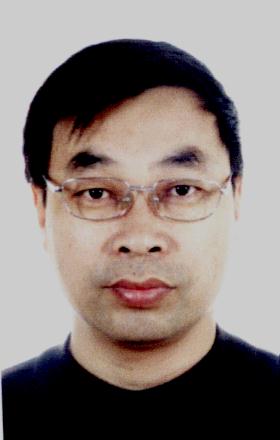 Honglin Zhao (赵宏林)合作论文数China University of Petroleum-Beijing9Wentao Luo合作论文数7
 Jin Yang (杨进)合作论文数College of Safety and Ocean Engineering, China University of Petroleum-Beijing7guoheng liu (刘国恒)合作论文数6
 Yu Zhao合作论文数6
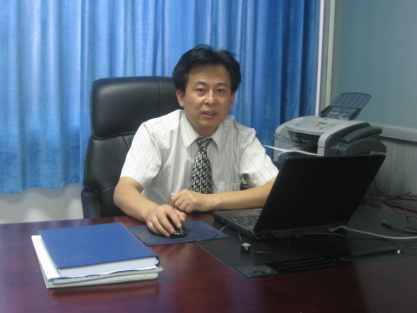 Deguo Wang (王德国)合作论文数College of Mechanical and Transportation Engineering, China University of Petroleum - Beijing6Wei Feng (冯玮)合作论文数6
 Segen Farid Estefen合作论文数Department of Ocean Engineering, Federal University of Rio de Janeiro6Zhihuang CHEN (陈志煌)合作论文数5GuiLin Wang (王桂林)合作论文数5
 Shujie Liu (刘书杰)合作论文数CNOOC Research Institute Co., Ltd5
 Junpeng Liu (刘军鹏)合作论文数College of Safety and Ocean Engineering, China University of Petroleum - Beijing5
 Yang Du (杜洋)合作论文数College of Mechanical and Electronic Engineering, China University of Petroleum5Yangdong Hu合作论文数4Yuqi Li (李昱奇)合作论文数4Haibo Sun合作论文数4minghua xu合作论文数4Erjun Wang (王尔钧)合作论文数Cnooc(China), Ltd, Zhanjiang Branch4
 Ke Wang (王科)合作论文数College of Mechanical and Transportation Engineering, China University of Petroleum - Beijing4
 Wanhai Xu (徐万海)合作论文数School of Civil Engineering, Tianjin University4
 Yexuan Ma (马烨璇)合作论文数Research Center of Large- span Spatial Structures, School of Civil Engineering, Tianjin University4Mingchun Wang合作论文数3Yufang Li合作论文数3LI Zhi-gang (李志刚)合作论文数3LIU Yundi (刘云迪)合作论文数3YANG Zhongshan (杨钟山)合作论文数3Jianchang Li合作论文数3Ning Xu (许宁生)合作论文数3Hua Qin (秦桦)合作论文数3ChunWei Gu (顾纯巍)合作论文数3ChunLi Zhu (朱春丽)合作论文数3
 Haoran Chen合作论文数State Key Lab. of Inf. Photonics & Opt. Communi-cations, Beijing Univ. of Posts & Telecommun.;c;State Key Lab. of Inf. Photonics & Opt. Communi-cations, Beijing Univ. of Posts & Telecommun.3
 Jijun Gu (顾继俊)合作论文数College of Mechanical and Transportation Engineering, China University of Petroleum3
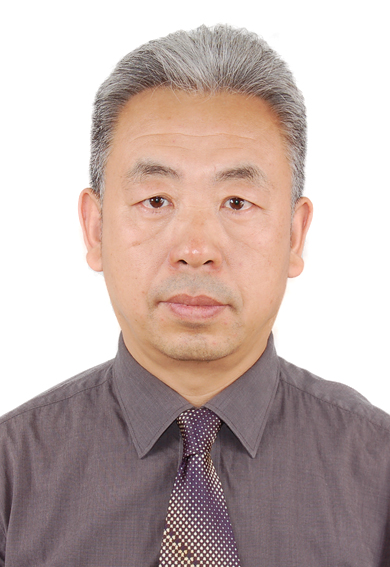 Shimin Zhang (张仕民)合作论文数College of Mechanical and Transportation Engineering, China University of Petroleum - Beijing3
 Gang Liu (刘刚)合作论文数School of Naval Architecture & Ocean Engineering, Dalian University of Technology3Yanhui Dong (董衍辉)合作论文数3
 Zhong Li (李中)合作论文数CNOOC Research Institute Co., Ltd3Andy An (安维峥)合作论文数中海油研究院3Houfa Liu (刘厚法)合作论文数2
 Miaozi Zheng合作论文数2Liwei Li合作论文数2Bo Yin (银波)合作论文数2Yin Jianxi (尹建喜)合作论文数2Wang cong合作论文数2Haohu Tuo (脱浩虎)合作论文数2




