Drill pipes used in coal mines operate under complex cyclic loads and harsh environments, which makes fatigue cracks prone to initiation and growth at threaded joints and significantly threatens operational safety. However, in situ ultrasonic crack evaluation is challenged by strong noise, unstable coupling conditions, and the scarcity of labeled fatigue-crack samples. To address these issues, this paper proposes an ultrasonic intelligent detection method for fatigue cracks in coal mine drill pipes that combines physical simulation and a Multiple Target Transfer Network (MTTN). First, a multi-physics finite element model of bulk-wave propagation in threaded drill pipes is established, and a large-scale simulation dataset is generated by embedding cracks with various depths and positions. This physically based dataset provides accurately labeled ultrasonic echo signals and forms the source domain. Then, a small set of measured ultrasonic signals acquired from 4137H steel drill pipe joints with machined U-shaped slots is used as the target domain. An MTTN with dual feature extractors, a domain classifier, a crack-state classifier, and a depth predictor is constructed to jointly perform crack state identification and crack-depth estimation. Through adversarial domain adaptation, the feature distributions of the simulation and real domains are aligned, so that the model trained mainly on simulated data can be effectively transferred to field-like conditions. Experimental results show that the proposed method achieves 100% accuracy in crack-state recognition and, compared with the best baseline network, reduces the mean squared error of crack-depth prediction by approximately 43% and the mean absolute error by about 28%, while improving coefficient of determination R2 to 0.9497 and PICP to 0.9452. These results demonstrate that the proposed framework provides accurate and reliable quantitative evaluation of drill pipe fatigue cracks under coal mine conditions.
Coal mine drill pipes are subjected to periodic impacts and high-intensity loads in complex underground environments, making them prone to developing micro-cracks that gradually expand, leading to equipment failure and major safety accidents. To address this issue, this paper proposes a framework for ultrasonic crack detection in drill pipes, which leverages a sliding-window root mean square (SWRMS) index for feature representation and a convolutional neural network for accurate classification in noisy environments. The influence mechanism of cracks on ultrasonic echoes was studied, and the SWRMS index was introduced to characterize the ultrasonic signal features. This index reflects the spatial position of the crack through the peak position and reveals the crack size through the amplitude, achieving a unified representation of both crack position and size. Furthermore, to address challenges such as spurious echoes and noise interference caused by the drill pipe’s threaded structure in practical engineering applications, convolutional neural network (CNN) was constructed to achieve intelligent identification of drill pipe cracks in high-noise environments. A data augmentation method using alternating noise levels was designed to simulate the scattering effect caused by the drill pipe’s threads and actual noise interference. The results show that CNN exhibits superior recognition performance under different noise levels, maintaining a classification accuracy of 94.4% even at a 75% noise level. The research results verify that the proposed method has significant advantages in crack detection accuracy and noise robustness, providing effective support for real-time monitoring and intelligent diagnosis of key components such as coal mine drill pipes.
In today’s complex and unpredictable manufacturing environment, dynamic events such as new job arrivals and urgent insertions can occur at any time. Meanwhile, multiple conflicting objectives need to be optimized simultaneously in the flexible job-shop scheduling problem (FJSP). This necessitates real-time multi-objective FJSP scheduling methods that can balance time efficiency and solution quality. Therefore, this paper proposes a dynamic multi-objective FJSP method based on a dynamic dual-attention network (DDAN) and multi-agent reinforcement learning. The DDAN captures global feature representations of operations and machines and deeply explores their complex dependencies. By integrating dynamic attention coefficients with job urgency factors, the DDAN can respond in real-time to dynamic events and provide effective support for subsequent decision-making. Additionally, a multi-agent reinforcement learning framework is introduced to balance the conflicting objectives of makespan and average tardiness. The higher level agent is designed to optimize makespan, while the lower level agent focuses on minimizing average tardiness. Collaboration between the two agents is facilitated by a carefully designed state-sharing mechanism and distinct reward functions, enabling more flexible and efficient resolution of conflicts in multi-objective optimization. Extensive testing has demonstrated the exceptional performance of the proposed method, which consistently and rapidly converges to the optimal solution, outperforming traditional priority dispatching rules (PDRs), metaheuristic algorithms, and state-of-the-art reinforcement learning methods, particularly in handling large-scale test instances.
Considering the problems of having insufficient fault identification from single information sources in actual industrial environments, and different information sensitivity in multi-information source data, and different sensitivity of artificial feature extraction, which can lead to difficulties of effective fusion of equipment information, insufficient state representation ability, low fault identification accuracy, and poor robustness, a multi-information fusion fault identification network model based on deep ensemble learning is proposed. The network is composed of multiple sub-feature extraction units and feature fusion units. Firstly, the fault feature mapping information of each information source is extracted and stored in different sub-models, and then, the features of each sub-model are fused by the feature fusion unit. Finally, the fault recognition results are obtained. The effectiveness of the proposed method is evaluated by using two gearbox datasets. Compared with the method of simple stacking fusion and single measuring point without fusion, the accuracy of each type of fault recognition of the proposed method is close to 100%. The results show that the proposed method is feasible and effective in the application of gearbox fault recognition.
Artificial intelligence is increasingly applied in the field of mechanical fault diagnosis, achieving remarkable success in various industrial applications. Intelligent fault diagnosis models require diverse and representative mechanical fault datasets for adequate training. However, in actual industrial environments, labeled fault data is difficult to obtain, posing significant challenges for the deployment and effectiveness of intelligent fault diagnosis models. Therefore, this article proposes a progressive transfer learning network (PTLN) for equipment fault diagnosis under small-sample, unlabeled conditions. This method uses labeled fault data from laboratory-simulated faults as the source domain and a small amount of unlabeled fault data from industrial environments as the target domain. PTLN achieves the goal of transferring source domain data to the target domain's distribution by progressively constraining the mapped features. In addition, multikernel clustering is used to generate pseudo-labels for the target domain fault samples. Finally, a state classifier is employed to identify faults in the mechanical equipment. In the experiments on gears and bearings, the proposed method's average recognition rate was 4.12% and 3.00% higher, respectively, than the average recognition rates of six other advanced fault diagnosis methods. The results show that the proposed method demonstrates superior robustness and accuracy in unlabeled mechanical fault diagnosis.
At present, data-driven fault diagnosis has made significant achievements. However, in actual industrial environments, labeled fault data are difficult to obtain, making the industrial application of intelligent fault diagnosis models very challenging. This limitation even prevents intelligent fault diagnosis algorithms from being applicable in real-world industrial settings. In light of this, this paper proposes a Collaborative Domain Adversarial Network (CDAN) method for the fault diagnosis of rolling bearings using unlabeled data. First, two types of feature extractors are employed to extract features from both the source and target domain samples, reducing signal redundancy and avoiding the loss of critical signal features. Second, the multi-kernel clustering algorithm is used to compute the differences in input feature values, create pseudo-labels for the target domain samples, and update the CDAN network parameters through backpropagation, enabling the network to extract domain-invariant features. Finally, to ensure that unlabeled target domain data can participate in network training, a pseudo-label strategy using the maximum probability label as the true label is employed, addressing the issue of unlabeled target domain data not being trainable and enhancing the model’s ability to acquire reliable diagnostic knowledge. This paper validates the CDAN using two publicly available datasets, CWRU and PU. Compared with four other advanced methods, the CDAN method improved the average recognition accuracy by 7.85% and 5.22%, respectively. This indirectly proves the effectiveness and superiority of the CDAN in identifying unlabeled bearing faults.
Deep learning, with its outstanding ability of feature extraction and nonlinear fitting, has been widely used in equipment intelligent diagnosis. However, equipment fault diagnosis in strong noise environment has always been a difficult problem. As known, the equipment degradation states evolved from the health states, which will lead to different characteristic changes for the sensed signals compared to the reference health signals. Considering that both health signals and fault signals contain environmental noise, this article proposes a deep reference learning (DRL) method, which aims to enhance the sensitive differential information via multiple referential net units (RNUs). First, based on convolutional neural network (ConvNet), a series of two-class units is prebuilt as the RNU of the desired class, where each two-class unit contains the signals of a desired class and one of the reference health classes. Then, once these RNUs were pretrained, those sensed RNUs are later synthesized together for referential learning. Finally, combined with an output ConvNet, a differential enhanced ConvNet (DECN) can be built, and the architecture parameters are further superimposed and fused to enhance the characteristics of the fault signals. In the process of deep referential learning, the RNU will enhance the differential features of fault signals and contribute to the effect of fault class identification in the final ConvNet. The results and comparisons with other five deep learning models illustrate its outstanding effect and robustness where the accuracy of DECN is higher than the one of CNNs by more than 5% even if the working condition is variational.
The strong noise often masks the fault characteristics of equipment, which reduces the accuracy of fault diagnosis and even leads to the inability of intelligent fault diagnosis algorithms to be applied in industrial environments. This has always been a challenge in the field of mechanical fault diagnosis. As known that equipment failure results from the continuous degradation of the equipment’s state, with the failure state evolving from the healthy state. Considering that both healthy signals and fault signals contain similar noise, this paper proposes a Reference Learning Network (RLNet) model. The model aims to enhance the distinguishing features between healthy and faulty samples through reference units, thereby eliminating the influence of noise on feature distribution. Firstly, the impact of variable speed on the model’s robustness is mitigated using the computed order tracking method. Then, the difference features between healthy samples and a class of fault samples are extracted through the binary classification reference learning unit (RLU). Next, the extracted differential features are used to train the state classifier. Finally, membership weights are employed to effectively combine the feature recognition results, reducing the influence of fault features from mismatched RLUs. The robustness and superiority of the proposed method were verified by comparing it with five other intelligent fault diagnosis methods on the gear and bearing datasets. RLNet is of great significance for the engineering application of intelligent fault diagnosis methods in industrial noise environments.
The accurate prediction of residual life in rolling bearings is pivotal for ensuring the safe operation and maintenance of equipment. To overcome the limitations of conventional methods that depend on entire sample datasets, a novel dynamic prediction approach has been introduced. This approach utilizes a multi-stage exponential model for more accurate residual life estimation in rolling bearings. This method entails the computation of multiple signal characteristics from sample data to depict the bearing degradation process comprehensively. An intersection clustering technique is applied to identify and group sensitive characteristics that indicate the bearing’s degraded state. Subsequently, utilizing these selected sensitive features, demarcation points are established to automatically delineate degradation stages. A multi-stage exponential model is then formulated for dynamic residual life prediction, tailored to the distinct degradation phases. Furthermore, the initial parameters of the model are optimized employing the particle swarm optimization (PSO) enhanced expectation maximization (EM) method. Through experimental verification, compared with the four existing popular prediction methods, the prediction error was reduced by 14.36% to 20.81%, which proves the effectiveness and feasibility of the proposed method.
Injecting carbon dioxide is the most effective means of preventing and extinguishing fires in sealing hazardous areas, but the traditional method slowly and remotely injects carbon dioxide gas into the well after gasification on the ground, which is dependent on the complete mine pipe network without cooling effect. To inject liquid directly from the tank with vacuum interlayer and heat insulating powder for rapid inerting and cooling, a new approach using track mobile platform to go deep into the underground mine disaster area is proposed, so the liquid can be delivered to the nozzle at the end of DN40 large diameter pipe, and the continuous gasification jet can be realized. The experimental results show that: (1) The liquid volume in a tank of vacuum degree within 2.0 Pa and 200 mm interlayer reduced no more than 15.5% after 48 days; (2) Taking the pressure in the tank as the power source, because of environmental differences inside and outside the pipe after 100 m pressure holding delivery, the physical form of liquid and gas could be converted instantly; (3) The continuous discharge time without ice blocking for a tank full of 2 m3 liquid was about 10.5 min under 25 L dual mode nitrogen pressurization, which is 1/12 of injection time after ground gasification; (4) Based on the temperature decrease trend measured at different positions, the cooling characteristics on liquid gasification jet path are quantified, and the calculation formula of temperature changing with time on the center line of liquid gasification jet is obtained. Through this new approach, the integration of vacuum insulated storage, safe mobile transportation, and continuous and rapid release with large flow can be achieved for the liquid carbon dioxide.
Currently, bearings and gears play crucial roles as components in mechanical transmission systems, which fault diagnosis is of great significance for ensuring the safe operation of equipment. In practical industrial scenarios, the fault samples are often unlabeled, obtaining the complete training datasets required for training models is extremely difficult and expensive, and variable working conditions lead to differences in sample data distribution, which will reduce the diagnostic performance of fault recognition models. In response to these challenges, this paper proposes an intelligent fault diagnosis method for unlabeled rotating machinery based on the multi-scale feature weighted transfer network (MFWTN), which adopts a multi-scale network structure to extract multi-scale features of samples. The proposed method mitigates distribution differences between source and target domains by constraining features across multiple dimensions, reduces the negative transfer rate of samples, improves the transferability of sample features and the adaptability of the model, and achieves the goal of improving the accuracy of cross domain fault diagnosis of bearings and gears. MFWTN demonstrates superior performance and recognition accuracy compared to other comparative methods by verifying the performance of the proposed model on two public datasets.
Artificial intelligence has been widely applied in the field of mechanical fault diagnosis and has achieved remarkable results. Most edge-computing environments in industrial production use embedded systems, which have limited computing power. Although deep learning models for fault diagnosis are powerful, they consume significant computational resources, making them difficult to directly apply in cloud-edge collaborative fault diagnosis systems. To reduce the feedback time and deployment cost of fault diagnosis systems, this article conducts research from two aspects: optimizing measurement points and multidimensional distillation compression. This article proposes a lightweight method for a cloud-edge collaborative fault diagnosis model based on multidimensional knowledge distillation compression (MKDC). First, by optimizing the number of measurement points, the redundancy of test data is reduced. Then, based on the structure of the knowledge distillation compression model, the aim of creating a lightweight fault diagnosis network model is achieved by compressing the fault feature extraction units and fusion units. Finally, experiments are conducted to verify the effectiveness of the proposed compression method, demonstrating its effectiveness and advancement in model compression. The lightweight method in this study enhances the cross-platform compatibility of fault diagnosis models, making them easier to deploy on different types of devices, which is of great significance for the widespread application and popularization of fault diagnosis systems.
Deep learning has been widely used in the field of mechanical fault diagnosis and equipment health monitoring. A crucial practical issue is the cross-domain machinery fault diagnosis, where we typically train the models with artificial fault samples designed from experimental simulation as the real fault samples are very limited in practice. The characteristic distribution of artificial fault samples in the laboratory is quite different from that of real fault samples in the industrial environment. Whereas, the conventional method mainly focuses on the adversarial domain transfer learning in global domain, ignoring the local similarity of the same fault types between source domain and target domain. This causes an incomplete transfer for the fault types distributed in two domains. To address this issue, this study proposes a multiple local domains transfer network, which consists of two feature extractors, a state classifier and multiple local domain discriminators. The multi-local domain adversarial learning can effectively reduce the negative transfer in network training. By comparing with other five cutting-edge deep learning models, the proposed method shows outstanding robustness and accuracy in fault intelligent identification. Especially, it can be also found that the average accuracy of the proposed method is respectively higher than that of other adversarial domain transfer methods with a promotion for 5% on bearing and gear datasets.
Deep learning, with its ability of feature mining and logical judgement, has been widely studied in industrial intelligent diagnosis, including bearing fault diagnosis. However, an explicable and representable expression of deep learning architecture for the variational working conditions has been rarely discussed while it is known that vibration features from bearings are seriously influenced by variational working conditions. In this article, a deep interpolation ConvNet (DICN) architecture with three special layers, consisting of multiple sub-ConvNet units, weight unit, and fusion unit, is presented with the basic deep ConvNet architecture. Different from the traditional network, the first sub-ConvNet extracts the fault features under different working conditions, while the corresponding condition weight unit is learned from a working condition identification task. With the principle of interpolation theory, fusion unit is employed to achieve a sound fault feature representation under unknown working condition, which is named as ConditionSenseNet (CSN). This CSN architecture provides a way to dynamically express the crucial features hidden in the samples with the influence of working conditions suppressed, especially the variational working factors will be interpolated in this nonlinear fitting model. Additionally, three experimental studies are tested to verify the effectiveness of the proposed DICN method for bearing intelligent diagnosis under variational working conditions. The results and comparisons with other seven deep learning models show the proposed method shows outstanding robustness and higher accuracy where the accuracy of DICN is higher than the one of convolution neural network by more than 9% even if the working condition is variational.
Rotating machinery plays an important role in transportation, petrochemical industry, industrial production, national defence equipment, and other fields. With the development of artificial intelligence, the equipment condition monitoring especially needs an intelligent fault identification method to solve the problem of high false alarm rate under complex working conditions. At present, intelligent recognition models mostly increase the complexity of the network to achieve the purpose of high recognition rate. This method often needs better hardware support and increases the operation time. Therefore, this paper proposes an adaptive convolutional neural network (ACNN) by combining ensemble learning and simple convolutional neural network (CNN). ACNN model consists of input layer, subnetwork unit, fusion unit, and output layer. The input of the model is one-dimensional (1D) vibration signal sample, and the subnetwork unit consists of several simple CNNs, and the fusion unit weights the output of the subnetwork units through the weight matrix. ACNN recognizes the self-adaptive of weight factors through the fusion unit. The adaptive performance and robustness of ACNN for sample recognition under variable working conditions are verified by gear and bearing experiments.
Integrated with sensors, processors and RF communication modules, intelligent bearing could achieve the autonomous perception and autonomous decision-making, guarantying the safety and reliability during their use. However, because of the resource limitations of the end device, processors in the intelligent bearing are unable to carry the computational load of deep learning models like convolutional neural network (CNN), which involves a great amount of multiplicative operations. To minimize the computation cost of the conventional CNN, based on the idea of AdderNet, a 1-D adder neural network with a wide first-layer kernel (WAddNN) suitable for bearing fault diagnosis is proposed in this paper. The proposed method uses the l1-norm distance between filters and input features as the output response, thus making the whole network almost free of multiplicative operations. The whole model takes the original signal as the input, uses a wide kernel in the first adder layer to extract features and suppress the high frequency noise, then uses two layers of small kernels for nonlinear mapping. Through experimental comparison with CNN models of the same structure, WAddNN is able to achieve a similar accuracy as CNN models with significantly reduced computational cost. The proposed model provides a new fault diagnosis method for intelligent bearings with limited resources.
Feature extraction from a time sequence signal without manual information is an important part for bearing intelligent diagnosis. With the merits of signal information and feature structure information excavation, Deep ConvNet is widely used in bearing fault diagnosis and analysis under complex working conditions. However, due to the complexity of the bearing operating environment in the actual operation process, the sensitive features show different scale distribution characteristics. Meanwhile, it is known that the convolution kernel of ConvNet is usually small, which mainly focuses on the small-scale details of state distribution characteristics while ignores the identification of the overall trend of characteristic distribution. Considering that the size of convolution kernel can sense information hidden in different scales, this paper designed a one-dimensional vision ConvNet (VCN), where the architecture is composed of multilayer small kernel network and single-layer large kernel network side by side. The multi-kernel structure improves the ability of network to detect fault characteristic frequency band. By analyzing the artificially generated data and experimental data, the setting method of large convolution kernel and stride is discussed. Compared with the traditional CNN, wide first-layer kernels (WDCNN) and multiscale kernel-based ResCNN (MK-ResCNN), this network improves the recognition accuracy with a better stable training process for rolling bearing fault classification.
At present, the bearing fault is one of the major mechanical faults, deep learning-based bearing fault diagnosis methods have been successfully developed. However, the fault data of bearings in the industrial environment are very few, which leads to the failure or performance degradation of conventional intelligent diagnosis methods. It costs a large amount of manpower and material to obtain complete samples of the industrial environment, which is unrealistic. Therefore, it is necessary to use a small number of actual fault signals for incremental learning. The existing incremental learning models cannot solve the entanglement problem of sample features, and the ability to obtain new samples by combining features is limited. In this article, the filter style-based generative adversarial network (FSGAN) is used to separate hidden features by mapping data features to intermediate latent space, and then, new signals are generated by feature reorganization. The different signals are generated by controlling the weight coefficient of style after network training, and then, valuable signals are selected by the t-distributed stochastic neighbor embedding (t-SNE) clustering analysis. The model can generate fault signals with unknown sizes under unknown conditions. Finally, the advantages of FSGAN are further verified by the quality evaluation of the generated signals and comparison with other models.
At present, transfer learning of machine fault is a relatively popular research, its main problem is the imbalance of training data caused by the lack of actual fault data. The existing incremental learning model cannot solve the entanglement problem of sample features, and the ability to obtain new samples by combining features is limited. In this paper, Style-based Generative Adversarial Networks (StyleGAN) is used to map the data features to intermediate latent space, and then generate data by recombining features. StyleGAN realizes the complete separation of signal features. Therefore, StyleGAN can be used as a tool of data incremental learning to enrich the original data, solve the problem of imbalance between training data and test data, and achieve the goal of improving the accuracy of fault classification in the later stage. In the process of training, the category label is used as the auxiliary information to help the training model. The data of training set is enhanced, and the accuracy of fault diagnosis and classification is improved, the accuracy of fault classification network model is increased from 81.4% to more than 90%, so the validity of this method is proved.
To accurately guide the quantitative injection of carbon dioxide for extinguishing the fire or diluting the accumulated toxic gases, 26 sensing devices used for detecting the multiple environmental parameters were firstly laid inside and outside of 210 m(3) large sealed space, then each signal output from the sensing devices was transmitted successively to the A/D conversion module and the server with signal acquisition and analysis software, so the experimental research on inerting characteristics of carbon dioxide in different physical forms in this sealed space were carried out by using the mobile liquid storage and injection equipment, including fire source extinction, and accumulation and distribution of gas components, as well as cooling. Results show that: (1) For wood and gasoline, the critical oxygen concentration of combustion 16.98 % and the corresponding carbon dioxide concentration 28.6 % were determined comprehensively; (2) The concentration layering law in the stabilized gas was proved to be inconsistent with theoretical correspondence between specific gravity and height; (3) For direct liquid injection and gas perfusion at 2.2 MPa, the average temperature difference were 13.8 degrees C and 0.3 degrees C respectively, so the temperature drop characteristic of liquid injection was proved, and its optimal cooling distance from the nozzle is further determined from 5.6 m to 11.2 m. (C) 2020 Institution of Chemical Engineers. Published by Elsevier B.V. All rights reserved.
 Xiaoxi Ding (丁晓喜)合作论文数College of Mechanical and Transportation Engineering, Chongqing University;State Key Laboratory of Mechanical Transmissions for Advanved Equipment, Chongqing University12
 Liming Wang (王利明)合作论文数State Key Laboratory of mechanical transmission, College of Mechanical and Vehicle Engineering, Chongqing University7
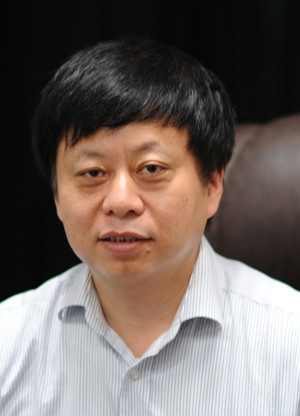 Yimin Shao (邵毅敏)合作论文数State Key Laboratory of Mechanical Transmissions, Chongqing University7
 Chunrong Xue合作论文数5
 Yongxiang Zhang (张永祥)合作论文数College of Aerospace Engineering, Chongqing University3
 Wenbin Huang (黄文彬)合作论文数College of Mechanical and Vehicle Engineering, Chongqing University3Yanbin Du合作论文数3Liling Zeng合作论文数2
 Qiang Zeng合作论文数2Zujing Zhang合作论文数2GuangXun Zhang (张广勋)合作论文数2
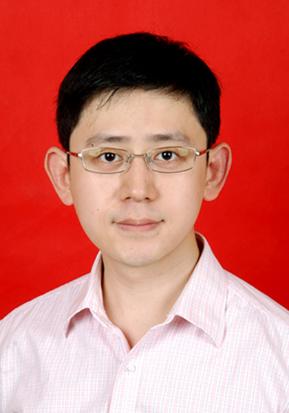 Liang Ge (葛亮)合作论文数College of Computer Science, Chongqing University2Luke Zhang (张路科)合作论文数1Wanhao Zhang合作论文数1
 Chao Wei合作论文数1
 Jian Tang合作论文数1Shu Su合作论文数1
 Dan Zeng合作论文数1
 Xiao Yang合作论文数1
 Yunfei Xu合作论文数1
 Quanchang Li合作论文数School of Mechatronic Engineering, Southwest Petroleum University, Chengdu 610500, China1DeXian Jiang (蒋德献)合作论文数1XianGuo Zhu (朱先国)合作论文数1Lin Liu (刘林)合作论文数1Rui Liu合作论文数1
 Qingfeng Wang (王庆锋)合作论文数College of Mechanical and Electrical Engineering, Beijing University of Chemical Technology1
 Zhigang Zhang (张志刚)合作论文数School of Civil Engineering, Chongqing University1
 Wennian Yu (余文念)合作论文数College of Mechanical Engineering and Vehicle Engineering, Chongqing University1
 Jian Li合作论文数1
 Chen Peng (彭晨)合作论文数School of Mechatronic Engineering and Automation, Shanghai University1




