Major depressive disorder is highly prevalent worldwide and has been affecting an increasing number of people each year. Current first line antidepressants show merely 37% remission, and physicians are forced to use a trial-and-error approach when choosing a single antidepressant out of dozens of available medications. We sought to identify a method of testing that would provide patient-specific information on whether a patient will respond to a medication using in vitro modeling. Patient-derived lymphoblastoid cell lines from the Sequenced Treatment Alternatives to Relieve Depression study were used to rapidly generate cortical neurons and screen them for bupropion effects, for which the donor patients showed remission or non-remission. We provide evidence for biomarkers specific for bupropion response, including synaptic connectivity and morphology changes as well as specific gene expression alterations. These biomarkers support the concept of personalized antidepressant treatment based on in vitro platforms and could be utilized as predictors to patient response in the clinic.
Human embryonic stem cells (hESCs) provide a platform for studying human development and understanding mechanisms underlying diseases. Retinoblastoma-1 (RB1) is a key regulator of cell cycling, of which biallelic inactivation initiates retinoblastoma, the most common congenital intraocular malignancy. We developed a model to study the role of RB1 in early development and tumor formation by generating RB1-null hESCs using CRISPR/Cas9. RB1-/- hESCs initiated extremely large teratomas, with neural expansions similar to those of trilateral retinoblastoma tumors, in which retinoblastoma is accompanied by intracranial neural tumors. Teratoma analysis further revealed a role for the transcription factor ZEB1 in RB1-mediated ectoderm differentiation. Furthermore, RB1-/- cells displayed mitochondrial dysfunction similar to poorly differentiated retinoblastomas. Screening more than 100 chemotherapies revealed an RB1-/--specific cell sensitivity to carboplatin, exploiting their mitochondrial dysfunction. Together, our work provides a human pluripotent cell model for retinoblastoma and sheds light on developmental and tumorigenic roles of RB1.
The authors surveyed whole-exome and RNA-sequencing data from 252 unique pluripotent stem cell lines, some of which are in the pipeline for clinical use, and found that approximately 5% of cell lines had acquired mutations in the TP53 gene that allow mutant cells to rapidly outcompete non-mutant cells, but do not prevent differentiation. Copy number variants at particular genomic locations have been shown to arise in human pluripotent stem cells (hPSCs) under certain culture conditions, but the extent of acquired mutations in such culture remains to be determined. Kevin Eggan and colleagues surveyed the exomes of 140 human embryonic stem cell (hESC) lines, some of which are in the pipeline for clinical use.They identified mosaic mutations in the TP53 gene in a subset of cells for five unrelated hESC lines and show that the cells carrying the mutations outcompeted the non-mutant cells and could readily differentiate. Similar mutations were also identified by mining published datasets for an additional 14 hESC lines and more than 100 human induced PSC lines. The study highlights the need for in-depth characterization of cells derived from hPSCs before their use in the clinic. Human pluripotent stem cells (hPS cells) can self-renew indefinitely, making them an attractive source for regenerative therapies. This expansion potential has been linked with the acquisition of large copy number variants that provide mutated cells with a growth advantage in culture1,2,3. The nature, extent and functional effects of other acquired genome sequence mutations in cultured hPS cells are not known. Here we sequence the protein-coding genes (exomes) of 140 independent human embryonic stem cell (hES cell) lines, including 26 lines prepared for potential clinical use4. We then apply computational strategies for identifying mutations present in a subset of cells in each hES cell line5. Although such mosaic mutations were generally rare, we identified five unrelated hES cell lines that carried six mutations in the TP53 gene that encodes the tumour suppressor P53. The TP53 mutations we observed are dominant negative and are the mutations most commonly seen in human cancers. We found that the TP53 mutant allelic fraction increased with passage number under standard culture conditions, suggesting that the P53 mutations confer selective advantage. We then mined published RNA sequencing data from 117 hPS cell lines, and observed another nine TP53 mutations, all resulting in coding changes in the DNA-binding domain of P53. In three lines, the allelic fraction exceeded 50%, suggesting additional selective advantage resulting from the loss of heterozygosity at the TP53 locus. As the acquisition and expansion of cancer-associated mutations in hPS cells may go unnoticed during most applications, we suggest that careful genetic characterization of hPS cells and their differentiated derivatives be carried out before clinical use.
Experimental modelling of human disorders enables the definition of the cellular and molecular mechanisms underlying diseases and the development of therapies for treating them. The availability of human pluripotent stem cells (PSCs), which are capable of self-renewal and have the potential to differentiate into virtually any cell type, can now help to overcome the limitations of animal models for certain disorders. The ability to model human diseases using cultured PSCs has revolutionized the ways in which we study monogenic, complex and epigenetic disorders, as well as early- and late-onset diseases. Several strategies are used to generate such disease models using either embryonic stem cells (ES cells) or patient-specific induced PSCs (iPSCs), creating new possibilities for the establishment of models and their use in drug screening.
Teratoma formation is the gold standard assay for testing the capacity of human pluripotent stem cells to differentiate into all embryonic germ layers. Although widely used, little effort has been made to transform this qualitative assay into a quantitative one. Using gene expression data from a wide variety of cells, we created a scorecard representing tissues from all germ layers and extraembryonic tissues. TeratoScore, an online, open-source platform based on this scorecard, distinguishes pluripotent stem cell-derived teratomas from malignant tumors, translating cell potency into a quantitative measure (http://benvenisty.huji.ac.il/teratoscore.php). The teratomas used for the algorithm also allowed us to examine gene expression differences between tumors with a diploid karyotype and those initiated by aneuploid cells. Chromosomally aberrant teratomas show a significantly different gene expression signature from that of teratomas originating from diploid cells, particularly in central nervous system-specific genes, congruent with human chromosomal syndromes.
The liver is the main organ responsible for the modification, clearance, and transformational toxicity of most xenobiotics owing to its abundance in cytochrome P450 (CYP450) enzymes. However, the scarcity and variability of primary hepatocytes currently limits their utility. Human pluripotent stem cells (hPSCs) represent an excellent source of differentiated hepatocytes; however, current protocols still produce fetal‐like hepatocytes with limited mature function. Interestingly, fetal hepatocytes acquire mature CYP450 expression only postpartum, suggesting that nutritional cues may drive hepatic maturation. We show that vitamin K 2 and lithocholic acid, a by‐product of intestinal flora, activate pregnane X receptor (PXR) and subsequent CYP3A4 and CYP2C9 expression in hPSC‐derived and isolated fetal hepatocytes. Differentiated cells produce albumin and apolipoprotein B100 at levels equivalent to primary human hepatocytes, while demonstrating an 8‐fold induction of CYP450 activity in response to aryl hydrocarbon receptor (AhR) agonist omeprazole and a 10‐fold induction in response to PXR agonist rifampicin. Flow cytometry showed that over 83% of cells were albumin and hepatocyte nuclear factor 4 alpha (HNF4α) positive, permitting high‐content screening in a 96‐well plate format. Analysis of 12 compounds showed an R 2 correlation of 0.94 between TC50 values obtained in stem cell–derived hepatocytes and primary cells, compared to 0.62 for HepG2 cells. Finally, stem cell–derived hepatocytes demonstrate all toxicological endpoints examined, including steatosis, apoptosis, and cholestasis, when exposed to nine known hepatotoxins. Conclusion : Our work provides fresh insights into liver development, suggesting that microbial‐derived cues may drive the maturation of CYP450 enzymes postpartum. Addition of these cues results in the first functional, inducible, hPSC‐derived hepatocyte for predictive toxicology. (H epatology 2015;62:265‐278)
Metabolic diseases such as obesity, type II diabetes, and dyslipidemia are a rising cause of mortality worldwide. The progression of many metabolic diseases is fundamentally regulated on the transcriptional level by a family of ligand-activated transcription factors, called nuclear receptors, which detect and respond to metabolic changes. Their role in maintaining metabolic homeostasis makes nuclear receptors an important pharmaceutical and dietary target. This review will present the growing evidence that flavonoids, natural secondary plant metabolites, are important regulators of nuclear receptor activity. Structural similarities between flavonoids and cholesterol derivatives combined with the promiscuous nature of most nuclear receptors provide a wealth of possibilities for pharmaceutical and dietary modulation of metabolism. While the challenges of bringing flavonoid-derived therapeutics to the market are significant, we consider this rapidly growing field to be an essential aspect of the functional food initiative and an important mine for pharmaceutical compounds.
 Nissim Benvenisty合作论文数The Alexander Silberman Institute of Life Science, Hebrew University of Jerusalem5
 Yaakov Nahmias合作论文数Grass Center for Bioengineering, The Hebrew University of Jerusalem;Believer Meats;L'Oréal3
 Michal Zimerman合作论文数2Levy Gahl合作论文数Department of Cell and Developmental Biology, Hebrew University of Jerusalem2
 Kevin Eggan合作论文数BioMarin Pharmaceutical Inc.;EnClear Therapies;QurAlis2Genevieve Saphier合作论文数1Seva Kashin合作论文数1Juan Carlos Biancotti合作论文数1Claudia Albeldas合作论文数1Curtis J. Mello合作论文数1Shila Mekhoubad合作论文数1Maura Charlton合作论文数1Dana Kroitorou合作论文数1Daniel Kitsberg合作论文数1
 Talia Cohen Solal合作论文数1Daphna Laifenfeld合作论文数1Elyad Lezmi合作论文数Azrieli Ctr Stem Cells & Genet Res, Hebrew Univ Jerusalem1
 Robert E. Schwartz合作论文数Joan and Sanford I. Weill Department of Medicine, Weill Cornell Medicine, Cornell University1
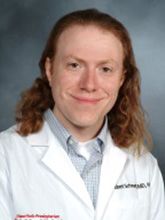 Robert Schwartz合作论文数Phyiology, Biophysics & Systems Biology, Weill Cornell Graduate School of Medical Sciences, Cornell University1
 Dusko Ilic合作论文数School of Life Course Sciences, Faculty of Life Sciences & Medicine, King’s College London1
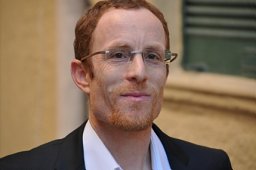 Arieh Moussaieff合作论文数Department of Molecular Biology, Ariel University Center of Samaria1Handsaker Robert E合作论文数1
 Steve McCarroll合作论文数Department of Genetics, Blavatnik Institute, Harvard Medical School;Stanley Center for Psychiatric Research, Broad Institute of MIT and Harvard1
 Florian T. Merkle合作论文数Metabolic Research Laboratories, University of Cambridge/Wellcome-MRC Institute of Metabolic Science, University of Cambridge1
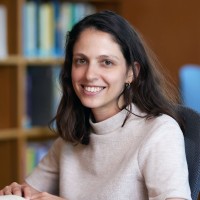 Shiri Ron合作论文数Blavatnik School of Computer Science and AI, Tel Aviv University1Bomze David合作论文数Institute of Immunobiology, Kantonsspital St. Gallen1Bar Shiran合作论文数1
 Kamitaki Nolan合作论文数Dept Genet, Harvard Univ1
 Ido Sagi合作论文数Silberman Institute of Life Sciences, The Hebrew University1
 Sulagna Ghosh合作论文数1
 Vitaly Lerner合作论文数Racah Institute of Physics, Hebrew University of Jerusalem1Joseph Itskovitz-Eldor合作论文数1
 Ory Ramon合作论文数1Merav Cohen合作论文数Department of Genetics;Institute of Life Sciences;Hebrew University of Jerusalem;Institute of Life Sciences, Hebrew University of Jerusalem1Barbara Corneo合作论文数INSERM U429, Hôpital Necker Enfants Malades1
 Jana Marie Mitchell合作论文数Department of Obstetrics and Gynecology, Perinatal Research Centre1
 Giulio Genovese合作论文数Stanley Canter, Broad Institute1
 R. Sadeh合作论文数Dept. of Plant Pathology, The Volcani Center1
 Erez Nitzan合作论文数Agriculture Research Organization;Aquaculture Research;Fish and Aquaculture Research Station Dor1




