INTRODUCTION:LUCENT-URGE (NCT05767021) was a Phase 3b, multicenter, open-label, single-arm study investigating bowel urgency (BU) in patients with moderately-to-severely active ulcerative colitis (UC) and BU at baseline, treated with mirikizumab. METHODS:Patients without prior mirikizumab exposure received intravenous mirikizumab 300 mg at weeks (W)0, 4, and 8, followed by subcutaneous mirikizumab 200 mg at W12, 16, 20, and 24. The primary objective was improvement in the validated BU severity measure (Urgency Numeric Rating Scale [UNRS]) at W12. Secondary objectives included improvement in BU at W28, novel measures of stool deferral time (SDT), bowel urgency frequency (BUF), and associations between BU measures. UNRS, BUF, and SDT were collected using a daily diary; the shortest weekly SDT was used for analysis. Baseline observation carried forward was used as the response for the corresponding visit for all missing observations. Missing continuous data were treated as having no change from baseline. RESULTS:All three BU measures at W12 were sustained or improved through W28. With mirikizumab treatment, 52.2% improved BU severity, 55.1% improved BUF, and 40.7% improved shortest weekly SDT. Patients with shortest weekly SDT ≥ 15 min or no urgency increased from 4.1% at baseline to 29.7% at W28. At W12, 36 (20.9%) achieved clinical remission and 54 (31.4%) achieved endoscopic remission, improving to 62 (36.1%) and 76 (44.2%) at W28, respectively. The safety profile was generally consistent with the known profile. CONCLUSION:In the first comprehensive approach assessing complex BU symptoms in UC, mirikizumab was associated with improvements in several BU and clinically related measures through W28. CLINICAL TRIALS REGISTRATION:ClinicalTrials.gov, NCT05767021.
BACKGROUND:Treatment options are limited for patients with primary biliary cholangitis (PBC) and cirrhosis. Seladelpar, a first-in-class delpar (selective PPAR-δ agonist), had generally similar efficacy and safety among patients with versus without compensated cirrhosis in the phase 3 RESPONSE study. Here we provide additional data on seladelpar in patients with compensated cirrhosis from the phase 3 program. METHODS:In RESPONSE, patients with PBC and an inadequate response or intolerance to UDCA were randomized 2:1 to seladelpar 10 mg or placebo for 1 year. Upon completion, patients rolled over into the open-label (seladelpar 10 mg) phase 3 ASSURE study, which also enrolled patients from earlier seladelpar legacy PBC studies. Here, we assessed the composite endpoint [alkaline phosphatase (ALP) <1.67×upper limit of normal (ULN), ALP decrease ≥15%, and total bilirubin ≤ULN], other laboratory changes, and safety in all patients with cirrhosis from RESPONSE and an interim analysis of the ongoing ASSURE study through January 2024. RESULTS:Twenty-seven patients with compensated cirrhosis enrolled in RESPONSE (18 seladelpar, 9 placebo). At month 12, 38.9% and 22.2% of patients in the seladelpar and placebo groups, respectively, met the composite endpoint; mean percent change from baseline in ALP was -37.1% and -10.1%, respectively. Upon rollover to ASSURE (13 seladelpar, 6 placebo), ALP declines were maintained for up to 18 months. An additional 35 patients with compensated cirrhosis in ASSURE from legacy studies had similar reductions in ALP with up to 2 years of treatment. Bilirubin remained overall stable. No treatment-related serious adverse events occurred. Variceal bleeding and/or ascites developed in 3 patients after ≥9 months. CONCLUSIONS:Seladelpar decreased markers of cholestasis and was overall safe and well-tolerated in patients with PBC and compensated cirrhosis.
Introduction and Objectives In the Phase 3 RESPONSE trial (NCT04620733), seladelpar, a first-in-class delpar (selective peroxisome proliferator–activated receptor delta agonist), significantly improved biomarkers of cholestasis in patients with primary biliary cholangitis (PBC) over 12 months vs placebo. More patients with cirrhosis met the primary endpoint in the seladelpar arm (39%) vs placebo (22%).We now report data on additional biochemical results and safety in patients with or without cirrhosis in RESPONSE. Patients and Methods Eligible patients had an inadequate response or intolerance to ursodeoxycholic acid, alkaline phosphatase (ALP) ≥1.67 × ULN, and total bilirubin ≤2 × ULN; they received seladelpar 10 mg or placebo (2:1 randomisation) for 12 months. Cirrhosis was defined by medical history, liver biopsy, transient elastography, laboratory findings, and radiological features. Safety and changes in laboratory parameters were assessed. Results Of 193 patients, 27 (14%) had Child-Pugh A compensated cirrhosis at baseline (18 seladelpar, 9 placebo). Mean ALP change was −121.4 U/L for seladelpar vs 23.2 U/L for placebo patients with cirrhosis, and −134.8 U/L for seladelpar vs −18.0 U/L for placebo patients without cirrhosis. Greater decreases in other laboratory parameters were observed with seladelpar vs placebo regardless of cirrhosis status. Adverse events with seladelpar vs placebo were similar in patients with and without cirrhosis. No patients with cirrhosis discontinued seladelpar due to adverse events. Elevations in alanine aminotransferase or aspartate aminotransferase of >3 × ULN occurred in 3 patients with cirrhosis. Conclusions Seladelpar reduced biomarkers of cholestasis and was overall safe and well tolerated in patients with PBC with or without cirrhosis.
Abstract Background Bowel urgency (BU) is a common, under-recognized and debilitating symptom among patients with ulcerative colitis (UC). LUCENT-URGE is a Phase 3b, open-label, single-arm 28-week (W) study in adults with moderately-to-severely active UC and BU (Urgency Numeric Rating Scale [UNRS] ≥3) at baseline treated with mirikizumab (MIRI) (NCT05767021). BU was assessed using the validated UNRS1 and 2 new BU assessments: BU Frequency (BUF) and Stool Deferral Time (SDT). These 3 BU measures (UNRS, BUF, SDT) and clinical endpoints provide a more comprehensive understanding of BU and the impact of MIRI treatment. Here, we report W12 interim analysis results. Methods Patients were treated with intravenous (IV) MIRI 300 mg at W 0, 4 and 8, followed by 200 mg subcutaneous at W12 and every 4 weeks up to W28. The primary endpoint, BU severity (UNRS) at W12, was assessed by change from baseline. BUF improvement was assessed by change from baseline at W12. SDT was reported in minutes and categorized as (4) Severe: <1 min; (3) Moderate-Severe: 1-2 min: (2) Moderate: 2-5 min; (1) Mild: 5-15 min; (0) None: ≥15 minutes. Results 172 patients were enrolled from 8 countries. At baseline, mean (± standard deviation [SD]) modified Mayo score [MMS]) was 6.8±1.3; 64% of patients had severe disease activity (MMS 7-9), mean duration of UC was 8.0±8.2 years, mean UNRS score was 6.9 ±1.6, mean BUF was 6.9±3.7. UNRS, BUF, and SDT improved from baseline to W12 (Figure 1). At W12, 63% patients achieved clinical response and 44% achieved both clinical response and UNRS clinically meaningful improvement (≥3 point decrease). Correlations between UNRS and BUF, and between UNRS and SDT at baseline, W12, and W12 change from baseline were of similar magnitude (Spearman correlation coefficient range: 0.43-0.68). The safety profile of MIRI observed in LUCENT-URGE was consistent with the profile previously reported. Conclusion In patients with moderately-to severely active UC and BU, MIRI demonstrated improvement in BU measures with a decrease by more than 50% in BUF after 12W of treatment. Selecting patients with urgency and targeting BU improvement is a novel strategy to assess response to therapy for UC. Broader associations between BU and quality of life, UC symptoms, histopathologic findings, and gene expression data will be explored upon completion of the W28 LUCENT-URGE study. References 1.Dubinsky MC, Shan M, Delbecque L, et al. Psychometric evaluation of the Urgency NRS as a new patient-reported outcome measure for patients with ulcerative colitis. J Patient Rep Outcomes 2022; 6(1): 114.
Conflict of interest Yes, Full disclosures sent separately. Introduction and Objectives Seladelpar reduces biochemical markers of cholestasis and pruritus in patients with primary biliary cholangitis. ASSURE (NCT03301506) is an ongoing, open-label, long-term Phase 3 trial of seladelpar in patients rolling over from Phase 3 RESPONSE (NCT04620733) or legacy studies (NCT03602560, NCT02955602, NCT03301506, and NCT04950764). We report interim 2-year efficacy and safety results. Patients / Materials and Methods Patients with insufficient response/intolerance to ursodeoxycholic acid could enroll in ASSURE. Key endpoints were composite biochemical response (alkaline phosphatase [ALP] <1.67 × upper limit of normal [ULN], ALP decrease ≥15%, and total bilirubin ≤ULN) and ALP normalization. Pruritus was measured using numerical rating scale (NRS; 0–10). For patients enrolling from RESPONSE, baseline was entry to RESPONSE and analyzed as continuous seladelpar or crossover from placebo; legacy patients were analyzed separately with baseline defined as entry to ASSURE. Results and Discussion As of 01/2024, 158 RESPONSE and 179 legacy patients received seladelpar 10 mg daily for up to 155 weeks. In RESPONSE, 61.7% of patients met the endpoint at 12 months (M) vs 20% for placebo. In ASSURE, 61.8% (6M) and 72.4% (12M) met the composite endpoint; 75% (6M) and 93.8% (12M) of placebo crossover patients met the endpoint. In RESPONSE, ALP normalized in 25% of seladelpar and 0 placebo patients at 12M. With continued treatment, 33.3% (6M) and 17.2% (12M) had ALP normalization; 26.9% (6M) and 50% (12M) of crossover patients had ALP normalization. In ASSURE, 6-month change from baseline in pruritus NRS was similar to RESPONSE: −3.8 and −3.7 in continuous and crossover patients, respectively. At 12M and 24M, 73.2% and 69.7% of legacy patients met the endpoint in ASSURE; 42.1% and 42.4% achieved ALP normalization, and reduction in pruritus NRS was −3.8 and −3.1, respectively. There were no treatment-related serious adverse events. Conclusions Seladelpar treatment led to improvements in biochemical markers and pruritus, and was well tolerated with long-term use.
Background and Aims: Aldafermin, an engineered analog of the human hormone FGF19, improves liver histology in patients with noncirrhotic NASH; however, its efficacy and safety in compensated cirrhosis is unknown. No drug has yet to demonstrate benefit in the compensated NASH population. Approach and Results: In this multicenter, double-blind, placebo-controlled, phase 2b trial, 160 patients with compensated NASH cirrhosis were randomized to aldafermin 0.3 mg (n = 7), 1 mg (n = 42), 3 mg (n = 55), or placebo (n = 56) for 48 weeks. The 0.3 mg group was discontinued to limit exposure to suboptimal doses. The primary end point was a change in Enhanced Liver Fibrosis from baseline to week 48. The analyses were performed in the intention-to-treat population. At week 48, the least-squares mean difference in the change in Enhanced Liver Fibrosis was −0.5 (95% CI, −0.7 to −0.2; p = 0.0003) between the 3 mg group and the placebo group. 15%, 21%, and 23% of patients in the placebo, 1 mg, and 3 mg group, respectively, achieved fibrosis improvement ≥ 1 stage; and 13%, 16%, and 20% achieved fibrosis improvement ≥ 1 stage without NASH worsening. Improvement in alanine aminotransferase, aspartate aminotransferase, neoepitope-specific N-terminal pro-peptide of type III collagen, and liver stiffness favored aldefermin groups over placebo. Diarrhea was the most frequent adverse event, occurring at 26% and 40% in the 1 mg and 3 mg groups, respectively, compared to 18% in the placebo group. Overall, 0%, 2%, and 9% of patients in the placebo, 1 mg, and 3 mg group, respectively, discontinued due to treatment-related adverse events. Conclusions: Aldafermin 3 mg resulted in a significant reduction in Enhanced Liver Fibrosis in patients with compensated NASH cirrhosis.
Background: Cenicriviroc (CVC) is a novel, orally administered antagonist of chemokine receptor types 2/5 that has demonstrated antifibrotic activity in a phase 2b study of patients with NASH. This phase 2, open-label, rollover study investigated the long-term safety and tolerability of CVC in patients with NASH and stage 0–4 liver fibrosis. Methods: Eligible patients who completed the phase 2 CENTAUR study or reached a predefined endpoint in the phase 3 AURORA study were rolled over and received open-label CVC 150 mg once daily. Safety assessments were conducted at the start of the study, and patients were seen in the clinic every 3 months until the study sponsor terminated CVC development. Safety endpoints included treatment-emergent adverse events (TEAEs), treatment-related TEAEs, adverse event severity, and clinical laboratory assessments. Results: A total of 167 patients were enrolled, with a median treatment duration of 33.6 months. Before study termination, 36 patients (21.6%) prematurely discontinued the study. Treatment-related TEAEs were reported in 28 patients (16.8%). The most common treatment-related TEAEs were 4 cases of diarrhea (2.4%) and 2 cases each (1.2%) of abdominal pain, nausea, alanine aminotransferase increased, aspartate aminotransferase increased, hypertriglyceridemia, myalgia, pruritus, and rash. The majority of these treatment-related events were mild in intensity, and none were life-threatening. There were no clinically meaningful changes in hepatic function, chemistry, or liver parameters from baseline to the end of the study. Conclusions: In this rollover study, CVC 150 mg once daily was well tolerated in patients with NASH and stage 0–4 liver fibrosis. No new safety signals were reported, and these data further support the safety and tolerability of CVC.
BACKGROUND & AIMS:The effect of race on routinely available noninvasive tests of fibrosis is incompletely understood. This study evaluated the performance of noninvasive tests among white and Asian patients in the STELLAR trials (NCT03053050 and NCT03053063), which evaluated selonsertib in patients with advanced (F3-F4) fibrosis due to nonalcoholic steatohepatitis (NASH).METHODS:Baseline liver biopsies were centrally read using the NASH Clinical Research Network system, and 4 noninvasive tests (Nonalcoholic fatty liver disease fibrosis score [NFS], Fibrosis-4 index [FIB-4], Enhanced Liver Fibrosis test [ELF], and liver stiffness by vibration-controlled transient elastography) were measured. The performance of these tests to discriminate advanced fibrosis was evaluated using areas under the receiver operating characteristics curves with 5-fold cross-validation repeated 100 times.RESULTS:Among 3207 patients screened with evaluable liver histology, 2281 were whites and 762 were Asians. Seventy-two percent of whites and 67% of Asians had advanced fibrosis. The areas under the receiver operating characteristics curves of the noninvasive tests for advanced fibrosis were similar in whites and Asians: 0.73 and 0.75 for NFS, 0.78 and 0.80 for FIB-4, 0.79 and 0.81 for ELF, and 0.80 and 0.83 for liver stiffness, respectively. At the published cutoffs, the tests had similar sensitivities and specificities in the 2 groups. However, the sensitivities of NFS, FIB-4, and ELF were low in both white and Asian patients younger than 40 years.CONCLUSIONS:In the global phase III STELLAR trials, the diagnostic performance of routinely available noninvasive tests for the detection of advanced fibrosis due to NASH was acceptable and similar between white and Asian patients.
BACKGROUND:Non-alcoholic steatohepatitis (NASH) is characterised by hepatic steatosis, inflammation, and injury, and is associated with an increased risk of liver transplantation and death. NASH affects more than 16 million people in the USA, and there is no approved therapy. The aim of this study was to evaluate the safety and efficacy of aldafermin, an engineered analogue of the gut hormone fibroblast growth factor 19 (FGF19). METHODS:In this randomised, double-blind, placebo-controlled, phase 2b study (ALPINE 2/3) in patients with biopsy-confirmed NASH and stage 2 or 3 fibrosis, we randomly assigned patients stratified by fibrosis stage in a 1:1:1:1 ratio to receive placebo, aldafermin 0·3 mg, 1·0 mg, or 3·0 mg once daily for 24 weeks at 30 study sites in the USA. Patients, investigators, the funder, and all other staff, were masked to treatment assignment throughout the study. The primary endpoint was an improvement in liver fibrosis of at least one stage with no worsening of NASH at week 24. Analyses were done by intention-to-treat. This trial is registered with ClinicalTrials.gov, number NCT03912532, and has been completed. FINDINGS:Between May 16, 2019, and Sept 4, 2020, 786 patients were screened, of whom 171 were randomly assigned to a treatment group and included in the intention-to-treat population: 43 in the 0·3 mg aldafermin group, 42 in the 1·0 mg group, 43 in the 3·0 mg group, and 43 in the placebo group. In total, 145 (85%) of patients completed treatment. At week 24, among patients with biopsies at both baseline and week 24, was seven (19%) of 36 patients in the placebo group, 11 (31%) of 36 in the 0·3 mg aldafermin group (difference 90% CI 12% [-9 to 33]; p=0·11), five (15%) of 34 patients in the 1·0 mg group (difference -5% [-24 to 13]; p=0·80), and 11 (30%) of 37 patients in the 3·0 mg group (difference 10% [-9 to 30]; p=0·12) had an improvement in liver fibrosis of at least one stage with no worsening of NASH, without meeting the prespecified significance for dose response (p=0·55). Adverse events were mostly mild or moderate in severity. Diarrhoea occurred in six (14%) of 43 patients in the placebo group, three (7%) of 43 patients in the 0·3 mg aldafermin group, five (12%) of 41 patients in the 1·0 mg group, and ten (23%) of 43 patients in the 3·0 mg group. Incidences of serious adverse events and discontinuations owing to adverse events were similar between groups. INTERPRETATION:Aldafermin was generally well tolerated but did not produce a significant dose response on fibrosis improvement of at least one stage with no worsening of NASH, despite positive effects on a number of secondary endpoints. The findings of this trial may have implications for the design of future NASH trials. FUNDING:NGM Biopharmaceuticals.
 Eric Lawitz合作论文数Department of Medicine, University of Texas Health Science Center in San Antonio;Transplant Center, University of Texas Health Science Center in San Antonio;Texas Liver Institute, University of Texas Health Science Center in San Antonio43
 Stephen Harrison合作论文数Radcliffe Department of Medicine, University of Oxford;Pinnacle Clinical Research40
 Kohli Anita合作论文数28
 Nadege Gunn合作论文数Pinnacle Clin Res, San Antonio, TX USA25Robert Myers合作论文数OrsoBio22
 Vincent Ws Wong (黃煒燊)合作论文数Department of Medicine & Therapeutics, Faculty of Medicine, The Chinese University of Hong Kong22Naim Alkhouri合作论文数21
 Zachary D. Goodman合作论文数Inova Pathology Institute21
 Mitchell L. Shiffman合作论文数Liver Institute of Virginia, Bon Secours Mercy Health;Eastern Virginia Medical School18Mani Subramanian G合作论文数17
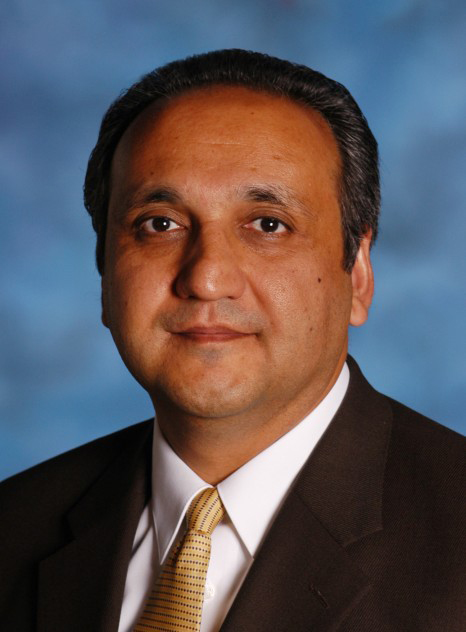 Zobair Younossi合作论文数The Global NASH Council17Guy W. Neff合作论文数17Aasim Sheikh合作论文数16Peter Ruane合作论文数16
 K. Rajender (Raj) Reddy合作论文数Department of Medicine, Perelman School of Medicine, University of Pennsylvania;Division of Gastroenterology, University of Pennsylvania15Bradley Freilich合作论文数15
 John Mchutchison合作论文数Tune Therapeutics15
 Kris Kowdley合作论文数Liver Institute Northwest;Elson S. Floyd College of Medicine, Washington State University;Velocity Clinical Research, Inc.14
 Paul J. Thuluvath合作论文数The Institute for Digestive Health & Liver Disease at Mercy14
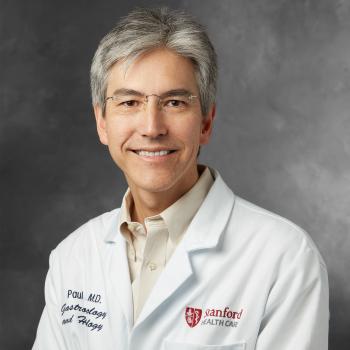 Paul Y. Kwo合作论文数Medicine Department, Stanford University14Corey A. Siegel合作论文数14Manuel Romero-Gomez合作论文数14Donald Lum合作论文数12Ling Lei合作论文数12
 Stuart Gordon合作论文数Gastroenterology-Hepatology, William Beaumont Hospital12
 Gil Yedidya Melmed合作论文数Inflammatory Bowel Disease Center, Cedars-Sinai Medical Center;David Geffen School of Medicine, University of California, Los Angeles12David Bernstein合作论文数12Stephen Djedjos合作论文数11
 Quentin Anstee合作论文数Faculty of Medical Sciences, Newcastle University11
 Diana M. Brainard合作论文数AlloVir;MPM BioImpact11
 Fred Poordad合作论文数Hepatology University Transplant Center, The University of Texas Health Science Center at San Antonio;Cedars Sinai Medical Center, Department of Hepatology and Liver Transplantation, The University of Texas Health Science Center at San Antonio;Department of Medicine, The University of Texas Health Science Center at San Antonio11
 Jason Ken Hou合作论文数Department of Medicine Clinical Trials Unit, Baylor College of Medicine;Department of Veterans Affairs;Michael E. DeBakey Veterans Affairs Medical Center in Houston11
 Cynthia Dianne Guy合作论文数Clinical Science Departments, Duke University11Sam E Moussa合作论文数10Alandra Weaver合作论文数10Mildred Gottwald合作论文数10Catherine Jia合作论文数10William Chang合作论文数10
 Takeshi Okanoue合作论文数10
 Mustafa Shadi Rifaat Bashir合作论文数Department of Medicine, Duke University School of Medicine10
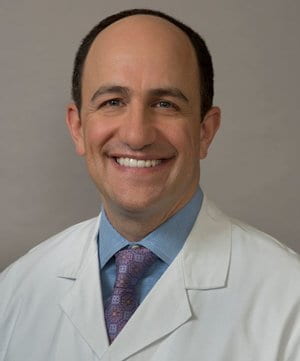 David T. Rubin合作论文数Division of the Biological Sciences, University of Chicago;Digestive Diseases Center, University of Chicago Medicine;MacLean Center for Clinical Medical Ethic;Comprehensive Cancer Center, University of Chicago10
 Marc Bourlière合作论文数Hepato-Gastroenterology Department, Hospital Saint Joseph10
 Michael Trauner合作论文数Division of Gastroenterology and Hepatology, Department of Medicine III, Medical University of Vienna10
 Alex M Depaoli合作论文数10
 Mazen Noureddin合作论文数10Norman Gitlin合作论文数10Kathryn Kersey合作论文数10Humberto Aguilar合作论文数10Georgia Li合作论文数9




