ETHNOPHARMACOLOGICAL RELEVANCE:It has been found that pilose antler peptide has an antidepressant effect on depression. However, the exact molecular mechanism of its antidepressant effect is still unclear.AIM OF THE STUDY:The study sought to determine the impact of monomeric pilose antler peptide (PAP; sequence LVLVEAELRE) on depression as well as investigate potential molecular mechanisms.MATERIALS AND METHODS:Chronic unexpected mild stress (CUMS) was used to establish the model, and the effect of PAP on CUMS mice was detected by the behavioral test. The influence of PAP on neuronal cells and dendritic spine density was observed by immunofluorescence and Golgi staining. FGFR3 and the CaMKII-associated pathway were identified using quantitative real-time polymerase chain reaction, and Western blot analysis was utilized to measure their proteins and gene expression levels. Molecular docking and microscale thermophoresis were applied to detect the binding of PAP and FGFR3. Finally, the effect of FGFR3's overexpression on PAP treatment of depression was detected.RESULTS:PAP alleviated the changes in depressive behavior induced by CUMS, promoted the growth of nerve cells, and the density of dendritic spines was increased to its original state. PAP therapy successfully downregulated the expression of FGFR3 and ERK1/2 while upregulating the expression of CREB, BDNF, and CaMKII.CONCLUSION:Based on the current research, PAP has a therapeutic effect on depression brought on by CUMS by inhibiting FGFR3 expression and enhancing synaptic plasticity.
Neurogenesis is known to be closely associated with depression. We aimed to investigate whether a polypeptide monomer derived from pilose antler (polypeptide sequence LSALEGVFYP, PAP) exerts an antidepressant effect by influencing neurogenesis, and to elucidate the mechanism of its antidepressant action. Behavioral tests were performed to observe the antidepressant effect of PAP. Neurogenesis in the dentate gyrus (DG) region of hippocampus was observed by immunofluorescence. The expression of key proteins of Sentrin/SUMO-specific proteases 2 (SENP2)- Phosphoinositide-specific phospholipase C beta 4 (PLCβ4) pathway was accessed by co-immunoprecipitation (Co-IP), and the calcium homeostasis associated proteins were observed via Western blot (WB). Subsequently, temozolomide (TMZ) pharmacologically blocked neurogenesis to verify the antidepressant effect of PAP on neurogenesis. The mechanism of PAP antidepressant effect was verified by constructing a sh-SENP2 virus vector to silence SENP2 protein. Finally, corticosterone (CORT)-induced PC12 cell model was used to verify whether PAP was involved in the process of deconjugated PLCβ4 SUMOylated. The results showed that PAP improved depression-like behavior and neurogenesis induced by chronic unpredictable mild stimulation (CUMS). In addition, PAP acted on SENP2-PLCβ4 pathway to deconjugate the SUMOylation of PLCβ4 and affect calcium homeostasis. Pharmacological blockade of neurogenesis by TMZ treatment impaired the antidepressant efficacy of PAP. Knockout of SENP2 in the CUMS model attenuated the antidepressant response of PAP, and the impaired neurogenesis was not ameliorated by PAP treatment. In summary, PAP acted on the SENP2-PLCβ4 signaling pathway to inhibit the SUMOylation of PLCβ4 and maintain calcium homeostasis, thereby protecting neurogenesis and playing an antidepressant role.
Background: Pilose antler peptide (PAP), prepared from the pilose antler of Cervus nippon Temminck, is widely used in traditional Chinese medicine (TCM) against various inflammatory disorders. TCM prescriptions containing pilose antler are often prescribed clinically to treat depression. However, the pharmacological mechanisms of how PAP, against inflammation, prevents and treats depression remain poorly understood. Methods: PAP was identified by de novo sequencing and database searching. Then, behavioral tests were conducted to investigate the effect of PAP on CUMS-exposed mice. In parallel, Nissl staining and Golgi-Cox staining were used for exploring the effect of PAP on neural cells and dendritic spine density. Additionally, the expression of key proteins of the AMPK/Sirt1/NF-κB/NLRP3 pathway was analyzed by Western blot. Finally, the CUMS procedure was conducted for 6 weeks. At the 5th week, PAP and fluoxetine (Flu) were intragastrically treated for 2 weeks. The silencing information regulator-related enzyme 1 (Sirt1) inhibitor EX-527 and the AMP-activated protein kinase (AMPK) inhibitor dorsomorphin were employed to investigate the effects of Sirt1 and AMPK on PAP-mediated depression. Results: PAP attenuated the behavior alteration caused by CUMS stimulation, decreased the number of neurons, and restored the dendritic spine density. PAP treatment effectively upregulated the expressions of p-AMPK and Sirt1 and suppressed the expressions of Ac-NF-κB, NLRP3, Ac-Caspase-1, GSDMD-N, Cleaved-IL-1β, and Cleaved-IL-18. Moreover, selectively inhibited Sirt1 and AMPK were able to compromise the therapeutic effect of PAP on depression. Conclusion: The present work indicated that PAP has a protective effect on CUMS-induced depression. In addition, AMPK and Sirt1 played critical roles in the PAP-relieved depression. PAP might be a potential therapeutic option for treating depression.
Prenatal stress (PNS) has a prolonged and adverse effect on offspring, leading to a significantly increased vulnerability to developing depression in their later life. Traditional therapies have delayed onset and limited efficacy; thus, it remains an urgent need to find novel medications with fast-onset and high-efficacy potentials. Crocin, with its structure clearly examined, has shown antidepressant-like effects. However, few studies extensively investigated its effect especially in mice exposed to PNS. Using an established PNS model, we tested whether crocin could have a rapid and persistent antidepressant-like effect in PNS mice. Growth hormone secretagogue receptor (GHSR) and phosphoinositide 3-kinase (PI3K) inhibitors were used to test their effects in antidepressant-like effect of crocin. Hippocampal GHSR-PI3K signaling was examined both in PNS mice treated with a single dose of crocin and in combination of GHSR inhibitor. PNS mice showed depression-like behaviors at juvenile and adulthood, and crocin induced an instant and persistent antidepressant-like response in PNS mice in a dose-dependent manner. Moreover, crocin increased the expression of hippocampal synaptic plasticity-associated proteins through the restoration of GHSR-PI3K signaling. Inhibitions of both GHSR and PI3K abolished the effect of crocin in alleviating depressive-like behaviors. More importantly, GHSR inhibitor JMV2959 blocked the enhanced expression of hippocampal plasticity-related proteins induced by crocin. The present study demonstrated that crocin induced a fast-onset and prolonged antidepressant effect in PNS mice and suggested that GHSR-PI3K signaling may play a key role in crocin's effect at least partially by a restoration of hippocampal synaptic plasticity-associated proteins.
Baicalin (BA), a major polyphenol compound isolated from the extracts of Scutellaria radix, has been previously reported to ameliorate depressive-like behaviors in mice with chronic unpredictable mild stress (CUMS). However, its underlying antidepressant mechanisms remain unclear. This study was designed to confirm the antidepressant-like effects of BA on CUMS induced behavioral abnormalities in mice, and sought to explore the pharmacological mechanisms in vivo and in vitro. The CUMS procedure was carried out to induce depression in mice. Afterwards, the tail suspension test (TST), forced swim test (FST), and open field test (OFT) were performed within 24 h, then sucrose preference test (SPT) was conducted. Additionally, PC12 cells were pretreated with BA for 2 h, then further stimulated with corticosterone for 24 h. The levels of Interleukin-1β (IL-1β), IL-6 and Tumor Necrosis Factor-α (TNF-α) in serum, hippocampus homogenate and cell culture medium were determined using the enzyme-linked immunosorbent assay (ELISA) method. The protein expressions of inhibition of high mobility group box 1 protein (HMGB1)/Toll-like receptor 4 (TLR4)/nuclear factor kappa B (NF-κB) pathways in hippocampus and PC12 cells were detected. Our results showed that CUMS-treated mice presented notable depressive-like symptoms, such as decreased sucrose consumption, increased FST and TST immobility time. While BA (25, 50 mg/kg) significantly attenuated these changes. Besides, BA treatment considerably inhibited inflammatory cytokinesl (IL-1β, IL-6, TNF-α) levels in serum, hippocampus homogenate and cell culture medium. Western blot analysis indicated that BA inhibited the expressions of HMGB1, TLR4, and p-NF-κBp65 both in vivo and in vitro. In conclusion, the present study confirmed that BA possessed efficient antidepressant effects on depression, which was possibly related to the inhibition of HMGB1/TLR4/NF-κB pathways.
近年来,随着对肠道菌群调控作用研究的不断深入,用来描述胃肠道微生物群与宿主之间复杂网络关系的"脑-肠"轴应运而生。它是基于肠道菌群的存在于哺乳动物体内的一种双向信息调节通路,在人体健康和疾病进程中发挥着重要作用。抑郁症是区别于简单情绪障碍的一种持续时间长并且反复发作的慢性精神疾病。有研究表明,肠道菌群能够通过"脑-肠"轴对宿主的应激反应、焦虑、抑郁和认知功能产生重要影响。该文基于肠道菌群综述了抑郁症的研究现状和机制,旨在为抑郁症的治疗提供依据和参考。
The present study was designed to study the effects of pilose antler peptide (PAP) on primary culture of nucleus pulposus cells in intervertebral disc. We demonstrated that PAP significantly inhibited lipopolysaccharides (LPS) induced over-production of inflammatory factors including interleukin-1β (IL-1β), tumor necrosis Factor-α (TNF-α) and interleukin-6 (IL-6) in nucleus pulposus cells. PAP also attenuated increase of malondialdehyde (MDA) and decrease of superoxide dismutase (SOD) induced by LPS challenge in a concentration-dependent manner. Moreover, the expression of the protein levels of mitogen-activated protein kinase (MAPK)/nuclear transcription factor-κB(NF-κB) were increased accompanying with the LPS challenge, which were significantly reversed after PAP treatment. Our results demonstrated the ability of PAP to antagonize LPS-mediated inflammation in primary culture of nucleus pulposus in intervertebral disc, suggesting a beneficial potential for its clinical application.
Pyranocoumarins are the main constitutes in Peucedanum praeruptorum Dunn and possess various biological activities. In this article, we developed and validated a rapid and sensitive liquid chromatography-tandem mass spectrometry method for the targeted quantification of the pyranocoumarins, praeruptorin A, praeruptorin B and praeruptorin E, and khellactone, which is a common metabolite of these pyranocoumarins in rat plasma samples. We then performed a comparative pharmacokinetic study of these pyranocoumarins and khellactone in normal and lipopolysaccharide-induced acute lung injury (ALI) in rats following oral administration of P. praeruptorum Dunn extracts. Calibration curves gave desirable linearity (r > 0.99) and the lower limit of quantifications were sufficient for quantitative analysis. The precision and accuracy were assessed by intra-batch and inter-batch assays, and the relative standard deviations were all within 10.23% and the accuracy (relative error) was between -5.52% and 8.68%. The extraction recoveries, matrix effects and stability were also acceptable. The pharmacokinetic study revealed that the area under the concentration-time curve (0-t) of khellactone in ALI rats was significantly decreased compared with the normal rats. Meanwhile, the systemic exposures of these pyranocoumarins were slightly higher in the ALI rats than those in normal rats were. The pharmacokinetic study in the pathological state might provide information that was more comprehensive to guide the clinical usage of P. praeruptorum Dunn.
Ginsenoside Rb1, an active ingredient in Panax ginseng, was widely used for its various biological activities. To clarify the role of the gut microbiota in pharmacokinetics and metabolism of Rb1, a comprehensive and comparative study of colonic deglycosylation metabolism and systemic exposure of ginsenoside Rb1 in normal rats, antimicrobials (ATMs) treated rats, and restraint stressed rats was conducted. ATMs treated rats received oral administration of non-absorbable antimicrobial mixtures for 7 consecutive days. Restraint stressed rats were subjected to repeated restraint stress for a period of 2 h once daily for 7 days. Plasma concentration dynamics, urine and fecal excretion of Rb1 and its deglycosylation metabolites (Rd, F2, and C-K) were studied. Moreover, the in vitro metabolism of Rb1 in fecal suspension and the fecal β-d-glucosidase activity were profiled. Systemic exposure of the deglycosylation metabolites of ginsenoside Rb1 (F2, C-K) were significantly higher in restraint stressed rats, but ATMs treated rats exhibited a decreased plasma levels of F2 and C-K, compared with normal rats. Further studies illustrated that altered systemic Rb1 and its deglycosylation metabolites exposure in restraint-stressed rats and ATMs treated rats may be partially attributed to alternations in cumulative fecal excretion. The distinguishing fecal β-d-glucosidase, in vitro elimination of Rb1, and formation of these deglycosylation metabolites afforded further evidence for the in vivo data. In conclusion, the dys-regulated fecal β-d-glucosidase activity and deglycosylation metabolism may contribute to the altered pharmacokinetic of ginsenoside Rb1 and its hydrolysis metabolites after ATMs treatment or restraint stress exposure. Our results may offer valuable insights into the pharmacological changes of bioactive ginsenosides in dys-regulated gut microbiota statue.
 Xin Shan合作论文数3WeiWei Tao (陶伟伟)合作论文数3
 Liuqing Di (狄留庆)合作论文数Nanjing University of Chinese Medicine3Li Liu合作论文数3Zheng Shi合作论文数2
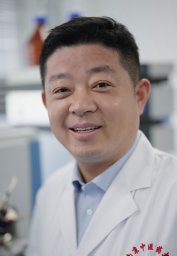 Jinjun Shan合作论文数Institute of Pediatrics, Nanjing University of Chinese Medicine2
 Tong Xie (谢彤)合作论文数Nanjing University of Chinese Medicine2
 Dong Zhu (朱栋)合作论文数Nanjing University of Chinese Medicine2
 An Kang (康安)合作论文数Nanjing University of Chinese Medicine2Xia Baomei合作论文数2
 Hongmei Wen (文红梅)合作论文数School of Pharmacy, Nanjing University of Chinese Medicine2
 Hanqing Wang (王汉卿)合作论文数School of Pharmacy, Ningxia Medical Universit2Ruonan Shuang合作论文数1SHEN Jie (沈劼)合作论文数1Tiantian Gao合作论文数1Lin Li合作论文数1Yue Hu合作论文数1Dong XIAO (肖东)合作论文数1Yuqiong Pei合作论文数1
 Haoran Wu合作论文数1Zhijie OU (欧志杰)合作论文数1
 Ruyan Wu合作论文数1Mingming Qi合作论文数1Min Zhao合作论文数1Yan-Yan Chen合作论文数1Juanjuan Tang合作论文数1Shengjie ZHANG (张圣洁)合作论文数1
 Gang Chen (陈刚)合作论文数Interdisciplinary Institute for Personalized Medicine on Brain Disorders, School of Traditional Chinese Medicine, Jinan University1Wei Zhifeng合作论文数1Cheng Xiaolan合作论文数1
 Li Wu (吴丽)合作论文数Nanjing University of Chinese Medicine1
 Dong Xiao合作论文数State Key Lab of CAD&CG, Zhejiang University1
 Haoxin Wu (吴颢昕)合作论文数Nanjing University of Chinese Medicine1




