This study tested the hypothesis that median nerve stimulation (MNS) prevents ventricular arrhythmias (VAs) induced by dorsomedial hypothalamus stimulation (DMHS) and investigated the electrophysiological mechanisms underlying the anti-arrhythmic effects of MNS by recording left stellate ganglion activity (LSGA).
While bacteria exist in CIED patients without clinical signs of infection, the underlying bacterial community structure and diversity in the bloodstream and pocket tissue of asymptomatic CIED patients remain unknown. In this study, we performed high-throughput 454 pyrosequencing of bacterial 16S rDNA of blood and pocket tissue from 54 asymptomatic CIED patients as well as blood from 30 normal individuals (normal controls). Firstly, we observed a significant increase of blood bacterial diversity in patients as compared with blood of normal subjects or patient tissues. We also found significant differences in 13 blood-associated bacterial genera between patients and normal subjects, and 14 bacteria genera between blood and tissues within patients. Secondly, we found that the serum levels of four inflammatory markers (CRP, IL-1β, IL-6, and MCP-1) in CIED patients were significantly higher than those in normal subjects. Thirdly, we found that there were significant correlations between 43 bacterial species and these inflammatory markers. Taken together, our results reveal a high diversity in the microbial community in CIED patients, and suggest the potential roles of multiple bacteria co-occurrence in the CIED subclinical infections.
Autonomic dysfunction, characterized by sympathetic activation and vagal withdrawal, contributes to the progression of heart failure (HF). We hypothesized that chronic vagus nerve stimulation (VNS) could prevent left ventricular (LV) remodeling and dysfunction in a canine HF model induced by chronic mitral regurgitation (MR).
AIMS:T-wave alternans (TWA) represents myocardial instability. The present study was to determine the impact of cardiac resynchronization therapy (CRT) on TWA and left ventricular ejection fraction (LVEF) in heart failure patients.METHODS AND RESULTS:T-wave alternans was analysed using a spectral method in 27 CRT-ICD patients. Ambulatory device electrograms were collected and LVEF and New York Heart Association (NYHA) classification were assessed at baseline prior to CRT and 3 months following CRT. Patients were followed for 6 months to monitor cardiac events. Spectral TWA of device electrograms was measured during AAI and CRT pacing tests. Each pacing mode had the up-titration pacing rate from 90 to 105 b.p.m. with 90 s for each pacing rate. At baseline, 20 (76.9%) patients had TWA during AAI pacing tests and 13 (50%) during CRT pacing tests (P = 0.044 between two pacing modes). Following 3-month CRT, TWA was identified in 11 patients (45.8%) during AAI pacing tests (a 31.1% reduction from the baseline value, P = 0.023) and 7 patients (28%) during CRT pacing tests (a 22% reduction, P = 0.108). Six of seven patients who had cardiac events had TWA (three patients had arrhythmic events, two died of heart failure, one received heart transplant). Overall, LVEF improved from 27.3 ± 5.8 to 35.9 ± 10.5% (P < 0.001) and NYHA classification improved from 2.8 ± 0.6 to 1.6 ± 0.6 after 3-month CRT (P < 0.001).CONCLUSION:In heart failure patients who receive a CRT-ICD, CRT reduces TWA that is associated to cardiac events, suggesting that CRT promotes clinically significant reverse electrical and mechanical remodelling.
Ebstein's anomaly is a kind of congenital heart disease with part or all leaflets of tricuspid valve not normally attaching to the tricuspid annulus in the normal position,but spirally shifting downward and abnormally attaching to the right ventricular wall.Ebstein's anomaly patients often suffer from arrhythmias,featured by paroxysmal supraventricular tachycardia, atrial fibrillation and atrial flutter,etc.The occurrence of
 Shu Zhang (张澍)合作论文数Fuwai Hospital, CAMS and PUMC4
 Hai-Wen YU (禹海文)合作论文数2Xiaohong Zhou合作论文数2RuoHan Chen (陈若菡)合作论文数2
 Yan Dai合作论文数2
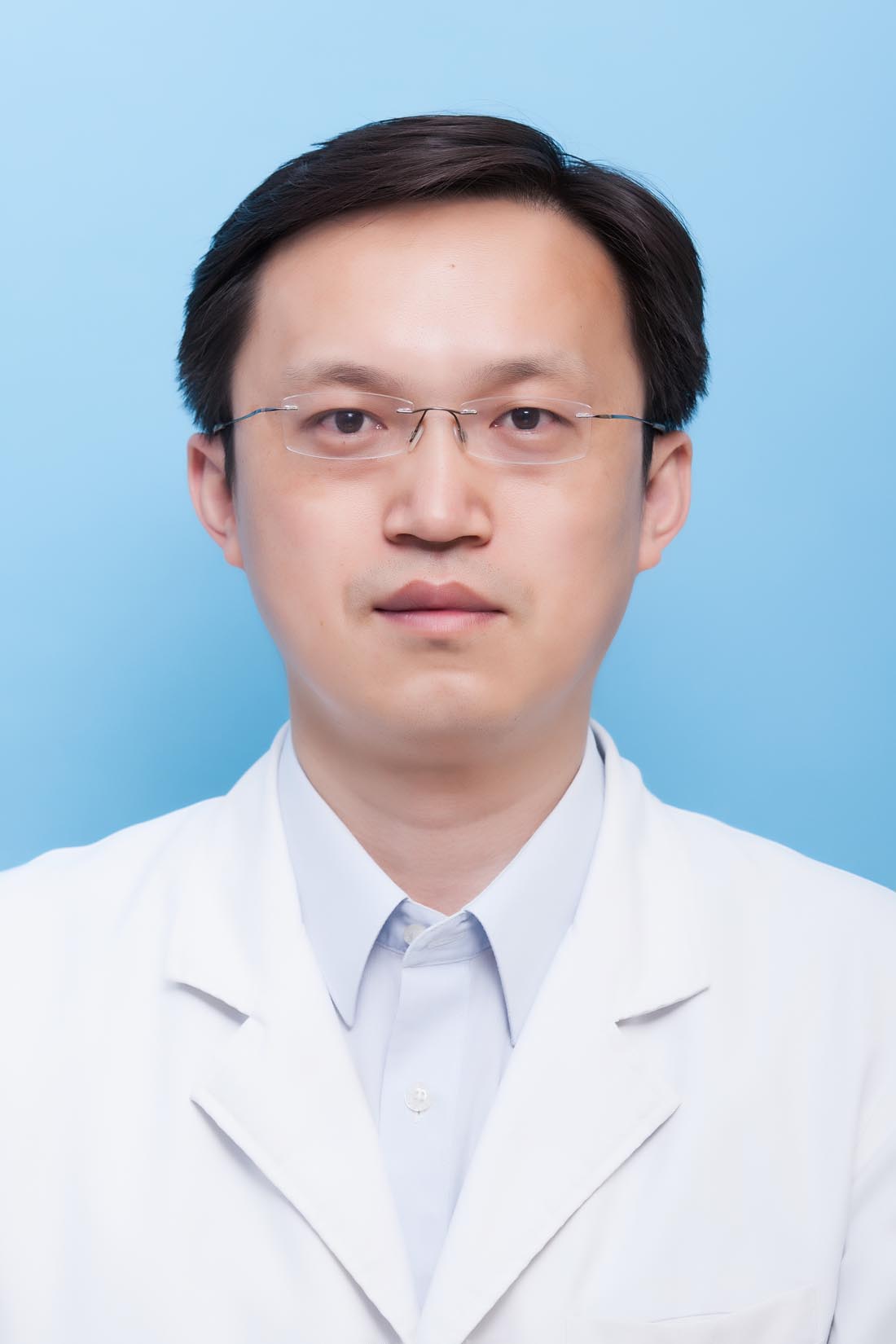 Min Tang (唐闽)合作论文数Fuwai Hospital, Chinese Academy of Medical Sciences and Peking Union Medical College2
 Keping Chen (陈柯萍)合作论文数National Center For Cardiovascular Diseases%_%Fuwai Hospital, CAMS & PUMC;Fuwai Hospital, CAMS & PUMC2Lepeng Zeng合作论文数1Yue Tang合作论文数1Liu Zhi-ming合作论文数1Hao Chen合作论文数1Jingli Gu合作论文数1Xiaoyang Long合作论文数1Xiaolin Zheng合作论文数1Miaomiao Liu合作论文数1Shuang Zhao合作论文数1Chen Sun (孙晨)合作论文数1Yu HOU (侯煜)合作论文数1TianJie Feng (冯天捷)合作论文数1ZhiLei Wang (王志蕾)合作论文数1JiaBin Tong (佟佳宾)合作论文数1HaiFeng Shi (石海峰)合作论文数1JunPeng Liu (刘俊鹏)合作论文数1DongKe Chen (陈东科)合作论文数1
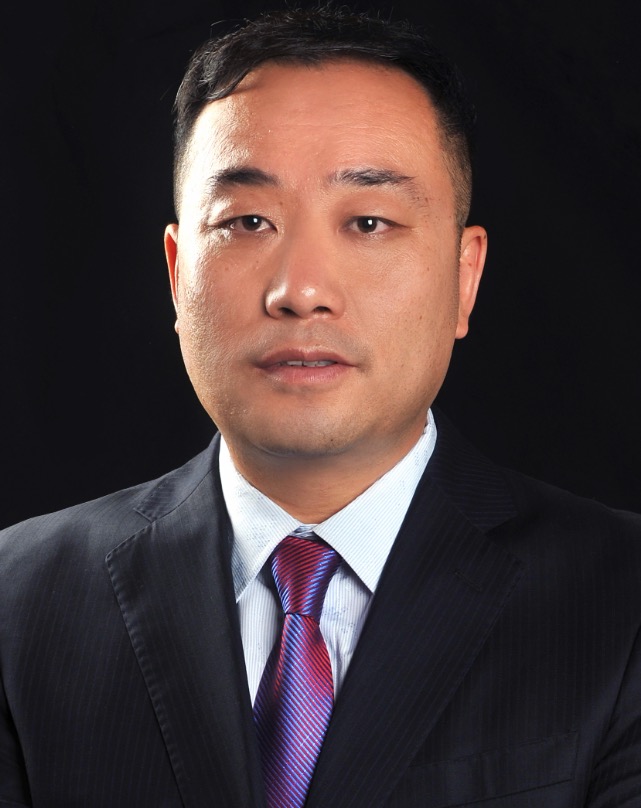 Zhigang Zhang (张志刚)合作论文数School of Life Sciences, Yunnan University1Sujuan Wu合作论文数1
 Jiqiang Hu (胡继强)合作论文数Dongfang Hospital, Beijing University of Chinese Medicine1Yi Tian合作论文数1
 Kexin Yuan (苑克鑫)合作论文数School of Medicine, Tsinghua University1
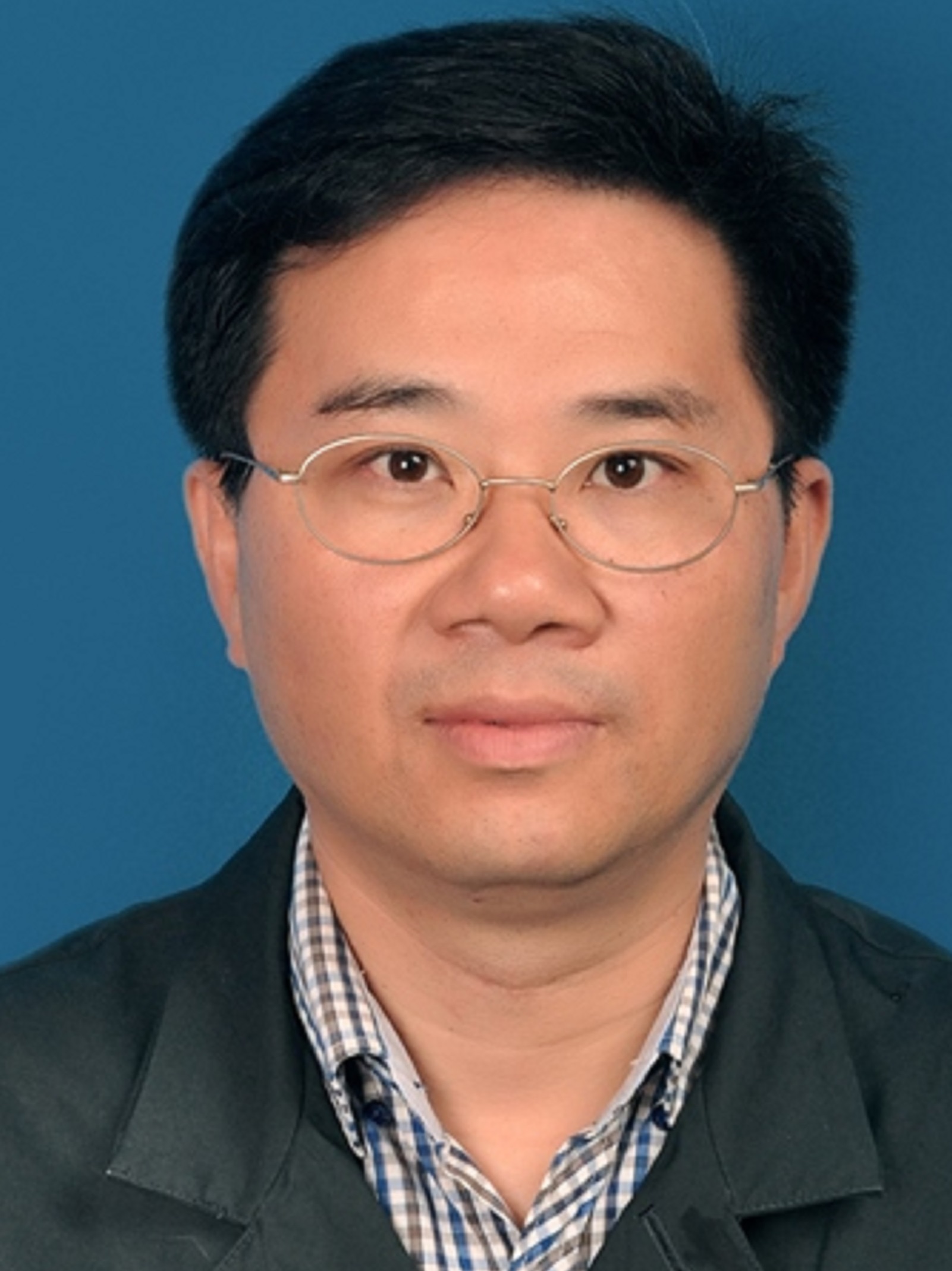 Chenggang Zou (邹成钢)合作论文数School of Life Sciences, Yunnan University1Liu Cherry合作论文数1Cheng Jianwei合作论文数1Bao Jing-ru合作论文数1Cui Wen合作论文数1Haojie Li合作论文数1
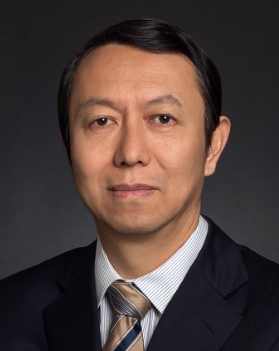 Wei Hua (华伟)合作论文数Fuwai Hospital, Chinese Academy of Medical Sciences1
 Jimin Cao (曹济民)合作论文数School of Basic Medical Sciences, Shanxi Medical University1
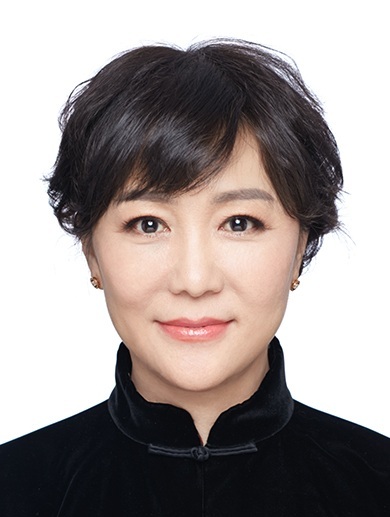 Jing Wang (王靖)合作论文数Cancer Hospital, Chinese Academy of Medical Sciences1
 Xue Yu (于雪)合作论文数Beijing Hospital;University of Chinese Academy of Sciences1
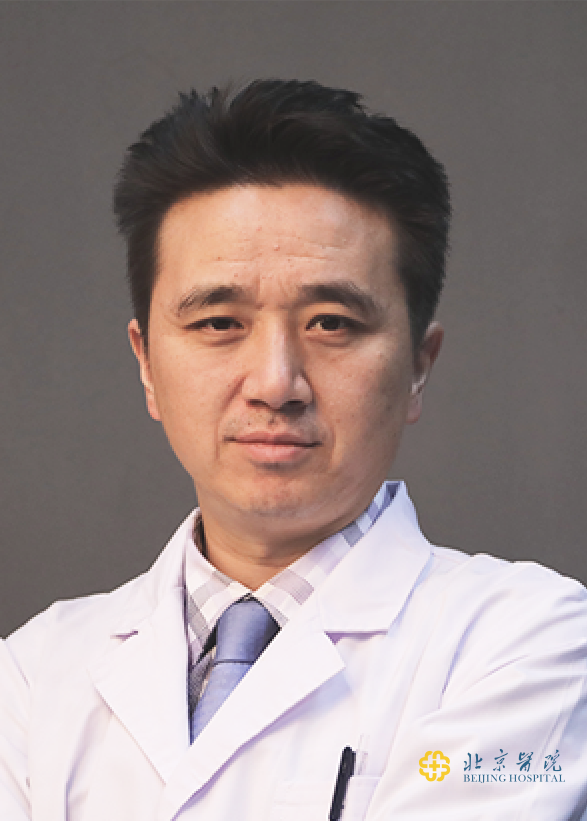 Tong Zou (邹彤)合作论文数Chinese Academy of Medical Sciences & Peking Union Medical College;University of Chinese Academy of Sciences1Ligang Ding合作论文数1Sen Lei合作论文数1
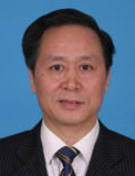 Jiefu Yang (杨杰孚)合作论文数Beijing Hospital1
 Pihua Fang (方丕华)合作论文数Fuwai Hospital, Chinese Academy of Medical Sciences & Peking Union Medical College1




