Self-evolving LLMs excel in verifiable domains but struggle in open-ended tasks, where reliance on proxy LLM judges introduces capability bottlenecks and reward hacking. To overcome this, we introduce G-Zero, a verifier-free, co-evolutionary framework for autonomous self-improvement. Our core innovation is Hint-δ, an intrinsic reward that quantifies the predictive shift between a Generator model's unassisted response and its response conditioned on a self-generated hint. Using this signal, a Proposer model is trained via GRPO to continuously target the Generator's blind spots by synthesizing challenging queries and informative hints. The Generator is concurrently optimized via DPO to internalize these hint-guided improvements. Theoretically, we prove a best-iterate suboptimality guarantee for an idealized standard-DPO version of G-Zero, provided that the Proposer induces sufficient exploration coverage and the data filteration keeps pseudo-label score noise low. By deriving supervision entirely from internal distributional dynamics, G-Zero bypasses the capability ceilings of external judges, providing a scalable, robust pathway for continuous LLM self-evolution across unverifiable domains.
Large language models (LLMs) have demonstrated impressive reasoning capabilities by scaling test-time compute via long Chain-of-Thought (CoT). However, recent findings suggest that raw token counts are unreliable proxies for reasoning quality: increased generation length does not consistently correlate with accuracy and may instead signal "overthinking," leading to performance degradation. In this work, we quantify inference-time effort by identifying deep-thinking tokens – tokens where internal predictions undergo significant revisions in deeper model layers prior to convergence. Across four challenging mathematical and scientific benchmarks (AIME 24/25, HMMT 25, and GPQA-diamond) and a diverse set of reasoning-focused models (GPT-OSS, DeepSeek-R1, and Qwen3), we show that deep-thinking ratio (the proportion of deep-thinking tokens in a generated sequence) exhibits a robust and consistently positive correlation with accuracy, substantially outperforming both length-based and confidence-based baselines. Leveraging this insight, we introduce Think@n, a test-time scaling strategy that prioritizes samples with high deep-thinking ratios. We demonstrate that Think@n matches or exceeds standard self-consistency performance while significantly reducing inference costs by enabling the early rejection of unpromising generations based on short prefixes.
Recent advancements in reinforcement learning with verifiable rewards have pushed the boundaries of the visual reasoning capabilities in large vision-language models (LVLMs). However, training LVLMs with reinforcement fine-tuning (RFT) is computationally expensive, posing a significant challenge to scaling model size. In this work, we propose ProxyThinker, an inference-time technique that enables large models to inherit the visual reasoning capabilities from small, slow-thinking visual reasoners without any training. By subtracting the output distributions of base models from those of RFT reasoners, ProxyThinker modifies the decoding dynamics and successfully elicits the slow-thinking reasoning demonstrated by the emerged sophisticated behaviors such as self-verification and self-correction. ProxyThinker consistently boosts performance on challenging visual benchmarks on spatial, mathematical, and multidisciplinary reasoning, enabling untuned base models to compete with the performance of their full-scale RFT counterparts. Furthermore, our implementation efficiently coordinates multiple language models with parallelism techniques and achieves faster inference compared to previous decoding-time methods, paving the way for the practical deployment of ProxyThinker. Code is available at https://anonymous.4open.science/r/ProxyThinker-FAAF.
While large language models (LLMs) have demonstrated strong performance on factoid question answering, they are still prone to hallucination and untruthful responses, particularly when tasks demand information outside their parametric knowledge. Indeed, truthfulness requires more than accuracy – models must also recognize uncertainty and abstain when unsure to avoid hallucinations. This presents a fundamental challenge for existing methods: approaches that optimize for accuracy often amplify hallucinations, while those that encourage abstention can become overly conservative, sacrificing correct answers. Both extremes ultimately compromise truthfulness. In this work, we present TruthRL, a general reinforcement learning (RL) framework that directly optimizes the truthfulness of LLMs. Specifically, we implement TruthRL using GRPO with a simple yet effective ternary reward that distinguishes correct answers, hallucinations, and abstentions. It incentivizes models to reduce hallucinations not only by providing correct responses, but also by enabling abstention when uncertain, thereby improving truthfulness. Extensive experiments across four knowledge-intensive benchmarks show that TruthRL significantly reduces hallucinations (e.g., 43.5
Long-context processing has become increasingly important for large language models (LLMs), but simply extending the context window does not guarantee effective utilization of long inputs. As input length grows, accuracy often degrades, indicating that models still struggle to identify and use the evidence most relevant to a question. A promising way to improve long-context utilization is test-time training (TTT), which treats the test context as a training example for instance-specific parameter adaptation. However, applying TTT to the entire long context is prohibitively expensive, while adapting on randomly sampled spans introduces severe noise. Because most spans in a long context are irrelevant to the specific question, training on them may even degrade the base model's performance. Our preliminary study shows that TTT is highly sensitive to training-span quality: on LongBench-v2, TTT on randomly sampled spans hurts performance, whereas TTT on oracle spans substantially improves it. Motivated by this, we propose a simple method, Self-Guided TTT (S-TTT): before adaptation, the model identifies the evidence spans it should learn from, and the standard language-modeling training objective is applied only to those selected spans. On two challenging long-context reasoning benchmarks, LongBench-v2 and LongBench-Pro, S-TTT improves accuracy for both Qwen3-4B-Thinking-2507 and Llama-3.1-8B-Instruct, achieving up to a 15
Traditional reinforcement learning from human feedback (RLHF) for large language models (LLMs) relies on expensive human-annotated datasets, while Reinforcement Learning from AI Feedback (RLAIF) also incurs significant costs, requiring the collection of diverse prompts and corresponding responses, often necessitating external reward models or proprietary models like GPT-4 to annotate preference pairs. In this work, we introduce Self-Alignment Optimization (SAO), a fully self-synthetic framework for LLM alignment, where all training data, including prompts (i.e., user queries), responses, and preferences, are generated by the model itself. Specifically, SAO first instructs the LLM to engage in persona role-play and generate diverse prompts and responses, which are then self-evaluated for preference optimization. Extensive experiments demonstrate that SAO effectively enhances the model’s chat capabilities on standard benchmarks like AlpacaEval 2.0, while maintaining strong performance on downstream objective tasks (i.e.,, question-answering, math reasoning). Our work provides a practical solution for self-improvement in aligning LLMs, and the code for reproducing our results is available at: https://github.com/SJY8460/SAO.
Reinforcement learning with verifiable rewards (RLVR) has become a dominant paradigm for improving reasoning in large language models (LLMs), yet the underlying geometry of the resulting parameter trajectories remains underexplored. In this work, we demonstrate that RLVR weight trajectories are extremely low-rank and highly predictable. Specifically, we find that the majority of downstream performance gains are captured by a rank-1 approximation of the parameter deltas, where the magnitude of this projection evolves near-linearly with training steps. Motivated by this, we propose a simple and compute-efficient method RELEX (REinforcement Learning EXtrapolation), which estimates the rank-1 subspace from a short observation window and extrapolates future checkpoints via linear regression, with no learned model required. Across three models (i.e., Qwen2.5-Math-1.5B, Qwen3-4B-Base, and Qwen3-8B-Base), RELEX produces checkpoints that match or exceed RLVR performance on both in-domain and out-of-domain benchmarks, requiring as few as 15
Large Language Models (LLMs) have recently exhibited remarkable reasoning capabilities, largely enabled by supervised fine-tuning (SFT)- and reinforcement learning (RL)-based post-training on high-quality reasoning data. However, reproducing and extending these capabilities in open and scalable settings is hindered by three fundamental data-centric challenges: (1) the cold-start problem, arising from the lack of seed datasets with detailed, long Chain-of-Thought (CoT) trajectories needed to initialize reasoning policies; (2) limited domain coverage, as most existing open-source reasoning datasets are concentrated in mathematics, with limited coverage of broader scientific disciplines; and (3) the annotation bottleneck, where the difficulty of frontier-level reasoning tasks makes reliable human annotation prohibitively expensive or infeasible. To address these challenges, we introduce CHIMERA, a compact synthetic reasoning dataset comprising 9K samples for generalizable cross-domain reasoning. CHIMERA is constructed with three key properties: (1) it provides rich, long CoT reasoning trajectories synthesized by state-of-the-art reasoning models; (2) it has broad and structured coverage, spanning 8 major scientific disciplines and over 1K fine-grained topics organized via a model-generated hierarchical taxonomy; and (3) it employs a fully automated, scalable evaluation pipeline that uses strong reasoning models to cross-validate both problem validity and answer correctness. We use CHIMERA to post-train a 4B Qwen3 model. Despite the dataset's modest size, the resulting model achieves strong performance on a suite of challenging reasoning benchmarks, including GPQA-Diamond, AIME 24/25/26, HMMT 25, and Humanity's Last Exam, approaching or matching the reasoning performance of substantially larger models such as DeepSeek-R1 and Qwen3-235B.
Large language models (LLMs) have rapidly transformed the landscape of AI, demonstrating remarkable capabilities across reasoning, communication, and problem-solving. Yet, realizing their full potential requires addressing two critical challenges. First, their behavior must be steered and refined after training to ensure reliability, safety, and alignment with human values and intentions. Second, their large scale comes with substantial costs in training and deployment, necessitating research into more efficient methods. My research centers on advancing both of these fronts—making LLMs both aligned and efficient. On one side, I investigate post-training techniques that allow models to better reflect human preferences, demonstrate strong reasoning capabilities, and mitigate hallucination. On the other side, I study methods for improving data efficiency in training and inference efficiency in deployment. Together, these thrusts highlight a broader vision of enabling LLMs that are not only powerful, but also trustworthy and accessible at scale.
While the ecosystem of Lean and Mathlib has enjoyed celebrated success in formal mathematical reasoning with the help of large language models (LLMs), the absence of many folklore lemmas in Mathlib remains a persistent barrier that limits Lean's usability as an everyday tool for mathematicians like \LaTeX{} or Maple. To address this, we introduce \textsc{MathlibLemma}, the first LLM-based multi-agent system to automate the discovery and formalization of mathematical folklore lemmas. This framework constitutes our primary contribution, proactively mining the missing connective tissue of mathematics. Its efficacy is demonstrated by the production of a verified library of folklore lemmas, a subset of which has already been formally merged into the latest build of Mathlib, thereby validating the system's real-world utility and alignment with expert standards. Leveraging this pipeline, we further construct the \textsc{MathlibLemma} benchmark, a suite of approximately 4,000 type-checked Lean statements spanning a broad range of mathematical domains. By transforming the role of LLMs from passive consumers to active contributors, this work establishes a constructive methodology for the self-evolution of formal mathematical libraries.
Enabling large language models (LLMs) to utilize search tools offers a promising path to overcoming fundamental limitations such as knowledge cutoffs and hallucinations. Recent work has explored reinforcement learning (RL) for training search-augmented agents that interleave reasoning and retrieval before answering. These approaches usually rely on outcome-based rewards (e.g., exact match), implicitly assuming that optimizing for final answers will also yield effective intermediate search behaviors. Our analysis challenges this assumption: we uncover multiple systematic deficiencies in search that arise under outcome-only training and ultimately degrade final answer quality, including failure to invoke tools, invalid queries, and redundant searches. To address these shortcomings, we introduce DeSA (Decoupling Search-and-Answering), a simple two-stage training framework that explicitly separates search optimization from answer generation. In Stage 1, agents are trained to improve search effectiveness with retrieval recall-based rewards. In Stage 2, outcome rewards are employed to optimize final answer generation. Across seven QA benchmarks, DeSA-trained agents consistently improve search behaviors, delivering substantially higher search recall and answer accuracy than outcome-only baselines. Notably, DeSA outperforms single-stage training approaches that simultaneously optimize recall and outcome rewards, underscoring the necessity of explicitly decoupling the two objectives.
Retrieval-augmented generation (RAG) addresses the limitation of large language models (LLMs) in achieving up-to-date information by integrating external knowledge sources, but it is hindered by noisy or irrelevant retrieved data, leading to reduced accuracy. Additionally, most RAG methods rely on task-specific supervision, reducing their adaptability across domains. To overcome these challenges, we propose WinnowRAG, a novel multi-agent debate-based RAG framework. WinnowRAG operates in two stages: in Stage I, query-aware clustering groups similar documents, with each cluster assigned to an LLM agent for generating personalized responses. A critic LLM then consolidates these answers, forming super-agents. In Stage II, the super-agents engage in a structured discussion to filter out incorrect or irrelevant information, ensuring only relevant knowledge is used for final response generation. Crucially, WinnowRAG is unsupervised and leverages pretrained LLMs without requiring fine-tuning, making it easily adaptable to various tasks. The experiments on various realistic datasets demonstrate the effectiveness of WinnowRAG over state-of-the-art baselines.
Equipping large language models (LLMs) with search engines via reinforcement learning (RL) has emerged as an effective approach for building search agents. However, overreliance on search introduces unnecessary cost and risks exposure to noisy or malicious content, while relying solely on parametric knowledge risks hallucination. The central challenge is to develop agents that adaptively balance parametric knowledge with external search, invoking search only when necessary. Prior work mitigates search overuse by shaping rewards around the number of tool calls. However, these penalties require substantial reward engineering, provide ambiguous credit assignment, and can be exploited by agents that superficially reduce calls. Moreover, evaluating performance solely through call counts conflates necessary and unnecessary search, obscuring the measurement of true adaptive behavior. To address these limitations, we first quantify the self-knowledge awareness of existing search agents via an F1-based decision metric, revealing that methods such as Search-R1 often overlook readily available parametric knowledge. Motivated by these findings, we propose AdaSearch, a simple two-stage, outcome-driven RL framework that disentangles problem solving from the decision of whether to invoke search, and makes this decision process explicit and interpretable. This transparency is crucial for high-stakes domains such as finance and medical question answering, yet is largely neglected by prior approaches. Experiments across multiple model families and sizes demonstrate that AdaSearch substantially improves knowledge-boundary awareness, reduces unnecessary search calls, preserves strong task performance, and offers more transparent, interpretable decision behaviors.
Reinforcement learning with verifiable rewards (RLVR) is a promising approach for training language models (LMs) on reasoning tasks that elicit emergent long chains of thought (CoTs). Unlike supervised learning, it updates the model using both correct and incorrect samples via policy gradients. To better understand its mechanism, we decompose the learning signal into reinforcing correct responses and penalizing incorrect ones, referred to as **P**ositive and **N**egative **S**ample **R**einforcement (**PSR** and **NSR**), respectively. We train `Qwen2.5-Math-7B`, `Qwen3-4B` and `Llama-3.1-8B-Instruct` on a mathematical reasoning dataset and uncover a surprising result: training with only negative samples — without reinforcing correct responses — can be highly effective: it consistently improves performance over the base model across the entire Pass@$k$ spectrum $k$ up to 256), often matching or surpassing PPO and GRPO. In contrast, reinforcing only correct responses improves Pass@1 but degrades performance at higher $k$, due to reduced diversity. These inference-scaling trends highlight that solely penalizing incorrect responses may contribute more to performance than previously recognized. Through gradient analysis, we show that NSR works by suppressing incorrect generations and redistributing probability mass toward other plausible candidates, guided by the model's prior beliefs. It refines the model's existing knowledge rather than introducing entirely new behaviors. Building on this insight, we propose a simple variant of the RL objective that upweights NSR, and show that it consistently improves overall Pass@$k$ performance on MATH, AIME 2025, and AMC23. Our code is available at [`https://github.com/TianHongZXY/RLVR-Decomposed`](https://github.com/TianHongZXY/RLVR-Decomposed).
Large language models (LLMs) are increasingly used as automatic evaluators in applications like benchmarking, reward modeling, and self-refinement. Prior work highlights a potential self-preference bias where LLMs favor their own generated responses, a tendency often intensifying with model size and capability. This raises a critical question: Is self-preference harmful, or does it simply reflect the genuinely higher-quality outputs of stronger models? Answering this has been difficult as previous studies relied primarily on subjective tasks. These tasks lack an objective ground truth, meaning that either preference can be reasonably justified. To address this ambiguity, we investigate self-preference using verifiable benchmarks (mathematical reasoning, factual knowledge, code generation) that allow objective ground-truth assessment. This enables us to distinguish harmful self-preference (favoring objectively worse responses) from legitimate self-preference (favoring genuinely superior ones). We conduct large-scale experiments under controlled evaluation conditions across diverse model families (e.g., Llama, Qwen, Gemma, Mistral, Phi, GPT, DeepSeek). Our findings reveal three key insights: (1) While stronger models exhibit greater self-preference, much of this preference aligns with objectively superior performance, indicating stronger models prefer themselves mostly legitimately. (2) Harmful self-preference persists when evaluator models err as generators, and stronger models display more pronounced harmful self-preference when they do err. This suggests stronger models struggle more to recognize when they are wrong. (3) Inference-time scaling strategies, such as generating a long Chain-of-Thought before evaluation, effectively reduce harmful self-preference. These results provide a more nuanced understanding of LLM-based evaluation and practical insights for improving its reliability.
Reinforcement learning (RL) has become a powerful approach for improving the reasoning capabilities of large language models (LLMs), as evidenced by recent successes such as OpenAI's o1 and Deepseek-R1. However, applying RL at scale remains intimidatingly resource-intensive, requiring multiple model copies and extensive GPU workloads. On the other hand, while being powerful, recent studies suggest that RL does not fundamentally endow models with new knowledge; rather, it primarily reshapes the model's output distribution to activate reasoning capabilities latent in the base model. Building on this insight, we hypothesize that the changes in output probabilities induced by RL are largely model-size invariant, opening the door to a more efficient paradigm: training a small model with RL and transferring its induced probability shifts to larger base models. To verify our hypothesis, we conduct a token-level analysis of decoding trajectories and find high alignment in RL-induced output distributions across model scales, validating our hypothesis. Motivated by this, we propose RAST, a simple yet effective method that transfers reasoning behaviors by injecting RL-induced probability adjustments from a small RL-trained model into larger models. Experiments across multiple mathematical reasoning benchmarks show that RAST substantially and consistently enhances the reasoning capabilities of base models while requiring significantly lower GPU memory than direct RL training, sometimes even yielding better performance than the RL-trained counterparts. Our findings offer new insights into the nature of RL-driven reasoning and practical strategies for scaling its benefits without incurring its full computational cost. The project page of RAST is available at https://ozyyshr.github.io/RAST/.
Retrieval-augmented generation (RAG) has shown promising potential to enhance the accuracy and factuality of language models (LMs). However, imperfect retrievers or noisy corpora can introduce misleading or even erroneous information to the retrieved contents, posing a significant challenge to the generation quality. Existing RAG methods typically address this challenge by directly predicting final answers despite potentially noisy inputs, resulting in an implicit denoising process that is difficult to interpret and verify. On the other hand, the acquisition of explicit denoising supervision is often costly, involving significant human efforts. In this work, we propose InstructRAG, where LMs explicitly learn the denoising process through self-synthesized rationales – First, we instruct the LM to explain how the ground-truth answer is derived from retrieved documents. Then, these rationales can be used either as demonstrations for in-context learning of explicit denoising or as supervised fine-tuning data to train the model. Compared to standard RAG approaches, InstructRAG requires no additional supervision, allows for easier verification of the predicted answers, and effectively improves generation accuracy. Experiments show InstructRAG consistently outperforms existing RAG methods in both training-free and trainable scenarios, achieving a relative improvement of 8.3 five knowledge-intensive benchmarks. Extensive analysis indicates that InstructRAG scales well with increased numbers of retrieved documents and consistently exhibits robust denoising ability even in out-of-domain datasets, demonstrating strong generalizability.
Large Language Models (LLMs) have revolutionized artificial intelligence with capabilities in reasoning, coding, and communication, driving innovation across industries. Their true potential depends on effective alignment to ensure correct, trustworthy and ethical behavior, addressing challenges like misinformation, hallucinations, bias and misuse. While existing Reinforcement Learning (RL)-based alignment methods are notoriously complex, direct optimization approaches offer a simpler alternative.In this work, we introduce a novel direct optimization approach for LLM alignment by drawing on established Information Retrieval (IR) principles. We present a systematic framework that bridges LLM alignment and IR methodologies, mapping LLM generation and reward models to IR's retriever-reranker paradigm. Building on this foundation, we propose LLM Alignment as Retriever Preference Optimization (LarPO), a new alignment method that enhances overall alignment quality. Extensive experiments validate LarPO's effectiveness with 38.9 % and 13.7 % averaged improvement on AlpacaEval2 and MixEval-Hard respectively. Our work opens new avenues for advancing LLM alignment by integrating IR foundations, offering a promising direction for future research.
Large language models (LLMs) are increasingly used for long-content generation (e.g., long Chain-of-Thought reasoning) where decoding efficiency becomes a critical bottleneck: Autoregressive decoding is inherently limited by its sequential token generation process, where each token must be generated before the next can be processed. This sequential dependency restricts the ability to fully leverage modern hardware's parallel processing capabilities. Existing methods like speculative decoding and layer skipping offer potential speedups but have notable drawbacks: speculative decoding relies on an auxiliary "drafter" model, which can be challenging to acquire and increases memory overhead, while layer skipping may introduce discrepancies in the outputs due to the missing key-value cache at skipped layers. In this work, we propose AdaDecode, which accelerates LLM decoding without requiring auxiliary models or changes to the original model parameters, while ensuring output consistency. AdaDecode leverages the insight that many tokens can accurately be generated at intermediate layers, as further layers often do not significantly alter predictions once the model reaches a certain confidence. By adaptively generating tokens at intermediate layers when confidence is high, AdaDecode enables the next token's computation to begin immediately. The remaining layer computations for early-predicted tokens are deferred and executed in parallel with subsequent tokens when needed, maximizing hardware utilization and reducing decoding latency. A final verification step ensures that early predictions match the results of standard autoregressive decoding, preserving output parity. Experiments across diverse generation tasks shows that AdaDecode consistently achieves superior decoding throughput with up to 1.73x speedup, while guaranteeing output parity with standard autoregressive decoding.
Large language models (LLMs), while exhibiting exceptional performance, suffer from hallucinations, especially on knowledge-intensive tasks. Existing works propose to augment LLMs with individual text units retrieved from external knowledge corpora to alleviate the issue. However, in many domains, texts are interconnected (e.g., academic papers in a bibliographic graph are linked by citations and co-authorships) which form a (text-attributed) graph. The knowledge in such graphs is encoded not only in single texts/nodes but also in their associated connections. To facilitate the research of augmenting LLMs with graphs, we manually construct a Graph Reasoning Benchmark dataset called GRBench, containing 1,740 questions that can be answered with the knowledge from 10 domain graphs. Then, we propose a simple and effective framework called Graph Chain-of-thought (Graph-CoT) to augment LLMs with graphs by encouraging LLMs to reason on the graph iteratively. Each Graph-CoT iteration consists of three sub-steps: LLM reasoning, LLM-graph interaction, and graph execution. We conduct systematic experiments with three LLM backbones on GRBench, where Graph-CoT outperforms the baselines consistently. The code is available at https://github.com/PeterGriffinJin/Graph-CoT.
 Jiawei Han (韩家炜)合作论文数Siebel School of Computing and Data Science, The Grainger College of Engineering, University of Illinois Urbana-Champaign57
 Jiaxin Huang合作论文数Computer Science & Engineering Department, McKelvey School of Engineering, Washington University in St. Louis29
 Yu Zhang (张彧)合作论文数Department of Computer Science & Engineering, College of Engineering, Texas A&M University28
 Yunyi Zhang (张云逸)合作论文数Amazon Web Services11
 Xinyu Zhu (朱欣宇)合作论文数Department of Computer Science, School of Engineering and Applied Science, University of Virginia10
 Bowen Jin合作论文数University of Illinois Urbana-Champaign;Google10
 Chao Zhang合作论文数School of Computational Science and Engineering, College of Computing, Georgia Institute of Technology10
 Wei-Lin Chen合作论文数University of Virginia;Google9
 Zhepei Wei (魏哲培)合作论文数Department of Computer Science, School of Engineering and Applied Science, University of Virginia;Microsoft8
 Jiaming Shen合作论文数Google DeepMind6
 Heng Ji (季姮)合作论文数Siebel School of Computing and Data Science, The Grainger College of Engineering, University of Illinois at Urbana-Champaign6
 Guangyuan Wang合作论文数VMware5
 Zihan Wang合作论文数University of California, San Diego;Amazon5
 Margaret H. Dunham合作论文数Bobby B. Lyle School of Engineering, Southern Methodist University5
 Jingbo Shang合作论文数Department of Computer Science and Engineering, Jacobs School of Engineering, University of California, San Diego;Halicioglu Data Science Institute, University of California, San Diego5
 Xuan Wang合作论文数Department of Computer Science, College of Engineering, Virginia Polytechnic Institute and State University4
 Qi Zhu合作论文数Think Forward Lab, Amazon Web Services4
 Chenyan Xiong合作论文数Language Technologies Institute, Machine Learning Department, School of Computer Science, Carnegie Mellon University4
 Fang Guo合作论文数School of Engineering, Westlake University3
 Martin Michalski合作论文数3
 Xiusi Chen (陈修司)合作论文数Siebel School of Computing and Data Science, University of Illinois Urbana-Champaign3
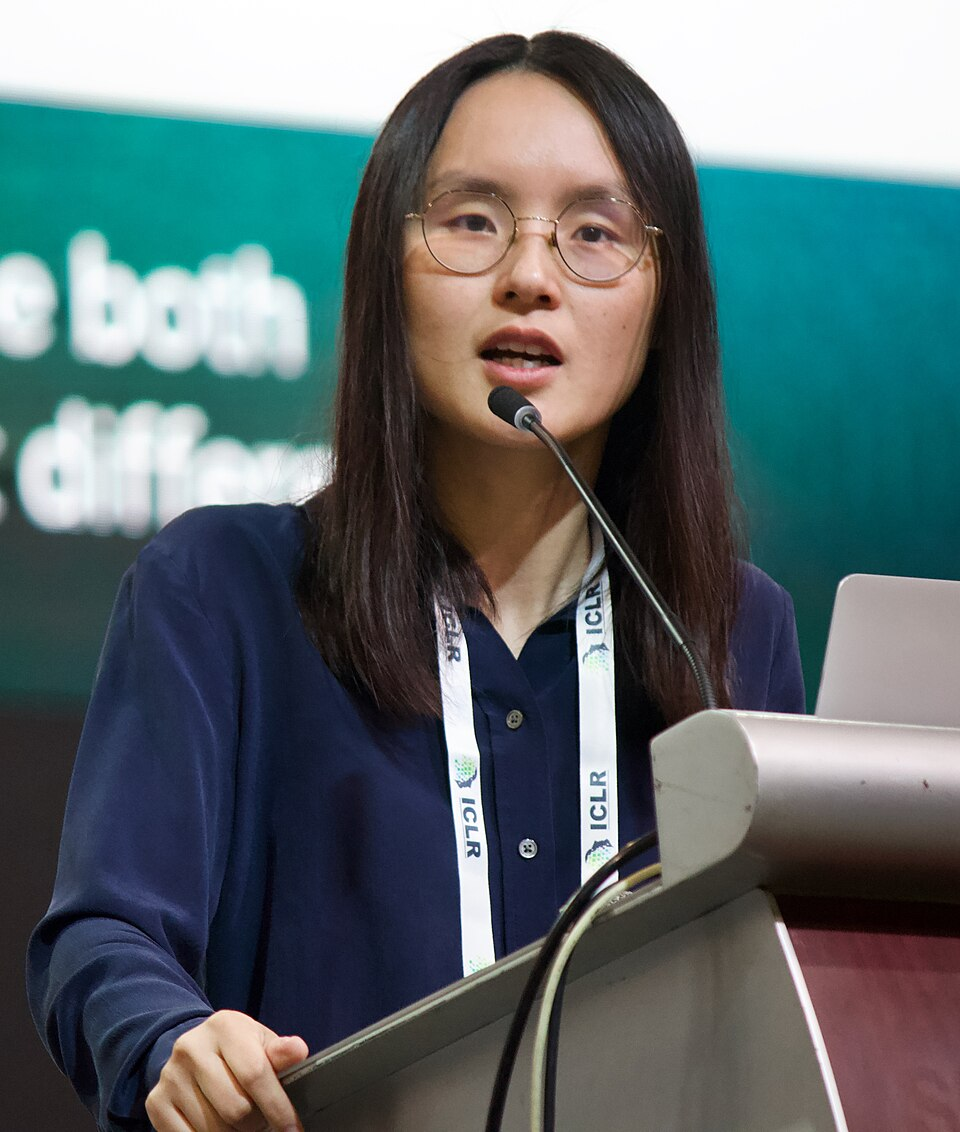 Danqi Chen (陈丹琦)合作论文数3
 Minhao Jiang合作论文数University of Illinois Urbana-Champaign3
 Tarek Abdelzaher合作论文数Department of Computer Science, University of Illinois at Urbana Champaign3
 Honglei Zhuang合作论文数3
 Sizhe Zhou合作论文数Data Mining Group, Database and Information System Lab, CS Department, University of Illinois at Urbana-Champaign2
 Wentao Zhang合作论文数2
 Fangzheng (Frank) Xu合作论文数Language Technologies Institute, School of Computer Science, Carnegie Mellon University2
 Sha Li合作论文数Department of Computer Science, University of Illinois Urbana-Champaign2
 Yuchen Zhuang合作论文数School of Computational Science and Engineering, College of Computing, Georgia Institute of Technology2
 Chengsong Huang合作论文数McKelvey School of Engineering, Washington University in St. Louis;Google2
 Siru Ouyang (欧阳思如)合作论文数Department of Computer Science, University of Illinois Urbana-Champaign;Google Cloud AI Research2Lin Lu合作论文数2
 Xiaotao Gu (顾晓韬)合作论文数Zhipu AI2
 Saurabh Tiwary合作论文数Microsoft2
 Suyu Ge合作论文数NVIDIA2
 Liyuan Liu (刘力源)合作论文数Microsoft Research2Payal Bajaj合作论文数Microsoft2
 Zilin Xiao (肖子霖)合作论文数Rice University2
 Yiqing Xie合作论文数Language Technologies Institute, School of Computer Science, Carnegie Mellon University2Wenda Qiu合作论文数University of Illinois Urbana-Champaign2
 Yuning Mao (毛宇寧)合作论文数Meta AI2
 Yue Yu合作论文数2
 Han Zhao (赵晗)合作论文数Department of Computer Science, The Grainger College of Engineering, University of Illinois at Urbana-Champaign;Department of Electrical and Computer Engineering, University of Illinois at Urbana-Champaign;Amazon2
 Xinyang Zhang合作论文数2
 Xia Song合作论文数Microsoft Research2M. H. Dunham合作论文数Southern Methodist University;Department of Computer Science and Engineering2
 Mengzhou Xia (夏梦舟)合作论文数Department of Computer Science, Princeton University2




