Thyroid cancer is the most pervasive disease in the endocrine system and is getting extensive attention. The most prevalent method for an early check is ultrasound examination. Traditional research mainly concentrates on promoting the performance of processing a single ultrasound image using deep learning. However, the complex situation of patients and nodules often makes the model dissatisfactory in terms of accuracy and generalization. Imitating the diagnosis process in reality, a practical diagnosis-oriented computer-aided diagnosis (CAD) framework towards thyroid nodules is proposed, using collaborative deep learning and reinforcement learning. Under the framework, the deep learning model is trained collaboratively with multiparty data; afterward classification results are fused by a reinforcement learning agent to decide the final diagnosis result. Within the architecture, multiparty collaborative learning with privacy-preserving on large-scale medical data brings robustness and generalization, and diagnostic information is modeled as a Markov decision process (MDP) to get final precise diagnosis results. Moreover, the framework is scalable and capable of containing more diagnostic information and multiple sources to pursue a precise diagnosis. A practical dataset of two thousand thyroid ultrasound images is collected and labeled for collaborative training on classification tasks. The simulated experiments have shown the advancement of the framework in promising performance.
The fast growth of pre-trained models (PTMs) has brought natural language processing to a new era, which has become a dominant technique for various natural language processing (NLP) applications. Every user can download the weights of PTMs, then fine-tune the weights for a task on the local side. However, the pre-training of a model relies heavily on accessing a large-scale of training data and requires a vast amount of computing resources. These strict requirements make it impossible for any single client to pre-train such a model. To grant clients with limited computing capability to participate in pre-training a large model, we propose a new learning approach, FEDBERT, that takes advantage of the federated learning and split learning approaches, resorting to pre-training BERT in a federated way. FEDBERT can prevent sharing the raw data information and obtain excellent performance. Extensive experiments on seven GLUE tasks demonstrate that FEDBERT can maintain its effectiveness without communicating to the sensitive local data of clients.
 Dezhong Yao (姚德中)合作论文数School of Computer Science and Technology, Huazhong University of Science and Technology2
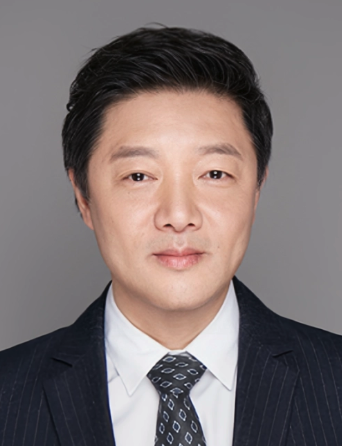 Hai Jin (金海)合作论文数School of Computer Science & Technology, Huazhong University of Science and Technology;Zhengzhou University2
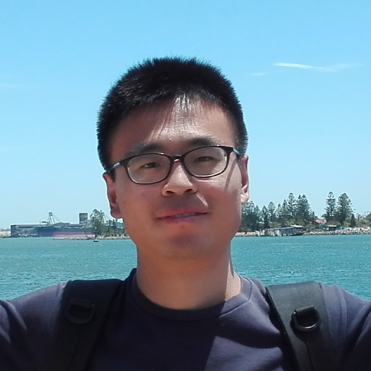 Yao Wan (万瑶)合作论文数Huazhong University of Science and Technology1
 Lichao Sun合作论文数Lehigh University;Mayo Clinc1
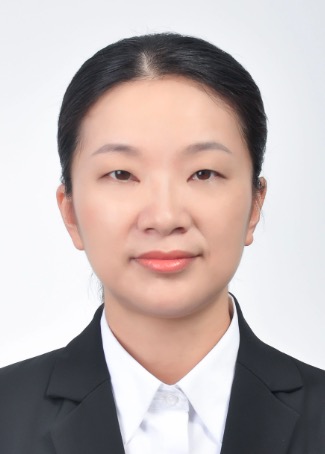 Xia Xie (谢夏)合作论文数School of Computer Science and Technology, Hainan University1
 Lingjuan Lv (吕灵娟)合作论文数Sony AI1
 Kaoru Ota (太田香)合作论文数Department of Sciences and Informatics, Muroran Institute of Technology1
 Zhelong Liu (刘喆隆)合作论文数Tongji Hospital, Tongji Medical College, Huazhong University of Science and Technology1
 Mianxiong Dong (董冕雄)合作论文数Emerging Networks and Systems Laboratory, Department of Sciences and Informatics, Muroran Institute of Technology1




