Abstract Pancreatic ductal adenocarcinoma (PDAC) has a prominent fibrotic stroma, which is a result of interactions between tumor, immune and pancreatic stellate cells (PSC), or cancer-associated fibroblasts (CAF). Targeting inflammatory pathways present within the stroma may improve access of effector immune cells to PDAC and response to immunotherapy. Heat shock protein-90 (Hsp90) is a chaperone protein and a versatile target in pancreatic cancer. Hsp90 regulates a diverse array of cellular processes of relevance to both the tumor and the immune system. However, to date the role of Hsp90 in PSC/CAF has not been explored in detail. We hypothesized that Hsp90 inhibition would limit inflammatory signals, thereby reprogramming the PDAC tumor microenvironment to enhance sensitivity to PD-1 blockade. Treatment of immortalized and primary patient PSC/CAF with the Hsp90 inhibitor XL888 decreased IL6, a key cytokine that orchestrates immune changes in PDAC at the transcript and protein level in vitro. XL888 directly limited PSC/CAF growth and reduced Jak/STAT and MAPK signaling intermediates and alpha-SMA expression as determined via immunoblot. Combined therapy with XL888 and anti–PD-1 was efficacious in C57BL/6 mice bearing syngeneic subcutaneous (Panc02) or orthotopic (KPC-Luc) tumors. Tumors from mice treated with both XL888 and anti–PD-1 had a significantly increased CD8+ and CD4+ T-cell infiltrate and a unique transcriptional profile characterized by upregulation of genes associated with immune response and chemotaxis. These data demonstrate that Hsp90 inhibition directly affects PSC/CAF in vitro and enhances the efficacy of anti–PD-1 blockade in vivo.
The introduction of semiconductor materials as bifunctional oxygen reduction/evolution reaction (ORR/OER) electrodes has been proved as an efficient way to improve the reaction kinetics and reduce the overpotential of ORR/OER during the discharge/charge process of rechargeable zinc-air batteries (RZABs) by combining photochemistry and electrochemistry. Herein, a photo-responsive bifunctional ORR/OER electrocatalyst with CeO2/Co3O4 p-n heterojunction has been constructed by a facile hydrothermal method for RZABs. Under illumination, photogenerated electrons have been demonstrated by the combination of in-situ XPS and in-situ XAS to transfer from Co3O4 to CeO2, whereas the holes are in opposite directions, which is beneficial for the formation of built-in electric field and in turn promoting the separation of photogenerated electron-hole pairs. Benefiting from the unique structural features, the resultant CeO2/Co3O4 exhibits the photo-enhanced ORR/OER performance with half-wave potential of 0.794 V and overpotential of 360 mV at the current density of 10 mA cm-2 as well as remarkable RZABs performance with the maximum power density of 207.85 mW cm-2 and good round-trip efficiency under illumination.
A diverse shallow-water shelly fauna, dominated by brachiopods, gastropods, corals, and stromatoporoids, was recovered from the carbonate-rich Koumenzi Formation (Katian, Upper Ordovician) in the Qilian Mountains, Northwest China. From this assemblage, 100 bellerophontoid gastropod specimens were systematically identified as four genera (Sinuites?, Qilianodiscus n. gen., Pterotheca, and Cymbularia) and two new species (Qilianodiscus qilianensis n. sp. and Cymbularia sinensis n. sp.). Among these, the new genus Qilianodiscus is established based on its distinctive lenticular, thick-shelled morphology with a nearly closed umbilicus and reflected aperture. The wellpreserved shells, found together with abundant brachiopods and bivalves retaining conjoined valves, indicate in-situ preservation, providing valuable information for paleoecological reconstruction. Functional morphology analysis indicates that features such as aperture thickening and lateral expansion served as adaptations to soft substrates and for maintaining balance in high-energy settings. The diverse filter-feeding community and carbonate microfacies indicate a nutrient-rich, shallow marine environment with abundant green algae. Furthermore, the study establishes a spatial and ecological association between these shell-rich deposits and adjacent reef buildups. These reef structures acted as physical buffers that reduced disturbance on the benthic habitat. (c) 2026 Nanjing Institute of Geology and Palaeontology. Published by Elsevier B.V. All rights are reserved, including those for text and data mining, AI training, and similar technologies.
The North Qilian Mountains region is an important component of the Proto-Tethys Archipelagic Palaeocean. The Koumenzi Formation (Katian, Upper Ordovician) in the region yields a significant number of Ordovician fossils, of which cephalopods have rarely been systematically studied and recorded. Herein, a moderately preserved cephalopod collection from the Koumenzi Formation is presented from the North Qilian Mountains, Qilian Orogenic Belt. This fossil assemblage, obtained from the section near the upper reaches of the Tianbao River, Qilian County, Qinghai Province, consists of Anaspyroceras sp., Geisonocerina? sp., Paradnatoceras nyalamense, as well as some unnamed oncoceratoid and orthoceratoid cephalopods. Furthermore, quantitative palaeoecological analyses based on global occurrences, uncover notable provincialism of Katian cephalopods. Two cephalopod provinces related to palaeolatitude are recognised by cluster analysis and weighted network analysis. Global oceanic currents might have been responsible for the pattern of the (c) 2025 Elsevier B.V. and Nanjing Institute of Geology and Palaeontology, CAS. All rights are reserved, including those for text and data mining, AI training, and similar technologies.
Trabeculate heliolitids characterised by well-developed trabecular coenenchyme are an important component of Late Ordovician ulate corals. To better understand their distribution and faunal composition in North Qilian Mountains, we systematically evaluate previously poorly known records of this heliolitid group from the Koumenzi Formation in Menyuan and Qilian areas, northeastern Qinghai, Northwest China, based on both described and new fossil material. The fauna includes the plasmoporellids Plasmoporella chinghueiensis, P. sp., P.? sp., and Leleshusia spinosa, and the sibiriolitid Mongoliolites contiguus, indicating a middle Katian age the Koumenzi Formation. Faunal comparison reveals its closest biogeographic affinities with Kazakhstan and Australia. (c) 2026 Nanjing Institute of Geology and Palaeontology. Published by Elsevier B.V. All rights are reserved, including those for text and mining, AI training, and similar technologies.
Stromatoporoid faunas in the peri-Gondwanan regions during the Katian of the Late Ordovician exhibit a greater diversity of taxa compared with those from other contemporaneous continents and terranes. Geographical separation due to the numerous microplates comprising peri-Gondwana was a potential driver of this high diversity, but stromatoporoid faunas in many of these microplates have not been studied in detail because of their remote present-day locations. In this study, we report 12 genera and 16 species of stromatoporoids from the Upper Ordovician (Katian) Koumenzi Formation, exposed in the upper reaches of the Tianbao River, Qilian County, Qinghai Province, Northwest China, representing a unique occurrence in the North Qilian Mountains. This fauna includes Cystostroma inconstans Jeon n. sp., Pseudostylodictyon poshanense Ozaki, 1938, Labechia conglomerata Dong and Wang, 1984, Labechia shanhsiensis Yabe and Sugiyama, 1930 (Yabe and Sugiyama, 1930a), Labechia sp., Labechiella gondwanense Jeon in Jeon et al., 2022a, Radiostroma astroqilianus Jeon and Zhan n. sp., Aulacera arbuscula Jeon n. sp., Sinabeatricea crassicentra Jeon n. sp., Lophiostroma leptolamellatum Jeon n. sp., Clathrodictyon idense Webby and Banks, 1976, Clathrodictyon sp. cf. Cl. mammillatum (Schmidt, 1858), Ecclimadictyon tiewadianensis (Jiang et al., 2011), Ecclimadictyon nestori Webby, 1969, Plexodictyon qilianense Jeon n. sp., and Simplexodictyon uniplexum Jeon n. sp. In comparison with other peri-Gondwana regions and other adjacent areas, this fauna consists of a relatively high proportion of endemic taxa and some pandemic taxa, with species-level affinities most closely linking the North Qilian Mountains to North China, and to a lesser extent, South China. The occurrence of genera such as Radiostroma, Plexodictyon, and Simplexodictyon, previously restricted to Baltica and North China extends their known palaeogeographical ranges. The stromatoporoid assemblage of the North Qilian Mountains represents a transitional fauna between the Ordovician and Silurian, characterised by persistent labechiid dominance alongside the appearance of clathrodictyids and stromatoporellids, and the presence of both long-ranging Ordovician taxa and morphologically advanced genera, reflecting diversification trends also seen in the contemporaneous North China assemblage. Relatively high endemism of this stromatoporoid fauna is attributed to the island arc volcanic setting during the Late Ordovician, emphasizing the role of island arc setting in stromatoporoid diversification during the Ordovician. (c) 2025 Elsevier B.V. and Nanjing Institute of Geology and Palaeontology, CAS. All rights are reserved, including those for text and data mining, AI training, and similar technologies.
The Katian (Late Ordovician) represents a critical phase of the Great Ordovician Biodiversification Event (GOBE), and was marked by the diversification and pronounced provincialism of brachiopods across the tropical and temporal Proto-Tethys. Taxonomic revisions of brachiopod assemblages from Mongolia and Russia remain challenging because of restricted accessibility to historical fossil sites. However, modern analytical techniques offer promising avenues to extract new data from limited material. Here, we re-examine the rhynchonellide brachiopod Salairella latecostellata-a morphologically distinctive taxon with atrypide-like outline-from the Bayankhongor region of central Mongolia. Serial grinding of two topotypes reveals their internal morphology, facilitating a systematic revision of the genus. Salairella had a restricted distribution to what is now the Altai Mountains, Siberia, and Mongolia. This contrasts with the coeval shallow water Altaethyrella Fauna, which dominated the regions of modern China and Kazakhstan during the Katian. This palaeobiogeographical disparity infers a latitudinal gradient-driven brachiopod endemism within the Katian Proto-Tethys. The Altai Mountains region then emerges as an evolutionary hotspot and transitional zone for rhynchonellide brachiopods preceding the Late Ordovician Mass Extinction (LOME).Yuchen Zhang* [yuchenzhang@nigpas.ac.cn], State Key Laboratory of Palaeobiology and Petroleum Stratigraphy, Nanjing Institute of Geology and Palaeontology, Chinese Academy of Sciences, 39 East Beijing Road, Nanjing 210008, China; and Key Laboratory of Deep-time Geography and Environment Reconstruction and Applications of Ministry of Natural Resources, Chengdu University of Technology, Chengdu 610059, China; Tatiana A. Shcherbanenko [Shcherbanenkota@ipgg.sbras.ru], Trofimuk Institute of Petroleum Geology and Geophysics, Siberian Branch, Russian Academy of Sciences, Novosibirsk, 630090 Russia; Murun Bat-Orgil [murunb@mas.ac.mn], Institute of Paleontology, Mongolian Academy of Sciences, Ulaanbaatar 15160, Mongolia; Ya. Ariunchimeg [ariunyarinpil@gmail.com], Institute of Paleontology, Mongolian Academy of Sciences, Ulaanbaatar 15160, Mongolia.
Despite strong relativistic effects in organolanthanide systems, the origin and extent of spin-state mixing within the resulting electronic manifolds remain not fully resolved. In this article, we present a systematic analysis of Ln(COT) (Ln = Ce, Pr, Nd; COT = cyclooctatetraene) by mapping second-order spin-orbit multiconfiguration quasi-degenerate perturbation theory (SO-MCQDPT2)-calculated energies onto the Stevens operator formalism. The approximately axial C8v ligand field imposes symmetry constraints that govern spin-orbit interactions. We demonstrate that direct spin mixing is restricted to states sharing the same J and Ω, whereas indirect mixing arises from ligand-field-induced J-mixing followed by spin-orbit coupling. J is the total electronic angular momentum quantum number associated with the lanthanide ion, and Ω is the unsigned projection of J onto the principal molecular C8 symmetry axis. This analysis accounts for the coexistence of spin-pure and spin-mixed states. By combining multiconfigurational relativistic theory with axial-field analysis, this work provides a framework for understanding spin-state character in organometallic f-block systems. The computed results are in close quantitative agreement with available high-resolution spectroscopic measurements.
Articular cartilage damage, an important cause of osteoarthritis (OA), is often caused by a senescent cartilage microenvironment and insufficient repair of chondrocytes. These effects are due to limited availability and a depleted stemness phenotype of chondrocyte stem cells, leading to the failure of cartilage repair and exacerbation of symptoms. In this study, a biomimetic gradient-structured cartilage organoid (BGSC-organoid) culture system was developed using decellularized cartilage extracellular matrix infused with extracellular vesicles from SOX9-overexpressing bone marrow-derived stem cells (SBEVs) to induce the rejuvenation of senescent chondrocytes. Single-cell sequencing revealed that a subpopulation of chondrocytes could be rejuvenated in the BGSC-organoid culture system. Moreover, an ex vivo osteoarthritis-on-a-chip (OAOC) model with cyclic mechanical stimulation was constructed to simulate the mechanical microenvironment of cartilage. BGSC-organoids exhibited sustained release of chondrocyte-protective factors and good mechanical resistance through the Vimentin/14-3-3/FOXO3 pathway. Animal studies showed that BGSC-organoids preserved a hyaline-like cartilage phenotype in vivo and delayed the degeneration of articular cartilage and intervertebral discs. Efficient expansion of human cartilage organoids with enhanced regenerative capabilities represents a promising approach for joint regeneration.
The development of integrated wearable sensors for concurrent physical and biochemical monitoring is hindered by mechanical mismatch, poor interfacial stability, and low breathability. Herein, we present a thin (100 μm), breathable, self-healing hydrogel (ChACm) with deep eutectic conductivity and tissue adhesion. The hydrogen bonding, catechol/phenol-mediated and hydrophobic association networks enable efficient self-healing (91%) and strong adhesion to wet artificial skin (interfacial toughness: 300 J m-2, adhesive strength: 210 kPa). Its high water vapor transmission rate (WVTR:1980 g·m-2·day-1) and ionic conductivity (0.58 S m-1) enable its use as a ChACm-based strain sensor. A skin-interfaced glucose monitoring device was fabricated with ChACm as the adhesive layer. Both the strain sensor and the glucose monitoring device maintain low skin-electrode impedance and accurately capture joint movements. Notably, the glucose sensing system, in which ChACm serves a stable, breathable and low-impedance skin interface, exhibits reliable subcutaneous glucose tracking over 14 days, with reproducible signals and durable interfacial contact.
The Katian is a critical stage that witnessed the last acme of the Great Ordovician Biodiversification Event (GOBE), marked by the diversification and provincialism of shallow-water brachiopod faunas in the tropical and temperate regions. The knowledge of brachiopods from the Qilian Mountains, northern Qinghai-Xizang (Tibet) Plateau, was limited due to the difficulty of access to the fossil site. In this study, a shallow-water Altaethyrella brachiopod fauna from the Qilian Mountains was collected and identified, revealing totally 15 genera and 15 species. The brachiopods Sulcatospira qinghaiensis (Xu in Jin et al., 1979) and Altaethyrella gentilis (Xu in Jin et al., 1979) are the two most abundant and representative species in this fauna. Statistical analyses (i.e., cluster analysis, principal co-ordinates analysis, and network analysis) of late Katian (Ka4) shallow-water brachiopod faunas from China, Mongolia, Russia, Kazakhstan, and eastern Europe imply that the fauna from the Qilian Mountains has the highest affinity with faunas from the Tarim paleoplate of Northwest China, South China, and Kazakhstan. The studied fauna can be distinguished from the contemporaneous faunas from Mongolia, Siberian Platform, and Altai Mountains. Mid-Boda cooling enhanced the thermohaline ocean circulation, contributing to the wide distribution of the Altaethyrella fauna in the tropical Proto-Tethys. The complexity of the environmental settings and regional lithofacies fostered diverse brachiopods, making these communities evolutionary hot spots prior to the Late Ordovician Mass Extinction (LOME). (c) 2026 Elsevier B.V. and Nanjing Institute of Geology and Palaeontology, CAS. All rights are reserved, including those for text and data mining, AI training, and similar technologies.
A new bivalve association is reported from the Koumenzi Formation (middle-upper Katian, Upper Ordovician) of the upper reaches of Tianbao River, Ebao Town, Qilian County, northeastern Qinghai Province, Northwest China. It comprises 11 species of eight genera including one new species and two indeterminate taxa: Fidera flexa n. sp., Trigonoconcha brevis, Praenucula bohemica, P. cf. applanans, Praeleda compar, Palaeoneilo sp., Colpomya cf. hugini, ?Callodonta sp., Modiolopsis cuyana, Pterineidae gen. et sp. indet. 1, and Pterineidae gen. et sp. indet. 2. This assemblage is formally designated as the Fidera flexa association, named after its most abundant taxon. It is mainly composed of protobranch bivalves (Nuculiformii and Nuculaniformii) together with a few pteriomorph bivalves, indicating a low palaeolatitudinal setting. The prevalence of the protobranch bivalves could have been influenced by a cold-water tongue then, which is known to have affected the distribution of other Ordovician organisms, such as trilobites, cephalopods, and brachiopods. The excellent preservation of these body fossils makes them valuable for future studies on shell microstructure and Ordovician bivalve phylogeny. (c) 2026 Nanjing Institute of Geology and Palaeontology. Published by Elsevier B.V. All rights are reserved, including those for text and data mining, AI training, and similar technologies.
Detailed reconstruction of the evolution of fluvial landscapes is important for understanding early human settlement where habitats may be influenced by local river processes. Based on high-resolution geomorphological mapping and sedimentological analyses from five trenches, we reconstructed the geomorphic processes before and after the Shangshan period (10-8.5 ka BP) at the Pujiang Shangshan site in the upper Qiantang region, home to the earliest known rice agricultural population in eastern China. Excavation of paleochannel sediments and analysis of geomorphological features revealed that a migrating river channel and floodplain began developing at least ca. 16 ka cal BP, following extensive eolian sedimentation. By this time, terraces (Q2) formed by the accretion of middle Pleistocene alluvium, had been established, providing ideal Shangshan settlement locations. The Q2 terrace at that time was 5-8 m above the riverbed. Moreover, the identification of later Holocene, smallscale (1-2 m) terraces (Q4), and sedimentary evidence indicate that after the Shangshan occupation, the floodplain experienced prolonged aggradation and channel migration. These river activities greatly altered the fluvial landscapes, reducing both the dimensions of the occupied terrace and its height difference from the riverbed. Our reconstruction reveals that two major aggradations occurred during the late Pleistocene and middle to late Holocene, with dominant lateral accretion observed in the fluvial plain construction of the upper Qiantang region. The aggradational river systems, characterized by wide floodplains and elevated Q2 terraces, provided favorable conditions for rice cultivation and living spaces for early humans, which likely contributed to the emergence of a sedentary agricultural society in eastern China. These results emphasize the importance of river processes in shaping human settlement patterns in the lower Yangtze region and offer insights into Holocene human-environmental relationships. We suggest that similar methodologies can be employed to reconstruct geomorphic processes at other riverine archaeological sites.
The Middle Darriwilian Isotopic Carbon Excursion (MDICE) is one of the globally recognized positive excursions in carbon isotope chemostratigraphy, but mainly documented by S13Ccarb data in previous research. In this paper, new stable organic carbon isotope data (S13Corg) are presented from the Hule-1 core from the southern Anhui Province of southern China. The core constitutes an Ordovician siliciclastic succession deposited in the upper Jiangnan slope. The Ordovician graptolite biostratigraphy of this area is already well established, and ranges from the Baltograptus deflexus Zone (Floian) to the Nemagraptus gracilis Zone (Sandbian). Based on the wellconstructed graptolite biostratigraphy, a low-amplitude positive excursion of middle-late Darriwilian age within the Hulo Formation is confidently identified as the MDICE. The excursion has an amplitude of ca. 1.1%o starting from the value of -28.0%o near the base of this formation, reaching a peak at -26.9%o in the middle, and decreasing to -28.5%o in its upper part. Therefore, it reveals to our knowledge the globally best preserved and most complete S13Corg record of MDICE hitherto. Our data elucidate the stratigraphic significance of the MDICE also in deeper depositional environments and as a tool for correlation across different lithofacies belts. The inferred perturbation of the global carbon cycle during this time interval was presumably more pronounced than previously thought, confirming that the Darriwilian was a critical time slice in terms of environmental and biosphere changes.
Articular cartilage defects remain an intractable clinical challenge due to the limited capacity of cartilage for self‐renewal and repair. Excessive accumulation of reactive oxygen species (ROS) leads to mitochondrial dysfunction, inflammation, and chondrocyte senescence, impeding cartilage regeneration. In this study, we developed an injectable, dual‐function hydrogel system comprising kartogenin (KGN)‐loaded aminated hollow mesoporous Prussian blue (NH2‐HMPB) nanozyme (termed NH@K nanozyme) and hyaluronic acid methacrylate (HAMA). This “double sustained‐release” system prolongs the therapeutic duration of KGN while seamlessly filling irregular cartilage defects. As NH@K nanozyme is released, it scavenges ROS, reduces oxidative stress, protects mitochondrial function, inhibits cyclic GMP‐AMP synthase–stimulator of interferon genes (STING) pathway activation, and modulates inflammation and macrophage polarization, rejuvenating the senescent microenvironment. RNA sequencing analysis and in vitro experiments revealed that NH@K nanozyme modulates signaling pathways associated with chondrogenesis and inflammation, promoting cartilage repair. In a rat model, HAMA‐NH@K hydrogel significantly enhances extracellular matrix deposition and cartilage regeneration. The synergistic combination of nanozyme and hydrogel in our system enables the reshaping of the senescent microenvironment, providing a promising strategy for advanced cartilage regeneration.
Ternary hydrides, formed by introducing new elements into binary hydrides, are a crucial pathway for enhancing superconducting transition temperatures (Tc) or reducing the stable pressures. In this work, we have acquired the ternary hydride formed by Lu and Y atoms, inspired by the low stabilization pressure of the Lu-H system with its fully filled 4f electrons, as well as the higher Tc of the Y-H system. By effectively controlling the high-pressure and high-temperature conditions, we have successfully synthesized Pm-3n (Lu, Y)4H23 (A15-type). The synthesized Pm-3n (Lu, Y)4H23 reveals the highest Tc of 112 K at 215 GPa, which is the record Tc among A15-type superconductors. Compared to the binary Pm-3n Lu4H23, the Pm-3n (Lu, Y)4H23 exhibits a 60% increase in Tc and a 61% enhancement in the upper critical field μ0Hc2(0). Interestingly, Pm-3n (Lu, Y)4H23 displays minimal volume expansion and a slight increase in the H-H bond distance relative to Pm-3n Lu4H23 due to the introduction of Y atoms. Combined theoretical and experimental analyses indicate that the substitution of Lu atoms with Y atoms enhances electron-phonon coupling (EPC) through modified electronic bands and phonon softening caused by the expansion of H-H bonds, collectively driving the significant enhancement of Tc in Pm-3n (Lu, Y)4H23. Our work demonstrates a crucial strategy for adjusting and enhancing the superconducting performance of hydrides and offers valuable practical experience for developing ternary hydrides.
Metal-mediated activation of aliphatic amines offers a versatile route to structurally diverse molecules in organic synthesis. In this study, reactions of lanthanide atoms (Ln = La and Ce) with propylamine were conducted in a pulsed laser vaporization supersonic molecular beam source. A series of dehydrogenated Ln-containing species were identified via time-of-flight mass spectrometry. Dehydrogenated complexes with the formula Ln(NC3H7) were characterized through single-photon mass-analyzed threshold ionization (MATI) spectroscopy, supported by quantum chemical calculations. Theoretical investigations employed density functional theory for both La and Ce species and relativistic multiconfiguration self-consistent field and second-order quasi-degenerate perturbation theory for the Ce species. The MATI spectrum of La(NC3H7) reveals a single vibronic progression, attributed to ionization from the doublet ground state of the chain-like radical La(NCH2CH2CH3). In contrast, the MATI spectrum of Ce(NC3H7) exhibits two distinct vibronic systems, corresponding to ionization from the two lowest-energy spin-orbit coupled states of the Ce(NCH2CH2CH3) radical. Both Ln-containing radicals are formed via a thermodynamically and kinetically favorable concerted dehydrogenation of the amino group.
Phosphorus(V) stereocenters that are fully substituted by heteroatoms play important roles in bioactive molecules and organocatalysts. Existing methods to achieve such motifs rely almost entirely on resolution or diastereocontrol, and prefunctionalized substrates are usually required to generate specific P(V) stereocenters. In contrast, related catalytic methods are rare, and no generally applicable method is described. Here, we report a modular strategy to access a broad variety of stereogenic-at-phosphorus skeletons, including ProTide analogs, alkoxylphosphoramidates, phosphates, phosphorothioates, and phosphonamidates, through designed enantioselective continuous substitutions of simple P(V) precursors. The nucleophilic substitution sequence readily determined the stereoconfiguration of the products. Concise synthesis of ProTide analogs and drug molecules demonstrated the practical value of the protocol. Experimental and computational studies unveiled a unique π-π stacking effect and chalcogen bonding interaction between the catalyst and substrate as the origin of stereoselectivity.
A shallow-water trilobite fauna, with low diversity (seven species of six genera), from the Koumenzi Formation (Katian) in the Qilian area, northeastern Qinghai Province, Northwest China, is recognised as the Pliomerina Association. Of these, Dulanaspis and Amphilichas are reported for the first time in the North Qilian Mountains. The shallow-water Pliomerina and relatively deep-water BirmanitesSinocybele associations were found to occur in the Qilian and Menyuan areas, respectively, during the Katian. They exhibit a distinctive ecological differentiation with water depth from inner shelf to outer shelf environments. The Pliomerina Association of the Qilian area clearly belongs to the Pliomerina and/or Sinocybele Province of the Proto-Tethys Archipelagic Ocean. Faunal evidence indicates that the palaeogeographical position of the North Qilian Mountains area was situated closer to the Kazakh terranes during the Katian, particularly to the Chu-Ili and Chingiz-Tarbagatai terranes. (c) 2025 Elsevier B.V. and Nanjing Institute of Geology and Palaeontology, CAS. All rights are reserved, including those for text and data mining, AI training, and similar technologies.
Multicomponent design based on magnetic carbon nanofibers (CNFs) composite is an expected approach to achieve excellent microwave absorption. Herein, the Co/attapulgite (ATP)/CNFs were prepared via electrospinning and vacuum calcination. The structure and electromagnetic (EM) properties of Co/ATP/CNFs impacted by the structure evolution of ATP at different calcination temperatures was investigated. At the calcination temperature of 550 degree celsius, the optimal reflection loss (RL) reached -46.67 dB at 15.76 GHz in 2.5 mm thickness, and the effective absorbing bandwidth (EAB) reached 6.72 GHz at 3.0 mm thickness. ATP is introduced into Co/CNFs to construct the magnetic CNFs with various interfaces and bending structures, thereby enhancing dielectric loss and improving impedance matching, and finally realizing broadband absorption. This work presents a promising mentality to obtain environmental protection and efficient microwave absorbing materials (MAs).
 Dong-Sheng Yang合作论文数22
 Jian-Zhong Fan合作论文数17
 Lili Lin (林丽丽)合作论文数College of Chemistry, Sichuan University17
 Chuankui Wang (王传奎)合作论文数Shandong Normal University17
 Renbin Zhan (詹仁斌)合作论文数Nanjing Institute of Geology and Palaeontology, Chinese Academy of Sciences15
 Kai Zhang (张凯)合作论文数School of Materials Science and Engineering, South China University of Technology14
 Wenjin Cao合作论文数Pacific Northwest National Laboratory11Hengwei Zhang合作论文数10Yuying Ma合作论文数8
 Jing-Lei Tan合作论文数PLA SSF Informat Engn Univ, Zhengzhou, Peoples R China8
 Xiaocong Luan合作论文数8XiaoHu Liu (刘小虎)合作论文数8Qing Min (闵清)合作论文数8
 Nyambo Silver合作论文数8Yongqian Shen合作论文数7
 Suizi Jia (贾穗子)合作论文数School of Engineering and Technology, China University of Geosciences7
 Xueyan Du (杜雪岩)合作论文数7
 Wanlin Cao (曹万林)合作论文数College of Architecture and Civil Engineering of Beijing University of Technology7Fanghui Chen合作论文数6
 Xiaohu Liu合作论文数Zhengzhou Inst Informat Sci & Technol, Zhengzhou, Henan, Peoples R China6
 Arezoo Ardekani合作论文数Complex Flow Lab, Department of Mathematics, School of Mechanical Engineering, Purdue University6
 Baiwang Sun (孙柏旺)合作论文数School of Chemistry and Chemical Engineering, Southeast University6
 Jie Liu (刘杰)合作论文数School of Physics and Electronics,Shandong Normal University6
 Ma Jiqiang合作论文数5
 Xin Wei合作论文数5Hongshuai Wu合作论文数5
 Lu Wu合作论文数5Fan Zhang合作论文数5
 Ying Wan (万影)合作论文数School of Environmental Science and Engineering, Huazhong University of Science and Technology5
 Hongqi Zhang (张红旗)合作论文数Cryptography Engineering Institute of Information Engineering University5
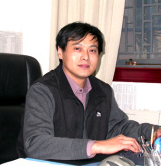 Yi Wang (王怿)合作论文数Nanjing Institute of Geology and Paleontology, Chinese Academy of Sciences5
 Rongchang Wu (吴荣昌)合作论文数Nanjing Institute of Geology and Palaeontology, Chinese Academy of Sciences4
 Peng Tang (唐鹏)合作论文数University of Chinese Academy of Sciences;Nanjing Institute of Geology and Palaeontology, Chinese Academy of Sciences4colin d sproat合作论文数4Yaojia Li合作论文数4
 Yu-Zhi Song (宋玉志)合作论文数School of Physics and Electronics, Shandong Normal University4Zhiguo Gao合作论文数4YuSheng Pei (裴宇盛)合作论文数4Tong Cai (蔡彤)合作论文数4
 Hao Hu (胡浩)合作论文数4
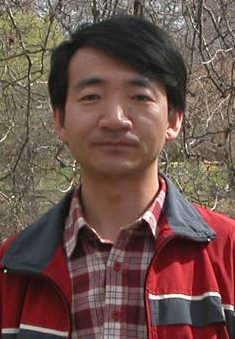 Yong Wang (王永)合作论文数Institute of Geology, Chinese Academy of Geological Sciences4Hua Gao (高华)合作论文数中国食品药品检定研究院4Bing Huang (黄冰)合作论文数4
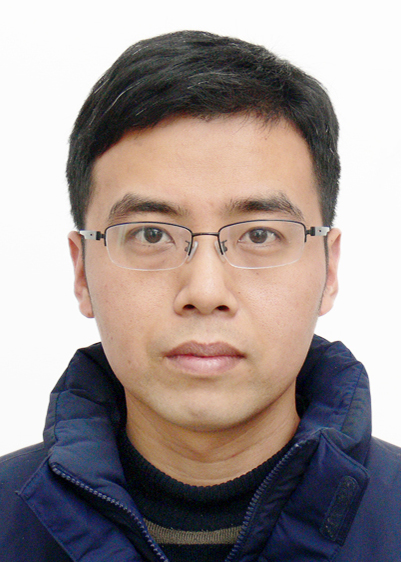 Guangxu Wang (王光旭)合作论文数Nanjing Institute of Geology and Palaeontology, Chinese Academy of Sciences;University of Chinese Academy of Sciences4
 Mark S. Gordon合作论文数Ames Laboratory, US DOE;Department of Chemistry, Iowa State University4
 Ya-Qiong Xu合作论文数4Jiaoyan Liu合作论文数3Janine Mcdermott合作论文数3Maura Downing合作论文数3




