The vertex model is widely used to describe the mechanics of epithelial tissues, but its conventional formulation assumes that all cells remain tightly packed and always share edges with their neighbors, making it difficult to represent local detachment or gap formation. Here, we propose a minimal extension of the vertex model that enables cell detachment by introducing a new topological transformation, T2-inverse, which acts as the inverse of the classical T2 transition. When the imbalance of forces acting on a vertex, quantified by a tension metric T, exceeds a threshold, the T2-inverse splits the vertex into multiple vertices and creates a closed polygon that is incorporated as a pseudo-cell. This operation allows the model to represent the emergence and propagation of local detachment events. Using this framework, we simulate the stretching of a cell sheet and show that force-induced local detachments can accumulate to produce macroscopic tissue rupture. These results demonstrate that the proposed model extends the capability of the vertex model to describe tissue-level breakdown processes, including detachment and tearing, and provides a foundation for studying a broader class of epithelial mechanical phenomena.
Modeling the 3D structures of cells and tissues is crucial in biology. Sequential cross-sectional images from electron microscopy provide high-resolution intracellular structure information. The segmentation of complex cell structures remains a laborious manual task for experts, demanding time and effort. This bottleneck in analyzing biological images requires efficient and automated solutions. In this study, the deep learning-based automated segmentation of biological images was explored to enable accurate reconstruction of the 3D structures of cells and organelles. An analysis system for the cell images of Cyanidioschyzon merolae, a primitive unicellular red algae, was constructed. This system utilizes sequential cross-sectional images captured by a focused ion beam scanning electron microscope (FIB-SEM). A U-Net was adopted and training was performed to identify and segment cell organelles from single-cell images. In addition, the segment anything model (SAM) and 3D watershed algorithm were employed to extract individual 3D images of each cell from large-scale microscope images containing numerous cells. Finally, the trained U-Net was applied to segment each structure within these 3D images. Through this procedure, the creation of 3D cell models could be fully automated. The adoption of other deep learning techniques and combinations of image processing methods will also be explored to enhance the segmentation accuracy further.
The adaptive biasing force (ABF) technique allows sampling to proceed in a flat free energy surface when performing molecular dynamics (MD) simulations. Here, we present a protocol to perform MD simulations using the ABF technique and apply it to calculate the binding free energy of an RNA:RNA interaction. We describe steps for server setup, test running software, and building molecular models. We then detail procedures for running and configuring ABF-MD simulations and analyzing binding free energy and structural change.For complete details on the use and execution of this protocol, please refer to Fujita et al.1 and Kameda et al.2
In this study, we automatically extract structural parameters of cells from 3-dimensional electron microscope images, to construct mechanical models and consider the dynamics of cell division. Cyanidioschyzon merolae is a unicellular red algae with only one of each major cell organelle (nucleus, peroxisome, plastid, and mitochondrion), often used as a model organism for cell division. In the experiment, a series of cross-sectional images (approximately 200-600 sections) of the cell sample were captured using focused ion beam scanning electron microscopy (FIB-SEM) up to nanometer resolution.
Periodic boundary conditions are commonly applied in molecular dynamics simulations in the microcanonical (NVE), canonical (NVT), and isothermal–isobaric (NpT) ensembles. In their simplest application, a biological system of interest is placed in the middle of a solvation box, which is chosen 'sufficiently large' to minimize any numerical artifacts associated with the periodic boundary conditions. This practical approach brings limitations to the size of biological systems that can be simulated. Here, we study simulations of effectively infinitely long nucleic acids, which are solvated in the directions perpendicular to the polymer chain, while periodic boundary conditions are also applied along the polymer chain. We study the effects of these asymmetric periodic boundary conditions (APBC) on the simulated results, including the mechanical properties of biopolymers and the properties of the surrounding solvent. To get some further insights into the advantages of using the APBC, a coarse-grained worm-like chain model is first studied, illustrating how the persistence length can be extracted from the local properties of the polymer chain, which are less affected by the APBC than some global averages. This is followed by all-atom molecular dynamics simulations of DNA in ionic solutions, where we use the APBC to investigate sequence-dependent properties of DNA molecules and properties of the surrounding solvent.
Chromatin is a complex of DNA and proteins in the eukaryotic cell nucleus. This highly complex structure helps not only to fold long DNA and compactly store it into the nucleus but also to control how the information on the DNA is processed. Hence, the structural dynamics of chromatin is important for the understanding of genomic processes. To track the behavior, as well as imaging experiments, molecular dynamics simulations are adopted. However, as the chromatin in the whole nucleus is huge, it is always required to reduce the computational cost to a realistic level. Hence, coarse-grained and multiscale models have been developed, although it is still underway. In this Chapter, recent modeling efforts for the chromatin structure, including our adaptive resolution approach and future directions, are briefly introduced.
In contrast to prokaryotes wherein GUG and UUG are permissive start codons, initiation frequencies from non-AUG codons are generally low in eukaryotes, with CUG being considered as strongest. Here, we report that combined 5-cytosine methylation (5mC) and pseudouridylation (Ψ) of near-cognate non-AUG start codons convert GUG and UUG initiation strongly favored over CUG initiation in eukaryotic translation under a certain context. This prokaryotic-like preference is attributed to enhanced NUG initiation by Ψ in the second base and reduced CUG initiation by 5mC in the first base. Molecular dynamics simulation analysis of tRNA i Met anticodon base pairing to the modified codons demonstrates that Ψ universally raises the affinity of codon:anticodon pairing within the ribosomal preinitiation complex through partially mitigating discrimination against non-AUG codons imposed by eukaryotic initiation factor 1. We propose that translational control by chemical modifications of start codon bases can offer a new layer of proteome diversity regulation and therapeutic mRNA technology.
With the recent progress in structural biology and genome biology, structural dynamics of molecular systems that include nucleic acids has attracted attention in the context of gene regulation. The structure-function relationship is an important topic that highlights the importance of the physicochemical properties of nucleotides, as well as that of amino acids in proteins. Simulations are a useful tool for the detailed analysis of molecular dynamics that complement experiments in molecular biology; however, molecular simulation of nucleic acids is less well developed than that of proteins partly due to the physical nature of nucleic acids. In this review, we briefly describe the current status and future directions of the field as a guide to promote collaboration between experimentalists and computational biologists.
Specific interaction between the start codon, 5'-AUG-3', and the anticodon, 5'-CAU-3', ensures accurate initiation of translation. Recent studies show that several near-cognate start codons (e.g. GUG and CUG) can play a role in initiating translation in eukaryotes. However, the mechanism allowing initiation through mismatched base-pairs at the ribosomal decoding site is still unclear at an atomic level. In this work, we propose an extended simulation-based method to evaluate free energy profiles, through computing the distance between each base-pair of the triplet interactions involved in recognition of start codons in eukaryotic translation pre-initiation complex. Our method provides not only the free energy penalty for mismatched start codons relative to the AUG start codon, but also the preferred pathways of transitions between bound and unbound states, which has not been described by previous studies. To verify the method, the binding dynamics of cognate (AUG) and near-cognate start codons (CUG and GUG) were simulated. Evaluated free energy profiles agree with experimentally observed changes in initiation frequencies from respective codons. This work proposes for the first time how a G:U mismatch at the first position of codon (GUG)-anticodon base-pairs destabilizes the accommodation in the initiating eukaryotic ribosome and how initiation at a CUG codon is nearly as strong as, or sometimes stronger than, that at a GUG codon. Our method is expected to be applied to study the affinity changes for various mismatched base-pairs.
DNA methylation is associated with a number of biological phenomena, and plays crucial roles in epigenetic regulation of eukaryotic gene expression. It is also suggested that DNA methylation alters the mechanical properties of DNA molecules, which is likely to affect epigenetic regulation. However, it has not been systematically investigated how methylation changes the structural and dynamic features of DNA. In this research, to elucidate the effects of methylation on DNA mechanics, a fully atomic molecular dynamics simulation of double-stranded DNA with several methylation patterns was performed. Through the analysis of the relative positioning of the nucleotides (base-step variables), characteristic changes in terms of local flexibility were observed, which further affected the overall DNA geometry and stiffness. These findings may serve as a basis for a discussion on methylation-dependent DNA dynamics in physiological conditions.
Computational modelling methods for Hi-C data have revealed averaged and static features of the 3D genome in cell nuclei. Here, we describe a 4D simulation method, PHi-C (Polymer dynamics deciphered from Hi-C data), that depicts dynamic 3D genome features through polymer modelling. This method allows for demonstrations of dynamic characteristics of genomic loci and chromosomes, as observed in live-cell imaging experiments, and provides physical insights into Hi-C data.
The activity of biological cells is primarily based on chemical reactions and typically modeled as a reaction-diffusion system. Cells are, however, highly crowded with macromolecules, including a variety of molecular machines such as enzymes. The working cycles of these machines are often coupled with their internal motion (conformational changes). In the crowded environment of a cell, motion interference between neighboring molecules is not negligible, and this interference can affect the reaction dynamics through machine operation. To simulate such a situation, we propose a reaction-diffusion model consisting of particles whose shape depends on an internal state variable, for crowds of nano- to micromachines. The interference between nearby particles is naturally introduced through excluded volume repulsion. In the simulations, we observed segregation and flow-like patterns enhanced by crowding out of relevant molecules, as well as molecular synchronization waves and phase transitions. The presented model is simple and extensible for diverse molecular machinery and may serve as a framework to study the interplay between the mechanical stress/strain network and the chemical reaction network in the cell. Applications to more macroscopic systems, e.g., crowds of cells, are also discussed.
Nucleosomes are structural units of the chromosome consisting of DNA wrapped around histone proteins, and play important roles in compaction and regulation of the chromatin structure. While the structure and dynamics of canonical nucleosomes have been studied extensively, those of nucleosomes in intermediate states, that occur when their structure or positioning is modulated, have been less understood. In particular, the dynamic features of partially disassembled nucleosomes have not been discussed in previous studies. Using all-atom molecular dynamics simulations, in this study, we investigated the dynamics and stability of nucleosome structures lacking a histone-dimer. DNA in nucleosomes lacking a histone H2A/H2B dimer was drastically deformed due to loss of local interactions between DNA and histones. In contrast, conformation of DNA in nucleosomes lacking H3/H4 was similar to the canonical nucleosome, as the H2A C-terminal domain infiltrated the space originally occupied by the dissociated H3/H4 histones and restricted DNA dynamics in close proximity. Our results suggest that, besides histone chaperones, the intrinsic dynamics of nucleosomes support the exchange of H2A/H2B, which is significantly more frequent than that of H3/H4.
Simple protein elastic networks which neglect amino-acid information often yield reasonable predictions of conformational dynamics and are broadly used. Recently, model variants which incorporate sequence-specific and distance-dependent interactions of residue pairs have been constructed and demonstrated to improve agreement with experimental data. We have applied the new variants in a systematic study of protein fluctuation properties and compared their predictions with those of conventional anisotropic network models. We find that the quality of predictions is frequently linked to poor estimations in highly flexible protein regions. An analysis of a large set of protein structures shows that fluctuations of very weakly connected network residues are intrinsically prone to be significantly overestimated by all models. This problem persists in the new models and is not resolved by taking into account sequence information. The effect becomes even enhanced in the model variant which takes into account very soft long-ranged residue interactions. Beyond these shortcomings, we find that model predictions are largely insensitive to the integration of chemical information, at least regarding the fluctuation properties of individual residues. One can furthermore conclude that the inherent drawbacks may present a serious hindrance when improvement of elastic network models are attempted.
G protein-coupled receptors (GPCRs) are major drug targets. Developing a method to measure the activities of GPCRs is essential for pharmacology and drug screening. However, it is difficult to measure the effects of a drug by monitoring the receptor on the cell surface; thus, changes in the concentrations of downstream signaling molecules, which depend on the signaling pathway selectivity of the receptor, are often used as an index of receptor activity. We show that single-molecule imaging analysis provides an alternative method for assessing the effects of ligands on GPCRs. Using total internal reflection fluorescence microscopy (TIRFM), we monitored the dynamics of the diffusion of metabotropic glutamate receptor 3 (mGluR3), a class C GPCR, under various ligand conditions. Our single-molecule tracking analysis demonstrated that increases and decreases in the average diffusion coefficient of mGluR3 quantitatively reflected the ligand-dependent inactivation and activation of receptors, respectively. Through experiments with inhibitors and dual-color single-molecule imaging analysis, we found that the diffusion of receptor molecules was altered by common physiological events associated with GPCRs, including G protein binding, and receptor accumulation in clathrin-coated pits. We also confirmed that agonist also decreased the average diffusion coefficient for class A and B GPCRs, demonstrating that this parameter is a good index for estimating ligand effects on many GPCRs regardless of their phylogenetic groups, the chemical properties of the ligands, or G protein-coupling selectivity.
Elastic networks have been used as simple models of proteins to study their slow structural dynamics. They consist of point-like particles connected by linear Hookean springs and hence are convenient for linear normal mode analysis around a given reference structure. Furthermore, dynamic simulations using these models can provide new insights. As the computational cost associated with these models is considerably lower compared to that of all-atom models, they are also convenient for comparative studies between multiple protein structures. In this review, we introduce examples of coarse-grained molecular dynamics studies using elastic network models and their derivatives, focusing on the nonlinear phenomena, and discuss their applicability to large-scale macromolecular assemblies.
Recently, the design of mechanical networks with protein-inspired responses has become increasingly popular. Here, we review contributions which were motivated by studies of protein dynamics employing coarse-grained elastic network models. First, the concept of evolutionary optimization that we developed to design network structures which execute prescribed tasks is explained. We then review what presumably marks the origin of the idea to design complex functional networks which encode protein-inspired behavior, namely the design of an elastic network structure which emulates the cycles of ATP-powered conformational motion in protein machines. Two recent applications are reviewed. First, the construction of a model molecular motor, whose operation incorporates both the tight coupling power stroke as well as the loose coupling Brownian ratchet mechanism, is discussed. Second, the evolutionary design of network structures which encode optimal long-range communication between remote sites and represent mechanical models of allosteric proteins is presented. We discuss the prospects of designed protein-mimicking elastic networks as model systems to elucidate the design principles and functional signatures underlying the operation of complex protein machinery.
 Toshio Yanagida (柳田敏雄)合作论文数Laboratory for Cell Dynamics Research, RIKEN Center for Biosystems Dynamics Research;Graduate School of Frontier Biosciences, Osaka University18
 Alexander S. Mikhailov合作论文数Nano Life Science Institute, Kanazawa University14
 Iwane Atsuko H合作论文数11
 Soya Shinkai合作论文数Faculty of Science and Engineering, Waseda University9Masatoshi Morimatsu合作论文数8Takeru Kameda合作论文数8
 Kunihiko Kaneko合作论文数Center for Models of Life, Niels Bohr Institute, Faculty of Science, University of Copenhagen8
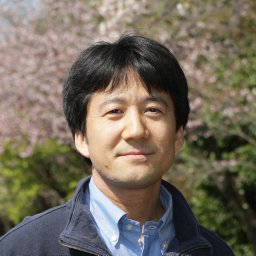 Kazuhiro Maeshima合作论文数6
 Nozaki Tadasu合作论文数Institute for Advanced Biosciences, Keio University6Mitsuhiro Sugawa合作论文数5Akinori Awazu合作论文数Department of Pure;Applied Sciences;University of Tokyo5So Nishikawa合作论文数5Tomotaka Komori合作论文数5
 Holger Flechsig合作论文数Department of Physical Chemistry, Fritz Haber Institute of the Max Planck Society4Vanessa Casagrande合作论文数4
 Masahiro Ueda合作论文数4Takako Mimuro合作论文数3Ruriko Ogawa合作论文数3Yasushi Sako合作论文数3michihito takami合作论文数3
 Katsura Asano合作论文数Kansas State Univ, Div Biol, Mol Cellular & Dev Biol Program, Manhattan, KS 66506 USA3
 Tetsuya Shimokawa合作论文数3
 Masaki Nakagawa合作论文数2Masatoshi Nishikawa合作论文数2Düttmann Markus合作论文数2
 Raymond Kapral合作论文数Lash Miller Chemical Laboratories, Department of Chemistry, Faculty of Arts & Science, University of Toronto2
 Radek Erban合作论文数Mathematical Institute, University of Oxford2Naoya Tochio合作论文数2Jun-ichi Uewaki合作论文数1Kohei Umehara合作论文数1Izumi Asano合作论文数1
 Mackenzie Thornton合作论文数1Michio Hiroshima合作论文数1
 Tetsushi Sakuma合作论文数1Edward Rolls合作论文数1Carter Moravek合作论文数1Whitney Pepper合作论文数1Ariana Cecil合作论文数1Shuhei Isami合作论文数1
 Shin-ichi Tate合作论文数1Madelyn Hilgers合作论文数1
 Chingakham Ranjit Singh合作论文数1Romain Amyot合作论文数Hiroshima Univ, Grad Sch Sci, Dept Math & Life Sci, 1-3-1 Kagamiyama, Hiroshima 7398526, Japan1Masayuki Sato合作论文数1
 Munenori Ishibashi合作论文数1Yuichi Taniguchi合作论文数osaka university1Suzuki Miho M合作论文数1Miyanaga Yukihiro合作论文数1Abe Mitsuhiro合作论文数1




