Underwater images often suffer from significant color distortion and blurred features due to optical loss and dispersion. This degradation can hinder tasks such as underwater object detection. To address this issue, this study proposes an underwater image enhancement (UIE) model based on an accelerated conditional diffusion probabilistic model (UW-DDPM). This model is a rapid denoising diffusion probabilistic model designed specifically for UIE. The UW-DDPM directly establishes a diffusion generation relationship between degraded and reference images based on the conditional diffusion probabilistic model (CDDPM) redesigning an implicit accuracy diffusion model for direct image translation, which not only improves the quality of image enhancement but also addresses the slow sampling speed issue of the CDDPM. Simultaneously, speed-UIE was designed for processing training on conditional images, which is a lightweight model network. Specifically, we combined a pre-trained diffusion model with a lightweight UIE algorithm, using speed-UIE to guide conditional generation. The diffusion prior mitigates the drawbacks of poor-quality synthetic images, whereas the lightweight model addresses the issue of the diffusion model lacking high-quality prior conditions, resulting in higher-quality images. Ablation experiments demonstrate that enhancing the conditional images before inputting them improves the visual quality of the output images. Extensive experiments on publicly available UIE datasets have verified that the UW-DDPM outperforms existing traditional and deep learning-based methods in terms of full-reference, no-reference image quality assessment metrics, and generation speed. The UW-DDPM and other state-of-the-art (SOTA) methods are used to compare the image enhancement experiments of underwater robots in the field. The UW-DDPM still demonstrated excellent robustness in practical applications.
Underwater image enhancement (UIE) is crucial for underwater perception tasks but is challenged by complex physical degradations, including backscatter, wavelength-dependent attenuation, scattering, turbidity, and color cast. These factors severely reduce visibility and color fidelity in underwater scenes. This article presents a UIE method called UIE-DDPM, which is based on the conditional denoising diffusion probabilistic model and underwater physical model. UIE-DDPM innovatively enhances underwater images by integrating the Jaffe-McGlamery underwater physical model with the diffusion process and employing optical compensation as a conditional controller to regulate each iteration step with greater specificity. The UIE-DDPM consists of the variational autoencoder-optical compensation prediction network (VCP) and the underwater image semantic enhancement network (UISE). The VCP establishes the analytical relationship between optical compensation levels, performs Gaussian sampling and parameter renormalization, and estimates the distribution of optical compensation losses in the latent space. The UISE effectively enhances the essential semantics of degraded images by utilizing reference color-enhanced images as auxiliary information, thereby improving the understanding of details, contours, and contrasts. Meanwhile, the UIE-DDPM outperforms other baseline methods and generative adversarial network models in UIE, establishing a new state-of-the-art benchmark. In real-world application scenarios, the maximum underwater image quality metric increased by 1.336, and the maximum underwater color image quality evaluation increased by 0.158, demonstrating the effectiveness of the proposed method in enhancing underwater image quality under turbid conditions.
Underwater image enhancement (UIE) aims to restore visually clear and semantically enhance images from underwater images degraded by color distortion, haze, and scattering. This paper presents Real-UDPM as a real-time underwater image enhancement model based on Conditional Denoising Diffusion Probabilistic Model (CDDPM). Specially, a Conditional Forward Diffusion (CFD) process is proposed, in which semantic guidance is incorporated into the noise distribution to improve the modeling of underwater degradation. Meanwhile, the reverse inference is redesigned using variable Classifier-Free Guidance (variable-CFG), enabling the dynamic adjustment of conditional information strength and reducing error accumulation during sampling. Lastly, Fast-UIE has been introduced as a lightweight enhancement network that guides the reverse diffusion process to improve detail restoration and enhance color fidelity. An ODE-based accelerated sampling strategy allows high-quality image synthesis within only four steps. Results on public datasets demonstrate superior visual quality and quantitative performance of Real-UDPM. It supports real-time enhancement and achieves competitive performance in the field of UIE. These results confirm the effectiveness and practicality of Real-UDPM for real-time underwater vision applications.
A green-oriented transition of energy has propelled the thriving development of the electric marine surface vehicle fleet (EMSVF). To extend the application potential in marine missions, the flexibility and endurance of EMSVF must be enhanced for special requirements. Aiming toward solving this issue from a control perspective, this article proposes an energy tradeoff-oriented quasi-optimal distributed affine formation control scheme. First, a composite configuration constraint is developed such that yaw consensus and position affine formation maneuver can be synchronously achieved under the directed graph. Subsequently, by integrating this constraint to a linear sliding mode surface, second-order system dynamics could be reduced to a first-order one and the control input is then directly adopted as an optimization target. In this way, a quasi-optimal controller is established through the linear quadratic regulator, which has the capability of making a proper tradeoff between energy consumption and control precision. The prominent feature of this control scheme lies in realizing the nonlinear optimal problem just through two design parameters. Finally, system security is tactfully analyzed from the perspective of collision avoidance capability. Stability analysis and semi-physical experimental results show the effectiveness of the control scheme.
The median and/or paired fin (MPF) swimming mode of fish has extremely strong maneuverability, which is urgently needed for unmanned underwater vehicles. Therefore, determining the mechanism of greater maneuverability of fish in the MPF swimming mode is particularly important. To fill the research gap in the entire turn maneuvering process in MPF swimming mode under self-propulsion, a numerical solution method for three degree-of-freedoms self-propelled swimming of biomimetic robotic fish (BRF) coupled with fluid dynamics and body dynamics were established. Our results revealed that the turning radius of the BRF increases with the increase in the pectoral fin rotation amplitude in both drag-based and lift-based modes. Interestingly, owing to the special streamlined shape of the fish body, it can passively generate thrust during turn maneuvering. According to vortex dynamics, the trailing-edge vortex (TEV) and tip vortex (TV) generated in the power stroke form a vortex ring together with the TEV generated in the recovery stroke during one cycle in drag-based mode. The TEV and TV generated in every half cycle in lift-based mode form a vortex ring, resulting in two vortex rings in one cycle. The vortex ring generation mechanism is the mechanism by which the pectoral fins cannot generate continuous thrust in drag-based mode but can generate continuous thrust in the lift-based mode. The results reveal the BRF labriform mode turning characteristics as well as the relation mechanism between vortex dynamics and thrust, which lays a theoretical foundation for highly maneuverable BRF development.
In this study, nonsingular modeling and cross-domain trajectory tracking control problems for a special class of coaxial hybrid aerial–underwater vehicles (HAUVs) are investigated. Coaxial HAUVs need to effectively overcome the influence of hydrodynamic factors when moving underwater, so the attitude angle required by coaxial HAUVs is much larger than that in the air. The attitude representation based on quaternion modeling is adopted to avoid the inherent singularity of Euler angle modeling. A cascade sliding mode control and proportion differentiation (SMC-PD) controller is proposed, which is used to position trajectory and attitude quaternion tracking control, respectively. An adaptive sliding mode controller based on disturbance observer (DO) enhancement is adopted in the outer loop to carry trajectory tracking control. At the same time, the expected attitude angle is calculated by the outer loop (position) and is converted into the expected quaternion. With reference to the idea of enhanced robustness in active disturbance rejection control (ADRC), a feedforward proportion derivation (PD) controller based on DO enhancement is used to track the desired quaternion. A variable parameter adaptive algorithm based on the learning rate is introduced in the cascaded SMC-PD controller. The error convergence speed of the system is further improved by adaptively changing the controller parameters. The stability of the proposed control scheme is proved by using the Lyapunov theory. The numerical simulation results show that the controller has good robustness and effectiveness.
The mechanism of fast and high maneuvering swimming of fish under the cooperative propulsion of multiple fins has not been fully studied. To fill the research gap in the process of numerical simulation on the motion performance, hydrodynamic characteristics, and flow field of fish-like swimmers cruising and maneuverability under the coupled propulsion of body and/or caudal fin (BCF) swimming mode and median and/or paired fin (MPF) swimming mode, a numerical solution method of multibody dynamics coupling under the combined propulsion of body-caudal-pectoral fin is established. The coupling mechanism of fast and efficient swimming in BCF mode and high maneuverability in MPF mode is systematically studied. Our results revealed that the fish-like swimmer can make full use of the advantages of both swimming modes under the combined propulsion of the caudal fin and pectoral fin to achieve maneuvering steering and fast cruising. When the pectoral fins adjust the direction of swimming, the forward velocity of the fish-like swimmer decreases significantly in the unfolding stage of the pectoral fins. When the pectoral fins are maneuvering, the fish-like swimmer is able to steer stably, and at the end of the maneuvering, the fish-like swimmer is able to cruise steadily. The vortex dynamics analysis revealed that the well-developed tip vortex and trailing-edge vortex are the key factors for the generation of shedding vortex rings in the pectoral and caudal fins. The generation of two vortex rings in one cycle is a necessary condition for the caudal fin or pectoral fin to generate continuous thrust.
In this study, the cross-domain control system design of a special type of hybrid aerial-underwater vehicle, a coaxial flying buoy, is investigated. Thereby, a continuous dynamic model for a flying buoy in a water-air cross-domain maneuvering process is deduced. A nonlinear disturbance observer (NDO)-enhanced adaptive fixed-time prescribed performance sliding mode control strategy is proposed for flying buoy cross-domain motion under the joint action of wind, waves, and current. The tracking error is transformed using an exponential performance function to maintain the error within the set performance boundary. Subsequently, a fixed-time sliding mode controller is designed for the transformed control error variables. The NDO is used to estimate the lumped uncertainties, and the adaptive law is used to compensate for the observer estimation error. Under the joint effect of the NDO and adaptive algorithm, the robustness of the control system is effectively enhanced, and the chattering effect is weakened. It has been proven by the Lyapunov stability theory that the tracking error can converge within a specified performance bound in a fixed time. Finally, several sets of simulation results obtained under typical operating conditions illustrate the effectiveness and superiority of the proposed control scheme.
This article addresses the distributed formation control issue of cooperative unmanned surface vessels (USVs) under interleaved periodic event-triggered communications. First, an adaptive event-based control protocol is designed, where the event-based neural network (NN) scheme is developed to compensate for uncertain model dynamics. Upon the designed control protocol, an interleaved periodic event-triggered mechanism (IPETM) is subsequently proposed to achieve the communication objective. Unlike the common continuous event-triggered methods and periodic event-triggered methods, in which multiple nodes are allowed to trigger their events at the same time, the proposed IPETM ensures that USVs detect their events at different times to avoid the simultaneous event triggering of different nodes. By this virtue, traffic jamming in common wireless environments can be prevented, such that potential communication delays and faults are naturally avoided. In addition, the event detecting instants of the presented IPETM are also discrete and periodic, such that it can be performed under low-computational frequencies. Through Lyapunov-based analysis, it is verified that all closed-loop signals can converge to an arbitrary small compact set with exponential convergence rates. Simulation results demonstrate the effectiveness and superiority of the proposed control scheme.
This research presents a novel method for energy-efficient path planning, aiming to enhance the endurance of unmanned surface vehicle (USV). The proposed method combines the locking sweeping (LS) method, gradient descent method, coastline expansion method, and energy consumption functions. The efficiency of constructing the energy consumption potential map was improved by optimising the LS structure. Moreover, maintaining a user-configurable distance between the USV and the coastline ensures safe paths with minimal energy consumption. The performance of the proposed method was evaluated using multiple simulations involving high-resolution electronic nautical charts and a historical time-variant sea current dataset. The results demonstrate the practicality of the method, and effectively address path planning challenges in a time-variant maritime environment.
This article investigates the leader-follower formation-containment (LFFC) control issue of underactuated unmanned surface vessels (USVs) system subject to unreliable communication interaction and the external disturbances. Firstly, an adaptive control scheme is established for the leaders to track the desired trajectory associated with preset formation configuration. Subsequently, by means of convex hull theory, a formation-containment control algorithm is developed to guide the followers into the specific area generated by the leaders. Nevertheless, the communication interaction among USVs is frequently unreliable, which is constrained by communication distance, equipment quality, and indeterminate cyber-attack. Worse still, this unreliability will magnify the unpredictable impact on system stability. Moreover, the signals generally undergo multilevel transmission from virtual leader to followers under LFFC structure, which will result in the amplification of unreliable ratio during the information transmissions. To address the aforementioned issues, an online-update auxiliary signal is constructed through the quasi-sliding mode manifold, which can suppress the impact of unreliable communication interaction. Theoretical analysis and numerical simulations are demonstrated to verify the feasibility and validity of the proposed control strategies.
Under zero-speed conditions, ships are particularly susceptible to the effects of waves, which directly impact the safety of the vessel. A ship anti-rolling device based on the Magnus effect is designed to mitigate rolling motions across a full range of speeds, thereby enhancing the vessel's stability. This study presents an experimental investigation and intelligent control of Magnus anti-rolling devices aimed at enhancing ship stability at zero speed. The test setup, intelligent control algorithm, and experimental procedures specifically tailored for evaluating the Magnus anti-rolling device were designed. Following this, a comprehensive analysis was conducted to assess the effects of different cylinder geometries, swinging speeds, initial roll angles, and control methods on the anti-rolling characteristics of the device. Results demonstrate that the intelligent control method achieves an average anti-rolling efficiency of 89%. Additionally, the optimised geometric model of the Magnus anti-rolling device exhibits improved anti-rolling efficiency relative to the original model. The study confirms the stability and robustness of the intelligent Magnus anti-rolling device and suggests future research directions for practical applications aboard full-scale vessels in complex marine environments.
In maritime engineering, ensuring vessel stability remains a paramount concern. This study investigates the hydrodynamic response of Magnus anti-rolling devices, modeled as swinging or slewing rotating cylinders, under a ship's rolling motion. Through numerical simulations using the overset mesh technique and large eddy simulation, we analyze various parameters, including rolling angles, rotating speeds, and swinging amplitudes. Our findings highlight the importance of considering the ship's degree of freedom as substantial ship rolling significantly affects hydrodynamic coefficients on the rotating cylinder. We observe interesting dynamics during slewing motion, with the cylinder forming a spiral tip vortex. Optimizing the cylinder's rotating speed enhances the lift-to-drag ratio, particularly for small rolling angles. Furthermore, the effective lift generated during swinging motion is lower than during slewing motion, emphasizing the need to optimize the swinging amplitude, which is recommended to be no less than 170°. These insights advance our understanding of Magnus anti-rolling devices and offer practical guidance for improving vessel stability in complex maritime environments.
This research introduces a path planning methodology aimed at coordinating multiple unmanned surface vehicles (USVs) to accomplish target coverage task in obstacle-rich environments. Leveraging the locking sweeping method (LSM), our proposed method constructs task target point distance fields that integrates environmental constraints, alongside a task target point distance matrix. During the task allocation phase, we design a cost assessment function to assess the generated allocation solutions. And a greedy allocation strategy is employed to determine the optimal number of USVs required for mission completion, ensuring evenly distribution of target task points among them. Subsequently, we improve the ant colony optimization (ACO) method by redesigning the heuristic function and pheromone update rules, considering environmental constraints and task execution sequence constraints. This refinement facilitates the generation of optimized task execution sequences and safe navigation paths in obstacle environments. The effectiveness of the proposed method is validated through multiple sets of simulation experiments and compared with existing methods. The results demonstrate the practicality and efficacy of the method in addressing the challenges of USVs target coverage task in obstacle environments.
This article studies the distributed formation control problem for multiple unmanned surface vehicles (USVs) considering uncertain coefficient matrixes, unmeasurable velocities, and time-varying disturbances. The main contributions are as follows: First, a global coordinate translation is proposed to partially linearize the nonlinear dynamic model equipped with the unmeasurable velocity. Second, based on the global coordinate translation, a novel type of fixed-time extended two-state observer (FTETSO) is developed to estimate unmeasurable velocities and total disturbances for each vehicle. Wherein, the estimation errors will converge to zero within a fixed time. Meanwhile, considering estimation accuracy, a two-state extension is proposed to replace a single-state extension. Third, using a sliding model-based control technique, an FTETSO-based distributed global output-feedback fixed-time formation controller (GOFFC) is elaborately developed. Based on the proposed controller, the fixed-time convergence of the closed-loop system is ensured. Finally, the validity and stability of the proposed control approach are verified by simulations.
The development of intelligent task allocation and path planning algorithms for unmanned surface vehicles (USVs) is gaining significant interest, particularly in supporting complex ocean operations. This paper proposes an intelligent hybrid algorithm that combines task allocation and path planning to improve mission efficiency. The algorithm introduces a novel approach based on a self-attention mechanism (SAM) for intelligent task allocation. The key contribution lies in the integration of an adaptive distance field, created using the locking sweeping method (LSM), into the SAM. This integration enables the algorithm to determine the minimum practical sailing distance in obstacle-filled environments. The algorithm efficiently generates task execution sequences in cluttered maritime environments with numerous obstacles. By incorporating a safety parameter, the enhanced SAM algorithm adapts the dimensional influence of obstacles and generates paths that ensure the safety of the USV. The algorithms have been thoroughly evaluated and validated through extensive computer-based simulations, demonstrating their effectiveness in both simulated and practical maritime environments. The results of the simulations verify the algorithm’s capability to optimize task allocation and path planning, leading to improved performance in complex and obstacle-laden scenarios.
The form-changeable unmanned surface vehicles (USVs) have garnered considerable research interest due to their wide-ranging applicability and robust combat capabilities. This paper specifically addresses the longitudinal motion stability of a variable-structure Small Waterplane Area Twin-hull Ship (SWATH) equipped with twin hydrofoils, aiming to evaluate the impact of hydrofoils on sailing attitudes. Initially, model tests were systematically conducted under different form-states, both with and without hydrofoils, in calm water conditions. Subsequently, verification and validation of computational fluid dynamics (CFD) simulations were performed against the experimental results. Finally, strategies to mitigate bow-diving during high-speed tests were proposed based on the validated CFD simulations, focusing on adjusting hydrofoil attack angles. The test results indicate that with outwardly spreading struts, the bow tends to dip down more as speed increases. Model tests, combined with CFD simulations, serve as a reference for stable sailing at full speeds, presenting strategies for adjusting attack angles under varying form-states and speeds. Moreover, effective foil adjustment modes are identified to suppress bow-diving, considering thrust. Strategies for adjusting attack angles during the acceleration process are summarized, verifying the stability of the optimal 10° form-state at high speeds.
In contrast to other swimming modes, the motions of fins in the labriform mode can be categorized into the drag-based mode and the lift-based mode, which differ in terms of the thrust generation mechanisms. This variance in thrust generation mechanisms gives the labriform mode unique advantages in underwater propulsion. The term labriform indicates that propulsion occurs due to oscillatory movements of pectoral fins. Herein, to identify the key features of labriform locomotion, numerical simulations of a self-propelled biomimetic robotic fish with a Reynolds number (Re) of up to 3 000 000 in the labriform mode are performed. This study includes a detailed analysis of swimming performance and hydrodynamic mechanisms and their connection to three-dimensional vortex dynamics. Compared with the drag-based mode, the fish is observed to cruise faster and swim more smoothly in the lift-based mode. This study also finds that the pectoral fin can produce continuous thrust during one cycle in lift-based mode but can only generate thrust during the power stroke in the drag-based mode. By connecting vortex dynamics and surface pressure, the results show that the leading-edge vortices generated by pectoral fins are associated with most of the thrust production in both motion modes. The analysis of the vortex structure shows that the pectoral fins shed one vortex ring in one cycle of the drag-based mode and two vortex rings in one cycle of the lift-based mode. Our results provide new insights regarding the self-propelled swimming mechanism of biomimetic robotic fish with different labriform propulsion modes.
In this study, we present an artificial intelligence control method specifically designed for the Magnus anti-rolling device. The core of our approach is the development of a co-simulation framework that integrates an intelligent algorithm with a three-dimensional numerical computational programme within a complex hydrodynamic environment. This integration is achieved through the use of a deep reinforcement learning algorithm, which allows for intelligent adaptation of the anti-rolling device's rotating speed in real time. Our research focuses on evaluating the performance of the intelligent anti-rolling control algorithm under a variety of conditions, including different ship-model roll angles, column geometry models, and varying swinging or slewing speeds. Through numerical studies, we compare the effects of these variables on the effectiveness of the control method. The co-simulation technology provides a platform for testing the intelligent control method. It allows a detailed examination of how the intelligent algorithm interacts with the hydrodynamic responses of the Magnus anti-rolling device, ensuring that the control method can adapt to a wide range of operational scenarios. This adaptability is crucial for maintaining stability and improving the performance of the anti-rolling device in real maritime environments. This study highlights the potential for integrating artificial intelligence with traditional maritime engineering solutions.
The development of dynamic positioning (DP) algorithms for an unmanned surface vehicle (USV) is attracting great interest, especially in support of complex missions such as sea rescue. In order to improve the simplicity of the algorithm, a DP algorithm based on its own path following control ability is proposed. The algorithm divides the DP problem into two parts: path generation and path following. The key contribution is that the DP ability can be realized only by designing the path generation method, rather than a whole complex independent DP controller. This saves the computing power of the USV onboard computer and can effectively reduce the complexity of the algorithm. In addition, the fixed-time LOS guidance law is designed to improve the convergence rate of the system state in path-following control. The reasonable selection of speed and a heading controller ensures that the number of design parameters to be determined is at a low level. The above algorithms have been thoroughly evaluated and validated through extensive computer simulations, demonstrating their effectiveness in simulated and real marine environments. The simulation results verify the ability of the proposed algorithm to realize the dynamic positioning of USVs, and provide a practical scheme for the design of the dynamic positioning controller of USVs.
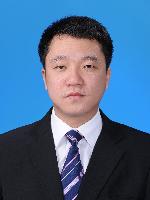 Chunyu Guo (郭春雨)合作论文数College of Shipbuilding Engineering, Harbin Engineering University36
 Hailong Shen (沈海龙)合作论文数College of Shipbuilding Engineering, Harbin Engineering University36
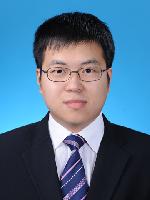 Jiayuan Zhuang (庄佳园)合作论文数College of Shipbuilding Engineering, Harbin Engineering University24
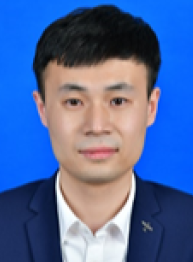 Bing Huang (黄兵)合作论文数School of Marine Science and Technology, Northwestern Polytechnical University24
 Zhaoli Wang合作论文数18
 Jianfeng Lin (林健峰)合作论文数Dept Mech & Maritime Sci, Chalmers Univ Technol15
 Cheng Zhu合作论文数14
 Ningyu Li合作论文数13HuanXing Liu (刘焕兴)合作论文数13
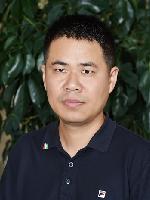 Lei Zhang (张磊)合作论文数College of Shipbuilding Engineering, Harbin Engineering University13
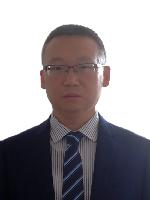 Ye Li (李晔)合作论文数College of Shipbuilding Engineering, Harbin Engineering University12
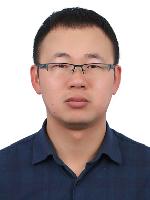 Jian Cao (曹建)合作论文数College of Shipbuilding Engineering, Harbin Engineering University11
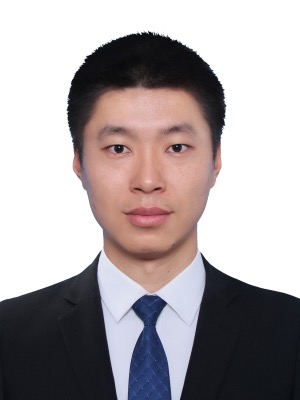 Tiecheng Wu (吴铁成)合作论文数School of Ocean Engineering and Technology, Sun Yat-Sen University11Yebao Liu合作论文数10XianZhao Yu合作论文数10Jinxin Zhao合作论文数10Yikun Feng (冯亿坤)合作论文数9
 Yuxin Zheng合作论文数9
 Dagang Zhao (赵大刚)合作论文数College of Shipbuilding Engineering, Harbin Engineering University9
 Yongjie Pang (庞永杰)合作论文数College of Shipbuilding Engineering, Harbin Engineering University9Xi Zhang合作论文数8Bin Zhou合作论文数8
 Yulei Liao (廖煜雷)合作论文数College of Shipbuilding Engineering, Harbin Engineering University8Zai-Bai Qin合作论文数8Xiaosheng Bi合作论文数7
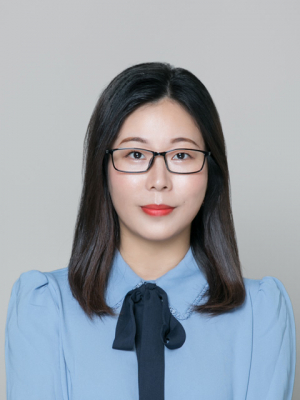 Wanzhen Luo (骆婉珍)合作论文数School of Ocean Engineering and Technology, Sun Yat-sen University7
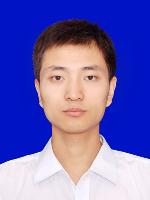 Jiandong Wang (王建东)合作论文数College of Materials Science and Chemical Engineering, Harbin Engineering University7
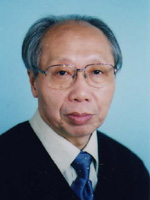 Yuru Xu (徐玉如)合作论文数Harbin Engineering University7Weixing Liu合作论文数6
 Tong Cui合作论文数6
 Hua-Dong Yao合作论文数Chalmers Univ Technol, Dept Mech & Maritime Sci, Gothenburg, Sweden6
 Lei Ju (鞠磊)合作论文数College of Shipbuilding Engineering, Harbin Engineering University6
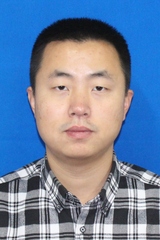 Peng Liu (刘鹏)合作论文数College of Engineering, Ocean University of China6
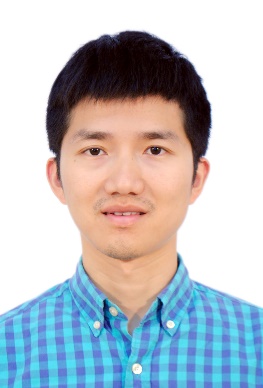 Lei Wan (万磊)合作论文数Department of Information and Communication Engineering, School of Informatics, Xiamen University6Enhua Zhang合作论文数5
 Guangsheng Su合作论文数5Jing Luo合作论文数5Bo Wang (王博)合作论文数5
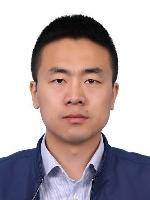 Chao Wang (王超)合作论文数College of Shipbuilding Engineering, Harbin Engineering University5
 Pei Xu (裴旭)合作论文数5Sheng Huang (黄胜)合作论文数5Daijun Yan合作论文数4haizhou hu (胡海洲)合作论文数4Mingqing Lu合作论文数4Weikai Wang合作论文数4ZHANG Guo-cheng合作论文数4
 Qingze Yu合作论文数4Enock Omweri Obwogi合作论文数4Chonglei Wang合作论文数4




