To investigate whether the noninvasive preimplantation genetic testing (niPGT) complement conventional preimplantation genetic testing (PGT) in the embryos for aneuploidy. 40 spent culture medium (SCM) samples from routine embryo culture were collected, and half of each SCM (10 µL) sample was used for whole genome amplification, while the other half was stored at -80 °C for 3–6 months. Thirty-six out of 40 fresh SCM samples were successfully amplified and sequenced. Thirty-six paired frozen-thawed SCM samples showed 100
Preimplantation genetic testing(PGT)is a precise and effective technique for detecting inherited pathogenic mutations to prevent birth defects.However,there are few reports on PGT for pseudo-autosomal genetic diseases.
STUDY QUESTION Can whole genome sequencing (WGS) offer a relatively cost-effective approach for embryonic genome-wide haplotyping and preimplantation genetic testing (PGT) for monogenic disorders (PGT-M), aneuploidy (PGT-A) and structural rearrangements (PGT-SR)? SUMMARY ANSWER Reliable genome-wide haplotyping, PGT-M, PGT-A and PGT-SR could be performed by WGS with 10× depth of parental and 4× depth of embryonic sequencing data. WHAT IS KNOWN ALREADY Reduced representation genome sequencing with a genome-wide next-generation sequencing haplarithmisis-based solution has been verified as a generic approach for automated haplotyping and comprehensive PGT. Several low-depth massively parallel sequencing (MPS)-based methods for haplotyping and comprehensive PGT have been developed. However, an additional family member, such as a sibling, or a proband, is required for PGT-M haplotyping using low-depth MPS methods. STUDY DESIGN, SIZE, DURATION In this study, 10 families that had undergone traditional IVF-PGT and 53 embryos, including 13 embryos from two PGT-SR families and 40 embryos from eight PGT-M families, were included to evaluate a WGS-based method. There were 24 blastomeres and 29 blastocysts in total. All embryos were used for PGT-A. Karyomapping validated the WGS results. Clinical outcomes of the 10 families were evaluated. PARTICIPANTS/MATERIALS, SETTING, METHODS A blastomere or a few trophectoderm cells from the blastocyst were biopsied, and multiple displacement amplification (MDA) was performed. MDA DNA and bulk DNA of family members were used for library construction. Libraries were sequenced, and data analysis, including haplotype inheritance deduction for PGT-M and PGT-SR and read-count analysis for PGT-A, was performed using an in-house pipeline. Haplotyping with a proband and parent-only haplotyping without additional family members were performed to assess the WGS methodology. Concordance analysis between the WGS results and traditional PGT methods was performed. MAIN RESULTS AND THE ROLE OF CHANCE For the 40 PGT-M and 53 PGT-A embryos, 100% concordance between the WGS and single-nucleotide polymorphism (SNP)-array results was observed, regardless of whether additional family members or a proband was included for PGT-M haplotyping. For the 13 embryos from the two PGT-SR families, the embryonic balanced translocation was detected and 100% concordance between WGS and MicroSeq with PCR-seq was demonstrated. LIMITATIONS, REASONS FOR CAUTION The number of samples in this study was limited. In some cases, the reference embryo for PGT-M or PGT-SR parent-only haplotyping was not available owing to failed direct genotyping. WIDER IMPLICATIONS OF THE FINDINGS WGS-based PGT-A, PGT-M and PGT-SR offered a comprehensive PGT approach for haplotyping without the requirement for additional family members. It provided an improved complementary method to PGT methodologies, such as low-depth MPS- and SNP array-based methods. STUDY FUNDING/COMPETING INTEREST(S) This research was supported by the research grant from the National Key R&D Program of China (2018YFC0910201 and 2018YFC1004900), the Guangdong province science and technology project of China (2019B020226001), the Shenzhen Birth Defect Screening Project Lab (JZF No. [2016] 750) and the Shenzhen Municipal Government of China (JCYJ20170412152854656). This work was also supported by the National Natural Science Foundation of China (81771638, 81901495 and 81971344), the National Key R&D Program of China (2018YFC1004901 and 2016YFC0905103), the Shanghai Sailing Program (18YF1424800), the Shanghai Municipal Commission of Science and Technology Program (15411964000) and the Shanghai ‘Rising Stars of Medical Talent’ Youth Development Program Clinical Laboratory Practitioners Program (201972). The authors declare no competing interests. TRIAL REGISTRATION NUMBER N/A.
Fertilization failure often occurs during in vitro fertilization (IVF) cycles despite apparently normal sperm and oocytes. Accumulating evidence suggests that mitochondria play crucial roles in the regulation of sperm function and male fertility. 3-Nitrophthalic acid (3-NPA) can induce oxidative stress in mitochondria, and melatonin, as an antioxidant, can improve mitochondrial function by reducing mitochondrial oxidative stress. The role of sperm mitochondrial dysfunction in fertilization failure during IVF is unclear. The present study revealed that spermatozoa with low, or poor, fertilization rates had swollen mitochondria, increased mitochondria-derived ROS, and attenuated mitochondrial respiratory capacity. 3-NPA treatment enhanced mitochondrial dysfunction in sperm. Spermatozoa with poor fertilization rates, and spermatozoa treated with 3-NPA, had reduced penetration ability. The concentration of melatonin was decreased in semen samples with low and poor fertilization rates. Melatonin, not only decreased excessive mitochondria-derived ROS, but also 'rescued' the reduced penetration capacity of spermatozoa treated with 3-NPA. Taken together, the study suggested that mitochondria-derived ROS and mitochondrial respiratory capacity are independent bio-markers for sperm dysfunction, and melatonin may be useful in improving sperm quality and overall male fertility.
BACKGROUND:The revised guidelines for the management of medullary thyroid carcinoma recommend that genetic counseling regarding reproductive options, including preimplantation genetic diagnosis (PGD), be considered for all RET mutation carriers of reproductive age to avoid the transmission of multiple endocrine neoplasia type 2 (MEN2). However, the high complexity and cost of PGD have hindered its widespread use. Thus, it is necessary to establish a simple and relatively inexpensive method to facilitate the PGD of MEN2. PATIENTS AND METHODS:A customized Nimblegen EZ sequence capture array was designed to capture the targeted regions, including the RET gene, and 1 Mb range on each side of the RET gene. Targeted, capture-based next-generation sequencing of three members of one family with MEN2A (the couple and the paternal father) was conducted to identify the informative markers. The diagnosis of the embryos was achieved through haplotype analysis based on informative markers and causative mutation. RESULTS:Based on the sequencing results, 173 informative markers were detected, which were sufficient for the subsequent use for PGD. Seven informative markers and the causative mutation (RETC634Y) were selected and subjected to Sanger sequencing. Through haplotype analysis, four embryos without inheritance of the mutation haplotype of the RET gene were diagnosed as unaffected. One unaffected embryo was transferred, with one healthy baby born at 38 gestational weeks. CONCLUSIONS:Targeted, capture-based next-generation sequencing for identification of informative markers together with Sanger sequencing is an easy and efficient method for the PGD of monogenic diseases such as MEN2.
RESEARCH QUESTION:Does the adapted carrier Cryoplus improve the quality of cryopreserved spermatozoa compared with the use of conventional containers, and what is the effect of the adapted carrier on clinical outcomes? DESIGN:Semen samples from 27 cases of oligozoospermia were used to investigate whether the adapted carrier improved cryopreserved sperm quality compared with the use of 0.25-ml straws and 2-ml cryogenic vials. Thirty testicular sperm samples were used to study the quality of testicular spermatozoa cryopreserved in the adapted carrier. The retrospective study included a further 104 men with azoospermia to investigate the clinical outcomes of testicular spermatozoa cryopreserved with the adapted carriers. Men with mostly obstructive azoospermia were included in this study. RESULTS:The adapted carrier improved cryopreserved spermatozoa motility of semen samples compared with 2-ml cryogenic vials but not compared with 0.25-ml straws. No differences were found in cryopreserved sperm DNA fragmentation among the three carriers. Fertilization and good-quality embryo rates were similar in ICSI cycles using fresh or cryopreserved testicular spermatozoa. Additionally, no difference was evident between frozen-thawed embryo transfer cycles using fresh or cryopreserved testicular spermatozoa in clinical pregnancy, implantation, miscarriage, live birth rates or birth weight. CONCLUSIONS:The adapted carrier improved the cryopreserved sperm motility compared with the effects of 2-ml cryogenic vials. The outcomes of intracytoplasmic sperm injection and frozen-thawed embryo transfer outcomes indicate that testicular spermatozoa cryopreserved using the adapted carrier is not inferior to fresh testicular spermatozoa. The use of the adapted carrier for cryopreserving human testicular spermatozoa especially from obstructive azoospermia is simple and effective.
This study investigated the association between premature ovarian failure (POF), MTHFR C677T/A1298C and MTRR A66G genotypes and serum homocysteine (Hcy) concentration. A prospective study was conducted in Chinese women, which included POF patients (n = 180) and controls (n = 195). Peripheral blood samples were used to determine MTHFR C677T/A1298C and MTRR A66G genotypes, and serum Hcy and sex hormone concentrations. Results showed that serum Hcy concentrations of POF patients were significantly higher than those of controls (P < 0.0001). In POF patients, serum Hcy concentrations were significantly correlated with oestradiol and FSH concentrations (r = -0.174, P = 0.037 and r = +0.238, P = 0.006, respectively). There were no significant differences in the distributions of MTHFR C677T/A1298C or MTRR A66G genotypes between the two groups. However, these genetic variants influenced serum Hcy concentrations in POF patients, especially for MTRR 66 AA/AG/GG genotypes, which were significantly correlated with the patients' Hcy concentrations (τ = 0.166, P = 0.033). These results suggest that serum Hcy concentrations in Chinese POF patients are increased and correlated with serum oestradiol/FSH concentrations. In conclusion, MTHFR C667T/A1298C and MTRR A66G genotypes are not associated with POF development, but they affect the patients' serum Hcy concentrations.
Autosomal dominant polycystic kidney disease (ADPKD) is one of the most frequently inherited renal diseases caused by mutations in PKD1 and PKD2. We performed mutational analyses of PKD genes in 49 unrelated patients using direct PCR-sequencing and multiplex ligation-dependent probe amplification (MLPA) for PKD1 and PKD2. RT-PCR analysis was also performed in a family with a novel PKD2 splicing mutation. Disease-causing mutations were identified in 44 (89.8%) of the patients: 42 (95.5%) of the patients showed mutations in PKD1, and 2 (4.5%) showed mutations in PKD2. Ten nonsense, 17 frameshift, 4 splicing and one in-frame mutation were found in 32 of the patients. Large rearrangements were found in 3 patients, and missense mutations were found in 9 patients. Approximately 61.4% (27/44) of the mutations are first reported with a known mutation rate of 38.6%. RNA analysis of a novel PKD2 mutation (c.595_595 + 14delGGTAAGAGCGCGCGA) suggested monoallelic expression of the wild-type allele. Furthermore, patients with PKD1-truncating mutations reached end-stage renal disease (ESRD) earlier than patients with non-truncating mutations (47 ± 3.522 years vs. 59 ± 11.687 years, P = 0.016). The mutation screening of PKD genes in Chinese ADPKD patients will enrich our mutation database and significantly contribute to improve genetic counselling for ADPKD patients.
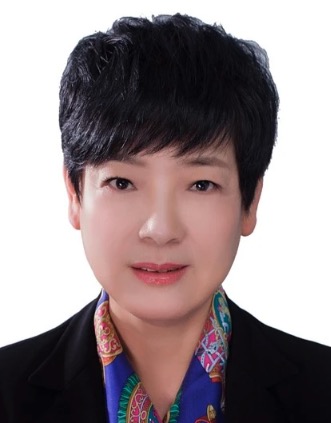 Hefeng Huang (黄荷凤)合作论文数School of Medicine, Zhejiang University;International School of Medicine, Zhejiang University7
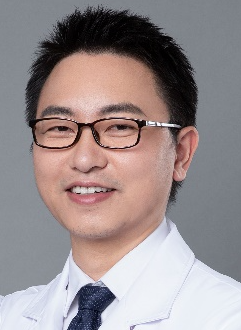 Songchang Chen (陈松长)合作论文数Institute of Reproduction and Development, Fudan University6
 Chenming Xu (徐晨明)合作论文数Institute of Medical Genetics and Genomics, Fudan University;Obstetrics & Gynecology Hospital of Fudan University6
 Li Wang (王莉)合作论文数5Junyu Zhang合作论文数5Lanlan Zhang合作论文数3
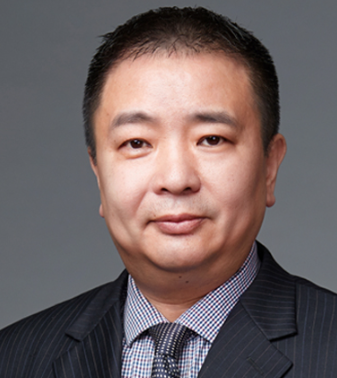 Li Jin (金力)合作论文数Department of Anthropology and Human Genetics, School of Life Sciences, Fudan University;Shanghai College of Medicine, Fudan University3Yiyao Chen合作论文数2Yanmei Yang合作论文数2ZhengMu Wu (吴正沐)合作论文数2Tan Ya-Jing合作论文数2
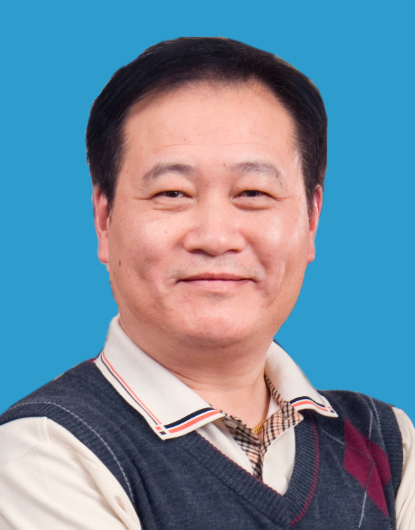 Jianzhong Sheng (盛建中)合作论文数School of Medicine, Zhejiang University2Chunxin Chang合作论文数1Weihui Shi合作论文数1Xinming Liang合作论文数1Xueying Zhang合作论文数1
 Li Rong合作论文数1Bo Zhu合作论文数1Yi-Meng Xiong合作论文数1Huijuan Yan合作论文数1Hongjun Fei合作论文数1Zhengquan Wang合作论文数1Feng Chen合作论文数1Zhenhua Tang合作论文数1Kai Yan合作论文数1
 Fang Chen合作论文数BGI Shenzhen, Shenzhen, Peoples R China1Sijia Zhang合作论文数1
 Yeqing Qian (钱叶青)合作论文数Women's Hospital, School of Medicine, Zhejiang University1Yinyu Wang (王荫榆)合作论文数Bright Dairy And Food Co., Ltd1
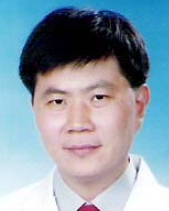 Fan Jin (金帆)合作论文数School of Medicine, Zhejiang University1
 Xuyang Yin合作论文数1Yong Wang合作论文数1Hou Ning-Ning合作论文数1
 Chen Luting合作论文数1
 Xiaoxia Bai (白晓霞)合作论文数Women's Hospital, School of Medicine, Zhejiang University1Zhang Yong合作论文数1
 Xin-Mei Liu (刘欣梅)合作论文数Institute of Reproduction and Development, Fudan University1
 Minyue Dong (董旻岳)合作论文数Women's Hospital, School of Medicine, Zhejiang University1Fenghua Yin (尹峰华)合作论文数1
 Xianhua Lin (林仙华)合作论文数Institute of Reproduction and Development, Fudan University;School of Medicine, Shanghai Jiao Tong University1
 Ge Lin (林戈)合作论文数Institute of Reproductive and Stem Cell Engineering, Xiangya School of Basic Medicine Sciences, Central South University;Reproductive and Genetic Specialty Hospital of CITIC-Xiangya1Xiaoping Qi (戚晓平)合作论文数1
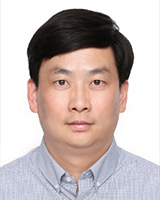 Feng Zhang (张锋)合作论文数Institute of Metabolism & Integrative Biology, Fudan University;The Obstetrics & Gynecology Hospital of Fudan University;Institute of Medical Genetics and Genomics, Fudan University;Soong Ching Ling Institute of Maternity and Child Health1Shuyuan Li合作论文数Shanghai Jiao Tong University1
 Daru Lu (卢大儒)合作论文数School of Life Sciences, Fudan University;Institute of Medical Genetics and Genomics, Fudan University1
 Jin Li (李劲)合作论文数Renji Hospital, Shanghai Jiao Tong University School of Medicine1
 Ping Liu (刘平)合作论文数Reproductive Medicine Center, Peking University Third Hospital;State Key Laboratory of Female Fertility Promotion, Peking University Third Hospital1Bei-Bei Liu (柳蓓蓓)合作论文数1
 Hui Jiang (姜晖)合作论文数School of Biological Science & Medical Engineering, Southeast University1




