Two rare types of 4,6-dimethyl-3,4-dihydrochromen-2-one derivatives, named cralactones A and B (1 and 2), were isolated from the culture broth of Craterellus odoratus. The structures of the new ones were established on the basis of extensive spectroscopic analysis, and it was found that the new compounds did not show pancreatic lipase inhibitory activity. Compounds 1 and 2 are the first examples of 4,6-dimethyl-3,4-dihydrochromen-2-one.
Two new sesquiterpenoids, trefoliol B (1) and trefoliol C (2), together with known echinocidin A (3), were isolated from cultures of the basidiomycetes Tremella foliacea. The new structures were elucidated on the basis of extensive spectroscopic methods. At the same time, trefoliol B (1) and echinocidin A (3) were tested for their cytotoxicities against five human cancer cell lines and for their inhibitory activities against isozymes of 11β-hydroxysteroid dehydrogenases (11β-HSD). No compound showed significant activity (IC50 > 40 μM). Compound 1 showed moderate inhibitory activities against 11β-HSD1 (human IC50 = 13.1 μM; mouse IC50 = 91.8 μM).
A variety of novel natural products with significant bioactivities are produced by the basidiomycete Boreostereum vibrans. In the present study, we describe 16 novel natural oximes and oxime esters with a vibralactone backbone, vibralactoximes, which were isolated from the scale-up fermentation broth of B.vibrans. Their structures were determined through extensive spectroscopic analyses. These compounds represent the first oxime esters from nature. The hypothetical biosynthetic pathway of these compounds was also proposed. Seven compounds exhibited significant pancreatic lipase inhibitory activity, while ten compounds exhibited cytotoxicities against five human cancer cell lines (HL-60, SMMC-7721, A-549, MCF-7, and SW480), with IC50 values comparable with those of cisplatin.
Seven new drimane-type sesquiterpenoids, sulphureuines B–H (1–7), together with four known compounds (8–11), were obtained from cultures of mushroom Laetiporus sulphureus. All of these compounds were tested for their cytotoxicities against five human cancer cell lines (HL-60, SMMC-721, A-549, MCF-7, SW-480), compound 10 showed potent cytotoxic activity against HL-60, SMMC-721, A-549, SW-480, with IC50 values of 37.5, 14.8, 15.6, and 36.1 μM, respectively.
Investigation on the cultures of Hypsizygus marmoreus resulted in the isolation of a new viscidane diterpene, 8-oxoviscida-3,11(18)-diene-13,14,15,19-tetraol (1) and two new polyacetylenes, (E)-10-(1,1-dimethyl-2-propenyloxy)-2-decene-4,6,8-triyn-1-ol (2) and 10-(1,1-dimethyl-2-propenyloxy)deca-4,6,8-triyn-1-ol (3), together with two known polyacetylenes, (E)-2-decen-4,6,8-triyn-1-ol (4) and 4,6,8-decatriyn-1-ol (5). Their structures were elucidated on the basis of extensive spectroscopic studies. Compound 1 is the first finding of viscidane diterpene in mushrooms. Compounds 1, 3 and 5 were tested for cytotoxicity against human tumor cell lines HL-60, SMMC-7721, A-549, MCF-7 and SW-480. None of the compounds showed cytotoxic activity (IC50 > 40 µM).
Eighteen new lanostane-type triterpenoids, namely leucocontextins A–R (1–18) were isolated from the fruiting bodies of Ganoderma leucocontextum. Their structures were established by 1D and 2D NMR data in conjunction with HRESIMS/HREIMS, X-ray single crystal diffraction analysis. Compound 18 exhibited weak cytotoxicity against K562 and MCF-7 cell lines with IC50 of 20–30μM.
Four new polycylic alkaloids, lucidimine A-D, were isolated from the fruiting bodies of Ganoderma lucidum. Their chemical structures were established based on 1D and 2D NMR data as well as HREIMS/HRESIMS analyses.
Studies of the fermentation broth of fungus Antrodiella gypsea led to the isolation of a new bisabolane-type sesquiterpenoid that was named gypseatriol (1), together with the known compound 2,10-dodecadiene-1,6,7-triol (2). The structure of this new metabolite was assigned by analysis of 2D NMR and HR-EI-MS. Absolute configuration was assigned by single crystal X-ray diffraction analysis. Compound 1 was evaluated for its antifungal activity on Candida albicans.
Two new steroids, 3α,17α,19,20-tetrahydroxy-4α-methylpregn-8-ene (1) and 3α,12α,17α,20-tetrahydroxy-4α-methylpregn-8-ene (2) and three new sesquiterpenoids, 12-hydroxy-α-cadinol (3), 3α,12-dihydroxy-δ-cadinol (4), and 3α,6α-dihydroxyspiroax-4-ene (5), have been isolated from cultures of the fungus Phellinus igniarius. Their structures were characterized based on extensive spectroscopic data. In preliminary in vitro assays, compounds 3 and 4 exhibited the vascular-activities against phenylephrine-induced vasoconstriction with the relaxing rates of 11.0 % and 7.0 % at 3 × 10⁻⁴ M, respectively.
One new cleistanthane-type diterpene named engleromycenolic acid A (1), one new rosane-type diterpene named engleromycenolic acid B (2) and one new natural rosane-type diterpene, engleromycenol (3), along with three known rosane-type diterpenes, rosololactone (4), rosenonolactone (5) and 7-deoxyrosenonolactone (6) were isolated from cultures of the fungus Engleromyces goetzii, where it naturally grows on Alpine bamboo culms. The new compounds were elucidated based on their spectroscopic data. In addition, compounds 1–6 were evaluated for their cholesterol ester transfer protein (CETP) inhibition activity. This paper reports the isolation, structural elucidation, and CETP inhibition activity of these compounds.
环带小薄孔菌(Antrodiella zonata)发酵液经浓缩、乙酸乙酯萃取后得到浸膏,再用硅胶、RP-18、Sephadex LH-20等材料以及MPLC、HPLC等仪器进行分离纯化,最终利用理化方法和波谱分析进行结构鉴定,从中分离并鉴定了8个化合物,它们分别为薄孔菌素(antrodiellone)(1)、22E-7 α-methoxy-5α,6α-epoxyergosta-8 (14),22-dien-3β-ol(2)、3β,5α-dihydroxy-6β-methoxyergosta-7,22-diene(3)、6-bromo-1H-indole-3-carboxylic acid ethyl ester (4)、6-bromo-1H-indole-3-carboxylic acid(5)、对羟基苯乙醇(6)、5-羟乙基糠醛(7)、环-(亮-缬)二肽(8).其中1为新化合物,其余化合物均首次从该种真菌中分离得到.
Abstract One new lignan, fructusol A (1), and one new thiazine derivative, 2-hydroxy-xanthiazone (2), along with eight known ones, were isolated from the seeds of Xanthium strumarium. The structures of new compounds were elucidated on the basis of extensive spectroscopic methods. Meanwhile, compounds 1–3 were tested for their antifungal activities against Candida albicans (ATCC 10231) in vitro. No one showed obvious inhibitions (MIC90 > 128 μg/ml).
A new drimane sesquiterpene, 3β-OH-dendocarbin A (1), together with six known sesquiterpenes (2– 7), were isolated from endophytic fungus Nigrospora sphaerica #003. The structure of 1 was elucidated by MS, 1D and 2D-NMR data analyses, and comparison data with those of known compounds. Compounds 1–7 were tested the cytotoxicity against five tumor cell lines (HL-60, A-549, SMMC-7721, MCF-7 and SW-480). However, none of them showed obvious activities, with IC50>40 M.
The unusual fused β-lactone vibralactone was isolated from cultures of the basidiomycete Boreostereum vibrans and has been shown to significantly inhibit pancreatic lipase. In this study, a structure-based lead optimization of vibralactone resulted in three series of 104 analogs, among which compound C1 exhibited the most potent inhibition of pancreatic lipase, with an IC50 value of 14 nM. This activity is more than 3000-fold higher than that of vibralactone. The effect of compound C1 on obesity was investigated using high-fat diet (HFD)-induced C57BL/6 J obese mice. Treatment with compound C1 at a dose of 100 mg/kg significantly decreased HFD-induced obesity, primarily through the improvement of metabolic parameters, such as triglyceride levels.
Engleromyces goetzii is a traditional medicinal mushroom that is widely used to treat infection, inflammation and cancer in Tibet, Sichuan and Yunnan provinces of China. Two new trichothecenes, engleromycones A and B (1 and 2), one new cuparane-type sesquiterpenoid named infuscol F (11), eight known trichothecene analogs, sambucinol (3), 3-deoxysambucinol (4), trichothecolone (5), trichodermol (6), 8-deoxytrichothecin (7), trichothecin (8), trichothecinol B (9) and trichothecinol A (10), and one known cyclopentanoid sesquiterpene cyclonerodiol (12) were isolated from the cultures of E. goetzii. The new compounds were elucidated through spectroscopic analyses. The anticancer effects of trichothecenes 1–10 were examined in the HL-60, SMMC-7721, A549, MCF-7, and SW-480 human cancer cell lines using an MTT assay. Trichothecinol A (10) significantly inhibited the growth of MCF-7 cells, with an IC50 value of 0.006 µM, which was comparable to the cytotoxic activity of the positive control, paclitaxel, indicating that trichothecinol A (10) represents a potential anticancer agent.
Two new triterpenoids, (24E)-9α,11α-epoxy-3β-hydroxylanosta-7,24-dien-26-al (1) and (22Z,24Z)-13-hydroxy-3-oxo-14(13 → 12)abeo-lanosta-8,22,24-trien-26,23-olide (2) were isolated from dried fruiting bodies of fungus Ganoderma lucidum. The structures of these two new compounds were elucidated on the basis of extensive spectroscopic analyses. Compound 1 possessed a lanostane skeleton, while compound 2 was based on a rare 14 (13 → 12)abeo-lanostane skeleton with a 26,23-olide moiety. Both of them were evaluated for their antifungal and cytotoxic activities. Neither of them displayed obvious inhibition on Candida albicans and five human cancer cell lines.
Four new sesquiterpenoids, namely 12-hydroxy-3-oxodrimenol (1), 11-hydroxyacetoxydrim-7-en-3β-ol (2), 2,6-dimethyl-7,10-epoxy-10-hydroxymethyldodeca-2,11-dien-6-ol (3), and 7,10-epoxy-2,6,10-trimethyldodeca-2,11-diene-4,6-diol (4), along with fourteen known compounds, were isolated from the cultures of Phellinidium sulphurascens. The structures of compounds 1–4 were established on the basis of extensive spectroscopic analysis. All of them were evaluated for their cytotoxic activities.
Three new brasilane-type sesquiterpenoids, brasilanes A–C (1–3), together with two new alkane derivatives, colisiderin A (4) and 7(E),9(E)-undecandiene-2,4,5-triol (5), were isolated from cultures of the basidiomycete Coltricia sideroides. Their structures were elucidated by NMR and MS data analyses. The absolute configuration of 4 was determined by TDDFT ECD calculations while brasilane-type sesquiterpenoids were isolated from cultures of mushroom for the first time. Compounds 2 and 4 showed weak cytotoxicities against HL-60 and SW480, respectively.
Chemical investigation on the cultures of Phellinus tuberculosus and Laetiporus sulphureus lead to the isolation of two new illudin-type sesquiterpenoids (phellinuin J and sulphureuine A). Their structures were elucidated by 1D, 2D NMR and MS spectroscopic data. These compounds were purposely evaluated for their cytotoxicity against HL-60, SMMC-7721, A549, MCF-7, and SW480 cell lines.
Four new spiroaxane sesquiterpenes, tramspiroins A–D (1–4), one new rosenonolactone 15,16-acetonide (5), and the known drimane sesquiterpenes isodrimenediol (6) and funatrol D (7) have been isolated from the cultures of Basidiomycete Trametes versicolor. The structures of new compounds were elucidated by means of spectroscopic methods. Compounds 1–7 were investigated for their cytotoxicities against five human cancer cell lines.
 Jikai Liu (刘吉开)合作论文数School of Pharmaceutical Sciences, South-Central Minzu University;Anhui University of Chinese Medicine109
 ZhengHui Li (李正辉)合作论文数42
 Feng Tao合作论文数31张玲合作论文数中国科学院大学中国科学院上海硅酸盐研究所17
 Fei Wang (王飞)合作论文数Chengdu Institute of Biology, Chinese Academy of Sciences;University of Chinese Academy of Sciences12Mengyuan Jiang合作论文数10He-Ping Chen合作论文数10
 Yan Li合作论文数GlaxoSmithKline10
 Jianwen Tan (谭建文)合作论文数College of Forestry and Landscape Architecture, South China Agricultural University9
 Yongtang Zheng (郑永唐)合作论文数Kunming Institute of Zoology, Chinese Academy of Sciences8Zhao Zhen-Zhu合作论文数8Liumeng Yang (杨柳萌)合作论文数Kunming Institute of Zoology, Chinese Academy of Sciences8Lizhen Fang (房立真)合作论文数新乡医科大学药学院8
 Kun Wei (韦堃)合作论文数Kunming Institute of Botany, Chinese Academy of Sciences7Liu Liang-Yan合作论文数7
 Jinming Gao (高锦明)合作论文数College of Chemistry & Pharmacy, Northwest A&F University;Center for Teaching and Learning Development, Northwest A&F University7Zhi-Hui Ding合作论文数7
 Xia Yin (尹霞)合作论文数College of Chemistry & Pharmacy, Northwest A&F University6
 Lin Hu合作论文数6Ruirui Wang合作论文数Graduate School, Chinese Academy of Sciences6Zhi-qiang Shen合作论文数5Xue Bai合作论文数5
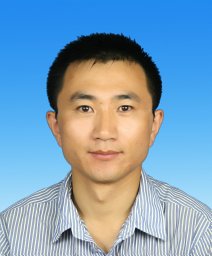 Xiaolong Yang (杨晓龙)合作论文数School of Chemistry and Chemical Engineering, Qingdao University5
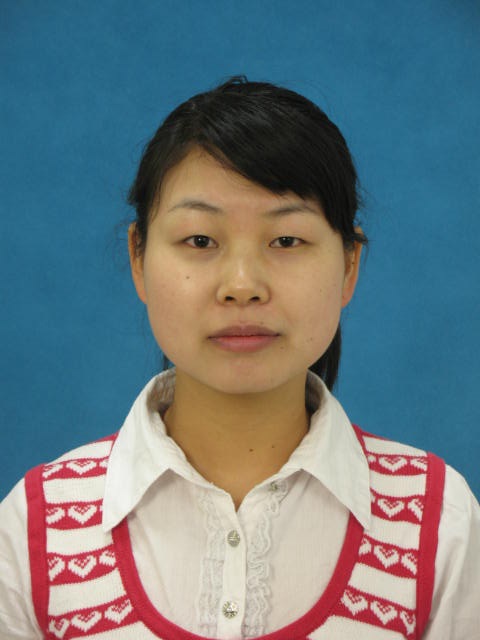 Zhongyu Zhou (周忠玉)合作论文数South China Botanical Garden, Chinese Academy of Sciences;University of Chinese Academy of Sciences5Huajie Zhu合作论文数5xiangdong qin (秦向东)合作论文数4Fang Wang合作论文数4Jiang-Bo He合作论文数4Tang Jianguo合作论文数4Ronghua Yin合作论文数4GangQiang Wang (汪钢强)合作论文数4
 Hongbin Zhang (张洪彬)合作论文数School of Pharmacy, Yunnan University4Hong-Jun Shao合作论文数4Wan-Qiu Yang合作论文数4Gen-Tao Li合作论文数3Shen Zhang合作论文数3
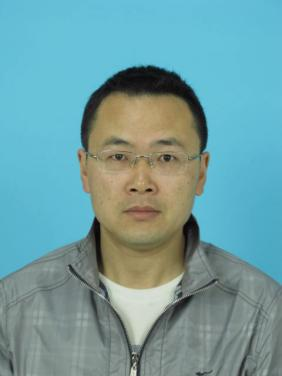 Zhao Jiangyuan合作论文数3Xing-Yao Li合作论文数3Su Jia (苏嘉)合作论文数3Jian-Hai Ding合作论文数3Ling Zhang (张凌)合作论文数3
 Hongjun Shao (邵红军)合作论文数College of Food Engineering and Nutritional Science, Shaanxi Normal University3
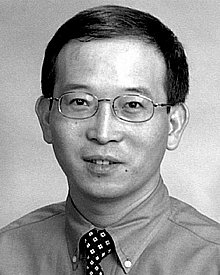 Xiang-Dong Qin合作论文数3Zhihe Chen合作论文数3
 Zhuliang Yang (杨祝良)合作论文数Kunming Institute of Botany, Chinese Academy of Sciences;University of Chinese Academy of Sciences3
 Xisong Miao合作论文数2Yang Wang合作论文数2Yun-Hua Wang合作论文数2Rong-Hua Luo合作论文数Key Laboratory of Bioactive Peptides of Yunnan Province/Key Laboratory of Animal Models and Human Disease Mechanisms of the Chinese Academy of Sciences, Kunming Institute of Zoology, Chinese Academy of Sciences, Kunming, Yunnan 650223, China2




