Patients with metastasis have an extremely poor prognosis in head and neck squamous cell carcinoma (HNSCC). Emerging studies have illuminated the impact of intratumor microbiota on cancer metastasis, though the specific role of Fusobacterium nucleatum (F. nucleatum) in HNSCC metastasis remains unresolved. This research found that intratumoral F. nucleatum abundance was elevated and correlated to diminished disease-free survival in HNSCC patients exhibiting lymph node metastasis. F. nucleatum invasion into primary and metastatic tumor tissues was observed using fluorescence in situ hybridization. F. nucleatum induced adhesion to endothelial cells and facilitated transendothelial migration via upregulating ESPN expression in HNSCC cells, which is an actin-binding protein. Mechanistically, F. nucleatum activated TLR4 signaling, inducing elevated expression of the transcription factor MYB, which subsequently stimulated ESPN transcription. Furthermore, metronidazole treatment significantly reduced metastatic incidence in vivo. These results indicate the significant potential of targeting F. nucleatum as a therapeutic approach in metastatic HNSCC.
OBJECTIVE:The objective is to evaluate the prognostic significance of tumor surface necrosis (TSN) in hypopharyngeal squamous cell carcinoma (HPSCC), a feature commonly observed during laryngoscopic examination. METHODS:We retrospectively analyzed 346 HPSCC patients who underwent laryngoscopy at our institution between January 2004 and December 2023. Following univariable and multivariable analyses and model diagnostics, a prognostic nomogram was constructed. The model's performance was assessed using discrimination and calibration measures. Comparative evaluation against the previous model was performed using integrated discrimination improvement (IDI) and net reclassification improvement (NRI). RESULTS:The presence of TSN was significantly associated with reduced overall survival (p = 0.0002), disease-free survival (p < 0.0001), local recurrence-free survival (p = 0.004), and regional recurrence-free survival (p < 0.0001). The final nomogram incorporated TSN (p < 0.001), tumor invasion depth (p = 0.001), lymphovascular invasion (p = 0.023), R_classification (p < 0.001), and pT_classification (p < 0.001). The area under the curve (AUC) values for 12-, 36-, and 60-month survival were 0.789, 0.791, and 0.759, respectively. Calibration curves demonstrated good concordance between predicted and observed outcomes. The new model showed significantly improved performance over the previous version (p < 0.001), with NRIs of 0.080, 0.123, and 0.129, and IDIs of 0.040, 0.049, and 0.051 at 12, 36, and 60 months, respectively. CONCLUSION:TSN identified via laryngoscopy was established as an independent risk factor for poor prognosis in HPSCC. The enhanced nomogram integrating TSN with key clinicopathological variables offers improved predictive accuracy, supporting better risk stratification and identification of high-risk patients. LEVEL OF EVIDENCE: 4:
Objectives.:This study aimed to develop nomograms for predicting overall survival (OS) and disease-free survival (DFS) in patients with laryngeal squamous cell carcinoma (LSCC) using a costeffective targeted next-generation sequencing (tNGS) panel integrating with genomic and clinicopathological features in order to provide a concrete decision-support tool improve individualized prognostic assessment. Methods.:A total of 124 LSCC patients from a multi-center cohort were analyzed using a targeted sequencing panel covering 113 cancer-associated genes. Single nucleotide variants/Insertiondeletions (SNVs/Indels) and Copy number variants (CNVs) were identified and correlated with survival outcomes. Kaplan-Meier analysis and Cox regression were performed to select significant prognostic markers. Nomograms incorporating genetic and clinical variables were developed, and their predictive performance was evaluated using the receiver operating characteristic (ROC) curves, and calibration curves. Results.:The LSCC Mutation (SNVs/Indels) and CNV panels were constructed based on genes with high mutational frequencies in tNGS and prognostic significance. In multivariable analysis, age, maximum tumor diameter, and the LSCC Mutation Panel were independent predictors of OS, while maximum tumor diameter and the LSCC DFS Mutation Panel were predictive of DFS. Both models demonstrated good calibration and discrimination. Conclusion.:This study developed genomic-clinicopathologic nomograms for predicting LSCC prognosis, providing a precise, cost-effective and clinically feasible tool for personalized survival assessment.
Hypopharyngeal squamous cell carcinoma (HPSCC) patients with extranodal extension (ENE) are classified as pN3b and have the poorest prognosis. However, further risk stratification within this high-risk subgroup remains controversial. We retrospectively reviewed 141 HPSCC patients who underwent neck dissection and whose disease was confirmed as pN3b at our hospital between January 2012 and December 2021. The primary endpoint was disease-free survival (DFS). Survival analysis was performed using the Kaplan‒Meier method with the log-rank test for group comparisons. Multivariable analysis was conducted using Cox proportional hazards regression. Compared with patients without lymph node fusion (LNF, n = 30), those with LNF (n = 111) had significantly worse overall survival (OS, P = 0.0177), DFS (P = 0.0302), and distant metastasis-free survival (DMFS, P = 0.0404). Notably, patients with both LNF and soft tissue invasion (STI, n = 17) exhibited the poorest outcomes, with a median OS of only 19 months (95
The Journal retracts the article “Glycine Nano-Selenium Enhances Immunoglobulin and Cytokine Production in Mice Immunized with H9N2 Avian Influenza Virus Vaccine” [...]
BACKGROUND:Head and neck squamous cell carcinoma (HNSCC) exhibits significant heterogeneity and poor survival rates in advanced stages, necessitating novel therapeutic strategies. Prodigiosin, a natural bacterial metabolite with demonstrated anticancer properties in other malignancies, has not been thoroughly investigated in HNSCC. This study aimed to investigate the antitumor effects of prodigiosin and elucidate its underlying mechanisms in HNSCC. METHODS:An integrated approach combining network pharmacology prediction with experimental validation was employed. In vitro assays (CCK-8, EdU, colony formation, tumorsphere, transwell migration and invasion) assessed prodigiosin's effects on carcinogenesis across HNSCC cell lines. A subcutaneous xenograft mouse model evaluated antitumor efficacy and lymph node metastasis in vivo. Potential targets and pathways identified by network pharmacology were subsequently validated through molecular docking followed by 100-ns molecular dynamics simulations. Functional experiments were performed to the effect of prodigiosin on HNSCC targets and pathway. RESULTS:Prodigiosin potently inhibited HNSCC proliferation in vitro and significantly suppressed tumor growth in vivo. In addition, it attenuated cancer stemness, migration, and invasion, and significantly reduced the lymph node metastatic burden in mice. Network analysis identified 159 shared targets, with EGFR, BCL2, ERBB2, PPARG, and PTGS2 identified as core hubs. Enrichment analysis highlighted pathways including PI3K-AKT signaling and apoptosis. Molecular docking confirmed high-affinity binding of prodigiosin to all five core targets, and MD simulations demonstrated stable complex formation over 100 ns. Functional experiment solidifies that EGFR and PI3K-AKT pathway was inhibited by prodigiosin and BCL2 was the key target. CONCLUSION:This study demonstrates that prodigiosin exerts potent multi-target antitumor effects against HNSCC by inhibiting proliferation, metastasis, and cancer stemness, both in vitro and in vivo. Its efficacy is mechanistically associated with high-affinity binding and modulation of key targets and critical pathways. Collectively, these findings suggest Prodigiosin is a promising novel multi-target therapeutic candidate for HNSCC treatment.
OBJECTIVES:cN3 larynx and hypopharynx cancer is rare with a poor prognosis. This study evaluates treatment approaches, effectiveness, and prognosis for these patients in real-world settings. It aims to offer targeted and practical clinical guidance to enhance their treatment results and quality of life. METHODS:This retrospective cohort study (2014-2021) included 192 cN3 larynx and hypopharynx cancer patients from Eye & ENT Hospital of Fudan University. We collected detailed information on demographics, tumor characteristics, and treatment outcomes. The study focused on overall survival (OS), cancer-specific survival (CSS), and disease-free survival (DFS), using Kaplan-Meier and Cox regression analyses for independent prognostic analysis. RESULTS:This study encompassed 192 cN3 larynx and hypopharynx cancer patients, revealing a five-year overall survival rate of 40.60%. Treatment modalities analyzed included Surgery + CRT, ICT + Surgery + CRT, ICT + CRT, Surgery alone, and CRT alone. Patients receiving surgery followed by CRT demonstrated the most favorable prognosis (p < 0.0001) and the longest DFS (p < 0.0001), while those undergoing monotherapy had the poorest outcomes. Induction chemotherapy (ICT) achieved a 70% primary tumor response rate and a 48% neck lesion response rate, with patients showing a response to ICT exhibiting superior OS, CSS, and distant metastasis rate (DMR) (p < 0.05). Pathological type and primary tumor surgery were identified as independent prognostic factors for cN3 larynx and hypopharynx cancer. CONCLUSION:This study shows that combined treatments, especially surgery followed by chemoradiotherapy, improve survival and prognosis for cN3 larynx and hypopharynx cancer patients. It highlights the importance of tailored treatments and notes better outcomes for those responding to ICT. LEVEL OF EVIDENCE: 3:
Objective In this study, we aimed to identify novel biomarkers related to Peripheral Neural Invasion (PNI) in head and neck squamous cell carcinoma (HNSCC).Methods The PNI-related differentially expressed mRNAs (DE-mRNAs) in HNSCC were identified to construct a PNI-related risk score model. The expression level and ROC curve for Tachykinin Precursor 1 (TAC1) were calculated. Additionally, two kinds of in vitro models of PNI were established for investigation, including the Matrigel-PNI model and the Transwell-PNI model. Furthermore, the transcription factor of the TAC1 was predicted and verified by qRT-PCR.Results A total of 139 DE-mRNAs were identified in PNI positive and negative groups of HNSCC patients. The risk-score marker model incorporating 20 PNI-related DE-mRNAs was established. The TAC1 was identified as a potential highly expressed PNI marker, which exhibited good performance in predicting PNI events. Patients with higher TAC1 expressions demonstrated significantly shorter survival rates compared to those with lower TAC1 expressions in HNSCC. Besides, the knockdown of TAC1 significantly repressed neural invasion in HNSCC cells in vitro, according to the Matrigel-PNI model and Transwell-PNI model. Furthermore, KLF15 was predicted and verified as a transcription activator of TAC1 in HNSCC.Conclusion This study highlights that the activation of KLF15 transcription of TAC1 promotes PNI in HNSCC cells, which provides guidance regarding the molecular diagnosis of PNI in HNSCC cells.
Metastatic lesions in cervical lymph nodes are generally less sensitive to induction chemotherapy than primary tumors, making cervical lymph node metastasis one of the most significant prognostic factors in head and neck squamous cell carcinoma (HNSCC). However, the underlying mechanism of cisplatin resistance in these lymph nodes remains unclear. Lipidomic analysis of 21 HNSCC patients revealed distinct lipid profiles between cervical lymph node metastases and primary tumors, with triglycerides notably enriched in the metastatic nodes, suggesting a critical role for adipocytes. Further investigation confirmed the presence of cancer-associated adipocytes within cervical lymph node metastases, which supply triglycerides to tumor cells. The hypoxic tumor microenvironment promotes apoptosis and necrosis in adipocytes, a process accelerated by hypoxic tumor cells, leading to increased triglyceride release. In HNSCC cells, triglycerides promote lipid droplet accumulation and enhance contact between lipid droplets and mitochondria via the interaction of perilipin-2 (PLIN2) and carnitine palmitoyltransferase-1A (CPT1A), thereby reversing cisplatin-induced rises in intracellular reactive oxygen species (ROS). In vivo, xenograft tumors located in adipocyte-rich regions showed larger volume and greater mass after cisplatin treatment. This study is the first to demonstrate that adipocytes are key components in cervical lymph node metastasis of HNSCC and are closely associated with cisplatin resistance. Mechanistically, the hypoxic tumor microenvironment facilitates crosstalk between tumor cells and adipocytes, increasing triglyceride supply from adipocytes. This, in turn, promotes lipid droplet–mitochondria contact in HNSCC cells through PLIN2–CPT1A binding, counteracting cisplatin-induced ROS elevation and contributing to chemoresistance
Background:Head and neck squamous cell carcinoma (HNSCC) is a common malignancy with high rate of lymph node metastasis (LNM), which significantly impacts prognosis. This study aims to evaluate the potential utility of Fusobacterium nucleatum (F. nucleatum) and interleukin-32 (IL-32) as co-predictors for cervical LNM in HNSCC, enhancing preoperative assessment of metastatic status in patients. Methods:Clinical information, tissue, and plasma samples were collected from a cohort of 254 HNSCC patients. IL-32 expression was assessed using immunohistochemistry (IHC), while fluorescence in situ hybridization (FISH) was used to evaluate F. nucleatum enrichment in both tumor and paracancer tissue. Univariate and multivariate analyses identified significant risk factors. Results:IL-32 levels were higher in tumor tissue compared to paracancer tissue (P<0.001). Patients with high F. nucleatum enrichment had higher IL-32 expression (P=0.04). Through univariate and multivariate analyses, alcohol, Ki-67 (antigen Kiel-67) expression, F. nucleatum enrichment and IL-32 expression were identified as significant risk factors of LNM. The comparison of receiver operating characteristic (ROC) curves for these factors showed that the combined use of all chosen indicators resulted in the highest diagnostic accuracy. Conclusions:The enrichment of F. nucleatum in cancer tissue is positively correlated with high expression of IL-32, suggesting that these two novel indicators, F. nucleatum and IL-32, along with Ki-67 and alcohol, may serve as preoperative predictors for LNM in HNSCC. This discovery holds great potential to facilitate the development of more precise and personalized surgical strategies for patients.
Necrosis plays a pivotal role in the development of cisplatin resistance in metastatic neck lymph nodes of head and neck squamous cell carcinoma (HNSCC). However, the precise mechanisms underlying this association remain unclear. We employed qPCR and DNA in situ hybridization to detect Fusobacterium nucleatum (F. nucleatum) in postoperative tissue specimens from node-positive HNSCC patients. Transcriptomic sequencing was performed to analyze gene expression changes in adipocytes following F. nucleatum co-culture. RNA and protein expression alterations were validated via qPCR, Western blot, and ELISA. Additionally, subcutaneous xenograft tumor models were utilized for in vivo validation. F. nucleatum was found to preferentially colonize necrotic neck lymph nodes in HNSCC and infiltrate adjacent adipocytes. In vitro, F. nucleatum induced the formation of cancer-associated adipocytes via autocrine C-C motif chemokine ligand 2 (CCL2), which stimulated lipolysis and enhanced free fatty acid release. Paracrine CCL2 further drove glutathione accumulation and cisplatin resistance in HNSCC by upregulating solute carrier family 1 member 5 (SLC1A5) and solute carrier family 7 member 11 (SLC7A11). Notably, C-C chemokine receptor type 2 (CCR2) antagonist, RS504393, effectively reversed these F. nucleatum-mediated pro-tumor effects. In vivo studies further confirmed the role of F. nucleatum-reprogrammed adipocytes and the therapeutic potential of RS504393. This study is the first to elucidate the crucial involvement of F. nucleatum in shaping cancer-associated adipocytes within the HNSCC microenvironment. F. nucleatum-reprogrammed adipocytes enhance cisplatin resistance via the CCL2-CCR2 axis, offering new therapeutic avenues to overcome chemotherapy resistance in necrotic neck lymph nodes. Fusobacterium nucleatum (F. nucleatum) drives the transformation of adipocytes into a cancer-associated phenotype via autocrine CCL2 signaling. This process increases free fatty acid release to fuel tumor progression by enhancing lipolysis through the activation of CREB/HSL phosphorylation. Additionally, paracrine CCL2 from F. nucleatum-reprogrammed adipocytes upregulates SLC1A5 and SLC7A11 in head and neck squamous cell carcinoma (HNSCC), leading to glutathione (GSH) accumulation and cisplatin resistance. Pharmacological inhibition of CCR2 with RS504393 attenuates both cancer-associated adipocyte formation and cisplatin resistance, highlighting the therapeutic potential of targeting the CCL2-CCR2 axis in HNSCC.
ABSTRACT Dysbiosis of intratumoral fungal and bacterial communities is associated with poor prognosis in various cancers. However, the mycobiome characteristics in laryngeal squamous cell carcinoma (LSCC) and its correlation with recurrence have not yet been investigated. The mycobiome in 80 LSCC samples was characterized using internal transcribed spacer sequencing, encompassing both tumor tissues and their matched para-cancerous tissues. The intratumoral bacteriome was further identified using 16S rRNA sequencing. These two microbial communities were analyzed using bioinformatics and statistical methods to determine its potential correlation with LSCC recurrence. The fungal alpha diversity in tumors was higher compared with that in para-cancerous tissues ( P < 0.001). A significant difference in the overall fungal community patterns between tumor tissues and para-cancerous tissues was observed based on Bray-Curtis dissimilarity ( P < 0.001). The presence of Alloprevotella , Porphyromonas , Candida , and Fusarium in tumors exhibited a correlation with alcohol consumption. The relative abundance of Penicillium , Exophiala , and Aspergillus in the mycobiome, as well as that of Alloprevotella , Porphyromonas , and Peptostreptococcus in the bacteriome significantly increased the risk of LSCC recurrence ( P < 0.05). These six microorganisms can combine to form a microbial complex , which may independently contribute to recurrence risk in patients with LSCC when enriched within the tumor (hazard ratio = 6.844, P < 0.01). Intratumoral fungi and bacteria can be valuable indicators for assessing recurrence in patients with LSCC, indicating their potential as valuable targets for therapeutic intervention. IMPORTANCE Our results revealed that dysbiosis of intratumoral microbiota, including increased fungal community diversity and overgrowth of several fungal or bacterial organisms, is substantially linked to the recurrence of LSCC. Drinking habits might alter the laryngeal microbiota to influence the recurrence of LSCC. We also explored a method to potentially predict the recurrence of LSCC from a novel perspective. These findings could offer insights into the etiology of LSCC and pave way to prevent and treat LSCC.
Objective:To analyze the relationship between the optimal surgical margin value and clinical prognosis of transoral robotic surgery(TORS) in treating human papillomavirus(HPV) -positive oropharyngeal squamous cell carcinoma. Methods:A single-center, prospective, observational cohort study was conducted, enrolling patients with early and moderated stage(≤T3 stage) oropharyngeal carcinoma undergoing TORS between July 2020 and April 2024. The proposed optimal surgical margin cutoff value for TORS was set as 2 mm. The primary objectives were to evaluate the optimal clear margin for TORS and its association with overall survival(OS) and progression-free survival(PFS). Logistic regression was used to analyze correlations between surgical margins and clinical variables, while Cox regression models assessed the impact of surgical margins on OS and PFS. Results:A total of 90 patients(60 males, 66.7%) were included, all had squamous cell carcinoma, with a mean age of 58.0±9.0 years(range: 39-84 years) old. The 1, 2 and 3-year OS rates were 92.3%, 89.9% and 85.0%, respectively, while the 1, 2 and 3-year PFS rates were all 90.1%. For surgical margins ≤2 mm, the 1, 2 and 3-year OS rates were 80.8%, 69.3% and 69.3%, respectively, and PFS rates were 77.9% across three time points. For surgical margins>2 mm, the 1, 2 and 3-year OS rates were 96.5%, 96.5% and 90.6%, respectively, with PFS rates of 94.6%. Logistic regression showed no correlation between surgical margins and tumor type, T/N stage, smoking, alcohol use, or gender(P>0.05). Cox analysis identified surgical margins>2 mm as a significant factor improving PFS(HR=0.14, 95%CI 0.02-0.90, P=0.038). Conclusion:This systematic analysis suggests setting a 2 mm and longer as clear surgical margin for TORS. Margins>2 mm are associated with superior postoperative PFS rate and prolonged PFS time in HPV-positive oropharyngeal carcinoma patients.
Laryngeal squamous cell carcinoma (LSCC) presents significant treatment challenges, especially regarding recurrence after larynx-preservation therapy. We identified distinct microbial community structures between recurrence and non-recurrence groups, particularly highlighting the genera abundance of Fusobacterium and Serratia. However, larynx-preserving therapy did not significantly alter microbial diversity in recurrent patients. Survival analysis identified Fusobacterium and Serratia as independent prognostic factors for recurrence, leading to the development of a Serratia-Fusobacterium (SF) prognostic scoring model. The SF model achieved an AUC of 81.37% for predicting recurrence, outperforming the TNM staging system. LSCC patients classified as high-risk by the SF model exhibited significantly shorter disease-free survival (DFS) compared to low-risk patients in the LSCC cohort. Furthermore, the SF model demonstrated an AUC of 78.48% in the multi-center cohort for predicting recurrence. In conclusion, the Serratia-Fusobacterium prognostic scoring model can predict LSCC recurrence after larynx-preserving therapy and provide valuable insights to inform recommendations for LSCC surveillance.
In recent years more and more studies have pointed out that the microbiota plays an important role in the development of gynecological tumors. A healthy female reproductive tract microbiota is dominated by lactobacilli, which can produce lactic acid and other metabolites to protect the normal reproductive tract microenvironment. If the microflora is out of balance, the abnormally increased flora may contribute to inflammation and even cancer in the reproductive system by activating the immune response, regulating metabolites and hormone levels. In this review, we focus on the relationship between microbiota and three common gynecological cancers, namely cervical, endometrial and ovarian cancers, as well as the significance of microbes in the prevention, diagnosis, and treatment of these cancers, and we introduce the application of multi-omics techniques in microbes; finally, we analyze the common characteristics of microbes in gynecological cancers, and we propose the current challenges and future research directions.
Nicotine exposure from smoking constitutes a significant global public health concern. Furthermore, smoking represents a pivotal risk factor for head and neck squamous cell carcinoma (HNSCC). However, the influence of nicotine on HNSCC remains relatively underexplored. Our aim was to unravel the molecular mechanisms that underlie the effect of nicotine on the metastatic cascade of HNSCC. In this study, we discovered a significant association between smoking and HNSCC metastasis and prognosis. Nicotine significantly enhanced HNSCC cell proliferation, migration, invasion, and epithelial-mesenchymal transition (EMT) in vitro. Analysis of TCGA-HNSCC and FDEENT-HNSCC cohorts revealed reduced miR-375-3p levels in HNSCC tumor tissues, particularly among current smokers. Additionally, miR-375-3p level was strongly correlated with both lymph node metastasis and tumor stage. By downregulating miR-375-3p, nicotine promotes HNSCC cell metastasis in vitro and hematogenous metastatic capacity in vivo. Utilizing transcriptomic sequencing, molecular docking, dual-luciferase reporter assay, and fluorescence in situ hybridization (FISH), we demonstrated that miR-375-3p specifically binds to 3' untranslated region (3'UTR) of NTRK2 mRNA. Thus, this study uncovers a novel nicotine-induced mechanism involving miR-375-3p-mediated NTRK2 targeting, which promotes HNSCC metastasis. These findings have implications for improving the prognosis of patients with HNSCC, especially in smokers.
OBJECTIVES:To explore the predictive significance of baseline absolute peripheral lymphocyte counts (ALC) in the effectiveness of radiation in hypopharyngeal squamous cell carcinoma (HPSCC) patients. DESIGN, SETTING, AND PARTICIPANTS:A retrospective study of pathologically confirmed HPSCC patients who had definitive radiation between January 2020 and January 2022 at Fudan University Eye and ENT Hospital. The routine blood results of patients were obtained to determine if the baseline ALC was connected with the response to radiation. The receiver operator characteristic (ROC) curve and LASSO-based Cox regression were employed to assess the predictive value of ALC for the efficacy of radiotherapy (RT). MAIN OUTCOME MEASURES AND RESULTS:RT induced a considerable drop in ALC and the level of ALC did not revert to the baseline values 1 year after radiation. The baseline level of ALC was higher in patients who met complete response after RT. The baseline ALC and monocyte counts demonstrated the predictive value of radiation effectiveness and ALC was an independent predictor. CONCLUSION:In HPSCC, lymphocytes were sensitive to radiation and reduced significantly during RT. The baseline ALC might be regarded as a predictive indicator of the effectiveness of RT.
This phase II trial aimed to determine the efficacy and safety of induction chemoimmunotherapy of camrelizumab plus modified TPF in locally advanced hypopharyngeal squamous cell carcinoma (LA HSCC) (NCT04156698). The primary endpoint was objective response rate (ORR), and secondary endpoints were 3-year overall survival (OS), progression-free survival (PFS), larynx preservation rate (LPR), and metastasis-free survival (MFS). Patients (cT3-4aN0-2M0), regardless of sex, received induction chemoimmunotherapy for three cycles: camrelizumab 200 mg d1, docetaxel 75 mg/m2 d1, cisplatin 25 mg/m2 d1-3, and capecitabine 800 mg/m2 bid d1-14, q21d. Patients were assigned to radioimmunotherapy if they had a complete or partial response, those with stable or progressive disease underwent surgery and adjuvant (chemo)radiotherapy. Camrelizumab was maintained post-radioimmunotherapy. Fifty-one patients were enrolled with a median follow-up duration of 23.7 months. After induction therapy, the ORR was 82.4% (42/51), meeting the prespecified endpoint. Grade 3/4 adverse events occurred in 26 patients, and no treatment-related death occurred. As three-year outcomes were immature, two-year OS, PFS and LPR were reported. As no distant metastatic event had occurred, MFS was not reported here. The two-year OS, PFS, and LPR rates were 83.0%, 77.1%, and 70.0%, respectively. The induction chemoimmunotherapy of camrelizumab plus TPF showed a high ORR rate with an acceptable safety profile in LA HSCC. Locally advanced hypopharyngeal squamous cell carcinoma is an aggressive form of head and neck cancer with a poor prognosis. Here, the authors report the safety and efficacy of induction camrelizumab (anti-PD-1) and chemotherapy for the treatment of locally advanced hypopharyngeal squamous cell carcinoma.
 Lei Tao (陶磊)合作论文数42Hongli Gong (龚洪立)合作论文数27Chi-Yao Hsueh合作论文数20Huiying Huang合作论文数18Xiaoke Zhu合作论文数15Hui-Ching Lau合作论文数14
 Xiaoyan Qiu (邱晓燕)合作论文数13Xiaohui Yuan合作论文数12MingKang Zhong (钟明康)合作论文数12
 Zheng Jiao (焦正)合作论文数Organic Compound Pollution Control Engineering, Shanghai University;School of Environmental and Chemical Engineering, Shanghai University12Cai Li合作论文数11Yu Heng合作论文数11
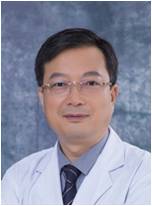 Haitao Wu (吴海涛)合作论文数Department of Otorhinolaryngoiogy, Eye Ear Nose and Throat Hospital, Fudan University11Chunping Wu合作论文数10
 Qiang Huang (黄强)合作论文数School of Life Sciences, Fudan University;State Key Laboratory of Genetic Engineering, Fudan University10Cao Pengyu合作论文数9Yong Shi合作论文数9Chengzhi Xu合作论文数8Xiaoling Chen合作论文数8Qinxia Xu合作论文数7Luyang Xu合作论文数7Yujie Shen合作论文数7
 Liang Zhou (周亮)合作论文数State Key Laboratory of Advanced Technology for Materials Synthesis and Processing, Wuhan University of Technology7Lei Cheng合作论文数6Han-Qing Lin合作论文数5Sun Ji合作论文数5Wang Tian合作论文数5Li Ke-Nan合作论文数4
 Xiaoming Li (李晓明)合作论文数Department of Otolaryngology-Head and Neck Surgery, Bethune International Peace Hospital4
 Heng Yu (余恒)合作论文数Department of Astronomy, Beijing Normal University4
 Ning Cong合作论文数4Mengyou Ji合作论文数3Zhou Jian合作论文数3Feiran Li合作论文数3Zhuo WU (武卓)合作论文数3YuPeng Shen (申宇鹏)合作论文数3FuMing Lu (陆福明)合作论文数3
 Shuyi Wang (王纾宜)合作论文数复旦大学附属眼耳鼻喉科医院3
 Jiefeng Cui (崔杰峰)合作论文数Zhongshan Hospital, Fudan University3Gao Chunli合作论文数3DU Huaidong (杜怀栋)合作论文数2Changcheng Sheng合作论文数2Quan Liu合作论文数2Li Ji合作论文数2Wan-Jie Niu合作论文数2Jiyao Xue (薛继尧)合作论文数2Yi Zhu合作论文数2




