Objective: The aim of this study was to investigate the gut microbial signatures and related pathophysiological implications in patients with Cushing's disease (CD). Design and methods: Twenty-seven patients with CD and 45 healthy controls were enrolled. Based on obtained metagenomics data, we performed correlation, network study, and genome interaction group (GIG) analysis. Fecal metabolomics and serum enzyme linked immunosorbent assay (ELISA) analysis were conducted in dichotomized CD patients. Caco-2 cells were incubated with gradient concentrations of cortisol for subsequent transepithelial electrical resistance (TEER) measurement, FITC-dextran transwell permeability assay, qPCR, and western blot analysis. Results: Gut microbial composition in patients with CD was notably different from that in healthy controls. Network analysis revealed that Eubacterium siraeum might serve as the core specie in the gut microbial system of CD patients. Subsequent GIG analysis identified the positive correlations between GIG9 and UFC. Further serum ELISA and fecal metabolomics uncovered that CD patients with elevated UFC levels were characterized with increased lipopolysaccharide binding protein (LBP). Moreover, remarkable positive association was found between LBP level and relative abundance of E. siraeum. TEER and FITC-dextran transwell assays demonstrated that hypercortisolism induced increased gut permeability. Further qPCR and western blot analysis suggested that dysregulated AhR/Claudin 2 axis might be involved in the development of hypercortisolism-induced defective gut barrier function. Conclusions: Disease activity associated dysbiosis and defective gut barrier might jointly facilitate the development of systemic inflammation in patients with CD.
PURPOSE:Growth hormone pituitary adenoma (GHPA) is a major subtype of pituitary adenoma (PA), with tumor enlargement and abnormal secretion of growth hormone (GH) often causing complications. Rac GTPase-activating protein 1 (RACGAP1), a member of the guanine triphosphatase-activating protein family, is highly overexpressed in multiple tumors and promotes tumor growth. However, the role of RACGAP1 in GHPA remains unelucidated. Besides, specific inhibitors targeting RACGAP1 have not yet been developed. In this study, we aimed to determine the expression and function of RACGAP1 in GHPA and identify effective inhibitors against RACGAP1. METHODS:Immunohistochemistry was used to detect the expression of RACGAP1 in GHPA and normal pituitary tissues. The effect of RACGAP1 on cell proliferation, apoptosis, and cell cycle was evaluated by knockdown of RACGAP1 in GH3 cells in vitro and xenograft models of GHPA in vivo. The downstream mechanism of RACGAP1 was explored by RNA sequencing, bioinformatic analysis, and Western blot. Inhibitors targeting RACGAP1 were screened and verified through a structure-based virtual docking method, cell viability assays, and surface plasmon resonance (SPR) experiments. RESULTS:RACGAP1 expression was increased in GHPA compared with normal pituitary tissues. Knocking down RACGAP1 suppressed cell growth in vitro and in vivo. Preliminary mechanism studies indicated that inhibition of RACGAP1 led to the upregulation of p21 and the downregulation of several genes involved in the cell cycle signaling pathway, such as Cyclin A, CDK1, and CDK2. Moreover, DB07268 was identified for the first time as an effective RACGAP1 inhibitor that could prominently restrain the proliferation of GH3 cells. CONCLUSION:This study demonstrates that RACGAP1 plays a critical role in GHPA, highlighting the novel inhibitor DB07268 as a promising therapeutic approach.
Craniopharyngioma (CP) is an intracranial tumor with high mortality and morbidity. Though biologically benign, CP will damage the hypothalamus, inducing comorbidities such as obesity, metabolic syndrome, and cognitive impairments. The roles of gut microbiome and serum metabolome in CP-associated hypothalamic comorbidities are aimed to be explored. Patients with CP are characterized by increased Shannon diversity, Eubacterium, Clostridium, and Roseburia, alongside decreased Alistipes and Bacteroides. CP-enriched taxa are positively correlated with dyslipidemia and cognitive decline, while CP-depleted taxa are negatively associated with fatty liver. Subsequent serum metabolomics identified notably up-regulated purine metabolism, and integrative analysis indicated an association between altered microbiota and elevated hypoxanthine. Phenotypic study and multi-omics analysis in the Rax-CreERT2::BrafV600E/+::PtenFlox/+ mouse model validated potential involvement of increased Clostridium and dysregulated purine metabolism in hypothalamic comorbidities. To further consolidate this, intervention experiments are performed and it is found that hypoxanthine co-variated with the severity of hypothalamic comorbidities and abundance of Clostridium, and induced dysregulated purine metabolism along with redox imbalance in target organs (liver and brain cortex). Overall, the study demonstrated the potential of increased Clostridium and up-regulated purine metabolism as signatures of CP-associated hypothalamic-comorbidities, and unveiled that elevated Clostridium, dysregulated purine metabolism, and redox imbalance may mediate the development and progression of CP-associated hypothalamic-comorbidities.
Objective:Quality of Life (QoL) has been a multifactorial concerning issue in oncology. We aimed to inspect the pre-operative QoL among patients with craniopharyngioma and to explore the potential correlations between parameters of QoL and clinical indices.Subjects and methods:We enrolled a total of 109 patients with craniopharyngioma. We utilized Short Form 36 (SF-36), Symptom Check List-90, Generalized Anxiety Disorder Questionnaire scale (GAD7), Patient Health Questionnaire Depression (PHQ9) and Pittsburgh Sleep Quality Index to prospectively evaluated their QoL. Parameters of QoL along with clinical indices were compared among sub-groups divided according to Puget classification. Correlation analyses and regression analyses were performed to detect influential determinants to self-reported wellness.Results:Patients presented impaired QoL compared with general population (p < 0.001), as assessed by SF-36. Correlation analyses indicated the detrimental influence resulting from central diabetes insipidus (CDI). Multivariate linear regression unveiled the adverse effect of CDI on Mental Component Summary (coefficient = -13.869, p= 0.007), GAD7 total score (coefficient = 2.072, p = 0.049) as well as PHQ9 total score (coefficient = 3.721, p = 0.001). Multivariate logistic regression verified CDI as a risk factor of developing depressive symptoms (OR = 6.160, p = 0.001).Conclusion:QoL of patients with craniopharyngioma was remarkably compromised before operation. CDI exerted detrimental influences on patients' QoL and it might serve as a marker for early identification of patients at risk of depression.
Objective To review experience regarding the treatment of prolactinomas by endoscopic endonasal surgery focusing on the association between presurgical dopamine agonist (DA) treatment and perioperative outcomes, surgical morbidities, endocrine outcomes, and pathological characteristics. Methods A single-center series of 290 cases was analyzed retrospectively and clinical data were collected. Intratumoral collagen content was assessed by Masson trichrome staining. Results Tenacious tumor consistency (27.8% vs 9.8%, P < .001) was more common in DA-pretreated patients compared with patients who underwent initial surgery. Moreover, DA-pretreated macroadenomas presented more intraoperative blood loss (200 [100-400] mL vs 175 [100-300] mL; P = .014), longer surgical duration (177 ± 95 minutes vs 154 ± 57 minutes; P = .043), and more surgical morbidities (19.4% vs 8.9%; P = .034). Additionally, DA-pretreated macroadenomas presented a higher collagen volume fraction than that of the initial surgery group (23.6 ± 2.2% vs 13.2 ± 2.1%; P = .001). Correlation analysis revealed a close correlation between collagen volume fraction and the cumulative dose of bromocriptine (BRC) in macroadenomas (r = 0.438, P < .001). Regarding endocrine outcomes, DA-pretreated microadenomas showed a lower proportion of initial remission compared with patients who underwent initial surgery (86.7% vs 100%, P = .047). Conclusion This study described increased surgical difficulty and inferior endocrine outcomes associated with tumor fibrosis secondary to presurgical BRC treatment in prolactinomas. Neurosurgeons should note that presurgical BRC treatment may render subsequent surgery more challenging.
ABSTRACT Despite its high mortality, specific and effective drugs for sepsis are lacking. Decoy receptor 3 (DcR3) is a potential biomarker for the progression of inflammatory diseases. The recombinant human DcR3-Fc chimera protein (DcR3.Fc) suppresses inflammatory responses in mice with sepsis, which is critical for improving survival. The Fc region can exert detrimental effects on the patient, and endogenous peptides are highly conducive to clinical application. However, the mechanisms underlying the effects of DcR3 on sepsis are unknown. Herein, we aimed to demonstrate that DcR3 may be beneficial in treating sepsis and investigated its mechanism of action. Recombinant DcR3 was obtained in vitro . Postoperative DcR3 treatment was performed in mouse models of lipopolysaccharide- and cecal ligation and puncture (CLP)-induced sepsis, and their underlying molecular mechanisms were explored. DcR3 inhibited sustained excessive inflammation in vitro , increased the survival rate, reduced the proinflammatory cytokine levels, changed the circulating immune cell composition, regulated the gut microbiota, and induced short-chain fatty acid synthesis in vivo . Thus, DcR3 protects against CLP-induced sepsis by inhibiting the inflammatory response and apoptosis. Our study provides valuable insights into the molecular mechanisms associated with the protective effects of DcR3 against sepsis, paving the way for future clinical studies. IMPORTANCE Sepsis affects millions of hospitalized patients worldwide each year, but there are no sepsis-specific drugs, which makes sepsis therapies urgently needed. Suppression of excessive inflammatory responses is important for improving the survival of patients with sepsis. Our results demonstrate that DcR3 ameliorates sepsis in mice by attenuating systematic inflammation and modulating gut microbiota, and unveil the molecular mechanism underlying its anti-inflammatory effect.
In recent decades, various roles of the gut microbiota in physiological and pathological conditions have been uncovered. Among the many interacting pathways between the host and gut flora, the gut–brain axis has drawn increasing attention and is generally considered a promising way to understand and treat brain tumors, one of the most lethal neoplasms. In this narrative review, we aimed to unveil and dissect the sophisticated mechanisms by which the gut‐brain axis exerts its influence on brain tumors. Furthermore, we summarized the latest research regarding the gastrointestinal microbial landscape and the effect of gut–brain axis malfunction on different brain tumors. Finally, we outlined the ongoing developing approaches of microbial manipulation and their corresponding research related to neuro‐malignancies. Collectively, we recapitulated the advances in gut microbial alterations along with their potential interactive mechanisms in brain tumors and encouraged increased efforts in this area.
Cushing's disease results from corticotroph adenomas of the pituitary that hypersecrete adrenocorticotropin (ACTH), leading to excess glucocorticoid and hypercortisolism. Mutations of the deubiquitinase gene USP8 occur in 35-62% of corticotroph adenomas. However, the major driver mutations in USP8 wild-type tumors remain elusive. Here, we report recurrent mutations in the deubiquitinase gene USP48 (predominantly encoding p.M415I or p.M415V; 21/91 subjects) and BRAF (encoding p.V600E; 15/91 subjects) in corticotroph adenomas with wild-type USP8. Similar to USP8 mutants, both USP48 and BRAF mutants enhance the promoter activity and transcription of the gene encoding proopiomelanocortin (POMC), which is the precursor of ACTH, providing a potential mechanism for ACTH overproduction in corticotroph adenomas. Moreover, primary corticotroph tumor cells harboring BRAF V600E are sensitive to the BRAF inhibitor vemurafenib. Our study thus contributes to the understanding of the molecular mechanism of the pathogenesis of corticotroph adenoma and informs therapeutic targets for this disease.
Background Craniopharyngioma is a common intracranial tumor located in the sellar-suprasellar region. Due to the involvement of adjacent structures, it can lead to increased intracranial pressure, visual impairment, and endocrine deficiencies. Surgical resection is the primary treatment, but it is a tough challenge to achieve total resection, which will led to the frequency of recurrences and progressions. Among them, distant spread is extremely rare, but important complication, identifying and providing proper therapy, is crucial. Methods We report two cases of ectopic recurrence craniopharyngioma and make a literature review for the published similar case reports. Results Our literature review revealed 63 cases (including our patient). The onset age in children group and adult group ranges from 2–14 years old (6.70 ± 3.33) to 17–73 years old (40.63 ± 15.58), while the interval year between tumor initiation and ectopic recurrence ranges from 0.17–20 (7.28 ± 6.76) years to 0.3–34 (6.85 ± 7.29). Achieving gross total resection seems not to prevent the ectopic recurrence. The major pathology of ectopic recurrence craniopharyngioma is adamantinomatous type. The most common site of ectopic recurrence is frontal lobe. According to the pathogenesis, 35 cases were seeding along the surgical approach, and 28 cases were seeding via the CSF pathway. Conclusion Ectopic recurrence craniopharyngioma is rare, but it can lead to serious symptoms. Delicate surgical procedure can help to reduce the risk of ectopic recurrence, and standardized follow-up can provide valuable information for treatment.
Pituitary neuroendocrine tumor (PitNET) is one of the most common intracranial tumors with variable recurrence rate. Currently, the recurrence prediction is unsatisfying and can be improved by understanding the cellular origins and differentiation status. Here, to comprehensively reveal the origin of PitNET, we perform comparative analysis of single-cell RNA sequencing data from 3 anterior pituitary glands and 21 PitNETs. We identify distinct genes representing major subtypes of well and poorly differentiated PitNETs in each lineage. To further verify the predictive value of differentiation biomarkers, we include an independent cohort of 800 patients with an average follow-up of 7.2 years. In both PIT1 and TPIT lineages, poorly differentiated groups show significantly higher recurrence rates while well-differentiated groups show higher recurrence rates in SF1 lineage. Our findings reveal the possible origin and differentiation status of PitNET based on which new differentiation classification is proposed and verified to predict tumor recurrence.
Pituitary neuroendocrine tumor (PitNET) is one of the most common intracranial tumors. Due to its extensive tumor heterogeneity and the lack of high-quality tissues for biomarker discovery, the causative molecular mechanisms are far from being fully defined. Therefore, more studies are needed to improve the current clinicopathological classification system, and advanced treatment strategies such as targeted therapy and immunotherapy are yet to be explored. Here, we performed the largest integrative genomics, transcriptomics, proteomics, and phosphoproteomics analysis reported to date for a cohort of 200 PitNET patients. Genomics data indicate that GNAS copy number gain can serve as a reliable diagnostic marker for hyperproliferation of the PIT1 lineage. Proteomics-based classification of PitNETs identified 7 clusters, among which, tumors overexpressing epithelial-mesenchymal transition (EMT) markers clustered into a more invasive subgroup. Further analysis identified potential therapeutic targets, including CDK6, TWIST1, EGFR, and VEGFR2, for different clusters. Immune subtyping to explore the potential for application of immunotherapy in PitNET identified an association between alterations in the JAK1-STAT1-PDL1 axis and immune exhaustion, and between changes in the JAK3-STAT6-FOS/JUN axis and immune infiltration. These identified molecular markers and alternations in various clusters/subtypes were further confirmed in an independent cohort of 750 PitNET patients. This proteogenomic analysis across traditional histological boundaries improves our current understanding of PitNET pathophysiology and suggests novel therapeutic targets and strategies.
Dysbiosis of gut microbiota is associated not only with intestinal disorders but also with numerous extraintestinal diseases. Growth hormone-secreting pituitary adenoma (GHPA) is an insidious disease with persistent hypersecretion of GH and IGF-1, causing increased morbidity and mortality.
Context Growth hormone pituitary adenoma (GHPA), a major subtype of pituitary adenoma (PA), can lead to progressive somatic disfigurement, multiple complications, and even increased mortality. The efficacy of current treatments is limited; thus, a novel pharmacological treatment is urgently needed. As a histone acetyltransferase (HAT) coactivator, p300 can regulate the transcription of several genes that are crucial for PA tumorigenesis and progression. However, the role of p300 and its catalytic inhibitor in GHPA is still unclear. Objective We aimed to identify the expression of p300 in GHPA and in normal pituitary glands. Methods The expression of p300 was detected in GHPA and normal pituitary tissues. Genetic knockdown was performed by siRNA. The efficacy of the p300 inhibitor A-485 in the cell cycle, proliferation, apoptosis, and hormone secretion was investigated by flow cytometry, ELISAs, Western blotting, and qRT-PCR. RNA sequencing, bioinformatic analysis, and subsequent validation experiments were performed to reveal the potential biological mechanism of A-485. Results High expression of p300 was found in GHPA tissues compared with normal pituitary tissues. Knockdown of p300 inhibited cell proliferation and clone formation. Treatment with A-485 suppressed cell growth and inhibited the secretion of GH in vitro and in vivo. Further mechanistic studies showed that A-485 could downregulate the expression or activity of several oncogenes, such as genes in the Pttg1, c-Myc, cAMP and PI3K/AKT/mTOR signaling pathways, which are crucial for PA tumorigenesis and progression. Conclusion Our findings demonstrate that inhibition of HAT p300 by its selective inhibitor A-485 is a promising therapy for GHPA.
Skull base chordoma (SBC) is a bone cancer with a high recurrence rate, high radioresistance rate, and poorly understood mechanism. Here, we profiled the transcriptomes of 90,691 single cells, revealed the SBC cellular hierarchies, and explored novel treatment targets. We identified a cluster of stem-like SBC cells that tended to be distributed in the inferior part of the tumor. Combining radiated UM-Chor1 RNA-seq data and in vitro validation, we further found that this stem-like cell cluster is marked by cathepsin L ( CTSL ), a gene involved in the packaging of telomere ends, and may be responsible for radioresistance. Moreover, signatures related to partial epithelial–mesenchymal transition (p-EMT) were found to be significant in malignant cells and were related to the invasion and poor prognosis of SBC. Furthermore, YL-13027, a p-EMT inhibitor that acts through the TGF-β signaling pathway, demonstrated remarkable potency in inhibiting the invasiveness of SBC in preclinical models and was subsequently applied in a phase I clinical trial that enrolled three SBC patients. Encouragingly, YL-13027 attenuated the growth of SBC and achieved stable disease with no serious adverse events, underscoring the clinical potential for the precision treatment of SBC with this therapy. In summary, we conducted the first single-cell RNA sequencing of SBC and identified several targets that could be translated to the treatment of SBC.
Objective: To compare the efficacy of collagen sponge graft versus autologous fat graft in repairing grade 1 intraoperative CSF leakage and identify potential risk factors for failure repairing.Methods: We retrospectively recruited patients with grade 1 intraoperative CSF leakage repaired either with a collagen sponge (Group A), with autologous fat graft (Group B), or with only bipolar coagulation and gel foam packing (Group C). Patients with previous radiotherapy, repaired with additional materials, received postoperative lumbar drainage or without sufficient follow-up data were excluded. The primary outcome was the incidence of postoperative CSF leakage. We used propensity score matching to adjust for confounding when comparing Group A and Group B.Results: 459 patients (277 female and 182 male) were recruited. Among them, 296 patients were in Group A, 146 patients were in Group B, and the other 17 patients were in Group C. After propensity score matching, 146 and 146 patients were included in group A and group B, respectively. No difference was observed for the primary outcome in the matched cohort (p = 0.654) with three patients in Group A (1.0% and 2.1% before and after matching, respectively) and two patients in Group B (1.4% and 1.4% before and after matching, respectively) developed postoperative CSF leakage, respectively. Patients repaired only with gel foam and/or bipolar coagulation (OR 770.5, p < 0.001) and older age (OR 1.16, p < 0.001) were associated with a higher likelihood of postoperative CSF leakage.Conclusions: Collagen sponge is as effective as an autologous fat graft for grade 1 intraoperative CSF leakage repair during transsphenoidal surgery. Repair with gel foam and/or bipolar coagulation and older age are associated with a higher likelihood of postoperative CSF leakage.
An immune complex (IC), composed of antigenic subunits of the Newcastle disease virus (NDV) and specific polyclonal allogeneic antibodies, was used to protect chickens against NDV. Antibodies in the IC were chicken immunoglobulin G. The antibody:antigen ratio in IC was 2.03. The IC was prepared at equivalence by direct mixing of NDV-infected allantoic fluid, treated with Triton X-100, and chicken anti-NDV serum. In order to bind NDV antigenic subunits to specific antibodies, previous isolation and purification of antigen is not required. Chickens were immunized with 1 mg IC, containing 0.3788 mg of viral antigens. The IC, prepared in the form of an oil-emulsion, was administered intramuscularly. The IC generated high levels of anti-NDV antibodies and successfully protected chickens against live virus challenge. Therefore, the IC could be recommended as a safe and environmentally convenient vaccine.
BACKGROUND:The pathogenesis of Cushing's disease (CD) is still not adequately understood despite the identification of somatic driver mutations in USP8, BRAF, and USP48. In this multiomics study, we combined RNA sequencing (RNA-seq) with Sanger sequencing to depict transcriptional dysregulation under different gene mutation backgrounds. Furthermore, we evaluated the potential of achaete-scute complex homolog 1 (ASCL1), a pioneer transcription factor, as a novel therapeutic target for treatment of CD and its possible downstream pathway.METHODS:RNA-seq was adopted to investigate the gene expression profile of CD, and Sanger sequencing was adopted to detect gene mutations. Bioinformatics analysis was used to depict transcriptional dysregulation under different gene mutation backgrounds. The function of ASCL1 in hormone secretion, cell proliferation, and apoptosis were studied in vitro. The effectiveness of an ASCL1 inhibitor was evaluated in primary CD cells, and the clinical relevance of ASCL1 was examined in 68 patients with CD. RNA-seq in AtT-20 cells on Ascl1 knockdown combined with published chromatin immunoprecipitation sequencing data and dual luciferase assays were used to explore downstream pathways.RESULTS:ASCL1 was exclusively overexpressed in USP8-mutant and wild-type tumors. Ascl1 promoted adrenocorticotrophin hormone overproduction and tumorigenesis and directly regulated Pomc in AtT-20 cells. An ASCL1 inhibitor presented promising efficacy in both AtT-20 and primary CD cells. ASCL1 overexpression was associated with a larger tumor volume and higher adrenocorticotrophin secretion in patients with CD.CONCLUSION:Our findings help to clarify the pathogenesis of CD and suggest that ASCL1 is a potential therapeutic target the treatment of CD.SUMMARY:The pathogenesis of Cushing's disease (CD) is still not adequately understood despite the identification of somatic driver mutations in USP8, BRAF, and USP48. Moreover, few effective medical therapies are currently available for the treatment of CD. Here, using a multiomics approach, we first report the aberrant overexpression of the transcription factor gene ASCL1 in USP8-mutant and wild-type tumors of CD. Ascl1 promoted adrenocorticotrophin hormone overproduction and tumorigenesis and directly regulated Pomc in mouse AtT-20 cells. Notably, an ASCL1 inhibitor presented promising efficacy in both AtT-20 and primary CD cells. Importantly, ASCL1 overexpression was associated with a larger tumor volume and higher adrenocorticotrophin secretion in patients with CD. Thus, our findings improve understanding of CD pathogenesis and suggest that ASCL1 is a potential therapeutic target the treatment of CD.
PURPOSE:Growth hormone-secreting pituitary adenoma (GHPA) is an insidious disease with persistent hypersecretion of growth hormone and insulin-like growth factor 1, causing increased morbidity and mortality. Previous studies have investigated the transcription of GHPA. However, the gene regulatory landscape has not been fully characterized. The objective of our study was to unravel the changes in chromatin accessibility and transcription in GHPA.METHODS:Six patients diagnosed with GHPA in the Department of Neurosurgery at Huashan Hospital were enrolled in our study. Primary pituitary adenoma tissues and adjacent normal pituitary specimens with no morphologic abnormalities from these six patients were obtained at surgery. RNA sequencing (RNA-seq) and assay for transposase-accessible chromatin with high-throughput sequencing (ATAC-seq) were applied to investigate the underlying relationship between gene expression and chromatin accessibility changes in GHPA.RESULTS:Totally, 1528 differential expression genes (DEGs) were identified by transcriptomics analyses, including 725 up-regulated and 803 down-regulated. Further, we obtained 64 significantly DEGs including 10 DEGs were elevated and 54 DEGs were negligibly expressed in tumors tissues. The up-regulated DEGs were mainly involved in terms related to synapse formation, nervous system development and secretory pathway. In parallel, 3916 increased and 2895 decreased chromatin-accessible regions were mapped by ATAC-seq. Additionally, the chromatin accessible changes were frequently located adjacent to transcription factor CTCF and Rfx2 binding site.CONCLUSIONS:Our results are the first to demonstrate the landscape of chromatin accessibility in GHPA, which may contribute to illustrate the underlying transcriptional regulation mechanism of this disease.
Objective: To investigate the factors associated with recurrence/progression after endoscopic endonasal resection of suprasellar craniopharyngiomas. Special attention was paid to assess the impact of pituitary stalk preservation on tumor recurrence/progression and endocrinological outcomes. Methods: We retrospectively recruited 73 patients with suprasellar craniopharyngiomas undergone endoscopic endonasal approach (EEA) surgery from September 2014 to May 2019 and assessed their clinical characteristics, surgical outcomes, and recurrence/progression. Stalk preservation or sacrifice was determined by reviewing operative records, videos, and post-operative magnetic resonance imaging. Results: Gross total resection (GTR) was achieved in 51 cases (69.9%). Tumor recurrence was seen in 5 cases (9.8%) and progression was seen in 8 cases (36.4%), respectively. GTR (OR = 0.248 CI 0.081–0.759; p = 0.015) was the only independent factor influencing recurrence/progression. Kaplan-Meier survival analysis showed that the mean recurrence/progression-free survival were 53 (95% CI 48–59) and 39 (95% CI 28–50) months, respectively, in patients with and without GTR (p = 0.011). Pituitary stalk preservation was more common in cases with peripheral type tumors (83% vs. 30%, p < 0.01). Preserving the pituitary stalk does not appear to decrease the percentage of GTR (75.5% vs. 55.0%, p = 0.089), or increase the rate of tumor recurrence (12.5% vs. 0%, p = 0.508) or progression (46.2% vs. 22.2%, p = 0.486). However, surgically induced hypothyroidism (60.5% vs. 100%, p = 0.041) and diabetes insipidus (35.1% vs. 81.8%, p = 0.017) were significantly lower in patients with stalk preservation. For patients who had hypopituitarism before EEA, there was no difference between those with and without stalk preservation regarding post-operative hypopituitarism (p > 0.05). Conclusion: GTR is the only independent predictor of recurrence/progression after EEA surgery for suprasellar craniopharyngiomas. Preserving the pituitary stalk does not appear to increase the risk of non-GTR and tumor recurrence/progression and might help reduce the risk of surgically induced hypothyroidism and diabetes insipidus. We recommend preserving the pituitary stalk in peripheral type suprasellar craniopharyngiomas with normal pituitary function, especially in cases without hypothyroidism or diabetes insipidus. On the other hand, stalk sacrifice could be considered in central type tumors with severe pre-operative endocrinopathy.
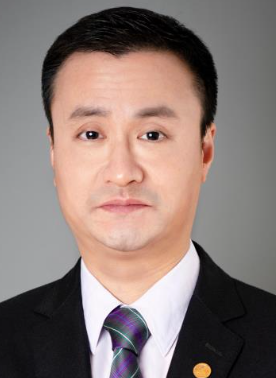 Yao Zhao (赵曜)合作论文数Department of Neurosurgery, Huashan Hospital, Fudan University;Institute of Neurosurgery, Fudan University31
 Zengyi Ma合作论文数30
 Nidan Qiao (乔霓丹)合作论文数Huashan Hospital, Fudan University29
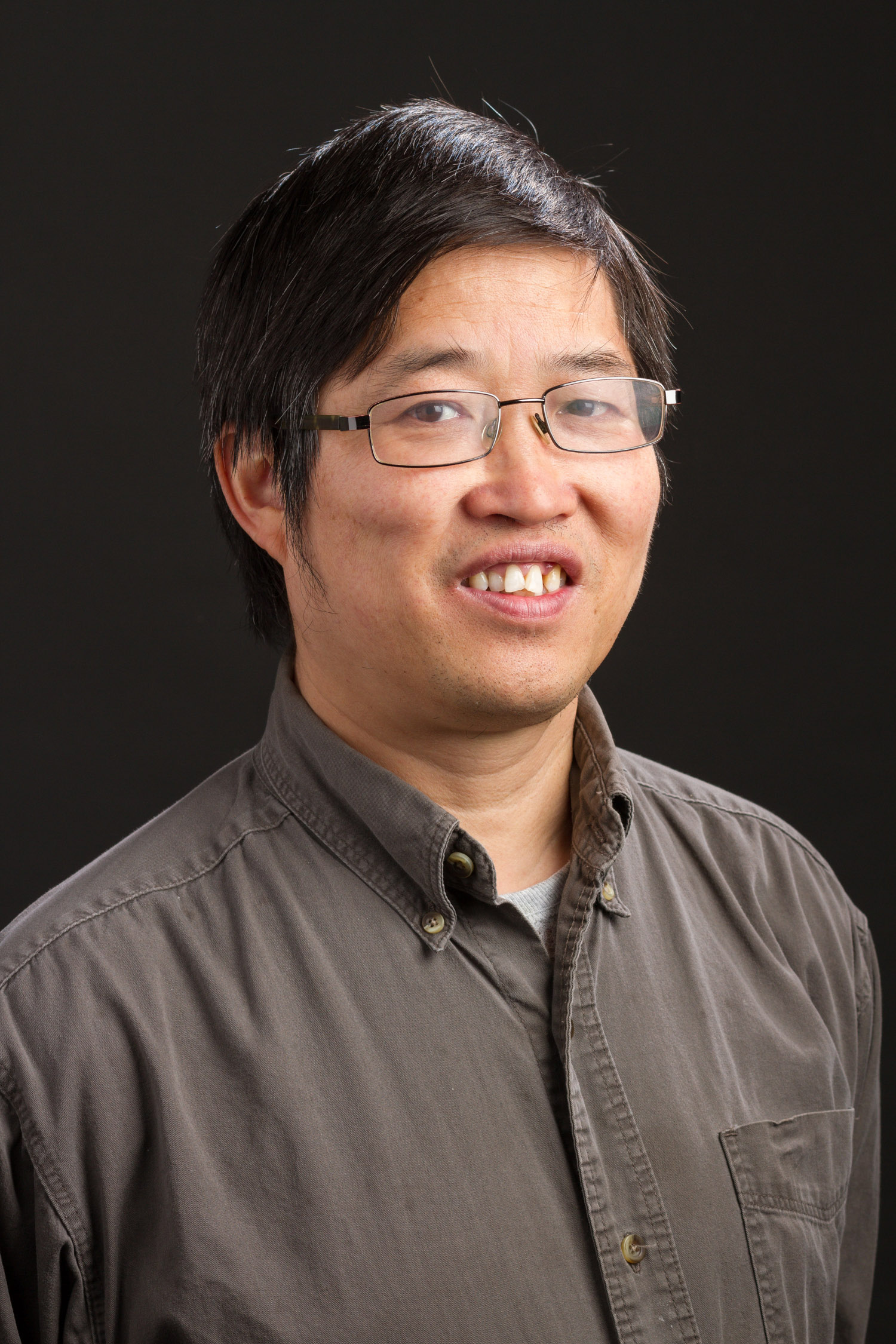 Yongfei Wang合作论文数Department of Internal Medicine, Yale School of Medicine, Yale University;Center for Outcomes Research & Evaluation, Yale School of Medicine, Yale University28
 Zhang Qilin合作论文数26
 Xuefei Shou (寿雪飞)合作论文数Shanghai Medical College, Fudan University26
 Zhaoyun Zhang (张朝云)合作论文数Huashan Hospital, Fudan University24Hongying Ye合作论文数21He Wen-Qiang合作论文数20
 Shiqi Li (李士其)合作论文数Neurosurgery, Huashan Hospital, Fudan University20Zhengyuan Chen合作论文数18Xiaoyun Cao合作论文数16
 Ye Zhao (赵烨)合作论文数College of Life Sciences, Zhejiang university16
 Min He (敏和)合作论文数14Chenxing Ji合作论文数12
 Ming Shen (申明)合作论文数College of Sciences, Shanghai University11Haixia Cheng (程海霞)合作论文数9
 Yiming Li (李益明)合作论文数Huashan Hospital, Fudan University9Hong Chen合作论文数8Chengzhang Shi合作论文数7Yifei Yu合作论文数7
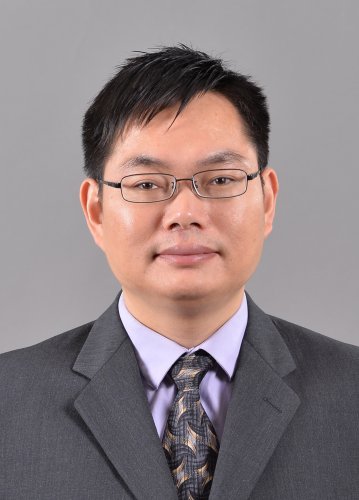 Chuanxin Huang (黄传新)合作论文数College of Basic Medical Sciences, Shanghai Jiao Tong University7Ben Lin合作论文数6Vladimir Melnikov合作论文数6Yeping Yang合作论文数6
 Liangfu Zhou (周良辅)合作论文数Institutes of Biomedical Sciences, Fudan University6
 Ying Mao (毛颖)合作论文数Department of Neurosurgery, Huashan Hospital, Fudan University;Institutes of Biomedical Sciences, Fudan University6Zhen Ye合作论文数5
 Yue Shen合作论文数5Yun Lu合作论文数5Ye Wang合作论文数Fudan Univ, Shanghai Med Coll, Huashan Hosp, Dept Neurosurg, Shanghai 200040, Peoples R China5
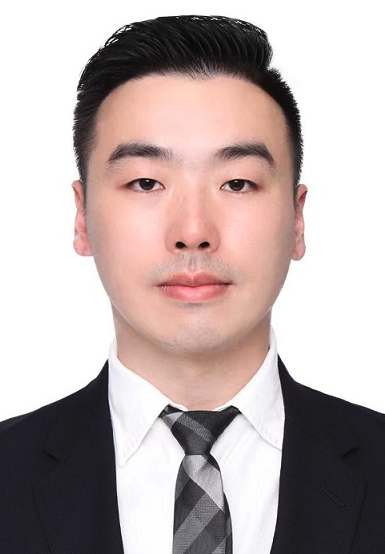 Zhifeng Shi (史之峰)合作论文数Huashan Hospital, Fudan University5
 Cheng Luo (罗成)合作论文数Shanghai Institute of Materia Medica, Chinese Academy of Sciences5
 Juan Zhou (周娟)合作论文数Department of Obstetrics and Gynecology, The First Affiliated Hospital of Xiamen University5
 Yongyong Shi (师咏勇)合作论文数Center for Excellence in Brain Science and Intelligence Technology, Chinese Academy of Sciences;Bio-X Institutes, Shanghai Jiao Tong University5
 Xiang Zhou (周翔)合作论文数College of Chemistry and Molecular Science, Wuhan University5
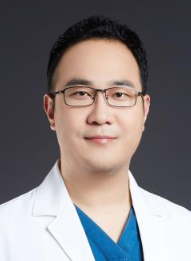 Jianhua Chen (陈剑华)合作论文数Shanghai Key Laboratory of Psychotic Disorders, Shanghai Mental Health Center5
 Zhijian Song (宋志坚)合作论文数Fudan University5Jiawei Shen合作论文数4Boyuan Yao合作论文数4Xuemin Jian合作论文数4Renyuan Gao合作论文数4
 Zhan Cao (曹湛)合作论文数Department of Urban Planning, College of Architecture and Urban Planning, Tongji University4Bin Lu (鹿斌)合作论文数4
 Hong Peng (彭虹)合作论文数School of Medicine, Sun Yat-sen University4
 Chaowei Fu (付朝伟)合作论文数School of Public Health, Fudan University4
 Zhenwei Yao (姚珍薇)合作论文数The First Affiliated Hospital of Chongqing Medical University4




