Extreme environments such as acid mine drainage (AMD) host highly specialized microbial communities that drive profound biogeochemical cycles. Within these ecosystems, iron- and sulfur-metabolizing taxa catalyze mineral weathering, generating intense acidity and mobilizing heavy metals. However, more than 97% of these microorganisms remain uncultured "microbial dark matter," heavily restricting our understanding of extremophile metabolism and adaptation. Here we present the Microbial Biobank of AMD (mbAMD), a culturomics-derived collection of 652 isolates spanning 42 species-including 21 novel taxa-that achieves 86.7% coverage of the global AMD core microbiome. Functional validation demonstrates that 36 of these taxa possess active iron or sulfur metabolic capacities, including the discovery of the first pure cultures of acid-tolerant sulfate reducers. Comparative genomic analyses across these isolates reveal that extreme environmental adaptation is predominantly driven by pervasive horizontal gene transfer. Specifically, extremophiles preferentially acquire adaptive genes governing acid tolerance and metal resistance from phylogenetically proximal relatives rather than distant donors. These findings elucidate the modular evolutionary strategies of extremophiles and provide critical functional resources for advancing biohydrometallurgy and environmental bioremediation. This mbAMD resource will accelerate biohydrometallurgical process optimization and environmental bioremediation strategies while advancing evolutionary microbial ecology research.
Urban green spaces are intensively managed ecosystems exposed to chronic, multisource, low-intensity anthropogenic inputs. These inputs may alter soil microbial communities and influence the distribution of metal resistance genes (MRGs). However, MRG distributions and their relationships with environmental conditions and bacterial communities remain unclear under the complex, non-extreme pollution conditions typical of these ecosystems. We investigated Beijing urban green spaces as a representative system using metagenomic sequencing and metagenome-assembled genome (MAG) analysis. We characterized soil MRG composition, its environmental associations, and the distribution of potential hosts. MRG composition differed significantly among ecological conservation (EC), transitional urban (TU), and central urban (CU) zones. These differences were closely associated with soil physicochemical properties and bacterial community structure. Available phosphorus (AP) was significantly associated with variation in both bacterial community structure and MRG composition. MAG-based analysis identified distinct potential-host compositions across the three functional zones. Proteobacteria were more frequently represented among dereplicated MAGs from EC soils, whereas Actinobacteria were more frequent in TU and CU soils. Heavy metal concentrations correlated with MRG composition. However, variation partitioning analysis did not identify an independent contribution from heavy metals after accounting for soil physicochemical properties and bacterial community structure. These findings indicate that urban green-space soil monitoring should incorporate environmental conditions and microbial community characteristics rather than rely solely on total metal concentrations.
Bacterial wilt, caused by the soil-borne pathogen Ralstonia solanacearum is a major threat to solanaceous crops worldwide. The onset of this disease is frequently associated with disruptions in the rhizosphere microbial community. Quorum sensing (QS), a key mechanism for microbial communication, plays a critical role in regulating microbial interactions and maintaining community structure. However, whether and how QS is involved in reshaping the rhizosphere microbiome during R. Solanacearum infection remains poorly understood. In this study we compared QS-related genes, signaling pathways, and network structures in metagenomes of healthy and wilt-infected rhizospheres. The results show QS-related genes of the plant beneficial bacterial were significantly down-regulate, whereas QS-related genes of pathogenic R. Solanacearum were up-regulated in wilt-infected rhizosphere. The up-regulated QS genes of pathogens belong to eight QS signaling pathways (AI-1, GABA, PapR, NprX, Phr, cCF10, and DSF). Network analysis showed a simplified structure in the wilt-infected rhizosphere. It is also found the number of connectors in the QS gene co-occurrence network was reduced in wilt-infected rhizosphere network. This is due to the upregulation of QS system allows the pathogen to mediate the rhizosphere microbial ecology network, and leads to destabilization of rhizosphere community. These findings demonstrate that QS system contributes to bacterial wilt infection by suppressing the QS-based interactions among plant beneficial microbes, thereby triggering community function disruption.
Rare earth ores are important mineral resources, whereas the recovery of rare earth elements from complex, low-grade granitic ores has long remained a major challenge. The ore is difficult to upgrade because of the abundant quartz-feldspar gangue and the intergrowth of Fe-bearing silicate minerals with rare earth minerals. Using low-grade rare earth ore from the Baerzhe deposit as the research object, this study optimizes a high gradient magnetic separation (HGMS) and flotation flowsheet for preconcentration and upgrading rare earth elements (REEs) based on process mineralogy. Through this flowsheet, the total rare earth oxides (TREO) grade in the concentrate increased from 0.995 % to 21.57 %. The enrichment ratio reached 21.68. At 2.4 T, HGMS achieved a TREO recovery of 72.04 % and an enrichment ratio of 3.08, while rejecting 93.80 % of quartz and feldspar to the non-magnetic tailings. Closed-circuit flotation of the HGMS concentrate increased the TREO grade from 3.06 % to 21.57 % with oxidized paraffin soap (OPS), with a flotation-stage recovery of 59.68 % relative to the HGMS concentrate. Adsorption tests also showed OPS had lower adsorption amounts on pure quartz and pure feldspar (0.0124 and 0.0158 mg/g, respectively) than on the HGMS concentrate (0.110 mg/g). These results suggest that OPS may interact more strongly with REE-bearing mineral-rich domains than with quartz–feldspar gangue. The optimized flowsheet in this study provides a useful reference for similar low-grade granite-type REE ores.
Sulfur-bearing minerals are key reservoirs in the global sulfur cycle, and microorganisms mediate sulfur release from these minerals. Labile carbon inputs may modify microbial sulfur metabolism, but their net effects on sulfide mineral oxidation remain unclear. Here, we conducted a 56-day soil incubation with glucose input and combined geochemical measurements, mineralogical characterization, qPCR, metagenomics, 16S rRNA amplicon sequencing, and DNA-stable isotope probing (DNA-SIP) to identify glucose-assimilating microorganisms and their roles in regulating sulfide mineral oxidation. Glucose significantly suppressed sulfide mineral oxidation, resulting in 60.00% lower sulfate (SO42-) and a 33.23% higher pH than the control by day 56. Glucose also reshaped microbial community and functions potentials. Sulfur-oxidizing bacteria (SOB) decreased, sulfatereducing bacteria (SRB) increased, and genes annotated in sulfur oxidation (soxB, soxX, soxY, soxZ) were depleted before day 42. This inhibition was reversed after glucose depletion, with sulfur oxidation genes becoming enriched. DNA-SIP using 13C-glucose linked Frateuria and Dyella to glucose assimilation and to the inhibitory phase of sulfur release. Glucose-amended microcosms maintained a lower redox potential and showed a delayed rise relative to the control, consistent with oxygen competition that may constrain sulfur oxidizers such as Bradyrhizobium. Notably, Dyella harbored a complete assimilatory sulfate reduction pathway, driven by ATP and NADPH produced through the central carbon metabolism (CCM). This metabolic coupling reduced oxygen availability for terminal sulfur oxidation, suggesting a dual mechanism of sulfur release suppression via both assimilatory reduction and respiratory competition. Our findings highlight a previously underappreciated link between labile carbon metabolism and sulfur cycling in soil. This mechanism offers insights into microbial controls over sulfur fluxes and presents implications for managing soil acidification and sulfur-driven water pollution in mineral-rich environments.
Understanding how viral pathogens reshape plant endophytic community assembly is essential for assessing soil biological health, given that soil is the primary microbial reservoir, but key knowledge gaps persist. Using 16S rRNA amplicon sequencing, we investigated potato virus Y (PVY) infection effects on the assembly processes in plant endophytic community and their associations with soil properties. PVY infection significantly affected β-diversity (but not α-diversity) of endophytes in roots, but had no significant impact on either α- or β-diversity in leaves and enhanced deterministic assembly by 17% in roots and 3% in leaves. In infected plant root, endophytic community exhibited increased significantly in the importance of heterogeneous selection (HeS) and homogeneous selection (HoS) alongside decreased significantly in dispersal limitation (DL). Conversely, the importance of drift (DR) significantly increased in endophytic community assembly for infected leaves. Such virus-induced deterministic assembly was significantly correlated with soil physicochemical properties. For example, pH negatively correlated with the importance of HeS in endophytic community of infected leaves (ρ = −0.943), while that was reverse for infected roots (ρ = 0.943). Available potassium (AK) positively correlated with HeS in leaves (ρ = 0.986), while that was negative in roots (ρ = −0.899). Furthermore, PVY infection influenced a subset of low-abundance taxa (≤5%) rather than reshaping the overall community structure, including Delftia (bin 17) and Allorhizobium (bin 5), which are known contributors to soil biological health. Taken together, these findings demonstrate that viral pathogens enhance deterministic assembly in plant endophytic community, which was greatly constrained by soil properties.
Long-term continuous rice cultivation depletes soil nutrients and disrupts microbial nitrogen cycling, whereas tobacco-rice rotation (TRR) serves as a potential strategy for restoring soil functionality. This study reveals that TRR integrates the plant secondary metabolite nicotine into the nitrogen cycle through synergistic bacterial-archaeal metabolism, forming a “nicotine-molybdenum (Mo)-nitrogen” coupled metabolic network. Nicotine is degraded into ammonia and other nitrogen-containing intermediates via cross-domain collaboration involving bacteria (e.g., Ramlibacter, Streptomyces) and archaea (e.g., Nitrososphaera, Methanopereden). This process is supported by significant upregulation of key nitrogen cycling genes in TRR soils, including nifK (nitrogen fixation), nasA (nitrate reduction), and ndhABC (nicotine degradation. Available Mo content in TRR soils is significantly reduced (0.27 ± 0.02 mg/kg compared to 0.35 ± 0.03 mg/kg in continuous rice cultivation, p < 0.05), indicating that Mo ions are a critical factor in this process. However, long-term TRR may deplete soil Mo reserves, potentially limiting nitrogen availability and highlighting the need for Mo supplementation strategies. This study proposes a “nicotine-Mo-nitrogen” theoretical model, refining the conventional understanding of soil nitrogen cycling and providing a theoretical foundation and practical insights for microbially driven soil health management in sustainable agriculture.
Chalcopyrite is the most abundant copper-bearing sulfide mineral, characterized by a stable crystal structure. Bioleaching of chalcopyrite is inherently slow and further constrained by surface passivation layers during prolonged bioleaching. In this study, bacteriophages released from Acidithiobacillus ferrooxidans were introduced to promote chalcopyrite bioleaching. Mineralogical characterization, microbial profiling, and functional gene analysis were employed to reveal the underlying mechanisms. One day after phage introduction, phage abundance was 9.42 × 10⁵ VLPs mL−1 in the phage-treated group, 150-fold higher than in the control (6.26 × 10³ VLPs mL−1). Over a 60-day leaching period, the copper leaching efficiency of the phage-treated group was 31.72
Lithium (Li) extraction from salt-lake brines has become a central route for sustaining the clean-energy transition because hard-rock mining incurs high energy and environmental costs, whereas recycling remains limited. This review provides a comprehensive evaluation of direct Li extraction technologies, covering nanofiltration (NF), solvent extraction, adsorption based on lithium-aluminum layered double hydroxides (Li/Al-LDHs) and manganese or titanium ion sieves, electrodialysis (ED) and bipolar membrane electrodialysis (BMED), and capacitive deionization (CDI). Each technology is analyzed in relation to the characteristics of the brine, including magnesium to lithium ratio (MLR), salinity, and coexisting ion composition. The discussion highlights key technological advances such as the use of ionic liquids and deep eutectic solvents, the development of ultrathin polyamide (PA) separation layers, and the incorporation of Li intercalation materials into CDI systems. Among these, CDI and adsorption currently provide the most practical solutions for high magnesium (Mg) brines, while solvent extraction and electrochemical routes show strong potential for lower specific energy consumption per unit of Li produced and more energy-efficient operation. Remaining challenges include validation using natural brines, integration of extraction and regeneration processes, and resource circularity through by-product utilization. By combining mechanistic insights with process level understanding, this review establishes a framework for supporting research and industrial practice toward a stable and environmentally responsible Li supply chain.
Oily sludge is a hazardous petrochemical waste whose remediation is constrained by a stable oil-water-solid structure. This study systematically compared bioaugmentation (TB) and Fenton oxidation (TC) in terms of oil removal efficiency, microstructural transformation, and overall treatment performance. Bioaugmentation achieved higher oil removal (73.38%) than Fenton oxidation (66.56%). Physicochemical analyses (SEM, FTIR, XRD, and GC-MS) showed that TB transformed the compact sludge matrix into a looser and more porous structure, accompanied by redistribution of hydrocarbons from long-chain to shorter fractions, indicating effective phase destabilization rather than sole chemical oxidation. Microbial community analysis, conducted exclusively for TB, revealed a clear temporal shift in community composition that coincided with the major oil removal phase, suggesting a close association between microbial succession and treatment performance. Overall, this study indicates that bioaugmentation promotes oil removal through coupled microstructural disruption and biological transformation of hydrocarbons, highlighting its potential as a sustainable alternative to conventional chemical oxidation for oily sludge remediation.
Tailings pedogenesis plays a fundamental role in the ecological restoration of mining wastelands by converting barren tailings into soil-like substrates through physical, chemical, and biological processes. To systematically investigate the contributions and interactions of natural weathering and plant regeneration in the tailings pedogenesis, this study analyzed the microstructure, chemical composition, and rhizosphere microbial communities of original tailings samples (OR), 15-year naturally weathered samples (PW), and naturally regenerated samples spontaneously colonized by Miscanthus (PM), Lolium perenne (LP), and Cynodon dactylon (CD). X-ray micro-computed tomography revealed that natural weathering increased the total soil porosity of the tailings by 13.45 %, with negligible effects on chemical properties. After natural regeneration, soil porosity further increased from 18.74 % to 41.45 %. Scanning Electron Microscope revealed microaggregates attaching to the root surfaces. In addition, plant species exhibited distinct influences on soil chemical properties. Specifically, PM significantly increased soil organic matter and nitrate nitrogen content, whereas CD primarily promoted the accumulation of rapidly available potassium. Compared to the OR, natural weathering initiated the reconstruction of microbial communities, which were further enriched by plant root systems during natural regeneration. Notably, PM enriched functional genera such as Haliangium and Bryobacter, which were positively associated with heavy metal stabilization, suggesting its role as a critical pioneer species for ecological restoration of tailings. This study highlights the distinct and synergistic roles of natural weathering and plant regeneration in tailings pedogenesis, offering insights for plant selection and ecological restoration strategies.
Microbially induced calcium carbonate precipitation (MICP) is recognized as a promising, environmentally sustainable technology with diverse applications in environmental engineering. A bibliometric analysis of 5373 publications indexed in Web of Science from 2005 to 2024 was conducted using CiteSpace and VOSviewer to identify research trends and hotspots in biomineralization and calcium carbonate (CaCO3) studies. The results showed exponential growth in publications, increasing from 96 in 2004 to 397 in 2024 and spanning 91 interdisciplinary research areas. China, United States of America, and Germany were identified as the leading contributors. Research evolution was categorized into five distinct phases, progressing from initial crystal formation investigations to the current emphasis on underlying microbial mechanisms. Trend analysis revealed four emerging research hotspots: interfaces (0.22), crystal morphology (0.18), amorphous calcium carbonate (0.05), and bacteria (0.02). Mechanisms of MICP across bacteria, fungi, and algae were examined, revealing diverse metabolic pathways, including urea hydrolysis, denitrification, and photosynthesis. These findings suggest a paradigm shift in research toward microbial diversity and the role of extracellular polymeric substances. This shift provides valuable insights for developing sustainable biotechnological applications in environmental remediation.
Acid mine drainage (AMD) environments are typically used as models to study the crucial roles of acidophilic microbes in aquatic environments. Nevertheless, knowledge regarding microbial-driven biogeochemical cycling across mining regions remains limited. In this study, a metagenomics-based approach was employed to explore the diversity, composition, and ecological functions of microbiomes in global AMD environments with different mineral types. A total of 226 metagenomes, covering 12 mineral types of AMD, were analyzed. As a result, 2114 microbial metagenome-assembled genomes (MAGs) were obtained, representing members from 33 bacterial phyla and 8 archaeal phyla. The core taxa and functional groups in AMDs were identified. Additionally, twelve bacterial and two archaeal lineages were discovered for the first time in AMD environments. The specific metabolic potentials of these genomes were also determined. Our results revealed a high level of specialization in the diversity structures and ecological functions of AMD microbial communities based on mineral-type conditions. Mineral type significantly contributed to the dissimilarity in the AMD microbiomes, especially in water environments, underscoring the pivotal role of mineral types in shaping the microbial community in the AMD environment. Collectively, these findings provide novel perspectives on the ecology and metabolism of microbiomes in extreme AMD environments globally.
The bioremediation efforts using sulfate-reducing bacteria (SRB) face significant challenges due to prolonged start-up times and instability under extreme environmental conditions, such as the low temperatures and acidic groundwater found in uranium mining areas. To address the issues, cold-tolerant SRB inocula were selectively screened to efficiently remove sulfate and heavy metals from raw groundwater at 15 degrees C, achieving a high specific sulfate reduction rate of 2.3 gSO42- center dot gVSS- 1 center dot d- 1. Enterobacteriaceae emerged as the most prevalent SRBs in inoculum, constituting 28 % of the total population. We further found that these SRB harbored diverse genes for cold and acidic adaptation, such as ompC and cspA encoding porin protein and cold shock protein, respectively, as well as F-type H+-transporting ATPase genes maintaining intracellular pH homeostasis in acidic environments. However, when scaling up from a lab-scale bioreactor (0.1 L) to a pilot-scale system (1000 L), the limited growth of Enterobacteriaceae led to a decrease in the sulfate reduction rate, which may result from the lack of biosynthesis pathways of alanine and tyrosine. Taken together, our results revealed the potential mechanisms of SRB for cold and acidic adaptation, which provides a theoretical foundation to develop in situ bioremediation for acidmined uranium groundwater at low temperature.
Rice husk (RH) and cow dung (CD) are two of the most abundant agricultural solid waste. Converting these residues into peat-free substrates through co-composting supports sustainable agricultural development. A 40-day rice husk composting experiment was conducted to assess the effects of cow dung addition on microbial networks and carbon–nitrogen dynamics using 16S rRNA and metagenomic analyses. Furthermore, Furthermore, we prepared seedling substrates from composts of RH alone and RH combined with CD (RHCD), and evaluated their plant growth–promoting effects. The addition of cow dung (CD) to rice husk (RH) composting increased the average temperature from 52.8 °C to 60.1 °C and acted as a pH buffer, maintaining values around 7.4. CD significantly (p < 0.05) enhanced microbial network complexity, as indicated by larger network size and higher average degree, but disrupted the linear correlations between network properties and carbon or nitrate nitrogen contents (p > 0.05). This decoupling suggests that CD weakened the linkage between microbial interactions and carbon or nitrogen biotransformation processes. CD also significantly suppressed (p < 0.05) denitrification-related genes (norB, nir and nar) after the thermophilic phase, implying reduced nitrogen loss during compost maturation. We further found that larger network size or higher average degree reduced the abundance of key genes involved in assimilatory nitrite reduction (e.g., nirBD), while increasing those related to denitrification (e.g., nirK and nirS). Moreover, seedling substrates derived from RH (95.06%) and RHCD (93.21%) composts achieved higher germination rates of Solanaceae crops than the commercial peat-based substrate (81.48%). Germination rate and seedling biomass were positively correlated with dissolved organic carbon (r = 0.820, p = 0.045) and ammonium nitrogen (r = 0.858, p = 0.029), respectively. These findings advance the understanding of microbial interaction regulating carbon and nitrogen cycling during RH composting, and support the sustainable production of peat-free seedling substrates from agricultural waste.
Composting is a microbial-driven process transforms organic waste into stable products such as humus. The addition of nitrogen-rich amendments like cow dung can accelerate lignocellulose degradation. However, the microbial mechanisms underlying humus formation remain unclear. In this study, we compared humus accumulation, microbial community and functional in rice husk composting systems with and without cow dung. Cow dung markedly accelerated humus formation, with maximum humic carbon reaching 1.805 g/kg at day 8, compared to 1.418 g/kg at day 40 in the control. High-throughput 16S rRNA sequencing and metagenomic analyses revealed that cow dung reshaped microbial community structure and network complexity, enhancing diversity and functional specificity. Notably, CAZyme gene abundance was significantly higher in the cow dung group during the early stage (days 1-8) and declined as labile substrates were depleted, reflecting temporal functional changes in the microbial community. Thermopolyspora was selectively enriched, serving as a key humus-forming taxon. Thermopolyspora harbors abundant genes involved in the metabolism of aromatic compounds, fatty acids, aromatic amino acids, and aldehyde oxidation. These pathways generate intermediates such as aldehydes, ketones, and carboxylic acids, which serve as precursors for humus synthesis. Overall, cow dung increased the abundance of microbial CAZyme genes, enriched functional microbial abundance, and promoted crude fiber degradation and humus formation. This study deepens our understanding of the microbial-driven humification process and provides a theoretical foundation for the development of targeted strategies to enhance the efficiency and quality of agricultural waste composting, ultimately supporting soil fertility, carbon sequestration, and sustainable agricultural practices.
This study investigates a sequential microbial synergy between urease-producing bacteria (UPB) and sulfatereducing bacteria (SRB) for the treatment of zinc-laden acid mine drainage (AMD), aiming to alleviate the coupled stresses of low pH and metal toxicity. Conventional treatments are costly and risk secondary pollution, whereas we adopt urease-producing bacteria (UPB) to create favorable conditions for sulfate-reducing bacteria (SRB) by hydrolyzing urea, elevating pH, and reducing metal toxicity. Using simulated zinc-laden AMD (initial pH 3, Zn2 + 100 mg/L, SO4 2- 2500 mg/L), we evaluated UPB's adaptability and metabolic responses. UPB effectively increased system pH, facilitating subsequent SRB colonization and significantly enhancing zinc removal and sulfate reduction compared to SRB-only controls. Geochemical analyses (XRD, FTIR, XPS) demonstrated that UPB-derived metabolites facilitated zinc chelation, promoting SRB-driven sulfidation and metal precipitation. Metagenomic sequencing revealed clear microbial succession, transitioning from initial UPB dominance for acid resistance to stable SRB dominance, closely correlating with improved physicochemical parameters. The UPB-SRB strategy enhances the remediation performance under high zinc load and acidic conditions, providing a biologically integrated approach for AMD treatment.
Addressing the global challenge of uranium (U)-contaminated groundwater requires innovative bioremediation strategies. This study investigates Desulfovibrio desulfuricans, a neutrophilic and mesophilic sulfate-reducing bacteria (SRB) strain optimized for low- temperature (15 degrees C) and acidic (initial pH 4) conditions, to validate its bioaugmentation potential for uranium decontamination in groundwater. Our research aimed to assess its efficacy in treating U-contaminated groundwater and elucidate the optimal growth conditions for this strain in acidic and sulfate-enriched environments. We found that D. desulfuricans was phylogenetically distinct from the native microbial community in acidic Ucontaminated groundwater, while it maintained appreciable activity in sulfate reduction under contaminated groundwater conditions after accumulation. Acid-tolerant D. desulfuricans removed 75.87 % of uranium and 30.64 % of sulfate from acidic U-contaminated groundwater (pH 4.0) at 15 degrees C within 14 days. Furthermore, we explored the optimal sulfate concentration for bacterial growth, which was found to be 2000 mg/L, and an elevated Fe2+ concentration from 100 to 1000 mg/L increasingly stimulated sulfate-reducing activity. These findings provide a novel insight into the application of neutrophilic and mesophilic SRB in bioremediation of acidic and low-temperature groundwater after accumulation and underscore the feasibility of bioremediation by using exogenously pure SRB. (c) 2025 The Research Center for Eco-Environmental Sciences, Chinese Academy of Sciences. Published by Elsevier B.V.
Acid mine drainage (AMD), characterized by high acidity and elevated concentrations of heavy metals, poses a persistent threat to ecological systems. Conventional neutralizers (NaOH, Na2CO3, Ca(OH)(2)) raise pH effectively but generate large sludge volumes and incur high operating costs. Here, three urease-positive microbial consortia, enriched from soil and municipal activated sludge, were cultivated with urea to produce bio-alkali matrices (BAM-A/B/C, final pH 9.3). Abundant -CONH2, -NH2, -OH, and -COOH groups capable of chelating metal ions were found in BAM, suggesting alkaline buffering is complemented by ligand-mediated metal sequestration. When each BAM was mixed with AMD at a 3:10 vol ratio, the effluent pH stabilized at 7 and removal efficiencies reached similar to 100 % for Al, Fe, Cr, Cd; > 90 % for As, V, Co, Ni; 79-80 % for Cu; and 60 - 62 % for Mn. Geochemical analysis identified Fe/Al hydroxysulfates and organo-metal complexes as dominant precipitates. A full cost comparison showed BAM-A lowered treatment expenses to 35.5 RMB per m(3), which is 12 % below NaOH and 26 % below Ca(OH)(2), while reducing sludge generation. Coupling BAM with sulfate-reducing bacterial systems is advisable to enhance Mn and SO42- removal. Overall, BAM provides an economical and environmentally sustainable alternative for AMD neutralization by uniting alkaline buffering with organic complexation.
 Huaqun Yin (尹华群)合作论文数School of Minerals Processing and Bioengineering, Central South University53
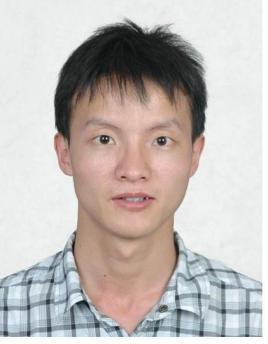 Delong Meng (孟德龙)合作论文数中南大学资源加工与生物工程学院生物工程系35
 Zhendong Yang合作论文数20
 Chengying Jiang (姜成英)合作论文数Institute of Microbiology, Chinese Academy of Sciences;University of Chinese Academy of Sciences17Liangzhi Li合作论文数16Yabing Gu合作论文数15
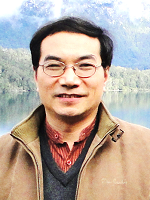 Xueduan Liu (刘学端)合作论文数School of Minerals Processing and Bioengineering, Central South University15Zhaoyue Yang合作论文数14Zhen Jiang合作论文数9Xiutong Li合作论文数8Huang Ye合作论文数8
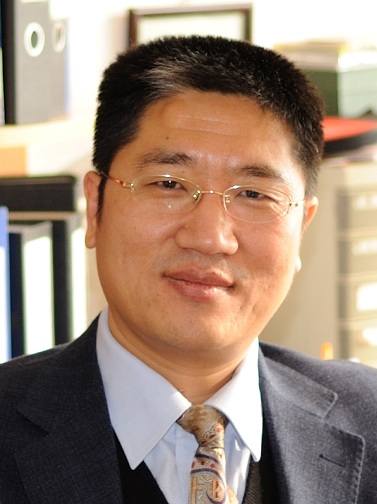 Shuangjiang Liu (刘双江)合作论文数Laboratory of Microbial Resources and Biotechnology, Institute of Microbiology, Chinese Academy of Sciences;State Key Laboratory of Microbial Diversity and Innovative Utilization, Institute of Microbiology, Chinese Academy of Sciences;University of Chinese Academy of Sciences;State Key Laboratory of Microbial Technology, Shandong University8Teng Zhang合作论文数6Zong-Lin Liang合作论文数6Tianbo Liu合作论文数6
 Lukasz Drewniak合作论文数5Min Zhang合作论文数5Xiao Nengwen合作论文数5
 Ling Xia (夏令)合作论文数School of Resources and Environmental Engineering, Wuhan University of Technology5
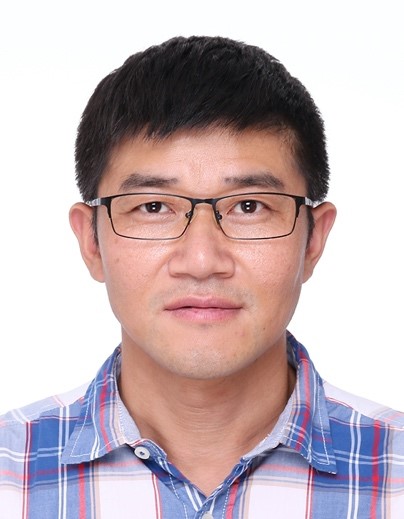 Jianjun Wang (王建军)合作论文数State Key Laboratory of Lake Science and Environment, Nanjing Institute of Geography and Limnology, Chinese Academy of Sciences;University of Chinese Academy of Sciences5Yazhi Zhan合作论文数4Lei Zhou合作论文数4Cheng Hu合作论文数4Yongjun Liu合作论文数4Nan Zhou合作论文数Chinese Acad Sci, Inst Microbiol, State Key Lab Microbial Resources, Beijing 100101, Peoples R China4Jiemeng Tao合作论文数4Jing Wang合作论文数3Jianqiang Fan合作论文数3WU SHAOLONG (伍绍龙)合作论文数3Chen Yiqiang合作论文数3Zhicheng Zhou合作论文数3Shuiping Zhong合作论文数3
 Junliang Zou合作论文数Beijing Res & Dev Ctr Grass & Environm, Beijing Acad Agr & Forestry Sci3
 Qingyun Yan (颜庆云)合作论文数Environmental Microbiomics Research Center, Sun Yat-sen University3
 Xing Li (李幸)合作论文数Institute of Zoology, Chinese Academy of Sciences3Yan Jia (贾炎)合作论文数3
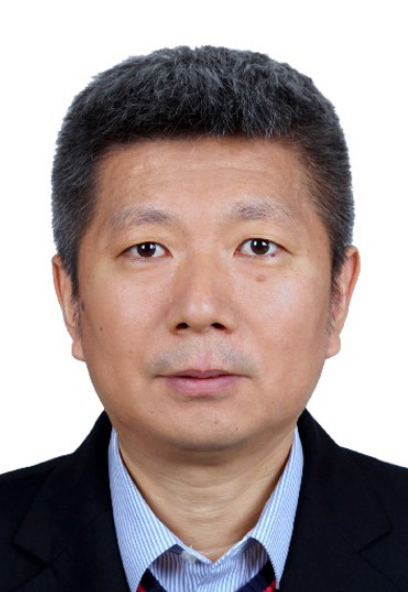 Junsheng Li (李俊生)合作论文数Aerospace Information Research Institute, Chinese Academy of Sciences;School of Electronic, Electrical and Communication Engineering, University of Chinese Academy of Sciences3Jing Xiong合作论文数3
 Sheng Yang (杨声)合作论文数School of Energy Science and Engineering, Central South University3Dildar Wu合作论文数2Hetian Zhang合作论文数2Kun Luo合作论文数2Pei Wang合作论文数2Qihong Wu合作论文数2Jin Huang合作论文数2Li Zeng合作论文数2Juan Li合作论文数2Chong Qin合作论文数2




