Background Patient-reported outcomes (PROs) are essential for assessing symptomatic adverse events (AEs) from a patient perspective, which significantly impact the quality of life and clinical outcomes in patients with glioma. However, no validated patient-reported outcome measures (PROMs) exist to quantify symptomatic AEs in adult-type diffuse gliomas. Methods The study was conducted in two parts. First, we developed a customised Patient-Reported Outcomes version of the Common Terminology Criteria for Adverse Events (PRO-CTCAE) scale for adult-type diffuse gliomas using the Simplified Chinese PRO-CTCAE® item library, informed by initial item screening, patient pilot testing, and a two-round Delphi survey. Delphi experts were recruited through the National Glioma Multidisciplinary Team (MDT) Alliance (NGMA) and invited by email in June 2022 (1st round) and August 2022 (2nd round). We subsequently conducted a multicentre, prospective, observational cohort study (VERONICA) at 13 glioma treatment centres in China between September 2022 and March 2025. Eligible participants were adults aged 18 years or older with a diagnosis of adult-type diffuse glioma, who were able to understand and complete the questionnaires; patients with severe cognitive impairment, severe language dysfunction, or other conditions precluding questionnaire completion were excluded. The primary outcome was the psychometric performance of the customised PRO-CTCAE scale, including test-retest reliability, convergent validity, known-groups validity, and responsiveness, evaluated longitudinally across repeated study visits. VERONICA is registered with ClinicalTrials.gov, NCT05486923. Findings For the Delphi survey, all seven invited experts from six centres participated in 1st round (response rate 100·0%), with moderate agreement in symptom rankings (Kendall's W = 0·415; p < 0·001). In 2nd round, 16 of 20 invited experts from 14 centres participated (response rate 80·0%), with consistent agreement in expert ratings (Kendall's W = 0·351; p < 0·001). The final version of the customised PRO-CTCAE scale comprised 53 items covering 31 symptoms, together with one open-ended free-text item. For VERONICA, 450 participants were enrolled across 13 glioma treatment centres. Mean age was 49·1 years (SD 12·8), and the mean Karnofsky Performance Status (KPS) at baseline (Visit 2) was 72·2 (SD 17·1). 424 provided data eligible for at least one prespecified psychometric analysis. Test-retest reliability was acceptable (intraclass correlation coefficient [ICC] ≥0·70 for 47 of 53 items). Convergent validity was supported by correlations in the expected direction with matched European Organisation for Research and Treatment of Cancer Quality of Life Questionnaire-Core 30 (EORTC QLQ-C30) domains, with predominantly moderate-to-strong associations (25 items with r ≥ 0·50). Known-groups validity was supported by discrimination between KPS <70 and ≥70 (Cohen's d ≥ 0·20 for 49 of 53 items; p < 0·05 for 43 of 49 items). In Global Impression of Change (GIC)-anchored responsiveness analyses, 37 items showed standardised response means (SRMs) ≥0·20 among participants reporting worsened overall status. Interpretation The customised PRO-CTCAE scale showed robust psychometric performance for adult-type diffuse gliomas. Remote, longitudinal administration supports low-burden quantification of patient-reported symptomatic AEs in clinical trials and routine neuro-oncology practice. Future work should assess implementation in routine care and clinical trials, and extend translation, cultural adaptation, and validation across different languages. Funding Beijing Medical Award Foundation; Shanghai Municipal Health Commission; Department of Science and Technology of Ningxia Hui Autonomous Region; Huashan Hospital, Fudan University (Clinical Research Project).
BACKGROUND:Emerging evidence has underscored non-cell-autonomous roles of mutant p53 in reshaping the composition and functional state of tumour immune microenvironment (TIME). However, the impact of p53 status on the clinical relevance and functional differentiation of CD8+ T cells remains poorly understood in urothelial carcinoma (UC). METHODS:Our study included 297 UC patients from two in-house cohorts and 871 UC patients from four public datasets to evaluate the impact of p53 status on the clinical implications of CD8+ T cells. Single-cell RNA sequencing, flow cytometry, immunohistochemistry, and bioinformatics analyses were performed to elucidate the role of p53 status in regulating CD8+ T cell polarisation and reshaping the TIME. RESULTS:High CD8+ T cell infiltration correlated with favourable prognosis and improved survival following chemotherapy and PD-(L)1 blockade exclusively in p53-WT UC, while its association with prognosis and therapeutic benefit was abrogated in p53-mutant UC. Moreover, p53-mutant UC exhibited predominant infiltration of TIM3+ exhausted CD8+ T cells, accompanied by increased Treg and M2 macrophage infiltration. CONCLUSIONS:The clinical significance and functional polarisation of CD8+ T cells in UC varied in a context-dependent manner according to p53 status. These findings provide novel insights to refine patient stratification and optimise personalised therapeutic strategies.
BACKGROUND:Ki-67 is routinely used in clinical practice to quantify proliferative activity, yet proliferation has not been incorporated into current molecular classification systems for urothelial carcinoma (UC). This work studies the tumor microenvironment (TME), therapeutic vulnerabilities, and clinical implications of the proliferative ecotype in UC. METHODS:The authors assembled a multi-cohort data set of 1431 UC patients from four institutional cohorts and five publicly available data sets with comprehensive clinicopathological annotations. Through an integrated multi-omics framework coupled with experimental validation, they assessed how proliferative status shape lineage differentiation, clinical outcomes, treatment response, and TME architecture. RESULTS:High Ki-67 expression identified a proliferative ecotype associated with markedly worse prognosis but enhanced sensitivity to platinum-based chemotherapy and PD-1/PD-L1 blockade. This ecotype displayed elevated tumor purity and tumor mutation burden, with characteristic genomic alterations including enrichment of TP53, ERCC2, and ATM/RB1/FANCC mutations and reduced 9p21.3 loss. The proliferative ecotype orchestrated an immune-enriched TME dominated by CD8+ T cells and B cells. Functional analyses revealed that CD8+ T cells preferentially differentiated toward an exhausted state, and mechanistic interrogation identified a GDF-15-TGFBR2 signaling axis through which epithelial cells modulate CD8+ T-cell dysfunction. CONCLUSIONS:This study identifies a proliferative ecotype of UC that is orthogonal to classical luminal/basal ecotypes. Despite its adverse prognosis, this ecotype confers superior responsiveness to chemotherapy and immunotherapy and features a distinct genomic and immune ecosystem. These findings position proliferative status as a clinically actionable axis that may refine molecular classification and guide precision therapy in UC.
The validity of mediation analysis critically depends on the assumption of no unmeasured confounding, which is typically evaluated through sensitivity analysis. However, existing sensitivity analysis methods for mediation analysis with survival outcomes often rely on the rare outcome assumption and neglect the relationship between exposure and unmeasured confounding. To address this challenge, we developed a sensitivity analysis approach to assess the robustness of mediation results. Specifically, it can assess sensitivity to both mediator-outcome confounding and confounding involving the exposure in observational studies. Our method innovatively generates a simulated unmeasured confounder from its conditional distribution, constructed through sensitivity parameters such as regression coefficients linking the outcome, mediator, and exposure to the unmeasured confounder. Then the sensitivity of mediation analysis can be evaluated by comparing the results before and after adjusting for the simulated unmeasured confounder. A three-dimensional visualization tool was developed to visualize the sensitivity of mediation analysis results. We validated our methodology on simulated datasets and further applied it to a real dataset from the China Health and Nutrition Survey (CHNS) to investigate the relationship between obesity and stroke mediated by hypertension. An R package "medsenssurv" has also been developed to facilitate implementation of our proposed method ( https://github.com/Guo-yi-y/medsenssurv).
Exposome studies involve analyzing numerous exposures with complex interactions and potential collinearity, presenting challenges for conventional statistical methods. While Bayesian kernel machine regression (BKMR) has emerged as a promising solution, its widespread adoption has been hindered by high computational costs and restricted interpretability. To address these critical limitations in large-scale exposome studies, we developed an advanced BKMR (A-BKMR) model. The Gaussian predictive process and matrix decomposition were used to reduce both processing time and memory requirements. Additionally, we employed the parametric g-formula to generate interpretable statistics, including joint and univariate effects as well as bivariate and multivariate interactions. Across various scenarios with different sample sizes and numbers of exposures, A-BKMR demonstrated both high computational efficiency and model performance. Previously, analyzing datasets with sample sizes of 100,000 was unfeasible for traditional BKMR. The current A-BKMR can complete such analyses in 1 h on a personal computer, making it over 700,000 times faster than conventional BKMR implementations. Additionally, A-BKMR can accurately identify important exposure while preserving an area under the curve (AUC) > 0.99 and an R-2 > 0.97 across scenarios with varying sample sizes and numbers of exposures. Furthermore, A-BKMR introduces novel quantitative metrics for effect estimates and interaction analyses, substantially enhancing interpretability. These advancements establish A-BKMR as an excellent statistical framework for future large-scale exposome studies.
The exposome, defined as the totality of external exposures individuals experience throughout the lifespan and the internal biological responses they trigger, is increasingly recognized as a major, modifiable determinant of health. The eye is uniquely vulnerable to exposome risk factors because it comprises an external interface directly exposed to the environment, a transparent lens highly sensitive to cumulative oxidative injury, and metabolically active retina prone to inflammation and vascular dysregulation. Research linking ocular diseases to air pollution, climate and weather factors, heavy metals, persistent organic pollutants, and emerging threats such as micro-/nanoplastics has expanded rapidly, yet the evidence remains fragmented and lacks systematic integration. In this review, we propose an anatomy-informed ocular exposome atlas along the visual axis to comprehensively evaluate evidence from clinical studies, pathological mechanisms, and intervention strategies across major disease groups-including ocular surface diseases, cataract, refractive errors, glaucoma, and retinal diseases. We further integrate cross-disease mechanistic pathways (oxidative stress, cellular responses, inflammation, immune reactions) and discuss causality. Finally, we identify priority research directions and provide actionable recommendations for prevention and policy.
While ambient fine particulate matter (PM2.5) is linked to obstructive sleep apnea (OSA), the specific roles of its chemical constituents have never been investigated. Using a nationwide smart device-based cohort encompassing 6,395,382 person-days of sleep monitoring from 53,297 adults at moderate-to-severe OSA risk across 313 Chinese cities, we conducted a case time series study to evaluate short-term associations between daily concentrations of PM₂.₅ constituents (organic matter, black carbon, nitrate, sulfate, and ammonium) and OSA exacerbation, apnea–hypopnea index (AHI), and oxygen saturation. All five constituents were significantly associated with adverse OSA outcomes, with organic matter and black carbon exerting the strongest effects. Each interquartile range increase in organic matter (lag 0–1 days) was associated with a 1.92% increase in OSA exacerbation risk (95% CI: 1.56–2.28), a 0.08 events/h increase in AHI (95% CI: 0.06–0.09), and a 0.008% decrease in oxygen saturation (95% CI: 0.007–0.008). Black carbon demonstrated comparably strong adverse effects across all outcomes. The remaining constituents showed weaker but directionally consistent associations, with effect estimates ranging from 1.41% to 1.45% for OSA exacerbation, around 0.06 events/h for AHI, and 0.005–0.006% for oxygen saturation. These findings provide the first evidence that specific PM2.5 constituents contribute differentially to OSA severity, underscoring the importance of targeting carbonaceous particles in air quality management.
BackgroundHybrid clinical trial design integrates traditional randomized controlled trials (RCTs) with real-world data (RWD), aiming to enhance trial efficiency through dynamic incorporation of external data (External trial data and RWD). However, existing methods, such as the Meta-Analytic Predictive (MAP) Prior, exhibit serious limitations in controlling data heterogeneity, adjusting baseline discrepancies, and optimizing dynamic borrowing proportions. These limitations often introduce external bias or compromise evidence reliability, hindering their application in complex analyses like bridging trials and multi-regional clinical trials (MRCTs).ObjectiveThis study proposes a novel hybrid Bayesian framework, EQPS Robust MAP (rMAP), to address heterogeneity and bias in multi-source data integration. Its feasibility and robustness are validated through systematic simulations and retrospective case analyses, using two independent datasets to evaluate the effect of Risankizumab in patients with moderate-to-severe plaque psoriasis.Design and MethodsThe EQPS-rMAP method operates in three stages: (1) Eliminating baseline covariate discrepancies through propensity score stratification; (2) constructing stratum-specific MAP priors to dynamically adjust weights for external data; and (3) introducing equivalence probability weights to quantify data conflict risks. The study evaluates the method's performance across six simulated analyses (heterogeneity differences, baseline shifts, etc.), comparing it with traditional methods (MAP, PSMAP, Empirical Bayes MAP) in terms of estimation bias, type I error control, and sample size requirements. Real-world case analyses further validate its applicability.ResultsSimulations demonstrate that EQPS-rMAP maintains estimation robustness under considerable heterogeneity while reducing sample size demands and enhancing trial efficiency. Case analyses confirm its ability to control external bias while preserving high estimation accuracy compared to conventional approaches.ConclusionThe EQPS-rMAP method provides empirical evidence for the feasibility of hybrid clinical designs. Its methodological advancements-resolving baseline and heterogeneity conflicts through adaptive mechanisms-offer broader applicability for integrating external and RWD across diverse analyses, including bridging trials, MRCTs, and post-marketing studies.
Background Urothelial carcinoma (UC) exhibits extensive infiltration of tumor-associated macrophages (TAMs). As the most frequently altered gene in UC, TP53 is recognized not only as a guardian of genomic integrity, but also as a potential architect of the tumor immune microenvironment (TIME). However, how aberrant p53 status, comprising TP53 mutation (TP53(Mut)) and p53 abnormal expression (p53(Abn)), correlates with TAM phenotypic and functional heterogeneity and their reciprocal interactions within the TIME landscape remains incompletely defined. Methods This study integrated single-cell RNA sequencing, immunohistochemistry, and flow cytometry to delineate TAM phenotypes and map distinct immune landscapes stratified by p53 status. Clinical relevance was assessed in a multicohort dataset of 962 patients with UC with comprehensive clinicopathological annotations. Results Single-cell profiling revealed distinct TAM subsets closely linked to p53 status. Interferon-primed TAMs, marked by CXCL9, CXCL10, CXCL11 and IDO1, predominated in p53 wild-type (p53(WT)) tumors, whereas immune regulatory TAMs (Reg-TAMs), marked by SPP1, MARCO, SLC2A1 and INHBA, were enriched in p53(Abn) tumors. This divergent distribution highlighted a profound, p53-associated TAM heterogeneity. Clinically, high TAMs infiltration was consistently associated with worse overall survival predominantly in p53(Abn) or TP53(Mut)patients across three independent cohorts (Zhongshan Hospital, Fudan University Shanghai Cancer Center and The Cancer Genome Atlas). Furthermore, high TAMs infiltration correlated with poorer responses to both platinum-based chemotherapy and anti-programmed cell death-ligand 1 immunotherapy specifically in the p53(Abn) or TP53(Mut) subgroup. Notably, aberrant p53 status was strongly coupled with a distinct metabolic reprogramming in TAMs, favoring lipid catabolism and immunoregulatory polarization. Trajectory analysis revealed a skewed differentiation axis in p53(Abn) tumors toward terminally differentiated Reg-TAMs. Immunohistochemistry and flow cytometry validated increased immunosuppressive TAM subsets in p53(Abn) UC. Additionally, p53(Abn) tumors exhibited an altered CD4(+) T-cell landscape, enriched for suppressive subsets (regulatory, exhausted, and metallothionein-expressing T cells) coexisting with Reg-TAMs, potentially associated with immune suppression via the predicted SPP1-CD44 axis. Conclusions In UC, aberrant p53 status correlates with a remodeled TIME, characterized by metabolically reprogrammed, immunosuppressive TAMs. These TAMs co-evolve with suppressive CD4(+) T cells, suggesting a coordinated immunosuppressive network potentially involving SPP1-CD44 signaling. Together, this specific genotype-phenotype coupling delineates a profoundly immunosuppressive ecosystem that likely impedes immune clearance and limits therapeutic efficacy.
BACKGROUND: The MYC proto-oncogene is frequently overexpressed (OE) and orchestrates key programs in urothelial carcinoma (UC). However, its impact on clinical outcomes, biological behaviors, and tumor microenvironment (TME) in UC patients remains unclear. METHODS: This study included 250 UC patients with matched clinical annotations from two in-house cohorts (ZSHS and FUSCC cohorts). The MYC status was determined by immunohistochemical analysis and targeted sequencing. We investigated the associations between MYC status and clinical outcomes, tumor biological behaviors, and TME features. Additionally, 1603 UC patients from three external datasets were used for validations. RESULTS: MYC OE was detected in 25.2% of UC patients, and was associated with advanced tumor stage, higher histological grade, and the presence of lymphovascular invasion in the ZSHS cohort. Patients with MYC OE or MYC amplification delineated the worst prognosis and exhibited resistance to platinum-based chemotherapy and PD-(L)1 blockade, independent of classical basal/luminal status. Mechanistically, MYC-OE UC displayed a hybrid/partial EMT phenotype characterized by high-grade tumor budding. This unique cellular state co-occurs with TGFB1-related fibrogenesis and immunosuppression. CONCLUSIONS: MYC OE defines a lethal subtype with aggressive behaviors and therapeutic resistance in UC patients. Our findings highlight the need for tailored therapeutic strategies for this refractory subtype of UC.
Objective:This study aimed to investigate the association between exposure to mixtures of environmental endocrine-disrupting chemicals (EDCs) and metabolic dysfunction-associated steatotic liver disease (MASLD) and to assess the potential mediating role of iron metabolism. Methods:A total of 6,989 adults from the China Health and Nutrition Survey (2015 cycle) were included. The serum concentrations of 22 EDCs were measured. Logistic regression, weighted quantile sum (WQS) regression, and Bayesian kernel machine regression (BKMR) models were used to evaluate the association between EDC exposure and risk of MASLD. Mediation analyses were performed to assess the mediating role of serum ferritin (SF). Results:Eight EDCs were positively associated with MASLD. The WQS regression model identified six major contributors, including β-hexachlorocyclohexane, p,p'-DDT, monoethyl phthalate, acenaphthene, perfluorooctanoic acid, and perfluoro-n-pentanoic acid, in mixture effects. The BKMR model demonstrated that higher levels of EDC mixture were associated with an increased risk of MASLD. Subgroup analyses suggested stronger correlations in males and in individuals aged < 65 years. SF was estimated to mediate 11.2%-32.1% of the association between key EDCs and MASLD. Conclusion:Exposure to EDC mixtures was associated with an increased risk of MASLD, with iron metabolism playing a notable mediating role. Reducing the exposure to key EDCs may help alleviate the burden of MASLD.
PURPOSE:ARID1A, encoding a component of the switch/sucrose nonfermentable complex, is frequently mutated in urothelial carcinoma. However, its specific impacts on clinical outcomes and CD8+ T-cell functions in urothelial carcinoma remain poorly understood. EXPERIMENTAL DESIGN:The clinical relevance of ARID1A loss and CD8+ T-cell infiltration was evaluated in three cohorts [Zhongshan Hospital, Fudan University (ZSHS), n = 135; Fudan University Shanghai Cancer Center (FUSCC), n = 118; and IMvigor210, n = 274]. Immune microenvironment profiling was performed via IHC in the ZSHS cohort and transcriptomics in the IMvigor210 cohort. The Shanghai-sequencing cohort (n = 134) provided genomic characterization of ARID1A-loss patients. RESULTS:ARID1A loss did not affect overall survival and CD8+ T-cell infiltration in both ZSHS and FUSCC cohorts. Only in ARID1A-loss urothelial carcinoma, high infiltration of CD8+ T cells yielded favorable outcomes (ZSHS cohort, log-rank P = 0.010; FUSCC cohort, log-rank P = 0.015). Moreover, ARID1Aloss CD8high patients displayed improved survival following adjuvant chemotherapy (log-rank P = 0.015) and PD-1/PD-L1 blockade (log-rank P = 0.020). In ARID1A-loss urothelial carcinoma, the enhanced antitumor function of CD8+ T cells might be affected by tertiary lymphoid structures. Furthermore, ARID1Aloss CD8high patients exhibited an antitumor immune contexture characterized by decreased immune-suppressive cells such as DC-SIGN+ tumor-associated macrophages, PDPN+ cells, and TGF-β+ cells, as well as lower expression of checkpoints such as B7-H3 and B7-H4. CONCLUSIONS:The combination of ARID1A loss plus CD8+ T-cell infiltration indicated a favorable prognosis and responsiveness to both chemotherapy and immunotherapy. These findings provide valuable insights for developing novel therapeutic strategies and improving treatment stratification for urothelial carcinoma.
BackgroundThe E3 ubiquitin ligase murine double minute 2 (MDM2) binds the p53 transcriptional activation domain and acts as a potent inhibitor ofTP53pathway, one of the three most crucial oncogenic pathways in urothelial carcinoma (UC). However, the clinical significance and impact on tumor immune contexture ofMDM2amplification in UC remain unclear.MethodsThis study analyzed 240 patients with UC with matched clinical annotations from two local cohorts (ZSHS cohort and FUSCC cohort). We assessed the correlation betweenMDM2status and clinical outcomes, therapeutic efficacy, and immunological characteristics by immunohistochemical analysis and targeted sequencing. Additionally, 2264 UC samples from five independent external cohorts, with genomic, transcriptomic, and clinical data, were used for validation.ResultsMDM2amplification (MDM2Amp) or protein overexpression (MDM2OE) was associated with inferior overall survival (ZSHS cohort, Log-rank p<0.001; FUSCC cohort, Log-rank p=0.030) and reduced response to platinum-based chemotherapy (ZSHS cohort, Log-rank p<0.001) as well as anti-PD-1/PD-L1 immunotherapy (FUSCC cohort, Log-rank p=0.016) in patients with UC, irrespective ofTP53/p53 status.MDM2amplification or overexpression was further linked to high-grade UC tumors with dedifferentiated morphology. In addition, UC withMDM2amplification or overexpression was associated with an immuno-evasive contexture characterized by lower proportion of tertiary lymphoid structure infiltration, lower abundance of CD8+T cells, IFN-γ+cells, GZMB+cells, and decreased expression of immune checkpoint molecules including programmed death-ligand 1 (PD-L1), programmed death-1 (PD-1) and cytotoxic T-lymphocyte-associated protein 4 (CTLA-4).ConclusionsMDM2amplification or overexpression defines a lethal subset of patients with UC with inferior prognosis and resistance to both platinum-based chemotherapy and immunotherapy irrespective ofTP53/p53 status. These tumors are characterized by dedifferentiated morphology and an immunosuppressive microenvironment. Accurate assessment ofMDM2status can improve risk stratification and enable personalized genomics-guided treatment for patients with UC.
Background: Colorectal cancer (CRC) remains one of the leading causes of cancer-related mortality worldwide, with growing evidence linking risk to lifestyle and dietary factors. However, nutrition-related exposures have rarely been integrated into existing CRC risk prediction models. This study aimed to develop and validate a lifestyle-based 10-year CRC risk prediction model using longitudinal data from a large-scale population-based screening cohort to facilitate early risk stratification and personalized screening strategies. Methods: Data were obtained from 21,358 individuals participating in a CRC screening program in Shanghai, China, with over 10 years of active follow-up until 30 June 2021. Of these participants, 16,782 aged ≥40 years were used for model development, and 4576 for external validation. Predictors were selected using random survival forest (RSF) and elastic net methods, and the final model was developed using Cox regression. Machine learning approaches (RSF and XGBoost) were additionally applied for performance comparison. Model performance was evaluated through discrimination, calibration, and decision curve analysis (DCA). Results: The final model incorporated twelve predictors: age, gender, family history of CRC, diabetes, fecal immunochemical test (FIT) results, and seven lifestyle-related factors (smoking, alcohol use, body shape, red meat intake, fried food intake, pickled food intake, and fruit and vegetable intake). Compared to the baseline demographic-only model (C-index = 0.622; 95% CI: 0.589-0.657), the addition of FIT improved discrimination, and further inclusion of dietary and lifestyle variables significantly enhanced the model's predictive accuracy (C-index = 0.718; 95% CI: 0.682-0.762; ΔC-index = 0.096, p = 0.003). Conclusions: Incorporating dietary and lifestyle variables improved CRC risk stratification. These findings highlight the value of dietary factors in informing personalized screening decisions and providing an evidence-based foundation for targeted preventive interventions.
To investigate the analysis of peripheral lymph node metastasis prediction model construction for patients with colorectal cancer based on enhanced CT texture features. In this study, the clinical data of 200 colorectal cancer patients admitted to our hospital from January 2019 to October 2024 were collected, which were divided into a training set (n = 140) and a validation set (n = 60) according to a 7:3 ratio. The training set was used to construct the prediction model and the validation set was used to evaluate the model performance. Independent influencing factors of peripheral lymph node metastasis in colorectal cancer patients were screened by single-factor and multifactor logistic regression analyses, and the prediction model was finally constructed and analysed for its predictive effect using ROC curves and decision curves. In the training and validation sets, compared with those without lymph node metastasis, colorectal cancer patients with lymph node metastasis had a higher percentage of those whose tumour infiltration depth was submucosal and those whose tumour differentiation was poorly differentiated, and the skewness, kurtosis, and entropy values of their CT texture features were also significantly higher than those without lymph node metastasis (P < 0.05). Multifactorial logistic regression analysis showed that the depth of tumour infiltration was higher for submucosal layer (OR = 3.367, 95
Background Normalized creatinine-to-cystatin C ratio (NCCR) was reported to approximate relative skeletal muscle mass and diabetes risk. However, the association between NCCR and cardiometabolic multimorbidity (CMM) remains elusive. This study aimed to explore their relationship in a large-scale prospective cohort. Methods This study included 5,849 middle-age and older participants from the China Health and Retirement Longitudinal Study (CHARLS) enrolled between 2011 and 2012. The baseline NCCR was determined as creatinine (mg/dL)/cystatin C (mg/L)×10/body mass (kg). CMM was defined as the simultaneous occurrence of two or more of the following conditions: heart disease, stroke, and type 2 diabetes mellitus. Logistic regression analysis and Cox regression analysis were employed to estimate the relationship between NCCR and CMM. The joint effect of body mass index and NCCR on the risk of CMM were further analyzed. Results During a median 4-year follow-up, 227 (3.9%) participants developed CMM. The risk of CMM was significantly decreased with per standard deviation increase of NCCR (odds ratio, 0.72; 95% confidence interval, 0.62 to 0.85) after adjustment for confounders (P<0.001). Further sex-specific analysis found significant negative associations between NCCR and CMM in female either without or with one CMM component at baseline, which was attenuated in males but remained statistically significant among those with one basal CMM component. Notably, non-obese individuals with high NCCR levels had the lowest CMM risk compared to obese counterparts with low NCCR levels in both genders. Conclusion High NCCR was independently associated with reduced risk of CMM in middle-aged and older adults in China, particularly females.
The effects of perfluoroalkyl and polyfluoroalkyl substances (PFAS) on kidney function across physiological conditions remain inconclusive, and previous research has not assessed the potential mediating effect of iron status. We aimed to examine the relationships between PFAS exposure and kidney function in various demographic groups, as well as to evaluate the potential mediating role of iron status. This study included 7369 Chinese adults aged 18 years or older from the China Health and Nutrition Survey (CHNS). Estimated glomerular filtration rate (eGFR) levels were used to reflect the efficiency of kidney function. Generalized linear models and weighted quantile sum regression models indicated negative associations between PFAS and eGFR levels, with PFNA and PFHxS emerging as the dominant contributors. Subgroup analysis revealed that the adverse effects of PFAS on eGFR levels were more pronounced in the males, young and middle age, non-hypertension, and non-diabetes subgroups. Further mediation analyses demonstrated that iron status (ferritin, transferrin, and hemoglobin) partially mediated these associations, with mediation proportions ranging from 8.89 % to 60.84 %. Our study established PFNA and PFHxS as critical nephrotoxic PFAS in China while pioneering the identification of iron status as a novel mechanistic mediator between PFAS exposure and kidney dysfunction, advancing mechanistic understanding of environmental nephrotoxicity.
Pituitary surgical intervention remains the preferred treatment for Cushing’s disease (CD) while postoperative venous thromboembolism (VTE) is a significant risk. Whether to prescribe pharmacological thromboprophylaxis presents a clinical dilemma, balancing the benefit of reducing VTE risk with the potential for increasing hemorrhagic events in these patients. Currently, strong evidence and established protocols for routine pharmacological thromboprophylaxis in this population are lacking. Therefore, a randomized, controlled trial is warranted to determine the efficacy and safety of combined pharmacological and mechanical thromboprophylaxis in reducing postoperative VTE risk in patients with CD. This investigator-initiated, multi-center, prospective, randomized, open-label trial with blinded outcome assessment aims to evaluate the efficacy and safety of combined pharmacological and mechanical thromboprophylaxis compared to mechanical thromboprophylaxis alone in postoperative patients with CD. A total of 206 patients diagnosed with CD who will be undergoing transsphenoidal surgery will be randomized in a 1:1 ratio to receive either combined pharmacological and mechanical thromboprophylaxis (intervention) or mechanical thromboprophylaxis only (control). The primary outcome is the risk of VTE within 12 weeks following surgery. This trial represents a significant milestone in evaluating the efficacy of combined pharmacological and mechanical prophylaxis in reducing VTE events in postoperative CD patients. ClinicalTrials.gov Identifier: NCT04486859, first registered on 22 July 2020.
ObjectiveThis study aimed to investigate the association of whole body/regional fat mass (FM) with cardiometabolic disease (CMD) trajectory.MethodsWe conducted a prospective analysis using the UK Biobank. The FM index (FMI), a surrogate for whole body FM, and regional FM (i.e., arm, leg, and trunk) were examined as exposures. A nonlinear multistate framework was used to evaluate the association between whole/regional FM and CMD trajectory.ResultsAmong the 423,966 participants (mean age 56.1 [SD 8.10] years, 43.9% men) with a median follow-up of 13.5 years, varied associations were identified between whole/regional FM and transitions in the CMD trajectory. Upper body FM (i.e., arm and trunk) exhibited significant positive J-shaped associations in the transitions from first CMD (FCMD) or cardiometabolic multimorbidity to death; however, FMI and leg FM demonstrated L-shaped associations. Leg FM played a beneficial role in the transition from FCMD to death, with a hazard ratio of 0.950 (95% CI: 0.931-0.968) per 1 kg.ConclusionsBody fat composition and distribution revealed various associations with CMD trajectory, highlighting their clinical importance. Upper body FM among those participants with FCMD or cardiometabolic multimorbidity demonstrated positive J-shaped associations toward death, providing no evidence of the "obesity paradox."
 Jia Huixun合作论文数26
 Beom Seok Ko合作论文数18
 Byung Ho Son合作论文数Department of Surgery, Asan Medical Center, University of Ulsan14
 Gyung-yub Gong合作论文数Department of Pathology, Asan Medical Center;Breast Cancer Center, Asan Medical Center14Jisun Kim合作论文数13
 Chung Il Yong合作论文数College of Medicine, Seoul National University13Hee Jeong Kim合作论文数College of Medicine, University of Ulsan13
 Renjie Chen (陈仁杰)合作论文数School of Public Health, Fudan University13
 Xiaodong Sun (孙晓东)合作论文数Shanghai General Hospital12
 Sei Hyun Ahn合作论文数12
 Hak Hee Kim合作论文数Departments of Radiology and Research Institute of Radiology, University of Ulsan12
 Guoyou Qin (秦国友)合作论文数Department of Biostatistics, School of Public Health, Fudan University12Eom Jin Sup合作论文数11
 Sung-Bae Kim合作论文数11
 Won-Jong Lee合作论文数Intel Corporation11
 Xueying Zheng (郑雪莹)合作论文数School of Public Health, Fudan University10
 Sae Byul Lee合作论文数8Chang Su (苏畅)合作论文数8
 Tao Zhang (张涛)合作论文数School of Public Health, Shandong University7
 Weijuan Zhang (张伟娟)合作论文数Department of Immunology, School of Basic Medical Sciences, Fudan University6Huihuan Luo合作论文数6
 Jiejie Xu (徐洁杰)合作论文数School of Basic Medical Sciences, Fudan University6Xu Le合作论文数6Chang Yuan合作论文数6Liu Hailong合作论文数6
 Xia Meng (孟夏)合作论文数School of Public Health, Fudan University6
 Hyun Ho Han合作论文数6Saebyeol Lee合作论文数5Jie Zeng合作论文数5Zhang Zhe合作论文数5Weiwei Zhao合作论文数5Liu Minghui合作论文数5Chen Menglei合作论文数5Gu Xiaoli合作论文数5
 Namkug Kim合作论文数University of Ulsan College of Medicine;Asan Medical Center5Yu Zhu (祝宇)合作论文数上海第二医科大学附属瑞金医院门诊泌外5
 Chengwen Wu (吳誠文)合作论文数Department of Electrical Engineering, National Tsing Hua University5Guanran Zhang合作论文数4Weiting Hu合作论文数4Han Zeng合作论文数4
 Peng Wang (王鹏)合作论文数Fudan University Shanghai Cancer Center4
 Kang Li (李康)合作论文数Department of Medical Statistics,Harbin Medical University4
 Naiqing Zhao (赵耐青)合作论文数School of Public Health, Fudan University4Sei-Hyun Ahn合作论文数3Kexin Yu合作论文数3Hui Ma合作论文数3Yanlin Qu合作论文数3Qiang Zhang合作论文数3
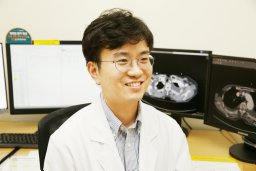 Jae Ho Jeong合作论文数Asan Medical Center, University of Ulsan College of Medicine3




