In this study, the reaction scopes of [4+2+1] cycloaddition between ene-allenes (from acyloxy-enynes) with alkynes/allenes/alkenes and CO have been studied, revealing that reaching 5/7 skeletons by these reactions can be realized with high confidence. To reach 6/7 skeletons, the C2 components can only be alkynes and allenes. High diastereo-selectivities can be achieved for the [4+2+1] reactions for substrates with a substituent in their tethers. Ene-allenes can also be used directly as the C4 synthons in the [4+2+1] reactions.
4π-electrocyclization of dienes (4π system) to cyclobutenes and 1,3-sigmatropic rearrangement of vinylcyclopropanes (VCPs; 2π + 2σ system) to cyclopentenes are classical reactions in synthesis. Similarly, can biscyclopropanes (2σ + 2σ system) undergo 4σ-ring expansion to give cyclohexenes? Except in special cases, this reaction has not been realized. We proposed using a vinyl group to facilitate C–C cleavage in biscyclopropanes so that the resulting new substrates, vinyl biscyclopropanes (VBCPs), could achieve 4σ-ring expansion. Reported here is the realization of this design using a cost-effective Ni catalyst. Substrates of VBCPs can be converted into 5/6- or 6/6-fused bicyclic products with bridgehead quaternary substituents. This reaction has high diastereoselectivity: cis-VBCPs afford trans-bicyclic products, whereas trans-VBCPs deliver cis-bicyclic products. Density functional theory (DFT) calculations revealed that the present 4σ-ring expansion reaction occurs consecutively through oxidative addition, β carbon elimination, and reductive elimination. The key steps that determine the reaction’s relative configuration have been identified and analyzed.
Strained arynes are highly reactive, transient, and neutral intermediates. Stereoselective manipulation of these species in asymmetric catalysis remains a significant challenge. In this study, we reported a new catalytic copper(I) complexation induced asymmetric addition mode on paracyclophyne intermediate. The direct addition of carboxylates to paracyclophynes is a fast, strain-releasing reaction that typically leads to racemic products. Upon the introduction of a catalytic amount of a chiral copper(I) complex, an unprecedented stereoconvergent hydroacyloxylation reaction was developed, affording planar chiral [2.2]paracyclophane esters in high yields with excellent enantioselectivity. The resulting addition products can be readily transformed into a variety of functionalized hydroxyl-[2.2]paracyclophanes via Fries rearrangement or Friedel-Crafts reactions. These are valuable synthetic building blocks for the construction of functionalized planar chiral [2.2]paracyclophane (PCP) derivatives, which currently rely heavily on preparative HPLC or classical chemical/kinetic resolution methods. Control experiments and DFT calculations reveal that copper(I) complexation stabilizes the reactive aryne intermediate and promotes the subsequent asymmetric nucleophilic addition via a six-membered ring transition state.
Transition metal-catalyzed enantioselective intramolecular [2 + 2] cycloadditions are less explored and have long failed to access 5/4-fused rings with bridgehead quaternary stereocenters—ubiquitous in complex natural products and pharmaceuticals—because the dominant exo-oxidative cyclometalation (exo-OCM) pathway is geometrically incompatible with these strained frameworks. We show that endo-OCM of type II diene-allene substrates circumvents this fundamental limitation. This strategy enables the first endo-[2 + 2] cycloaddition, providing asymmetric access to 5/4-fused skeletons bearing a bridgehead quaternary stereocenter using a rhodium/chiral phosphine catalyst. This work establishes a general platform for synthesizing previously inaccessible strained bicyclic motifs via enantioselective transition metal catalysis.
Cycloolefin is a privileged motif with significant implications across multiple disciplines. While cycloolefination represents the most unified disconnection strategy, the corresponding approaches are notably scarce. Here we report a hydrazine-mediated carbonyl-alkyne reductive olefination (CARO), offering a minimalist approach to structurally complex cycloolefins. This CARO protocol is also applicable to carbonyl-allene and lactol-alkyne analogues. Experimental studies and DFT calculations suggest that the CARO follows a domino mechanism involving carbonyl-hydrazine condensation, ene reaction of free hydrazone, and denitrogenative retro-ene reaction. Its synthetic potential is demonstrated by the facile preparation of several medicinally important molecules, deuterated compounds and valuable chirons. This study provides a fundamentally distinct, operationally simple and cost-effective strategy for accessing complex architectures, appealing to both organic and medicinal chemists.
The [3.3.3]propellane scaffold, present in various natural products, is a three-dimensional structure of interest in synthetic chemistry. Traditionally, these compounds are synthesized through a ring-by-ring strategy that is tedious (long steps of synthesis) and challenging (building two adjacent bridgehead quaternary centers of the target motifs is a formidable task). Herein, we report a nickel-catalyzed one-step, three-ring propellanation reaction that constructs the [3.3.3] propellane core from linear yne-vinylcyclobutanones. This method employs Ni(COD)2 and P(Ad)3 as the catalytic system and exhibits a broad substrate scope. The utility of this reaction has been further demonstrated through the formal synthesis of modhephene, a natural product featuring a [3.3.3] propellane skeleton. This propellanation reaction can be envisioned as biscarbene insertion of alkyne into the C-C bond in cyclobutanone and the C-H of the vinyl group in the substrates, but it actually takes place through oxidative cyclometalation of the alkyne and carbonyl group, Cope rearrangement, β-hydrogen elimination, trienolate cyclization, and reductive elimination, supported by DFT calculations and a deuterium labeling experiment. The detailed ligand exchange reaction (reaction initiation process) from Ni(COD)2 to the Ni complex coordinated by the phosphine ligand and substrate, has also been studied computationally. How the tether group in the substrates affects the propellanation reaction and the side rearrangement reaction of vinylcyclobutanones to cyclohexenones has been analyzed, finding that electron-withdrawing tethers such as NTs and O favor the propellanation reaction, while the electron-neutral tether such as CH2 and NBn tether, which is less electron-withdrawing compared to NTs, reduce this preference.
Rh catalyzed gem-difluorovinylcyclopropane (DF-VCP) rearrangement (which can also be named 1,3-sigma migratory ring expansion) has been developed to synthesize 2-cyclopentenones with high efficiency and a wide substrate scope. In this reaction, water as the oxygen source was used to convert the CF2 group of the substrates to a carbonyl group in the final products. Utility of the DF-VCP rearrangement to the total synthesis of (+/-)-15-nor-pentalenene, an advanced model of branched triquinane natural products, has also been achieved, further demonstrating the practice of the present reaction to build triquinane skeleton from highly substituted DF-VCPs. Of the same importance, the mechanism of this rearrangement has been investigated by conducting experiments and DFT calculations, showing that gem-difluoro ene as a ketene surrogate works here (changing CF2 group to C=O group in the catalytic cycle) to realize otherwise difficult reductive elimination of forming a C(sp(3))-C(sp(3)) bond. This strategy could be applied to design further reactions in the future.
Under Rh catalysis, ene-vinylcyclopropanes (ene-VCPs) can give (5 + 2) products or (5 + 2 + 1) products when CO is present. How about replacing the C2 synthon of the alkene in ene-VCPs with a carbonyl group? Can the resulting substrates, keto-vinylcyclopropanes (keto-VCPs), undergo either a keto-(5 + 2) or keto-(5 + 2 + 1) reaction in the presence of CO? Experimentally, the keto-(5 + 2) reaction failed, while the latter reaction succeeded, but via a keto-(5 + 1 + 2) reaction pathway, which has broad scope and can be applied to synthesize challenging eight-membered lactones. Quantum chemical calculations revealed that the keto-(5 + 1 + 2) reaction begins with VCP opening (an uphill process) followed by a rate-determining CO insertion (a downhill process), generating an allylic Rh species in a nearly thermodynamically neutral process. Then, an unexpected metallo-ene reaction of the allylic Rh species toward the carbonyl group occurs, followed by reductive elimination to furnish the final (5 + 1 + 2) cycloadducts. In contrast, if the keto-(5 + 2) reaction were to occur , it would need to overcome two uphill processes: the VCP opening (producing allylic Rh species) in an endergonic way (by 17 kcal/mol), and the metallo-ene reaction of the η1-allylic Rh species with the carbonyl group (the rate-determining step), with an overall activation free energy of 36.4 kcal/mol. Direct C═O insertion into the Rh-C bond is very difficult and cannot happen due to the strong π bond of the keto group compared to the π bond of the alkene. These kinetic and thermodynamic insights are useful for guiding the future design of transition metal-catalyzed reactions using ketones as two-atom synthons, which have been explored only to a limited extent so far.
Rh-catalyzed cycloisomerization of 1,7-allenenes has been developed in the literature to synthesize seven-membered rings, but the mechanism of this reaction has not been elucidated, even though a tentative one has been proposed. We applied DFT calculations to dispute the previous mechanism and proposed a novel one supported computationally: the cycloisomerization reaction actually starts with rarely hypothesized endo-oxidative cyclometalation of allene and alkene (metal is in a bridged position of the formed ring skeleton), followed by β-H elimination and reductive elimination. This new mechanism can also explain the overlooked side reaction of [2 + 2] cycloaddition and inspired us to develop a [2 + 1 + 2] reaction of 1,7-allenenes and CO, which starts from oxidative tetraatomic cyclometalation of allene, CO, and Rh, followed by endo-alkene insertion and transannular reductive elimination. This new carbonylation reaction usually generates a cis-5/5 skeleton. But for 1,7-allenenes with substituted alkenes, the [2 + 1 + 2] reaction can deliver a highly strained and challenging trans-5/5 skeleton, which so far can be accessed by only limited reactions. DFT understanding of the stereochemistry and mechanisms showed that oxidative tetraatomic cyclometalation adopted in this carbonylation reaction is key to building the trans-5/5 skeleton, which allows alkene insertion to form a trans-5/6 bicyclic metalacycle and afford the final trans-5/5 structure via reductive elimination. The present reaction synthesizing both cis- and trans-5/5 skeletons represents a significant advance for Pauson-Khand-type reactions. The proposed endo-oxidative cyclometalation pathway and the reason for choosing this in the present reaction will enrich the textbook of organometallics.
Developing methods to synthesize various bioisosteres mimicking substituted benzene rings is revolutionizing drug discovery. Many bioisosteres such as bicyclo[1.1.1]pentanes (BCPs) and bicyclo[2.1.1]hexanes (BCHs) have been developed, but methods to synthesize these bioisosteres are limited. We proposed a skeletal editing strategy converting newly designed BCP derivatives, vinyl bicyclo[1.1.1]pentanes (vinyl BCPs) into vinyl bicyclo[2.1.1]hexanones (vinyl BCHones) through Rh-catalyzed [4+1] reaction of vinyl BCPs and carbon monoxide. Vinyl-BCPs and vinyl-BCHones are bioisosteres of di- and tri-substituted benzenes, respectively. The key to the success of this skeletal editing is that the vinyl group in vinyl BCHs can help the C-C cleavage of the four-membered ring in the BCP moiety and then realize carbonyl insertion The mechanism of this [4+1] reaction has also been investigated by DFT calculations.
We hypothesized that the cyclobutenes in 1H-cyclobuta[de]naphthalenes (CBNs) could have high strains and can take part in cycloadditions. This was proven by experiments showing that, under Rh catalysis, CBNs and CO can achieve (4 + 1) cycloaddition. Quantum chemical calculations have been utilized to analyze the detailed reaction mechanism and regiochemistry of this (4 + 1) reaction.
A formal synthesis of product VI with tetrahydroflurenone structure as selective estrogen receptor modulator has been realized. The Rh-catalyzed [3 + 2 + 1] reaction of yne-vinylcyclopropanes and CO (20 mmol scale, in 87% yield) for building the 6/5/5 skeleton, and a Heck coupling reaction constructing the [3.2.1] framework, are the two key reactions in this 11-step synthesis.
Transition-metal-catalyzed cycloadditions to access nine-membered carbocycles are challenging, with only three documented examples so far. Here, we report the design of an eight-carbon synthon, vinyl biscyclopropanes (VBCPs), which undergoes Rh-catalyzed [8 + 1] cycloaddition with CO to furnish nine-membered carbocycles. This strategy enables the synthesis of 5/9 bicyclic compounds from VBCPs with diverse substituents. Mechanistic studies via quantum chemistry calculations revealed concerted C-C bond cleavages in the two cyclopropyl moieties of cis-VBCP substrates, whereas a stepwise pathway is adopted by trans-VBCPs. The key intermediate in the [8 + 1] cycloaddition is a nine-membered rhodacycle, which undergoes CO insertion followed by reductive elimination to deliver the desired nine-membered carbocycle. However, a competing beta-H elimination pathway diverts the reaction, yielding a triene side product. For less effective or unsuccessful substrates, the sluggish CO insertion in the [8 + 1] cycloaddition pathway is attributed to the transannular interaction and unfavorable entropic effect during the formation of a challenging 10-membered rhodacycle in the CO insertion transition state, posing a similar obstacle for designing cycloadditions with ring sizes larger than nine.
Mimicking biosynthetic pathways of hongkonoids led to the development of a new Cu(Ⅰ)-catalyzed [3 + 2] cycloaddition of α-hydroxyketone and β-keto enol ethers, affording chiral tetrahydrofuran acetals in a highly diastereoselective manner and 100% atom economy. Computational studies on the mechanism disclosed a concerted but asynchronous Michael addition/aldol reaction. Of the same importance, this methodology provides a practical biomimetic approach for one-step construction of the dibenzylbutyrolactol lignan backbone starting from two phenyl propane derivatives, opening up a powerful new approach for lignan synthesis, which is showcased by succinct total syntheses of two biologically important aryltetralin-type lignans, β-apopicropodophyllin and cycloolivil. Given the mild and operationally simple conditions, the developed chemistry might have a promising prospect in potential industrial applications.
Planar chirality found tremendous use in many fields, such as chemistry, optics, and materials science. In particular, planar chiral [2.2]paracyclophanes (PCPs) are a type of structurally interesting and practically useful chiral compounds bearing unique electronic and photophysical properties and thus have been widely used in π-stacking polymers, organic luminescent materials, and as a valuable toolbox for developing chiral ligands or organocatalysts. However, the synthesis of chiral PCP derivatives remains a longstanding challenge. Current synthetic methods primarily rely on chiral preparative liquid chromatography separation or chemical and kinetic resolution reactions. Here, we report an enantioconvergent alkynylation of an in situ-formed dehydro-[2,2]-paracyclophane intermediate by asymmetric copper(I) catalysis. This approach enables the efficient synthesis of valuable planar chiral PCP building blocks and heterocycles with good yields and excellent enantioselectivity. The success of this reaction lies in the development of a practical route to access strained dehydro-[2,2]-paracyclophane intermediates, which can also be utilized in various strain-release nucleophilic or cycloaddition reactions to synthesize diverse functionalized PCPs. DFT calculations of this reaction suggest that the enantioselectivity is determined by the aryne complexation with chiral copper(I) acetylide and the subsequent insertion reaction.
A serendipitously discovered Rh-catalyzed gemdifluorovinylcyclopropane (DF-VCP) rearrangement (also named as 1,3-sigma migratory ring expansion) has been developed to synthesize synthetically important 2- cyclopentenones, usually accessed by well-known reactions such as Pauson-Khand, Nazarov reactions. This DF-VCP rearrangement has high efficiency, a wide substrate scope, and can be easily operated (tolerant to both air and water). Experimental and quantum chemical investigation of the mechanism of this rearrangement showed that, the gemdifluoro ene acts as a ketene surrogate (gdFEKS), realized by using water to convert CF2 group to a C=O group and achieve otherwise difficult reductive elimination reaction of forming C(sp3)-C(sp3) bond. The mechanistic insights and new gdFEKS are helpful for designing new reactions in the future.
N-containing polycyclic frameworks possessing consecutive chiral centers are widely found in a broad range of natural products and important bioactive molecules. Stereoselectively constructing their complex polycyclic frameworks represents a long-standing challenge. Herein, protonation of ynamide-initiated polyene cyclization was employed to construct such complex N-containing polycyclic skeletons, which are inaccessible or require tedious multiple-step strategies otherwise, with excellent stereoselectivity from a linear precursor. DFT calculations have been applied to understand the reaction mechanism, finding that a nonclassical carbocation intermediate with a cyclopropane ring is critical for controlling the diastereoselectivity of the present cyclization.
ConspectusCyclic structures are common in natural products and pharmaceuticals, but pose major synthetic challenges. Transition metal-catalyzed cycloadditions provide a direct and efficient route to complex ring systems in a single step. The demand for new transition metal-catalyzed cycloadditions remains high, as these methods enable access to diverse ring systems with unique substituents and stereochemistries that are often unattainable through existing cycloaddition techniques. Vinylcyclopropanes (VCPs) are widely recognized as versatile five-carbon (C5) synthons in various transition metal-catalyzed cycloadditions, including [5 + 1], [5 + 2], and [5 + 2 + 1] reactions. In these reactions, VCP uses its vinyl group to facilitate C-C bond cleavage in the strained cyclopropane, aided by transition metals. In contrast, isolated cyclopropanes typically lack this reactivity. Building on these advantages, we discovered that by altering the connectivity between VCPs and other synthons, such as alkenes, alkynes, allenes, or dienes, VCPs can act as novel three-carbon (C3) synthons, enabling previously unknown cycloadditions. This account outlines these discoveries.By connecting two-carbon (C2) synthons to VCPs at positions 1, 2, or α, we created various substrates, including 2-trans-ene/allene-VCPs, 1-ene/yne/allene-VCPs, and α-ene-VCPs. These substrates undergo [3 + 2] cycloadditions to construct fused bicyclic structures. Notably, 1-ene/yne/allene-VCPs enable the construction of 5/5 fused rings with bridgehead quaternary centers, representing a remarkable synthetic advancement. This reaction has also been extended to its asymmetric variant, marking the first asymmetric [3 + 2] reaction of its kind. Furthermore, 1-ene/yne-VCPs have been adapted for [3 + 2 + 1] cycloadditions, allowing the synthesis of 5/6 and 6/6 fused ring systems with bridged quaternary centers. The utility of this method is demonstrated through its application in the synthesis of several natural products. The success of the [3 + 2 + 1] cycloaddition further inspired the development of a novel [4 + 2] reaction using yne-vinylcyclobutanones (yne-VCBOs). While VCBO has traditionally been used as a six-carbon (C6) synthon, we discovered that it functions as a four-carbon (C4) synthon when alkynes are connected at the 1-position of VCBOs. This [4 + 2] reaction cocatalyzed by Rh and Zn yields 5/6 or 6/6 fused rings with bridgehead quaternary centers, which is the same motif formed via the [3 + 2 + 1] reaction of 1-yne-VCPs and CO.The synthesis of seven-membered rings remains a challenging endeavor. By connecting a diene to the 1-position of VCPs, we developed a Rh-catalyzed [4 + 3] cycloaddition, yielding 5/7 fused ring structures. Additionally, introducing CO into the reaction enabled a [4 + 3]/[4 + 1] cycloaddition, generating 5/7/5 triangular ring scaffolds. Both [4 + 3] and [4 + 3]/[4 + 1] reactions feature an unprecedented endo-oxidative cyclometalation mode, which could be utilized in future cycloaddition design. Further developments may include expanding reaction scopes, applying these methods to natural product synthesis and medicinal chemistry, realizing asymmetric variants, understanding reaction mechanisms, and inventing new synthons and cycloaddition reactions.
Rhodium-catalyzed 1,5-sigma migratory ring expansion (SMRE) of common dieneylcyclopropanes (DECPs) and dieneylcyclobutanes (DECBs) fails. But replacing the terminal CH2 group with CF2 group for both DECPs and DECBs, the resulting substrates of gem-difluorodienyl cyclopropanes (df-DECPs) and gem-difluorodienyl cyclobutanes (df-DECBs) can achieve this reaction, which has broad reaction scope and high efficiency to give seven- and eight-membered carbocycles with a carbonyl group. The keys to the success of this reaction are: oxidative cyclometalation becomes easier with the help of two F atoms; the metallacycle intermediate can detour the sluggish reductive elimination by defluorination to generate Rh carbene intermediate (defluorocarbenation process), which can undergo easier carbene migratory insertion and β-H elimination, giving rise to the final products. Mechanistic studies via experiments and quantum chemical calculations support the proposed mechanism. The gem-difluoro ene in the substrates of df-DECPs and df-DECBs of the present SMRE reaction can be regarded as a ketene surrogate, and this strategy can be exploited in many transition-metal-catalyzed reactions in the future.
A rhodium-catalyzed [3 + 2 + 1] cycloaddition reaction of yne/ene-vinylcyclopropanes and carbon monoxide was developed previously to access 5/6 or 6/6 fused rings with one bridgehead quaternary carbon center. Herein, we report a rhodium-catalyzed [3 + 1 + 2] reaction of type II diene-vinylcyclopropanes and CO to construct 5/6 skeletons bearing two bridgehead quaternary carbons. The mechanism of the [3 + 1 + 2] reaction has also been investigated by quantum chemical calculations, showing that CO insertion ahead of alkene insertion can avoid a congested transition state forming two quaternary carbon centers in the traditional [3 + 2 + 1] pathway.
 Yi Wang (王漪)合作论文数School of Integrated Circuits, Peking Unversity22
 Lei Jiao (焦雷)合作论文数Center of Basic Molecular Science, Department of Chemistry, Tsinghua University19
 Yong Liang (梁勇)合作论文数School of Chemistry and Chemical Engineering, Nanjing University18
 Yi Zhou (周颐)合作论文数College of Life Science and Technology of Huazhong Agricultural University16
 Liangang Zhuo (卓连刚)合作论文数14
 Kendall N. Houk (肯德尔·霍克)合作论文数Houk Research Group, Department of Chemistry and Biochemistry, Division of Physical Sciences, University of California, Los Angeles13Chen-Long Li合作论文数12Chenghang Liu合作论文数12
 Peijun Cai (蔡佩君)合作论文数School of Chemical Engineering & Technology, China University of Mining and Technology11
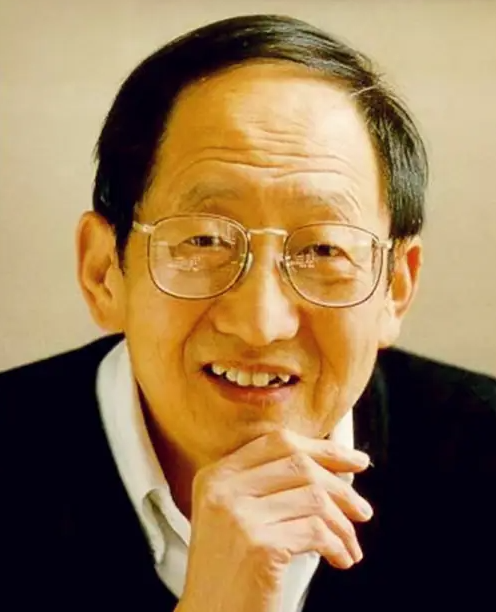 Daniel C. Tsui (崔琦)合作论文数Peking University10Qian Li (李乾)合作论文数10Pan Zhang合作论文数9
 Lu-Ning Wang合作论文数Beijing Natl Lab Mol Sci, Peking Univ9Mu Lin合作论文数9
 Siyu Ye合作论文数Ballard Power Systems8Guo-Jie Jiang合作论文数7
 Yundong Wu (吴云东)合作论文数College of Chemistry and Molecular Engineering, Peking University;Lab of Computational Chemistry and Drug Design, Peking University7Zhongke Yao合作论文数Capital Normal University, Capital Normal University7Zi-You Tian合作论文数Peking Univ, Coll Chem, BNLMS, Key Lab Bioorgan Chem & Mol Engn, Beijing 100871, Peoples R China6Yusheng Yang合作论文数Wuhan Univ, Minist Educ, Key Lab Biomed Polymers, Wuhan 430072, Hubei, Peoples R China6Bingwen Li合作论文数Dezhou University6Liao Wei合作论文数6XuFei Fu合作论文数6
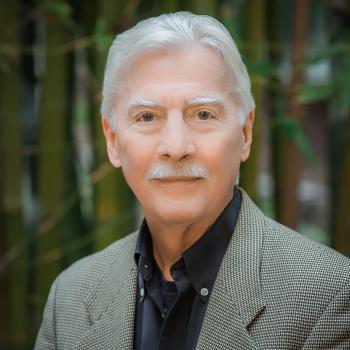 Paul Wender合作论文数Department of Chemistry, School of Humanities & Sciences, Stanford University;Department of Chemical and Systems Biology, Stanford University6Zhiqiang Huang合作论文数5
 Qun Dang合作论文数5
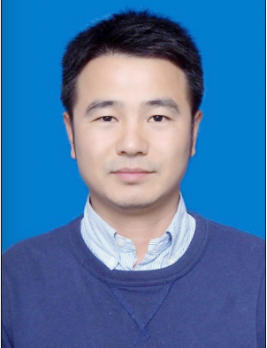 Xinfang Xu (徐新芳)合作论文数School of Chemistry and Chemical Engineering, Zhejiang Sci-Tech University5Zeyuan Shen合作论文数4Wenbo Xu合作论文数4
 Peng Liu合作论文数Department of Chemistry, University of Pittsburgh4
 Zhe Dong (董哲)合作论文数Department of Chemistry, College of Science, Southern University of Science and Technology4
 Yuanyuan Chen (陈源源)合作论文数Peking University People's Hospital4
 Jiang Xing合作论文数Department of Chemistry and Biochemistry, University of California4
 Xing Fan (樊星)合作论文数School of Foreign Languages, Peking University4
 Song Liu (刘松)合作论文数College Of Chemistry and Chemical Engineering, Hunan University4
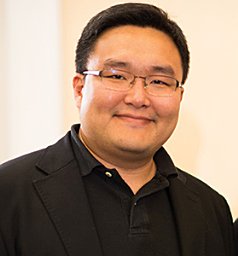 Paul Ha-Yeon Cheong合作论文数Dept Chem, Oregon State Univ4
 Yuanzhi Xia (夏远志)合作论文数College of Chemistry & Materials Engineering, Wenzhou University4
 Feng Huang (黄峰)合作论文数College of Physical Science and Technology, Xiamen University4Rachel E. Whittaker合作论文数3
 Alpay Dermenci合作论文数3Guan-Yu Zhang合作论文数3Yu Xiang合作论文数3
 Jialing Zhang合作论文数3Jing Liu合作论文数3
 Hong Kemiao合作论文数Guangdong Key Laboratory of Chiral Molecule and Drug Discovery, School of Pharmaceutical Sciences, Sun Yat-sen University, Guangzhou 510006, China3Han-Xiao Li合作论文数3Zhe Zhuang合作论文数Scripps Res Inst, 10550 North Torrey Pines Rd, La Jolla, CA 92037 USA3Yang Shen合作论文数Dept Chem, Xiamen Univ3Minggui Lin合作论文数3




