The Sommelet-Hauser rearrangement of ammonium ylides incorporates a dearomatizing [2,3]-sigmatropic rearrangement of a (hetero)aromatic substituent, followed by tautomerization (rearomatization), to generate (hetero)benzylic amine derivatives. Despite widespread interest in this process, asymmetric variants have previously relied upon stoichiometric chiral auxiliary or chirality transfer strategies to induce stereocontrol. In this manuscript, the organocatalytic enantioselective Sommelet-Hauser rearrangement of ammonium ylides bearing heteroaromatic substituents is demonstrated using a Lewis basic isothiourea catalyst, providing a series of unnatural α-heteroaryl α-amino acid derivatives with high to excellent enantioselectivity (up to 98:2 er). The developed process tolerates cyclic and acyclic ammonium salt precursors with indolyl and benzofuranyl substituents. A range of pronucleophiles was employed that lead to amide, ester, and alcohol products. Computational analysis revealed that a stepwise process (involving initial C-N bond cleavage to generate an ion pair, followed by a barrierless C-C bond formation) is favored over a concerted [2,3]-rearrangement, with distortion-interaction analysis providing insight into the factors that govern the mechanism. Crossover experiments, including the use of isotopologue salt derivatives to minimize chemical differentiation of substrates, showed no scrambling. The totality of accumulated computational and experimental evidence suggests a stepwise rearrangement involving a near-instantaneous second recombination step such that the overall process is indistinguishable from, and effectively, a concerted asynchronous rearrangement.
An organocatalyzed enantioselective [1,2]-Stevens rearrangement of ammonium ylides is reported. Using an isothiourea Lewis base organocatalyst, azetidinium salts underwent ring expansion to generate 4-alkylideneproline derivatives in high yield and good er. Products are readily recrystallizable to provide er’s of up to >99.5:0.5. Product configuration was established through X-ray crystallography and was opposite that predicted based on existing stereochemical models for this catalyst class. DFT calculations revealed that the facial selectivity of new bond formation is dictated by the pyramidalization of the enolate alpha-carbon in the ring-opening transition state. Notably, it is the catalyst benzylic hydrogen, and not the stereodirecting catalyst Ph, that influences this facial selectivity by stabilizing the developing pyramidalization of the enolate alpha-carbon in the transition state leading to the major enantiomer of product. Finally, under these reaction conditions, a tetrahydroisoquinolinium salt also underwent ring expansion to generate a benzazepine product as a single diastereomer in modest er. This result illustrates that this catalytic strategy for enantioselective [1,2]-Stevens rearrangement can be adapted for use with other synthetically- and medicinally-useful heterocyclic amine scaffolds.
Functionalization of carboranes, icosahedral boron-carbon molecular clusters, is of great interest as they have wide applications in medicinal and materials chemistry. Thus, site- and enantioselective synthesis of carboranes requires complete control of the reaction. Herein, we describe the asymmetric Rh(II)-catalyzed insertion reactions of carbenes into cage B-H bond of carboranes. This reaction thereby generates carboranes possessing a carbon-stereocenter adjacent to cage boron of the carborane, in excellent site- and enantioselectivity under mild reaction conditions. The fully computed transition structures of Rh(II)-catalyzed carbene insertion process through density functional theory are reported. These B-H insertion transition structures, in conjunction with topographical proximity surfaces analyses, visually reveal the region between the carborane and the phthalimide ligands responsible for the selectivities of this reaction.
Difunctionalization of ynamides, whether through an intermolecular approach or in an atom-economical manner, continues to pose a significant challenge. This work presents a simpler method for such unprecedented functionalization through highly regio- and stereoselective bromoalkynylation. The developed strategy, which requires a Pd(II) catalyst and no additive, has a broad scope and high functional-group tolerance and provided access to 50 value-added beta-bromo ynenamides. In addition to late-stage functionalization, the synthetic potential of this method was demonstrated through rapid access to previously challenging pi-skeletons. A unique 1,3-alkynyl migration, which was enabled by Pd(IV)-bound keteniminium species, offers a platform for the development of atom-economical reactions. Experimental evidence, such as from Hammett plot analysis, X-ray photoelectron spectroscopy studies, and 13C kinetic isotope effect measurements, supported by density functional theory computations enabled a comprehensive understanding of the mechanism.
Various aryl and heteroaryl monomers for polysiloxane materials are finally accessible by intermolecular dehydrogenative C-H silylation between commercial (hetero)arenes and the industry-relevant triethoxysilane. The development of well-defined rhodium catalysts enables the silylation of triethoxysilane, which is known for poor reactivity in this silylation and prone to undergo the redistribution side reaction. For the silylation of electronically unactivated arenes, portionwise addition of the silane is necessary to ensure a high efficiency. Mechanistic investigation including computational study led to the isolation of two important catalytic intermediates and their dynamic interconversion, which provide mechanistic insight into the importance of portionwise addition and the intrinsic difference between arenes and heteroarenes in the silylation. In addition to their monomer roles, (hetero)aryl triethoxysilanes can be broadly utilized as versatile intermediates or coupling agents in chemical synthesis.
Multimetallic complexes are an excellent platform to study the effects of metal-metal cooperativity on reactivity. Herein, we describe the coordination chemistry of a highly flexible tetraamidodiamine (tada) scaffold with nearly all of the first-row transition metals from V to Zn, forming multimetallic complexes that were characterized primarily by NMR spectroscopy and X-ray diffraction studies. For most of the metals, the resulting tada complexes adopt a syn-closed bimetallic binding geometry with close metal-metal contacts. In the case of Zn, a tetrametallic intermediate with an anti-tada geometry was observed to precede the formation of the syn-closed bimetallic product. In contrast, Cu was found to form a tetrametallic syn-open complex. Overall, this work demonstrates the significant flexibility of the tada ligand scaffold, as it can easily adopt multiple different binding geometries with metal-metal distances that span nearly 5 Å.
The first organocatalyzed enantioselective [1,2]-Stevens rearrangement is reported. 4-Alkylideneproline derivatives are produced in up to 86% yield and in up to 90:10 er, with recrystallization enhancing er up to >99.5:0.5. Product configuration was opposite that predicted by existing stereochemical models for this organocatalyst class, and DFT calculations revealed a novel mode of asymmetric induction. The adaptability of this catalytic strategy for asymmetric [1,2]-Stevens rearrangements of other heterocyclic amines was demonstrated.
The development of methods to allow the selective acylative dynamic kinetic resolution (DKR) of tetra-substituted lactols is a recognised synthetic challenge. In this manuscript, a highly enantioselective isothiourea-catalysed acylative DKR of tetra-substituted morpholinone and benzoxazinone-derived lactols is reported. The scope and limitations of this methodology have been developed, with high enantioselectivity and good to excellent yields (up to 89%, 99:1 er) observed across a broad range of substrate derivatives incorporating substitution at N(4) and C(2), di- and spirocyclic substitution at C(5)- and C(6)-position, as well as benzannulation (>35 examples in total). The DKR process is amenable to scale-up on a 1 g laboratory scale. The factors leading to high selectivity in this DKR process have been probed through computation, with an N-C=O•••isothiouronium interaction identified as key to producing ester products in highly enantioenriched form.
The [1,2]-rearrangement of allylic ammonium ylides is traditionally observed as a competitive minor pathway alongside the thermally allowed [2,3]-sigmatropic rearrangement. Concerted [1,2]-rearrangements are formally forbidden, with these processes believed to proceed through homolytic C-N bond fission of the ylide, followed by radical-radical recombination. The challenges associated with developing a catalytic enantioselective [1,2]-rearrangement of allylic ammonium ylides therefore lie in biasing the reaction pathway to favor the [1,2]-reaction product, alongside controlling a stereoselective radical-radical recombination event. Herein, a Lewis basic chiral isothiourea facilitates catalytic [1,2]-rearrangement of prochiral aryl ester ammonium salts to generate unnatural alpha-amino acid derivatives with up to complete selectivity over the [2,3]-rearrangement and with good to excellent enantiocontrol. Key factors in favoring the [1,2]-rearrangement include exploitation of disubstituted terminal allylic substituents, cyclic N-substituted ammonium salts, and elevated reaction temperatures. Mechanistic studies involving 13C-labeling and crossover reactions, combined with radical trapping experiments and observed changes in product enantioselectivity, are consistent with a radical solvent cage effect, with maximum product enantioselectivity observed through promotion of "in-cage" radical-radical recombination. Computational analysis indicates that the distribution between [1,2]- and [2,3]-rearrangement products arises predominantly from C-N bond homolysis of an intermediate ammonium ylide, followed by recombination of the alpha-amino radical at either the primary or tertiary site of an intermediate allylic radical. Electrostatic interactions involving the bromide counterion control the facial selectivity of the [1,2]- and [2,3]-rearrangements, while the sterically hindered tertiary position of the allylic substituent disfavors the formation of the [2,3]-product. These results will impact further investigations and understanding of enantioselective radical-radical reactions.
Rapid screening of botanical extracts for the discovery of bioactive natural products was performed using a fractionation approach in conjunction with flow-injection high-resolution mass spectrometry for obtaining chemical fingerprints of each fraction, enabling the correlation of the relative abundance of molecular features (representing individual phytochemicals) with the read-outs of bioassays. We applied this strategy for discovering and identifying constituents of Centella asiatica (C. asiatica) that protect against Aβ cytotoxicity in vitro. C. asiatica has been associated with improving mental health and cognitive function, with potential use in Alzheimer’s disease. Human neuroblastoma MC65 cells were exposed to subfractions of an aqueous extract of C. asiatica to evaluate the protective benefit derived from these subfractions against amyloid β-cytotoxicity. The % viability score of the cells exposed to each subfraction was used in conjunction with the intensity of the molecular features in two computational models, namely Elastic Net and selectivity ratio, to determine the relationship of the peak intensity of molecular features with % viability. Finally, the correlation of mass spectral features with MC65 protection and their abundance in different sub-fractions were visualized using GNPS molecular networking. Both computational methods unequivocally identified dicaffeoylquinic acids as providing strong protection against Aβ-toxicity in MC65 cells, in agreement with the protective effects observed for these compounds in previous preclinical model studies.
Here, four MOFs, namely Sc-TBAPy, Al-TBAPy, Y-TBAPy, and Fe-TBAPy (TBAPy: 1,3,6,8-tetrakis( p -benzoic acid)pyrene), were characterized and evaluated for their ability to remediate glyphosate (GP) from water. Among these materials, Sc-TBAPy demonstrates superior performance in both the adsorption and degradation of GP. Upon light irradiation for 5 min, Sc-TBAPy completely degrades 100% of GP in a 1.5 mM aqueous solution. Femtosecond transient absorption spectroscopy reveals that Sc-TBAPy exhibits enhanced charge transfer character compared to the other MOFs, as well as suppressed formation of emissive excimers that could impede photocatalysis. This finding was further supported by hydrogen evolution half-reaction (HER) experiments, which demonstrated Sc-TBAPy’s superior catalytic activity for water splitting. In addition to its faster adsorption and more efficient photodegradation of GP, Sc-TBAPy also followed a selective pathway towards the oxidation of GP, avoiding the formation of toxic aminomethylphosphonic acid observed with the other M 3+ -TBAPy MOFs. To investigate the selectivity observed with Sc-TBAPy, electron spin resonance, depleted oxygen conditions, and solvent exchange with D 2 O were employed to elucidate the role of different reactive oxygen species on GP photodegradation. The findings indicate that singlet oxygen ( 1 O 2 ) plays a critical role in the selective photodegradation pathway achieved by Sc-TBAPy.
Difunctionalization of ynamides, whether through an intermolecular approach or in an atom-economical manner, continues to pose a significant challenge. This work presents a simpler method for such unprecedented functionalization through a highly regio- and stereoselective bromoalkynylation. The developed strategy, which requires a Pd(II) catalyst and no additive, has a broad scope and high functional-group tolerance and provided access to fifty value-added -bromo ynenamides. In addition to late-stage functionalization, the synthetic potential of this method was demonstrated through rapid access to previously challenging -skeletons. A unique 1,3-alkynyl migration, which was enabled by carbopalladation, offers a platform for the development of atom-economical reactions. Experimental evidence, such as from Hammett plot analysis, XPS studies, and 13C kinetic isotope effect measurements, supported by density functional theory computations enabled a comprehensive understanding of the mechanism.
A key factor in the development of selective nucleophilic addition to allenamides is controlling the reactivity of electrophilic intermediates, which is generally achieved using an electrophilic activator via conjugated iminium intermediates. In this combined experimental and computational study, we show that a general and highly chemoselective hydroamination of allenamides can be accomplished using a combination of 1,1,1,3,3,3-hexafluoro-2-propanol (HFIP) and NaOAc. Experimental mechanistic studies revealed that HFIP mediates proton transfer to activate the allenamide, while the acetate additive significantly contributes to N-selective interception. This strategy enables a general hydroamination of allenamides without the use of metals. We demonstrated that various functionalized 1,3-diamines could be readily synthesized and diversified into value-added structural motifs. Detailed mechanistic investigations using the density functional theory revealed the role of NaOAc in the formation of reactive electrophilic intermediates, which ultimately governed the selective formation of 1,3-diamine products. Critically, calculations of the potential energy surface around the proton-transfer transition state revealed that two different reactive electrophilic intermediates were formed when NaOAc was added.
The [1,2]-rearrangement of allylic ammonium ylides is traditionally observed as a competitive minor pathway alongside the thermally allowed [2,3]-sigmatropic rearrangement. The challenges associated with developing a catalytic enantioselective variant are amplified as concerted [1,2]-rearrangements are forbidden, with these processes proposed to proceed through homolytic C-N bond fission of the ylide, followed by stereoselective radical-radical recombination. Herein a Lewis basic chiral isothiourea facilitates catalytic [1,2]-rearrangement of prochiral aryl ester ammonium salts to generate unnatural α-amino acid derivatives with unprecedented levels of enantiocontrol (up to 97:3 er) and up to total selectivity over the thermally allowed [2,3]-rearrangement. Key factors in favouring the [1,2]-rearrangement include exploitation of (i) disubstituted terminal allylic substituents, (ii) cyclic N-substituted ammonium salts and (iii) elevated reaction temperatures. Mechanistic studies involving 13C-labelling and crossover reactions, combined with radical trapping experiments and observed changes in product enantioselectivity are consistent with a radical solvent cage effect, with maximum product enantioselectivity observed with promotion of “in-cage” radical-radical recombination. Computational analysis indicates that the distribution between [1,2]- and [2,3]-rearrangement products arises predominantly from C-N bond homolysis of an intermediate ammonium ylide, followed by recombination of the a-amino radical at either the primary or tertiary site of an intermediate allylic radical. Electrostatic interactions involving the bromide counterion and the rearrangement transition states control the facial selectivity of the [1,2]- and [2,3]-rearrangements, while the difficulty of forming a bond in the more sterically hindered tertiary position of the allylic substituent disfavors the formation of the [2,3]-product. These results will impact further investigations and understanding into enantioselective radical-radical reactions.
The impact of metals within a family of isostructural metal-organic frameworks (MOFs) on the adsorption and photodegradation of the herbicide glyphosate (GP) is presented in this study. Four MOFs, namely Sc-TBAPy, Al-TBAPy, Y-TBAPy, and Fe-TBAPy (TBAPy: 1,3,6,8-tetrakis(p-benzoic acid)pyrene), were characterized and evaluated for their ability to remediate GP from water. Among these materials, Sc-TBAPy demonstrates superior performance in both the adsorption and degradation of GP. Upon light irradiation for 5 min, Sc-TBAPy completely degrades 100% of GP in a 1.5 mM solution. Femtosecond transient absorption spectroscopy reveals that Sc-TBAPy exhibits enhanced charge transfer character compared to the other MOFs, as well as suppressed formation of emissive excimers that could impede photocatalysis. This finding was further supported by hydrogen evolution half-reaction (HER) experiments, which demonstrated Sc-TBAPy’s superior catalytic activity for water splitting. In addition to its faster adsorption and more efficient photodegradation of GP, Sc-TBAPy also exhibits selective oxidation of GP, avoiding the formation of toxic aminomethylphosphonic acid observed with the other M3+-TBAPy MOFs. To investigate the selectivity observed with Sc-TBAPy, electron spin resonance, depleted oxygen conditions, and solvent exchange with D2O were employed to elucidate the role of different reactive oxygen species on GP photodegradation. The findings indicate that singlet oxygen (1O2) plays a critical role in the selective photodegradation pathway achieved by Sc-TBAPy. Introduction
Nickel single-atom-catalysts (Ni-SACs), which are known for their unique catalytic activity, are mainly used in electrocatalytic reactions that focus on high metal loading in carbon support to improve their performance. However, we attempted to modify the Ni species to find new catalytic properties by hypothesizing that functionalized Ni-SACs can exhibit strong Lewis acidic properties in organic reactions. Herein, a low-temperature salt-assisted synthesis of highly Lewis acidic chlorine-bound nickel SAC (Cl-Ni-SAC) is established and the synthesized catalyst is applied to the ring-opening reaction of epoxides with alcohol. The obtained Cl-Ni-SAC facilitates a fast and efficient ring-opening reaction of epoxides with high recyclability. In addition, the highly active Cl-Ni-SAC was applied to the continuous flow set-up for sustainable transformation for 24 h, yielding 9.7 g of the desired product. Stereochemical experiments and density functional theory calculations demonstrated the importance of MeOH center dot center dot center dot Cl hydrogen bonding, N-H center dot center dot center dot Ni agostic interaction, and pi-stacking in the transition state.
Sulfur(VI) fluoride exchange (SuFEx) is recognized as another emerging tool for click chemistry. The preparation of the functionalized alkyl sulfonyl fluorides as key SuFEx hubs via C(sp3)-C(sp3) bond formation is exceptionally challenging. We report herein a new efficient method for accessing alkyl sulfonyl fluorides incorporating γ-geminal dithioester via phosphazene catalysis. The aqueous, neutral organosuperbase catalytic system amplifies the reactivity by taking advantage of the hydrophobic amplification. SuFEx-active products are applied to the click connection of bioactive molecules. Density functional theory studies show that the selective outcome of the product is guided by an ion-pair organosuperbase catalyst assembly that is potentially stabilized by a hydrogen-bonding interaction between the catalyst and the DTM in the C(sp3)-C(sp3) bond-forming transition structure.
A novel strategy for the stereospecific Pd-catalyzed acylative cross-coupling of enantiomerically enriched alkylboron compounds has been developed. The protocol features an extremely high level of enantiospecificity to allow facile access to synthetically challenging and valuable chiral ketones and carboxylic acid derivatives. The use of a sterically encumbered and electron-rich phosphine ligand proved to be crucial for the success of the reaction. Furthermore, on the basis of experimental and computational studies, a unique mechanism for the transmetalation, assisted by the noncovalent interactions of the C(sp3)-based organoboron reagent, has been identified.
An enantioselective carbene-catalyzed radical-radical coupling of acyl imidazoles and racemic Hantzsch esters is disclosed. This method involves the coupling of an N-heterocyclic carbene-derived ketyl radical and a secondary sp3 -carbon radical and allows access to chiral α-aryl aliphatic ketones in moderate-to-good yields and enantioselectivities without any competitive epimerization. The utility of this protocol is highlighted by the late-stage functionalization of various pharmaceutical compounds and is further demonstrated by the transformation of the enantioenriched products to biologically relevant molecules. Computational investigations reveal the N-heterocyclic carbene controls the double-facial selectivity of the ketyl radical and the alkyl radicals, respectively.
The 1,1,1,3,3,3-hexafluoro-2-propanol-assisted allenamide activation enables metal-free regioselective intermolecular interception of amines, constituting a general C-N bond formation process for accessing value-added 1,3-diamines. Exclusive N-chemoselectivity (vs C for anilines) and regioselectivity were achieved for a broad range of substrates. Late-stage modification and further transformations of the 1,3-diamine products showcased the practicability and benefits of this strategy. Experimental mechanistic studies revealed that 1,1,1,3,3,3-hexafluoro-2-propanol mediates the proton transfer for activation of the allenamide. Density functional theory computations revealed the role of NaOAc in the formation of the reactive electrophilic intermediate, which ultimately governs the selective formation of the 1,3-diamine product.
 Daniel Walden合作论文数VeriSIM Life22
 Ryne C. Johnston合作论文数Department of Chemistry, Oregon State University21
 Kendall N. Houk (肯德尔·霍克)合作论文数Houk Research Group, Department of Chemistry and Biochemistry, Division of Physical Sciences, University of California, Los Angeles21
 Andrew Smith合作论文数School of Chemistry,University of St Andrews18
 Karl Scheidt合作论文数Department of Chemistry, Weinberg College of Arts & Sciences, Northwestern University;Chemistry of Life Processes Institute, Northwestern University;Northwestern Center for Molecular Innovation and Drug Discovery;Riptide Therapeutics16
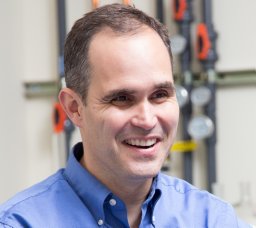 Rich G. Carter合作论文数Department of Chemistry;Oregon State University;Department of Chemistry, Oregon State University16
 Lindsay A. Wills合作论文数14Darren C Johnson合作论文数13
 Alex Brueckner合作论文数12
 Taisiia Feoktistova合作论文数Department of Chemistry, Oregon State University12
 Thomas J. L. Mustard合作论文数Department of Chemistry, Oregon State University12Gisela A González-Montiel合作论文数11Pattawong Ommidala合作论文数11
 O. Maduka Ogba合作论文数Schmid College of Science and Technology, Chapman University10
 Jin Kyoon Park合作论文数School of Chemistry & Molecular Engineering, Seoul National University10H Camille Richardson合作论文数9I-Ya Chang合作论文数9Abdikani Omar Farah合作论文数9
 Mark Greenhalgh合作论文数Department of Chemistry, Faculty of Science, Engineering and Medicine, The University of Warwick9
 Douglas A. Keszler合作论文数Department of Chemistry, College of Science, Oregon State University;Inpria9
 Staci L. Simonich合作论文数Department of Chemistry, College of Science, Oregon State University;College of Agriculture Sciences, Oregon State University9Tan Darlene Q合作论文数8
 Tapas R. Pradhan合作论文数8
 Peng Liu合作论文数Department of Chemistry, University of Pittsburgh8
 Alexandra Slawin合作论文数School of Chemistry, University of St Andrews8
 Jared T. Shaw合作论文数Department of Chemistry, University of California8Ivan A Titaley合作论文数7
 Kevin Snyder合作论文数University of Pennsylvania, University of Pennsylvania7
 James C. Fettinger合作论文数Small Molecule X-ray Crystallography Laboratory, Department of Chemistry, University of California7Onyekwere Ogba合作论文数6Emily Robinson合作论文数6Dylan B Fast合作论文数6Fallan Charlene合作论文数6West Thomas H合作论文数6Lev N. Zakharov合作论文数6
 Michelle R. Dolgos合作论文数Department of Chemistry;Ohio State University;Department of Chemistry, Ohio State University6
 Anna Oliveri合作论文数Juniata College Physics Department6Markas A Grove合作论文数5Christopher E. Malmberg合作论文数5
 James Taylor合作论文数Department of Chemistry, University of Bath5
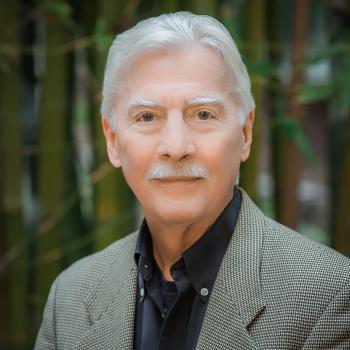 Paul Wender合作论文数Department of Chemistry, School of Humanities & Sciences, Stanford University;Department of Chemical and Systems Biology, Stanford University5
 Michael Haley合作论文数Department of Chemistry and Biochemistry, College of Arts and Sciences, University of Oregon;Materials Science Institute, University of Oregon5Jordan L Harper合作论文数4Jacob Buchanan合作论文数Chem, Oregon State Univ4Kevin Kasten合作论文数4
 Cory Perkins合作论文数Chem, Oregon State Univ4
 Wei Wang (王维)合作论文数Fujian Institute of Research on the Structure of Matter, Chinese Academy of Sciences4Um Joann M合作论文数4
 Chong Fang合作论文数Department of Chemistry, Oregon State University4




