This paper presents a novel approach to reinforcement learning (RL) for control systems that provides probabilistic stability guarantees using finite data. Leveraging Lyapunov's method, we propose a probabilistic stability theorem that ensures mean square stability using only a finite number of sampled trajectories. The probability of stability increases with the number and length of trajectories, converging to certainty as data size grows. Additionally, we derive a policy gradient theorem for stabilizing policy learning and develop an RL algorithm, L-REINFORCE, that extends the classical REINFORCE algorithm to stabilization problems. The effectiveness of L-REINFORCE is demonstrated through simulations on a Cartpole task, where it outperforms the baseline in ensuring stability. This work bridges a critical gap between RL and control theory, enabling stability analysis and controller design in a model-free framework with finite data.
Sequence ordering of word vector matters a lot to text reading, which has been proven in natural language processing (NLP). However, the rule of different sequence ordering in computer vision (CV) was not well explored, e.g., why the ``zigzag" flattening (ZF) is commonly utilized as a default option to get the image patches ordering in vision networks. Notably, when decomposing multi-scale images, the ZF could not maintain the invariance of feature point positions. To this end, we investigate the Hilbert fractal flattening (HF) as another method for sequence ordering in CV and contrast it against ZF. The HF has proven to be superior to other curves in maintaining spatial locality, when performing multi-scale transformations of dimensional space. And it can be easily plugged into most deep neural networks (DNNs). Extensive experiments demonstrate that it can yield consistent and significant performance boosts for a variety of architectures. Finally, we hope that our studies spark further research about the flattening strategy of image reading.
Broad-area lasers (BALs) have found applications in a variety of crucial fields on account of their high output power and high energy transfer efficiency. However, they suffer from poor spatial beam quality due to multi-mode behavior along the waveguide transverse direction. In this paper, we propose a novel metasurface waveguide structure acting as a transverse mode selective back-reflector for BALs. In order to effectively inverse design such a structure, a digital adjoint algorithm is introduced to adapt the considerably large design area and the high degree of freedom. As a proof of the concept, a device structure with a design area of 40 × 20 μm2 is investigated. The simulation results exhibit high fundamental mode reflection (above 90%), while higher-order transverse mode reflections are suppressed below 0.2%. This is, to our knowledge, the largest device structure designed based on the inverse method. We exploited such a device and the method and further investigated the device’s robustness and feasibility of the inverse method. The results are elaborately discussed.
Photonic devices based on silicon waveguides are essential to versatile high-performance and low-cost photonic integrated systems. Extremely complex silicon photonic devices with hundreds or even thousands of degrees of freedom (DOF) are successfully designed and manufactured based on recent advances in data science and nanofabrication technology. At this level, conventional forward-reasoning may no longer be suitable for designing high-performance silicon photonic devices with novel functionalities since the light-matter interaction is complex and non-intuitive. Therefore, the timely development of sub-wavelength silicon photonic devices that can precisely mold the flow of light is a critical and urgent issue requiring joint engineering and scientific efforts. In this paper, an inverse design strategy based on heuristic and gradient descendant algorithms, enabling the realization of large-scale integrated devices is first introduced. Subsequently, the burgeoning deep learning technology, which offers a promising direction for the automation design of silicon photonics with a data-driven approach, is discussed. Finally, the obstacles and prospects in this emerging research direction are revealed. Detail discussions from multiple perspectives are provided. This review aims to provide general guidance and a comprehensive reference for scientists developing photonic integrated systems. This review provides an overview of inverse design methods for silicon photonic devices. These methods have enabled the discovery of novel and highly efficient structures, including heuristic optimization, gradient optimizations, and deep learning-based approaches. This work provides insight into future directions of silicon photonics inverse design and its potential impact on the field of photonics in general. image
Despite recent advancements in 3D generation methods, achieving controllability still remains a challenging issue. Current approaches utilizing score-distillation sampling are hindered by laborious procedures that consume a significant amount of time. Furthermore, the process of first generating 2D representations and then mapping them to 3D lacks internal alignment between the two forms of representation. To address these challenges, we introduce ControLRM, an end-to-end feed-forward model designed for rapid and controllable 3D generation using a large reconstruction model (LRM). ControLRM comprises a 2D condition generator, a condition encoding transformer, and a triplane decoder transformer. Instead of training our model from scratch, we advocate for a joint training framework. In the condition training branch, we lock the triplane decoder and reuses the deep and robust encoding layers pretrained with millions of 3D data in LRM. In the image training branch, we unlock the triplane decoder to establish an implicit alignment between the 2D and 3D representations. To ensure unbiased evaluation, we curate evaluation samples from three distinct datasets (G-OBJ, GSO, ABO) rather than relying on cherry-picking manual generation. The comprehensive experiments conducted on quantitative and qualitative comparisons of 3D controllability and generation quality demonstrate the strong generalization capacity of our proposed approach.
Self-supervised learning has not been extensively investigated in the context of point cloud analysis. Current frameworks are predominantly rely on point cloud reconstruction. Given only 3D coordinates, such approaches tend to learn local geometric structures and contours but struggle to comprehend high-level semantic content. Consequently, they achieve unsatisfactory performance in downstream tasks such as classification, segmentation, etc. To fill this gap, we propose a generic Contour-Perturbed Reconstruction Network (CP-Net), which can effectively guides self-supervised reconstruction to learn semantic content in the point cloud, and thus promote discriminative power of point cloud representation. Initially, we introduce a concise contour-perturbed augmentation module for point cloud reconstruction. With guidance of geometry disentangling, we divide point cloud into contour and content components. Subsequently, we perturb the contour components and preserve the content components on the point cloud. As a result, self supervisor can effectively focus on semantic content, by reconstructing the original point cloud from such perturbed one. Next, we use this perturbed reconstruction as an assistant branch, to guide the learning of basic reconstruction branch via a distinct dual-branch consistency loss. In this case, our CP-Net not only captures structural contour but also learn semantic content for discriminative downstream tasks. Finally, we perform extensive experiments on a number of point cloud benchmarks. Part segmentation results demonstrate that our CP-Net (81.5% of mean Intersection over union) outperforms the previous self-supervised models, and narrows the gap with the fully-supervised methods. For classification, we get a competitive result with the fully-supervised methods on ModelNet40 (92.5% accuracy) and ScanObjectNN (87.9% accuracy). Our code is available at https://github.com/MingyeXu/cp-net
Significant progress has been witnessed in learning-based Multi-view Stereo (MVS) under supervised and unsupervised settings. To combine their respective merits in accuracy and completeness, meantime reducing the demand for expensive labeled data, this paper explores the problem of learning-based MVS in a semi-supervised setting that only a tiny part of the MVS data is attached with dense depth ground truth. However, due to huge variation of scenarios and flexible settings in views, it may break the basic assumption in classic semi-supervised learning, that unlabeled data and labeled data share the same label space and data distribution, named as semi-supervised distribution-gap ambiguity in the MVS problem. To handle these issues, we propose a novel semi-supervised distribution-augmented MVS framework, namely SDA-MVS. For the simple case that the basic assumption works in MVS data, consistency regularization encourages the model predictions to be consistent between original sample and randomly augmented sample. For further troublesome case that the basic assumption is conflicted in MVS data, we propose a novel style consistency loss to alleviate the negative effect caused by the distribution gap. The visual style of unlabeled sample is transferred to labeled sample to shrink the gap, and the model prediction of generated sample is further supervised with the label in original labeled sample. The experimental results in semi-supervised settings of multiple MVS datasets show the superior performance of the proposed method. With the same settings in backbone network, our proposed SDA-MVS outperforms its fully-supervised and unsupervised baselines.
Semantic segmentation of point clouds usually requires exhausting efforts of human annotations, hence it attracts wide attention to the challenging topic of learning from unlabeled or weaker forms of annotations. In this paper, we take the first attempt for fully unsupervised semantic segmentation of point clouds, which aims to delineate semantically meaningful objects without any form of annotations. Previous works of unsupervised pipeline on 2D images fails in this task of point clouds, due to: 1) Clustering Ambiguity caused by limited magnitude of data and imbalanced class distribution; 2) Irregularity Ambiguity caused by the irregular sparsity of point cloud. Therefore, we propose a novel framework, PointDC, which is comprised of two steps that handle the aforementioned problems respectively: Cross-Modal Distillation (CMD) and Super-Voxel Clustering (SVC). In the first stage of CMD, multi-view visual features are back-projected to the 3D space and aggregated to a unified point feature to distill the training of the point representation. In the second stage of SVC, the point features are aggregated to super-voxels and then fed to the iterative clustering process for excavating semantic classes. PointDC yields a significant improvement over the prior state-of-the-art unsupervised methods, on both the ScanNet-v2 (+18.4 mIoU) and S3DIS (+11.5 mIoU) semantic segmentation benchmarks.
AbstractThe design, fabrication, and measurement of a 7 × 7 mm‐wave array antenna have been presented for 5G communications. The substrate integrated waveguide (SIW)‐fed antenna element is formed of four parts: a rectangular radiating patch, a coupling slot cut onto the broadwall of the SIW, a transition layer, and a feeding layer at the bottom. The bandwidth and radiation efficiency has been improved by embedding an air cavity below the radiating patch, as the effective dielectric constant of the substrate is reduced. Moreover, a prototype has been fabricated and measured to verify the design principles. The finite array operating over 23–28 GHz has achieved active voltage standing wave ratios of less than 2 and 2.5 in the E‐ and H‐planes while scanning up to 45° respectively. Compared with the theoretical ideal gain, the average gain drop of the measured embedded element gain is 0.73dB.
The data of the PD alarm record collected from the onsite PD monitoring device can be confirmed and judged as non-PD by engineers, indicating a gap between conventional automatic recognition and manual judgment. The analysis found that the existing recognition mechanism only focuses on the relationship between the amplitude q and repetition n and the phase $\boldsymbol{\phi}$ of the detected signals in $\boldsymbol{\phi}-\mathbf{q}-\mathbf{n}$ or PRPD map. The manual interpretation will also pay attention to the characteristics of the time-domain waveform; that is, in addition to the first wave of the maximum amplitude in the PD pulse waveform, it will also pay attention to the changes in the amplitude, width, number of waves and wavefront of each half-wave, and these factors are not there used as interpreting data for the existing PD recognition programs. To improve the recognition accuracy, a more direct PD recognition method has been developed, which can be according to the signal patterns in PRPD map calculated directly to distinguish the waveforms of PD from noise. The effectiveness of this waveform recognition method has been tested based on field-collected data, PD simulation data of signal generator, and artificial PD data generated by HV tests. It has been applied to the automatic discrimination program of online PD monitoring devices and verified in practical applications.
Robustness and generalization are two challenging problems for learning point cloud representation. To tackle these problems, we first design a novel geometry coding model, which can effectively use an invariant eigengraph to group points with similar geometric information, even when such points are far from each other. We also introduce a large-scale point cloud dataset, PCNet184. It consists of 184 categories and 51,915 synthetic objects, which brings new challenges for point cloud classification, and provides a new benchmark to assess point cloud cross-domain generalization. Finally, we perform extensive experiments on point cloud classification, using ModelNet40, ScanObjectNN, and our PCNet184, and segmentation, using ShapeNetPart and S3DIS. Our method achieves comparable performance to state-of-the-art methods on these datasets, for both supervised and unsupervised learning. Code and our dataset are available at https://github.com/MingyeXu/PCNet184 .
The core of Multi-view Stereo(MVS) is the matching process among reference and source pixels. Cost aggregation plays a significant role in this process, while previous methods focus on handling it via CNNs. This may inherit the natural limitation of CNNs that fail to discriminate repetitive or incorrect matches due to limited local receptive fields. To handle the issue, we aim to involve Transformer into cost aggregation. However, another problem may occur due to the quadratically growing computational complexity caused by Transformer, resulting in memory overflow and inference latency. In this paper, we overcome these limits with an efficient Transformer-based cost aggregation network, namely CostFormer. The Residual Depth-Aware Cost Transformer(RDACT) is proposed to aggregate long-range features on cost volume via self-attention mechanisms along the depth and spatial dimensions. Furthermore, Residual Regression Transformer(RRT) is proposed to enhance spatial attention. The proposed method is a universal plug-in to improve learning-based MVS methods.
On-chip optical modulators, which are capable of converting electrical signals into optical signals, constitute the foundational components of photonic devices. Photonics modulators exhibiting high modulation efficiency and low insertion loss are highly sought after in numerous critical applications, such as optical phase steering, optical coherent imaging, and optical computing. This paper introduces a novel accumulation-type vertical modulator structure based on a silicon photonics platform. By incorporating a high-K dielectric layer of ZrO2, we have observed an increase in modulation efficiency while maintaining relatively low levels of modulation loss. Through meticulous study and optimization, the simulation results of the final device structure demonstrate a modulation efficiency of 0.16 V·cm, with a mere efficiency–loss product of 8.24 dB·V.
Unsupervised domain adaptation (UDA) aims to transfer the knowledge from a labeled source domain to an unlabeled target domain. Typically, to guarantee desirable knowledge transfer, aligning the distribution between source and target domain from a global perspective is widely adopted in UDA. Recent researchers further point out the importance of local-level alignment and propose to construct instance-pair alignment by leveraging on Optimal Transport (OT) theory. However, existing OT-based UDA approaches are limited to handling class imbalance challenges and introduce a heavy computation overhead when considering a large-scale training situation. To cope with two aforementioned issues, we propose a Clustering-based Optimal Transport (COT) algorithm, which formulates the alignment procedure as an Optimal Transport problem and constructs a mapping between clustering centers in the source and target domain via an end-to-end manner. With this alignment on clustering centers, our COT eliminates the negative effect caused by class imbalance and reduces the computation cost simultaneously. Empirically, our COT achieves state-of-the-art performance on several authoritative benchmark datasets.
The wavelength-scaled array architecture use scaled elements to achieve ultra-wideband array aperture with fewer overall radiating elements, compared to traditional uniform dense array. As a consequence, the wavelength-scaled array reduces element count and associated T/R module, which will decrease the cost and weight of the electronic equipment. A nine elements linear E-Plane array based on WSA layout is designed and simulated. The simulation results show that the impedance bandwidth is 2.5~10GHz, with a simulation peak gain of 14.2 dBi at 7GHz. The proposed antenna array based on WSA architecture is a promising method for low cost UWB antenna array.
Unsupervised domain adaptation (UDA) aims to transfer the knowledge from a labeled source domain to an unlabeled target domain. Typically, to guarantee desirable knowledge transfer, aligning the distribution between source and target domain from a global perspective is widely adopted in UDA. Recent researchers further point out the importance of local-level alignment and borrow the experience from Optimal Transport (OT) theory to construct instance-pair alignment. However, existing OT-based algorithms are limited to resolve class imbalance challenge and require a huge computation cost when considering a large-scale training situation. In this paper, we address these two issues by proposing a Clustering-based Optimal Transport (COT) algorithm, which formulates the alignment procedure as an Optimal Transport problem by capturing the fine-grained attribute alignment. Concretely, COT innovatively designs the loss derived from discrete Kantorovich dual form to construct a mapping between clustering centers in source and target domain, which simultaneously eliminates the negative effect brought by class imbalance and reduces the computation cost on the basis of theoretical analysis. Finally, our COT together with some previous UDA methods achieve superior performance on several benchmarks.
Flattening is essential in computer vision by converting multi-dimensional feature maps or images into one-dimensional vectors. However, existing flattening approaches neglect the preservation of local smoothness, which can impact the representational learning capacity of vision models. In this paper, we propose Hilbert curve flattening as an innovative method to preserve locality in flattened matrices. We compare it with the commonly used Zigzag operation and demonstrate that Hilbert curve flattening can better retain the spatial relationships and local smoothness of the original grid structure, while maintaining robustness against the input scale variance. And, we introduce the Localformer, a vision transformer architecture that incorporates Hilbert token sampling with a token aggregator to enhance its locality bias. Extensive experiments on image classification and semantic segmentation tasks demonstrate that the Localformer outperforms baseline models consistently. We also show it brings consistent performance boosts for other popular architectures (e.g. MLP-Mixer).
Sequence ordering of word vector matters a lot to text reading, which has been proven in natural language processing (NLP). However, the rule of different sequence ordering in computer vision (CV) was not well explored, e.g., why the ``zigzag"flattening (ZF) is commonly utilized as a default option to get the image patches ordering in vision networks. Notably, when decomposing multi-scale images, the ZF could not maintain the invariance of feature point positions. To this end, we investigate the Hilbert fractal flattening (HF) as another method for sequence ordering in CV and contrast it against ZF. The HF has proven to be superior to other curves in maintaining spatial locality, when performing multi-scale transformations of dimensional space. And it can be easily plugged into most deep neural networks (DNNs). Extensive experiments demonstrate that it can yield consistent and significant performance boosts for a variety of architectures. Finally, we hope that our studies spark further research about the flattening strategy of image reading.
The phased array antenna is one of the critical components of the space-borne SAR system and plays a key role in the quality of images. This paper focuses on the design of active phased array antenna for Gaofen-3 satellite, including its architecture, system design methods, key hardware, and the performance for the design implementation. The proposed phased array antenna have capabilities of beam broadening and scanning, left and right side look, polarization switching, in-orbit calibration, uploading beam-steering correction data, collecting self-checking information, and self-protection caused by over pulse width or duty cycle. The phased array antenna is mainly consisted of dual-polarized slotted waveguide antennas, TR modules, time-delay and amplifier modules and power distribution networks. Moreover, the solutions of the direct problem and inverse problem for accurately predicting the pattern and determining the states of TR modules for the required beam have been proposed. The obtained results can confirm that the cross-polarization level of both polarizations for the phased antenna array is below −35 dB. By employing the proposed antenna model, the beam steering error and dispersion error between the predicted and the measured beams in the range plane are less than 4% (100% probability) and less than 2% (95% probability). For beam steering in the azimuth plane, the beam steering error is less than 2% (90% probability), and less than 4% (100% probability). The ground and on-orbit test results have indicated that the functions and performance of the antenna meet the requirements of the SAR system.
Vision transformers (ViTs) have been an alternative design paradigm to convolutional neural networks (CNNs). However, the training of ViTs is much harder than CNNs, as it is sensitive to the training parameters, such as learning rate, optimizer and warmup epoch. The reasons for training difficulty are empirically analysed in the paper Early Convolutions Help Transformers See Better, and the authors conjecture that the issue lies with the patchify-stem of ViT models. In this paper, we further investigate this problem and extend the above conclusion: only early convolutions do not help for stable training, but the scaled ReLU operation in the convolutional stem (conv-stem) matters. We verify, both theoretically and empirically, that scaled ReLU in conv-stem not only improves training stabilization, but also increases the diversity of patch tokens, thus boosting peak performance with a large margin via adding few parameters and flops. In addition, extensive experiments are conducted to demonstrate that previous ViTs are far from being well trained, further showing that ViTs have great potential to be a better substitute of CNNs.
 Zhang Jinping合作论文数26Ye Deng合作论文数14
 Yu Qiao (乔宇)合作论文数Multimedia Laboratory, Shenzhen Institutes of Advanced Technology, Chinese Academy of Sciences;Shanghai AI Laboratory;Shenzhen University of Advanced Technology12
 Lei Sun合作论文数11
 Zhu, F.-G.合作论文数Sch. of Electron. & Inf., Northwestern Polytech. Univ.;c;Sch. of Electron. & Inf., Northwestern Polytech. Univ.11renzhou zhang合作论文数9
 Baigui Sun (孙佰贵)合作论文数Wolf 1069 b Lab, Sany Group Co.,Ltd.9
 Bin Li合作论文数8
 Xiaoqiu Li合作论文数8chen huang合作论文数8
 Hongbin Xu合作论文数Chinese Acad Sci, Shenzhen Inst Adv Technol, ShenZhen Key Lab Comp Vis & Pattern Recognit, Shenzhen, Peoples R China7
 Yali Wang (王亚立)合作论文数University of Chinese Academy of Sciences;Shenzhen Institutes of Advanced Technology, Chinese Academy of Sciences6pei dang合作论文数6Hui Gao合作论文数6
 Wenxiong Kang (康文雄)合作论文数School of Automation Science and Engineering, South China University of Technology6
 Ying Liu (刘英)合作论文数School of Electronic Engineering, Xidian University6
 Mingye Xu (徐名业)合作论文数Shenzhen Institutes of Advanced Technology, Chinese Academy of Sciences5haojun zhou合作论文数5
 Tianye Ma合作论文数5wenjie feng合作论文数5
 Steven Gao合作论文数School of Engineering, University of Kent5
 David Junhao Zhang合作论文数Show Lab, National University of Singapore;Google4koji urano合作论文数4Weitao Chen合作论文数4Guopeng Yang合作论文数4
 Chen Min合作论文数4
 Yongtao Jia (贾永涛)合作论文数School of Electronic Engineering, Xidian University4
 Wen Jiang合作论文数4Yang Liu合作论文数Computing Vision, Alibaba Group4Zean Li (李泽安)合作论文数3Dagang Chen合作论文数3
 Lei Liang (梁磊)合作论文数University of Chinese Academy of Sciences;Changchun Institute of Optics, Fine Mechanics and Physics, Chinese Academy of Sciences3Jingjing Lu合作论文数3
 Yubing Wang合作论文数3weizhong yuan合作论文数3
 Yuxin Lei合作论文数3
 Peng Jia合作论文数Chinese Acad Sci, Changchun Inst Opt Fine Mech & Phys, State Key Lab Luminescence & Applicat, Changchun 130033, Peoples R China3
 Xuansong Xie合作论文数Damo Academy, Alibaba Group3
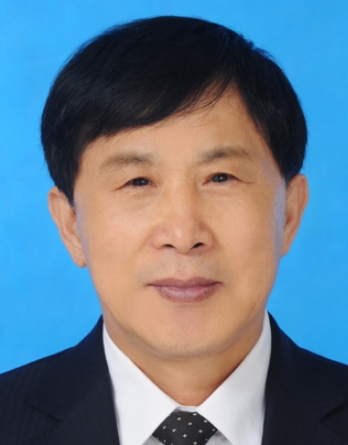 Lijun Wang (王立军)合作论文数Changchun Institute of Optics, Fine Mechanics and Physics, Chinese Academy of Sciences;University of Chinese Academy of Sciences3
 Yongqiang Ning (宁永强)合作论文数Changchun Institute of Optics, Fine Mechanics and Physics, Chinese Academy of Sciences;University of Chinese Academy of Sciences3
 Hao Li (李昊)合作论文数Artificial Intelligence Innovation and Incubation (AI³) Institute, Fudan University3Qiang Zhang合作论文数3
 Wei Pan合作论文数Department of Computer Science, The University of Manchester;Centre for AI Fundamentals, The University of Manchester3Yugang Zeng (曾玉刚)合作论文数3
 Junwei Qiao (乔珺威)合作论文数College of Materials Science and Engineering, Taiyuan University of Technology3
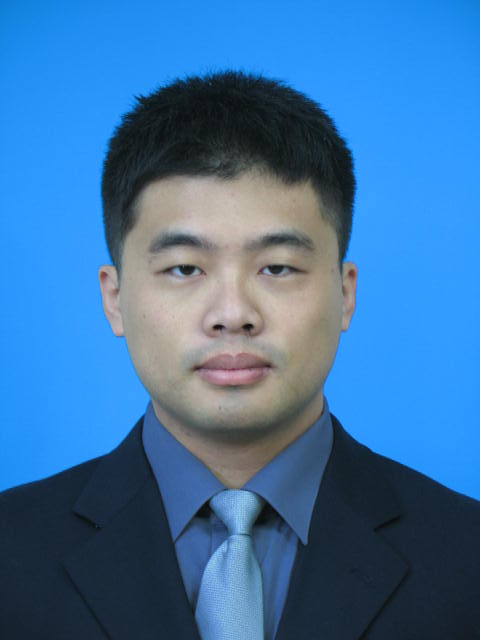 Yongyi Chen (陈泳屹)合作论文数Changchun Institute of Optics, Fine Mechanics and Physics, Chinese Academy of Sciences;University of Chinese Academy of Sciences3Zhiming Jiao (焦志明)合作论文数College of Mechanical and Vehicle Engineering, Taiyuan University of Technology3




