Mixture-of-Experts (MoE) has become a dominant architecture for scaling Large Language Models (LLMs) efficiently by decoupling total parameters from computational cost. However, this decoupling creates a critical challenge: predicting the model capacity of a given MoE configurations (e.g., expert activation ratio and granularity) remains an unresolved problem. To address this gap, we introduce Efficiency Leverage (EL), a metric quantifying the computational advantage of an MoE model over a dense equivalent. We conduct a large-scale empirical study, training over 300 models up to 28B parameters, to systematically investigate the relationship between MoE architectural configurations and EL. Our findings reveal that EL is primarily driven by the expert activation ratio and the total compute budget, both following predictable power laws, while expert granularity acts as a non-linear modulator with a clear optimal range. We integrate these discoveries into a unified scaling law that accurately predicts the EL of an MoE architecture based on its configuration. To validate our derived scaling laws, we designed and trained MoE-mini, a model with only 0.85B active parameters, alongside a 6.1B dense model for comparison. When trained on an identical 1T high-quality token dataset, MoE-mini matched the performance of the 6.1B dense model while consuming over 7x fewer computational resources, thereby confirming the accuracy of our scaling laws. This work provides a principled and empirically-grounded foundation for the scaling of efficient MoE models.
Medical diagnosis is a complex, iterative process that relies heavily on clinicians’ reasoning and judgment. Traditional models, while able to provide consistent diagnostic results, fail to replicate the reasoning process of clinicians, making their outputs difficult to understand and justify. In this paper, we address this limitation by first generating clinical notes that capture the clinician’s diagnostic reasoning. These notes are then used to train a large language model, allowing it to mimic the step-by-step reasoning employed by clinicians during diagnosis. Our method introduces a hierarchical agent reflection mechanism to generate clinical notes, which deconstructs the diagnostic process into key stages, each handled by specialized agents. This structured approach not only improves the accuracy and reliability of the generated clinical notes but also ensures that the model’s reasoning aligns with human clinical practice. Experimental results show that models trained on this data outperform both general-purpose large language models and domain-specific medical models in diagnostic tasks. The proposed method enhances diagnostic transparency and interpretability, offering a valuable tool for AI-assisted clinical decision-making.
Fine-tuning enables large language models (LLMs) to adapt to specific domains, but often compromises their previously established safety alignment. To mitigate the degradation of model safety during fine-tuning, we introduce LookAhead Tuning, a lightweight and effective data-driven approach that preserves safety during fine-tuning. The method introduces two simple strategies that modify training data by previewing partial answer prefixes, thereby minimizing perturbations to the model's initial token distributions and maintaining its built-in safety mechanisms. Comprehensive experiments demonstrate that LookAhead Tuning effectively maintains model safety without sacrificing robust performance on downstream tasks. Our findings position LookAhead Tuning as a reliable and efficient solution for the safe and effective adaptation of LLMs.
We uncover ELR collapse in language model pretraining: learning rate (LR) and parameter norm govern loss dynamics primarily through their ratio, the effective learning rate (ELR). When ELR is matched across runs, their loss trajectories collapse throughout training despite substantially different LRs and parameter norms. Across optimizers, architectures, datasets, and model scales, mean collapse errors are typically a few x 10^-3, below the seed-to-seed variation measured in a representative configuration. Systematic ablations identify normalization design and the timescale of LR-norm variation as key determinants of collapse precision. Controlled interventions further show that weight decay and Hyperball shape loss dynamics primarily through the ELR schedules they induce. Replacing LR with ELR enables a fitted functional scaling law (FSL) to transfer across norm-control methods. The resulting ELR-based FSL also explains delayed acceleration, a recurring effect of norm control. Together, these results establish ELR as a common coordinate linking LR scheduling, norm control, and loss dynamics.
Dynamic graph representation learning under distribution shifts has drawn an increasing amount of attention in the research community, given its wide applicability in real-world scenarios. Existing methods typically employ a fixed-architecture design to extract invariant patterns. However, there may exist evolving distribution shifts in dynamic graphs, leading to suboptimal performance of fixed-architecture designs. To address this issue, we propose a novel adaptive-architecture design to handle evolving distribution shifts over time, to the best of our knowledge, for the first time. The proposed adaptive-architecture design introduces an adaptive mixture of architecture experts to capture invariant patterns under evolving distribution shifts, which imposes three challenges: 1) How to detect and characterize evolving distribution shifts to inform architectural decisions; 2) How to dynamically route different expert architectures to handle varying distribution characteristics; 3) How to ensure that the adaptive mixture of experts effectively discovers invariant patterns. To solve these challenges, we propose a novel \underline{\textbf{Ada}}ptive \underline{\textbf{Mix}}ture of Disentangled Experts (AdaMix) model to adaptively route architecture experts to varying distribution shifts and jointly learn spatio-temporal invariant patterns. Specifically, we propose a spatio-temporal distribution detector to infer evolving distribution shifts by jointly leveraging historical and current information. Building upon this, we develop a prototype-guided mixture of disentangled experts that adaptively routes experts with disentangled factors to different distribution shifts. Finally, we design a distribution-aware intervention mechanism that discovers invariant patterns based on expert selection of nodes. Extensive experiments on both synthetic and real-world datasets demonstrate that our proposed (AdaMix) model significantly outperforms state-of-the-art baselines.
Medical image segmentation plays a crucial role in clinical diagnosis, but deploying models on resource-constrained devices requires balancing accuracy and efficiency. Existing lightweight approaches often compromise global semantic modeling and fine-grained detail preservation, which limits their performance. To address this issue, we propose DCA-Net, an efficient segmentation network built upon a novel Dynamic Context-Aware mechanism. The mechanism decouples features into the global modeling path and local enhancement path, through channel partitioning and spatial reconstruction, and dynamically coordinates them to achieve a balance between global and local modeling within a lightweight architecture. DCA-Net further incorporates Multi-scale Large Kernel block to capture rich contextual information and the Efficient Feature Fusion block to integrate multi-level features effectively. With merely 0.28M parameters (0.3% of TransUNet), DCA-Net achieves superior performance over state-of-the-art lightweight networks, improving IoU and F1 score on the BUSI dataset by +4.24% and +4.28%, respectively, demonstrating an exceptional accuracy-efficiency trade-off.
In contemporary large language models (LLMs), the swish-gated linear unit (SwiGLU) activation function is widely adopted to regulate the information flow and introduce non-linearity. For large positive inputs, SwiGLU approximates the quadratic function x^2, providing strong nonlinearity and expressive capacity. However, this property also causes numerical instability as the input or model scale increases, particularly in low-precision LLM training. The main reason is its approximate quadratic amplification, which enlarges the output range and exacerbates outliers. To address this issue, we propose a stable activation function, Power Linear Unit (PowLU), for large-scale LLM pre-training. Specifically, PowLU employs a rational power function to achieve adaptive nonlinearity, thereby improving representation ability and enabling stable training in spike regions. Moreover, we provide theoretical justification for several key properties of PowLU. Scaling law experiments confirm that the performance is consistent across model sizes, and further experimental results with the Ling architecture (7.9B and 124B total parameters) demonstrate that PowLU achieves competitive results against SwiGLU and SwiGLU-Clip in large-scale training of LLMs. In addition, the experimental results also show that PowLU effectively improves the scalability of the large-scale training of LLMs.
Chinese medical named entity recognition (CMNER) is a fundamental task in medical information extraction. It is crucial for building downstream applications, such as clinical knowledge graphs, and enabling intelligent clinical decision-making. However, existing mainstream approaches, including lexicon-enhanced, span-based, and grid-based tagging methods, struggle with the absence of natural boundaries, complex nested entity structures, and long-range contextual dependencies inherent in clinical texts. To address these challenges, we propose a novel dual-stream fusion with dynamic grid interaction (D2GI) model, which performs deep semantic mining by integrating complementary feature streams and adaptive grid interactions to accurately capture complex entity boundaries and inter-character relations. Specifically, our dual-stream fusion architecture leverages RoFormer to extract long-range dependencies and incorporates Word2Vec to provide stable prior semantics, thereby enhancing the representation of rare medical terms. Furthermore, to overcome the limitations of static refinement, the dynamic grid interaction module employs a gated attention mechanism to adaptively fuse local and global contexts, facilitating accurate recognition of nested entities. Multiple experiments on three public datasets demonstrate that D2GI is superior to state-of-the-art baselines, achieving F1-score improvements of 1.48 percentage points (PPs) on CMeEE-V2, 1.61 PPs on DiaKG, and 3.08 PPs on CCKS2020.
The advancement of reasoning capabilities in Large Language Models (LLMs) requires substantial amounts of high-quality reasoning data, particularly in mathematics. Existing data synthesis methods, such as data augmentation from annotated training sets or direct question generation based on relevant knowledge points and documents, have expanded datasets but face challenges in mastering the inner logic of the problem during generation and ensuring the verifiability of the solutions. To address these issues, we propose RV-Syn, a novel Rational and Verifiable mathematical Synthesis approach. RV-Syn constructs a structured mathematical operation function library based on initial seed problems and generates computational graphs as solutions by combining Python-formatted functions from this library. These graphs are then back-translated into complex problems. Based on the constructed computation graph, we achieve solution-guided logic-aware problem generation. Furthermore, the executability of the computational graph ensures the verifiability of the solving process. Experimental results show that RV-Syn surpasses existing synthesis methods, including those involving human-generated problems, achieving greater efficient data scaling. This approach provides a scalable framework for generating high-quality reasoning datasets.
Large language models (LLMs) facilitate the development of autonomous agents. As a core component of such agents, task planning aims to decompose complex natural language requests into concrete, solvable sub-tasks. Since LLM-generated plans are frequently prone to hallucinations and sensitive to long-context prom-pts, recent research has introduced plan verifiers to identify and correct potential flaws. However, most existing approaches still rely on an LLM as the verifier via additional prompting for plan review or self-reflection. LLM-based verifiers can be misled by plausible narration and struggle to detect failures caused by structural relations across steps, such as type mismatches, missing intermediates, or broken dependencies. To address these limitations, we propose a graph-based verifier for LLM task planning. Specifically, the proposed method has four major components: Firstly, we represent a plan as a directed graph with enriched attributes, where nodes denote sub-tasks and edges encode execution order and dependency constraints. Secondly, a graph neural network (GNN) then performs structural evaluation and diagnosis, producing a graph-level plausibility score for plan acceptance as well as node/edge-level risk scores to localize erroneous regions. Thirdly, we construct controllable perturbations from ground truth plan graphs, and automatically generate training data with fine-grained annotations. Finally, guided by the feedback from our GNN verifier, we enable an LLM to conduct local edits (e.g., tool replacement or insertion) to correct the plan when the graph-level score is insufficient. Extensive experiments across diverse datasets, backbone LLMs, and planners demonstrate that our GNNVerifier achieves significant gains in improving plan quality. Our data and code is available at https://github.com/BUPT-GAMMA/GNNVerifier.
Recommender systems have become critical in alleviating information overload, with implicit feedback learning emerging as a dominant approach due to its capacity to capture detailed user behaviors and the simplicity of data collection. However, implicit feedback data is often noisy and biased. Although existing denoising methods have proven effective, they often exacerbate data sparsity by discarding samples or struggling to generalize across different datasets. To address these challenges, we propose a novel implicit feedback recommendation model called the Cross-Model Denoising and Spearman-Based Negative Sample Filling. This model performs data denoising and sample filling by leveraging the collaboration between a primary and an auxiliary model, integrating Kullback-Leibler (KL) divergence and the Spearman rank correlation coefficient. Specifically, noisy samples tend to produce larger prediction discrepancies across models. To capture this effect, we use KL divergence to quantify cross-model prediction consistency, enabling the identification and removal of noisy positive and negative samples while mitigating the bias of single-model judgments. Unlike conventional approaches that rely solely on loss values, which fail to separate noise from informative but hard-to-learn instances, KL divergence effectively reflects discrepancies in predictive distributions under different levels of overfitting, thereby providing a more robust basis for denoising. To mitigate the data sparsity introduced by denoising, we further utilize Spearman rank correlation to select reliable noisy negative samples with higher ranking consistency and refill them into the training set. This not only compensates for data loss but also leverages latent weak signals, enabling the model to better capture users’ implicit interests. Experimental results demonstrate that the proposed model consistently outperforms existing recommendation methods across multiple datasets, enhancing recommendation accuracy.
Skills have become an important abstraction for enabling large language model (LLM) agents to reuse past experience in long-horizon interactive tasks. However, existing trajectory-to-skill methods often produce flat collections of high-level textual skills that are stored and retrieved independently, leaving skill relations underutilized and maintaining a gap between high-level skills and executable actions. In this paper, we propose HiSkill, a hierarchical skill graph framework that organizes interaction trajectories into a directed graph with skill nodes, AtomicOp nodes, and typed edges. Specifically, the graph connects reusable high-level skills with executable action templates, while also capturing decomposition, temporal transition, compatibility, support, and recovery relations among them. At inference time, HiSkill retrieves a compact task-relevant subgraph and performs subgraph-guided task execution, where a symbolic task state, an active skill, and the retrieved subgraph guide the LLM agent to switch skills, select AtomicOps, and ground executable actions iteratively. Experiments on three interactive environments show that HiSkill outperforms state-of-the-art baselines while reducing inference token consumption, demonstrating the effectiveness of bridging high-level skills and executable action grounding through a hierarchical skill graph. Our data and code is available at https://github.com/BUPT-GAMMA/HiSkill.
Large Language Models (LLMs) have demonstrated strong potential for generative recommendation by leveraging rich semantic knowledge. However, existing LLM-based recommender systems struggle to effectively incorporate collaborative filtering (CF) signals, due to a fundamental mismatch between item-level preference modeling in CF and token-level next-token prediction (NTP) optimization in LLMs. Prior approaches typically treat CF as contextual hints or representation bias, and resort to multi-stage training to reduce behavioral semantic space discrepancies, leaving CF unable to explicitly regulate LLM generation. In this work, we propose Token-level Collaborative Alignment for Recommendation (TCA4Rec), a model-agnostic and plug-and-play framework that establishes an explicit optimization-level interface between CF supervision and LLM generation. TCA4Rec consists of (i) Collaborative Tokenizer, which projects raw item-level CF logits into token-level distributions aligned with the LLM token space, and (ii) Soft Label Alignment, which integrates these CF-informed distributions with one-hot supervision to optimize a soft NTP objective. This design preserves the generative nature of LLM training while enabling collaborative alignment with essential user preference of CF models. We highlight TCA4Rec is compatible with arbitrary traditional CF models and generalizes across a wide range of decoder-based LLM recommender architectures. Moreover, it provides an explicit mechanism to balance behavioral alignment and semantic fluency, yielding generative recommendations that are both accurate and controllable. Extensive experiments demonstrate that TCA4Rec consistently improves recommendation performance across a broad spectrum of CF models and LLM-based recommender systems.
Reinforcement learning with verifiable rewards without human-annotated data, often referred to as zero RL, has emerged as a powerful paradigm for eliciting chain-of-thought reasoning. However, due to computational constraints, existing studies are largely restricted to small models, leaving the training dynamics and emergent capabilities at a large scale unexplored. To meaningfully explore this frontier, we aim to elicit high-quality reasoning behaviors from the model. However, we find that naive scaling often suffers from poor readability, token redundancy, and a lack of adaptive reasoning depth. To address these challenges, we present a stable and efficient training pipeline, incorporating algorithmic and system optimizations such as clipped importance sampling, training-inference ratio correction, and mixed-precision control. Our experiments offer three key findings that validate the "bitter lesson" of scaling: (1) scaling to 1T parameters significantly enhances sample efficiency and performance ceilings; (2) the training process progresses sequentially through an initial discovery phase followed by a sharpening phase; and (3) the model spontaneously develops advanced cognitive behaviors, including anthropomorphism, structured formatting, self-verification, parallel reasoning, and context anxiety, rendering hand-crafted heuristics redundant. Evaluated on seven mathematical benchmarks, Ring-2.5-1T-Zero achieves competitive performance. Additionally, to assess CoT quality beyond final-answer correctness, we propose a structured evaluation framework across three dimensions: comprehensibility, reproducibility, and efficiency, where our model demonstrates clear advantages in producing structured and concise reasoning traces. By sharing our observed emergent phenomena, we hope to provide the community with deeper insights into scaling behaviors, particularly at the 1-trillion scale.
Large language models are increasingly expected to handle complex, long-horizon real-world tasks whose context demands can grow without bound, yet model context windows remain inherently finite. Recent work explores a paradigm where a main agent decomposes tasks and dispatches subtasks to subagents, which execute and return only summarized results, conserving the main agent's context budget. However, performing this well requires delegation intelligence: the ability to decompose complex tasks, determine when and what to delegate, and integrate returned results into the ongoing workflow. Training data for this capability is scarce in naturally occurring text, and to our knowledge, how to synthesize such data and train models to acquire this capability remains largely unexplored in the open-source community. To bridge this gap, we present a preliminary exploration targeting deep research, a representative long-horizon agent task. Specifically, we design a harness that guides the model toward high-quality task decomposition and delegation, while constraining subagents to return results properly to support the main agent's workflow. The harness-guided trajectories naturally encode correct delegation decisions, which we use as supervised fine-tuning data to internalize delegation intelligence into model weights. Our resulting model, SearchSwarm-30B-A3B, achieves 68.1 on BrowseComp and 73.3 on BrowseComp-ZH, the best results among all models of comparable scale. We will release our harness, model weights, and training data to facilitate future research.
Autoencoders have been widely adopted in recommender systems due to their strong nonlinear representation capability. However, the global shared encoder parameters often lead to gradient conflicts in the parameter space when faced with heterogeneous rating samples, which undermines the training stability and personalized modeling capability of the model. To address this issue, we propose an improved autoencoder-based recommendation method integrating bias disentanglement and noise suppression. Specifically, the observed ratings are decomposed into rating bias and personalized residual preferences through bias disentanglement, thereby reducing the interference of rating bias on the update of encoder parameters. Additionally, a diffusion model is introduced to denoise rating bias, suppress the negative impact of noise on the training process, and enhance the model’s overall robustness. Extensive experimental results on three public datasets demonstrate that our model significantly alleviates gradient conflicts and, compared with all baseline methods, achieves average improvements of 7.95% and 7.72% in Precision@5 and NDCG@5, respectively.
Current AI benchmarks evaluate agents on task execution within human-designed workflows. These evaluations fundamentally fail to measure a critical next-level capability: whether models can autonomously develop agent systems. We introduce the Meta-Agent Challenge (MAC), an evaluation framework designed to test the capacity of frontier models for autonomous agent development. Specifically, a code agent (the meta-agent) is given a sandboxed environment, an evaluation API, and a time limitation to iteratively program an agent artifact that maximizes performance on a held-out test set across five domains. To ensure evaluation integrity, this framework is secured by multi-layer defenses against reward hacking. Leveraging this framework, we demonstrate that meta-agents rarely match human-engineered baseline policies, and the few that do are dominated by proprietary frontier models. Moreover, the design process exhibits high variance, and high optimization pressure surfaces emergent adversarial behaviors like ground-truth exfiltration-highlighting critical deficits in both robustness and model alignment. Ultimately, MAC provides a rigorous, open-source benchmark for autonomous AI research and development, offering an empirical proxy for evaluating recursive self-improvement. Benchmark is publicly available at: https://github.com/ant-research/meta-agent-challenge.
Optimizing data mixtures is essential for unlocking the full potential of large language models (LLMs), yet identifying the optimal composition remains computationally prohibitive due to reliance on heuristic trials or expensive proxy training. To address this, we introduce \textbf{MergeMix}, a novel approach that efficiently determines optimal data mixing ratios by repurposing model merging weights as a high-fidelity, low-cost performance proxy. By training domain-specific experts on minimal tokens and optimizing their merging weights against downstream benchmarks, MergeMix effectively optimizes the performance of data mixtures without incurring the cost of full-scale training. Extensive experiments on models with 8B and 16B parameters validate that MergeMix achieves performance comparable to or surpassing exhaustive manual tuning while drastically reducing search costs. Furthermore, MergeMix exhibits high rank consistency (Spearman $ρ> 0.9$) and strong cross-scale transferability, offering a scalable, automated solution for data mixture optimization.
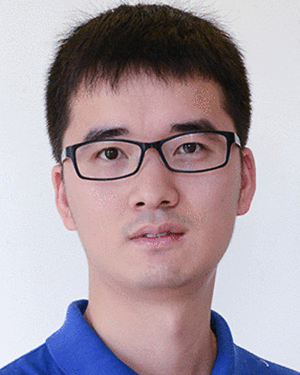 Jun Zhou合作论文数Ant Group131
 Binbin Hu (胡斌斌)合作论文数Ant Group54
 Ziqi Liu合作论文数AI Department, Ant Group49
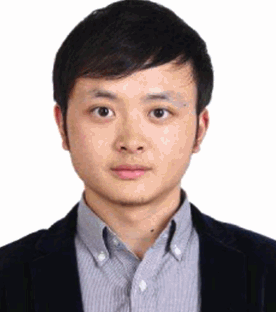 Wenxin Yu合作论文数School of Computer Science and Technology, Southwest University of Science and Technology38
 Daixin Wang合作论文数24
 Chuan Shi (石川)合作论文数Founder of Graph Data Mining and Machine Learning Lab, School of Computer Science, Beijing University of Posts and Telecommunications22
 Jinjie Gu合作论文数Fudan University21Wu Zhengwei合作论文数Ant Financial18
 Mengshu Sun (孙梦姝)合作论文数School of Information Science and Technology, Beijing University of Technology17
 Jinjia Zhou (周金佳)合作论文数Department of Applied Informatics, Faculty of Science and Engineering, Hosei University16
 Changxin Tian (田长鑫)合作论文数Ant Group15
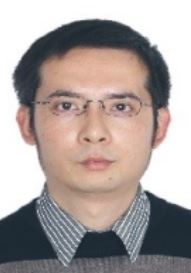 Ning Jiang (江宁)合作论文数School of Information and Communication Engineering, University of Electronic Science and Technology of China14Zujie Wen合作论文数13Haiyan Wu合作论文数12
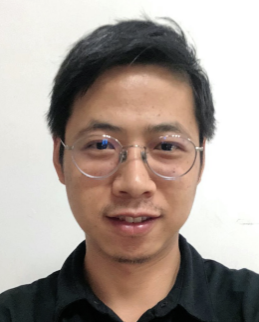 Gang He (何刚)合作论文数School of Telecommunications Engineering, Xidian University12
 Yunye Zhang合作论文数Southwest Univ Sci & Technol, Mianyang, Sichuan, Peoples R China11
 Zhuo Yang合作论文数Guangdong Univ Technol, Guangzhou, Peoples R China11
 Huajun Chen (陈华钧)合作论文数College of Computer Science and Technology, Zhejiang University11Guannan Zhang合作论文数10
 Yue Shen合作论文数Shanghai University, Shanghai University10
 Yuan Qi (漆远)合作论文数Artificial Intelligence Innovation and Incubation Institute of Fudan University10
 Yibo Fan (范益波)合作论文数School of Microelectronics, Fudan University;Video & Image Processor Laboratory, Fudan University9
 Xin Zhao (趙信)合作论文数The University of Tokyo;National Institute of Informatics8Lihong Gu合作论文数Ant Grp, Hangzhou, Zhejiang, Peoples R China8Yanming Fang合作论文数Ant Financial Services Group8
 Wayne Xin Zhao (赵鑫)合作论文数Gaoling School of Artificial Intelligence, Renmin University of China8Chunjing Gan合作论文数7
 Ke Tu (涂珂)合作论文数Ant Group7
 Fuzhen Zhuang (庄福振)合作论文数Research Center for Intelligent Perception and Cognition, Institute of Artificial Intelligence, Beihang University7
 Cheng Yang (杨成)合作论文数School of Computer Science, Beijing University of Posts and Telecommunications7
 Dan Yang (阳丹)合作论文数Chongqing University Cancer Hospital7
 Wen Zhang (张文)合作论文数College of Computer Science and Technology, Zhejiang University;School of Software Technology, Zhejiang University7Lei Liang合作论文数6
 Xuewen Zhang合作论文数Southwest Univ Sci & Technol, Sch Comp Sci & Technol, Mianyang 621010, Sichuan, Peoples R China6
 Tiezheng Ge (葛铁铮)合作论文数Alibaba Group6
 Chaochao Chen (陈超超)合作论文数College of Computer Science and Technology, Zhejiang University6
 Xiaodong Zeng合作论文数Portuguese-Chinese Machine Translation Laboratory6Hongrui Liu合作论文数Beijing University of Post and Telecommunication6
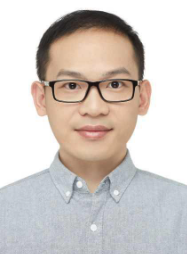 Xiao Wang (王啸)合作论文数School of Software, Beihang University6
 Xiaolong Li (李小龙)合作论文数Ant Group6
 Wenliang Zhong合作论文数Department of Computer Science and Engineering, Hong Kong University of Science and Technology6
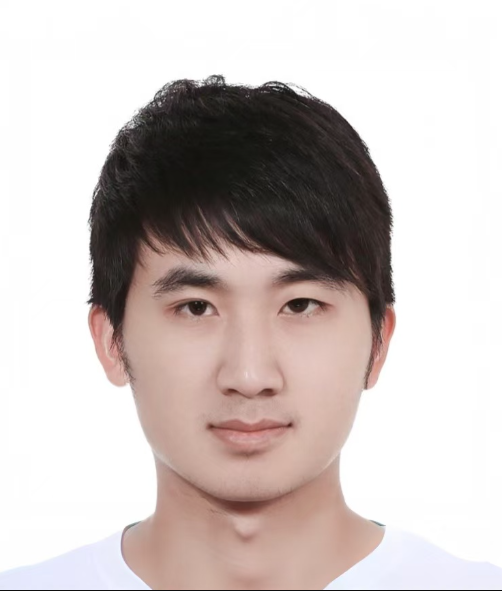 Long-Fei Li (李龙飞)合作论文数Noah's Ark Lab, Huawei5Xiaoyan Yang合作论文数5
 Xinyu Tang (汤昕宇)合作论文数Gaoling School of Artificial Intelligence, Renmin University of China5
 Siyuan Li (李思远)合作论文数School of Engineering, Westlake University;Zhejiang University;ByteDance5Shuo Yang合作论文数5
 Dong Wang合作论文数Department of Computer Science and Engineering, University of Notre Dame5
 Peng Cui (崔鹏)合作论文数Lab of Media and Network, Department of Computer Science and Technology, Tsinghua University5
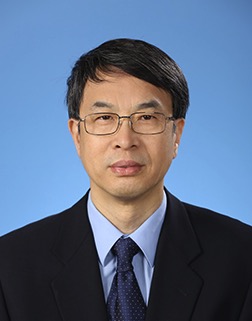 Wenwu Zhu (朱文武)合作论文数Department of Computer Science and Technology, Tsinghua University5




