The varying content and ratios of glucose and fructose in honey directly impact its quality, flavor, and nutritional value. Given the growing demand for rapid, accurate honey quality assessment amid global food safety concerns and the lack of intelligent on-site detection tools, the relevance and importance of this research are particularly prominent now. Achieving rapid and intelligent detection of honey remains an urgent challenge in food and pharmaceutical fields. In this study, a solid-state SERS platform was developed using a self-assembled APSGS/ GO/AuNPs substrate for highly sensitive detection of glucose and fructose. Fabricated via multi-step controlled assembly process, this structure combines the high-density hotspots of graphene oxide (GO) with the signal enhancement effect of AuNPs. With the signal molecule 4-mercaptobenzeneboronic acid (4-MPBA), a detection limit of 9.7 x 10⁻⁶ M was achieved with a linear range of 1 x 10- 5-8 x 10⁻³ M. After the characteristic spectra of glucose and fructose in honey were captured, CARS was employed to screen key feature wavenumbers, and BRR and SVR quantitative models were constructed respectively. Results indicated that the optimal models for glucose (CARS-BRR) and fructose (CARS-SVR) both achieved R2p exceeding 0.95, with RMSEP of 0.5015 and 0.2112, respectively. Highly sensitive and rapid detection of both sugars in honey was enabled by this algorithm. Experimental results demonstrated that this method is characterized by a low detection limit and excellent repeatability. It provides reliable technical support for honey quality control, authenticity verification, and market regulation, holding significant importance for promoting the healthy development of the honey industry.
The consistent quality of Traditional Chinese Medicine (TCM) pills is ensured as a critical step in their production. However, challenges remain in the achievement of rapid and non-destructive quality assessment. Taking Zhisou Qingguo Wan (ZSQGW) as a case, a multimodal information fusion strategy is proposed in this study, as well as deep learning classification and quantitative models integrated with attention mechanisms are constructed. The Extreme Gradient Boosting (XGBoost) algorithm was utilized to identify 16 key characteristic indicators from 41 components, and the correlation between these indicators and spectral wavelengths was adopted to weight the specific wavelengths. Meanwhile, 8 morphological features and 18 texture features of the samples were extracted by means of algorithms such as Hough Circle Detection, Gray Level Co-occurrence Matrix (GLCM) and Local Binary Patterns (LBP). Multimodal inputs were constructed through the fusion of hyperspectral characteristic component information, morphological information and textural information. The integration of attention mechanisms, such as Convolutional Block Attention Module (CBAM) and Multi-Head Attention Feature Fusion (MHAFF), significantly enhanced the models' generalization capabilities in both classification and regression tasks. Results demonstrated that the CBAM-MobileNetV3 model achieved an accuracy of 99.21% in the classification task, a significant improvement over the traditional model's accuracy of 83.16%. For the regression task, the CNN-Transformer-MHAFF model improved the predicted R2 for moisture content from 0.7494 to 0.8272, while reducing the RMSE from 0.5877 to 0.4741. In the prediction of 5-HMF content, R2 increased from 0.9551 in traditional models to 0.9780, and RMSE decreased from 0.2736 to 0.1615. This study validates the effectiveness and accuracy of the multimodal information fusion strategy combining deep learning and attention mechanisms, providing reliable technical support for the quality evaluation and process control of TCM preparations.
OBJECTIVES:The cardiotoxicity of immune checkpoint inhibitors (ICIs) has garnered significant clinical attention due to its high mortality rate. However, limited clinical research and inconsistent results have hindered a comprehensive understanding of this issue. This study seeks to elucidate gender and age differences in cardiac-related adverse reactions, aiming to offer scientific evidence to inform clinical practice. DESIGN:A retrospective pharmacovigilance study. SETTING:Based on the reports of ICIs in the FDA Adverse Event Reporting System database from 2003-2023, we conducted a disproportionality analysis to identify cardiac immune-related adverse events (irAEs) and explored the correlation of age and gender with these adverse events. MAIN OUTCOME MEASURES:The main cardiac irAEs were defined by four preferred terms: myocarditis, atrial fibrillation, cardiac failure and pericardial effusion. Both the proportional reporting ratio (PRR) and reporting odds ratio (ROR) are frequency methods. Data mining was performed using the PRR method, which assesses the relative risk of adverse drug reactions by comparing the frequency of reports associating a specific drug with a particular adverse reaction to the frequency of reports linking any drug to the same reaction. A higher PRR indicates a more robust adverse event signal, suggesting a stronger statistical association between the drug of interest and the target adverse event. In the research process, we primarily used the ROR and PRR from disproportionality analysis to screen for cardiac irAEs, while also elucidating the correlation between these reactions and factors such as age and gender. RESULTS:A total of 2033 adverse events were retrieved, and myocarditis was the most common cardiac irAEs. Gender disparities exist in the incidence of various adverse reactions to the same medication. Female patients need to be particularly vigilant for cardiac adverse events when taking atezolizumab, and male patients should be especially cautious for cardiac adverse events when using ipilimumab. Furthermore, ipilimumab produced a positive signal for pericardial effusion in the elderly group but not in the younger group, suggesting that elderly patients may be more susceptible to adverse reactions. Therefore, increased vigilance and careful monitoring are warranted during clinical administration of this medication to elderly patients. CONCLUSION:Our study highlights the gender and age differences in cardiac adverse events with ICIs, providing valuable insights for clinical application.
The application of artificial intelligence in traditional Chinese medicine (TCM) has become a hot topic in the scientific community. American ginseng (AG), a perennial herb with a rich history, is widely utilized in clinical settings due to its diverse pharmacological activities and nutritional value. However, the quality of AG in the market is often compromised by the presence of similar-looking adulterants from different regions. Rapid and precise identification of its origin is crucial for consumers. This study proposes a novel approach, employing a Mid-Level-Fusion method that combines hyperspectral imaging (HSI) and ultra performance liquid chromatography-quadrupole linear ion trap mass spectrometry (UPLC-QTRAP-MS/MS) techniques to successfully identify origins of AG. Firstly, the 1D-Gradient-weighted class activation mapping (1D-GradCAM) algorithm was utilized for feature selection on HSI data, visualizing wavelengths contributing significantly to classification results and using the 1D-GradCAM algorithm, the spectral features were reduced from 510 to 91, achieving 105 % of the performance of the full-wavelength model. Simultaneously, redundant data in UPLC-QTRAP-MS/MS were eliminated using Cars-PLS, reducing the number of indicator components from 23 to 11. Subsequently, a Mid-Level Fusion matrix was generated based on the filtered HSI and UPLC-QTRAP-MS/MS data to establish an AG origin tracing model, achieving a detection accuracy of up to 96.15 %. Finally, the established HSI-UPLC-QTRAP-MS/MS-Mid-Level-Fusion model enabled pixel-level recognition of origin tracing. In conclusion, HSI combined with UPLC-QTRAP-MS/MS Mid-Level-Fusion presents a feasible method for tracing AG origins, playing a crucial role in quality control at the source in TCM production.
The traditional Chinese medicine(TCM) industry is a crucial part of China's pharmaceutical sector and plays a strategic role in ensuring public health and promoting economic and social development. In response to the practical demand for high-quality development of the TCM industry, this paper focused on the bottlenecks encountered during the digital and intelligent transformation of TCM production systems. Specifically, it explored technical strategies and methodologies for constructing the best TCM production mode. An innovative artificial intelligence(AI)-centered technical architecture for TCM production was proposed, focusing on key aspects of production management including process modeling, state evaluation, and decision optimization. Furthermore, a series of critical technologies were developed to realize the best TCM production mode. Finally, a novel AI-driven TCM production mode characterized by a closed-loop system of "measurement-modeling-decision-execution" was presented through engineering case studies. This study is expected to provide a technological pathway for developing new quality productive forces within the TCM industry.
Pinellia ternata has high commercial and ecological value. As a traditional Chinese medicine (TCM), the authenticity identification of Pinellia ternata is critical to maintaining the quality and safety of the market. Traditional chemical detection methods are highly destructive and operationally cumbersome, struggling to meet industrial-scale rapid screening demands. This study developed a hyperspectral imaging-based spectral-texture multimodal fusion strategy and combined with machine learning algorithms to achieve efficient non-destructive discrimination of TCM, taking Pinellia ternata (PT), Arisaema heterophyllum (AH), Typhonium flagelliforme (TF), and Pinellia pedatisecta (PP) as examples. Hyperspectral images from 1140 samples were acquired in the 898-1751 nm spectral range. Critic weighting method objectively identified key characteristic wavelengths, while 11 textural features were extracted using gray-level run-length matrix analysis. A variety of feature selection strategies were employed to refine texture dimensions. By constructing dual-stage feature screening, important wavelengths and texture information were evaluated and captured. Based on the above, a spectraltextural multimodal dataset was constructed. Models such as Data-Driven Soft Independent Modeling of Class Analogy (DD-SIMCA) algorithm enabled authenticity verification, while the Linear Discriminant Analysis (LDA) were employed for TCM sorting. Results showed that DD-SIMCA model implementing spectral-image data fusion strategy demonstrated superior efficiency (99.87 %) over single-modality analytical approaches (92.47 %). The classification accuracy rate of LDA for PT and its counterfeits reached 99.17 %. Therefore, the hyperspectral imaging-based spectral-texture multimodal fusion strategy and intelligent identification framework overcome the limitations of single-modality analysis, and offered technical foundations for intelligent classification of raw material in manufacturing of TCM.
Achyranthes bidentata is always salt-processed before being prescribed for treating osteoarthritis. Yet the salt-processing parameters have not been optimized, and the specific bioactive constituents responsible for the osteoarthritis effect of salt-processed A. bidentata have not been fully elucidated. In this study, a Box–Behnken experimental design was chosen for the optimization of the salt-processing parameters of A. bidentata, including stir-frying time, concentration of brine, and soak time. Meanwhile, HPLC–Q-TOF-MS was utilized to analyze the chemical profiles of various batches of raw and salt-processed A. bidentata. The anti-inflammatory potential of nine batches of both raw and salt-processed A. bidentata was assessed via a cyclooxygenase-2 (COX-2) inhibitory assay. A gray correlation analysis was conducted to correlate the peak areas of the compounds in raw and salt-processed A. bidentata with their COX-2 inhibitory effects. Finally, the optimal salt-processing conditions are as follows: soak time: 29 min; concentration of brine: 1.8%; stir-frying time: 4.4 min. Twenty-nine compounds were identified. Eight compounds were found to have a strong positive correlation with anti-inflammatory activity, as confirmed by the COX-2 inhibitory assay. Notably, this is the first report of the COX-2 inhibitory effects of sanleng acid, stachysterone D, dihydroactinidiolide, N-cis-feruloyl-3-methoxytyramine, 9,12,13-trihydroxy-10-octadecenoic acid, azelaic acid, and dehydroecdysone.
Download This Paper Open PDF in Browser Add Paper to My Library Share: Permalink Using these links will ensure access to this page indefinitely Copy URL Copy DOI
Red ginseng is widely used in food and pharmaceuticals due to its significant nutritional value. However, during the processing and storage of red ginseng, it is susceptible to grow mold and produce mycotoxins, generating security issues. This study proposes a novel approach using hyperspectral imaging technology and a 1D-convolutional neural network-residual-bidirectional-long short-term memory attention mechanism (1DCNN-ResBiLSTM-Attention) for pixel-level mycotoxin recognition in red ginseng. The “Red Ginseng-Mycotoxin” (R-M) dataset is established, and optimal parameters for 1D-CNN, residual bidirectional long short-term memory (ResBiLSTM), and 1DCNN-ResBiLSTM-Attention models are determined. The models achieved testing accuracies of 98.75%, 99.03%, and 99.17%, respectively. To simulate real detection scenarios with potential interfering impurities during the sampling process, a “Red Ginseng-Mycotoxin-Interfering Impurities” (R-M-I) dataset was created. The testing accuracy of the 1DCNN-ResBiLSTM-Attention model reached 96.39%, and it successfully predicted pixel-wise classification for other unknown samples. This study introduces a novel method for real-time mycotoxin monitoring in traditional Chinese medicine, with important implications for the on-site quality control of herbal materials.
Traditional Chinese Medicine (TCM) formulations often contain a complex mixture of compounds, making it challenging to evaluate their quality. Buzhong Yiqi Oral Liquid (BYOL), a well-known TCM formulation, has been used to treat gastrointestinal diseases and fatigue for a long time. However, the effective substances for its therapeutic effects remain unclear. This study aimed to establish a novel quality control approach for BYOL using a multidimensional feature network to identify quality markers (Q-markers). The multidimensional characteristic network was constructed by a "Spider-Web" model, including the compatibility of ingredients, traceability of compounds from raw materials to the final product, effectiveness, measurability, and stability. Multivariate statistical analysis was applied to quantify the individual dimensions of the feature network, and candidate compounds were identified based on regression regions within the network. Using the multidimensional characteristic network, 12 components were identified as key Q-markers for BYOL, consisting of calycosin-7-O-beta-D-glucoside, formononetin, astragaloside IV, liquiritin, quercetin, hesperidin, glycyrrhizic acid, isorhamnetin, liquiritin apioside, hesperidin, luteolin, and nobiletin. The identified Q-markers offered valuable insights for future research on medicinal substances and quality control of BYOL. [GRAPHICS]
Radix glycyrrhizae (licorice) is extensively employed in traditional Chinese medicine, and serves as a crucial raw material in industries such as food and cosmetics. The quality of licorice from different origins varies greatly, so classification of its geographical origin is particularly important. This study proposes a technique for fine structure recognition and segmentation of hyperspectral images of licorice using deep learning U-Net neural networks to segment the tissue structure patterns (phloem, xylem, and pith). Firstly, the three partitions were separately labeled using the Labelme tool, which was utilized to train the U-Net model. Secondly, the obtained optimal U-Net model was applied to predict three partitions of all samples. Lastly, various machine learning models (LDA, SVM, and PLS-DA) were trained based on segmented hyperspectral data. In addition, a threshold method and a circumcircle method were applied to segment licorice hyperspectral images for comparison. The results revealed that compared with the threshold segmentation method (which yielded SVM classifier accuracies of 99.17%, 91.15%, and 92.50% on the training set, validation set, and test set, respectively), the U-Net segmentation method significantly enhanced the accuracy of origin classification (99.06%, 94.72% and 96.07%). Conversely, the circumcircle segmentation method did not effectively improve the accuracy of origin classification (99.65%, 91.16% and 92.13%). By integrating Raman imaging of licorice, it can be inferred that the U-Net model, designed for region segmentation based on the inherent tissue structure of licorice, can effectively improve the accuracy origin classification, which has positive significance in the development of intelligence and information technology of Chinese medicine quality control.
Bed collapse is a serious problem in a fluid-bed granulation process of traditional Chinese medicine. Moisture content and size distribution are regarded as two pivotal influencing factors. Herein, a smart hyperspectral image analysis methodology was established via deep residual network (ResNet) algorithm, which was then applied to monitoring moisture content, size distribution and contents of four bioactive compounds of granules in the fluid -bed granulation process of Guanxinning tablets. First, a hyperspectral imaging camera was utilized to acquire hyperspectral images of 132 real granule samples in the spectral region of 389-1020 nm. Second, the moisture content and size distribution of the granules were measured with a laser particle sizer and a fast moisture analyzer, respectively. Moreover, the contents of danshensu, ferulic acid, rosmarinic acid and salvianolic acid B of the granules were determined by using high-performance liquid chromatography-diode array detection. Third, ResNet quantitative calibration models were built, which consisted of convolutional layer, maxpooling layer, four convolutional blocks with residual learning function and two fully connected layers. As a result, the R2c values for the moisture content, granule sizes and contents of four bioactive compounds are determined to be 0.957, 0.986, 0.936, 0.959, 0.937, 0.938, 0.956, 0.889, 0.914 and 0.928, whereas the R2p values are calculated as 0.940, 0.969, 0.904, 0.930, 0.925, 0.928, 0.896, 0.849, 0.844, and 0.905, respectively. The predicted values matched well with the measured values. These findings indicated that ResNet algorithm driven hyperspectral image analysis is feasible for monitoring both the physical and chemical properties of Guanxinning tablets at the same time.
The synergetic lexical model provides a unique framework for exploration of the interrelationships between the lexical properties of languages. Previous studies concerning several properties of this lexical model have yielded many successful fittings results, but very few studies have investigated synonymy, a major property of this model. The present study uses 825 Chinese and 848 English tokens retrieved from Chinese and English corpora, dictionaries, and thesaurus to conduct a contrastive study on the interrelations between four major properties of this lexical model: word length, word frequency, polysemy, and synonymy. The successful fittings of both languages demonstrate the cross-linguistic validity of the synergetic lexical model, though English belongs to the Germanic language family, while Chinese, a highly analytical language, is of the Sino-Tibetan language family. Moreover, our analysis of the parameters of the fitting results shows that, compared to English, Chinese possesses a greater resistance to shortening word length and a quicker response to semantic change.
Traditional Chinese medicine (TCM) fingerprinting, which has the characteristics of holism and ambiguity, is a conventional strategy for the holistic quality control of TCMs. However, the fingerprinting of TCMs at the current stage generally adopts a single wavelength or few wavelengths, lacking the effective utilization of diode-array detector (DAD) chromatogram data. This study proposes an intelligent extraction approach of feature information from a three-dimensional DAD chromatogram to establish a novel bar-form-diagram (BFD) for integrated quality control of TCMs. The BFD was automatically established by the chromatographic and spectral information of a complex hybrid system in a DAD chromatogram. This covered the peak areas of target compositions at the optimal absorption wavelength. Taking 27 batches of Gardenia jasminoides root as samples, the BFD combined with chemometrics was applied for assessing the quality of samples completely, which improved the accuracy of origin classification using hierarchical cluster analysis, principal component analysis, soft independent modeling of class analogy and orthogonal partial least squares discriminant analysis. Single-wavelength fingerprinting and BFD used 23 and 38 common peaks as variables respectively, and the adjusted rand index results of the single wavelength and BFD were 0.559 and 0.819, respectively. Compared with the ergodic methods of each single wavelength, the peak recognition method in this study improved the operation speed from 180 s to 4 s and the computational complexity. The established BFD approach performed more abundant characteristic information of chemical components of TCMs and more accurate origin classification ability, and it had great advantages in the overall quality control of TCMs.
Red ginseng is a widely used and extensively researched food and medicinal product with high nutritional value, derived from steamed fresh ginseng. The components in various parts of red ginseng differ significantly, resulting in distinct pharmacological activities and efficacies. This study proposed to establish a hyperspectral imaging technology combined with intelligent algorithms for the recognition of different parts of red ginseng based on the dual-scale of spectrum and image information. Firstly, the spectral information was processed by the best combination of first derivative as pre-processing method and partial least squares discriminant analysis (PLS-DA) as classification model. The recognition accuracy of the rhizome and the main root of red ginseng is 96.79% and 95.94% respectively. Then, the image information was processed by the You Only Look Once version 5 small (YOLO v5s) model. The best parameter combination is epoch = 30, learning rate = 0.01, and activation function is leaky ReLU. In the red ginseng dataset, the highest accuracy, recall and mean Average Precision at IoU (Intersection over Union) threshold 0.5 (mAP@0.5) were 99.01%, 98.51% and 99.07% respectively. The application of spectrum-image dual-scale digital information combined with intelligent algorithms in the recognition of red ginseng is successful, which provides a positive significance for the online and on-site quality control and authenticity identification of crude drugs or fruits.
The quality assurance of bulk medicinal materials, crucial for botanical drug production, necessitates advanced analytical methods. Conventional techniques, including high-performance liquid chromatography, require extensive pre-processing and rely on extensive solvent use, presenting both environmental and safety concerns. Accordingly, a non-destructive, expedited approach for assessing both the chemical and physical attributes of these materials is imperative for streamlined manufacturing. We introduce an innovative method, designated as Squeeze-and-Excitation Residual Network Combined Hyperspectral Image Analysis (SE-ReHIA), for the swift and non-invasive assessment of the chemical makeup of bulk medicinal substances. In a demonstrative application, hyperspectral imaging in the 389–1020 nm range was employed in 187 batches of Salvia miltiorrhiza. Notable constituents such as salvianolic acid B, dihydrotanshinone I, cryptotanshinone, tanshinone IIA, and moisture were quantified. The SE-ReHIA model, incorporating convolutional layers, maxpooling layers, squeeze-and-excitation residual blocks, and fully connected layers, exhibited Rc2 values of 0.981, 0.980, 0.975, 0.972, and 0.970 for the aforementioned compounds and moisture. Furthermore, Rp2 values were ascertained to be 0.975, 0.943, 0.962, 0.957, and 0.930, respectively, signifying the model’s commendable predictive competence. This study marks the inaugural application of SE-ReHIA for Salvia miltiorrhiza’s chemical profiling, offering a method that is rapid, eco-friendly, and non-invasive. Such advancements can fortify consistency across botanical drug batches, underpinning product reliability. The broader applicability of the SE-ReHIA technique in the quality assurance of bulk medicinal entities is anticipated with optimism.
Coupled with the convolutional neural network (CNN), an intelligent Raman spectroscopy methodology for rapid quantitative analysis of four pharmacodynamic substances and soluble solid in the manufacture process of Guanxinning tablets was established. Raman spectra of 330 real samples were collected by a portable Raman spectrometer. The contents of danshensu, ferulic acid, rosmarinic acid, and salvianolic acid B were determined with high-performance liquid chromatography-diode array detection (HPLC-DAD), while the content of soluble solid was determined by using an oven-drying method. In the establishing of the CNN calibration model, the spectral characteristic bands were screened out by a competitive adaptive reweighted sampling (CARS) algorithm. The performance of the CNN model is evaluated by root mean square error of calibration (RMSEC), root mean square error of cross-validation (RMSECV), root mean square error of prediction (RMSEP), coefficient of determination of calibration (Rc2), coefficient of determination of cross-validation (Rcv2), and coefficient of determination of validation (Rp2). The Rp2 values for soluble solid, salvianolic acid B, danshensu, ferulic acid, and rosmarinic acid are 0.9415, 0.9246, 0.8458, 0.8667, and 0.8491, respectively. The established model was used for the analysis of three batches of unknown samples from the manufacturing process of Guanxinning tablets. As the results show, Raman spectroscopy is faster and more convenient than that of conventional methods, which is helpful for the implementation of process analysis technology (PAT) in the manufacturing process of Guanxinning tablets.
There has been an increasing demand for rapid and sensitive techniques for the detection of heavy metal ions that are harmful to the human body in traditional Chinese medicine (TCM). However, the complex chemical composition of TCM makes the quantitative detection of heavy metal ions difficult. In this study, the magnetic Fe3O4@SiO2@AuNPs nanoparticles combined with a probe molecule DMcT were used for the specific enrichment and detection of Hg2+ in the complex system of licorice. The core of Fe3O4 was bonded with SiO2 to increase its stability. A layer of AuNPs was deposited to produce a “core–shell” Raman substrate with high surface-enhanced Raman spectroscopy (SERS) activity, which was surface modified by DMcT probe molecules with sulfhydryl groups. In the presence of Hg2+, Hg2+ binds to N on the amino group of DMcT to form N-Hg2+-N complexes, which induces Fe3O4@SiO2@AuNPs-DMcT clustering to enhance SERS signal. The Raman probe molecule DMcT showed an excellent linear relationship (R2 = 0.9709) between the SERS signal at 1416 cm−1 and the Hg2+ concentration (0.5~100 ng/mL). This method achieved a good recovery (89.10~111.00%) for the practical application of detection of Hg2+ in licorice extracts. The results demonstrated that the functional Fe3O4@SiO2@AuNPs-DMcT performed effective enrichment and showed high sensitivity and accurate detection of heavy metal ions from the analytes.
An effective approach for assessing a drug’s potential to induce autoimmune diseases (ADs) is needed in drug development. Here, we aim to develop a workflow to examine the association between structural alerts and drugs-induced ADs to improve toxicological prescreening tools. Considering reactive metabolite (RM) formation as a well-documented mechanism for drug-induced ADs, we investigated whether the presence of certain RM-related structural alerts was predictive for the risk of drug-induced AD. We constructed a database containing 171 RM-related structural alerts, generated a dataset of 407 AD- and non-AD-associated drugs, and performed statistical analysis. The nitrogen-containing benzene substituent alerts were found to be significantly associated with the risk of drug-induced ADs (odds ratio = 2.95, p = 0.0036). Furthermore, we developed a machine-learning-based predictive model by using daily dose and nitrogen-containing benzene substituent alerts as the top inputs and achieved the predictive performance of area under curve (AUC) of 70%. Additionally, we confirmed the reactivity of the nitrogen-containing benzene substituent aniline and related metabolites using quantum chemistry analysis and explored the underlying mechanisms. These identified structural alerts could be helpful in identifying drug candidates that carry a potential risk of drug-induced ADs to improve their safety profiles.
PURPOSE:We aimed to analyze and evaluate the safety signals of ribavirin-interferon combination through data mining of the US Food and Drug Administration Adverse Event Reporting System (FAERS), so as to provide reference for the rationale use of these agents in the management of relevant toxicities emerging in patients with novel coronavirus pneumonia (COVID-19).METHODS:Reports to the FAERS from 1 January 2004 to 8 March 2020 were analyzed. The proportion of report ratio (PRR), reporting odds ratio (ROR), and Bayesian confidence interval progressive neural network (BCPNN) method were used to detect the safety signals.RESULTS:A total of 55 safety signals were detected from the top 250 adverse event reactions in 2200 reports, but 19 signals were not included in the drug labels. All the detected adverse event reactions were associated with 13 System Organ Classes (SOC), such as gastrointestinal, blood and lymph, hepatobiliary, endocrine, and various nervous systems. The most frequent adverse events were analyzed, and the results showed that females were more likely to suffer from anemia, vomiting, neutropenia, diarrhea, and insomnia.CONCLUSION:The ADE (adverse drug event) signal detection based on FAERS is helpful to clarify the potential adverse events related to ribavirin-interferon combination for novel coronavirus therapy; clinicians should pay attention to the adverse reactions of gastrointestinal and blood systems, closely monitor the fluctuations of the platelet count, and carry out necessary mental health interventions to avoid serious adverse events.
 Hui Zhang合作论文数9
 Xiaohui Fan (范骁辉)合作论文数College of Pharmaceutical Sciences, Zhejiang University;Zhejiang Chinese Medical University8
 Jizhong Yan (颜继忠)合作论文数浙江工业大学药学院8
 Weida Tong合作论文数Division of Bioinformatics and Biostatistics, National Center for Toxicological Research, U.S. Food and Drug Administration7Minjun Chen (陈闽军)合作论文数6Xingchu Gong (龚行楚)合作论文数6Hongxu Zhang合作论文数5Yixia Pan合作论文数4Yuan Chen合作论文数4
 Yi Zhong (仲怿)合作论文数4LiYuan Kang (康立源)合作论文数4
 Jürgen Borlak合作论文数Institut für Pharmako- und Toxikogenomikforschung, Zentrum für Pharmakologie und Toxikologie, Medizinische Hochschule Hannover;CIBIO - Centre for Integrative Biology, Università degli Studi di Trento;Department of Medical Sciences, Uppsala University;Institute óf Anatomy, Faculty of Medicine, University of Leipzig;Centre for Pharmacology and Toxicology, Hannover Medical School4Wenya Shan合作论文数3Jiaqi Bao合作论文数3
 Zheng Li (李正)合作论文数Tianjin University of Traditional Chinese Medicine3
 Zhenzhong Yang (杨振中)合作论文数College of Pharmaceutical Sciences, Zhejiang University3
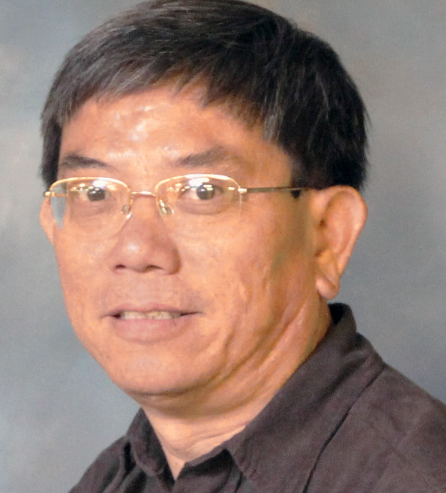 Huixiao Hong合作论文数Division of Bioinformatics and Biostatistics, National Center for Toxicological Research3Ping Gong合作论文数2Wan-fang PAN (潘万芳)合作论文数2Kristin Ashby合作论文数2Li Liu合作论文数2Qing Liu合作论文数2Xiaoyi Liu合作论文数2Zheng LI (李正)合作论文数2
 Tao Yi (易涛)合作论文数College of Chemistry and Chemical Engineering, Donghua University2
 Rajiv Agarwal合作论文数School of Medicine, Indiana University2
 Yiyu Cheng (程翼宇)合作论文数College of Pharmaceutical Science, Zhejiang University2Shengqiang Tong (童胜强)合作论文数1Zhichao Liu合作论文数1Christine M. V. Moore合作论文数1Jiangyu Yao合作论文数1Jianhui Xie合作论文数1Baoling Wang (王宝玲)合作论文数1Qilong Xue合作论文数1
 Yue Wu合作论文数1Biao Liu合作论文数1Rui Bai合作论文数1Qingwei Zhao合作论文数1
 Yufeng Zhang (张玉峰)合作论文数Pharmaceut Informat Inst, Zhejiang Univ1Yang Yu合作论文数1GuoFang Shen (沈国芳)合作论文数1
 Han Zhang (张晗)合作论文数First Teaching Hospital, Tianjin University of Traditional Chinese Medicine1
 SanLong Wang (王三龙)合作论文数中国食品药品检定研究院国家药物安全评价监测中心1Seo Ji-Eun合作论文数1
 Xiaoping Zhao (赵筱萍)合作论文数Zhejiang Chinese Medical University1
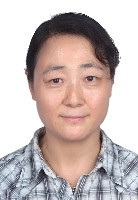 Ping Yang (杨萍)合作论文数School of Materials Science and Engineering, University of Jinan1
 Haitao Liu (刘海涛)合作论文数College of Foreign Languages and Literature, Fudan University1
) Jingyang Jiang (蒋景阳)合作论文数Department of Linguistics and Translation Studies, School of International Studies, Zhejiang University1
Jingyang Jiang (蒋景阳)合作论文数Department of Linguistics and Translation Studies, School of International Studies, Zhejiang University1 Yong Jiang (姜勇)合作论文数Department of Natural Medicines, School of Pharmaceutical Sciences, Peking University1




