Background/Objectives: Integrating multi-omics data for cancer prognosis remains a challenging problem in bioinformatics because molecular profiles are high-dimensional, heterogeneous, and structured by incomplete biological relationships. Pathway databases provide biologically meaningful prior knowledge for modeling gene-level associations, but the sparsity and local incompleteness of pathway-derived networks often limit the performance of graph-based survival models. This study aimed to develop a pathway-guided framework for improving multi-omics survival prediction and identifying biologically relevant prognostic signals. Methods: We proposed PANA-Surv, a pathway-guided adaptive neighborhood augmentation framework for multi-omics cancer survival analysis. In this framework, KEGG pathways were used to construct gene graphs, and gene-level multi-omics profiles were encoded as node features. A conditional variational autoencoder module (PANA-VAE) was designed to enhance local representations through neighborhood reconstruction and adaptive weighting. The augmented features were then integrated into a graph convolutional survival model optimized with the Cox partial likelihood. Results: PANA-Surv was evaluated on 10 cancer cohorts from The Cancer Genome Atlas (TCGA). The proposed method achieved the highest mean concordance index (C-index) among all compared models and significantly outperformed Cox-EN, DeepSurv, GraphSurv, and LAGProg (all p < 0.01). Ablation analyses showed that both neighborhood reconstruction and adaptive weighting contributed to the observed performance gains, and KEGG-guided graph construction was more effective than alternative graph construction strategies. In a breast cancer (BRCA) case study, PANA-Surv identified 18 prognostic genes, including 12 genes supported by previous studies and 6 potentially novel candidates. Conclusions: These findings indicate that the integration of pathway prior knowledge with adaptive local feature enhancement can improve multi-omics survival modeling and support the identification of biologically relevant prognostic signals associated with cancer outcomes.
By synergizing graph topology with the global expressive power of the attention mechanism, Graph Transformers (GTs) have emerged as a dominant architecture for node classification. However, existing models primarily focus on diverse topology injection mechanisms, specifically score-level and representation-level designs, yet lack a unified theoretical foundation to characterize how these mechanisms shape the representation propagation. To bridge this research gap, this paper unifies these designs under a common Graph Signal Denoising framework, revealing that denoising efficacy (\textit{i.e.}, representation quality) is fundamentally dictated by the block-diagonal structure of the propagation operator. To instantiate this prior efficiently, this paper introduces a novel Block-Diagonal GT architecture, named \textsc{BDFormer}, which enforces a block-diagonal constraint via spectral-regularized cross-attention on latent anchors. Specifically, by routing global interactions through these anchors, \textsc{BDFormer} imposes the spectral block-constraint directly on the anchor-level affinity. Crucially, the learned global affinity guides the pruning of local heterophilous edges, ensuring that both scales synergistically adhere to the target distribution. Extensive evaluations on benchmark datasets demonstrate the scalability and robustness of \textsc{BDFormer}.
Brain network classification is pivotal for diagnosing neurological disorders, yet clinical interpretability and the identification of discriminative biomarkers fundamentally rely on precise functional parcellation. However, existing graph learning models for brain network analysis typically suffer from a critical limitation termed spectral unreachability. This stems from the widely used coupled encoder-pooling architecture, where the inherent representation smoothing property of graph encoders (including Graph Neural Networks and Graph Transformers) inevitably corrupts the high-frequency topological signals essential for delineating sharp functional boundaries. To solve this issue, the Hierarchical Spectral Parcellation Network (HiSP-Net) is proposed. Adopting a philosophy, HiSP-Net structurally decouples partition learning from representation smoothing. Specifically, this model is constructed as a hierarchy of Spectral Parcellation blocks. Within each block, node (or module) representations are mapped directly via a topology-agnostic projection into a partition space to preserve high-frequency details, while a Topology-Aware Alignment mechanism enforces spatial coherence using a joint structural objective. Extensive evaluations on real-world datasets show the capability of HiSP-Net in achieving superior classification performance and extracting interpretable functional biomarkers. The source code is publicly available at https://anonymous.4open.science/r/HiSP-Net-demo-0F62/
The construction of the brain functional network often follows the hand-crafted Correlation Coefficients of blood-oxygen-level-dependent (BOLD) time series without any learnable components. Meanwhile, most efforts are made to the models, such as graph neural networks, that make predictions with the constructed brain network as input. Unfortunately, the fixed brain network may lose critical information during construction and lead to difficulty in performance improvement, even with deliberately designed graph models. From this perspective, the current situation is similar to the machine learning community, i.e., hand-crafted features and learnable predictors, before the advent of representation learning. In fact, the brain network can be regarded as a graph-structured learnable representation of the brain. By drawing on representation learning, this paper presents the Brain Representation (BRep) learning problem. To this end, the widely used linear and nonlinear correlations are enhanced to be high-order, parametric, and learnable. The flexible brain representation makes the following predictor simple and leads the framework to possess an end-to-end characteristic. The framework is implemented by combining the parametric correlation and a TopK sparsification. Theoretical analysis guarantees the model's universal approximation to any U/V-statistics. Extensive evaluations demonstrate that the proposed BRep possesses superior performance, high efficiency, and interpretability. The source code is publicly available at https://anonymous.4open.science/r/BRep-demo-1A3E/
Aiming to overcome distribution shift and label sparsity that hinder cross-domain generalization of Graph Neural Networks (GNNs), Unsupervised Graph Domain Adaptation (UGDA) transfers knowledge from a label-rich source to an unlabeled target graph. Yet in practice, strict privacy protocols often withhold the source graph, reducing UGDA to the more constrained Source-Free UGDA (SFUGDA) where only a pre-trained source GNN remains. In this setting, the source GNN serves as a simple, task-specific graph foundation model. Despite recent progress, existing source-free UGDA methods remain hampered by source-knowledge absence: deprived of source graphs, they lose the reference distribution needed to gauge domain shift and must lean on noisy target cues, incurring biased adaptation and catastrophic forgetting. To overcome this drawback, this paper devises Source-Free Graph foundation model Adaptation via pseudo-source Reconstruction (SFGAR), a two-stage SFUGDA framework that first generates pseudo-source graphs to recover the source distribution encoded in a frozen pre-trained GNN, then adversarially aligns these synthetic graphs with the unlabeled target. Theoretical analysis shows that this proxy alignment tightly bounds the target-domain generalization error. Extensive experiments on public benchmarks validate the state-of-the-art performance of SFGAR.
As an essential technique for Graph Contrastive Learning (GCL), Graph Augmentation (GA) improves the generalization capability of the GCLs by introducing different forms of the same graph. To ensure information integrity, existing GA strategies have been designed to simultaneously process the two types of information available in graphs: node attributes and graph topology. Nonetheless, these strategies tend to augment the two types of graph information separately, ignoring their correlation, resulting in limited representation ability. To overcome this drawback, this paper proposes a novel GCL framework with a Joint spectrAl augMentation, named GCL-JAM. Motivated the equivalence between the graph learning objective on an attribute graph and the spectral clustering objective on the attribute-interpolated graph, the node attributes are first abstracted as another type of node to harmonize the node attributes and graph topology. The newly constructed graph is then utilized to perform spectral augmentation to capture the correlation during augmentation. Theoretically, the proposed joint spectral augmentation is proved to perturb more inter-class edges and noise attributes compared to separate augmentation methods. Extensive experiments on homophily and heterophily graphs validate the effectiveness and universality of GCL-JAM.
The distribution shifts and the scarcity of labels prevent graph learning methods, especially graph neural networks (GNNs), from generalizing across domains. Compared to Unsupervised Domain Adaptation (UDA) with embedding alignment, Unsupervised Graph Domain Adaptation (UGDA) becomes more challenging in light of the attribute and topology entanglement in the representation. Beyond embedding alignment, UGDA turns to topology alignment but is limited by the ability of the employed topology model and the estimation of pseudo labels. To alleviate this issue, this paper proposed a Disentangled Graph Spectral Domain adaptation (DGSDA) by disentangling attribute and topology alignments and directly aligning flexible graph spectral filters beyond topology. Specifically, Bernstein polynomial approximation, which mimics the behavior of the function to be approximated to a remarkable degree, is employed to capture complicated topology characteristics and avoid the expensive eigenvalue decomposition. Theoretical analysis reveals the tight GDA bound of DGSDA and the rationality of polynomial coefficient regularization. Quantitative and qualitative experiments justify the superiority of the proposed DGSDA.
Brain network analysis plays a critical role in brain disease prediction and diagnosis. Graph mining tools have made remarkable progress. Graph neural networks (GNNs) and Transformers, which rely on the message-passing scheme, recently dominated this field due to their powerful expressive ability on graph data. Unfortunately, by considering brain network construction using pairwise Pearson’s coefficients between any pairs of ROIs, model analysis and experimental verification reveal that . Surprisingly, this paper observes the significant performance and efficiency enhancements of the Hadamard product compared to the matrix product, which is the matrix form of message passing, in processing the brain network. Inspired by this finding, a novel Brain Quadratic Network (BQN) is proposed by incorporating quadratic networks, which possess better universal approximation properties. Moreover, theoretical analysis demonstrates that BQN implicitly performs community detection along with representation learning. Extensive evaluations verify the superiority of the proposed BQN compared to the message-passing-based brain network modeling. Source code is available at .
As a pivotal architecture in Self-Supervised Learning (SSL), Graph Contrastive Learning (GCL) has demonstrated substantial application value in scenarios with limited labeled nodes (samples). However, existing GCLs encounter critical issues in the graph augmentation and positive and negative sampling stemming from the lack of explicit supervision, which collectively restrict their efficiency and universality. On the one hand, the reliance on graph augmentations in existing GCLs can lead to increased training times and memory usage, while potentially compromising the semantic integrity. On the other hand, the difficulty in selecting TRUE positive and negative samples for GCLs limits their universality to both homophilic and heterophilic graphs. To address these drawbacks, this paper introduces a novel GCL framework called GRAph learning via Self-contraSt (GRASS). The core mechanism is node-attribute self-contrast, which specifically involves increasing the feature similarities between nodes and their included attributes while decreasing the similarities between nodes and their non-included attributes. Theoretically, the self-contrast mechanism implicitly ensures accurate node-node contrast by capturing high-hop co-inclusion relationships, thereby enabling GRASS to be universally applicable to graphs with varying degrees of homophily. Evaluations on diverse benchmark datasets demonstrate the universality and efficiency of GRASS. The dataset and code are available at URL: https://github.com/YukunCai/GRASS.
Graph Transformers (GTs), adept at capturing the locality and globality of graphs, have shown promising potential in node classification tasks. Most state-of-the-art GTs succeed through integrating local Graph Neural Networks (GNNs) with their global Self-Attention (SA) modules to enhance structural awareness. Nonetheless, this architecture faces limitations arising from scalability challenges and the trade-off between capturing local and global information. On the one hand, the quadratic complexity associated with the SA modules poses a significant challenge for many GTs, particularly when scaling them to large-scale graphs. Numerous GTs necessitated a compromise, relinquishing certain aspects of their expressivity to garner computational efficiency. On the other hand, GTs face challenges in maintaining detailed local structural information while capturing long-range dependencies. As a result, they typically require significant computational costs to balance the local and global expressivity. To address these limitations, this paper introduces a novel GT architecture, dubbed DUALFormer, featuring a dual-dimensional design of its GNN and SA modules. Leveraging approximation theory from Linearized Transformers and treating the query as the surrogate representation of node features, DUALFormer \emph{efficiently} performs the computationally intensive global SA module on feature dimensions. Furthermore, by such a separation of local and global modules into dual dimensions, DUALFormer achieves a natural balance between local and global expressivity. In theory, DUALFormer can reduce intra-class variance, thereby enhancing the discriminability of node representations. Extensive experiments on eleven real-world datasets demonstrate its effectiveness and efficiency over existing state-of-the-art GTs.
Proteins play a central role in biological processes, and accurately predicting their functions is crucial for biomedical research. While computational methods have advanced significantly, most approaches rely solely on sequence or structure, neglecting critical inter-protein relationships, such as the topological arrangement of coding sequences (CDSs) within contigs. To address this gap, we propose CAML, a novel deep learning model that integrates intra-protein features including sequence and predicted structure with inter-protein features capturing functional linkages among CDSs in contigs. Specifically, CAML employs a Graph Isomorphism Network (GIN) to extract structural features from predicted protein contact graphs and ESM-2 for sequence embeddings. Additionally, it leverages kmer frequencies and a Bidirectional Long Short-Term Memory (BiLSTM) network to model functional relationships among colocalized CDSs within contigs, capturing operon-like associations. Extensive experiments demonstrate that CAML outperforms the state-of-the-art methods in accuracy, precision, recall and F1-score, achieving improvements of 11.24%, 12.43%, 13.59%, and 13.30%, respectively over the second-best model. Ablation studies further confirm the critical contribution of CAML’s multi-level biological feature integration in enhancing functional annotation accuracy. Our study demonstrates the importance of integrating structural, sequential, and CDSs topological features for accurate protein function prediction, providing a robust computational framework for genomics research. ### Competing Interest Statement The authors have declared no competing interest. National Natural Science Foundation of China, No. 62376088, No. 62406100 Hebei Natural Science Foundation, No. F2024202047 Hebei Yanzhao Golden Platform Talent Gathering Programme Core Talent Project (Education Platform), HJZD202509 Tianjin Natural Science Foundation, No. 24JCQNJC00320 Young Collaborative Research Grant, C2004-23Y Beijing Postdoctoral Research Foundation
Graph Transformers (GTs), which effectively capture long-range dependencies and structural biases simultaneously, have recently emerged as promising alternatives to traditional Graph Neural Networks (GNNs). Advanced approaches for GTs to leverage topology information involve integrating GNN modules or modulating node attributes using positional encodings. Unfortunately, the underlying mechanism driving their effectiveness remains insufficiently understood. In this paper, we revisit these strategies and uncover a shared underlying mechanism—Cross Aggregation—that effectively captures the interaction between graph topology and node attributes. Building on this insight, we propose the Universal Graph Cross-attention Transformer (UGCFormer), a universal GT framework with linear computational complexity. The idea is to interactively learn the representations of graph topology and node attributes through a linearized Dual Cross-attention (DCA) module. In theory, this module can adaptively capture interactions between these two types of graph information, thereby achieving effective aggregation. To alleviate overfitting arising from the dual-channel design, we introduce a consistency constraint that enforces representational alignment. Extensive evaluations on multiple benchmark datasets demonstrate the effectiveness and efficiency of UGCFormer.
In real-world scenarios, networks (graphs) and their tasks possess unique characteristics, requiring the development of a versatile graph augmentation (GA) to meet the varied demands of network analysis. Unfortunately, most Graph Contrastive Learning (GCL) frameworks are hampered by the specificity, complexity, and incompleteness of their GA techniques. Firstly, GAs designed for specific scenarios may compromise the universality of models if mishandled. Secondly, the process of identifying and generating optimal augmentations generally involves substantial computational overhead. Thirdly, the effectiveness of the GCL, even the learnable ones, is constrained by the finite selection of GAs available. To overcome the above limitations, this paper introduces a novel unified GA module dubbed UGA after reinterpreting the mechanism of GAs in GCLs from a message-passing perspective. Theoretically, this module is capable of unifying any explicit GAs, including node, edge, attribute, and subgraph augmentations. Based on the proposed UGA, a novel generalized GCL framework dubbed Graph cOntrastive UnifieD Augmentations (GOUDA) is proposed. It seamlessly integrates widely adopted contrastive losses and an introduced independence loss to fulfill the common requirements of consistency and diversity of augmentation across diverse scenarios. Evaluations across various datasets and tasks demonstrate the generality and efficiency of the proposed GOUDA over existing state-of-the-art GCLs.
Real-world graphs exhibit diverse structures, including homophilic and heterophilic patterns, necessitating the development of a universal Graph Contrastive Learning (GCL) framework. Nonetheless, the existing GCLs, especially those with a local focus, lack universality due to the mismatch between the input graph structure and the homophily assumption for two primary components of GCLs. Firstly, the encoder, commonly Graph Convolution Network (GCN), operates as a low-pass filter, which assumes the input graph to be homophilic. This makes it challenging to aggregate features from neighbor nodes of the same class on heterophilic graphs. Secondly, the local positive sampling regards neighbor nodes as positive samples, which is inspired by the homophily assumption. This results in feature similarity amplification for the samples from the different classes (i.e., FALSE positive samples). Therefore, it is crucial to feed the encoder and positive sampling of GCLs with homophilic graph structures. This paper presents a novel GCL framework, named gRaph cOntraStive Exploring uNiversality (ROSEN), designed to achieve this objective. Specifically, ROSEN equips a local graph structure inference module, utilizing the Block Diagonal Property (BDP) of the affinity matrix extracted from node ego networks. This module can generate the homophilic graph structure by selectively removing disassortative edges. Extensive evaluations validate the effectiveness and universality of ROSEN across node classification and node clustering tasks.
Graph Contrastive Learning (GCL), a Self-Supervised Learning (SSL) architecture tailored for graphs, has shown notable potential for mitigating label scarcity. Its core idea is to amplify feature similarities between the positive sample pairs and reduce them between the negative sample pairs. Unfortunately, most existing GCLs consistently present sub-optimal performances on both homophilic and heterophilic graphs. This is primarily attributed to two limitations of positive sampling, that is, incomplete local sampling and blind sampling. To address these limitations, this paper introduces a novel GCL framework with an adaptive positive sampling module, named grapH contrastivE Adaptive Positive Samples (HEATS). Motivated by the observation that the affinity matrix corresponding to optimal positive sample sets has a block-diagonal structure with equal weights within each block, a self-expressive learning objective incorporating the block and idempotent constraint is presented. This learning objective and the contrastive learning objective are iteratively optimized to improve the adaptability and robustness of HEATS. Extensive experiments on graphs and images validate the effectiveness and generality of HEATS.
Graph Neural Networks (GNNs) have been the standard toolkit for processing non-euclidean spatial data since their powerful capability in graph representation learning. Unfortunately, their training strategy for network parameters is inefficient since it is directly inherited from classic Neural Networks (NNs), ignoring the characteristic of GNNs. To alleviate this issue, experimental analyses are performed to investigate the knowledge captured in classifier parameters during network training. We conclude that the parameter features, i.e., the column vectors of the classifier parameter matrix, are cluster representations with high discriminability. And after a theoretical analysis, we conclude that the discriminability of these features is obtained from the feature propagation from nodes to parameters. Furthermore, an experiment verifies that compared with cluster centroids, the parameter features are more potential for augmenting the feature propagation between nodes. Accordingly, a novel GNN-specific training framework is proposed by simultaneously updating node representations and classifier parameters via a unified feature propagation scheme. Moreover, two augmentation schemes are implemented for the framework, named Full Propagation Augmentation (FPA) and Simplified Full Propagation Augmentation (SFPA). Specifically, FPA augmentates the feature propagation of each node with the updated classifier parameters. SFPA only augments nodes with the classifier parameters corresponding to their clusters. Theoretically, FPA is equivalent to optimizing a novel graph learning objective, which demonstrates the universality of the proposed framework to existing GNNs. Extensive experiments demonstrate the superior performance and the universality of the proposed framework.
目前,大部分基于链路预测对社会网络进行异常检测的研究中,缺乏对异常节点演化影响的分析,且受社会网络规模以及复杂度的限制,检测效率普遍不高.针对上述问题,提出了一种基于空间尺度粗粒化和异常节点加权机制的异常检测方法.首先利用凝聚型社区发现算法Louvain对社会网络进行粗粒化得到简化网络,然后在简化网络的演化过程中识别有异常演化行为的节点,并将其异常演化过程量化,引入异常节点加权机制到链路预测方法中进行异常检测.在真实社会网络数据集VAST、Email-EU(dept1和dept2)以及Enron上,与基于LinkEvent的不同调整策略算法和NESO_ED方法进行对比.结果表明,该方法可以兼顾异常检测的稳定性和敏感性,能够更合理地描述网络演化过程,得到更好的异常检测效果.
 Chuan Wang (王川)合作论文数State Key Laboratory of Information Security, Institute of Information Security, Chinese Academy of Sciences;University of Chinese Academy of Sciences14
 Liang Yang (杨亮)合作论文数School of Artificial Intelligence, Hebei University of Technology;School of Computer Science and Engineering, Hebei University of Technology14
 Zhen Wang (王震)合作论文数School of Artifcial Intelligence, OPtics and ElectroNics, Northwestern Polytechnical University13
 Xiaochun Cao (操晓春)合作论文数School of Cyber Science and Technology, Sun Yat-sen University12
 Kun Fu (富坤)合作论文数School of Artificial Intellgence, Hebei University of Technology9
 Ziyi Ma (马子艺)合作论文数School of Artificial Intelligence, Hebei University of Technology8
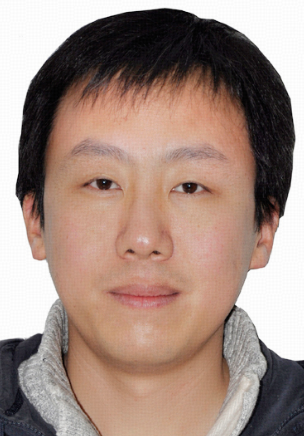 Di Jin (金弟)合作论文数College of Intelligence and Computing, Tianjin University7
 Yuanfang Guo (郭园方)合作论文数School of Computer Science & Engineering, Beihang University7
 Bingxin Niu合作论文数4Yuwei Liu合作论文数3Yintong Lu合作论文数3Can Cui合作论文数3
 Dongxiao He (何东晓)合作论文数School of Computer Science and Technology, College of Intelligence and Computing, Tianjin University3
 Mengzhu Wang (汪梦竹)合作论文数School of Artificial Intelligence, Hebei University of Technology;People's Liberation Army Academy of Military Sciences2
 Huazhu Fu合作论文数Institute of High Performance Computing, Agency for Science, Technology and Research2Wenning Wu合作论文数1Zhenna Li合作论文数1Xin Chen合作论文数1Hui Ning合作论文数1Yukun Cai合作论文数1Feiyang Qin合作论文数1
 Yao Dong (董瑶)合作论文数School of Artificial Intelligence, Hebei University of Technology1LI Jia-ning (李佳宁)合作论文数1Liu Qi (刘琪)合作论文数1Yiqi Jiang合作论文数City Univ Hong Kong, Coll Sci & Engn, Dept Comp Sci, Hong Kong, Peoples R China1
 Shuaicheng Li (李帥成)合作论文数Department of Computer Science, City University of Hong Kong1
 Zhang Xianglilan合作论文数1
 Jianwei Li (李建伟)合作论文数School of Artificial Intellgence, Hebei University of Technology1
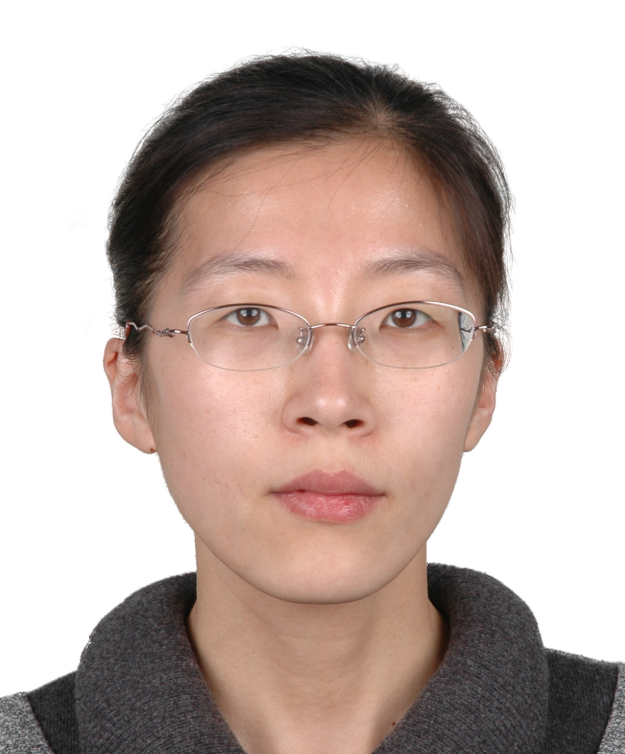 Jing Liu (刘静)合作论文数National Laboratory of Pattern Recognition, Institute of Automation, Chinese Academy of Sciences;University of Chinese Academy of Sciences1
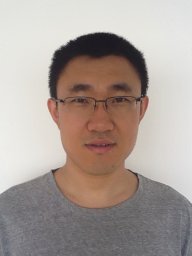 Xuekui Zhang合作论文数Department of Statistics;Bioinformatics Training Program;University of British;Department of Statistics, University of British1




