Hyperphosphatemia is present in nearly all patients with kidney failure who receive maintenance dialysis. The direct toxicity of elevated phosphate concentrations had been inferred from basic experimentation and large epidemiologic studies. This has influenced clinical practice in which great efforts are expended in normalizing serum phosphate concentration. Targeted dietary strategies, optimization of dialysis and phosphate-lowering medications are all effective at lowering serum phosphate levels yet each pose challenges for patients and clinicians. The effect of these interventions, individually and collectively, on patient-centered clinical outcomes is also unclear. We will review the evidence from clinical trials for each of these measures and discuss ongoing research that is testing optimal targets for serum phosphate.
Importance Hyperkalemia is a common complication of taking a renin-angiotensin-aldosterone system inhibitor (RAASi). Post hoc analyses of large randomized clinical trials suggested that the addition of sodium-glucose cotransporter 2 inhibitors (SGLT2i) may attenuate this risk. It is unknown if this observation extends to daily clinical practice. Objective To evaluate the association between SGLT2i initiation and hyperkalemia in individuals receiving RAASi with a background of diabetes, heart failure, or chronic kidney disease. Design, Setting, and Participants This population-based retrospective cohort study was conducted in Ontario, Canada, from July 1, 2015, to June 30, 2021. The cohort comprised adults 66 years and older who were prescribed a RAASi and had a history of diabetes or heart failure, an estimated glomerular filtration rate of less than 45 mL/min/1.73 m 2 , and/or a urine albumin to creatinine ratio of greater than 30 mg/mmol. The data were analyzed between March 28, 2023, and March 22, 2024. Exposure The study exposure was a new prescription of an SGLT2i compared to noninitiation of an SGLT2i. Inverse probability of treatment weighting by a propensity score for the receipt of SGLT2i was used to achieve balance of baseline covariates in both exposure groups. Main Outcomes and Measures The primary study outcome was hyperkalemia, defined as a serum potassium of greater than 5.5 mEq/L or an administrative code for an inpatient or outpatient encounter with hyperkalemia within 1 year of the index date. Results A total of 20 063 individuals who initiated an SGLT2i (mean [SD] age, 76.9 [6.6] years; 12 020 [59.9%] male) were compared to a pseudopopulation of 19 781 nonusers (mean [SD] age, 76.8 [7.0] years; 11 731 [59.3%] male). In the overall cohort, 95% had diabetes, 17% had heart failure, and 32% had stage 3 to 5 chronic kidney disease. SGLT2i initiation was associated with a lower risk of hyperkalemia (hazard ratio, 0.89 [95% CI, 0.82-0.96]). SGLT2i users had a significantly lower rate of RAASi discontinuation compared to nonusers (36% vs 45%; P < .001). Conclusions and Relevance This cohort study demonstrated that, among individuals with diabetes, heart failure, or chronic kidney disease who were receiving a RAASi, SGLT2i initiation was associated with a lower risk of hyperkalemia and RAASi discontinuation.
This real-world study involved a large cohort of 38,598 adults with atrial fibrillation from five jurisdictions across Australia and Canada. This study supports the use of apixaban as a safe and effective alternative to warfarin for atrial fibrillation across differing levels of kidney function. This study also adds important safety data on the use of apixaban in patients with reduced kidney function. Evidence to guide the use of apixaban in people with atrial fibrillation (AF) and CKD in routine clinical practice has been limited. We assessed comparative safety (major bleeding) and effectiveness (ischemic stroke and death) of apixaban versus warfarin in patients with AF across the spectrum of non–dialysis-dependent CKD using large, routinely collected data. We combined findings from five retrospective cohorts (2013–2018) across Australia and Canada. Adults with AF, new dispensation of apixaban or warfarin, and a recorded eGFR grouped as ≥60, 45–59, 30–44, and <30 ml/min per 1.73 m2 were included. Patients on dialysis or kidney transplant recipients were excluded. We assessed outcomes within 1 year of initiating either therapy: (1) composite of all-cause death, ischemic stroke, or transient ischemic attack and (2) first hospitalization for major bleeding (intracranial, gastrointestinal, or other). Cox models estimated hazard ratios (HRs; 95% confidence intervals) for outcomes across eGFR categories, after 1:1 matching using propensity scores. We summarized center-level data using random effects meta-analysis. Among 38,598 matched apixaban and warfarin users, there were 4130 (10.7%) ischemic and 697 (1.8%) bleeding events within 1 year. Apixaban was associated with lower or similar risk for the ischemic outcome compared with warfarin in all eGFR categories (pooled HRs [95% confidence interval]: 0.78 [0.64 to 0.94], 0.77 [0.62 to 0.97], 0.82 [0.68 to 0.98], and 0.99 [0.68 to 1.45] for eGFR ≥60, 45–59, 30–44, and <30 ml/min per 1.73 m2, respectively). Apixaban was associated with lower or similar risk of bleeding across the range of kidney function (pooled HRs: 0.55 [0.43 to 0.69], 0.73 [0.52 to 1.02], 0.55 [0.31 to 0.97], and 0.68 [0.47 to 0.99], respectively). There was no significant heterogeneity across jurisdictions or eGFR categories. In adults with AF and non–dialysis-dependent CKD, apixaban compared with warfarin was associated with lower or similar risk of ischemic and bleeding outcomes. Our results suggest that apixaban offers a favorable risk-benefit ratio in patients with AF independent of kidney function.
BACKGROUND:Evidence to guide use of apixaban in people with atrial fibrillation (AF) and chronic kidney disease (CKD) in routine clinical practice has been limited. We assessed comparative safety (major bleeding) and effectiveness (ischemic stroke and death) of apixaban versus warfarin in patients with AF across the spectrum of non-dialysis-dependent CKD using large, routinely collected data. METHODS:We combined findings from 5 retrospective cohorts (2013-2018) across Australia and Canada. Adults with AF, new dispensation of apixaban or warfarin, and a recorded eGFR grouped as ≥60, 45-59, 30-44 and <30mL/min/1.73m2 were included. Patients on dialysis or kidney transplant recipients were excluded. We assessed outcomes within one year of initiating either therapy: (1) composite of all-cause death, ischemic stroke or transient ischemic attack and (2) first hospitalization for major bleeding (intracranial, gastrointestinal or other). Cox models estimated hazard ratios (HRs; 95% confidence intervals [CIs]) for outcomes across eGFR categories, after 1:1 matching using propensity scores. We summarized center-level data using random effects meta-analysis. RESULTS:Among 38,598 matched apixaban and warfarin users, there were 4130 (10.7%) ischemic and 697 (1.8%) bleeding events within one year. Apixaban was associated with lower or similar risk for the ischemic outcome compared with warfarin in all eGFR categories (pooled HRs [95% CI]: 0.78 [0.64-0.94]), 0.77 [0.62-0.97], 0.82 [0.68-0.98] and 0.99 [0.68-1.45] for eGFR >60, 45-59, 30-44 and <30mL/min/1.73m2 respectively). Apixaban was associated with lower or similar risk of bleeding across the range of kidney function (pooled HRs: 0.55 [0.43-0.69], 0.73 [0.52-1.02], 0.55 [0.31-0.97], 0.68 [0.47-0.99], respectively). There was no significant heterogeneity across jurisdictions or eGFR categories. CONCLUSIONS:In adults with AF and non-dialysis-dependent CKD, apixaban compared with warfarin was associated with lower or similar risk of ischemic and bleeding outcomes. Our results suggest apixaban offers a favorable risk-benefit ratio in patients with AF independent of kidney function.
RATIONALE & OBJECTIVE:There are limited real-world data describing the cardiovascular benefits of glucagon-like peptide-1 receptor agonists (GLP1-RAs) across the spectrum of chronic kidney disease (CKD) severity. This study evaluated the association of GLP1-RAs with major adverse cardiovascular events (MACE) in comparison with dipeptidyl peptidase-4 (DPP-4) inhibitors in the setting of CKD. STUDY DESIGN:Retrospective observational cohort study. SETTING & PARTICIPANTS:24,576 new users of GLP1-RA and 44,367 new users of DPP-4 inhibitors with estimated glomerular filtration rate (eGFR) < 90 mL/min/1.73 m2 in Ontario, Canada. EXPOSURE:New use of GLP1-RAs versus DPP-4 inhibitors. OUTCOME:The primary outcome was MACE, comprising nonfatal myocardial infarction, unstable angina, nonfatal ischemic stroke or transient ischemic attack, coronary revascularization, and cardiovascular death. Secondary outcomes included individual components of the composite outcome, hospitalization or emergency department visits for congestive heart failure, peripheral vascular disease revascularization, lower limb amputation, and all-cause mortality. ANALYTICAL APPROACH:Inverse probability of treatment weighting using propensity scores was used to minimize confounding. Multivariable Fine-Gray subdistribution hazard models stratified by eGFR subgroup were fit to evaluate the primary outcome. FINDINGS:Mean age of study participants was 69 years, 50% were female, 92% had type 2 diabetes mellitus, 40% were taking a sodium/glucose cotransporter 2 (SGLT2) inhibitor, and 41% had CKD stages 3-5. MACE occurred among 1,296 (31.6 per 1,000 person-years) GLP1-RA users versus 1,374 (36.5 per 1,000 person-years) DPP-4 inhibitor users (subdistribution hazard ratio [SHR], 0.88 [95% CI, 0.80-0.97]). The lower rate of MACE among GLP1-RA users was largely related to a lower rate of cardiovascular death (SHR, 0.72 [95% CI, 0.62-0.85]). In subgroup analyses, there was no effect modification between the association of GLP1-RA initiation and lower rates of MACE by CKD stages, degree of albuminuria, or concomitant use of SGLT2 inhibitors. LIMITATIONS:Retrospective design. A substantial amount of missing information on albuminuria. CONCLUSIONS:In a population-based study of individuals across the spectrum of kidney disease, GLP1-RA initiation was associated with a lower rate of MACE than initiation of DPP-4 inhibitors. PLAIN-LANGUAGE SUMMARY:A class of medications called glucagon-like peptide-1 receptor agonists (GLP1-RA) is now used for the treatment of diabetes. This study explored the association of GLP1-RA administration with cardiac health in people with kidney disease compared with another common class of diabetes medication, dipeptidyl peptidase-4 (DPP-4) inhibitors. In this study of nearly 69,000 individuals in Ontario, Canada, with a wide range of kidney function, people taking GLP1-RA experienced a lower rate of heart disease than those taking DPP-4 inhibitors. The lower rate was mainly related to fewer deaths from heart disease. Differences were consistent across different levels of kidney disease and regardless of whether people were also taking other medications that protect the heart.
BACKGROUND:Acute kidney injury (AKI) is common in hospitalized patients. Administration of iodinated contrast may impede kidney recovery but avoiding contrast may delay diagnosis and therapeutic interventions. There is limited data on the impact of contrast exposure in patients with established AKI receiving renal replacement therapy (RRT). METHODS:We conducted a retrospective cohort study which included all patients with AKI who received RRT at St Michael's Hospital in Toronto, Canada, from January 2007 to December 2022. The exposure was the receipt of iodinated contrast during the 14 days following RRT initiation and while the patient was still RRT-dependent. The primary outcome was RRT dependence at hospital discharge. RESULTS:1597 patients with AKI received RRT and 754 patients were included in our analysis. Of these, 185 patients received iodinated contrast. After propensity score weighting, the exposure to contrast was associated with a higher likelihood of RRT dependence at hospital discharge (Odds Ratio 1.73, 95 % confidence interval 1.13-2.53). CONCLUSION:The receipt of contrast in patients with AKI receiving RRT was associated with an increased risk of RRT dependence at hospital discharge. Contrast exposure in RRT-dependent patients may delay recovery from AKI. The benefits of contrast should be carefully weighed against this risk in patients with AKI receiving RRT.
The impact of the COVID-19 pandemic on clinical outcomes and healthcare utilization in patients receiving maintenance dialysis is unclear. To compare the rates of clinical outcomes and healthcare utilization in patients receiving maintenance dialysis (in-center and home modalities) before and during the COVID-19 pandemic. Population-based, repeated cross-sectional study. Linked administrative healthcare databases from Ontario, Canada. Adults receiving maintenance dialysis from March 15, 2017, to March 14, 2020 (pre-COVID-19 pandemic period) and from March 15, 2020, to March 14, 2023 (COVID-19 pandemic period). Our primary outcome was all-cause mortality. Our secondary outcomes included non-COVID-19-related mortality, all-cause hospitalizations (excluding elective surgeries), emergency room visits, intensive care unit admissions, and hospital admissions with mechanical ventilation. We also examined cardiovascular-related hospitalizations, kidney-related outcomes, and ambulatory visits. We used Poisson generalized estimating equations to model pre-COVID outcome trends and used these to predict post-COVID outcomes and to estimate the relative change (i.e., the ratio of the observed to the expected rate). In 31 900 individuals receiving maintenance dialysis during the study period, the crude incidence rate (per 1000 person-years) of all-cause mortality was 165.0 in the pre-COVID-19 period, compared to 173.2 during the first year of the pandemic and 171.7 during the first 36 months of the pandemic. After adjustment, there was a statistically significant increase in all-cause mortality in 14 out of the 36 months of the COVID-19 period compared to the pre-COVID-19 period, with 494 recorded COVID-19-related deaths. However, when examining the overall all-cause mortality across the months, the adjusted relative rate (aRR) comparing the observed to expected all-cause mortality rate was not statistically significant in the first year of the pandemic (1.08, 95% CI: 1.00, 1.16) and the first 36 months of the pandemic (1.08, 95% CI: 0.99, 1.18) compared to the pre-pandemic period. The crude incidence rate of non-COVID-19-related mortality was 165.0 in the pre-COVID-19 period, compared to 163.3 during the first year of the pandemic and 157.7 during the first 36 months. After adjustment, there was no substantial change in the rate of non-COVID-19-related deaths in the first year of the pandemic (aRR 1.01, 95% CI: 0.94, 1.09), but there was a substantial decrease in all-cause hospitalization, with an aRR of 0.92 (95% CI: 0.88, 0.97), and a substantial decrease in emergency room visits and intensive care unit admissions; findings were consistent 36 months into the pandemic. External generalizability to other jurisdictions may be limited, with each region experiencing different COVID-19 rates and implementing different mitigation strategies. In the maintenance dialysis population, all-cause mortality was significantly higher during several months of the pandemic; however, the overall rate of all-cause mortality was not substantially higher than expected in the first 36 months of the COVID-19 pandemic. There was no substantial increase in non-COVID-19-related mortality despite a substantial decrease in acute healthcare utilization. Ongoing monitoring of the dialysis population will offer further insights into the long-term effects of the pandemic.
OBJECTIVE:The aim of this study was to evaluate the effect of glucagon-like peptide 1 receptor agonist (GLP-1RA) versus dipeptidyl peptidase 4 inhibitor (DPP4i) initiation on emergency department (ED) visits and all-cause hospitalizations across the spectrum of kidney disease. RESEARCH DESIGN AND METHODS:This was a retrospective population-based observational cohort study in adults with an estimated glomerular filtration rate <90 mL/min/1.73 m2 using inverse probability of treatment weighting. The Prentice-Williams-Peterson (PWP) gap time model was used for the primary analysis. RESULTS:The cohort included 24,576 new users of a GLP-1RA and 23,600 DPP4i new users. GLP-1RA initiation was associated with a lower risk of all-cause ED encounters or hospitalizations (hazard ratio [HR] 0.90; 95% CI 0.87-0.94; P < 0.0001). This finding was consistent in confirmatory analyses using the Andersen-Gill model and the PWP calendar time model. CONCLUSIONS:GLP-1RA initiation was associated with a reduction in all-cause ED visits and hospitalizations compared with new use of a DPP4i.
Atrial fibrillation (AF) is highly prevalent in patients with chronic kidney disease (CKD). It is associated with an increased risk of stroke, which increases as kidney function declines. In the general population and in those with a moderate degree of CKD (creatinine clearance 30-50 mL/min), the use of oral anticoagulation to decrease the risk of stroke has been the standard of care based on a favorable risk-benefit profile that had been established in seminal randomized controlled trials. However, evidence regarding the use of oral anticoagulants for stroke prevention is less clear in patients with severe CKD (creatinine clearance <30 mL/min) and those receiving maintenance dialysis, as these individuals were excluded from such large randomized controlled trials. Nevertheless, the direct oral anticoagulants have invariably usurped vitamin K antagonists as the preferred choice for oral anticoagulation among patients with AF across all strata of CKD based on their well-defined safety and efficacy and multiple pharmacokinetic benefits (e.g., less drug-drug interactions). This review summarizes the current literature on the role of oral anticoagulation in the management of AF among patients with CKD and highlights current deficiencies in the evidence base and how to overcome them.
Key Points Is performing a large definitive trial to establish the optimal anticoagulation strategy in dialysis recipients with atrial fibrillation feasible?One hundred fifty-one patients at 28 dialysis centers were enrolled and randomized to apixaban (n=51), warfarin (n=52), or no oral anticoagulation (n=48).Despite coronavirus disease–related pauses, recruitment was completed in 30 months, with 83% of participants completing follow-up in their assigned treatment arm. Background Atrial fibrillation is common in individuals receiving dialysis. The role of oral anticoagulation in this population is uncertain given its exclusion from previous seminal clinical trials. Our objective was to determine the feasibility of performing a large definitive trial to establish the optimal anticoagulation strategy in individuals with atrial fibrillation receiving dialysis. Methods The Strategies for the Management of Atrial Fibrillation in Patients Receiving Dialysis trial was a parallel-group, open-label, allocation-concealed, pilot randomized control trial that took place at 28 centers in Canada and Australia. The trial included adults (18 years or older) undergoing dialysis with a history of nonvalvular atrial fibrillation who met the CHADS-65 criteria. Participants were randomized 1:1:1 to receive dose-adjusted warfarin, apixaban 5 mg twice daily, or no oral anticoagulation and followed for 26 weeks. The primary outcomes evaluated the following measures of feasibility: (1) recruitment of the target population within 2 years from the start of the trial and (2) adherence of >80% of randomized patients to the allocated treatment strategy at the conclusion of follow-up. Secondary outcomes included stroke and bleeding. Results From December 2019 to June 2022, 151 patients were enrolled and randomized to apixaban (n=51), warfarin (n=52), or no oral anticoagulation (n=48). Allowing for pauses related to the coronavirus disease pandemic, recruitment was completed in 30 months, and 123 (83%) of participants completed follow-up in their allocated treatment arm. There was one adjudicated stroke event. Eight participants had a major bleeding event (four warfarin, two apixaban, two no oral anticoagulation). Death occurred in 15 participants (nine warfarin, two apixaban, four no oral anticoagulation). Time in the therapeutic range for warfarin recipients was 58% (interquartile range, 47%–70%). Conclusions We have demonstrated the feasibility of recruitment and adherence in a trial that compared different anticoagulation strategies in patients with atrial fibrillation receiving dialysis. Clinical Trial registry name and registration number: Strategies for the Management of Atrial Fibrillation in Patients Receiving Dialysis (SAFE-D), NCT03987711.
Background Atrial fibrillation is common in individuals receiving dialysis. The role of oral anticoagulation in this population is uncertain given its exclusion from previous seminal clinical trials. Our objective was to determine the feasibility of performing a large definitive trial to establish the optimal anticoagulation strategy in individuals with atrial fibrillation receiving dialysis. Methods The Strategies for the Management of Atrial Fibrillation in Patients Receiving Dialysis trial was a parallel-group, open-label, allocation-concealed, pilot randomized control trial that took place at 28 centers in Canada and Australia. The trial included adults (18 years or older) undergoing dialysis with a history of nonvalvular atrial fibrillation who met the CHADS-65 criteria. Participants were randomized 1:1:1 to receive dose-adjusted warfarin, apixaban 5 mg twice daily, or no oral anticoagulation and followed for 26 weeks. The primary outcomes evaluated the following measures of feasibility: (1) recruitment of the target population within 2 years from the start of the trial and (2) adherence of >80% of randomized patients to the allocated treatment strategy at the conclusion of follow-up. Secondary outcomes included stroke and bleeding. Results From December 2019 to June 2022, 151 patients were enrolled and randomized to apixaban (n=51), warfarin (n=52), or no oral anticoagulation (n=48). Allowing for pauses related to the coronavirus disease pandemic, recruitment was completed in 30 months, and 123 (83%) of participants completed follow-up in their allocated treatment arm. There was one adjudicated stroke event. Eight participants had a major bleeding event (four warfarin, two apixaban, two no oral anticoagulation). Death occurred in 15 participants (nine warfarin, two apixaban, four no oral anticoagulation). Time in the therapeutic range for warfarin recipients was 58% (interquartile range, 47%-70%). Conclusions We have demonstrated the feasibility of recruitment and adherence in a trial that compared different anticoagulation strategies in patients with atrial fibrillation receiving dialysis.
This case-control study investigates the risk of rhabdomyolysis among patients receiving sodium-glucose cotransporter-2 (SGLT2) inhibitors.
KEY POINTS A 23-year-old woman with no notable medical history was seen in our nephrology clinic for electrolyte abnormalities detected on laboratory testing ordered by her primary care physician, who she had seen after noting mild muscle weakness during exercise. She reported no use of daily
 Ron Wald合作论文数Department of Medicine, St. Michael’s Hospital;Department of Medicine, University of Toronto72
 Amit Garg合作论文数Department of Epidemiology and Biostatistics, Schulich School of Medicine & Dentistry, Western University47
 Silver Samuel A合作论文数St. Michael's Hospital, University of Toronto36
 Chaim Bell合作论文数Department of Medicine, Temerty Faculty of Medicine, University of Toronto;Mount Sinai Hospital, Sinai Health System32
 Manish M Sood合作论文数Res Inst, Univ Ottawa32
 McArthur Eric合作论文数Institute for Clinical Evaluative Sciences, London, ON, Canada.32
 Jeffrey Perl合作论文数Division of Nephrology, St. Michael’s Hospital;University of Toronto29
 Nivethika Jeyakumar合作论文数23
 Joel G Ray合作论文数Department of Obstetrics and Gynecology, St. Michael’s Hospital;Department of Medicine, University of Toronto;Institute of Health Policy, Management and Evaluation, University of Toronto;Li Ka Shing Knowledge Institute, St. Michael’s Hospital;Division of Endocrinology and Metabolism, St. Michael’s Hospital22
 Abhijat Kitchlu合作论文数Department of Medicine, University of Toronto;University Health Network19
 Stephanie Dixon合作论文数16Molnar Amber O合作论文数Div Nephrol, McMaster Univ14Bota Sarah E合作论文数Institute for Clinical Evaluative Sciences, Toronto, ON Canada;Department of Epidemiology and Biostatistics, Western University;Institute for Clinical Evaluative Sciences, Western University13
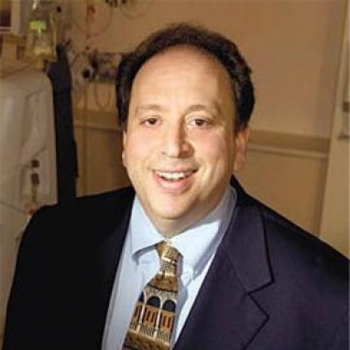 Glenn M. Chertow合作论文数Division of Nephrology, School of Medicine, Stanford University;Center for Primary Care and Outcomes Research, Stanford University13Harel S合作论文数10Nash Danielle M合作论文数Institute for Clinical Evaluative Sciences Western, London Health Sciences Centre10
 Edward G. Clark合作论文数Ottawa Hospital Research Institute, University of Ottawa10
 Neill Adhikari合作论文数Interdepartmental Division of Critical Care, Department of Medicine, Temerty Faculty of Medicine, University of Toronto;Institute of Health Policy, Management, and Evaluation, University of Toronto;Sunnybrook Research Institute, Sunnybrook Health Sciences Centre, University of Toronto10
 Christopher T M Chan合作论文数Toronto General Hospital Research Institute, University Health Network;Department of Medicine, Temerty Faculty of Medicine, University of Toronto;Ontario Health9
 Sunil V Badve合作论文数8
 Alejandro Meraz-Munoz合作论文数8
 Ngan Lam合作论文数Division of Nephrology, University of Calgary;Department of Community Health Sciences, University of Calgary8
 William Beaubien-Souligny合作论文数Nephrology Department, Maisonneuve-Rosemont Hospital8Thomas Alison合作论文数8
 Daniel Blum合作论文数Division of Nephrology, St. Michael's Hospital7Rey Acedillo合作论文数Thunder Bay Regional Health Sciences Centre7
 Park Alison L合作论文数Institute for Clinical Evaluative Sciences, Toronto, Ontario, Canada.7Andrew T. Yan合作论文数St Michael's Hospital, University of Toronto7Andrea Gruneir合作论文数7
 Prakeshkumar (Prakesh) S. Shah合作论文数Institute of Health Policy, Management, and Evaluation, University of Toronto;Departments of Paediatrics, University of Toronto;Mount Sinai Hospital6
 Gihad Nesrallah合作论文数Li Ka Shing Knowledge Institute, University of Toronto;Humber River Regional Hospital6
 Soham Rej合作论文数Department of Psychiatry, Faculty of Medicine and Health Sciences, McGill University6
 Navdeep Tangri合作论文数Department of Medicine, University of Manitoba;Seven Oaks General Hospital;Department of Community Health Sciences, University of Manitoba;University of Manitoba, University of Manitoba6Clemens Kristin合作论文数6
 Neyra Javier A合作论文数Department of Internal Medicine, University of Texas Southwestern Medical Center6
 Min Jun合作论文数6
 Deborah Zimmerman合作论文数Ottawa Hospital Research Institute, University of Ottawa6Megan K McCallum合作论文数5
 Kevin Yau合作论文数5
 Michelle Hladunewich合作论文数Sunnybrook Health Sciences Centre;Division of Nephrology, Department of Medicine, University of Toronto5
 Thomas Mavrakanas合作论文数Division of Experimental Medicine, Department of Medicine, Faculty of Medicine and Health Sciences, McGill University5Shapiro Joshua N合作论文数5
 Rahul Chanchlani合作论文数5
 Nathan Herrmann合作论文数Sunnybrook Health Sciences Centre;Department of Psychiatry, Temerty Faculty of Medicine, University of Toronto5
 Paul Dorian合作论文数Li Ka Shing Knowledge Institute, St. Michael’s Hospital, University of Toronto;Division of Clinical Pharmacology, Department of Medicine, Temerty Faculty of Medicine, University of Toronto5
 Matthew T James合作论文数Department of Community Health Sciences, University of Calgary5
 Andrea Harvey合作论文数4Selena Shao合作论文数4Anan Bader Eddeen合作论文数ICES4




