This study aims to significantly alleviate the inherent trade-off between strength and electrical conductivity in AlCu alloys while improving their thermal stability. We investigated the influence of Er microalloying and heat treatment on an Al-1.0Cu-0.25Er alloy. Isochronal and isothermal annealing of the as-rolled alloy revealed that a single-stage process is inadequate for simultaneously optimizing both properties, primarily due to the distinct precipitation temperature ranges of Er (approximately 300 degrees C) and Cu (150 - 250 degrees C). Conversely, a novel twostage annealing process (300 degrees C/3 h + 200 degrees C/24 h) was developed to achieve a synergistic effect: the preferential precipitation of thermally stable Al3Er nanoparticles at high temperature, followed by the precipitation of the strengthening Al2Cu (0') phase at low temperature. This approach yielded an excellent combination of properties achieving an improved balance between the two performance indicators: a hardness of 62.4 HV, an electrical conductivity of 60.5% IACS, and a tensile strength of 195 MPa. Furthermore, the alloy demonstrated outstanding thermal stability, retaining over 90% of its strength at 154 degrees C, corresponding to a projected service life of approximately 40 years (350,000 h). This work establishes that the combination of Er microalloying and two-stage annealing is an effective strategy for developing high-performance Al-Cu alloys by partially decoupling strength, conductivity, and thermal stability.
Recycling of cemented carbide scrap is crucial to mitigate the scarcity of strategic tungsten and cobalt resources. The primary challenges in recycling of cemented carbide scraps lie in their high hardness and excellent stability. In this study, a novel recycling approach was proposed by integrating molten salt electrolysis and in-situ ball milling coupled with carbonization. The phase evolution throughout the recycling process was investigated by combined characterization techniques including X-ray diffraction (XRD), scanning electron microscope (SEM) and transmission electron microscope (TEM). The cemented carbide scrap of WC-23Co was successfully pulverized by molten salt electrolysis, resulting in powders containing various phases of WC, Co6W6C, Co3W, Co, and W2C. Moreover, recycled WC-Co composite powders were obtained by further in-situ ball milling coupled with carbonization at 800 degrees C, which was attributed to the microstructure modifications introduced by highenergy ball milling.
The extraction of high-purity sodium tungstate from complex wolframite concentrates presents significant challenges due to the limitations of conventional processing methods, which are often energy-intensive and generate substantial secondary waste. In this study, we propose a novel phase-regulated alkali fusion approach for the one-step production of high-purity Na2WO4. Using phase-diagram calculations with FactSage in the Na-Fe-Mn-Si-O system, SiO2 was introduced to regulate slag formation, promoting immiscibility between the silicate slag and Na2WO4 melt. This resulted in a clear stratification of the phases at 1000 °C, enabling spontaneous separation of the Na2WO4-rich salt phase from the slag. The optimized conditions achieved a sodium tungstate purity of 98.76%, with a tungsten recovery rate of 98.91%. Furthermore, impurity elements such as Fe and Mn were preferentially retained in stable silicate/oxide phases within the slag, contributing to the high purity of the sodium tungstate product. This method offers a simplified and environmentally friendly alternative to traditional hydrometallurgical and pyrometallurgical processes, with significant implications for the efficient utilization of complex tungsten resources.
To meet the demand for high-performance heat-resistant aluminum alloy conductors in energy transmission, this study systematically explores the effects of synergistic aging and deformation treatment on the microstructure, mechanical properties, and heat resistance of Al-0.04Er-0.08Zr alloy. Through isochronous/isothermal aging, rolling with varying deformation amounts, and microstructural characterization coupled with performance testing, the following findings emerged: 425 °C represents the peak aging temperature, at which a dispersed L12 structure of Al3(Er1-xZrx) composite precipitates with an average size of 4 nm is formed; Dispersed L12 structure Al3(Er1-xZrx) composite precipitation phase achieved an alloy hardness of 49.45 HV and electrical conductivity of 58.68% IACS; the synergistic treatment of peak aging (425 °C) with 60% deformation amount yielded optimal comprehensive properties. After 150 h of isothermal annealing at 350 °C, hardness decreased by less than 5%, and the alloy demonstrated stable service life of approximately 40 years at 227 °C based on Arrhenius model extrapolation. This study reveals the synergistic regulation mechanism between deformation and aging, providing theoretical support and technical reference for developing low-cost, high thermal stability, and high-conductivity aluminum alloys.
The coarsening of precipitates during prolonged high-temperature exposure severely limits the thermal stability of AlCuMg alloys. In this study, the effects of Zr addition and the combined Er and Zr addition on the microstructural evolution, mechanical properties, and thermal stability of an AlCuMg alloy were investigated using tensile testing, scanning electron microscopy (SEM), and aberration-corrected transmission electron microscopy (AC-TEM). The results show that the combined addition of Er and Zr significantly accelerated the age-hardening kinetics and markedly decreased the grain size. After aging at 175℃ for 12 h, the AlCuMgErZr alloy achieved a hardness of 141 ± 2 HV and a yield strength of 391 MPa. In the peak-aged alloy, the coexisting θ'' and θ' plate-like precipitates provided the largest precipitation strengthening contribution (approximately 271 MPa, accounting for 70% of the total yield strength). The Al3(Er,Zr) precipitates and the Q phase acted as heterogeneous nucleation sites, promoting the formation of a high number density of fine plate-like precipitates while providing additional precipitation strengthening. After aging at 220℃ for 500 h, the AlCuMgErZr alloy maintained a higher yield strength (∼224 MPa) than the AlCuMg alloy (∼186 MPa), demonstrating superior thermal stability. During aging at 220℃, co-segregation of Er, Mn and Si was observed within the θ' precipitates. The influence of this multi-element co-segregation on precipitate coarsening and thermal stability is discussed. This study provides a feasible strategy for designing high-strength, thermally stable AlCuMg alloys.
This study addressed the persistent trade-offs among hardness, strength and fracture toughness in cemented carbides with low metal binder contents. A novel strategy was proposed to synergistically enhance the comprehensive mechanical properties by introducing the nitrogen-containing grain growth inhibitor to regulate phase structures and interface characteristics. Integrated computational analysis and microstructural characterization elucidated the multifunctional roles of nitrogen dissolution in cemented carbides, including tailoring electronic configurations, inducing lattice distortion, and impeding dislocation motion. Nitrogen incorporation via Cr2(C,N) decomposition strengthened the WC phase through interstitial solid solution. Concurrently, the release of nitrogen from Cr2(C,N) promoted dissolution of Cr and W in cobalt phase, which stabilized the facecentered cubic structure and increased the proportion of coherent WC/Co interfaces. This improved the deformation accommodation capacity of the binder phase and enhanced the resistance against intergranular fracture along phase boundaries. The developed low-binder-content WC-CoCr2(C,N) cemented carbide achieved recordhigh mechanical properties of 2143 kgf/mm2 Vickers hardness, 9.7 MPa center dot m1/2 fracture toughness, and 3031 MPa transverse rupture strength. This breakthrough overcame the long-standing property trade-offs in cemented carbides particularly those with low contents of metallic binders.
Global energy transitions are increasing the demand for critical metals, whereas declining primary ore grades are augmenting the unit energy and resource burden of supply. Therefore, secondary recycling is becoming increasingly important. Hydrometallurgy is widely used for complex, low-grade e-waste; however, conventional energy and efficiency metrics cannot mechanistically interpret or quantify resource losses in aqueous solutions. In this study, we developed an ion-chemical-exergy framework by defining a metallurgy-relevant baseline solution consistent with elemental chemical-exergy reference settings, and extended the baseline ion exergies to practical hydrometallurgical solutions using activity corrections. A waste mobile-phone printed circuit board (WPCB) recycling route co-recovering Cu, Au, and Pd was evaluated using cumulative exergy demand (CExD), life cycle assessment (LCA), and exergy-efficiency indicators. A physicochemical allocation, which separates reactive inputs from shared inputs and uses ion-chemical exergy as a mechanism-consistent allocation basis, was also tested. The computed baseline ion exergies exhibited clear stratification, providing a unified exergy rank scale for solution chemistry. The LCA and CExD results identified acid leaching and electrowinning as process hotspots. Ion-scale exergy tracking showed pronounced Cu-rank degradation during leaching, with only 25.90% of the available exergy retained in the Cu2+ intermediate entering electrowinning. This shows that a substantial electricity input is required to compensate for upstream degradation, revealing an explicit acid-saving versus electricity-increasing trade-off. Recycled Cu, Au, and Pd achieved unit CExD values of approximately 34.52%, 0.63%, and 4.28%, respectively. Overall, the proposed framework connects flowsheet-level diagnosis with ion-scale driving-force interpretation, enabling transferable bottleneck identification and targeted optimization of hydrometallurgical recycling.
With the large-scale production and utilization of silicon solar panels, substantial quantities of photovoltaic tungsten wire scraps are generated during their manufacturing process. To alleviate environmental burdens and enhance economic benefits, the development of highly efficient photovoltaic tungsten wire recycling technology has become an urgent priority. Herein, we report a novel method for recycling photovoltaic tungsten busbars based on molten salt electrolysis. This approach achieves efficient tungsten extraction without employing toxic reagents or generating secondary pollution. The rare earth oxide (La2O3) added to the photovoltaic tungsten busbars is concentrated in the electrolyte and cathode, enabling effective separation from the tungsten product (sodium tungsten bronze). And lanthanum is recovered during the electrolyte purification process. The purity of recycled tungsten powder reaches 99.93%, with lanthanum oxide residues at the ppm level, meeting industrial application standards. Overall, this study effectively avoids ammonia emissions and wastewater generation inherent in conventional recycling processes, streamlines operational workflow, and delivers significant economic and environmental benefits.
Adsorbed natural gas storage using porous materials at ambient temperature and relatively low pressure promises to address safety and cost concerns of conventional natural gas storage technologies (liquefaction and compression), but its utility is hindered by low deliverable capacity. Flexible porous materials such as metal-organic frameworks can exhibit isotherms with the potential to afford enhanced deliverable capacity. However, prototypal flexible adsorbed natural gas sorbents, exemplified by the metal-organic framework cobalt benzenedipyrazolate, Co(bdp), suffer from hydrolytic instability and are unsuitable for pelletization. Here we report a family of metal-bipyrazolate frameworks, including hydrophobic sorbents, Zn(dpt) and Co(dpt) (H2dpt = 2,5-di(1H-pyrazol-4-yl)thiophene), that exhibit methane-induced reversible transformations between narrow-pore and large-pore phases. Zn(dpt) shows exceptionally high methane deliverable capacities for 5-35 and 5-65 bar, that is, 173 cm3 (STP) cm-3 and 225 cm3 (STP) cm-3, respectively, but, unlike Co(bdp), is hydrolytically stable. In situ structural characterization, high-pressure gas sorption and modelling provide an insight into the narrow-pore-large-pore transformations, whereas testing with 250-ml tanks reveals that Zn(dpt) retains high deliverable capacity over multiple cycles. We demonstrate a practical alternative to pelletization through a formulation approach that is probably generally suitable for flexible sorbents.
During the molten salt electrolytic recovery of waste tungsten, non-uniform cathodic deposition tends to induce localized preferential growth, which further leads to the formation of dendritic or highly branched metal products, thereby severely constraining the morphological controllability and value-added utilization of the regenerated products. To address this issue, this work proposes a metal-oxide co-deposition regulation strategy to suppress the dendritic growth of W in molten Na2WO4. The results show that the introduction of rare earth oxides (REO) reconstructs the electro crystallization process at the cathode interface, driving the deposition behavior from localized preferential growth toward more uniform nucleation and growth. The synergistic regulation of interfacial impedance, mass transport behavior, and apparent charge-transfer kinetics by rare earth oxides further suppresses the rapid growth tendency at tip regions, thereby improving deposition uniformity. The regenerated W-REO powders can be used directly as feedstocks for oxide dispersion-strengthened tungsten (ODS-W), or alternatively converted into pure W powders after removal of the REO phase, thereby demonstrating considerable potential for industrial application. This work provides a simple and effective strategy for the high-quality regeneration of waste tungsten and suppressing dendrites in molten salt electrodeposition.
Al-Mn based 3xxx alloys exhibit limited age-hardening due to sluggish Mn diffusion and the high nucleation barrier of Mn-containing precipitates. Previous investigations have reported that Sn facilitates the precipitation of α-AlMnSi phases. In this work, Sn microalloying effects on precipitation and recrystallization in Al-1.0Mn-0.2Si alloys were systematically investigated using isochronal and isothermal aging combined with microstructural characterization and Johnson-Mehl-Avrami-Kolmogorov (JMAK) analysis. The addition of 0.1 wt% Sn significantly enhances age-hardening (peak hardness of 50.9 HV in isochronal aging; 53 HV at 375 °C) and accelerates precipitation kinetics. Transmission electron microscopy (TEM) observations reveal that α-AlMnSi precipitates preferentially nucleate on Sn-rich nanoparticles, leading to a refined distribution. JMAK analysis yields a reduced Avrami exponent (n ≈ 0.72 at 375 °C), revealing a deviation from continuous nucleation toward site-saturated nucleation. During post-deformation annealing, Sn microalloying effectively suppresses recovery, while its effect on recrystallization is relatively limited. Time-Temperature-Transformation (TTT) curves further confirm that Sn accelerates precipitation significantly in the intermediate temperature range (~375 °C), although this kinetic advantage diminishes at higher temperatures as the heterogeneous nucleation effect due to the reduced precipitation of Sn-rich particles.
Tungsten has important applications in defense, aerospace and fusion reactor. However, its poor oxidation resistance remains a limiting issue to be addressed, especially for high-temperature engineering applications. In order to improve the high-temperature oxidation resistance of tungsten, self-passivating tungsten alloys of W-xCr-1.5Al (x = 8, 10, 12 wt%) were prepared by high-energy ball milling and fast hot-pressing (FHP) sintering in this study. Cyclic oxidation tests of W-xCr-1.5Al alloys were performed at 800, 900 and 1000 degrees C, and their oxidation kinetics behavior was analyzed based on oxidative weight gain. Also, the phase evolution of oxide scales was characterized by X-ray diffraction (XRD), scanning electron microscopy (SEM), X-ray photoelectron spectroscopy (XPS) and transmission electron microscopy (TEM). The results revealed that added Al contributed to the dissolvement of Cr in tungsten matrix by the formation of alpha-Al2O3 dispersoids in sintered W-xCr-1.5Al alloys, while remaining Al was dissolved in matrix and participated in the formation of oxide scales. The oxidation kinetics of W-xCr-1.5Al alloys followed a three-stage evolution depending on Cr content and oxidation temperature. Stage I corresponding to parabolic oxidation with minimal weight gain was ascribed to the formation of protective Cr2O3 layer. Ternary CrWO4 and Cr2WO6 with less protective potential were subsequently developed at the expense of Cr2O3, resulting in transition into stage II with accelerated oxidative kinetics. The formation of WO3 became dominant when the available Cr2O3 was depleted without sufficient replenishment of Cr, leading to linear oxidation of stage III, where microcracks and eventual peeling off occurred due to the generated compressive stresses.
This study aims to evaluate the environmental performance of a novel Chlorination–Electrolysis Process (CEP) for producing primary aluminum from low-grade bauxite in China, where resource depletion and carbon constraints are intensifying. Using a life cycle assessment (LCA) approach, the research compares CEP with the conventional Sintering–Hall–Héroult Process (SHP), identifying system-level environmental trade-offs and decarbonization potential to support cleaner aluminum production pathways. An attributional LCA following ISO 14040/44 was conducted to compare the environmental impacts of the CEP and the conventional SHP for primary aluminum production from low-grade bauxite. The system boundary encompassed cradle-to-gate stages, with a functional unit defined as 1 tonne of aluminum ingot. Impact assessment was performed using the ReCiPe 2016 method at both midpoint and endpoint levels. A quality-based allocation approach was applied for multi-output chlorination products. Sensitivity analysis was conducted to identify key input parameters influencing the global warming potential. The CEP demonstrates improved environmental performance compared to the conventional SHP in terms of carbon emissions and resource scarcity. Specially, the CEP reduces carbon emissions by 41.85
Machine-learned interatomic potential (MLIP) has become a powerful tool to combine the accuracy of quantum mechanics with the efficiency of molecular dynamics in the era of artificial intelligence. However, a key open question persists: what physical mechanism is behind the atomic model that generates the MLIP and what physical information determines the final outputs? To address this problem, we use molten Na2WO4 as a representative system and fine-tune a pretrained deep potential model (DPA2) with ab initio molecular dynamics data of Na2WO4. We find a strong correlation between the model's final output and the projected density of states (PDOS) in energy regions exhibiting high electron density and distinct local atomic environments. This result indicates that a well-constructed neural network inherently captures the quantum-mechanical information and its predictions represent meaningful physicochemical interactions rather than purely statistical patterns. Importantly, the mechanistic insights gained in this work-which links model's outputs to electronic structure descriptors- are general in nature. It provides an electronic-structure-informed metric for feature learning and a general strategy for building interpretable, transferable MLIPs across diverse material systems.
China's carbon-neutrality goals require rapid photovoltaic (PV) expansion, yet the life-cycle implications of future technology transitions remain unclear. Here, we develop a provincial-scale framework coupling dynamic material flow analysis and life cycle assessment to compare deployment, waste generation, recyclable material supply, land occupation, and manufacturing-stage carbon emissions of tandem perovskite and conventional crystalline-silicon PV in China during 2021-2060. A pronounced waste wave emerges after 2040, with cumulative PV waste exceeding 20 Mt by 2060. Provincial heterogeneity is substantial: northwestern utility-scale deployment bases bear the largest future decommissioning and land-occupation burdens, whereas eastern and central demand- and manufacturing-intensive provinces concentrate recyclable material supply and recycling pressure. LCA results show a rise-and-decline pattern in manufacturing-stage carbon emissions, with contributions shifting from early c-Si-dominated production to increasing tandem-perovskite manufacturing after the mid-2030s. Although tandem PV reduces land demand per unit capacity, it increases reliance on critical metals such as indium and silver.
This study investigates the anodic selective dissolution behavior of WC-23wt.%Co cemented carbide in molten salts, with a focus on the interfacial evolution kinetics and mass transfer processes. By combining electrochemical techniques (LSV, Tafel, CV), multi-scale characterization (SEM-EDS, ICP), and multiphysics simulations, the work reveals significant morphological transformations at the reaction interface and their systematic influence on mass transfer efficiency. A two-dimensional kinetic model integrating geometric evolution and porous media transport is developed for the first time, incorporating a shape evolution factor and effective transport parameters to quantitatively predict interface migration. Theoretical and experimental results demonstrate that current concentration at sharp corners of the reaction interface serves as the key driver for morphological evolution. This work elucidates a universal geometric evolution mechanism in the electrochemical dissolution of multiphase materials and establishes a predictive theoretical model, providing a new framework for understanding the electrochemical dissolution of such materials.
The residue that is produced during the hydrometallurgical processing of tungsten is rich in cobalt and nickel, in addition to impurities including iron, chromium, and tungsten. Conventional hydrometallurgical processes are not optimally designed to achieve efficient separation. The present paper proposes a combined NH4Cl-assisted phase rearrangement and water leaching process to enable highly selective extraction of cobalt and nickel while simultaneously removing impurities. The thermodynamic boundary conditions and reaction pathways for selective chlorination of Co and Ni were elucidated through a combination of thermodynamic modelling using HSC and FactSage alongside TG-IR analysis. An investigation was conducted to ascertain the effects of varying the NH4Cl dosage, reaction temperature, and duration on metal transformation behaviour. The present investigation was conducted in a systematic manner. The phase evolution and elemental migration mechanisms were revealed using XRD, SEM-EDS, and XPS techniques. The findings indicate that under optimal conditions (NH4Cl:slag mass ratio 1.6:1, temperature 375 degrees C, time 1.5 h), the leaching rates of Co and Ni attained 99.26% and 98.79%, respectively, while the leaching rates of Fe, Cr, and W remained below 0.2%. This process serves to illustrate a highly efficient separation procedure. The condensed exhaust gas product was identified as NH4Cl via XRD analysis, thus confirming the feasibility of reagent regeneration. A comparative analysis was conducted of (NH4)2SO4 and NH4HSO4, and it was found that NH4Cl demonstrated superior performance in terms of separation efficiency, environmental impact, and economic viability. The present study provides theoretical foundations and technical support for the green, short-process recovery of strategic metals from solid waste in tungsten smelting.
Multi-doping is an effective approach to enhance the thermal shock resistance of tungsten due to synergistically improved strength and plasticity via formation of complex oxide dispersoids. In this study, density functional theory (DFT) calculations were performed to screen for the optimal RE2O3 dopant in Zr-containing tungsten alloys. Er2O3 was selected due to the lowest formation energy of Zr-O-Er containing tungsten system, while Y2O3 was chosen for comparison. Accordingly, W-Zr-Y2O3 (WZY) and W-Zr-Er2O3 (WZE) were fabricated by high-energy ball milling and subsequent spark plasma sintering. The lowest formation energy of Zr-O-Er containing tungsten system facilitated greater dissolution of dopants into tungsten matrix during ball milling, resulting in a higher degree of mechanical alloying in WZE powders. Meanwhile, the relatively higher thermal stability of this system delayed dispersoid precipitation during sintering, leading to distribution of Er-Zr-O dispersoids with finer size and higher number density in WZE alloy. DFT calculations further revealed that the work of adhesion of W//Er2Zr2O7 interface was 0.149 eV/Å2, which was approximately 49% higher than that of W//Y2Zr2O7 interface. The stronger interfacial bonding of W//Er2Zr2O7 interface and improved distribution of intergranular dispersoids together contributed to the enhanced thermal shock resistance of WZE alloy.
In order to fully utilize the Fe/P resources from spent LiFePO4 batteries and alleviate environmental pressure, the research on the recycling of lithium extraction slag (LES) produced by a hydrometallurgical process holds significant importance. This study proposes a new approach featuring mild impurity removal by formic acid and Fe/P recovery as regenerated FePO4 from LES. Under optimal conditions for impurity removal using formic acid, the dissolution efficiencies of Al and Cu reached 33.55 % and 58.33 %, respectively, while Fe and P losses were only 1.85 % and 2.82 %. Fe and P were then recovered to yield battery–grade FePO4 via precipitation after hydrochloric acid leaching, achieving precipitation efficiencies of 98.64 % for Fe and 99.14 % for P, with Al and Cu removal efficiencies of 88.56 % and 91.84 %, respectively. For the overall process, the total recovery efficiencies of Fe and P were 95.48 % and 96.33 %, and the total removal efficiencies of Al and Cu reached 92.40 % and 96.60 %, respectively. The scale-up experiment demonstrated the effectiveness of the process. This method effectively removed Al and Cu from the LES and enabled efficient recovery of Fe and P. The proposed strategy provided a feasible technical route for recycling spent LiFePO4 battery materials, contributing to resource conservation and environmental sustainability.
Lithium extraction from lepidolite generates high volumes of waste liquid, which is one of the important strategic resources of cesium (Cs) and rubidium (Rb). Therefore, it is necessary to develop a sustainable route for the selective recovery of the chemically similar Cs and Rb elements from lepidolite waste liquid. This study proposes a binary extraction system, consisting of 4-t-butyl-2-(alpha-methylbenzyl) phenol (t-BAMBP) and triisooctylamine (TiOA), to regulate the affinity to Cs and Rb for their separation from such waste liquids. The effects of OH- concentration, extractant concentration, temperature, and RO/A (volume ratio of organic and aqueous phases) were assessed. Under optimal process conditions, the separation coefficient beta Cs/Rb reached 57. The thermodynamic and kinetic aspects of the Cs+ extraction process were also investigated. Furthermore, the bonding features and reaction mechanism were verified by spectroscopic analysis (Fourier transform infrared and nuclear magnetic resonance) and density functional theory (DFT) calculations. The interactions between the phenolic proton of t-BAMBP and the amino group of TiOA increased beta Cs/Rb by extractant affinity regulation, thereby enhancing the stability of the system. After a three-stage countercurrent extraction, the concentration of Cs+ in the raffinate was only 4 mg/L, with beta Cs/Rb reaching 668. The purities of the chloride products CsCl and RbCl were 99.9% and 99.6%, respectively. The current study provides a green and efficient route for the recovery and utilization of hydrometallurgical process for waste liquid, which will contribute to a more economical and sustainable supply of Cs and Rb in the future.
 Hui Huang (黄晖)合作论文数College of Materials Science and Engineering, Beijing University of Technology218
 Shengping Wen (文胜平)合作论文数College of Materials Science and Engineering, Beijing University of Technology200
 Xiaoli Xi (席晓丽)合作论文数College of Materials Science and Engineering, Beijing University of Technology179
 Kunyuan Gao (高坤元)合作论文数College of Materials Science and Engineering, Beijing University of Technology162
 Xiaolan Wu (吴晓蓝)合作论文数College of Materials Science and Engineering, Beijing University of Technology120
 Tieyong Zuo (左铁镛)合作论文数Beijing University of Technology116
 Qi Wei (韦奇)合作论文数College of Materials Science and Engineering, Beijing University of Technology87
 Liwen Ma (马立文)合作论文数College of Materials Science and Engineering, Beijing University of Technology78
 Qunyan Li (李群艳)合作论文数College of Materials Science and Engineering, Beijing University of Technology78Bolong Li (李伯龙)合作论文数College of Materials Science and Engineering, Beijing University of Technology73Wu Wei (魏午)合作论文数54Liwen Zhang (张力文)合作论文数College of Environmental and Energy Engineering, Beijing University of Technology50
 Zhihong Wang (王志宏)合作论文数College of Materials Science and Engineering, Beijing University of Technology49
 Peng Qi合作论文数44Meiling Zhou合作论文数41
 Feng Gao (高峰)合作论文数College of Materials Science and Engineering, Beijing University of Technology40
 Suping Cui (崔素萍)合作论文数Beijing University of Technology40Tongbo Wang (王同波)合作论文数39Li Rong合作论文数38Wei Wu (吴巍)合作论文数Central Iron & Steel Research Institute34
 Wei Wang (王为)合作论文数College of Materials Science and Engineering, Beijing University of Technology33
 Xianzheng Gong (龚先政)合作论文数Beijing University of Technology32
 Jiuxing Zhang (张久兴)合作论文数School of Materials Science and Engineering, Hefei University of Technology30
 Jinshu Wang (王金淑)合作论文数College of Materials Science and Engineering, Beijing University of Technology29
 Xiaoyan Song (宋晓艳)合作论文数College of Materials Science and Engineering, Beijing University of Technology28Jingxia Zou合作论文数27
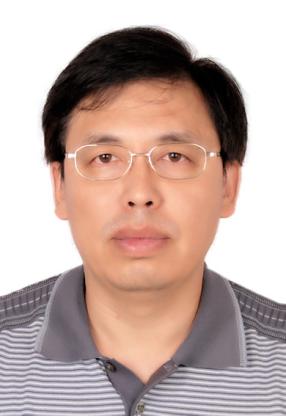 Ziyong Chen (陈子勇)合作论文数College of Materials Science and Engineering, Beijing University of Technology27Dejing Zhou合作论文数25
 Tounan Jin (金头男)合作论文数College of Materials Science and Engineering, Beijing University of Technology25
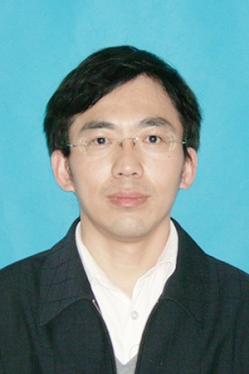 Jiancan Yang (杨建参)合作论文数College of Materials Science and Engineering, Beijing University of Technology25Bo Xue Sun合作论文数25
 Yu Liu (刘宇)合作论文数Beijing University of Technology21Yusheng Ding合作论文数20
 Xiaorong Zhou合作论文数Department of Materials, School of Natural Sciences, Faculty of Science and Engineering, The University of Manchester20
 Yan Mei (梅燕)合作论文数College of Materials Science and Engineering, Beijing University of Technology20Xuekuan Su (苏学宽)合作论文数College of Materials Science and Engineering, Beijing University of Technology20Wei Shi合作论文数19Xiangyuan Xiong合作论文数18JunJun Yang (杨军军)合作论文数18
 Haibin Wang (王海滨)合作论文数College of Materials Science and Engineering, Beijing University of Technology18
 Yali Wang (王亚丽)合作论文数College of Materials Science and Engineering, Beijing University of Technology18
 Xuemei Liu (刘雪梅)合作论文数College of Materials Science and Engineering, Beijing University of Technology17CHEN Wenjuan (陈文娟)合作论文数16Hou Chao (侯超)合作论文数College of Materials Science and Engineering, Beijing University of Technology16X.L. Wu合作论文数15
 Man Wang合作论文数University of Science and Technology Beijing, University of Science and Technology Beijing15
 Weiyu Wang合作论文数14Zebing Xing (邢泽炳)合作论文数14
 Guofu Xu (徐国富)合作论文数School of Materials Science and Engineering, Central South University;Experimental Teaching Center of Materials Science and Engineering, Central South University14




