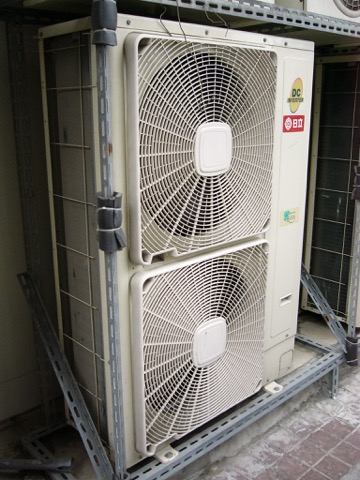
日立公司(Hitachi Limited)为日本大型的综合性电机跨国公司。前身是小平浪平1910年建立的久源矿业日立矿山的电机修理厂。1920年从久源矿业公司分出来,成立日立制作所。总公司在东京。

We develop a reduced-order model (ROM) for early-time droplet formation in continuous inkjet atomization using a one-dimensional jet model. A full-order model (FOM) provides snapshot data approaching breakup, from which proper orthogonal decomposition (POD) bases are extracted. The nonlinear terms are approximated with the discrete empirical interpolation method (DEIM), and the resulting POD–DEIM ROM is evaluated by time-domain comparisons and eigenvalue-based stability diagnostics. For the training cases and an interpolated parameter set, the ROM reproduces the pre-breakup evolution and necking dynamics up to approximately first 99
To investigate the effects of the process for realizing multi-Vt solution in the advanced logic field effect transistors (FETs), plasma-induced damage (PID) on TiN/HfO2/SiO2 stacked gate structure is examined using different plasma source gas chemistries, i.e., H-based plasma or O-based plasma. It was observed that PID including an increase in HfO2 wet etch rate, oxide interfacial layer regrowth, and interface charge traps became more significant with H-based plasma process than with O-based plasma process. We found that lowering process pressure down to sub-Pa, while maintaining high-density plasma using microwave electron cyclotron resonance (M-ECR) plasma is effective for H-based plasma process to suppress PID.
The design of closed-die forging processes requires determining process parameters such as the number of forming stages and die-surface geometry at each stage while satisfying evaluation indices such as forging load and shape accuracy. When single-stage forging is not feasible, many combinations of the number of stages and intermediate die-surface geometries must be explored, which are referred to as the “process layout” in this paper. This leads to a time-consuming and iterative trial-and-error process. In a previous study, an automatic design system for process layouts was proposed for disk-shaped products. The functional surface connection method was also introduced to ensure high flexibility in creating die-surface geometry. Subsequently, this method was integrated with the finite element method (FEM) and an optimization technique to establish a framework for process design. However, a major limitation was the high computational cost due to the large number of FEM simulations. In this study, a novel automatic design system was developed, the acceleration of which is achieved with machine learning (ML) models trained in advance instead of evaluations using FEM simulations. ML models were trained using datasets from process layouts generated for a variety of target shapes. By integrating the pre-trained ML models with an optimization algorithm, appropriate process layouts that satisfy the target requirements were generated. Results indicate that the ML-accelerated automatic design system can significantly reduce the computational cost of FEM simulations after the target shape is obtained. This reduction enables more efficient generation of process layouts.
Cell-based medicinal products, which are central to regenerative medicine and cell therapies, often have short shelf lives due to the presence of live human cells. Traditional sterility testing requires 14 days, which is impractical for these time-sensitive treatments. This study aims to develop a rapid microbiological method using a high-sensitivity ATP bioluminescence measurement system to detect microbial contamination in cell-based products before compendial test results are available. We developed a sample pretreatment protocol using a cell lysis solution to reduce ATP derived from human cells, enabling microbial ATP to be detected. The lysis solution releases intracellular ATP into the soluble fraction to be removed by filtration. We evaluated whether the cell lysis solution influences the microbial growth using seven species, then applied the protocol to Jurkat cells spiked with Cutibacterium acnes to assess its ability to detect microbial contamination earlier than the compendial method. The lysis solution barely inhibited microbial growth. In samples with 107 Jurkat cells and 9 CFU of C. acnes incubated with the lysis solution, human cell-derived ATP decreased from 107 amol (1 amol = 10−18 mol) to 102 amol after 24 h, while microbial ATP increased to 105 amol after 48 h, allowing detection. In contrast, compendial testing required 120 h to confirm microbial growth. Combining high-sensitivity ATP bioluminescence measurement with the cell lysis solution enables microbial contamination to be detected within 48 h, significantly faster than traditional methods, and an incubation period of 72 h is generally sufficient for confirming sterility. This rapid microbiological method offers a promising alternative for sterility testing of cell-based medicinal products, improving safety and efficiency in clinical applications.





