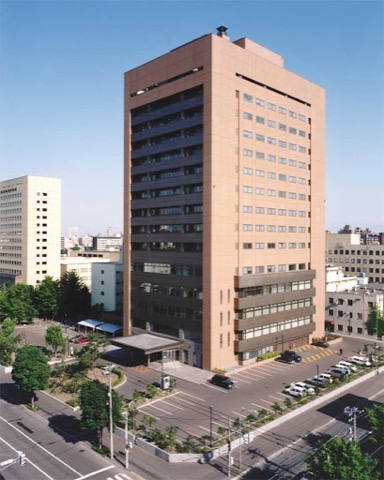
The precursor of the school was founded in 1945, and it was chartered as a university in 1950..

To define the clinical spectrum and treatment responses of anti-Kelch-like protein 11 (KLHL11) IgG-associated neurological syndromes by screening a large, expanded cohort of patients with suspected autoimmune cerebellar ataxia (ACA), autoimmune encephalitis (AE), and related neurological disorders. In this retrospective, observational study, serum samples from 930 patients collected from over 100 medical institutions across Japan between 2002 and 2025 were screened. The study population was categorized into five cohorts: cerebellar ataxia (CA) of unknown etiology (n = 778), AE (n = 49), brainstem encephalitis (n = 2), myelitis (n = 12), and multiple system atrophy (MSA) (n = 89). Anti-KLHL11 antibodies were detected using a fixed cell-based assay with HEK293T cells. Cerebrospinal fluid was analyzed in all serum-positive cases. Anti-KLHL11 antibodies were identified in four cases, three males and one female with a mean onset age > 60 years, all showing dual positivity in serum and cerebrospinal fluid. The clinical phenotypes consisted of predominantly CA (n = 2), combined limbic encephalitis (LE) and CA (n = 1), and isolated LE associated with small-cell lung cancer (n = 1). Notably, none of the cases were associated with testicular tumor. While typical paraneoplastic presentations were observed, one patient had no detectable malignancy and improved with immunotherapy alone, and another showed neurological recovery following treatment of a non-testicular tumor. Anti-KLHL11 antibodies were absent in all disease controls with MSA. Expanding our initial findings, this nationwide study indicates that anti-KLHL11 antibody-associated ACA and AE are rare but increasingly recognized in Japan and may be under-recognized globally. The clinical spectrum of anti-KLHL11 antibody-associated neurological diseases is broad, including females and individuals without a detectable testicular tumor. Importantly, patients presenting with AE may show more favorable responses to immunotherapy or tumor-directed treatment than those with isolated CA, highlighting the importance of early recognition and phenotype-specific management.
With recent advances in chemotherapy for unresectable pancreatic ductal adenocarcinoma (PDAC) with liver metastasis (LM), attempts have been made to resect the primary tumor in patients showing favorable responses to anti-cancer treatment (so-called “conversion surgery”; CS). This study aimed to clarify the outcomes of CS for PDAC with LM in a nationwide multicenter study. This retrospective, multicenter study was conducted as a project study of the Japan Pancreas Society and included patients with PDAC with LM at initial diagnosis, diagnosed radiologically or intraoperatively (occult LM), who underwent CS after at least 4 months of chemotherapy between 2010 and 2022. Survival outcomes and prognostic factors were analyzed. 90 patients were enrolled from 31 Japanese institutions. Median duration of preoperative chemotherapy was 10.4 (range, 4.2–58.5) months, and gemcitabine plus nab-paclitaxel was the most common first-line regimen, followed by folinic acid, 5-fluorouracil, irinotecan, and oxaliplatin. Liver metastasectomy was performed in 27 patients (30
Clinical evidence on whether acute cholangitis accelerates early stent failure via rapid bacterial adhesion and biofilm formation remains limited. We assessed the influence of pre-endoscopic retrograde cholangiopancreatography (ERCP) cholangitis on time to recurrent biliary obstruction (TRBO) and early post-ERCP infection in patients with distal malignant biliary obstruction (DMBO). We retrospectively reviewed consecutive patients with DMBO who underwent their first ERCP-guided stenting at five Japanese centers (January 2020–August 2024). Patients were classified by pre-ERCP cholangitis status and matched at a 2:1 ratio of noncholangitis to cholangitis using propensity scores (PSM). The primary outcome was TRBO; secondary outcomes were post-ERCP infection, clinical success, and RBO rates. TRBO was analyzed using Kaplan–Meier, log-rank, and multivariable Cox analyses; sensitivity analyses yielded concordant results. Of 588 eligible patients, 508 had no cholangitis. PSM yielded 136 and 68 patients in well-balanced groups. The median TRBO was 140 vs. 114 d (p = 0.939). In the Cox models, nonpancreatic etiology lowered RBO risk (hazard ratio [HR]: 0.59, p = 0.04); plastic stents carried a higher risk than metal (HR: 4.71, p < 0.001), and pre-ERCP cholangitis was not associated with RBO (HR: 1.20, p = 0.46). Infections occurred in 9.6 and 4.4
Cerebrospinal fluid drainage (CSFD) is recommended during open or endovascular thoracic aortic repair. However, the incidence of CSFD complications is still high. Recently, CSF pressure has been kept high to avoid complications, but the efficacy of CSFD at higher pressures has not been confirmed. We hypothesize that CSFD at higher pressures is effective for preventing motor deficits. This prospective observational study included 14 hospitals that are members of the Japanese Society of Cardiovascular Anesthesiologists. Patients who underwent thoracic and thoracoabdominal aortic repair were divided into four groups: Group 1, CSF pressure around 10 mmHg; Group 2, CSF pressure around 15 mmHg; Group 3, CSFD initiated when motor evoked potential amplitudes decreased; and Group 4, no CSFD. We assessed the association between the CSFD group and motor deficits using mixed-effects logistic regression with a random intercept for the institution. Of 1072 patients in the study, 84 patients (open surgery, 51; thoracic endovascular aortic repair, 33) had motor deficits at discharge. Groups 1 and 2 were not associated with motor deficits (Group 1, odds ratio (OR): 1.53, 95
Cigarette smoke contains over 5000 compounds, including polycyclic aromatic hydrocarbons, which induce cytochrome P450 (CYP) enzymes, particularly CYP1A1 and CYP1A2. Therefore, smoking significantly alters drug metabolism and can reduce therapeutic efficacy. To investigate tissue-specific CYP enzyme induction by cigarette smoke extract (CSE), a previously established hepatic in vitro smoke induction model was expanded to include human intestinal organoids and lung cell models. CYP1A1, CYP1A2, and CYP3A4 mRNA expression and CYP1A1 and CYP1A enzyme activity were quantified following CSE exposure. CYP1A1 mRNA expression and enzyme activity were robustly induced in all tissues and donors (up to 77-fold and 212-fold respectively). CYP1A2 mRNA and CYP1A enzyme activity were induced in liver and intestine (up to 13-fold) but were only weakly detectable in lung. CYP3A4 induction was exclusively observed in liver (up to 16-fold). Comparison of F2- and Emax-values of concentration-dependent induction across all models revealed that intestinal cells showed significantly lower values of CYP1A1 induction than liver cells. Other comparisons were non-significant. Inter-donor variability was visible across all cell models, CYP enzymes and tissue types (57-82% CV). This reflects physiological inter-individual variability, supporting the conclusion that these single-cell models capture donor-specific differences. Conclusively, it was shown that extrahepatic metabolism is altered by CSE and that considering tissue-specific CYP enzyme induction may be beneficial in clinical pharmacology to optimize drug efficacy and safety in smoking populations.





