Aim: To identify the predictive role of triglyceride-glucose (TyG) index in pulmonary hypertension (PH) in coronary artery disease (CAD) patients after percutaneous coronary intervention (PCI) treatment. Methods: Blood biomarkers have been measured at the cross-section of entrance. The baseline and followed-up echocardiography have been performed at both cross-sections. Results: The incidence of PH was 8.91%. The baseline myoglobin (MYO), was significantly higher among PH patients (p < 0.001). In the univariate regression, body mass index (BMI p = 0.020), left atria end-diastolic internal diameter (LAD, p = 0.083), creatinine (Cr, p = 0.005), triglyceride (TG, p < 0.001), high-density lipoprotein cholesterol (HDL-C, p = 0.056) and TyG index (p = 0.002) were potential predictors for PH. Finally, the adjusted COX regression indicated that BMI (p = 0.001), LAD (p = 0.030), Cr(p = 0.005) and TyG index (p = 0.002) were independent predictors of the onset of PH. Conclusion: Baseline TyG index, BMI, LAD, Cr level were independent predictors for PH in CAD patients after PCI treatment.
Aim To identify the predictive role of the TyG index for the onset of pulmonary hypertension in patients with coronary artery disease (CAD) who underwent percutaneous coronary intervention (PCI) treatment. Methods We performed this prospective cohort study among CAD patients who received PCI treatment in our center from July 2016 to October 2022. The baselines of echocardiography at both cross-sections and blood biomarkers. A coronary angiography operation was also performed. Within a median of 4.5 years of follow-up, the patients underwent echocardiography to measure their pulmonary hypertension (PH). Results Baseline BNP was statistically higher in the PH patients (p = 0.007). The baseline myoglobin (MYO), was significantly higher among PH patients (p < 0.001). Though the glucose level showed no difference between PH and non-PH groups, the HDL-C was in a lower level in the PH group (p = 0.033). However, TyG index showed no differences between PH and non-PH groups [6.95 (6.47-7.36) vs. 7.15 (6.49-7.96), p = 0.202]. In the univariate regression, cerebral infarction history, right atria end-diastolic internal diameter, MYO, triglyceride, HDL-C and TyG index (p < 0.05) were potential predictors for PH. Finally, the adjusted logistic regression indicated that cerebral infarction history (p = 0.39), MYO (p = 0.044) and TyG index (p = 0.048) were independent predictors of the onset of PH. Conclusion PH is prevalent in CAD patients after PCI treatment. The baseline TyG index, cerebral infarction history, and MYO level were independent predictors for PH in CAD patients after PCI treatment.
Background: The COVID-19 pandemic presented severe challenges to emergency practice of acute coronary syndrome (ACS). However, poor evidence was shown on ACS in a non-hot-spot region. We sought to clarify the influence of the first-wave COVID-19 pandemic on emergency ACS from a non-epicenter region. Methods: This retrospective multicenter study was conducted in emergency ACS patients during the pandemic (from 2020-01-23 to 2020-03-29) and the ones during the same period in 2019. Clinical characteristics, timeline parameters and treatment strategies were compared between different groups. Association of the pandemic with non-invasive therapy was further assessed. Results: Compared with 2019, ACS had a drop in admission (267 cases vs. 475 cases) and invasive therapy (140 cases vs. 318 cases). Also, process delays were detected including the period from symptom onset to first medical contact (S-to-FMC, 5h vs. 2.5h), the period from FMC to electrocardiogram (ECG) completed (8min vs. 4min) and the period from FMC to dual antiplatelet therapy (FMC-to-DAPT, 25min vs. 19min). Primary percutaneous coronary intervention (PPCI) decreased by 54.9% in STEMI and early invasive therapy decreased by 59.2% in NSTE-ACS. The proportion of invasive therapy in NSTE-ACS decreased more than in STEMI (16.9% vs. 10.1%) with longer process delay. The pandemic was associated with increased non-PPCI in STEMI (OR=1.707, 95%CI 1.082-2.692, P=0.021) and elevated medication in NSTE-ACS (OR=2.029, 95%CI 1.268-3.247, P=0.003), respectively. Conclusion: Even in a non-epicenter region, the first-wave COVID-19 pandemic caused a significant reduction of invasive therapy and evident process delays in emergency ACS.
Objective: The COVID-19 pandemic placed heavy burdens on emergency care and posed severe challenges to ST-segment-elevation myocardial infarction (STEMI) treatment. This study aimed to investigate the impact of COVID-19 pandemic on mechanical reperfusion characteristics in STEMI undergoing primary percutaneous coronary intervention (PPCI) in a non-epicenter region. Methods: STEMI cases undergoing PPCI from January 23 to March 29 between 2019 and 2020 were retrospectively compared. PPCI parameters mainly included total ischemic time (TIT), the period from symptom onset to first medical contact (S-to-FMC), the period from FMC to wire (FMC-to-W) and the period from door to wire (D-to-W). Furthermore, the association of COVID-19 pandemic with delayed PPCI risk was further analyzed. Results: A total of 14 PPCI centers were included, with 100 and 220 STEMI cases undergoing PPCI in 2020 and 2019, respectively. As compared to 2019, significant prolongations occurred in reperfusion procedures (P < 0.001) including TIT (420 vs. 264 min), S-to-FMC (5 vs. 3 h), FMC-to-W (113 vs. 95 min) and D-to-W (83 vs. 65 min). Consistently, delayed reperfusion surged including TIT ≥ 12 h (22.0 vs.3.6%), FMC-to-W ≥ 120 min (34.0 vs. 6.8%) and D-to-W ≥ 90 min (19.0 vs. 4.1%). During the pandemic, the patients with FMC-to-W ≥ 120 min had longer durations in FMC to ECG completed (6 vs. 5 min, P = 0.007), FMC to DAPT (24 vs. 21 min, P = 0.001), catheter arrival to wire (54 vs. 43 min, P < 0.001) and D-to-W (91 vs. 78 min, P < 0.001). The pandemic was significantly associated with high risk of delayed PPCI (OR = 7.040, 95% CI 3.610–13.729, P < 0.001). Conclusions: Even in a non-epicenter region, the risk of delayed STEMI reperfusion significantly increased due to cumulative impact of multiple procedures prolongation.
Background: Hyperhomocysteinemia leads to a vascular smooth muscle cell (VSMC) inflammatory response. Meanwhile, Nox4 dependent reactive oxygen species (ROS) signaling and soluble epoxide hydrolase (sEH)/epoxyeicosatrienoic acids (EETs) are both involved in vascular inflammation. Herein, we hypothesized that Nox4 and soluble epoxide hydrolase cross regulated during homocysteine-induced VSMC inflammation. Methods and results: In cultured VSMCs, the expression of the inflammatory factors VCAM1 and ICAM1 was measured by real-time PCR and Western blotting, while supernatant MCP1 was measured by ELISA. Upon VSMC stimulation with 50 mu M homocysteine, we observed the VCAM1 and ICAM1 mRNA levels were increased by 1.15 and 1.0 folds, respectively. The MCP1 levels in the supernatant of cultured VSMCs treated with 100 mu M increased to 1.76 folds. As expected, homocysteine induced Nox4 expression and Nox4-dependent ROS generation. The sEH expression was also upregulated in the presence of homocysteine in a dose-dependent manner. Furthermore, we knocked down Nox4 with siRNA. Knockdown of Nox4 decreased ROS generation and homocysteine-induced sEH expression. Overexpression of Nox4 with an adenovirus stimulated sEH expression. Similarly, knockdown or chemical inhibition of sEH blunted the upregulation of Nox4 by homocysteine. In vivo, in homocysteine-fed mice, concomitant upregulation of Nox4 and sEH was associated with increased VCAM1 and ICAM1 expression in the aortic wall. Conclusions: The inflammatory response induced by homocysteine in VSMCs was accompanied by Nox4 and sEH upregulation. Nox4 and soluble epoxide hydrolase synergistically contribute to homocysteine-induced inflammation.
Sleep disturbances and psychiatric repercussions pose great challenges at high altitude; however, few studies have investigated sleep disturbance and anxiety profiles and their associations after acute exposure in consecutive patients. Thus, we aimed to study the profiles of sleep disturbances in consecutive patients after high-altitude exposure and the association of such disturbances with anxiety. A total of 668 participants were recruited at sea level and 3700 m. The trials were performed at sea level (1 week prior to a 2-h flight to a high-altitude destination) and at 3700 m (24, 72, and 168 h). Sleep disturbances were assessed by self-reported sleep patterns and scores on the Athens Insomnia Scale (AIS). State anxiety was assessed using the Self-Rating Anxiety Scale (SAS). In our study, the incidence of sleep disturbances increased significantly after acute high-altitude exposure (65.3%, 434/668) and then gradually decreased after 72 h (50%, 141/282) and 168 h (44%, 124/282). The sleep assessments AIS [2.0 (4.0) vs. 4.0 (5.0)] and ESS [4.0 (4.0) vs. 5.0 (5.0)] increased significantly (p < 0.05). Also, the SAS increased significantly from 26.25 (3.75) to 28.75 (7.5). The SAS was significantly high in sleep disturbance group [31.25 (7.5) vs. 27.5 (5), p < 0.001] than in the non-sleep-disturbance group. The baseline SAS and AIS scores were significantly higher in participants with sleep disturbances than in those without (p < 0.01). Age, baseline insomnia, sleepiness, fatigue, and higher SAS were predictors of sleep disturbances in univariate regression (all p values < 0.05). However, only an older age (p = 0.045) and a higher baseline SAS (p = 0.018) remained independent predictors of sleep disturbances. Our findings indicated that acute high-altitude exposure triggers the onset of sleep disturbances, which are closely associated with anxiety. Furthermore, baseline state anxiety and age are independent predictors of sleep disturbances at high altitude.
Background. Low free triiodothyronine (fT3) levels are generally associated with poor prognosis in patients with heart diseases, but this is controversial and there is a lack of data about ST-elevation myocardial infarction (STEMI) in Chinese patients.Objective. To assess the association between fT3 levels and the prognosis of patients with STEMI.Methods. This was a prospective observational study of 699 consecutive patients with STEMI treated at the Xinqiao Hospital between January 1, 2013, and December 31, 2014. The patients were divided into the low fT3 (fT3 < 3.1 pmol/L;n=179, 27.5%) and normal fT3 (fT3 ≥ 3.1 pmol/L;n=473, 72.5%) groups according to fT3 levels at admission. Patients were followed up at 1, 3, 6, and 12 months for all-cause death and major adverse cardiac events (MACE).Results. During the 1-year follow-up, there were 70 all-cause deaths (39.1%) in the low fT3 group and 40 (8.5%) in the normal fT3 group (P<0.001). MACE occurred in 105 patients (58.7%) in the low fT3 group and 74 (15.6%) in the normal fT3 group (P<0.001). Multivariate Cox proportional hazards regression analysis indicated that fT3 levels were independently associated with 30-day and 1-year all-cause death [30-day: hazard ratio (HR) = 0.702, 95% confidence interval (95% CI): 0.501–0.983,P=0.04; 1-year: HR = 0.557, 95% CI: 0.411–0.755,P<0.001] and MACE (30-day: HR = 0.719, 95% CI: 0.528–0.979,P=0.036; 1-year: HR = 0.557, 95% CI: 0.445–0.698,P<0.001).Conclusion.Low fT3 levels were strongly associated with poor prognosis in patients with STEMI. Measurement of fT3 levels may be a valuable and simple way to identify high-risk STEMI patients.
目的 探讨抑制糖原合酶激酶3β(GSK3β)活性对老龄大鼠内皮祖细胞(EPC)增殖的作用机制.方法 密度梯度离心法分离培养老龄大鼠骨髓源性EPC,取对数生长期的EPC,分别加入表达催化GSK3β失活的GSK 3β-KM基因的重组缺陷型腺病毒pMSCV-GSK 3β-KM(基因转染组)或空病毒pMSCV-GFP(对照组).采用镜下计数法及四氮唑溴盐比色法(MTT)测定EPC增殖能力,荧光激活细胞分离仪(FACS)分析各组EPC细胞周期变化.采用蛋白印迹法测定Wnt信号通路中磷酸化糖原合酶激酶3β(pGSK-3β)、β-连环蛋白(β-catenin)及细胞周期蛋白D1 (cyclinD1)的蛋白表达.结果 与对照组比较,基因转染组EPC数量显著增加(P<0.01);MTT法检测基因转染组EPC在490 nm吸光度值与对照组比较差异有统计学意义(P<0.01);FACS分析显示基因转染组细胞周期S期比例较对照组显著增加(P<0.01);蛋白印迹法测定显示,与对照组比较,基因转染组pGSK-3β、β-catenin及cyclinD1的蛋白表达显著增加(P<0.01).结论 抑制EPC的GSK-3β活性可通过激活Wnt信号通路促进老龄大鼠EPC的增殖能力.
目的 探讨缝隙连接在维持血管张力及损伤血管修复中的作用.方法 取大鼠主动脉制成血管环分别测量在18α-甘草次酸(18α-GA)作用前后血管环对去甲肾上腺素(NE)和乙酰胆碱(Ach)反应性变化;建立大鼠颈动脉损伤模型,给予生胃酮3 mg/(kg·d)腹腔注射,对照组给予生理盐水腹腔注射(2 mL/d),14天后处死动物,用HE和DAPI-伊文思蓝染色观察新生内膜厚度,细胞免疫荧光染色法及Western blot检测靶血管缝隙连接蛋白43(Cx43)的表达.结果 单纯给予18α-GA处理血管环并未出现明显的收缩或舒张反应.对照组给予去甲肾上腺素或乙酰胆碱后血管环发生明显的收缩或舒张反应,而经18α-GA预处理后,去甲肾上腺素或乙酰胆碱引起的血管环收缩或舒张反应显著降低(去甲肾上腺素:0.60±0.03比0.21±0.04;乙酰胆碱:0.15+0.01比0.62+0.03;P<0.05).损伤2周生胃酮干预组血管新生内膜增生明显减少,血管腔狭窄减轻.生胃酮干预组新生内膜细胞核数量显著低于对照组(89±28比236±15,n=5,P<0.01).免疫荧光染色显示,在形成的新生内膜中Cx43表达丰富.Western blot结果显示,生胃酮干预组Cx43的表达显著低于对照组(0.38±0.11比0.93±0.06,n=3,P<0.01).结论 缝隙连接在生理条件下参与维持及调节血管张力,在病理条件下能够促进血管损伤后新生内膜的过度增生,在血管损伤性疾病的发生、发展过程中具有重要作用.
Elevated levels of advanced glycation endproducts (AGEs) is an important risk factor for atherosclerosis. Dysfunction of endothelial progenitor cells (EPCs), which is essential for re-endothelialization and neovascularization, is a hallmark of atherosclerosis. However, it remains unclear whether and how AGEs acts on EPCs to promote pathogenesis of atherosclerosis. In this study, EPCs were exposed to different concentrations of AGEs. The expression of NADPH and Rac1 was measured to investigate the involvement of NADPH oxidase pathway. ROS was examined to indicate the level of oxidative stress in EPCs. Total JNK and p-JNK were determined by Western blotting. Cell apoptosis was evaluated by both TUNEL staining and flow cytometry. Cell proliferation was measured by (3)H thymidine uptake. The results showed that treatment of EPCs with AGEs increased the levels of ROS in EPCs. Mechanistically, AGEs increased the activity of NADPH oxidase and the expression of Rac1, a major component of NADPH. Importantly, treatment of EPCs with AGEs activated the JNK signaling pathway, which was closely associated with cell apoptosis and inhibition of proliferation. Our results suggest that the RAGE activation by AGEs in EPCs upregulates intracellular ROS levels, which contributes to increased activity of NADPH oxidase and expression of Rac1, thus promoting cellular apoptosis and inhibiting proliferation. Mechanistically, AGEs binding to the receptor RAGE in EPCs is associated with hyperactivity of JNK signaling pathway, which is downstream of ROS. Our findings suggest that dysregulation of the AGEs/RAGE axis in EPCs may promote atherosclerosis and identify the NADPH/ROS/JNK signaling axis as a potential target for therapeutic intervention.
Despite the potential of endothelial progenitor cells (EPCs) to incorporate into sites of vessel injury and differentiate into endothelial cells, thereby contributing to the improvement of endothelial function, reendothelialization in some patients is insufficient for the prevention of abnormal endothelial growth because there is a lack of specific guided signals and low levels of congregation of the EPCs to the injured areas. If some type of molecular tool was able to guide EPCs specifically to the injured vessels, however, then the efficacy of cell implantation would improve. Here, we designed a strategy to modify these cells and improve their ability to directly target the injured vessels. As a homing molecule, we selected extracellular matrix components, such as collagen, which is exposed on catheter-injured arteries. To promote the adhesion of the EPCs to collagen, we painted the primary EPCs with a recombinant, glycosylphosphatidylinositol (GPI)-linked high-affinity ligand for collagen that is termed von Willebrand factor A3-GPI. These painted EPCs specifically bound to collagen in vitro and traveled to the damaged vessel in vivo. This novel strategy may allow for significant advancements in EPCs transplantation treatment.
Aim: We aimed to identify clinical characteristics and risk factors associated with onset of high-altitude headache (HAH) after acute exposure at 3700m.Method: In two hours, 163 individuals ascended by plane to 3700m. Demographic information, physiological and psychological measurements, cognitive function, physical work capacity tests and profile of mood states within one week prior to the departure and within 24 hours after arrival were examined.Results: HAH patients featured significantly higher vertebral artery diastolic velocity (V-d), heart rate (HR) and pulmonary artery diameter. HAH was also associated with a more negative mood state, including scores for tension anxiety, depression, hostility, fatigue and confusion, as well as lower vigor (all p values <0.05). Furthermore, negative emotions were positively related to HAH severity. HAH slightly decreased cognitive functioning. HR, V-d, lack of vigor, confusion and self-reported anxiety (all p values <0.05) were independent risk factors for HAH. We have identified three independent baseline predictors for HAH including internal diameter of the left ventricle (LVD), Athens Insomnia Scale (AIS) and confusion score.Conclusions: Higher HR, V-d, confusion and self-reported anxiety and insufficient vigor were independent risk factors for HAH. Furthermore, higher baseline LVD, AIS and confusion score are independent predictors of HAH.
Hypercholesterolemia impairs the quantity and function of endothelial progenitor cell. We hypothesized that glycogen synthase kinase 3β activity is involved in regulating biological function of endothelial progenitor cells in hypercholesterolemia microenvironment. For study, endothelial progenitor cells derived from apolipoprotein E-deficient mice fed with high-fat diet were used. Glycogen synthase kinase 3β activity was interfered with glycogen synthase kinase 3β inhibitor lithium chloride or transduced with replication defective adenovirus vector expressing catalytically inactive glycogen synthase kinase 3β (GSK3β-KM). Functions of endothelial progenitor cells, proliferation, migration, secretion and network formation of endothelial progenitor cells were assessed in vitro. The expression of phospho-glycogen synthase kinase 3β, β-catenin and cyclinD1 in endothelial progenitor cells was detected by Western blot. The in vivo function re-endothelialization and vasodilation were also analyzed by artery injury model transplanted with glycogen synthase kinase 3β-inhibited endothelial progenitor cells. We demonstrated that while the proliferation, migration, network formation as well as VEGF and NO secretion were impaired in apolipoprotein E-deficient endothelial progenitor cells, glycogen synthase kinase 3β inhibition significantly improved all these functions. Apolipoprotein E-deficient endothelial progenitor cells showed decreased phospho-glycogen synthase kinase 3β, β-catenin and cyclinD1 expression, whereas these signals were enhanced by glycogen synthase kinase 3β inhibition and accompanied with β-catenin nuclear translocation. Our in vivo model showed that glycogen synthase kinase 3β inhibition remarkably increased re-endothelial and vasodilation. Taken together, our data suggest that inhibition of glycogen synthase kinase 3β is associated with endothelial progenitor cell biological functions both in vitro and in vivo. It might be an important interference target in hypercholesterolemia microenvironment.
ObjectiveWe aimed to describe the heterogeneity in the clinical presentation of acute mountain sickness (AMS) and to identify its primary risk factors.MethodsThe participants (n = 163) received case report form questionnaires, and their heart rate (HR), oxygen saturation (SpO(2)), echocardiographic and transcranial Doppler variables, ability to perform mental and physical work, mood and psychological factors were assessed within 18 to 22 hours after arriving at 3700 m from sea level (500 m) by plane. First, we examined the differences in all variables between the AMS-positive and the AMS-negative groups. Second, an adjusted regression analysis was performed after correlation and principal component analyses.ResultsThe AMS patients had a higher diastolic vertebral artery velocity (V-d; p = 0.018), a higher HR (p = 0.006) and a lower SpO(2). The AMS subjects also experienced poorer sleep quality, as quantified using the Athens Insomnia Scale (AIS). Moreover, the AMS population exhibited more negative mood states, including anxiety, depression, hostility, fatigue and confusion. Five principal components focused on diverse aspects were also found to be significant. Additionally, more advanced age (p = 0.007), a higher HR (p = 0.034), a higher Vd (p = 0.014), a higher AIS score (p = 0.030), a decreased pursuit aiming capacity (p = 0.035) and decreased vigor (p = 0.015) were risk factors for AMS.ConclusionsMood states play critical roles in the development of AMS. Furthermore, an elevated HR and V-d, advanced age, elevated AIS sores, insufficient vigor and decreased mental work capacity are independent risk factors for AMS.
OBJECTIVE A meta-analysis was carried out to evaluate the correlation between CYP11B2-344C/T polymorphism and essential hypertension susceptibility. METHODS By retrieving relevant databases and collecting domestic and international literatures about the correlation between CYP11B2-344C/T polymorphism and essential hypertension, the quality of literature were evaluated according to NEWCASTLE-OTTAWA case-control study quality rating scale (NOS). RevMan 5.0 was used to select the best genetic model, analysis the heterogeneity, calculate combined OR and the 95% CI. RESULTS 8532 subjects were included in this study. Compared with the control group, the OR (95% CI) values of dominant model, recessive model, and additive model were 1.01 (95% CI: 0.81~1.25), 1.03 (95% CI: 0.83~1.19) and 1.10 (95% CI: 0.93-1.29). CONCLUSION There is no evidence to confirm that CYP11B2 (-344C/T) polymorphism is associated with susceptibility of essential hypertension.
We aimed at identifying the cerebral hemodynamic characteristics of acute mountain sickness (AMS).
Excessive elevation of arterial blood pressure (BP) at high altitude can be detrimental to our health due to acute mountain sickness (AMS) or some AMS symptoms. This prospective and observational study aimed to elucidate blood pressure changes induced by exposure to high-altitude hypoxia and the relationships of these changes with AMS prevalence, AMS severity, sleep quality and exercise condition in healthy young men.
1病例报告<br> 患者女,65岁,因活动后气促、乏力10 d入院。症状多在劳累及爬楼后出现,休息后自行缓解。无胸闷、胸痛、晕厥、黑蒙、咯血、双下肢水肿等症状。既往有可疑高血压病史,否认糖尿病、高脂血症病史,否认近期有外伤、手术史。入院前2d曾到当地医院就诊,运动试验活动5 min后不能坚持,结果提示:可疑阳性。入院血压144/90 mm Hg,心率75次/min,查体无阳性体征。超声心动图:左心房内径32 mm,左心室内径45 mm,右心室前后径20 mm,横径37.6 mm,右心房内径35.6 mm,室间隔厚度9.4 mm,左心室后壁厚度10 mm,EF 71%,FS 36%,三尖瓣轻度反流(4.1 cm2),压差55 mm Hg。胸片:双肺纹理增多,心胸比0.59。心电图:左前分支阻滞,多导联T波改变。血生化:BNP 263 pg/ml。 D-二聚体256μg/L。血气分析:PO267 mm Hg, SO294%,PCO235.3 mm Hg。血常规、甲状腺功能、血糖、肝功、肾功、心肌酶谱、尿常规、大便常规正常。初步诊断:(1)冠状动脉粥样硬化性心脏病?(2)肺动脉高压待查?查肺功能:肺通气功能正常,小气道功能正常,支气管舒张试验阴性。下肢血管超声:双侧股总动脉粥样硬化斑块形成。肺血管CTA:双侧肺动脉栓塞,右侧为重,右侧肺动脉主干受累,左侧肺动脉分支部分支受累。诊断:肺栓塞(见图1)。立即予尿激酶20000 U/kg/2 h静脉滴注溶栓,低分子肝素注射液0.4 ml 皮下2次/d,华法林1.25 mg口服1次/d抗凝。溶栓后2 h:D-二聚体2589μg/L, INR 1.14。血气分析:PO281 mm Hg,SO297%。溶栓后3 d:超声心动图:左心房内径33 mm,左心室内径48 mm,右心室横径36 mm,右心房内径37 mm,室间隔厚度10 mm,左心室后壁厚度10 mm,EF 65%,FS 36%,三尖瓣局限性反流(2.9 cm2)。溶栓后4 d:D-二聚体465μg/L, INR 0.93。加大华法林剂量为2.5 mg 口服1次/d。溶栓后7 d:肺血管CTA:右肺动脉主干及其分支血管以及左肺动脉局部小分支血管栓塞,较前好转。溶栓后8 d:D-二聚体472μg/L,INR 1.09。加大华法林剂量为3.75 mg口服1次/d。溶栓后21 d:D-二聚体443μg/L, INR 3.04,血气分析:PO2104 mm Hg, SO298%。
Objective To study the effects of endothelial nitric oxide synthase (eNOS) gene transfection on endothelial progenitor cells (EPCs) transplantation in the process of injured vascular endothelium repair. Methods EPCs were cultured and expanded in vitro. EPCs were transduced with pseudotyped retroviral vectors expressing eNOS gene (pMCV-eNOS-EPCs) or green fluorescent protein gene (pMCV-GFP-EPCs). EPCs with expressing eNOS, GFP or saline were injected respectively into rat injured artery model by tail vein injection after balloon injury and again 24 hours. 14 days after transplantation. eNOS expression in injured artery was detected by RT-PCR, western blot and immunohistochemical methods. The morphology of arterial intima and media was studied by optical microscopy and image analysis system. Results Compared with GFP-EPCs group and control group, the mRNA and protein of eNOS were obviously high expressed in eNOS-EPCs group. EPCs transplantation reduce lumen stenosis and inhibit neointimalhyperplasia (eNOS-EPCs group vs.control group, 0.58±0.05 vs. 1.56±0.21, P < 0.01;GFP-EPCs group vs. control group, 0.84±0.09 vs.1.56±0.21, P < 0.05). eNOS gene transfection could further enhance this anti-proliferative effects (eNOS-EPCs group vs. GFP-EPCsgroup,0.58±0.05 vs. 0.84±0.09, P < 0.05). Furthermore, eNOS modified EPCs could improve the endothelial function of injured vascular endothelium. Conclusions eNOS gene transfection could increase the anti-proliferative effect of EPCs transplantation on injured artery and obviously ameliorate endothelial function.
 Lan Huang (黄岚)合作论文数Xinqiao Hospital, Army Medical University56
 Shiyong Yu (于世勇)合作论文数31
 Mingbao Song (宋明宝)合作论文数ChongQing Western Hospital24Bin Cui (崔斌)合作论文数19
 Xiaohui Zhao (赵晓辉)合作论文数Xinqiao Hospital, Army Medical University19
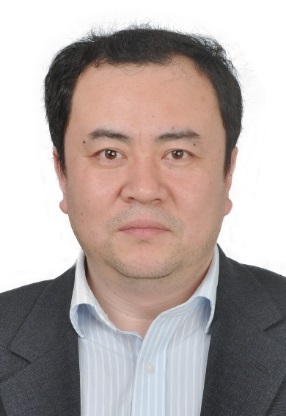 Jun Jin (晋军)合作论文数The Second Affiliated Hospital, Army Medical University;School of Medicine, Chongqing University13
 Xiaojing Wu (武晓静)合作论文数Shenzhen University General Hospital12Yangguang Yin合作论文数12Pan Gao合作论文数8Yang Yu合作论文数8Shizhu Bian (卞士柱)合作论文数8Dehui Qian合作论文数8YuQiang Fang (方玉强)合作论文数7Gang Zhao合作论文数6YinPin Zhou (周音频)合作论文数5XueJun Yu (于学军)合作论文数5Qin Jun (覃军)合作论文数5Jihang Zhang (张继航)合作论文数5Rui-Wei Guo合作论文数5Minbao Song合作论文数5Zhexue Qin合作论文数4GuangXu Zhu (朱光旭)合作论文数4QianNing Li (李黔宁)合作论文数4
 Jinghong Zhao (赵景宏)合作论文数Second Affiliated Hospital of Army Medical University4Jie Yu (余洁)合作论文数4Rongsheng Rao合作论文数3YouMei Li (李佑美)合作论文数3Nan Wu (吴楠)合作论文数3
 Hu Tan (谭虎)合作论文数中国人民解放军第三军医大学新桥医院3
 Yaoming Song (宋耀明)合作论文数重庆新桥医院心血管内科3Li Jiabei合作论文数3
 Chunyu Zeng (曾春雨)合作论文数Department of Cardiology, Daping Hospital, Army Medical Center, Army Medical University;Daping Hospital, Third Military Medical University3Jun Jing合作论文数3Shilin Fu合作论文数2Wu Nan合作论文数2Qiang Li合作论文数2Qiang Xu合作论文数2Yu Gao合作论文数2Li Xie合作论文数2Hong Wang合作论文数2Xiaohan Ding合作论文数2Qi Mao合作论文数Institute of Cardiovascular Research, Army Medical University2LIU Lan (刘兰)合作论文数2YuanPing Zhang (张源萍)合作论文数2KenLin Pan (潘肯林)合作论文数2XiaoHua Pang (庞小华)合作论文数2ZhengGong Li (李正恭)合作论文数2




