Microbial remediation of soils co-contaminated with heavy metals and polycyclic aromatic hydrocarbons is promising, yet understanding of bacterial adaptive mechanisms remains limited. This study investigated the performance of two isolated Cd-tolerant, phenanthrene (Phe)-degrading bacterial strains (Paenibacillus sp. WQ1 and Rhodococcus sp. WQ2) under Cd-Phe co-contamination. After 5-day of incubation, the survival rates of strains WQ1 and WQ2 reached 94.5 % and 86.1 % at a Cd2 + concentration of 1.5 mg/L and 89.7 % and 76.9 % at a Cd2+ concentration of 10 mg/L, respectively. After 7-day of incubation, strain WQ1 achieved Cd2+ removal rates of 39.0 % and 20.8 % and Phe (100 mg/L) degradation rates of 70.1 % and 62.6 % at 1.5 and 10 mg/L Cd2+, respectively. Correspondingly, strain WQ2 achieved Cd2+ removal rates of 31.7 % and 10.9 % and Phe degradation rates of 86.0 % and 74.2 % at the same Cd2+ concentrations of 1.5 and 10 mg/L, respectively. Crucially, a "low-toxicity convergence strategy" was adopted to mitigate toxicity by both strains under elevated Cd2+ stress (10 mg/L) through prioritizing extracellular adsorption (notably, strain WQ2 shifted from intracellular accumulation) and utilizing the lower-toxicity benzoate degradation pathway (where strain WQ1 shifted from the salicylate pathway). Overall, this study provided valuable microbial resources and theoretical insights for the remediation of Cd-Phe co-contamination.
Heavy-metal-tolerant bacteria provide a sustainable, eco-friendly approach to remediate cadmium (Cd) contaminated soils, and elucidating their tolerance mechanisms is key for designing effective bio-remediation strategies. This study integrated whole-genome sequencing, untargeted metabolomics and multi-phenotypic analyses to reveal the Cd tolerance mechanisms and soil remediation effects of three plant-growth-promoting bacteria: Rhizobium sp. WW22, Burkholderia sp. WW13 and Pseudomonas sp. WW2. Results showed that three strains achieved Cd adsorption efficiencies of 60.27 %-99.56 % in 0.3-100 mg L-1 Cd solutions, with amino, carboxyl, hydroxyl, and amide groups on cell surfaces as major binding sites. They have evolved gene clusters related to metal transport/efflux and oxidative stress response, which synergistically maintain metabolic homeostasis under Cd stress. Among them, strain WW13 exhibited stronger Cd tolerance due to abundant unique gene clusters for antioxidant defense, siderophore synthesis, and putrescine metabolism. Notably, three strains showed convergent metabolic responses under Cd stress, with secretions (predominantly organic oxygen compounds, lipids/lipid-like molecules, benzenoids, and organoheterocyclic compounds) that significantly increased environmental pH. Key common upregulated secretions (itaconic acid, cis/trans-aconitic acid) increased soil pH by 0.01-0.32 units and reduced the proportion of exchangeable Cd by 2.22 %-9.19 % within 10 days. Pot experiments further confirmed that strains indirectly reduced Cd bioavailability by increasing soil pH, enriching hydroxyl/carboxyl/amino groups, regulating dissolved organic carbon/nitrogen, ammonium nitrogen, activities of β-glucosidase and N-acetyl-β-D-glucosaminidase. By day 14, the proportion of exchangeable Cd was reduced by 4.09 %-5.86 %. This study revealed multi-pathway Cd tolerance mechanisms in bacteria and their roles in soil Cd immobilization, providing theoretical basis and efficient strains for bioremediation of Cd-contaminated soils.
The persistence of food-borne pathogens in soil can trigger disease outbreaks, highlighting the critical need to understand their survival patterns. Here we investigate the survival of Escherichia coli O157:H7, a notable food-borne pathogen, across 81 natural soils from eastern China using inoculation experiments. E. coli O157:H7 survival ranged from 2.0 days to 43.3 days in soils. The survival-time map revealed hotspots and geographical heterogeneity of E. coli O157:H7 survival across eastern China. Bioinformatics analysis and validation experiments identified available phosphorus as the major factor controlling E. coli O157:H7 survival, with higher available phosphorus content in soils extending their survival. Two opportunistic pathogens, Enterococcus faecium and Aerococcus viridans, facilitated E. coli O157:H7 survival by forming biofilm structures and cross-feeding, respectively. Climate factors showed mostly indirect correlations with E. coli O157:H7. These findings enhance our understanding of food-borne pathogen survival in soils and offer insights to inform agricultural practices for preventing and controlling outbreaks.
Water-level fluctuation zones (WLFZ) adjacent to rivers, lakes and reservoirs are ecologically sensitive areas, regulating water quality and maintaining ecological health. However, research on the pollution characteristics, their spatiotemporal variability and primary sources as well as the pollution-related ecological and health risks in WLFZ soils remains limited. This study developed a comprehensive dataset of soil pollutants in Chinese WLFZs, covering nearly 3000 sampling locations across 353 sites. The findings revealed that heavy metals and polycyclic aromatic hydrocarbons (PAHs) are the key pollutants, with the Three Gorges Reservoir identified as the primary focus area. Among the heavy metals, Cd exhibited relatively severe contamination, with Monte Carlo simulations indicating a 68.5 % probability of moderate or higher contamination levels. The pollution levels of heavy metals decreased in the order: Cd > As > Pb > Cu > Zn > Cr > Hg > Ni. Although the non-carcinogenic risks posed by heavy metals were limited, the average carcinogenic risk indices for children due to As (1.42e-05) and Cd (2.19e-06) were relatively high and warrant attention. Some Chinese WLFZs are contaminated with PAHs, with BaP identified as the dominant carcinogenic compound. Pollution in Chinese WLFZs is primarily attributed to coal combustion, industrial and agricultural activities, and navigation. Furthermore, current research on emerging pollutants in WLFZs remains limited, and risk assessments of their impacts on ecosystems are urgently needed. Our results provide the scientific basis for developing management strategies for pollution control in Chinese WLFZs.
Since some key microbial biomarkers could be selectively recruited and enriched into the rhizosphere of different plants under heavy metal stress, exploring their role may be helpful for the remediation of heavy metal pollution. Herein, microbial communities in the bulk and rhizosphere (Barley, Brassica napus L., Sedum plumbizincicola, Geranium carolinianum and Cnidium monnieri) soils contaminated with cadmium (Cd) were analyzed by coupling high-throughput sequencing and qPCR. Results showed that differences in microbial diversity were insignificant between bulk and rhizosphere soils, whose bacterial community was associated more with the environmental characteristics than the fungal community. Notably, the networks revealed several key biomarkers among different plants plant species associated with nitrogen fixation. Moreover, these identified key biomarkers were capable of conferring Cd tolerance and siderophore production. Rhizobium sp. WW22, Burkholderia sp. WW13, and Pseudomonas sp. WW2 obtained from the hyperaccumulator S. plumbizincicola exhibited high nitrogenase activity and substantially augmented its plant growth and nitrogen uptake. In particular, Burkholderia sp. WW13 significantly increased Cd accumulation in shoots of S. plumbizincicola, which would provide a more effective strategy for Cd remediation. This study demonstrated that the tested key biomarkers could bolster the growth of hyperaccumulator plants and enhance Cd enrichment efficiency, providing a promising new strategy for pollution remediation of soils.
Cadmium (Cd) contamination in soils threatens rice safety, necessitating effective remediation strategies. While the silicon-calcium-magnesium amendment (FSY) is known to reduce Cd bioavailability, its precise microbial mechanisms remain underexplored. This study integrated metagenomics and machine learning to investigate FSY's impact on the rice rhizosphere microbiome and to elucidate the biological drivers of Cd immobilization. FSY application and rice growth stage were the core factors that significantly reshaped bacterial and archaeal community structures, shifting archaeal community assembly toward deterministic processes, while the fungal community remained relatively stable. Co-occurrence network analysis revealed that FSY enhanced the complexity and stability of microbial interactions, strengthening the roles of key functional taxa. Crucially, functional profiling showed that FSY significantly upregulated genes related to multi-barrier systems (1) iron/manganese oxidation (e.g., feoB): associated with iron-manganese plaque (IP) formation (2) sulfate reduction (e.g., dsrA); linked to cadmium sulfide (CdS) precipitation; and (3) microbial Cd resistance (e.g., the czcA gene). Machine learning identified 14 core species, including key taxa in Campylobacterota and Thermoproteota, as the pivotal drivers of synergistic Fe/Mn/S-Cd interaction. These findings substantiated the microbially driven Fe/Mn/S synergistic model for Cd immobilization through three interconnected mechanisms: enhanced microbially mediated mineral fixation (IP thickening and CdS precipitation), and strengthened community-level Cd resistance. This research provided a deep mechanistic understanding of how chemical amendments induced microbial functions to mitigate heavy metal risks, thereby offering a scientifically-grounded strategy for remediation and safe use of Cd-contaminated field.
Understanding the spatiotemporal processes governing Cd behavior at the soil-solution-root interface is crucial for developing effective remediation strategies. This study examined the processes of chemical remediation in Cd-contaminated paddy soil using rhizotrons over the entire rice growth period. One-dimensional profile sampling with a 10 cm resolution revealed that during the initial flooding, paddy soil was strongly stimulated, followed by stabilization of porewater properties. X-ray diffraction of freeze-dried porewater confirmed the generation of submicron-precipitates such as CdS under continuous flooding, resulting in low ion levels of water-soluble Cd (<1 mu g/L) and sulfate (<10 mg/L) in porewater. Two-dimensional imaging technologies indicated the maximum iron-manganese plaque (IP) within 20-110 mu m of the root surface. Subsequently, monitoring O-2 in the rhizosphere with a planar optode by two 100 cm(2) membranes for a consecutive month revealed significant circadian O-2 variations between the root base and tip. Destructive sampling results showed that acid-soluble Cd in soils, as available Cd, is crucial for Cd uptake by rice roots under continuous flooding. The IP deposited on the root surface, as the barriers of Cd translocation, increased with rice growth and blocked Cd translocation from soil to rice by about 18.11 %-25.43 % at maturity. A Si-Ca-Mg compound amendment reduced available Cd by about 10 % and improved Cd blocking efficiency by about 7.32 % through increasing IP concentration, resulting in the absorption ratio of Cd in the amendment group being half that of the control group. By unveiling the complex Cd interactions at the soil-rice interface, this study lays the groundwork for developing effective agricultural practices to mitigate Cd-contaminated paddy and ensure food safety.
With rapid urbanization in China, soil pollution at contaminated sites has emerged as a significant concern in the environmental protection plan. Moreover, extensive research has focused on the analysis of other major contaminants. However, over the past two decades, only a few studies have systematically analyzed polycyclic aromatic hydrocarbons (PAHs) in contaminated soils, particularly their source identification, contamination level assessment, and risk evaluation. This study addressed these research gaps by comprehensively evaluating soil PAHs contamination at these sites through the collection and screening of relevant literature data from the past 20 years using a “front page filtering” approach. The results suggested that the most contaminated sites in China were associated with petrochemical plants, steel mills, and coking plants. Coal/biomass burning emerged as the predominant source of PAHs pollution in the soils of contaminated sites across China. Overall, the soils of contaminated sites exhibited relatively low levels of PAHs contamination. The single-factor index method showed that benzo(a)pyrene (BaP) was the PAH monomer with the highest contamination level. Geographically, Northeast and North China exhibited relatively higher contamination levels and ecological risks. Moreover, PAHs posed significant health hazards, as they exhibited significantly high toxic effects on the respiratory system, carcinogenicity, aromatic hydrocarbon receptors, estrogen receptors, and antioxidant response elements. Additionally, children and youths faced higher health risks than adults. The findings from this study provide a solid basis for developing strategies to manage PAHs at contaminated sites in China.
Dissolved organic matter (DOM) is a labile carbon and nutrient pool inforest ecosystems and its properties are affected by plant species, soil properties, hydrological conditions and other factors. To investigate the effects of tree species on the composition and spectral properties of soil DOM leachate, one-year-old seedlings of Castanopsis carlesii (CC), Cunninghamia lanceolata (CL), and Ormosia Henryi (OP) were planted in the root boxes (0 similar to 60 cm), and no planting was set as the control. After a rainstorm in August 2021, soil DOM leachate in the root box was collected to determine its composition and spectral characteristics. The results show that: (1) The content of dissolved organic carbon (DOC) in soil leachate of Cunninghamia lanceolata seedlings was significantly higher than those of Ormosia Henryi and Castanopsis carlesii seedlings (p<0.05). (2) The value of the aromatic index (SUVA(254)) in the soil leachate of Castanopsis carlesii was the highest, and that of the hydrophobic index (SUVA(260)) in soil leachate of Cunninghamia lanceolata was the lowest. There was no significant difference in the molecular weight (SUVA(280)) in the soil leachate of different tree species. (3) There were no significant differences in the DOM fluorescence index (FluI), freshness index (Frl) and biogenic index (BIX) of soil leachate among the three tree species and no-tree species in the root box soil leachate. The DOM fluorescence humification index (HIX) of soil leachates in all treatments was less than one, and the HIX of soil DOM leachates of Ormosia Henryi and Castanopsis carlesii were significantly higher than that of no-tree control (p<0.05). Soil DOM leachate was mainly composed of three components, fulvic and humic acid-like (C1), humic acid-like (C2) and soluble microbial products (C3). Compared with the soil DOM leachates of Ormosia Henryi and Cunninghamia lanceolata, the proportions of C1 and C2 in the soil DOM leachate of Castanopsis carlesii was higher, while the proportion of C3 was low. (4) Pearson correlation analysis showed that DOC concentration was negatively correlated with UV index (SUVA(254), SUVA(260), SUVA(280)), two-dimensional fluorescence index FluI, and three-dimensional fluorescence component C2, while positively correlated with C3 (p<0.05). The results of this studyprovide some reference value for the study of soil biogeochemical cycles in the subtropical region.
In order to understand the influence of heavy metals on the surrounding environment in the Daxia River basin and provide a scientific basis for environmental pollution prevention and control, 30 heavy metal samples were collected and the contents of five heavy metals, As, Cd, Cr, Cu and Pb, were detected. The contribution rates of As and Cr were 98.36% and 56.14%, respectively, which were mainly influenced by agricultural activities; the contribution rates of Cu and Pb were 42.28% and 89.80%, respectively, which were more influenced by traffic factors; and the contribution rate of Cd was 35.50%, which was influenced by industrial activities. industrial activities, the estimated probabilities indicate a risk of heavy metal pollution in the northeastern part of the study area in the Daxia River basin.
The relationship between iron manganese plaque (IP) and cadmium (Cd) accumulation by rice in the microenvironment of rice rhizosphere at varying field scales needs to be further explored. In this study, we selected different rice varieties and implemented tailored amendments to ensure the safe production of rice grains in heavily Cd-contaminated farmland situated around an E-waste dismantling site. Through regional surveys, we elucidated the role of IP in facilitating safe rice production. The selection of low-Cd accumulating rice varieties and application of appropriate amendments with sufficient dosages allowed for the effective reduction of Cd transport from soil to rice, resulting in a safe concentration of Cd in rice grains. Analysis using a random forest algorithm indicated that iron (Fe) played a more pivotal role than manganese in soil-rice systems in mitigating Cd accumulation in brown rice. The presence of Fe in IP (IP-Fe) at a low loading mass was unfavorable to the Cdsafe production of rice, while at an IP-Fe loading mass of 52 g/kg, the Cd content in brown rice decreased to a safe level. Furthermore, precipitation, coprecipitation, and complexation of surface functional groups contributed to Cd fixation on IP, as indicated by scanning electron microscopy coupled with energy-dispersive Xray spectroscopy, electron probe microanalysis, and Fourier-transform infrared spectroscopy with attenuated total reflection. Our results highlighted the key role of IP in the production of Cd-safe rice at different field scales.
Pollution from electronic-waste (E-waste) dismantling is of great concern. This study investigated the concentrations of polychlorinated biphenyls (PCBs), polycyclic aromatic hydrocarbons (PAHs), and polybrominated diphenyl ethers (PBDEs) in 253 cropland soil samples around an abandoned E-waste dismantling site in Taizhou city, Zhejiang province in China, using an analytical method which simultaneously extracted, purified and determined the identity and quantity of the three types of persistent organic pollutants. Meanwhile, their spatial distributions, pollution characteristics, and risk assessments were further analyzed. Total PCBs in the test soils ranged from below method detection limits (ND) to 2985.25 μg kg−1 on a dry weight basis (d.w.), and the spatial distribution indicated a “hot spot” of PCBs pollution in the study area. The PAHs were detected in all samples with total concentrations ranging from 4.99 to 2723.06 μg kg−1 d.w. The distribution of PBDEs showed the pollution characteristics of “family-run workshops”, with a total content range of ND ~ 899.34 μg kg−1 d.w., of which BDE209 was typically the dominant congener, accounting for 74.05% of the total PBDEs content in the test soils, with the highest content reaching 857.72 μg kg−1 d.w. Results showed that the ecological and lifetime carcinogenic risks of PCBs and PAHs were low in the study area, but the health risk caused by oral ingestion and dermal contact accounted for the highest proportion of the total exposure risks, while inhalation could be ignored. PBDEs in soils of the study area were a potential chronic non-carcinogenic risk, particularly for children. Therefore, in order to protect human health and environment, it is necessary to regulate the management of E-waste dismantling sites and pollution control.
铁载体是地下生物驱动过程的重要参与者,为全面了解铁载体的研究进展和未来发展趋势,利用知识图谱工具VOSviewer、CiteSpace与HistCite对Web of Science(WOS)核心合集数据库和中国知网(CNKI)1980-2021年发文的数量与学科分布、主要国家(地区)与机构、主要发文期刊与研究学者、研究现状及其变化趋势等进行了计量分析.结果表明:①近40年铁载体研究的发文量整体呈持续增长趋势,2010年后中国中英文发文量均明显增多,成为WOS数据库中该领域发文量排名第4的国家.微生物学、生物化学与分子生物学是英文发文量排名靠前的学科,而生物学、环境科学与资源利用是中文发文量较多的学科.国外机构间关于铁载体研究的合作较为紧密,我国与国外机构的合作整体上有待加强.铁载体研究发文的主要中英文期刊有微生物学通报、Journal of Bacteriology、Biometals等,Budzikiewicz H、Haas H和张福锁等分别是WOS和CNKI数据库中该领域发文较多的研究学者.②关键词聚类网络主要可分为铁载体的配位化学、生物合成机制及其在环境修复中的应用3类.铁载体主要产自于微生物,具有结构和功能的多样性.土壤中存在大量铁载体合成的基因簇,其中,铁载体在土壤重金属和有机污染修复、植物促生和土传病害防治中的作用已引起广泛关注,在中英文期刊中均有大量文献发表.③国内外铁载体的相关研究具有明显的学科交叉特性,联合多组学与生物化学方法发掘新型铁载体,明晰产铁载体微生物、植物和环境之间复杂的相互作用及其机理是未来的发展趋势.同时,在环境中的实际生产应用也需要进一步深入验证,这对于环境污染的生物修复、保护植物和土壤健康等具有重要意义.
Bioleaching is a promising technology to remediate sediments contaminated by heavy metals. However, the complex heterogeneities of the sediments can reduce the acidification efficiency and the heavy metal removal rate, thus hindering the practical application of sediment bioleaching. This experiment conducted comparative bioleaching experiments between the inoculated group (average leaching percentages: Cu 67.64%; Zn 54.44%; Ni 29.59%) and the non-inoculated control group (Cu 37.10%; Zn 41.04%; Ni 19.89%) on 28 sediments characterized by different physicochemical properties to explore the key factors influencing bioleaching. The results indicated that the bioleaching process was predominated by the indigenous bioleaching bacteria and the bioleaching inoculum, respectively. The ACCpH=4 (acid-consuming capacity), TOC (total organic carbon), and TN (total nitrogen) of the sediments played an essential role in influencing the microbial community structure and bioleaching performance: the ACCpH=4, as the inhibitive factor, could influence the succession growth of the indigenous bioleaching bacteria and the inoculum during the bioleaching process, while the TOC and TN, as the contributing factor, could influence the metabolism of the indigenous bioleaching bacteria. Based on these results, the bioleaching process was improved with the classification and pretreatments of sediment to realize successful bioleaching of all types of the sediments examined in this research.
During the past decade, the characterization of microbial community in soil of contaminated sites was primarily done by high-throughput short-read amplicon sequencing. However, due to the similarity of 16S rRNA and ITS genes amplicon sequences, the short-read approach often limits the microbial composition analysis at the species level. Here, we simultaneously performed full-length and short-read amplicon sequencing to clarify the community composition and ecological status of different microbial taxa in contaminated soil from a high-resolution perspective. We found that (1) full-length 16S rRNA gene sequencing gave better resolution for bacterial identification at all levels, while there were no significant differences between the two sequencing platforms for fungal identification in some samples. (2) Abundant taxa were vital for microbial co-occurrences network constructed by both full-length and short-read sequencing data, and abundant fungal species such as Mortierella alpine, Fusarium solani, Mrakia frigida, and Chaetomium homopilatum served as the keystone species. (3) Heavy metal correlated with the microbial community significantly, and bacterial community and its abundant taxa were assembled by deterministic process, while the other taxa were dominated by stochastic process. These findings contribute to the understanding of the ecological mechanisms and microbial interactions in site soil ecosystems and demonstrate that full-length sequencing has the potential to provide more details of microbial community.
A method for simultaneous extraction, purification, and determination of persistent organic pollutants (POPs) in soil, such as polychlorinated biphenyls, polybrominated diphenyl ethers, and polycyclic aromatic hydrocarbons, was developed in this study. The optimum conditions for extraction and purification were as follows: Soil samples were extracted ultrasonically three times with acetone/n-hexane (1∶1, by volume), followed by purification with Florisil solid-phase extraction column, and eluted by 12 mL of n-hexane/dichloromethane (9∶1, by volume) mixture solution. The eluant was concentrated by gentle N2 streams and finally quantified by gas chromatography-mass spectrometry (GC-MS) with PCB209 as the internal standard. Except for 2, 2′, 3, 3′, 4, 4′, 5, 5′, 6, 6′-decabromodiphenyl ether (BDE209), the other 41 POPs were efficiently separated within 23.83 min. Excellent linearity was observed in the concentration range of 20-1 000 µg/L for all POPs with the coefficients of determination (R2) of 0.997 5-0.999 9. The detection limits of 42 POPs were 0.04-1.19 ng/g, and the spiked recoveries ranged from 71.04% to 120.89% with relative standard deviations of 0.88%-6.29%, and intra- and inter-day reproducibility variations were less than 11%. In conclusion, this method greatly reduces time and workload and is characterized by simple operation, good accuracy, and high sensitivity. It can be widely applied to the determination and analysis of POPs in soil, such as e-waste disposal site soil, which will facilitate further studies on the fate and risk assessment of POPs.
The long-term dismantling of electronic waste (E-waste) has contaminated the soil environment considerably. In spite of this, it is unknown if it affects the depth-resolved microbial communities. In the present research, six soil profiles (dismantling sites and the surrounding farmland) were collected from one of the largest Chinese E-waste disposal centers to identify depth-resolved microbiota and assess how heavy metal contamination affects microbial adaptation. Results suggested that cadmium (0.12-7.22 mg kg-1) and copper (18.99-11282.03 mg kg-1) were the main pollutants in the test soil profiles, and their concentrations gradually decreased with depth. The surrounding contaminated farmland has a more complex interaction and higher modularity (0.77-0.85) among microbes, indicating a stronger niche differentiation to enhance functional diversity. The proportion of positive interactions between taxa decreased with depth, as high heavy metals contamination in the topsoil results in the co-occurrence of microorganisms with the same ecological niche that collaborated to face environmental stress. Soil physicochemical properties, heavy metals concentration, and soil depth critically affect microbial communities. Microbial community assembly processes in the topsoil were affected by environmental filtering, i.e., by deterministic processes (NST: 13-52%), while were more stochastic (NST: 46-72%) in the subsoil due to the environment of soil becoming more homogeneous as soil depth increased.
Contaminated sites are receiving more and more attention internationally because they pose a serious threat to the ecological environment and human health. Although the research focused on heavy metals pollution in the soil of contaminated sites has been rapidly developing over the past two decades, systematic research status analysis and pollution assessment are still lacking. Here, through the “front page filtering” script and successive screening of the relevant studies, the research status of heavy metal pollution in the soil of contaminated sites worldwide and especially in China had been synthetically analyzed. The result showed that China and USA were the most active countries in related research, and the main research subjects were the assessment of contaminated sites and remediation methods. The keyword co-occurrence network of heavy metal contaminated sites in China was divided into three clusters, focusing on different environmental media, physical-chemical remediation and phytoremediation technologies. The types of contaminated sites in China mainly included mining areas (the largest proportion), industrial zones, sewage irrigation, and dismantling sites, etc. Cd and Pb were the most widely studied heavy metal in China. The pollution of heavy metals in the soils of contaminated sites was ranked as: Cd > Pb > Cu/Zn/Hg > As/Cr > Ni, and it was more serious in southeast China than northwestern China.
【Objective】The high-throughput sequencing technology can easily access the species varieties and the relative abundance of a microbial community. Nevertheless, the relative abundance cannot fully reflect the microbial quantities when using it to evaluate the community. On the other hand, the absolute abundance which is one of the essential parameters for describing a microbial community structure in ecology has been ignored. The absolute abundance can be calculated by integrated high-throughput absolute abundance quantification(iHAAQ); which combines high-throughput sequencing and quantitative PCR(qPCR). Both relative and absolute abundances are essential parameters for describing a microbial community structure in ecology. The relative abundance could describe and evaluate the relationship of specific taxa with others in the same sample,while the absolute abundance as a constant parameter is more suitable for describing and evaluating the quantitative variations of specific taxa in a sample or among samples. Thus, this study aimed to provide a comprehensive and in-depth analysis of soil microbial community through the relative and absolute abundances of the archaeal, bacterial, and eukaryotic(fungi) domains of microorganisms(described as three-domain microorganisms). 【Method】Based on data of soil microbial community in the studies of banana panama disease, the reclaimed sandy agricultural ecosystem and microbial inhibitor, the absolute abundances of archaea, bacteria and fungi in three papers were obtained by iHAAQ. Then the absolute and relative abundances of three-domain microorganisms were further calculated. The α-and β-diversity analyses of archaea, bacteria, fungi and three-domain microorganisms were conducted according to their relative and absolute abundances, respectively.【Result】The results showed that:(1) Compared to archaea and fungi, the bacteria dominated the soil microbial community with higher species varieties and absolute abundance. Meanwhile, the lack of absolute abundance parameters might lead to the misunderstanding of the microbial community.(2) The α-diversity indexes calculated by relative and absolute abundances were the same, while the β diversity indexes were different.(3) In the research of banana panama disease and reclaimed sandy agricultural ecosystem, PCoA results of three-domain microorganisms and bacteria were relatively similar, which indicated that the community structures of three-domain microorganisms were mainly affected by bacteria in these two studies. But no similar results were found in the research of microbial inhibitors.【Conclusion】The iHAAQ method can be applied to the studies that perform high-throughput sequencing and qPCR analyses, simultaneously. It is of great ecological significance to study the three-domain microbial community with the species varieties, relative and absolute abundances obtained by the iHAAQ method, and it should be encouraged for future research.
 Jianming Xu (徐建明)合作论文数College of Environmental and Resource Sciences, Zhejiang University81
 Jianjun Wu (吴建军)合作论文数School of Mathematical Sciences, Zhejiang University27
 Laosheng Wu (吴劳生)合作论文数Department of Environmental Sciences, University of California, Riverside22
 Yan He (何艳)合作论文数Institute of Soil and Water Resources and Environmental Science, College of Environmental and Natural Resource Sciences, Zhejiang University18
 Jun Lou合作论文数16
 Kang Yan合作论文数14Philip C. Brookes合作论文数College of Environmental and Resource Sciences, Zhejiang University14JianMin Xu (徐建民)合作论文数12
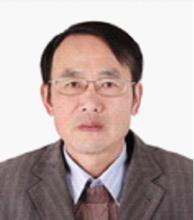 ZhengMiao Xie (谢正苗)合作论文数杭州电子科技大学环境科学与工程研究所10
 Zhiyuan Yao (姚志远)合作论文数School of Civil and Environment Engineering, Ningbo University9
) Bin Ma (马斌)合作论文数College of Environmental & Resource Sciences, Zhejiang University9GU Haiping (顾海萍)合作论文数8
Bin Ma (马斌)合作论文数College of Environmental & Resource Sciences, Zhejiang University9GU Haiping (顾海萍)合作论文数8 Yuping Wu合作论文数8
 Xingmei Liu (刘杏梅)合作论文数College of Environmental and Resource Sciences, Zhejiang University8
 Zhongmin Dai (戴中民)合作论文数College of Environmental and Resource Sciences, Zhejiang University6Qi You合作论文数5Taoxiang Zhang合作论文数5
 Scott R. Yates合作论文数Contaminant Fate and Transport Research Unit, USDA ARS Salinity Laboratory5
 Jiajia Xing合作论文数4
 Na Ding合作论文数4Muhammad Akmal合作论文数4
 Zhaojun Li (李兆君)合作论文数Institute of Agricultural Resources and Regional Planning, Chinese Academy of Agricultural Sciences4
 Yang Li合作论文数4
 Qingfu Ye (叶庆富)合作论文数Institute of Nuclear-Agricultural Science, Zhejiang University;Department of Applied Bioscience, Zhejiang University4
 Jay Gan (甘剑英)合作论文数Department of Environmental Sciences, University of California, Riverside4
 Niaz Muhammad合作论文数Department of Chemistry, Quaid-i-Azam University4
 Caixian Tang合作论文数Centre for AgriBioscience, La Trobe University;College of Science, Health and Engineering, La Trobe University4Tahir Hayat合作论文数3Jian Chen合作论文数3
 Jiahang Zhou合作论文数3Chuncheng Wu合作论文数3Shanshan Sun合作论文数3
 Dong-Xing Guan (管冬兴)合作论文数College of Environmental & Resource Sciences, Zhejiang University3
 Yanzheng Gao (高彦征)合作论文数College of Resources and Environmental Sciences, Nanjing Agricultural University3
 Chaofeng Shen (沈超峰)合作论文数College of Environmental and Resource Sciences, Zhejiang University;Institute of Environment Pollution Control and Treatment Zhejiang University3
 Baolan Hu (胡宝兰)合作论文数College of Environmental and Resource Sciences, Zhejiang University3
 Zhongzhen Liu (刘忠珍)合作论文数广东省农业科学院农业资源与环境研究所3Yuanzhi Chen合作论文数3
 Qi Lin (林琦)合作论文数College of Environmental and Resource Sciences, Zhejiang University3
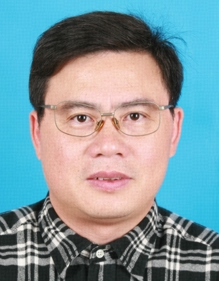 Shenggao Lu (卢升高)合作论文数Key Laboratory of Environment Remediation and Ecological Health, Ministry of Education, College of Environmental and Resource Sciences, Zhejiang University3
 Gang Wei (魏纲)合作论文数Hangzhou City University3
 Jincai Ma (马金才)合作论文数College of New Energy and Environment, Jilin University3
 Wanting Ling (凌婉婷)合作论文数College of Resources and Environmental Sciences, Nanjing Agricultural University3
) Liping Lou (楼莉萍)合作论文数College of Environmental and Resource Sciences, Zhejiang University3Suyuan Wang合作论文数2CHEN Jing-qing (陈菁青)合作论文数2Mengying Jiang合作论文数2Fanyi Kong合作论文数2
Liping Lou (楼莉萍)合作论文数College of Environmental and Resource Sciences, Zhejiang University3Suyuan Wang合作论文数2CHEN Jing-qing (陈菁青)合作论文数2Mengying Jiang合作论文数2Fanyi Kong合作论文数2




