Objectives Challenging tasks require larger and deeper model architectures and specialized mechanisms. In the field of medical image segmentation, the scarcity of high-quality annotated datasets limits the ability of complex models to achieve optimal training performance. Therefore, this paper proposes the Minimum Full-Depth link feature fusion U-shaped network (MFD-UNet) for the Immunohistochemical (IHC) image segmentation with limited training data. Methods To Address the redundancy issues in UNet++ and UNet3, MFD-UNet strategically reduces depth-link features while preserving essential network depth, thereby enhancing segmentation accuracy and mitigating overfitting risks. Furthermore, MFD-UNet synergistically integrates three complementary mechanisms: self-attention modules for long-range contextual modeling, residual connections for stable gradient propagation, and channel-wise attention for dynamic feature refinement. The proposed method exhibits notable effectiveness in the segmentation for thegland and differentially stained tissue regions. Results MFD-UNet achieved DICE accuracies of 92.52% on the public dataset CRAG and 90.69% on the internal dataset CRC, which outperforms the current state-of-the-art U-Net-based methods. Conclusion This work promotes the intelligence and generalization of professional medical image diagnosis and is expected to play an important role in areas with limited medical resources.
Accurate rolling bearing fault diagnosis is essential for ensuring the reliability of industrial systems; however, practical applications are often constrained by small-sample training where discriminative fault information is insufficiently exposed (e.g., weak and sparsely distributed fault-related components and ambiguous spectral cues), as well as strong noise interference and restricted deployment resources. To address these challenges, a lightweight time-frequency dual-stream multiattention network (DSMA-Net) is proposed. A discrete cosine transform-driven channel attention (DCT-CA) module with lightweight nonlinear mapping is designed to capture multicomponent intrachannel energy descriptors from time-domain signals. To emphasize fault-relevant spectral regions, a frequency-domain attention mechanism is developed, including element-wise channel sensing and channel-specific spatial attention (SA). In addition, a bidirectional cross-attention fusion mechanism is employed to align mid- and high-level temporal and spectral features. Experiments on two bearing datasets collected from different test rigs under small-sample conditions demonstrate the effectiveness of DSMA-Net. It achieves a test accuracy of 99.12% with only 78.63K parameters and 35.51M FLOPs, outperforming existing lightweight state-of-the-art (SOTA) methods. Additional evaluations under noise conditions and extremely low training sample sizes further confirm its robustness and consistent performance in challenging scenarios. The proposed method provides an efficient and deployment-friendly solution for noisy and resource-constrained industrial scenarios.
Computed Tomography (CT) imaging combined with deep learning models is increasingly employed for defect detection in lithium-ion batteries of electric vehicles. However, analyzing battery CT images presents major challenges, including complex electrode textures, the presence of tiny defects, and computational constraints. To address these issues, we propose GEG-YOLO, an optimized deep learning framework designed to balance detection accuracy and efficiency. The model integrates four key innovations: a Learnable Grouped Gabor Filter for enhanced texture feature extraction, an Enhanced Dual Attention Module (EDAM) to strengthen spatial-channel feature correlation, a P2 Detection Head specialized for tiny defect detection, and a Ghost-style Feature Aggregation Neck (GFA-Neck) for efficient multi-scale feature fusion with reduced parameters. Experimental results demonstrate that GEG-YOLO achieves a 96.1% mean average precision (mAP), representing a 4.8% improvement over YOLOv8, while reducing 11.3k parameters (41.4k with the P2 head) for a total reduction of 12.3%. With an inference speed of 9.5 ms per image, GEG-YOLO provides a lightweight yet effective solution for vision-based defect detection in CT imaging, advancing both methodological innovation and practical application in battery inspection.
Electronic nose (e-nose) and electronic tongue (e-tongue) systems have emerged as powerful analytical tools for the rapid and specific detection of analytes. However, their performance is often impeded by technical bottlenecks inherent in traditional sensing technologies, particularly limited signal output dimensionality, short lifespan, and difficulties in miniaturization or integration. Radio frequency (RF) sensors, with their inherent advantages of multiparameter signal output, long-term stability, ease of integration, and wireless compatibility, offer a promising platform for e-nose and e-tongue development. In this context, porous materials can act as sensing films to adsorb target analytes, thereby modulating the impedance characteristics of RF sensors and facilitating robust detection. Notably, emerging porous materials, distinguished by their ultrahigh specific surface areas, tunable pore structures, and customizable surface chemistry, induce more rapid, pronounced, and targeted variations in the complex impedance of RF sensors during analyte interaction, which significantly enhance critical sensing metrics, including sensitivity, selectivity, and response kinetics. This review systematically summarizes the current research status of RF biochemical sensors integrated with porous materials, covering fundamental principles, material characteristics, and impedance-driven sensor analysis. Particularly, guided by the equivalent impedance model of RF sensors, we systematically propose design paradigms and performance optimization strategies. Furthermore, we analyze current advances and application scenarios in environmental monitoring, biomedical analysis, as well as process and quality control. Finally, we discuss future directions and ongoing challenges, providing a roadmap for next-generation intelligent e-nose and e-tongue systems.
Although terahertz (THz) metasurfaces based on bound state in the continuum (BIC) have garnered significant attention in biomedical applications, their technical implementation in high-sensitivity cancer cells detection remains a critical challenge. In this work, we present a THz biosensor employing dual split-ring resonator (DSRR) arrays based on quasi-bound state in the continuum (Q-BIC). Numerical simulations reveal a high-Q resonance dip at 2.35 THz with a detection sensitivity of 522 GHz/RIU. Experimentally, the performance was validated by detecting normal cells (murine splenocytes) and three cancer cell lines (LLC, LoVo, and MC38). In addition, analysis of cell type discrimination was achieved by integrating machine learning algorithms to project high-dimensional spectral data into a low-dimensional space. This study establishes a label-free approach for long-term cellular monitoring, advancing THz technology as an innovative platform for practical biomedical applications.
End-of-line (EoL) testing is essential for the quality control of waterproof micro-motor systems, such as electric toothbrushes. However, reliable inspection of fully sealed products is hindered by ambient noise, sensor mass-loading effects, and the limited observability of abnormal operating conditions during conventional unloaded dry-run tests. To address these challenges, a sequential two-stage EoL testing framework is proposed. In the first stage, the products are operated under submerged hydro-load conditions to assess their operational reliability in underwater environments. Structural vibration signals are acquired using flexible polyvinylidene fluoride sensors to minimize the mass-loading effect, while a windowed accumulated absolute deviation method incorporating baseline calibration and adaptive thresholding is employed to identify abnormal operating states and suppress interchannel crosstalk. In the second stage, products that pass the underwater inspection undergo noncontact airborne acoustic testing for the detection of subtle acoustic anomalies. Time-, frequency-, and wavelet-domain features are extracted from the acoustic signals, augmented with discriminative features derived using linear discriminant analysis, and classified using a random forest model. Under the investigated experimental conditions, the first-stage system correctly identified all tested underwater operating states. The linear-discriminant-analysis-enhanced random forest achieved an average precision of 0.9395 ± 0.0121, a Matthews correlation coefficient of 0.9189 ± 0.0332, a defective-class precision of 0.9658 ± 0.0506, a defective-class recall of 0.8810 ± 0.0337, and a defective-class F1 score of 0.9207 ± 0.0317. These results demonstrate the feasibility of the proposed framework for automated EoL quality inspection of waterproof micro-motor systems.
Traumatic brain injury (TBI) assessment is crucial for protecting the health of casualties involved in sudden head-impact incidents. However, traditional methods for assessing TBI are primarily based on bulky imaging equipment, which suffers from time lag, leading to misjudgment of the injury and missing the golden opportunity for treatment. Moreover, most existing Internet of Things (IoT)-aided sensor-based head impact detection studies monitor only a single biomechanical parameter, either the external head impact force or the head center-of-mass acceleration, thus offering an incomplete injury profile. This study proposed a method for rapidly acquiring on-site time-series data to support TBI assessment, which employed flexible piezoelectric sensors to detect head impact, whose electromechanical coupling was characterized by an equivalent-impedance model identified with the genetic algorithm (GA). The voltage signal from the sensor was transmitted to mobile devices via Bluetooth to estimate head-impact biomechanics. Specifically, the impact force on the wearer's head was converted from the voltage using the sequential quadratic programming (SQP) algorithm. Based on the impact force data, the acceleration of the center of mass of the head was predicted with a neural network containing the long short-term memory (LSTM) layer. The experiments were carried out on a head-neck dummy subjected to different levels of impact. The resulting models achieved coefficients of determination ( $R<^>{2}$ ) of 0.935 for impact force (amplitude of 0-3 kN) and 0.848 for acceleration of the center of mass (amplitude of 0-120 g). The fabricated wireless flexible wearable sensor was installed on the dummy for performance validation, successfully demonstrating collision detection, impact force, and acceleration estimation for TBI assessment, which can be conveniently deployed in helmets used in construction, sports, and emergency rescue, leveraging IoT technology for real-time dual-parameter head-impact estimation and medical-data synchronization to safeguard the golden treatment window and hopefully promote the efficient allocation of medical resources.
Accurate detection of internal defects in battery CT images is essential for ensuring the safety and reliability of energy storage systems. However, the limited number and imbalance of defect samples—especially rare cases such as electrode cracks and particles—greatly affect the performance of deep learning models. To address this challenge, we propose HDA-SinGAN, a lightweight image generation framework capable of producing realistic and diverse defect samples from a single image while simultaneously reducing the parameters by 19.6%. HDA-SinGAN integrates High-Frequency Loss, a Dynamic Channel Scaling (DCS) mechanism, and an Adaptive Feature Aggregation (AFA) module, which together preserve fine details and enhance spatial feature extraction. Experimental results on industrial battery CT datasets show that HDA-SinGAN outperforms SinGAN in both image quality and efficiency. For cracks, it achieves improvements of 2.1% in SIFID, 2.5% in SSIM, and 27.5% in PSNR; For particles, the gains are 8.2%, 4.5%, and 0.2%, respectively. Incorporating the generated samples into YOLOv8-n training further increases the mean Average Precision (mAP) by 10.6% for cracks and 9.4% for particles. These results indicate that HDA-SinGAN effectively balances training datasets and enhances the detection of rare battery defects, providing a lightweight and efficient solution for industrial applications.
This study proposes a novel high-sensitivity calorimetric flow sensor based on vanadium dioxide (VO2) to meet the growing demand for low-flow detection. The thermoresistive effect characterization results of the fabricated VO2 thin film show a temperature coefficient of resistance (TCR) of 99${\boldsymbol}{\%}$/K that is two orders of magnitude higher than that of conventional thermal sensing material, indicating its potential for enhancing the sensitivity of the calorimetric sensor. Notably, it exhibits a nonlinear temperature-dependent hysteretic behavior with the minor resistance-temperature curves nested in the major hysteresis curves, posing a challenge to the practical use of VO2-based sensors. Thus, a comprehensive hysteresis model, utilizing physical model for the major hysteresis loop and modified Preisach models for the minor hysteresis loop, has been established to give an accurate resistance-temperature response, providing a solid basis for the development of high performance sensor based on VO2. The finite element analysis (FEA) confirmed the proposed calorimetric sensor's superior performance, with a linear range of 0-0.4 mu L/min and a normalized output sensitivity of 11.08 V/(m/s)/mW, consuming 1.5 times less power than dual-heater configurations. The dual-heater calorimetric sensor achieved a sensitivity of 21.23 V/(m/s)/mW in its CH mode, 18.3 times higher than conventional metal-based sensors. This work advances the understanding of VO2 hysteresis for microflow sensor design and paves the way for nonlinear phase-change material (PCM)-based microfluidic sensors.
Detection and identification of organic pollutants in urban rivers are essential for environmental protection and drinking water safety. As an online detection technology, 3-D fluorescence spectroscopy provides rich material information and has no secondary pollution. However, existing approaches still face low recognition rates caused by background fluctuations in water quality, especially for pollutants in low concentrations or with similar spectra. In this study, a recognition method, feature descriptor-Fisher vector (FD-FV), which combines the chemical properties of pollutants with the fluorescence detail features of the water background, is proposed to solve the above problems. Pollutant descriptor coupled with fluorescence peaks of the spectral image is designed to obtain feature vectors containing pollutant scale, location, and orientation from excitation-emission matrix (EEM) data. Statistical properties of pollutants are obtained by using Fisher vector coding including background fluorescence in river water. Then, the cosine distance method is used to determine the pollutant category. Eleven organic pollutants were gathered and examined to obtain a sample library of distinctive organic pollutants in river waters. To confirm the method's efficacy, an online simulation of river water was built. The experimental results indicate that the method achieved overall accuracies of 93%, 86%, and 91.16% under three challenging conditions: fluctuations in background water quality, low pollutant concentrations, and the identification of out-of-library pollutants. Notably, the present method's accuracy exceeds that of several conventional benchmark methods.
The detection and classification of volatile organic compounds (VOCs) are of great significance in atmospheric environment monitoring and have garnered extensive attention in recent decades. This study proposes a virtual sensor array (VSA) for VOC detection and classification fabricating a single-chip high-Q-factor film bulk acoustic resonator (FBAR) functionalized with MIL-101(Cr) thin film, known for its porous crystal structure and high specific surface area. The sensing performance of five different VOCs was evaluated to characterize the VOCs, achieving high detection accuracy calibrated with the Langmuir adsorption model. The FBAR's frequency response was utilized to determine the sensitivity and limit of detection (LOD), yielding sensitivity and LOD of 85.45 Hz/ppm and 51 ppm, respectively, for isopropanol. The identification and classification capabilities of the proposed VSA for VOCs and their mixtures were assessed using statistical methods and machine learning algorithms, realizing classification accuracies of 100 % for pure VOCs and 94.6 % for mixtures. The developed VSA demonstrates superior performances in VOC detection and classification, with potential applications across various domains.
Railway fasteners ensure the safety of rail operations, but existing methods of fastener defect detection struggle to identify both visual and structural defects. This article proposes an effective method based on the RGB-depth image and point cloud (RGB-P) bimodal fusion to enable simultaneous identification of visual and structural defects. A 3-D line laser sensor captures track profiles to generate RGB-P data. A bidirectional spatial map is established for the seamless integration of texture from RGB-depth images and geometric features from point clouds. For visual defects, the You Only Look Once version 8 (Yolov8) network detects anomalies in RGB-depth images with 100% precision under varying lighting conditions. For structural defects, the 3-D skeleton of the middle bend of clip (MBoC) is extracted via a cross-modal guidance fusion framework, and clip gaps are calculated using dynamic diameter correction via cross-sectional circle fitting to avoid errors from fixed diameter assumptions. Structural defects are detected based on the clip gap. Experiments show that the method achieves a root mean square error (RMSE) less than 0.1 mm for the clip gap measurement and structural defect detection precision and recall exceeding 97.5% under +/- 0.1 mm error tolerance. Our method surpasses existing approaches in precision, recall, and efficiency with an average speed of 41.3 m/s, which is suitable for the real-time detection of both visual and structural defects of railway fasteners.
Rolling bearings are crucial components in rotating machinery and are among the parts most prone to faults. Effective fault detection of bearings is essential for reducing maintenance costs, minimizing casualties, and preventing property loss. However, fault identification remains challenging, especially in the absence of a priori fault knowledge and where multiple interacting faults result in weak and complex fault features. Responding to the challenge, a new fault features blind separation and extraction technique is proposed, which consists of two main stages. Firstly, blind fault frequency estimation is performed. The 1/3-binary tree filter strategy is applied to decompose the original signal into multiple frequency bands. Then, the cyclic frequency of each signal component is estimated using the proposed squared envelope spectrum autocorrelation analysis. Potential fault frequencies are blindly estimated based on the results of the density-based spatial clustering of applications with noise algorithm. Secondly, fault information validity analysis is conducted. Fault features are separated through envelope spectrum harmonic noise ratio analysis, and a fault frequency-related impulses analysis based on the minimum entropy deconvolution algorithm is presented to validate the fault information. The efficacy of the proposed technique has been validated through simulation analysis and two sets of real bearing experiments from different conditions. The results show that even when dealing with bearings containing more than two localized faults, the proposed technique can effectively separate and extract fault features without prior fault knowledge, even when these faults are relatively weak. Compared with a classical method and a state-of-the-art technique, the proposed technique demonstrates superior performance in detecting weak multi-faults under challenges such as signal attenuation, feature coupling, and interference, while offering unique advantages in avoiding both false positives and false negatives.
Inductive oil debris monitoring has long been a crucial method for evaluating the operational status of mechanical equipment. Nevertheless, when several metallic wear particles traverse the sensor nearly simultaneously, signal aliasing arises, which compromises the accuracy of the debris signals' peak-to-peak amplitudes and may result in incorrect alerts. To tackle this problem, this paper presents a signal separation framework that combines a fractional-order integration filter, optimized through matrix implementation and convolution techniques, with a convolutional neural network model based on autoencoders. Experimental results demonstrate that the introduced technique markedly enhances the precision of estimating peak-to-peak values relative to unprocessed aliased signals.
Terahertz (THz) spectroscopy has unique sensing capabilities for biological cells due to its high temporal resolution and label-free characteristics. By combining THz technologies with the local enhancement effects of the electric field induced by the metasurface, high sensitivity detection of biological analytes can be achieved. In this article, an ultrasensitive THz metasurface biosensor based on parity-time (PT) symmetry is proposed. Consisting of a cut wire and a pair of split ring resonators, the exceptional point (EP) structure in PT symmetry can realize a balance between the gain and the loss, which leads to a high detection sensitivity. The simulation shows that the proposed biosensor can reach a sensitivity as high as 584 GHz/RIU at the EP with polarization-insensitive stability across a +/- 35 degrees angle range. Experimentally, the biosensor achieves a sensitivity up to 1030.51 kHz/ (cell/mL(-1)) in detecting different biological cells. Principal component analysis is used to reduce the dimensionality of features composed of frequency shifts and peak amplitudes. A random forest model is then used to classify the processed features and achieves a 98.9% identification accuracy. The proposed biosensor demonstrates capabilities of highly sensitive detection of cancer cells, providing an effective and rapid method for early cancer screening, grading, and staging.
A multi-functional VOC (volatile organic compound) sensor composed of four parallel-connected quartz crystal resonators (QCRs) configured as a cascaded resonator was developed for VOCs identification and quantification. The structure of the cascaded resonator allows the high-resolution output response signals from the four QCRs to be obtained through a single measurement. Multiparameter responses for each QCR can be calculated to form a hybrid sensor array, combining the advantages of multisensor array (MSA) and virtual sensor array (VSA), significantly enhancing the sensor’s ability to identify both similar and diverse types of VOCs. Results show that the highest sensitivity is 16.14 Hz ppm −1 , with the lowest limit of detection is 0.34 ppm, exhibiting excellent sensing performance. Classification accuracy to eight VOCs is 98.68% of the hybrid sensor array. This development is of significant importance for the realization of artificial olfaction.
In recent years, terahertz (THz) technology has received widespread attention and has been leveraged to make breakthroughs in the field of bio-detection. However, studies on its application in mixtures have not yet been extensively conducted. Traditional one-dimensional (1D) spectral feature extraction methods are inefficient in terms of sensitivity and overall performance owing to spectral overlapping and distortions of a mixture. Thus, we adopted the Gramian angular field (GAF) method to map THz 1D spectra to two-dimensional (2D) images using correlation information between sequences. Image features of hepatocyte mixtures with different ratios were extracted using histogram of oriented gradients (HOGs) and gray level histograms (GLHs). A support vector regression (SVR) model was established for quantitative analysis. The method was more stable and accurate than principal component analysis (PCA) method, and RMSE and R2 values reached 0.072 and 0.932, respectively. This study enriches the algorithms of THz detection by combining the advantages of data upscaling and image processing, which is of great significance for the application of THz technology toward mixed-system detection.
Quartz crystal microbalance (QCM) is one of the most promising platforms for real-time sensing of volatile organic compounds (VOCs). However, eliminating cross-sensitivity among various VOCs is a significant challenge for these sensors. This paper proposes a hybrid multi-virtual sensor array (M-VSA) based on a cascaded resonator formed by four parallel QCMs with four different coated sensitive layers, aimed at identifying various VOCs. The M-VSA is formed by combining the multi-sensor array (MSA) with the virtual sensor array (VSA), where the frequency shift from the four QCMs were used as responses of the proposed MSA to VOCs, whereas changes in scattering parameters, resistance, reactance, impedance angle, and impedance magnitude obtained through Smith chart transformation as well as the frequency shift served as responses of the proposed VSA to VOCs, and these multidimensional responses collectively generate a unique fingerprint for each VOC. The method combines the advantages of both the MSA and the VSA, enhancing the ability to identify VOCs even with similar or distinct physicochemical properties. Based on machine learning algorithms, the proposed M-VSA can accurately identify different types of VOCs, binary mixtures, and ternary mixtures, with precisions of 98.68%, 94.29%, and 95.20%, respectively. In addition, the cascaded resonator achieved a lowest detection limit of 0.34 ppm for VOC and a sensitivity of up to 16.14 Hz ppm-1.
Micro-gravimetric sensors, such as quartz crystal microbalance (QCM) are capable of detecting trace substances and even single nanoparticles in various fields due to their high sensitivity, selectivity, and stability. As a resonant sensor, the detection response of QCM requires frequency analysis instruments with high precision like a frequency counter and a vector network analyzer to measure its frequency shift during mass sensing. However, such bulky and high-cost instruments undoubtedly hinder the applications of QCM-based sensors outside the laboratory such as in situ and portable detection. In this paper, a high-performance miniaturized frequency shift detection system based on a phase-locked loop (PLL) circuit, is developed for QCM measurement. The designed system achieves high detection sensitivity of frequency shift as 1.859 mV Hz-1 with the Allan deviation of 0.49 mV at 0.15s and frequency resolution of 0.26 Hz, which is conducive to achieving the detection of trace substance by QCM. The excellent measuring performance is further validated by measuring the frequency response of QCM during mass sensing in a gaseous environment and aqueous solution. As a result, compared with a commercial frequency counter, the superior linearity and accuracy of over 98.4% were confirmed with a mean relative error (MRE) of less than 0.92%.
Constant and accurate wind vector information is an essential component of meteorological monitoring. However, in view of the wide distribution and poor sustainability of Internet of Things (IoT) nodes powered by batteries, traditional sensor technology has limited the development of distributed wind vector monitoring. Herein, we propose a multifunctional electromagnetic generator for omnidirectional wind energy harvesting and self-powered wind vector detection. A Savonius turbine structure is constructed to convert the wind blowing into the rotation of a magnet-embedded rotor, which then induces a voltage in wound coils fixed on a stator. On this basis, average power of 2.16-237.57 mW is obtained with a matched load under the wind speed of 1.80-4.50 m/s, where a superior minimum cut-in wind speed as low as 1.80 m/s is achieved. It is also revealed that the wind speed can be indicated by the root-mean-square value of the induced voltage, with the electromagnetic generator serving as a self-powered wind speed sensor without any external power supply. Besides, results show that an integrated photoelectric wind direction monitoring module has reached a resolution of 10 degrees. This work offers a convenient and self-sustained device for both wind energy harvesting and wind vector detection, which show promising prospects in IoT-based constant meteorological monitoring.
 Guangxin Zhang (张光新)合作论文数Zhejiang University of Technology156
 Pingjie Huang (黄平捷)合作论文数College of Control Science and Engineering, Zhejiang University149
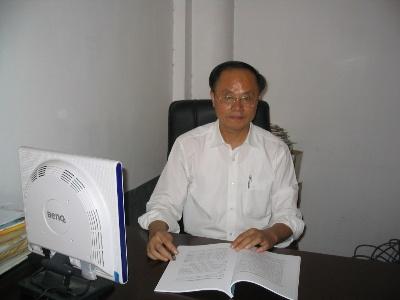 ZeKui Zhou (周泽魁)合作论文数National Key Lab of Industrial Control Technology, Zhejiang University55
 Yunqi Cao (曹云琦)合作论文数College of Control Science and Engineering, Zhejiang University39
 Yuqi Cao (曹雨齐)合作论文数College of Control Science and Engineering, Zhejiang University25
 Hongjian Zhang (张宏建)合作论文数College of Control Science and Engineering, Zhejiang University25
 Jie Yu (喻洁)合作论文数College of Control Science and Engineering, Zhejiang University23
 Shuyu Fan合作论文数19
 Haozhen Chi合作论文数16
 Xusheng Kang合作论文数13
 Chenyang Gao合作论文数12
 Weiting Ge (葛维挺)合作论文数12
 Hang Yin合作论文数College of Civil Engineering and Architecture, Zhejiang University11Ziying Zhu合作论文数10
 Mengbao Fan (范孟豹)合作论文数School of Mechanical and Electrical Engineering, China University of Mining and Technology10Mengyao Fu合作论文数8Li Xian合作论文数8Yehao Ma合作论文数7Xiai Chen (陈锡爱)合作论文数7Bo Ye (叶波)合作论文数7
 Binghua Cao (曹丙花)合作论文数School of Information and Control Engineering, China University of Mining and Technology7Tianheng Feng (冯天恒)合作论文数7Cai Jin-hui合作论文数6Qiaojun Yu合作论文数6Liu BaoLing合作论文数6Pei Hua Chen合作论文数6Xiaoxuan Song合作论文数6
 Jun Liang (梁军)合作论文数College of Control Science and Engineering, Zhejiang University5
 Yushan Zhou合作论文数5
 Jiegen Shi合作论文数5Jian Zhang合作论文数5
 Yongkui Tang合作论文数Dept Elect & Comp Engn, Univ Southern Calif5GuoHou Li (李国厚)合作论文数5
 Xiang Xie合作论文数Department of Engineering, University of Cambridge5Zhigang Yan合作论文数5
 Banteng Liu合作论文数5Shuxun Wang合作论文数4Naifu Zhu合作论文数4Yitong Cao合作论文数4
 Dezhan Tu合作论文数Department of Electrical & Computer Engineering, University of California, Los Angeles4zhangwei huang (黄章炜)合作论文数4shu liu合作论文数Zhejiang Univ, Dept Control Sci & Engn, State Key Lab Ind Control Technol, Hangzhou 310027, Peoples R China4
 Haifeng Zhao (赵海峰)合作论文数4
 Liangfei Tian (田良飞)合作论文数College of Biomedical Engineering and Instrument Science, Zhejiang University4
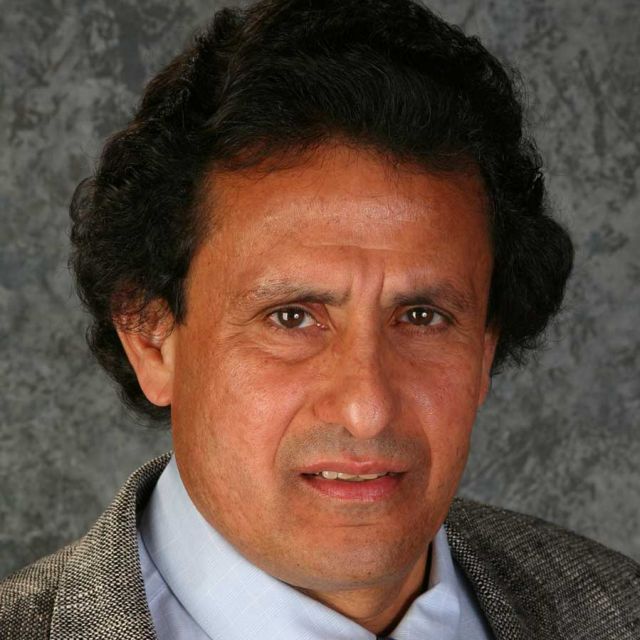 Hugo Loaiciga合作论文数Department of Geography, University of California, Santa Barbara4
 Ke Wang (王珂)合作论文数中国建筑技术中心环境工程研究室4
 Wei Li (李巍)合作论文数College of Integrated Circuit Science and Engineering, Nanjing University of Posts and Telecommunications4ye h ma合作论文数3Hanxiao Guan合作论文数3




