Background The morphological appearance of zona pellucida (ZP) is considered to be predictive of the quality of the oocytes and embryos. Agar-like ZP represents a common type of ZP abnormality, which is usually associated with significant defects in oocyte maturation and typically leads to unfavorable assisted reproductive technology (ART) outcomes. Currently, the intrinsic properties of agar-like ZP oocytes remain unclear, and effective strategies to improve the ART outcomes for such patients are still lacking.Methods We explored the intrinsic characteristics of metaphase I (MI)-arrest oocytes with agar-like ZP through RNA sequencing, immunofluorescence, and polarization microscope. Preemptive intracytoplasmic sperm injection (Pre-ICSI), i.e., performing ICSI on MI-arrest oocytes with agar-like ZP, was attempted, and its clinical outcomes were evaluated. What's more, we analyzed the potential mechanism of the effectiveness of Pre-ICSI.Results We uncovered the intrinsic nature of MI-arrest oocytes with agar-like ZP, revealing that these oocytes have inherently achieved nuclear and cytoplasmic maturation and should not be abandoned. Based on the fertilization and developmental potential of MI-arrest oocytes with agar-like ZP, we proposed Pre-ICSI as a targeted therapeutic strategy for such oocytes. Clinical results confirmed Pre-ICSI enabled the successful fertilization and development of these oocytes into available embryos, significantly improving the ART outcomes for patients with agar-like ZP. Further mechanical properties detection showed that the stiffness of agar-like ZP and narrow perivitelline space mechanically restrained the first polar body (PB) separating from the cytoplasm in space during the first meiosis. The mechanical intervention of Pre-ICSI, along with the dynamic changes in the cytoplasm post-insemination, provided space for the extrusion of PBs, thus facilitating the fertilization process.Conclusions MI-arrest oocytes with agar-like ZP possess intact nuclear and cytoplasmic maturation, representing a highly viable and valuable gamete pool rather than inherently defective discards. When managed with the targeted Pre-ICSI strategy, these oocytes can be successfully rescued, significantly improving the yield of available embryos and the overall success rate of IVF for these patients.
Background: Various controversial conclusions exist regarding the reproductive toxicity of cyclophosphamide, creating uncertainties about the recovery timeline of maternal reproductive capacity and offspring health. Methods: Using a mouse model with a clinically relevant cyclophosphamide dosing regimen, we examined the recovery of female reproductive function after exposure and the long-term survival and development of their offspring. Results: Our findings revealed that cyclophosphamide exposure shortened the maternal reproductive lifespan, characterized by early fertility impairment at one week (p < 0.05), transient recovery at two weeks (p > 0.05), a subsequent decline at four weeks with further deterioration, and eventual progression to infertility at six months (p < 0.01). F1 pups from the cyclophosphamide group exhibited growth restriction, higher mortality rates, delayed pubertal onset, and impaired neurodevelopment during long-term follow-up. Although some parameters transiently improved at 2 weeks post-withdrawal, these abnormalities persisted or recurred at 4 and 8 weeks, indicating that developmental defects were not lessened by prolonging the medication withdrawal period. Conclusions: These findings demonstrate irreversible gonadotoxicity and developmental toxicity following cyclophosphamide exposure in this mouse model.
Stem cells and their derived extracellular vesicles (EVs) offer hope for functional reconstruction and fertility in premature ovarian insufficiency (POI) caused by gonadotoxic drugs. However, the clinical application of EVs is impeded by their instability, limited tissue penetration, and lack of targeted delivery to ovarian injury sites. Here, we introduce an injectable hydrogel loaded with nanomotor-driven EVs (LEVs-Gel) for targeted POI therapy. In the POI ovarian microenvironment, reactive oxygen species (ROS) and inducible nitric oxide synthase (iNOS) are highly expressed, acting as chemoattractants to promote the chemotactic behavior of nanomotors LEVs. The LEVs are loaded in a thermosensitive hydrogel to enhance the retention and stability of EVs at the ovary. Following local injection of LEVs-Gel into the ovaries of POI mice, the nanomotors LEVs effectively penetrated the epithelial layer and the tunica albuginea, significantly enhancing the permeability of the cortical and medullary regions. This intervention successfully restored ovarian endocrine and reserve functions, thereby improving reproductive fertility. Further mechanistic studies revealed that the therapeutic efficacy of LEVs-Gel is mediated through the maintenance of oxidative-antioxidative balance, inhibition of apoptosis, and promotion of ovarian angiogenesis. Overall, this integrated therapy presents a promising targeted strategy for patients with POI caused by chemotherapy.
OBJECTIVE:The revised 2023 International Federation of Gynecology and Obstetrics (FIGO) staging scheme for endometrial cancers (ECs) classifies tumors without myometrial invasion and with a non-aggressive histology as stage IA1, while those with aggressive histology are upgraded to stage IC. However, clinical guidelines lack evidence regarding prognostic and treatment strategies. This study evaluated survival outcomes of stage IC ECs and the impact of adjuvant therapy. METHODS:Data from the Chinese cohort and the Surveillance, Epidemiology, and End Results (SEER) database were retrospectively analyzed. Overall survival (OS) and recurrence-free survival (RFS) were assessed using Kaplan-Meier curves and Cox-regression methods to assess treatment outcomes and identify risk factors. RESULTS:Patients with stage IC had poorer 5-year-RFS (China: IA1 vs. IC, 97.5% vs 92.84%) and OS (SEER: IA1 vs. IC, 95.95% vs. 86.25%) than stage IA1. Despite 34/44 (77.3%) patients from China and 483/886 (54.5%) patients from SEER cohort received adjuvant therapy, no RFS (Chinese cohort, p=0.489) or OS (SEER cohort, p=0.560) improvement was observed, and neither chemotherapy, radiotherapy, nor their combination improved prognosis than no adjuvant therapy for ECs in stage IC ECs. Non-endometrioid histology was the only independent risk factor for worse OS (hazard ratio=1.672, 95% confidence interval=1.009-2.77). Subgroup analyses revealed no survival benefit from adjuvant treatment in endometrioid (p=0.943) or non-endometrioid (p=0.884) tumors. CONCLUSION:In ECs without myometrial invasion, stage IC has poorer prognosis than IA1. However, adjuvant therapy did not improve survival, regardless of histologic subtype.
At present, the known genetic causes of abnormal oocyte development can only account for a minority of female infertility. In our previous study, the mutation c.1101 C > G, p.Tyr367* in discs large-associated protein 5 (DLGAP5) was identified as a novel genetic cause of human oocyte maturation abnormality and female infertility. The present study aimed to validate the function of DLGAP5 in oocyte maturation and further explore the underlying mechanism by which DLGAP5 regulates oocyte meiosis. Cell experiments elucidated that DLGAP5 participates in cell division, and its depletion induced G2/M arrest. The depletion of DLGAP5 in human oocytes by microinjection of siRNAs resulted in abnormal spindle morphology and oocyte maturation defects, exhibiting reduced germinal vesicle breakdown and polar body 1 extrusion rate. In addition, a similar phenotype of abnormal oocyte development was observed in Dlgap5-deficient mouse oocytes, which could be rescued by DLGAP5 cRNA microinjection. Furthermore, single-cell RNA Sequencing showed Dlgap5 knockout altered expression of genes involving in meiosis process in oocytes and deactivated PI3K-AKT signaling pathway. And PI3K-AKT activators facilitated the oocyte maturation resumption in Dlgap5-deficient mice. DLGAP5 has been demonstrated to regulate the process of oocyte maturation via the activation of PI3K-AKT pathway. It reinforces the significant role of DLGAP5 function in oocyte maturation regulation and reveals the underlying mechanism. It provides crucial insights into clinical consultation, genetic diagnosis, and treatment strategies among infertile patients.
Recurrent implantation failure (RIF) remains a significant clinical challenge in assisted reproductive technology. Its etiology is often attributed to inadequate endometrial receptivity, yet the underlying molecular mechanisms are poorly characterized, leading to a lack of reliable diagnostic biomarkers and targeted treatments. We conducted RNA sequencing on endometrial biopsies obtained during the window of implantation from 9 RIF patients and 13 fertile controls. Differential gene expression analysis was performed, followed by comprehensive functional enrichment analysis (GO (Gene Ontology), KEGG (Kyoto Encyclopedia of Genes and Genomes), and GSEA (Gene Set Enrichment Analysis)). The expression of key candidate genes was validated using qRT-PCR, Western blotting, and immunohistochemistry. RNA sequencing revealed 103 differentially expressed genes in RIF endometrium. GO and KEGG analyses consistently highlighted significant enrichment in immune-related processes and pathways, particularly acute inflammatory response, leukocyte-mediated immunity, and complement activation. GSEA highlighted strong enrichment of immune pathways including natural killer cell-mediated cytotoxicity and interleukin signaling, which emphasized dysregulation of immune and inflammatory processes. Key upregulated molecules including EDNRB, AACT, REL, USP18, and ANG were validated experimentally, suggesting their potential as biomarkers for RIF. Our study delineates a distinct immune-dysregulated transcriptomic profile in the endometrium of RIF patients, providing crucial insights into the pathogenesis of this condition. The validated genes, EDNRB, AACT, REL, USP18, and ANG, represent promising biomarkers with significant potential for improving the diagnosis and future therapeutic strategies for RIF.
Tumor vaccines enhance the immune response and cytotoxicity of tumor-specific T cells and show promising clinical therapeutic efficacy. Although most cervical cancer cells express HPV-related oncoproteins, some do not. Additionally, neoantigens worth attracting attention for cervical cancer (CC) may hold the potential for breakthroughs in the development of cervical cancer vaccines. A comprehensive computational analysis was conducted based on the tumor genome, transcriptome, and proteome data from 284 cervical cancer samples obtained from the TCGA database. Frequently mutated genes were identified. The levels of immune cell infiltration were analyzed using RNA-seq data, high-frequency mutated genes were identified as candidate genes that were significantly related to immune infiltration. Focusing on MHC class I epitopes recognized by CD8 + T cells, we predicted potential neoantigen peptides using the NetMHCpan-4.0 and NetCTL-1.2 algorithms. To further confirm the immunogenicity of the synthesized peptides, we performed flow cytometry and real-time PCR in vivo to examine markers of T cell activation and cytotoxicity. We also stimulated PBMC from patients with the corresponding HLA type with the synthesized peptides using an ELISpot assay. We identified 30 highly mutated genes, among which TTN, PRKDC, PCLO, MUC17, HUWE1, RYR2, and CREBBP positively correlated with immune cell infiltration into the tumor microenvironment. PCLO exhibited higher protein expression in tumor tissues than in the corresponding normal tissues, making it a potential tumor antigen. The PCLO peptides SISRFTLEK and LSEAGHFFY exhibited the highest predicted scores among the cancer antigens and strong immunogenicity in vivo. Our analysis highlights the potential of PCLO as a candidate gene for enhancing immune cell infiltration and activating immune responses in tumors. The peptides SISRFTLEK (PCLOL4169F) and LSEAGHFFY (PCLOA3000S) are promising targets for tumor vaccines.
Cyclophosphamide (CTX) can result in particularly severe ovarian damage by the broad range of damaging mechanisms, yet now single compounds struggle to provide comprehensive protection against CTX-induced ovarian damage. Salviae Miltiorrhizae Radix et Rhizoma (SM), as the traditional Chinese medicines (TCMs) with multi-component nature, offers hope for prevention and treatment against multi-mechanistic drugs causing ovarian damage. In this study, we aimed to investigate the protective effect of SM on ovarian hypofunction induced by CTX and explore its underlying mechanisms in mice. The Salvia miltiorrhiza Bunge with a final concentration of 1.33 g/mL was administrated daily by gavage in mice with tumor xenografts and/or CTX intraperitoneal intervention. The subcutaneous xenograft tumor volume of each mouse was recorded and calculated every 3 days by measuring its width and length. After drug administration, estrous cycle was monitored and follicle counting was performed by H E staining, as well as ELISA assays for serum hormone and mating experiment for fertility assessment. The apoptosis inhibition, antioxidant capacity, vascular protective and anti-fibrotic effects of SM was respectively evaluated by TUNEL staining, ROS, DPPH scavenging and antioxidant enzymes assays, vascular morphological observation, masson staining, as well as immunofluorescence staining and western blotting for the related-protein expression. SM didn’t affect the anti-cancer efficacy of CTX and tumor growth rate in vivo. After SM administration for 41 days, the dropped body weight and decreased ovarian index caused by CTX gained obviously, the disturbed estrus cycle was markedly restored, a significant increase emerged in the levels of AMH and E2 and a significant decrease appeared synchronously in FSH levels, a significant increase in primordial follicles and a corresponding decrease in atretic follicles was showed with the same increasing trend in the primary follicles, secondary follicles and antral follicles. Our results also showed that CTX could lead to pregnancy rate decreased, especially the average stillbirth rate raised obviously, both of which could be improved by SM, but without effect on the average litter size and body weight of alive pups. In-depth research showed that SM could effectively attenuate CTX-induced granulosa cells apoptosis to a certain extent by blocking the activation of the apoptotic proteins, also alleviate oxidative stress damage caused by CTX through its anti-oxidative stress ability, even reverse CTX-induced ovarian vascular occlusion and alleviate ovarian tissue fibrosis. Our findings verified that SM could significantly reduce primordial follicle (PMF) loss and follicular atresia, and ameliorate CTX-induced ovarian dysfunction and poor fertility, but didn’t affect the anti-tumor effect of CTX and tumor growth. Further compelling evidence was provided that, the protective effect of SM may be related to apoptosis inhibition, low oxidative stress, vascular protection and anti-fibrotic effect, which further confirmed the comprehensive protection of SM on CTX-induced ovarian damage, thereby supporting its potential clinical efficacy in mitigating chemotherapy-induced decline of ovarian function.
RESEARCH QUESTION:What are the effects of paclitaxel (PTX) exposure on parental oocyte quality and offspring development? DESIGN:The developmental capacity of oocytes was evaluated by in-vivo and in-vitro administration of PTX to female ICR mice. Subsequently, a mating experiment was implemented, and offspring growth and development were observed and analysed. In addition, learning and memory abilities were evaluated using the Morris water maze, and genomic stability was evaluated using whole-exome sequencing. RESULTS:The in-vitro and in-vivo studies confirmed, for the first time, that PTX primarily affected metaphase I oocytes, and not germinal vesicle oocytes. The in-vivo study suggested that these adverse effects soon returned to normal levels, and did not last beyond two oestrous cycles. Consistent with this, the pregnancy rate decreased sharply for a short period of time and then recovered gradually, without an obvious impact of PTX on the live birth rate, average litter size, or body weight of offspring. Most importantly, PTX did not affect normal growth, learning and memory ability, or genomic stability in offspring. A higher frameshift number was found on Day 1 post exposure. CONCLUSIONS:PTX exposure of metaphase I oocytes had a temporary adverse impact on oocyte quality, but no obvious abnormalities were observed in offspring. This suggests that PTX has low ovarian toxicity, and could provide a laboratory basis for the recommended gestation time following PTX withdrawal.
Premature ovarian insufficiency (POI) is an essential cause of reduced fertility and quality of life in young women. Mesenchymal stem cells (MSCs) and MSCs-derived extracellular vesicles (EVs) have the ability to migrate to damaged tissues and are considered as promising therapeutic approaches for POI. However, the homing ability and therapeutic efficacy of MSCs administered in vivo are still insufficient, and their potential tumorigenicity and multi-differentiation potential also bring many doubts about their safety. The targeting ability and migration efficiency of MSCs can be improved by genetic engineering and surface modification, thereby maximizing their therapeutic efficacy. However, the use of viral vectors also has increased safety concerns. In addition, EVs, which seem to be the current therapeutic alternative to MSCs, are still poorly targeted for distribution, although they have improved in terms of safety. This paper reviews the comparative therapeutic effects of MSCs and their derived EVs on POI, their biodistribution after in vivo administration, and the most important possible ovarian targeting strategies. Difficulties such as homogeneity and yield before clinical application are also discussed. This article will provide new insights into precision therapy and targeted drug delivery for female ovarian diseases.
Ovarian aging reduced the quality of oocytes, resulting in age-related female infertility. It is reported that mesenchymal stem cells (MSCs) therapy can improve age-related ovarian function decline and the success rate of in vitro maturation (IVM) in assisted reproductive therapy. In order to investigate the effectiveness and mechanisms of MSCs to enhance oocyte quality of cumulus oocyte complexes (COCs) in advanced age, this study focus on the respective functional improvement of oocytes and granulosa cells (GCs) from aging mice and further to explore and verify the possible mechanisms. Here, we studied a popular but significant protein of follicular development, Forkhead box O-3a (FOXO3a), which is a transcription factor that mediates a variety of cellular processes, but the functions of which in regulating oocyte quality in MSCs therapy still remain inconclusive. In this study, the RNA-seq data of metaphase II (MII) oocytes and GCs isolated from COCs confirmed that, GCs of immature follicles show the most potential to be the targeted cells of bone marrow mesenchymal stem cells (BMSCs) by FOXO3a signaling pathway. Furthermore, we demonstrated the effectiveness of BMSCs co-culture with aging COCs to enhance oocyte quality and found its mechanism to function via ameliorating the biological function of GCs by alleviating FOXO3a levels. These results provide significant fundamental research on MSCs therapy on ovarian aging, as well as offering guidance for raising the success rate of assisted reproductive technology such IVM in clinical and non-clinical settings.
Mesenchymal stem cells (MSCs) have become popular tool cells in the field of transformation and regenerative medicine due to their function of cell rescue and cell replacement. The dynamically changing mitochondria serve as an energy metabolism factory and signal transduction platform, adapting to different cell states and maintaining normal cell activities. Therefore, a clear understanding of the regulatory mechanism of mitochondria in MSCs is profit for more efficient clinical transformation of stem cells. This review highlights the cutting-edge knowledge regarding mitochondrial biology from the following aspects: mitochondrial morphological dynamics, energy metabolism and signal transduction. The manuscript mainly focuses on mitochondrial mechanistic insights in the whole life course of MSCs, as well as the potential roles played by mitochondria in MSCs treatment of transplantation, for seeking pivotal targets of stem cell fate regulation and stem cell therapy.
Background: Large cancer registries help analyze the prognosis of rare malignancies, such as advanced vulvar cancer. This study aimed to compare the overall survival (OS) rates of patients with metastatic vulvar cancer who had undergone chemoradiotherapy and radiotherapy alone and identify prognostic factors using data from the Surveillance, Epidemiology, and End Results (SEER) registry. Methods: In this retrospective cohort study, we used the SEER database to identify patients with metastatic vulvar cancer diagnosed between 2000 and 2019. Propensity score matching was performed to balance the covariates. Kaplan-Meier curves and Cox models were used to analyze OS. Results: A total of 685 patients were included and divided into chemoradiotherapy and radiotherapy groups, and 400 patients were included after propensity score matching. The chemoradiotherapy group had higher OS in the matched cohort (hazard ratio [HR] = 0.7367; 95% confidence interval [CI]: 0.5906-0.9190; P = 0.0049) than the radiotherapy group, which was similar to that in the pre-matched cohort (P < 0.0001). Patients who had undergone surgery + radiotherapy with or without chemotherapy showed higher OS rates than those who had received radiotherapy with or without chemotherapy for patients aged <75 years and local tumor excision/ destruction or surgical removal of the primary site was the recommended surgical choice (P < 0.05). Chemoradiotherapy is sufficient for patients >75 years of age. Conclusions: Patients with metastatic vulvar cancer should undergo surgery if they can tolerate it. Adjuvant chemoradiotherapy should be encouraged because this treatment modality was associated with higher OS than radiotherapy alone.
Background:Immunotherapy favors patients with tumors; however, only 3-26.3% of patients with cervical cancer benefit from single-agent immune checkpoint inhibitors. Combined immunotherapy and chemotherapy has been explored against tumor; however, the combination remains controversial. This study aimed to investigate the tumor immune microenvironment (TIME) and the effects of platinum-based neoadjuvant chemotherapy (NACT) in cervical cancer to identify the clinical value of combining chemotherapy with immunotherapy.Methods:Multiplex immunohistochemistry (IHC) with 11 markers (cluster of differentiation [CD]3, CD8, CD4, CD11c, CD68, forkhead box P3 [Foxp3], programmed cell death 1 [PD-1], programmed cell death 1 ligand 1 [PD-L1], indoleamine 2,3-dioxygenase [IDO], cyclin-dependent kinase inhibitor 2A [p16], and cytokeratin [CK]) was performed to evaluate TIME from 108 matched pre- and post-NACT cervical cancer samples. The mechanism of antitumor immunity triggered by NACT was explored using RNA sequencing (RNA-seq) from four paired samples and subsequently verified in 41 samples using IHC.Results:The infiltration rate of the CD8+ T cells in treatment-naive cervical cancer was 0.73%, and those of Foxp3+ regulatory T cells (Tregs) and IDO+ cells were 0.87% and 17.15%, respectively. Moreover, immunoreactive T cells, dendritic cells, and macrophages were more in the stromal than the intratumor region. NACT increased dendritic, CD3+ T, CD8+ T, and CD4+ T cells and decreased Tregs. The aforementioned alterations occurred predominantly in the stromal region and were primarily in responders. Non-responders primarily showed decreased Tregs and no increase in CD8+ T or dendritic cell infiltration. Furthermore, dendritic cells interacted more closely with CD3+ T cells after NACT, an effect primarily observed in responders. RNA-seq data revealed activation of the antigen receptor-mediated signaling pathway and upregulation of major histocompatibility complex (MHC) I and MHC II after chemotherapy, validated using IHC.Conclusions:NACT can reduce Tregs, and when tumor cells are effectively killed, antigen presentation is enhanced, subsequently activating antitumor immunity finitely. Our study provides the molecular characteristics and theoretical basis for the simultaneous or sequential combination of platinum-based NACT and immunotherapy for cervical cancer.
Introduction Currently, the treatment strategies for angular pregnancy in the first trimester after assisted reproduction technology (ART) are unclear. Improper treatment will cause unnecessary losses to patients, especially infertile patients, after ART. The purpose of this study was to clarify the pregnancy outcomes of expectant treatment for angular pregnancy post-ART and to provide a basis for the formulation of clinical treatment strategies. Method This retrospective case series study was performed at the Reproductive Medicine Center of a university hospital. Maternal data and pregnancy outcomes were collected and analyzed for all patients diagnosed with angular pregnancies after ART between January 2016 and August 2021. The outcomes included live birth, term birth, premature birth, early pregnancy loss, fetal death, placental abruption, uterine rupture, maternal death, and hysterectomy. Results A total of 78 patients were analyzed in this study, of whom 54 (69.2%) had live births, 44 (56.4%) had term births, 21 (26.9%) had an early pregnancy loss, 1 (1.3%) had mid-trimester missed abortion, 1 (1.3%) underwent mid-trimester labor induction due to fetal malformation, and 1 (1.3%) underwent uterine rupture. There were no cases of maternal death, placental abruption, or hysterectomies. Discussion Angular pregnancy after ART is not as dangerous as that described in previous studies; most cases could be treated expectantly under close-interval follow-up and obtain live birth.
Ovarian tissue oocyte (OTO) in vitro maturation (IVM) is a strategy to improve fertility preservation efficiency. Here, the effects of capacitation IVM (CAPA-IVM) on OTO function were investigated. Immature cumulus-oocyte complexes (COCs) from unstimulated 28-day-old mouse ovaries (mimicking OTOs) underwent CAPA-IVM, standard IVM (S-IVM) or in vivo maturation following ovarian stimulation (OS; positive control), and oocyte meiotic maturation and cytoplasmic quality were assessed. CAPA-IVM resulted in improved oocyte meiotic maturation (P < 0.05) and cumulus expansion (P < 0.0001) compared to S-IVM, with expansion comparable to the OS group. MII OTO ROS was lower after CAPA-IVM than S-IVM (P < 0.0001) but not as low as in the OS group (P = 0.036). CAPA-IVM resulted in a better oocyte mitochondrial distribution than S-IVM (P < 0.05) and was similar to the OS group (P > 0.05). Mitochondrial membrane potential in MII OTOs was higher after CAPA-IVM than S-IVM and OS (P < 0.0001). Compared with S-IVM, CAPA-IVM resulted in lower rates of spindle/chromosome configuration and cortical granule distribution abnormalities (P < 0.05), which were similar to OS levels (P > 0.05). MII OTO intracellular Ca2+ levels were similar in the CAPA-IVM and OS groups (P > 0.05), while S-IVM decreased intracellular Ca2+ (P < 0.05). CAPA-IVM and S-IVM decreased mitochondrial Ca2+ levels (P < 0.05). CAPA-IVM increased expression of antioxidant genes (Sod2 and Sirt1) and Egfr (P < 0.05) but not apoptotic genes (Bcl2, Bax and Bcl2/Bax; P > 0.05). CAPA-IVM increased the OTO maturation rate and quality of oocytes from unstimulated mice to the extent that many features of oocyte cytoplasmic quality were comparable to superovulated in vivo matured oocytes.
5520 Background: First-line treatments for locally advanced cervical cancer (LACC) have limited efficacy and neoadjuvant chemotherapy (NACT) is an emerging approach, however, two-thirds of patients (pts) respond to it and pts without response benefit little. PD-1 inhibitors have shown promising role in recurrent or metastatic cervical cancer. This study aims to evaluate the efficacy and safety of preoperative PD-1 inhibitor camrelizumab combined neoadjuvant therapy for LACC. Methods: The study is designed as a multicenter, open-label, single-arm, prospective phase II study. Pts are enrolled if they had previously untreated LACC (2018 FIGO staged IB3, IIA2 and IIB/IIIC1r (tumor size > 4cm). Eligible pts will receive neoadjuvant chemo-immunotherapy (NACIT), defined as one cycle of cisplatin (75-80 mg/m2, iv) plus nab-paclitaxel (260 mg/m2, iv) NACT and subsequent two cycles of camrelizumab (200mg, iv) combined NACT. Either surgery or concurrent chemoradiotherapy are conducted according to the response as per the Response Evaluation Criteria In Solid Tumors (RECIST) version 1.1. The primary endpoint was objective response rate (ORR), and the secondary endpoints were pathological complete remission (pCR) rate, rate of postoperative adjuvant treatment, event-free survival, overall survival and safety. Results: From Dec 1, 2020 to Feb 1, 2023, 83 pts were enrolled, and 78 pts were evaluated for response. The ORR was 100% (95%CI, 95.38 to 100), with 14 (17.95%) complete response (CR) and 64 (82.05%) partial response. Regarding the pathological findings of 76 pts who underwent radical surgery, 30 (39.47% (95%CI, 28.44 to 51.35)) pts achieved pCR, while 17 (22.37%) needed postoperative adjuvant treatment as indicated in NCCN guideline, of who 14 had positive pelvic nodes, positive surgical margin, and/or positive parametrium and the other three met Sedlis criteria. RECIST CR was significantly associated with pCR ( P = 0.016). Pre-treatment PD-L1 expression (Combined Positive Score) was a predictive biomarker for RECIST CR ( P = 0.036) but not for pCR ( P = 0.078) in these evaluated patients. Grade 3 or 4 treatment-related adverse events occurred in 35 (44.87%) pts during NACIT; the most common were lymphocytopia (25.64%), neutropenia (12.82%) and leucopenia (8.97%). Conclusions: NACIT for LACC demonstrated extremely high ORR and pCR rate with manageable toxicity profile, and greatly reduced the need of postoperative adjuvant therapy. Clinical trial information: NCT04516616 .
Abstract Background The rescue in vitro mature(Rescue IVM) technique allows the use of immature oocytes collected in conventional COH to obtain more mature oocytes for fertilization through in vitro maturation. Some studies have shown that Rescue IVM could improve clinical outcomes in patients undergoing IVF/ICSI, but the effectiveness and the indications for the clinical application of this technique remain controversial. It remains to be studied whether Rescue IVM should be universally applied in all conventional IVF/ICSI cycles. Method This is a large retrospective cohort study that included a total of 22,135 female patients undergoing their first IVF treatment cycles. The effect of the number of mature oocytes(metaphaseII[MII]) on the cumulative live birth rate was investigated in a population with routine IVF/ICSI first. The receiver operating characteristic curve(ROC) analysis was used to explore the cut-off point of the number of MII affecting CLBR. Secondly, Patients undergoing ICSI with Rescue IVM were included in the analysis with those who underwent ICSI only during the same period, grouped according to the MII cut-off values. Multi-factor binary logistic regression and inverse probability weighting (IPW) were used to investigate whether Rescue IVM influenced the final cumulative live birth rate(CLBR). Results The CLBR increased with the number of MIIoocytes (P < 0.001). The ROC analysis showed the cut-off point for the number of MIIoocytes to have a significant effect on CLBR was 9 (sensitivity 0.715, specificity 0.656). Furthermore, 912 patients who underwent ICSI with Rescue IVM were included and compared to those who underwent ICSI only during the same period, and found Rescue IVM significantly increased the number of available MIIoocytes. For patients with MII numbers < 9, Rescue IVM significantly improves their clinical pregnancy rate(55.6% vs. 46.7%, P = 0.001) and CLBR(65.4% vs. 48.1%, P < 0.001), but not for those patients with MII numbers ≥ 9. Conclusion This study further clarifies the candidates for the application of Rescue IVM technique: patients with an MII oocytes < 9 in a conventional IVF/ICSI cycle. In contrast, it is not necessary for patients who already have sufficient mature oocytes(≥ 9), to avoid over-medication.
The ovary is a female reproductive organ that plays a key role in fertility and the maintenance of endocrine homeostasis, which is of great importance to women's health. It is characterized by a high heterogeneity, with different cellular subpopulations primarily containing oocytes, granulosa cells, stromal cells, endothelial cells, vascular smooth muscle cells, and diverse immune cell types. Each has unique and important functions. From the fetal period to old age, the ovary experiences continuous structural and functional changes, with the gene expression of each cell type undergoing dramatic changes. In addition, ovarian development strongly relies on the communication between germ and somatic cells. Compared to traditional bulk RNA sequencing techniques, the single-cell RNA sequencing (scRNA-seq) approach has substantial advantages in analyzing individual cells within an ever-changing and complicated tissue, classifying them into cell types, characterizing single cells, delineating the cellular developmental trajectory, and studying cell-to-cell interactions. In this review, we present single-cell transcriptome mapping of the ovary, summarize the characteristics of the important constituent cells of the ovary and the critical cellular developmental processes, and describe key signaling pathways for cell-to-cell communication in the ovary, as revealed by scRNA-seq. This review will undoubtedly improve our understanding of the characteristics of ovarian cells and development, thus enabling the identification of novel therapeutic targets for ovarian-related diseases.
 Kezhen Li (李科珍)合作论文数Tongji Hospital, Tongji Medical College, Huazhong University of Science and Technology35
 Lei Jin (靳镭)合作论文数Tongji Hospital, Tongji Medical College of Huazhong University of Science and Technology29
 Hanwang Zhang (章汉旺)合作论文数Tongji Hospital, Tongji Medical College, Huazhong University of Science and Technology29
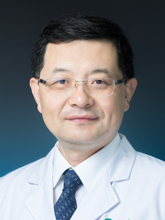 Yufeng Li (李豫峰)合作论文数Tongji Hospital, Tongji Medical College, Huazhong University of Science & Technology18
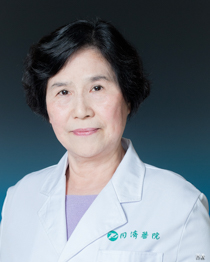 Guijin Zhu (朱桂金)合作论文数Tongji Hospital, Tongji Medical College, Huazhong University of Science & Technology18
 Xiyuan Dong (董熙远)合作论文数16Qiuyue Liao合作论文数12Yu Zheng (郑昱)合作论文数12Lingjuan Wang合作论文数10Jing Chen合作论文数9Ge Chen合作论文数8
 Zhu Lixia合作论文数8
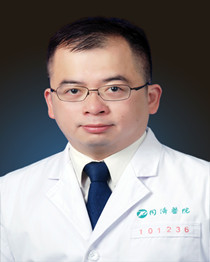 Zhou Li (李舟)合作论文数Tongji Hospital, Tongji Medical College of Huazhong University of Science and Technology8
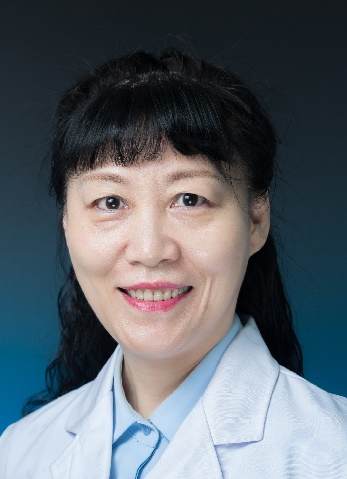 Suhua Chen (陈素华)合作论文数Tongji Hospital, Tongji Medical College, Huazhong University of Science and Technology8
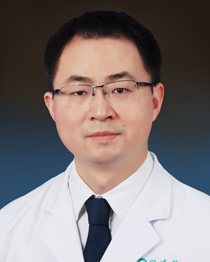 Yiqing Zhao (赵义清)合作论文数Tongji Hospital, Tongji Medical College, Huazhong University of Science and Technology8Hualin Bai合作论文数7
 Bin Yang (杨彬)合作论文数Union Hospital, Tongji Medical College, Huazhong University of Science and Technology7
 Bei Xu (徐蓓)合作论文数Tongji Hospital, Tongji Medical College, Huazhong University of Science and Technology7
 Xinling Ren (任新玲)合作论文数深圳大学总医院6
 Jing Yue (岳静)合作论文数Tongji Hospital, Tongji Medical College of Huazhong University of Science and Technology6
 Ding Ma (马丁)合作论文数Department of Obstetrics and Gynecology, Tongji Hospital, Tongji Medical College, Huazhong University of Science and Technology;School of International Education, Huazhong University of Science and Technology6Xiaolin Meng合作论文数5Liu Yang合作论文数5Shuaiqingying Guo合作论文数4Yinhua Song合作论文数4Jiachen Wu合作论文数4Zongzhi Yin合作论文数4Luo Lilan (罗丽兰)合作论文数4Han Yingyan合作论文数4
 Jonny Zhang (张研)合作论文数School of Medicine and Health Management, Tongji Medical College, Huazhong University of Science and Technology4
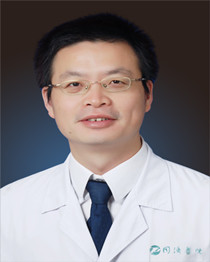 Kun Qian (钱坤)合作论文数Tongji Hospital, Tongji Medical College, Huazhong University of Science and Technology4
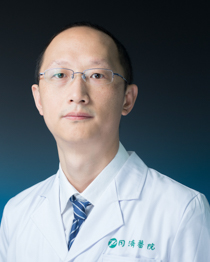 Qingsong Xi (席青松)合作论文数Tongji Hospital, Tongji Medical College, Huazhong University of Science and Technology4
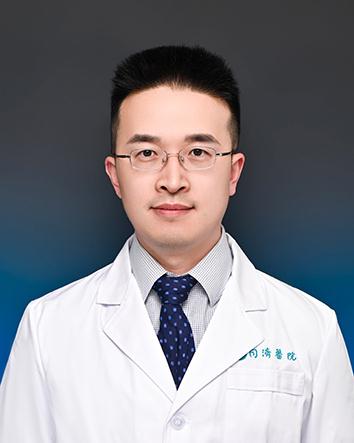 Chaoyang Sun (孙朝阳)合作论文数Tongji Hospital, Tongji Medical College, Huazhong University of Science and Technology4Fengyuan Liu合作论文数3SUN Jing (孙婧)合作论文数3Min Xiong合作论文数3Yong-qun YUAN (袁永群)合作论文数3Xue Feng合作论文数3Lan Wang合作论文数Tongji Hospital of Tongji Medical College of Huazhong University of Science and Technology3Dan Hu合作论文数3jianxin liu (刘建新)合作论文数3Li Wu (吴黎)合作论文数3Qun Liu (刘群)合作论文数3Deng Dong Mei合作论文数3
 Jun Dai合作论文数3Jie Yang合作论文数3
 Na Guo (郭娜)合作论文数College of Food Science and Engineering, Jilin University3Qin Xie (谢勤)合作论文数School of Foreign Languages, Huazhong University of Science and Technology3
 Qiaohong Lai (赖巧红)合作论文数Tongji Hospital, Tongji Medical College of Huazhong University of Science and Technology3




