In this study, we aimed to investigate the molecular mechanisms of RNA N6-methyladenosine (m6A) modification and how its associated proteins affect granulosa cell aging. A granulosa cell senescence model was constructed to detect the differences in total RNA m6A modification levels and the expression of related enzymes. Changes in downstream molecular expression and the effects on the cellular senescence phenotype were explored by repeatedly knocking down and overexpressing the key genes fat mass and obesity-associated protein (FTO), YT521-B homology domain family member 2 (YTHDF2), and matrix metalloproteinase-2 (MMP2). There was an increased total RNA m6A modification and decreased expression of the demethylase FTO and target gene MMP2 in senescent granulosa cells. FTO and MMP2 knockdown promoted granulosa cell senescence, whereas FTO and MMP2 overexpression retarded it. YTHDF2 and FTO can bind to the messenger RNA of MMP2. The extracellular signal-regulated kinase (ERK) pathway, which is downstream of MMP2, retarded the process of granulosa cell senescence through ERK activators. In granulosa cells, FTO can regulate the expression of MMP2 in an m6A-YTHDF2-dependent manner, influencing the activation status of the ERK pathway and contributing to the aging process of granulosa cells.
Introduction: Hepatic ischemia/reperfusion (I/R) injury is common after liver surgery, particularly in patients of older age. However, an understanding of the mechanism of injury remains incomplete. In this study, we explored the molecular mechanisms underlying hepatic I/R injury and associations with age in a murine model. Methods: Gene expression profiling datasets (GSE72315 and GSE10654) and a microRNA (miRNA) expression profiling dataset (GSE72315) were downloaded from Gene Expression Omnibus. Differentially expressed genes (DEGs) and miRNAs (DEMiRs) were identified using online GEO2R or R before and after hepatic I/R injury in mice. Significant Gene Ontology (GO) terms were analyzed with the DAVID functional annotation tool. The DEMiR-miRNA target gene (miRTG) networks were constructed with miRTarBase, and the differentially expressed miRNAs and genes were analyzed with real-time quantitative polymerase chain reaction and immunofluorescence staining. Results: Through bioinformatic analysis, seven novel candidate miRNAs were identified that may regulate the expression of nine genes in hepatic I/R injury. Before and after hepatic I/R injury, mmu-miR-9-5p, mmu-miR-329-3p, and mmu-miR-290a-5p showed significant differential expression both in young (1 month old) and old (1 year old) mice. miR-329-3p had the most significant differential expression, and its predicted target genes Adamts4 and Dnajb1 were also significantly upregulated. Conclusions: The decrease in miR-329-3p expression upregulated Adamts4 and Dnajb1 expression in mouse hepatic I/R injury in an age-independent manner. This finding contributes to our understanding of hepatic I/R injury, and highlights novel molecular targets for future therapeutic development.
Abstract Background Pregnant women are in a unique physiological state and the safety of medication is an important issue related to maternal and infant health. With the increasing variety of information resources, the ability of pregnant women to correctly understand and make decisions about medication information depends upon their level of medication information literacy. However, currently, there is no valid and reliable instrument to measure this concept. The purpose of this study was to develop a medication information literacy scale for use in Chinese pregnant women and to measure their medication information literacy. Methods Under the guidance of the Ellis’ Information-Seeking Model and the Comprehensive Model of Information Seeking, preliminary items were developed through a literature review, expert consultation and modification. Following a pilot study, items were selected or revised using item discrimination, item correlation analysis and feedback from the participants. The final version of the medication information literacy scale was reviewed by 731 women to establish reliability and validity. Results The final scale consisted of five domains with 22 items. The Cronbach’s α coefficient was 0.871 and test-retest reliability was 0.870. Total explained variation was 64.642%. The scale demonstrated good validity (χ2/df = 1.999, GFI = 0.899, AGFI = 0.871, SRMR = 0.046, IFI = 0.926, RMSEA = 0.054, CFI = 0.925, and TLI = 0.913). In a formal survey of pregnant women, only 27.9% of pregnant women had adequate medication information literacy. Conclusion The medication information literacy scale demonstrates good reliability and validity, and can be used to assess medication information literary of pregnant women in Chinese context, thus leading to targeted interventions for this unique population.
Context Polycystic ovary syndrome (PCOS) is one of the most common diseases that contribute to subfertility. Recent evidence showed that oocytes of women with PCOS matured in vitro away from the follicular fluid presented better potentials, whereas the reason remained unclear. Objective This work aimed to investigate whether follicular extracellular vesicles (EVs) of PCOS patients interfere with the quality of oocytes. Methods Follicular EVs of women with PCOS (PCOS-EVs) and control women (CTRL-EVs) were isolated and determined using Western blotting, nanoparticle tracking analysis, and transmission electron microscopy. The 2 types of EVs were co-cultured with murine germinal vesicle oocytes, respectively. Fluorescence-labeled EVs were used to visualize internalization by oocytes. After co-culture, oocyte maturation rates were calculated. Mitochondria distribution and reactive oxygen species (ROS) level were detected in the different groups. Spindle morphology was evaluated using immunofluorescence. Moreover, the expression of catalase (CAT), glutathione synthetase (GSS), and superoxide dismutase (SOD) was determined in the oocytes. Results Both PCOS-EVs and CTRL-EVs are bilayered vesicles, approximately 100 to 150 nm in size, and enriched in EV-associating protein markers. EVs were internalized by oocytes within 1 hour. Oocyte maturation rate decreased significantly in the PCOS-EV group compared with the CTRL-EV group, whereas the abnormal mitochondria distribution rate and abnormal spindle rate were significantly increased in the PCOS-EV group. Moreover, PCOS-EVs increased the ROS level and the expression of CAT, GSS, and SOD in the oocytes. Conclusion PCOS-EVs interfered with oocyte mitochondria and spindles and inhibited oocyte maturation. Moreover, oxidative stress induced by PCOS-EVs might be a potential cause.
Objective: To investigate the relationship between uterine niche and reproductive outcomes of in vitro fertilization (IVF) and intracy-toplasmic sperm injection (ICSI).Design: A retrospective cohort study.Setting: A reproductive medicine center.Patient(s): A total of 2,449 women with cesarean section history who underwent 2,874 IVF/ICSI cycles between January 2015 and December 2019. Intervention(s): A defect deeper than 2 mm visible under three-dimensional transvaginal sonography or hysteroscopy was defined as uterine niche. The IVF/ICSI outcomes of the first embryo transfer were obtained by telephone interview 1 year after embryo transfer regardless of fresh embryos or frozen-thawed embryos. Generalized estimating equations, logistic regression analyses, and propensity score matching were applied to clarify the relationship between uterine niche and IVF/ICSI outcomes.Main Outcome Measure(s): Primary outcome was live birth rate. Secondary outcomes were positive human chorionic gonadotropin test results, clinical pregnancy rate, implantation rate, miscarriage rate, and ectopic pregnancy rate.Results: After excluding 48 cycles for uterine malformation; 18 cycles for chromosome abnormality; 281 cycles for no available em-bryo or no embryo transfer; 5 cycles for oocyte donation; and 7 cycles for loss of follow-up, we finally included 2,231 women with 2,515 cycles in our study. Compared with women without niche, women with niche had reduced live birth rate (18.99% vs. 31.51%, : 0.51, 95% CI: 0.34-0.77), positive human chorionic gonadotropin test rate (34.08% vs. 46.40%, adjusted odds ratio [aOR]: 0.61, 95% confidence interval [CI]: 0.43-0.87), clinical pregnancy rate (29.05% vs. 42.25%, aOR: 0.57, 95% CI: 0.39-0.82) and implantation rate (25.87% vs. 36.95%, aOR: 0.53, 95% CI: 0.38-0.76). In all the sensitivity analyses, the niche group had a 7.28% to 18.22% increase in miscarriage rate even not all of them were statistically significant.Conclusion(s): Uterine niche may have a detrimental effect on subsequent fertility of women with cesarean section history undergoing IVF/ICSI treatment. Practitioners should be noted that women with uterine niches may be associated with adverse IVF/ICSI outcomes. (Fertil Steril (R) 2023;119:433-41. (c) 2023 by American Society for Reproductive Medicine.)
Sepsis is a life-threatening organ dysfunction syndrome caused by host response disorders due to infection or infectious factors and is a common complication of patients with clinical trauma, burns, and infection. Resveratrol is a natural polyphenol compound that is a SIRT-1 activator with anti-inflammatory, antiviral, antibacterial, antifungal inhibitory abilities as well as cardiovascular and anti-tumor protective effects. In recent years, some scholars have applied resveratrol in animal models of sepsis and found that it has an organ protective effect and can improve the survival time and reduce the mortality of animals with sepsis. In this study, Medline (Pubmed), embase, and other databases were searched to retrieve literature published in 2021 using the keywords “resveratrol” and “sepsis,” and then the potential of resveratrol for the treatment of sepsis was reviewed and prospected to provide some basis for future clinical research.
Women with hereditary breast cancer factors are more likely to be infertile and tend to receive fertility treatments. The safety of fertility treatments that contain hormone-related medications for ovarian stimulation has gained wide attention; however, evidence of the safety of fertility treatments is limited. This study aims to assess the association between fertility treatments and the incidence rate of breast cancer in women with a family history of breast cancer or BRCA mutations. A literature search was conducted in PubMed, Cochrane Library, and Embase. Studies concerning the effect of fertility treatments on breast cancer risk in genetically susceptible women were included. The fixed and random effects models were used to estimate the summary effects. Risk Of Bias In Non-randomized Studies - of Interventions instrument was used to assess the risk of bias in the included studies. A total of 5,282 studies were screened. Five cohort studies and three case-control studies were included. Breast cancer risk was not significantly increased by fertility treatments in general genetically susceptible women [pooled odds ratio (OR) 1.18, 95% confidence interval (CI) 0.96–1.45], women with a family history of breast cancer (pooled OR 1.35, 95% CI 0.97–1.89), or women with BRCA mutations (pooled OR 1.02, 95% CI 0.74–1.4). In subgroup analyses, there was no significant increase in breast cancer risk whether in BRCA1 mutation carriers (pooled OR 1.18, 95% CI 0.81–1.72), BRCA2 mutation carriers (pooled OR 0.54, 95% CI 0.09–3.34), or in the women treated with in vitro fertilization (pooled OR 0.75, 95% CI 0.51–1.1), clomiphene citrate (pooled OR 1.07, 95% CI 0.78–1.45) or gonadotropins (pooled OR 1.32, 95% CI 0.8–2.18). This is the first meta-analysis concerning the impact of fertility treatments on breast cancer risk in genetically susceptible women. Despite the finding that fertility treatment did not significantly increase breast cancer risk in genetically susceptible women, large prospective cohorts with more detailed information are required. Further investigations are needed to explore subtypes of breast cancer, genetic background of hormone-related breast cancer, and the association between BRCA mutations and the incidence of hormone receptor-positive breast cancer. Registration number PROSPERO(CRD42021281336).
Some concern has been expressed regarding the negative effects of low-level ionizing radiation exposure in the context of radiological evaluation prior to IVF/ICSI treatment, but the available evidence is limited and conflicting. The aim of this study is to evaluate pregnancy and neonatal outcomes of couples who did chest computed tomography (CT) prior to IVF/ICSI. This was a retrospective cohort study of 2680 IVF/ICSI fresh embryo transfer cycles conducted from January 2019 – August 2020. Fertility outcomes were compared between couples that had or had not undergone CT examination within 3 months prior to the date of oocyte retrieval and sperm collection. Miscarriage was the primary study outcome, while secondary outcomes included the number of oocytes collected, oocyte maturation, normal fertilization, number of good quality cleavage stage embryos, blastocyst formation, implantation, clinical pregnancy, ectopic pregnancy, live birth, multiple birth, Cesarean section rates, gestational weeks, maternal obstetric complications, birth weight, newborn sex ratio, and birth defect incidence. Propensity score matching was used to control for potential confounding variables. Of the 2680 cycles included in this study, couples underwent CT examination in 731 cycles. After 1:1 propensity score matching, 670 cycles were included in each group. When comparing demographic and fertility-related variables between groups that had and had not undergone CT examination after propensity score matching, we detected no significant differences in miscarriage rates (16.99
Background The emerging epitranscriptome plays an essential role in female fertility. As the most prevalent internal mRNA modification, N6-methyladenine (m 6 A) methylation regulate mRNA fate and translational efficiency. However, whether m 6 A methylation was involved in the aging-related ovarian reserve decline has not been investigated. Herein, we performed m 6 A transcriptome-wide profiling in the ovarian granulosa cells of younger women (younger group) and older women (older group). Results m 6 A methylation distribution was highly conserved and enriched in the CDS and 3’UTR region. Besides, an increased number of m 6 A methylated genes were identified in the older group. Bioinformatics analysis indicated that m 6 A methylated genes were enriched in the FoxO signaling pathway, adherens junction, and regulation of actin cytoskeleton. A total of 435 genes were differently expressed in the older group, moreover, 58 of them were modified by m 6 A. Several specific genes, including BUB1B, PHC2, TOP2A, DDR2, KLF13, and RYR2 which were differently expressed and modified by m 6 A, were validated using qRT-PCR and might be involved in the decreased ovarian functions in the aging ovary. Conclusions Hence, our finding revealed the transcriptional significance of m 6 A modifications and provide potential therapeutic targets to promote fertility reservation for aging women.
Purpose “Zygotic cleavage failure” is an embryonic phenotype that causes female infertility and failure of in vitro fertilization and/or intracytoplasmic sperm injection. We aimed to identify pathogenic variants in a female infertility patient from a consanguineous family with the “zygotic cleavage failure” phenotype. Methods Whole-exome sequencing was performed in the affected patient; Sanger sequencing was used to confirm the identified variant. The functional effect of the identified variant was further investigated in HeLa cells. Results We identified a novel homozygous missense mutation in BTG4 (c.285G > C, p.W95C) in the affected individual. Co-immunoprecipitation in HeLa cells showed the complete loss of the interaction between the p.W95C BTG4 variant protein and CNOT7. Conclusion This study confirms our previous research and expands the mutational spectrum of BTG4. Our findings complement the diagnostic genetic basis for “zygotic cleavage failure” patients and suggest that BTG4 may be a good target for future therapeutic strategies.
Reproductive disorders, including intrauterine adhesion (IUA), premature ovarian insufficiency (POI), and polycystic ovary syndrome (PCOS), are great threats to female reproduction. Recently, mesenchymal stem cells derived-extracellular vesicles (MSC-EVs) have presented their potentials to cure these diseases, not only for the propensity ability they stemmed from the parent cells, but also for the higher biology stability and lower immunogenicity, compared to MSCs. EVs are lipid bilayer complexes, functional as mediators by transferring multiple molecules to recipient cells, such as proteins, microRNAs, lipids, and cytokines. EVs appeared to have a therapeutic effect on the female reproductive disorder, such as repairing injured endometrium, suppressing fibrosis of endometrium, regulating immunity and anti-inflammatory, and repressing apoptosis of granulosa cells (GCs) in ovaries. Although the underlying mechanisms of MSC-EVs have reached a consensus, several theories have been proposed, including promoting angiogenesis, regulating immunity, and reducing oxidate stress levels. In the current study, we summarized the current knowledge of functions of MSC-EVs on IUA, POI, and PCOS. Given the great potentials of MSC-EVs on reproductive health, the critical issues discussed will guide new insights in this rapidly expanding field.
Background:down-regulation has been widely used in IVF treatment; however, it lacks reports on the impact of down-regulation on obstetrics and perinatal outcomes. The purpose of this study was to compare the obstetrics and perinatal outcomes among different down-regulation conditions. Methods:this is a retrospective cohort study on 3578 patients achieving cumulative singleton clinical pregnancy after their first oocytes retrieval cycle. Patients were grouped according to the serum estradiol after down-regulation (E2D) into three groups: <30, 30-55, >55 pg/ml. The obstetrics and perinatal outcomes, and live-birth rate per clinical pregnancy were main outcome measures. In the subgroup analysis, patients were further divided according to the mode of transfer. ANOVA, chi-square test, multivariate logistic regression, and multivariate general linear model were performed for statistical analysis. Results:the patients with E2D <30, 30-55, >55 pg/ml had similar live-birth rates. The patients with E2D <30 pg/ml had a lower risk of hypertension disorders than those with E2D 30-55 pg/ml. No difference was found in the risks of placenta previa, placenta abruption, premature rupture of membrane, hemorrhage, gestational diabetes mellitus, or intrauterine growth restriction. The newborns in the group with E2D <30 pg/ml had a lower risk of PICU admission than those in the group with E2D >55 pg/ml. There was no difference in the risks of congenital anomalies or mortality among the three groups. No differences were found in the gestational week, percentages of preterm birth and very preterm birth, birth weight, percentages of low birth weight and very low birth weight, delivery mode, or sex of newborn. Subgroup analysis showed that E2D 30-55 pg/ml was associated with a higher risk of low birth weight in patients with one fresh transfer + frozen transfer(s). Conclusion:Down-regulation has no effect on the live-birth rate per clinical pregnancy. Patients with E2D <30 pg/ml may have advantages regarding lower risks of both maternal hypertension and newborn PICU admission. E2D 30-55 pg/ml may be associated with low birth weight in patients with relatively low quality embryos.
Aim: To investigate the clinicopathological factors affecting the mSHOX2/mPTGER4 assay performance and its application in lung cancer detection in Chinese population. Materials & methods: A total of 455 subjects were recruited in this case-control study (302 untreated lung cancer patients, 153 normal subjects). Blood samples were collected before therapy and the mSHOX2/mPTGER4 level was measured with Epi proLung assay. Results: The mSHOX2/mPTGER4 sensitivity was 75.6% at 84.8% specificity. Both markers showed stage-dependent sensitivity. mSHOX2 was more sensitive to small-cell lung cancer and mPTGER4 was more sensitive to poorly differentiated lung cancer. Sensitivity increased with age but was not affected by sex. The mPRGER4/mSHOX2 sensitivity was significantly higher than that of protein markers. Conclusion: The mSHOX2/mPTGER4 assay showed some values with more limitations in lung cancer early detection.
Research question: The study objective was to evaluate the impact of a previous Caesarean section on fertility outcomes in women undergoing IVF/intracytoplasmic sperm injection (ICSI). Design: A retrospective cohort study was designed that included 1793 women undergoing IVF/ICSI who had had a previous delivery from January 2015 to December 2016. The primary outcome was live birth. Secondary outcomes were implantation, clinical pregnancy, miscarriage, ectopic pregnancy, multiple pregnancy and perinatal complications. Results: Of the 1793 women included, 796 had had a previous Caesarean section and 997 a previous vaginal delivery. Propensity score matching in a 1:1 ratio resulted in 538 women per group. Compared with women with a previous vaginal delivery, women with a previous Caesarean section had a lower live birth rate (30.1% versus 38.1%, odds ratio [OR] 0.70, 95% confidence interval [CI] 0.54-0.90) and a higher miscarriage rate (25.9% versus 17.5%, OR 1.65, 95% CI 1.06-2.56). Among other secondary outcomes, implantation rates were 32.9% and 37.1% (OR 0.83, 95% CI 0.691.01), and clinical pregnancy rates were 42.4% and 46.8% (OR 0.84, 95% CI 0.66-1.06), in the Caesarean section group and vaginal delivery group, respectively. There were no statistically significant differences in terms of ectopic pregnancy, multiple pregnancy or perinatal outcomes between the groups. Further adjustment for confounders did not change the result of the primary outcome (OR 0.64, 95% CI 0.49-0.84). Conclusions: Women undergoing IVF/ICSI who have had a previous Caesarean section have a lower live birth rate and a higher miscarriage rate than those with a previous vaginal delivery.
Background Down-regulation has been widely used in IVF treatment; however, it lacks reports on the impact of down-regulation on obstetrics and perinatal outcomes. The purpose of this study is to evaluate the effect of down-regulation on obstetrics and perinatal outcomes. Methods This is a retrospective cohort study on 3578 patients achieving singleton pregnancy after their first IVF attempt. The patients were grouped by the serum estradiol after down-regulation (E2D) into three groups: <30, 30-55, >55pg/ml. The cumulative live-birth rate, obstetrics and pediatric results were main outcome measures. General linear models and Chi-square test were performed for statistical analysis. Results The patients with E2D <30, 30-55, >55pg/ml had similar cumulative live-birth rate. The patients with E2D <30pg/ml had a lower risk for hypertension disorders than those with E2D 30-55pg/ml. No difference was found in the prevalence of placenta previa, placenta abruption, premature rupture of membrane, hemorrhage, gestational diabetes mellitus, or intrauterine growth restriction. The newborns of patients with E2D <30pg/ml had a lower risk for PICU attempt than those with E2D >55pg/ml. There was no difference in congenital anomaly or mortality rate. Conclusion We found no effect of down-regulation on cumulative live-birth rate. The patients with E2D<30pg/ml may have advantages in lower risks for maternal hypertension and newborns PICU attempt.
Hydrogen sulfide (H2S) is now increasingly considered to be the third gasotransmitter alongside other gaseous signaling molecules, nitric oxide (NO) and carbon monoxide (CO). H2S is produced by a variety of endogenous enzymatic and non-enzymatic pathways and acts as a modulator of the physiological and pathological events of the body. Adipocytes express the cystathionine γ lyase (CSE)/H2S system, which modulates a variety of biological activities in adipose tissue (AT), including inflammation, apoptosis, insulin resistance, adipokine secretion and adipocyte differentiation. Abnormalities in the physiological functions of AT play an important role in the process of diabetes mellitus. Therefore, this review provides an overview of the general aspects of H2S biochemistry, the effect of H2S on AT function and diabetes mellitus and its molecular signalling mechanisms as well as the potential application of H2S in pharmacotherapy.
Background As a new member of the vasculoprotective gasotransmitter family, hydrogen sulfide (H2S) functions similar to nitric oxide (NO) and carbon monoxide (CO). Endothelial cell (EC) death and autophagy enable cells to cope with the progression of cardiovascular diseases. However, the impacts and underlying mechanisms of H2S in the autophagic process in ECs are not completely understood. Here, we investigated the effects of H2S on autophagy in human vascular ECs. Methods Human umbilical vein endothelial cells (HUVECs) were exposed to different concentrations (0, 50, 100, 200, 500 and 1,000 µmol/L) GYY4137 (H2S donor) for indicated times (0, 0.5, 1, 2, 4 and 8 h), with or without pre-treatment with the autophagy inhibitor 3-methyladenine (3-MA) or bafilomycin A1. HUVECs were transfected with sirtuin 1 (Sirt1) overexpression plasmids (PIRES-Sirt1), Sirt1-siRNAs or forkhead box O1 (FoxO1)-siRNA using Lipofectamine 2000. Cell autophagy was evaluated via Western blotting and fluorescence microscopy. Co-immunoprecipitation assay was used to measure acetylation level of FoxO1. The distribution of FoxO1 in the cytoplasm and nucleus was observed using Western blotting and immunofluorescence. Western blotting, flow cytometric analysis, and cell count kit-8 assay were conducted to evaluate the effect of H2S on the oxidized low-density lipoprotein (Ox-LDL) induced apoptosis of HUVECs. Results Using both gain- and loss-of-function experiments, we showed that Sirt1-dependent activation of FoxO1, including its nuclear translocation and deacetylation, was critical for mediating H2S-induced autophagy in ECs. Furthermore, H2S-induced autophagy protected ECs from Ox-LDL-induced apoptosis by activating Sirt1. Conclusions These results suggest that Sirt1-mediated autophagy in ECs is a novel mechanism by which H2S exerts vascular-protective actions.
BACKGROUND:Hepatocellular carcinoma (HCC) is one of the most common malignancies with rising incidence and persistently high mortality. Previous researches have demonstrated that some PLOD family members are associated with tumor progression and metastasis in most human cancers. However, the prognostic and biological roles of PLODs in HCC remain largely unknown. METHODS:ONCOMINE, HPA, UALCAN, GEPIA, cBioPortal, GeneMANIA, NetworkAnalyst, Metascape, DAVID 6.8, and TIMER were used to determine the prognostic values and biological function of PLOD family members in HCC. RESULTS:The mRNA and protein expression patterns of PLOD family members were noticeably upregulated in HCC compared to normal tissue. The high expression levels of PLOD1 and PLOD2 genes were significantly correlated with higher tumor grades in HCC patients. In addition, the high expression levels of PLOD1-3 were remarkably associated with poor overall survival in HCC patients, while high PLOD1 and PLOD3 expression were markedly associated with worse disease-free survival. In the co-expression gene analysis, 20 genes were primarily associated with the differentially expressed PLOD family members in HCC cases. Through functional enrichment analysis, the biological functions of PLODs in HCC were mainly involved in collagen fibril organization, lysine degradation, collagen biosynthesis, and modifying enzymes. Furthermore, the expression levels of PLOD1-3 were positively correlated with the activities of tumor-infiltrating immune cells, including macrophages, neutrophils, CD4+ T cells, and dendritic cells. Besides, the expression levels of PLOD2 and PLOD3 were positively correlated with the infiltrating levels of B cells. CONCLUSION:The findings of this study could provide novel insights into the identification of prognostic biomarkers for HCC patients.
 Hanwang Zhang (章汉旺)合作论文数Tongji Hospital, Tongji Medical College, Huazhong University of Science and Technology10
 Jing Yue (岳静)合作论文数Tongji Hospital, Tongji Medical College of Huazhong University of Science and Technology7
 Lei Jin (靳镭)合作论文数Tongji Hospital, Tongji Medical College of Huazhong University of Science and Technology5
 Xiyuan Dong (董熙远)合作论文数5Bo Yang (杨波)合作论文数5
 Yiqing Zhao (赵义清)合作论文数Tongji Hospital, Tongji Medical College, Huazhong University of Science and Technology4Meng Wang合作论文数3Wu Duan合作论文数3Linshuang Li合作论文数3Haixia Yao合作论文数3Wen Yao合作论文数3Cong Sui合作论文数3Lin Zhu合作论文数3
 Zhishui Chen (陈知水)合作论文数Tongji Hospital, Tongji Medical College of Huazhong University of Science and Technology3
 Lai Wei (魏来)合作论文数Tongji Hospital, Tongji Medical College, Huazhong University of Science and Technology3
 Dong Chen (陈栋)合作论文数Tongji Hospital, Tongji Medical College, Huazhong University of Science and Technology3
 Jihui Ai (艾继辉)合作论文数Tongji Hospital, Tongji Medical College of Huazhong University of Science and Technology3Khamis Mustafa合作论文数2Ruxing Wu合作论文数2Yu Zheng (郑昱)合作论文数2Fen Chen合作论文数2
 Ting Xiong合作论文数Hubei Key Lab Food Nutr, Huazhong Univ Sci & Technol2CHENG Zhong (成忠)合作论文数2Ye Gu (顾晔)合作论文数2Ji Licheng合作论文数2Shijun Yang合作论文数2
 Rui Wang合作论文数Department of Obstetrics and Gynaecology, Clinical Sciences at Monash Health, Monash University2
 Ying Chen (陈颖)合作论文数Department of Gynecologic Oncology, Tianjin Medical University Cancer Institute and Hospital2
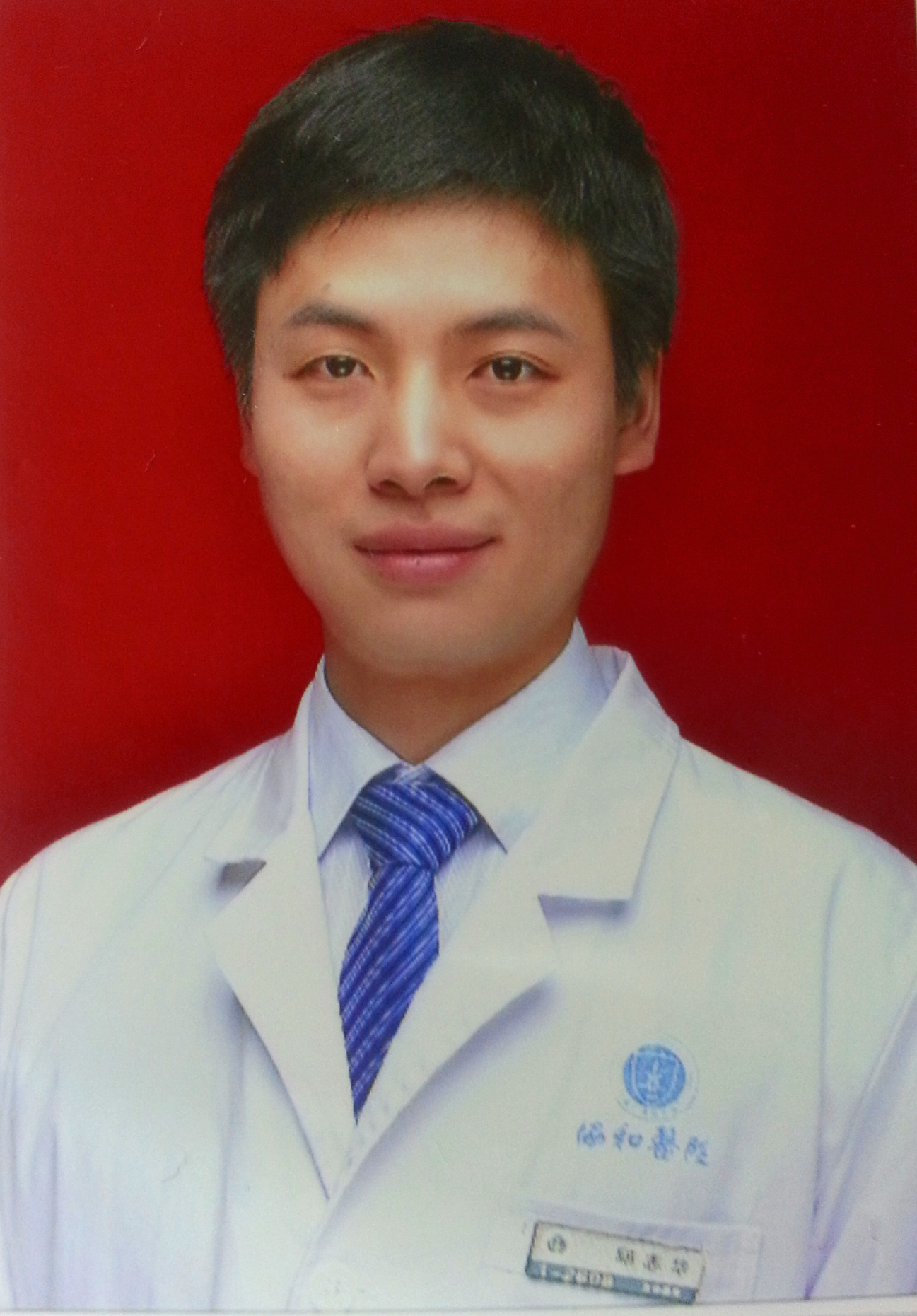 Zhihua Qiu (邱志华)合作论文数Union Hospital, Tongji Medical College, Huazhong University of Science and Technology2
 Yuanyuan Zhao合作论文数2
 Zihua Zhou (周子华)合作论文数Introduction of Union Hospital, Tongji Medical College, Huazhong University of Science and Technology2
 Kai Huang (黄恺)合作论文数Union Hospital, Tongji Medical College, Huazhong University of Science and Technology2
 Xiao Chen (陈霄)合作论文数Union Hospital, Tongji Medical College of Huazhong University of Science and Technology2
 Yuhua Liao (廖玉华)合作论文数Union Hospital, Tongji Medical College, Huazhong University of Science and Technology2
 Miao Yu (余淼)合作论文数Union Hospital, Tongji Medical College of Huazhong University of Science and Technology2
 Min Wang (王敏)合作论文数Tongji Hospital affiliated to Tongji Medical College of Huazhong University of Science & Technology2
 Xian Yu合作论文数2Chang Liu合作论文数1Jin-Yi Guo合作论文数1Xiaoting Zeng合作论文数1Xueqi Gong合作论文数1Mengge Cui合作论文数1Xianan Tang合作论文数1Fuxun Yang合作论文数1Rongan Liu合作论文数1Xiaoxiu Luo合作论文数1GONG PIN (龚频)合作论文数1Peiwen Yang合作论文数1Zhiqi Liao合作论文数1




