To address the challenges of low efficiency, poor interpretability, and insufficient human-machine collaboration in the fault diagnosis of railway wireless reconnection onboard communication equipment, this paper proposes a framework for a vehicle-ground collaborative diagnosis system based on Human-Centered AI (HCAI). The framework emphasizes a design philosophy centered on maintenance engineers, utilizing a layered architecture that combines lightweight onboard pre-diagnosis with deep ground-based analysis. This approach ensures diagnostic real-time performance while guaranteeing knowledge interpretability. The system adopts a technical route fusing knowledge graphs with lightweight deep learning models, supporting multi-level diagnosis result presentation and interactive reasoning traceability. Furthermore, the system is optimized from the dimension of sustainability to extend the equipment life cycle and reduce operation and maintenance costs.
In cloud platforms, the occurrence of failures in cloud services is usually accompanied by a substantial number of alarms, posing challenges to the operation, management, and maintenance. To address this issue, this paper proposes an alarm prediction framework based on propagation dependency and reinforcement learning for cloud services. First, a three-layer cloud service alarm knowledge graph is constructed, encompassing the device layer, service layer, and alarm layer, with the objective of integrating alarm data. Then, to filter out irrelevant alarms, an alarm compression schema is designed, taking into account both structural and semantic information. It achieves the preservation of propagation information by mining frequent alarm subtrees. After that, a reinforcement learning-based alarm prediction model is devised, including an alarm-driven reinforcement learning network and a global alarm discriminator. The former formulates the alarm propagation problem as a reinforcement learning inferencing task, and designs an immediate reward function to simulate the local propagation patterns of alarms. The latter guides the agent to learn alarm evolution patterns from a global perspective through an adversarial approach. Experimental results on two datasets demonstrate the effectiveness of our alarm compression and prediction models.
This paper presents an enhanced Anomaly Transformer for unsupervised anomaly detection in multivariate time series. We introduce a contrastive embedding module that refines the input embedding by optimizing a lightweight MLP with an InfoNCE objective, where positive pairs are pulled closer while negative pairs are pushed apart in the feature space. We further propose Unified Discrimination at the decision stage, which unifies reconstruction error and association discrepancy into a single anomaly score. Experiments on four large-scale benchmarks (SMD, PSM, MSL, and SMAP) demonstrate consistent performance gains over the Anomaly Transformer baseline, improving Precision and F1-score while maintaining high Recall, with an average $F1$-score of $\text{0. 9 5 5 4}$.
Breeding silkworms is one of the most important practices in silk production.The high efficiency and quality of the breeding can be required for the high accuracy of the gender identification on the silkworm pupae.Currently,gender identification can rely mainly on the manual observation of the gonad characteristics at the tail of pupae.It can take one week after pupation.However,manual identification cannot fully meet the requirements of the large-scale industry due to the labor intensity and cost.Machine vision can be expected in the field of silkworm pupae identification,due to the low cost,easy integration,and adaptability to online detection.All existing models have been constructed using ideal silkworm pupa images with the"intact gonads".It is often required to consider the gonad feature defects that are caused by practical working conditions,such as the pupa placement angle deviation and pupa curling in online detection.In this study,an improved lightweight real-time semantic segmentation model,named Fast-SCNN-mp,was proposed using the basic Fast-SCNN model.The performance was improved after multi-dimensional optimization.A multi-scale convolutional attention module was also introduced to detect the gonadal regions during feature extraction;Cascaded depthwise separable convolutions and bottleneck residual module were adopted to realize the efficient feature compression and enhancement;A pyramid pooling module was integrated into the feature aggregation to fuse the multi-scale contextual information,particularly for the feature representation.A series of experiments was conducted on a gonad-defective dataset over the full tilt angle range of 0~18°,>18°~45°,>45°~72°,and>72°~90°,including 875 images of 5 silkworm pupae varieties.The results showed that the precision,recall,F1-score,and accuracy of the Fast-SCNN-mp model reached 98.57%,98.65%,98.61%,and 98.61%,respectively,which were 2.79,2.73,2.76,and 2.79 percentage points higher than those of the basic Fast-SCNN model.Furthermore,the 2 conventional classifications and 5 mainstream semantic segmentation were utilized to further verify the model.On the dataset with a roll angle>72°~90°,the Fast-SCNN-mp model achieved an accuracy of 96.30%,which was comparable to that of Mask2Former,the state-of-the-art mainstream semantic segmentation,whereas the accuracy of the optimal conventional classification,convolutional compact Transformer(CCT),only reached 81.48%.In terms of the model parameters and inference speed(FPS),the Fast-SCNN-mp model shared only 2.17 M parameters,which was the lowest among all models.Meanwhile,an inference speed of 68.10 FPS also outperformed all the rest,indicating a 32.55-fold increase,compared with the top-performing model Mask2Former.In conclusion,the Fast-SCNN-mp model effectively balanced the trade-off between performance and real-time requirements,indicating the high accuracy of identification,the light weight,and high inference efficiency.The findings can provide an efficient and reliable technical solution for the online intelligent identification of the silkworm pupae.A valuable reference can also offer model optimization and application in the real-time classification tasks in modern agriculture.
Bandwidth fluctuations in cloud desktops markedly degrade video stream quality and hinder transmission strategy adaptation. Traditional unimodal methods struggle with sudden and cross-scenario fluctuations due to incomplete information. To address this, we introduce Cloud Cross-Attention Mixture-of-Experts (CCA-MoE), a multi-modal second-level bandwidth prediction model designed for robust generalization across diverse scenarios. In this study, we collect over 300,000 video frames and build a multi-modal time-series prediction model based on dualtower LSTM and cross-attention mechanisms. Furthermore, we achieve dynamic adaptation to bandwidth fluctuations through the Mixture-of-Experts (MoE) mechanism and video-driven Top-K routing strategy. The experimental results validate the effectiveness of the proposed method.
Robust localization in weakly-textured structured environments (e.g., tunnels, corridors) remains challenging due to geometric degeneracy for LiDAR and feature scarcity for visual odometry. This paper proposes a tightly-coupled LiDAR-Visual-Inertial Odometry system that leverages structural line features to enhance robustness. Unlike conventional visual methods suffering from scale ambiguity, LiDAR point clouds are used to directly resolve 2D line depth, enabling stable integration into state estimation. Experiments show lower APE on the NTU VIRAL dataset and qualitatively sharper structural reconstruction on the FAST-LIVO2 dataset.
Predictive anomaly detection (anomaly prognostics) is critical for preventing failures in mission-critical infrastructures. However, prior methods still detect anomalies only on already observed data, which limits their preventive capability in practice. To address limitations in this “Observe-Identify” paradigm, we propose Dynamic, a practical “Before-Observation” anomaly prognostics framework that completely decouples sequential dependencies in time-series data. To learn descriptive embeddings from noisy, unlabeled time-series data without anomaly prior, we propose a memory buffering technique that rectifies biases in the learned knowledge. Equipped with this module, Transformers are compiled into a duet-flow architecture that produces robust same-step and cross-step temporal sample pairs via embedding interpretation. We further design a manifold-anchored contrastive inferencer that enables “Before-Observation,” i.e., detecting anomalies on future events without access to their observations at inference time, while being trained from unlabeled historical data without any ground-truth labels. It projects pairwise samples into the latent space and captures their embedding-level discrepancies for anomaly identification. A triplet loss is designed to shape the manifold by reconfiguring the relative arrangement of projected embeddings with the anchors, yielding enhanced discriminability. Extensive experiments on 5 large-scale real-world datasets indicate that Dynamic outperforms the state-of-the-art with a 7.15 % improvement in F1-Score.
The core bottleneck of small-sample spectral modeling lies in the severe mismatch between ultra-high-dimensional spectral feature space and extremely limited sample size, which severely restricts the practical application of intelligent identification technology in the sericulture industry. The core challenge of small-sample spectral modeling stems from the mismatch between high-dimensional feature space and limited sample size. To address this issue, this study proposed a hyperspectral small-sample sex identification model of silkworm pupae (ResNet-ESA) based on the explicit sparse attention (ESA) mechanism. The ESA mechanism dynamically screens highly discriminative spectral feature segments, employing a Top-k strategy to retain key components with the highest attention weights while suppressing irrelevant noise interference. Three silkworm pupae varieties (Jingsong & times;A, 873B, 992 & times; Xian A) were used for testing, with 200 male and 200 female pupae per variety. The training-to-test set ratios were set at 1:9, 2:8, and 3:7, respectively, to simulate extreme small-sample scenarios in actual production. Ablation experiments determined the optimal ESA parameters. The proposed method was compared with AlexNet, ResNet, support vector machine (SVM), and partial least squares discriminant analysis (PLS-DA). Experimental results demonstrated that the proposed method achieved the highest sex identification accuracy across all training-test ratios. Showing overwhelming advantages in small-sample adaptability and identification stability. Additionally, through comparisons with other representative attention mechanisms-efficient channel attention (ECA) and squeeze-and-excitation (SE), it revealed that ESA focused more precisely on spectral troughs and exhibited higher attention weight values, leading to superior sex identification performance. This study breaks through the technical barrier of small-sample hyperspectral modeling in silkworm pupa sex identification, providing a reliable and efficient intelligent technical approach for automatic sex separation of silkworm pupae. It is of great practical significance for improving the efficiency of sericulture production, reducing labor costs, and promoting the intelligent and automated upgrading of the sericulture industry chain.
In this paper, we study the optimization problem of map construction for rail transportation scenarios. First, we applied hierarchical LiDAR bundle adjustment to achieve the optimization of railroad data maps. Second, we built a hardware system based on multi-sensor fusion to collect real-world railroad data, thus constructing a data set specific to the railroad scene. Finally, we conducted a series of experiments to validate the performance of the proposed algorithm, and the experimental results show that the algorithm we applied has better optimization performance in terms of consistency of map construction and computational efficiency.
There are thousands varieties of silkworm pupae in China. The existing recognition models are unable to meet the needs for the intelligent sex separation of silkworm pupae with new variety from most silkworm breeding station across the country. Re-annotating a large number of samples to build new model for each new variety will cost much time and cannot satisfy the requirement for rapid sex classification within one week. Currently, there is no research available on automated sex separation applicable to various silkworm pupa varieties. Therefore, this paper proposes an novel approach based on a pre-trained model established with a large number of labeled silkworm pupae, which employs curriculum learning and adaptive threshold updating strategy to effectively address the issue of sex identification of silkworm pupae with new varieties. Firstly, for a new variety c of silkworm pupa (either female or male) at time step t with an initial global threshold τ_t of 0.5, σ_t(c) represents the number of unlabeled data predicted to female or male that reaches the current threshold, which can reflect the learning effects for the new variety. Then, the flexible threshold T_t(c) is generated for female or male silkworm pupa with new variety. Next, the global confidence threshold τ_t is updated using exponential moving average (EMA). As learning going, the threshold gradually increases to select higher quality samples. Finally, the model is updated by computing the unsupervised loss using the updated flexible thresholds and combine with the supervised loss. Through model updating experiments involving six new varieties of silkworm pupae, the proposed method showed the performance comparable to supervised methods across all new variety of silkworm datasets, with the accuracy range of 88.33
Silkworm pupae (SP), the pupal stage of an edible insect, have strong potential in the food, medicine, and cosmetic industries. Sex sorting is essential to enhance nutritional content and genetic traits in SP crossbreeding but it remains labor intensive and time consuming. An intelligent method is needed urgently to improve efficiency and productivity. To address the problem, an automatic SP sex-separation system was developed based on computer vision and deep learning. Specifically, based on gonad features, a novel real-time SP sex identification model with cascaded spatial channel attention (CSCA) and G-GhostNet (GPU-Ghost Network) was developed, which can capture regions of interest and achieve feature diversity efficiently. A new loss function was proposed to reduce model complexity and avoid overfitting in the training. In comparison with benchmark methods on the test set, the new model achieved superior performance with an accuracy of 96.48%. The experimental sorting accuracy for SP reached 95.59%, validating the effectiveness of the novel gender-separation strategy. This research presents a practical method for online SP gender separation, potentially aiding the production of high-quality SP. © 2025 Society of Chemical Industry.
Accurate railway scene perception is crucial for safe train operations but is often challenged by motion blur from high-speed movement, degrading segmentation accuracy. This paper presents RailConNet, a multi-task model that combines semantic segmentation and depth estimation to enhance spatial understanding. By leveraging shared depth features, RailConNet improves segmentation performance. To further refine feature extraction, we propose the Cross-Modal Feature Fusion Module (CFM), which selectively integrates RGB-D data at each encoding layer, progressively enriching scene comprehension. Experimental results on the RailSem19 dataset show that RailConNet achieves 72.6% MIoU across three key categories, surpassing state-of-the art methods and demonstrating its effectiveness.
This paper proposes a novel model updating strategy named SilkwormNet for the first time to address the sex discrimination problem of silkworm pupae with new species. SilkwormNet integrates a ResNet block, a multi-head attention mechanism, and a Schedule-Free optimization strategy. Initially, the preprocessed spectra from one species were input into SilkwormNet to establish an optimal primary model. Then, the feature extraction layers and classification head remained unfrozen and the optimal weight parameters from the basic model were applied for model updating to identify the new species. Finally, SilkwormNet used only 20 % data to update model. Uniform Manifold Approximation and Projection (UMAP) and Confusion Matrix were employed to comprehensively evaluate the results. When the basic model was built using variety 221B_403, the accuracy was highly improved after model updating, for example, for variety 871B_463 increased from 50 % to 99.22 %, for variety 9312_ShanheB increased from 74.22 % to 99.22 %; for variety FB_P71 increased from 69.53 % to 98.44 %; and for variety 7532_906 increased from 50 % to 100 %. When using just 10 % data to update the model, the range of accuracy was between 90.62 % and 95.31 %. The results of SilkwormNet were also compared with SVM, Random Forest, and 1D-CNN to further demonstrate its superiority.
To identify pattern deviations in large-scale industrial infrastructures, anomaly detection is crucial yet challenging. Previous research has not adequately addressed the characteristics and deployment considerations in these complex scenarios. In this paper, we present InoU, a scalable anomaly detection framework to process unlabeled multivariate time-series data. We incorporate a VAE filter to ease impacts from noisy components in training materials. We propose a scalable trio-attention U-Transformer to construct the typical representation of high-dimensional streams and produce pseudo labels that enable the later training process. The ultra perception and intra-/ inter-flow attention mechanisms are delicately designed to aggregate information from different flows with variable granularities while keeping a global view of the data. Its nested structure helps to maintain high efficiency even when the model is scaled down. We introduce a Siamese discriminator that projects target data into manifolds, and collates discrepancies at the embedding level. This paradigm elevates detection performance far beyond segment- wise error comparison in prior works. We apply contrastive and adversarial learning techniques to optimize manifold projection and detection performance when processing unseen samples. Extensive experiments on five large-scale datasets demonstrate the effectiveness of InoU with an average F1-Score improvement of 5.58 %, significantly outperforming the state-of-the-art.
Indoor localization availability is still sporadic in industry, especially at the black-hole, i.e., there only exist cellular signals, no GPS or WiFi signals. Based on our 2-year observations at the DiDi ride-hailing platform in China, there are $ 68\,\text{k}$68k orders everyday created at black-hole. In this paper, we present TransparentLoc, a large-scale cellular localization system for pickup position recommendation of the DiDi platform. Specifically, we design a CNN model for real-time localization based on a crowdsourcing fingerprint set constructed by outdoor trajectories and abnormal cell tower detection. Then we leverage a DeepFM model to recommend an optimal pickup position for passengers. We share our 2-year experience with 50 million orders across 13 million devices in 4541 cities to address practical challenges including sparse cell towers, unbalanced user fingerprints, temporal variations, and abnormal cell towers in terms of four major service metrics, i.e., pickup position error, over-30-meters ratio, cancel ratio, and call ratio. The large-scale evaluations show that our system achieves a $ 0.54\,\text{m}$0.54m lower median pickup position error compared to the iOS built-in cellular localization system, regardless of environmental changes, smartphone brands/models, time, and cellular providers. Additionally, the over-30-meters ratio, cancel ratio, and call ratio have significant reductions of 0.88%, 0.88%, and 5.13%, respectively.
Most existing works in Industrial Internet of Things (IIoT) anomaly detection either depend on computationally intensive models that exceed the capabilities of multiaccess edge computing (MEC) servers, or lightweight models that lack robustness, making them unadaptable in IIoT infrastructures. To address these challenges, we propose THREADS , a hierarchical anomaly detection framework tailored for IIoT applications. The Instance thread utilizes an efficient variational auto encoder to produce instant feedback and offloads most of the workload to MECs. On the other hand, the Shadow thread employs an attention-enhanced transformer discriminator to examine low-confidence results in the cloud. Experimental results on five large-scale datasets show THREADS achieves an average F1-Score of 0.8537 in the hierarchical mode where most of the workloads are handled by MECs, and the random access memory and CPU usage is reduced by up to 29% and 88%, respectively. Meanwhile, THREADS achieves an F1-Score of 0.8563 in a cloud-based mode, consistently outperforming state-of-the-art approaches.
Vehicular edge computing(VEC)is emerging as a promising solution paradigm to meet the requirements of compute-intensive applications in internet of vehicle(IoV).Non-orthogonal multiple ac-cess(NOMA)has advantages in improving spectrum efficiency and dealing with bandwidth scarcity and cost.It is an encouraging progress combining VEC and NOMA.In this paper,we jointly optimize task offloading decision and resource allocation to maxi-mize the service utility of the NOMA-VEC system.To solve the optimization problem,we propose a multi-agent deep graph reinforcement learning algorithm.The algorithm extracts the topological features and re-lationship information between agents from the sys-tem state as observations,outputs task offloading de-cision and resource allocation simultaneously with local policy network,which is updated by a local learner.Simulation results demonstrate that the pro-posed method achieves a 1.52%~5.80%improvement compared with the benchmark algorithms in system service utility.
Inertial measurement units (IMUs) are widely adopted for pedestrian tracking with high-frequent, scale-consistent, and environment-independent ego-motion measurements. However, such inertial readings in smartphones are usually plagued by heavy noises, causing unexpected tracking errors and impeding the deployment at large-scale. Currently, many research works explore motion perception and position estimation with deep neural networks (DNNs), but training a general model requires sufficient and widespread data covering most scenarios. In this article, we present a smartphone inertial measurement dataset (SIMD) with more than 4500 walking trajectories, which takes about 190 h with a total walking distance of more than 700km . It covers four cities, 12 indoor and outdoor scenarios, seven phone attitudes, and more than 150 volunteers with their smartphones. To locate pedestrians indoors, we propose a general inertial tracking framework to train with our dataset and infer user's trajectory. Furthermore, we explore the potential deployment of model customization on individual smartphones. Extensive experiments have shown our effectiveness on pedestrian tracking and navigation, compared with the state-of-the-art.
Green fruit detection is of great significance for estimating orchard yield and the allocation of water and fertilizer. However, due to the similar colors of green fruit and the background of images, the complexity of backgrounds and the difficulty in collecting green fruit datasets, there is currently no accurate and convenient green fruit detection method available for small datasets. The YOLO object detection model, a representative of the single-stage detection framework, has the advantages of a flexible structure, fast inference speed and excellent versatility. In this study, we proposed a model based on the improved YOLOv5 model that combined data augmentation methods to detect green fruit in a small dataset with a background of similar color. In the improved YOLOv5 model (YOLOv5-AT), a Conv-AT block and SA and CA blocks were designed to construct feature information from different perspectives and improve the accuracy by conveying local key information to the deeper layer. The proposed method was applied to green oranges, green tomatoes and green persimmons, and the mAPs were higher than those of other YOLO object detection models, reaching 84.6%, 98.0% and 85.1%, respectively. Furthermore, taking green oranges as an example, a mAP of 82.2% was obtained on the basis of retaining 50% of the original dataset (163 images), which was only 2.4% lower than that obtained when using 100% of the dataset (326 images) for training. Thus, the YOLOv5-AT model combined with data augmentation methods can effectively achieve accurate detection in small green fruit datasets under a similar color background. These research results could provide supportive data for improving the efficiency of agricultural production.
The demand for “online meetings” and “collaborative office work” keeps surging recently, producing an abundant amount of relevant data. How to provide participants with accurate and fast summarizing service has attracted extensive attention. Existing meeting summarizing models overlook the utilization of multi-modal information and the information offsetting during summarizing. In this paper, we develop a knowledge-enhanced multi-modal summarizing framework. Firstly, we construct a three-layer multi-modal meeting knowledge graph, including basic, knowledge, and multi-modal layer, to integrate meeting information thoroughly. Then, we raise a topic-based hierarchical clustering approach, which considers information entropy and difference simultaneously, to capture the semantic evolution of meetings. Next, we devise a multi-modal enhanced encoding strategy, including a sentence-level cross-modal encoder, a joint loss function, and a knowledge graph embedding module, to learn the meeting and topic-level presentations. Finally, when generating summaries, we design a topic-enhanced decoding strategy for the Transformer decoder which mitigates semantic offsetting with the aid of topic information. Extensive experiments show that our proposed work consistently outperforms state-of-the-art solutions on the Chinese meeting dataset, where the ROUGE-1, ROUGE-2, and ROUGE-L are 49.98%, 21.03%, and 32.03% respectively.
 Ruipeng Gao (高睿鹏)合作论文数School of Software Engineering, Beijing Jiaotong University25
 Huadong Ma (马华东)合作论文数School of Computer Science, Beijing University of Posts and Telecommunications20
 Guangying Qiu合作论文数18
 Liang Liu (刘亮)合作论文数School of Computer Science, Beijing University of Posts and Telecommunications14
 Guanglin Li (李光林)合作论文数College of Engineering and Technology, Southwest University13
 Muyan Yao合作论文数12
 Peng Qi合作论文数10
 Houjin Chen (陈后金)合作论文数School of Electronic and Information Engineering, Beijing Jiaotong University10
 Zhaowen Lin (林昭文)合作论文数School of Computer Science, Beijing University of Posts and Telecommunications7
 Shaojie Tang合作论文数Naveen Jindal School of Management, University of Texas at Dallas7
 Yan Sun (孙岩)合作论文数School of Computer Sciences, Beijing University of Posts and Telecommunications6Zuodong Jin合作论文数5Zhengrong Wang合作论文数5
 Jiangtao Wang合作论文数Center for Intelligent Healthcare, Coventry University5
 Shuli Zhu合作论文数Beijing Jiaotong Univ, Sch Software Engn, Beijing 100044, Peoples R China4
 Pingping Liu (刘萍萍)合作论文数College of Computer Science and Technology, Jilin University4
 Dongmei Zhang (张冬梅)合作论文数School of Computer Science, Beijing University of Posts and Telecommunications4Zhenji Wang合作论文数3
 Chenwang Zheng合作论文数School of Electronic and Information Engineering, Beijing Jiaotong University3Bingxu Wang合作论文数3
 Hongbin Sun (孙宏斌)合作论文数College of Electrical and Power Engineering, Taiyuan University of Technology;Department of Electrical Engineering, Tsinghua University3
 Tin-Yu Wu合作论文数3
 Li Liu (刘丽)合作论文数College of Electronic Science and Technology, National University of Defense Technology3
 Haitao Zhang (张海涛)合作论文数School of Computer Science, Beijing University of Posts and Telecommunications3
 Housheng Su (苏厚胜)合作论文数School of Artificial Intelligence and Automation, Huazhong University of Science and Technology3
 Xufei Mao (毛续飞)合作论文数Deqing Alpha Innovation Institute, University of Science and Technology of China;Institute of Computer Innovation, Zhejiang University;Water Wood loT3Yuqin Jiang合作论文数2Tin Yu Wu合作论文数2Kewen Lu合作论文数2
 Xiaotong Ren合作论文数2
 Kunning Sun合作论文数2Jing Yu合作论文数2
 Hongyu Ge合作论文数2Pengchen Ma合作论文数2
 Xinglan Fu (付兴兰)合作论文数CET-College of Engineering and Technology, Southwest University2
 Wang Renzhong合作论文数2Lingkun Li (李令昆)合作论文数2Shaojun Zhu (朱少君)合作论文数2
 Xuyu Wang合作论文数Knight Foundation School of Computing and Information Sciences, College of Engineering & Computing, Florida International University2
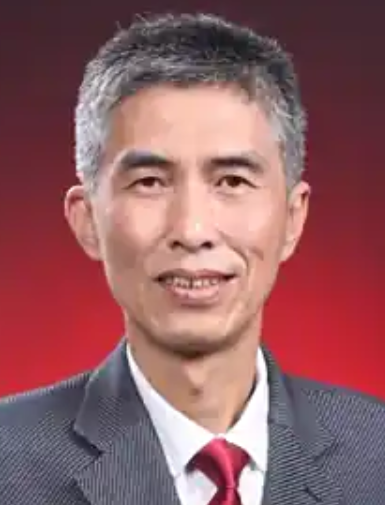 Jingwen Li (李景文)合作论文数School of Electronic Information Engineering, Beihang University2
 Hua Chai合作论文数Didi Chuxing2
 Jiqiang Liu (刘吉强)合作论文数School of Computer and Information Technology, Beijing Jiaotong University;School of Software Engineering, Beijing Jiaotong University2
 Shiming Chen (陈世明)合作论文数2Guangwei Yang (杨光伟)合作论文数2
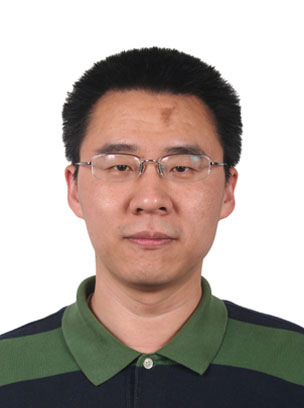 Feng Liu (刘峰)合作论文数School of Electronic and Information Engineering, Beijing Jiaotong University2
 Abdelsalam Ali Helal合作论文数Department of Computer & Information Science & Engineering, University of Florida;Department of Computer Science and Engineering, University of Bologna2
 Yigang Cen (岑翼刚)合作论文数Institute of Information Science, School of Computer and Information Technology, Beijing Jiaotong University2Changcheng Liu合作论文数1Naiqiang Tan合作论文数1




