Abstract Objective To evaluate the safety and efficacy of modified facet joint fusion (MFF) for the treatment of multilevel (three-level or more) lumbar spinal stenosis (LSS). Patients and methods In this retrospective study, 135 consecutive patients who underwent initial MFF for multilevel LSS were included. Clinical outcomes included fusion rate, change of visual analogue scale pain scores for low back pain (VAS-LBP) and leg pain (VAS-LP), Japanese Orthopedic Association scores (JOA), Oswestry Disability Index (ODI) and MacNab classification before and after MFF. The complications were also analyzed. Results The fusion rates were 46.7% (63/135) at 6-month and 89.6% (121/135) at 1-year. The mean VAS-LBP, VAS-LP, and ODI significantly decreased from 5.2 ± 0.6, 5.7 ± 0.8 and 65 ± 7.9 to 1.58 ± 0.4, 0.58 ± 0.3 and 20.8 ± 5.8, respectively (all p < 0.001). The mean JOA markedly improved from 10.0 ± 1.3 to 26.1 ± 1.5 (p < 0.001). Excellent/good results of MacNab classification were achieved in 88.9% (120/135) of the patients. The overall rate of complications after MFF was 5.9%, including poor wound healing (2.2%), calf muscular venous thrombosis (0.74%), deep venous thrombosis (0.74%), superficial wound infection (1.48%), transient foot drop (0.74%). All the complications were transient and improved without prolonged hospital stay and sequelae. Conclusion MFF may be safe and efficient for multilevel LSS with high fusion rate and significant symptom relief, which is worthy of further study.
BACKGROUND:Postoperative pulmonary complications are common and associated with morbidity and mortality. Congenital scoliosis is a failure of vertebral formation and/or segmentation arising from abnormal vertebral development. Posterior fusion and osteotomy are necessary for these patients to prevent deterioration of spine deformity. The incidence of postoperative pulmonary complications in this specific group of patients, especially young children were unknown.METHODS:A retrospective study was conducted and electronic medical records of early-onset scoliosis patients who had primary posterior fusion and hemivertebra resection at our institution from January 2014 to September 2019 were reviewed. The demographic characteristics, the intraoperative and postoperative parameters were collected to identify the predictors of postoperative pulmonary complications.RESULTS:A total of 174 patients (57.5% boys) with a median age of 3 years old were included for analysis. Eighteen patients (10.3%) developed perioperative pulmonary complications and pneumonia (n=13) was the most common. History of recent upper respiratory infection was not related to postoperative pulmonary complications. Multifactorial regression analysis showed thoracoplasty was the only predictive risk factor of postoperative pulmonary complications.CONCLUSIONS:For congenital scoliosis patients younger than 10 years old, thoracoplasty determine the occurrence of postoperative pulmonary complications. Both surgeons and anesthesiologists should pay attention to patients undergoing thoracoplasty and preventive measures are necessary.
Objective To investigate the safety and effectiveness of modified facet joint fusion in the treatment of lumbar degenerative diseases and compare them with those of posterolateral fusion. Methods A total of 77 adult patients with lumbar degenerative disease diagnosed from January 2017 to February 2019 were considered for the present retrospective, nonrandomized, and controlled study. The patients were divided into two groups according to the fusion technique used during the surgery: the posterolateral fusion (PLF) group (n = 42) and the modified facet joint fusion (MFF) group (n = 35). The fusion rate, Oswestry Disability Index (ODI) score, visual analog scale (VAS) score for back pain and leg pain, Japanese Orthopedic Association (JOA) score, European Quality of Life–5 Dimensions (EQ-5D) score, length of hospital stay, length of operation, intraoperative blood loss, cost of hospitalization, complications and reoperations were compared between the 2 groups. Results All patients underwent a successful surgery, and all were followed up. No significant differences were found in age, sex, BMI, length of hospital stay, length of operation or cost of hospitalization. There were no significant differences in the preoperative or postoperative ODI or in the VAS, JOA, and EQ-5D scores between the MFF and PLF groups. However, the fusion rate of MFF group was higher than that of the PLF group (P < 0.05). What’s more, the MFF group had less intraoperative blood loss than the PLF group (P < 0.05). Complications related to iatrogenic nerve injury, vascular injury, epidural hematoma, intravertebral infection, and internal fixation did not occur in either group. None of the patients required reoperation. Conclusions Modified facet joint fusion is safe and efficient in the treatment of lumbar degenerative disease. The fusion rate of MFF was higher than PLF. The intraoperative blood loss of MFF was less than that of PLF. In addition, the therapeutic effect of MFF was not worse than that of PLF. Therefore, the MFF technique can be promoted in clinical treatment.
Background: Glottic entrance stenosis is an important cause of difficult airway intubation and may be potentially associated with scoliosis. This retrospective study from a single center in China aimed to investigate the parameters and risk factors associated with glottic entrance stenosis by evaluating 154 patients with scoliosis who underwent posterior surgical correction, internal fixation, and fusion. Material/Methods: A total of 161 patients diagnosed with scoliosis from 2018 to 2020 were included and grouped by classification, and 7 of them were excluded from the risk factor analysis. All patients underwent posterior surgical correction, internal fixation, and fusion. Basic data, scoliosis-related information, and radiological image were collected. Sagittal and transverse diameter and cross-section area were measured. A new definition of glottic entrance stenosis was proposed based on the traditional formula for prediction of tracheal tuba diameter.Results: The percentage of transverse stenosis in these patients was 35.4%, and the incidence of sagittal stenosis and area stenosis were 9.9% and 12.4% respectively, while 37.9% of scoliosis patients also have at least 1 type of glottic entrance stenosis. Longer course of disease is a proven risk factor for sagittal stenosis (P=0.037). Smaller lumbar lordosis indicates higher risk of transverse stenosis (P=0.024). Wedged vertebrae are a risk factor for area stenosis (P=0.024). Conclusions: This study comprehensively measured glottic entrance parameters in patients with scoliosis, proposed a new definition of glottic entrance stenosis, and found that longer course of disease, smaller lumbar lordosis, and wedged vertebrae were risk factors for sagittal stenosis, transverse stenosis, and area stenosis, respectively.
OBJECTIVES:Guillain-Barré syndrome (GBS) results from autoimmune attack on the peripheral nerves, causing sensory, motor and autonomic abnormalities. Emerging evidence suggests that there might be an association between COVID-19 and GBS. Nevertheless, the underlying pathophysiological mechanism remains unclear.MATERIALS AND METHODS:We performed bioinformatic analyses to delineate the potential genetic crosstalk between COVID-19 and GBS.RESULTS:COVID-19 and GBS were associated with a similar subset of immune/inflammation regulatory genes, including TNF, CSF2, IL2RA, IL1B, IL4, IL6 and IL10. Protein-protein interaction network analysis revealed that the combined gene set showed an increased connectivity as compared to COVID-19 or GBS alone, particularly the potentiated interactions with CD86, IL23A, IL27, ISG20, PTGS2, HLA-DRB1, HLA-DQB1 and ITGAM, and these genes are related to Th17 cell differentiation. Transcriptome analysis of peripheral blood mononuclear cells from patients with COVID-19 and GBS further demonstrated the activation of interleukin-17 signalling in both conditions.CONCLUSIONS:Augmented Th17 cell differentiation and cytokine response was identified in both COVID-19 and GBS. PBMC transcriptome analysis also suggested the pivotal involvement of Th17 signalling pathway. In conclusion, our data suggested aberrant Th17 cell differentiation as a possible mechanism by which COVID-19 can increase the risk of GBS.
Background It is not clear whether modified facet fusion (MFF) is biomechanically different from traditional fusion techniques such as posterior lateral lumbar fusion (PLF) and posterior lumbar interbody fusion (PLIF). Methods In this study, a healthy adult Chinese male volunteer was selected to perform 3D reconstruction of CT image data and simulate the successful fusion of L4–5 MFF, PLF and PLIF, respectively. The motion range of L4–5 segments of the model was simulated under 6 working conditions, including forward flexion, extension, lateral flexion and rotation under normal physiological conditions, and the stability of the three fusion procedures in the pathological segments of the lumbar spine was compared. Results There was no difference in range of motion between MFF model and PLF or PLIF model ( P < 0.05). Also, the stiffness of the PLFand the MFF model were comparable ( P > 0.05), but were smaller than the PLIF model ( P < 0.05). Conclusions MFF provides reliable stability at the lumbar fixation fusion level and does not differ significantly from PLF and PLIF in terms of range of motion.
Background Early-onset scoliosis (EOS), defined by an onset age of scoliosis less than 10 years, conveys significant health risk to affected children. Identification of the molecular aetiology underlying patients with EOS could provide valuable information for both clinical management and prenatal screening. Methods In this study, we consecutively recruited a cohort of 447 Chinese patients with operative EOS. We performed exome sequencing (ES) screening on these individuals and their available family members (totaling 670 subjects). Another cohort of 13 patients with idiopathic early-onset scoliosis (IEOS) from the USA who underwent ES was also recruited. Results After ES data processing and variant interpretation, we detected molecular diagnostic variants in 92 out of 447 (20.6%) Chinese patients with EOS, including 8 patients with molecular confirmation of their clinical diagnosis and 84 patients with molecular diagnoses of previously unrecognised diseases underlying scoliosis. One out of 13 patients with IEOS from the US cohort was molecularly diagnosed. The age at presentation, the number of organ systems involved and the Cobb angle were the three top features predictive of a molecular diagnosis. Conclusion ES enabled the molecular diagnosis/classification of patients with EOS. Specific clinical features/feature pairs are able to indicate the likelihood of gaining a molecular diagnosis through ES.
Abstract Background Total knee arthroplasty (TKA) is an effective and also mature surgical interventions that improves life quality and provides pain relief. Accurate bone cuts are important to prevent TKA malalignment and it requires cautious preoperative plan and precise bone resection. Recently, robotic-assisted TKA techniques have been used to improve the accuracy of bone resection and implantation. However, the system described above suits for only one prosthesis type. Methods Five types (MicroPort_CS, Smith& Nephew_GII, Johnson&Johnson_PFC_PS, kingnow _VLQX_PS and Akmedical_A3GT_PS) implants were included in our study and three Sawbones models were used for each implant. Procedures were performed by experienced joint replacement surgeons using HURWA robotic-assisted TKA system. Results our study indicated that the bone resection error of HURWA robotic-assisted system was below 0.5 mm (with SDs below 0.3 mm), and all of the bone resection angles were below 0.5° (with SDs below 0.3°). The bone resection angles and levels deviation of different brand prosthesis types were below 0.5 mm (with SDs below 0.3 mm) and below 0.5° (with SDs below 0.3°) respectively. Conclusion It suggested that our system may be suitable for different prosthesis types.
BACKGROUND:Robotic-assisted total knee arthroplasty (TKA) was performed to promote the accuracy of bone resection and mechanical alignment. Among these TKA system procedures, 3D reconstruction of CT data of lower limbs consumes significant manpower. Artificial intelligence (AI) algorithms applying deep learning has been proved efficient in automated identification and visual processing.METHODS:CT data of a total of 200 lower limbs scanning were used for AI-based 3D model construction and CT data of 20 lower limbs scanning were utilised for verification.RESULTS:We showed that the performance of an AI-guided 3D reconstruction of CT data of lower limbs for robotic-assisted TKA was similar to that of the operator-based approach. The time of 3D lower limb model construction using AI was 4.7 min. AI-based 3D models can be used for surgical planning.CONCLUSION:AI was used for the first time to guide the 3D reconstruction of CT data of lower limbs for facilitating robotic-assisted TKA. Incorporation of AI in 3D model reconstruction before TKA might reduce the workload of radiologists.
Study Design: Prospective cohort study. Objective: To evaluate whether pre-existing adjacent spinal canal stenosis (SCS) is associated with short-term outcomes after lumbar fusion surgery. Methods: We included patients with lumbar spinal stenosis treated surgically between July 2015 and December 2017 at 4 centers. All patients had the same pathology, with L4-S1 as the culprit sections. Patients were divided into 2 groups based on the cerebrospinal fluid occlusion sign on MRI at the adjacent L3/4 level. Patients without SCS (grade 0) and with mild SCS (grade 1) were classified into the non-stenosis (NS) and mild stenosis (MS) groups, respectively. All patients underwent PLIF and completed at least 1-year follow-up. The incidence of adjacent segment degeneration (ASDeg) and clinical outcomes were compared between the 2 groups. Results: A total of 308 patients (NS, 156; MS, 152) met the inclusion criteria. The incidence of ASDeg in the NS group (n = 40, 25.6%) was significantly lower than that in the MS group (n = 74, 48.7%; P < .001). The most frequent type of ASDeg in the 2 groups was the SCS-aggravated type. No significant difference was observed in adjacent segment disease incidence between the 2 groups ( P = .243). The NS group had better outcomes according to the clinical function scores ( P < .05). Conclusions: The cerebrospinal fluid occlusion sign on MRI is valuable for evaluating the adjacent segment with pre-existing degeneration. Patients with mild SCS in adjacent segments were more likely to have ASDeg, and the most frequent type of ASDeg was the SCS-aggravated type at early follow-up.
Abstract Background Bending rod is a routine in lumbar fusion and fixation surgery, but there is no study investigating whether bending rod in one level is necessary. Methods Patients receiving 1 level lumbar fixation and fusion between May 2018 and September 2020 were included with a minimum 6-month follow-up. The routine of bending rod was omitted during fixation. Preoperative and postoperative radiological parameters were compared. Results There were 67 patients included in the study. Segment lordosis angle increased obviously from 10° (1–39°) to 14° (2–30°) immediately after operation (p = 0.000). T5-T12 increased from 22.97 ± 12.31° to 25.52 ± 11.83° by the 3rd months after surgery (p = 0.011). SS decreased from 35.45 ± 10.47 to 32.19 ± 11.37 in 6-month follow-up (p = 0.038), and PI dropped from 56.97 ± 14.24 to 53.19 ± 12.84 (p = 0.016). ROM of SLA decreased from 4.13 ± 3.14° to 1.93 ± 1.87° at that time point (p = 0.028). Those changes were not seen at 12-month follow-up. No evidence of adjacent vertebral disc degeneration was observed at any time point. Conclusions No sagittal imbalance, dynamic instability or adjacent vertebral degeneration was observed by the 12th month after single-segment posterior lumbar fusion with the use of unbent rods. Bending rod could be omitted in 1-level lumbar fusion to simplify the procedure and reduce operating time.
背景:脊柱畸形患者可合并有超声心动图(ultrasonic cardiography,UCG)结果异常,但文献中缺乏特发性脊柱侧凸(idiopathic scoliosis,IS)与先天性脊柱侧凸(congenital scoliosis,CS)患者UCG异常的比较.目的:比较青少年IS患者与CS患者UCG结果异常的发生情况.方法:回顾性分析2016年1月至2018年12月收治的手术治疗的青少年IS与CS患者的UCG结果.结果:共分析452例青少年脊柱侧凸患者.其中IS患者313例,UCG结果异常99例(31.6%),瓣膜病变为主者84例,非瓣膜病变为主者15例;CS患者139例,UCG结果异常36例(25.9%),瓣膜病变为主者24例,非瓣膜病变为主者12例.IS患者UCG异常发生率与CS患者相比,差异无统计学意义(P=0.265);瓣膜病变发生率相比差异有统计学意义(P=0.031).男性、女性,主弯位于胸弯、腰弯,主弯向左、主弯向右患者,UCG结果发生率组间比较,差异均无统计学意义(P>0.05).结论:青少年IS患者与CS患者UCG结果异常的发生率相当,瓣膜病变发生率IS患者高于CS患者,性别、主弯位置与方向未影响IS患者与CS患者UCG异常的发生差异.
Background Spinal epidural lipomatosis is a rare cause of lumbar spinal stenosis. While conservative therapy is applicable for most of cases, surgical intervention is necessary for severe ones. This is the first time we apply this modified technique to this disease. Case presentation The case is a 53-year-old man. He is 175 cm tall and weighs 102 kg (body mass index 33.3 kg/cm 2 ), presenting with low back pain and bilateral legs pain and numbness. Radiological examination showed severe lumbar spinal stenosis resulting from adipose hyperplasia, combined with hyperosteogeny and hypertrophy of ligaments, which are common etiological factors. Posterior decompression, internal fixation and a modified articular fusion technique was performed on this patient, and regular follow-up that up o 22 months showed outstanding clinical outcomes. Conclusions A suitable style of posterior lumbar fusion should be considered to especially severe case with lumbar spinal stenosis and idiopathic spinal epidural lipomatosis.
Background. Percutaneous endoscopic transforaminal discectomy (PETD) is regarded as a viable alternative option for upper lumbar disc herniation (LDH). However, few studies have evaluated PETD for upper LDH, and no study has compared the advantages of endoscopic procedures versus conventional surgery. The present study was aimed at comparing the surgical outcome and safety of PETD versus conventional open lumbar discectomy in the treatment of upper LDH. Methods. Data from 42 patients treated for upper LDH from July 2015 to July 2018 were retrospectively analyzed, including 21 patients treated with PETD (PETD group) and 21 patients treated with conventional posterior lumbar discectomy (open group). The two groups were compared regarding demographic information, physical examination, radiological evaluations, and perioperative indicators. The clinical outcomes were assessed in accordance with the Oswestry Disability Index (ODI), visual analog scale (VAS), and modified MacNab criteria. Results. The postoperative ODI and VAS scores were significantly improved in both groups compared with the preoperative baseline values (P<0.001), and the satisfactory rate was 90.5% in both groups in accordance with the modified MacNab criteria. There were no significant differences between the two groups in the clinical outcomes and complication rate (P>0.05); however, compared with the open group, the PETD group had significantly less blood loss, less postoperative drainage, shorter operation time, and shorter postoperative hospitalization (P<0.001). Conclusions. PETD has a similar outcome to the conventional surgical method for the treatment of upper LDH but provides the typical advantages of minimally invasive procedures such as reduced iatrogenic injury, minimal activity restrictions, and accelerated ambulation recovery postoperatively.
背景:脊柱畸形不仅影响青少年的外观,还会影响患者的心理健康.但关于马方综合征脊柱侧凸(MSS)畸形对青少年心理健康影响的文献报道并不多.目的:分析接受矫形手术的MSS患者术前SRS-22问卷和SF-36问卷中的心理健康评分情况,并与青少年特发性脊柱侧凸(AIS)患者进行比较.方法:回顾分析2010年9月至2014年8月在我院接受手术治疗的28例MSS患者的SRS-22问卷及SF-36问卷结果,其中男7例,女21例;术时年龄11~19岁,平均14.8岁.选取同期收治的56例AIS患者的资料进行配比,男7例,女49例;年龄11~17岁,平均14.3岁.比较两组患者的临床及影像学参数、SRS-22问卷和SF-36问卷中的心理健康评分的差异.结果:MSS组与AIS组患者SRS-22问卷心理健康平均得分分别为3.6±0.5和3.8±0.6,总得分分别为17.8±2.7和19.2±3.0.MSS组与AIS组患者SF-36心理健康最终得分分别为66.3±11.4和71.9±10.3.上述SRS-22问卷及SF-36问卷心理健康得分组间比较差异均有统计学意义(P<0.05).得分差异主要来自于SRS-22问卷的Q20和SF-36问卷的Q9.8,其他问题得分差异无统计学意义.MSS组患者的上述心理健康评分与患者年龄、身高、体重指数、术前剃刀背高度、主弯冠状面Cobb角、顶椎偏距、术前冠状面躯干平衡情况、术前双肩及骨盆失平衡情况和矢状面胸后凸均无显著相关性(P>0.05).结论:手术治疗的MSS患者的心理健康状况评分低于AIS患者,这种差异主要来源于问卷中有关愉快感受方面.MSS患者的心理健康状况评分与患者侧凸的临床及影像学参数无明显相关性.
BACKGROUND Controversy still exists regarding the optimal fusion technique for the treatment of unstable lumbar spondylolisthesis. OBJECTIVE To evaluate the safety and efficacy of modified facet joint fusion (MFF). METHODS A total of 491 patients with unstable lumbar spondylolisthesis who underwent MFF were retrospectively reviewed. Computed tomography was used to evaluate the fusion rate of MFF at 6- and 12-mo follow-up postoperatively. Clinical outcomes included visual analog scale pain scores for low back pain (VAS-LBP) and leg pain (VAS-LP), Japanese Orthopedic Association scores (JOA), and Oswestry Disability Index (ODI), all of which were obtained preoperatively and postoperatively at 1-, 3-, 6-, and 12-mo follow-up times. The clinical outcomes were determined to be excellent, good, fair, or poor according to the MacNab classification at the last follow-up time. RESULTS Of the 491 patients, the fusion rates at the 6-mo and 1-yr follow-up were 56.8% and 96.1%, respectively. Between baseline and 1-yr follow-up time, VAS-LP and VAS-LBP improved from 5.6 ± 0.9 to 0.4 ± 0.5 and 5.1 ± 1.2 to 1.5 ± 0.9, respectively (P < .001). JOA improved from 9.0 ± 2.0 to 27.7 ± 1.0, and ODI decreased from 64.0 ± 2.0 to 19 ± 1.0 (P < .001). At the final evaluation, 93.6% patients showed excellent or good results, and 3.2% showed fair results. There were no MFF technique-related complications. CONCLUSION MFF technique achieved satisfactory clinical outcomes and fusion rate and appears to be a promising alternative fusion technique for the treatment of unstable lumbar spondylolisthesis.
Background: Posterior lumbar interbody fusion (PLIF) surgery is associated with significant blood loss; however, few studies have focused on hidden blood loss (HBL) in PLIF or its regulatory factors. The purpose of this study was to explore the HBL in PLIF surgery as well as the influence of tranexamic acid (TXA) on blood loss in PLIF. Methods: We performed a randomized controlled trial (RCT) and recruited patients undergoing PLIF into the study from November 2013 to April 2017. All participants were assigned to one of 2 groups according to a simple equal probability randomization scheme. At the end of PLIF surgery, for patients in the TXA group, the surgical field was immersed in TXA (1 g in 100 mL of saline solution) for 5 min before stitching the wound. For the control group, the surgical field was immersed in the same volume of normal saline. Results: In our study, the drainage volume during the first 24 h and the total postoperative drainage volume were significantly lower in patients in the TXA group than in the control group (P = .001). The hematocrit (Hct) of the drainage and calculation of blood contained in the drainage showed similar results. The mean length of hospital stay and rate of blood transfusion in the TXA group were less than those in the control group (P < .05). HBL was responsible for 45.6% of the total blood loss in PLIF, and both of the indicators in the TXA group were much lower than those in the control group. Conclusions: PLIF is associated with massive perioperative HBL, but the application of topical TXA leads to less postoperative blood loss including less HBL, a lower blood product transfusion rate, and a shorter hospital stay for PLIF.
Growing evidence indicates that Long noncoding RNAs contribute to cell differentiation, invasion, metabolism, proliferation and metastasis. However, the potential role of LINC01121 in progression of intervertebral disc degeneration (IDD) remains unclear.
Emerging evidence suggested that long non-coding RNAs (lncRNAs) play pivotal roles in tumorigenesis. LINC01133 is a newly identified lncRNA first discovered as an oncogene in lung squamous cell carcinoma. Subsequent studies further demonstrated this lncRNA was deregulated in a wide spectrum of tumors, including colorectal, gastric, lung, and pancreatic ductal adenocarcinoma as well as osteosarcoma and hepatocellular carcinoma. Intriguingly, this lncRNA exerted oncogenic or tumor-suppressive action in a tissue-dependent manner. This review sought to summarize our current understanding concerning the deregulation of LINC01133 in human tumors in relation to its molecular mechanisms and cellular functions. The clinical utilization of LINC01133 as a potential prognostic biomarker and a treatment target is also discussed.
 Jianguo Zhang (仉建国)合作论文数Peking Union Medical College Hospital87
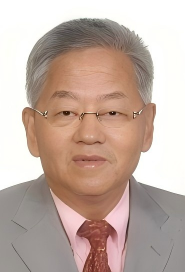 Guixing Qiu (邱贵兴)合作论文数Peking Union Medical College Hospital78
 Jianxiong Shen (沈建雄)合作论文数Beijing Union Medical College Hospital55
 Yipeng Wang (王以朋)合作论文数Peking Union Medical College Hospital52
 Yu Zhao (赵宇)合作论文数Peking Union Medical College Hospital;Peking Union Medical College, Chinese Academy of Medical Sciences44
 Xisheng Weng (翁习生)合作论文数Peking Union Medical College Hospital38
 Hong Zhao (赵宏)合作论文数Cancer Hospital, Chinese Academy of Medical Sciences25
 Zheng Li合作论文数23Bin Yu (于斌)合作论文数21
 Zhinan Ren合作论文数19
 Qianyu Zhuang (庄乾宇)合作论文数Peking Union Medical College Hospital19Derong Xu合作论文数17Shengru Wang合作论文数15
 Ye Tian (田野)合作论文数Peking Union Medical College Hospital15Lin Sheng合作论文数13
 Jinqian Liang (梁锦前)合作论文数Peking Union Medical College Hospital12DeRong Xu (许德荣)合作论文数11Xin Chen.合作论文数11
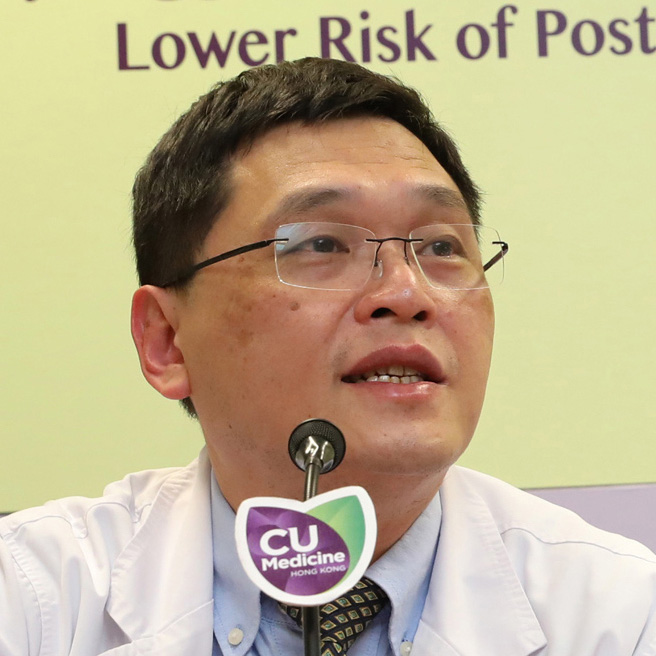 Matthew T. V. Chan合作论文数Department of Anaesthesia and Intensive Care, Faculty of Medicine, The Chinese University of Hong Kong;Prince of Wales Hospital11
 Zhihong Wu (吴志宏)合作论文数Peking Union Medical College Hospital10
 Jin Lin (林进)合作论文数Peking Union Medical College Hospital10Xin Chen合作论文数9LiJuan Zhao (赵丽娟)合作论文数9Xingye Li合作论文数7
 William K. K. Wu (胡嘉麒)合作论文数South Sichuan Institute of Translational Medicine;Department of Anaesthesia and Intensive Care, Faculty of Medicine, The Chinese University of Hong Kong;Peter Hung Pain Research Institute, The Chinese University of Hong Kong7
 Keyi Yu (余可谊)合作论文数Chinese Academy of Medical Sciences Peking Union Medical College7You-dong SONG (宋友东)合作论文数6
 Jiaming Liu (刘家明)合作论文数The First Affiliated Hospital of Nanchang University6
 Cai Siyi合作论文数6Nan Wu (吴南)合作论文数6Shangyi Hui合作论文数6XinYu Yang (杨新宇)合作论文数5JianHua Hu (胡建华)合作论文数5Sen Liu合作论文数5
 Chen Wei-Sheng合作论文数5Jiaqi Liu (刘嘉琦)合作论文数5Zhao Hong合作论文数4Kuan Li合作论文数4Zhang Yanbin合作论文数4
 Xuhong Xue (薛旭红)合作论文数4
 Qiyi Li (李其一)合作论文数Peking Union Medical College Hospital4
 Yuguang Huang (黄宇光)合作论文数Peking Union Medical College Hospital;Peking Union Medical College4Xue-yan Zhao合作论文数3Idy H T Ho合作论文数3




