BackgroundSubclinical carotid artery wall thickening (SCWT) is a macrovascular complication in elderly patients with type 2 diabetes mellitus (T2DM), linked to chronic inflammation and metabolic dysregulation. The cytokines B-cell activating factor (BAFF) and growth differentiation factor 11 (GDF11) are involved in immune-metabolic pathways, but their combined associations with glycolipid metabolism and SCWT in elderly T2DM patients are not well characterized. This study aimed to investigate these associations.MethodsIn this cross-sectional observational study, 205 elderly patients with T2DM and 150 age-matched healthy controls were enrolled. Serum concentrations of BAFF, GDF11, and glycolipid parameters were measured. Carotid intima-media thickness (cIMT) was assessed via ultrasound in the T2DM group only, with SCWT defined as cIMT > 1.2 mm. Statistical analyses included Pearson correlation and multivariate logistic regression.ResultsCompared to controls, T2DM patients had higher levels of BAFF, FPG, 2hPPG, HbA1c, TC, TG, and LDL-C, and lower levels of GDF11 and HDL-C (all P < 0.001). BAFF levels correlated positively with FPG, 2hPPG, HbA1c, TC, TG, and LDL-C, and negatively with HDL-C, while GDF11 showed the opposite correlation pattern (all P < 0.05). SCWT was present in 87 patients (42.4%). The SCWT subgroup had higher BAFF and lower GDF11 than T2DM patients without SCWT (both P < 0.001). Multivariate analysis showed that longer diabetes duration, higher HOMA-IR, and elevated BAFF were independently associated with increased odds of SCWT, while higher GDF11 was associated with decreased odds.ConclusionElevated BAFF and reduced GDF11 are associated with dysregulated glycolipid metabolism and with the presence of subclinical carotid artery wall thickening in this elderly T2DM cohort. These findings suggest potential roles for these cytokines in diabetic macrovascular pathology.
Acute kidney injury (AKI) is a common critical clinical syndrome among hospitalized patients, characterized by high incidence and mortality rates. Currently, the pathogenesis of AKI remains incompletely understood, and effective clinical treatments are lacking. Lactate, a metabolic byproduct of glycolysis, is involved in numerous pathophysiological processes within the kidney and functions as a regulator of lactylation, a recently identified posttranslational modification (PTM). The regulation of lactylation is closely controlled by several key enzymes and metabolic pathways, creating a dynamic and complex modification network. By modulating protein function and gene expression, lactylation significantly impacts the progression of various diseases. Recent evidence suggests that lactylation acts as a pivotal regulatory hub in the pathophysiology of AKI and is intricately linked to core AKI mechanisms, such as inflammation, metabolic reprogramming, and mitochondrial dysfunction. This review presents an investigation of renal lactate metabolism homeostasis and the disruption of this homeostasis, thoroughly discussing the biological underpinnings of lactylation, including the core enzymes involved, and focuses on elucidating the mechanisms of lactylation in AKI. Additionally, the potential of targeting the lactate–lactylation axis as a promising therapeutic strategy for AKI is discussed.
Nephrotoxicity is the most common complication of cisplatin, and effective therapeutic strategies are still limited. Vascular dysfunction is thought to be early response after cisplatin administration and contributes to renal damage. However, the precise mechanisms underlying this process have yet to be fully elucidated. In this study, we observed a significant increase in renal vascular permeability following cisplatin administration in vivo, accompanied by a rapid loss of perivascular pericytes. Consistently, in vitro experiments revealed that cisplatin markedly accelerated cell death in primary human kidney microvascular pericytes (HKMPs). RNA-sequencing and proteomics analysis further identified a significant downregulation of six-transmembrane epithelial antigen of the prostate 4 (STEAP4) mRNA and protein expression in HKMPs after cisplatin exposure. Mechanistically, reduced STEAP4 expression facilitates iron accumulation and lipid peroxidation in HKMPs, leading to potentiated ferroptosis, whereas STEAP4 overexpression conferred protection against cisplatin-induced pericytes injury. Finally, targeted delivery of AAV9-STEAP4 via renal artery injection efficiently increased renal STEAP4 expression, reduced pericyte loss, and attenuated renal vascular leakage. Furthermore, the AAV9-STEAP4 group exhibited significantly decreased kidney injury compared to the AAV9-NC group. Collectively, these findings demonstrate that STEAP4 mediates pericyte injury in renal vascular dysfunction and suggest that targeting STEAP4 could represent a novel therapeutic strategy for cisplatin-induced acute kidney injury (AKI).
Abstract Background This study aimed to explore the mechanism of Ge-Gen-Qin-Lian decoction (GGQLD) in the alleviation of symptoms of type 2 diabetes mellitus (T2DM) with inflammatory bowel disease (IBD) by network pharmacology and experimental validation. Methods The active components and targets of GGQLD were identified from the TCMSP database. The potential therapeutic targets of T2DM and IBD were identified from the GEO database and 4 online disease target databases. The PPI network and KEGG/GO analyses were performed with the common targets among GGQLD, T2DM and IBD. Molecular docking was carried out between the core compounds and hub targets. To verify the above results, UHPLC-MS technology was used to identify the chemical compounds in GGQLD, and a T2DM with IBD rat model was used to explore the mechanism by which GGQLD treats T2DM with IBD. Results Totally, 70 potential therapeutic targets were identified among GGQLD, T2DM and IBD. Ten hub genes were selected from the PPI network. KEGG analysis revealed that GGQLD is tightly involved in the AGE-RAGE signaling pathway. Berberine, baicalein, wogonin, and quercitrin are the main active compounds of GGQLD. Animal experiments showed that GGQLD could decrease blood glucose and alleviate intestinal inflammation. Notably, the concentrations of AGEs, the expression of RAGE, c-JUN and NF-κB and the expression of inflammatory cytokines were decreased by GGQLD. Conclusions Our study initially demonstrated that GGQLD has favorable anti-hyperglycemic and anti-intestinal inflammation effects in a T2DM with IBD rat model, and the AGE-RAGE pathway plays a vital role in this process.
High-sucrose diets are common in daily life but harmful to human health. Cyclocarya paliurus leaves (CPL) are a kind of tea used to alleviate metabolic diseases and are widely used in China. However, the effects of CPL on high-sucrose-induced obesity are unknown. This study aimed to describe the changes in gut metabolism induced by a high-sucrose diet and to reveal the potential mechanisms through which CPL alleviate high-sucrose diet-induced obesity. A high-sucrose-induced obesity model was generated in C57BL/6J and KM mice. The effects of CPL on obese mice were evaluated, and changes in the gut microbiota and intestinal metabolites induced by CPL treatment were observed. Furthermore, the fecal microbiota transplantation (FMT) method was used to prove that the effects of CPL on high-sucrose induced obesity depend on the changes of gut microbiota. The results of the C57BL/6J mouse experiment revealed that high-sucrose intake induced fat deposition and altered the gut microbiota. CPL treatment decreased fat deposition and alleviated disorders of the gut microbiota. Furthermore, CPL treatment increased the utilization of amnio acids, long fatty acids and saccharides and produced more bile acids, indole derivatives and less trimethylamine (TMA). A confirmatory experiment in KM mice also revealed that CPL can alleviate obesity, ameliorate intestinal metabolic disorders, and upregulate the expression of tight junction proteins in the intestinal mucosa. These results demonstrated that CPL could prevent high sucrose-induced obesity and generate more beneficial intestinal microbial metabolites but less harmful intestinal microbial metabolites.
IntroductionIncreasing evidence shows that hyperactive aryl hydrocarbon receptor (AHR) signalling is involved in renal disease. However, no currently available intervention strategy is effective in halting disease progression by targeting the AHR signalling. Our previous study showed that barleriside A (BSA), a major component of Plantaginis semen, exhibits renoprotective effects.MethodsIn this study, we determined the effects of BSA on AHR expression in 5/6 nephrectomized (NX) rats. We further determined the effect of BSA on AHR, nuclear factor kappa B (NF-ƙB), and the nuclear factor erythroid 2-related factor 2 (Nrf2) signalling cascade in zymosan-activated serum (ZAS)-stimulated MPC5 cells.ResultsBSA treatment improved renal function and inhibited intrarenal nuclear AHR protein expression in NX-treated rats. BSA mitigated podocyte lesions and suppressed AHR mRNA and protein expression in ZAS-stimulated MPC5 cells. BSA inhibited inflammation by improving the NF-ƙB and Nrf2 pathways in ZAS-stimulated MPC5 cells. However, BSA did not markedly upregulate the expression of podocyte-specific proteins in the ZAS-mediated MPC5 cells treated with CH223191 or AHR siRNA compared to untreated ZAS-induced MPC5 cells. Similarly, the inhibitory effects of BSA on nuclear NF-ƙB p65, Nrf2, and AHR, as well as cytoplasmic cyclooxygenase-2, heme oxygenase-1, and AHR, were partially abolished in ZAS-induced MPC5 cells treated with CH223191 or AHRsiRNA compared with untreated ZAS-induced MPC5 cells. These results indicated that BSA attenuated the inflammatory response, partly by inhibiting AHR signalling.DiscussionBoth pharmacological and siNRA findings suggested that BSA mitigated podocyte lesions by improving the NF-ƙB and Nrf2 pathways via inhibiting AHR signalling. Therefore, BSA is a high-affinity AHR antagonist that abolishes oxidative stress and inflammation.
Arachidonic acid (AA) is a main component of cell membrane lipids. AA is mainly metabolized by three enzymes: cyclooxygenase (COX), lipoxygenase (LOX) and cytochrome P450 (CYP450). Esterified AA is hydrolysed by phospholipase A2 into a free form that is further metabolized by COX, LOX and CYP450 to a wide range of bioactive mediators, including prostaglandins, lipoxins, thromboxanes, leukotrienes, hydroxyeicosatetraenoic acids and epoxyeicosatrienoic acids. Increased mitochondrial oxidative stress is considered to be a central mechanism in the pathophysiology of the kidney. Along with increased oxidative stress, apoptosis, inflammation and tissue fibrosis drive the progressive loss of kidney function, affecting the glomerular filtration barrier and the tubulointerstitium. Recent studies have shown that AA and its active derivative eicosanoids play important roles in the regulation of physiological kidney function and the pathogenesis of kidney disease. These factors are potentially novel biomarkers, especially in the context of their involvement in inflammatory processes and oxidative stress. In this review, we introduce the three main metabolic pathways of AA and discuss the molecular mechanisms by which these pathways affect the progression of acute kidney injury (AKI), diabetic nephropathy (DN) and renal cell carcinoma (RCC). This review may provide new therapeutic targets for the identification of AKI to CKD continuum.
Abstract Sucrose, a common sweeter, is frequently added to drink and food, and excess intake of sucrose is really harmful to our health. This study aimed to reveal the potential mechanisms of high-sucrose induced metabolic dysfunction. Sixty mice were divided into two groups, respectively, the normal group (Nor group) and high-sucrose group (HS group). 16S rDNA and untargeted metabolomics technologies were used to analyzed the dynamic changes of gut microbiota and metabolites in colon contents of young mice, middle age mice and old mice. Long-time high-sucrose intake induced fat deposition and metabolic disorder, along with a completely different gut microbiota map. The energy metabolism related gene expression of the gut microbiome was downregulated, but potential pathogen gene expression was upregulated by long-time high-sucrose intake. Furthermore, mice in the HS were utilized less amino acids and long chain fatty acids, with effecting tryptophan metabolism by producing less indole, more 5-HT and kynurenine. Also less secondary bile acids, and more TMA/TMAO were produced by gut microbes in HS group. These results demonstrated that long-time high-sucrose intake leads to fat deposition and metabolic disorder via disrupting the balance of intestinal microenvironment.
聂晓莉教授长期从事肾脏病中医药防治研究,认为气血营卫不调是肿瘤患者基本病理状态,湿浊瘀毒痹阻肾络是铂类药急性肾损伤发病及进展的关键病机.总结出益气泄浊活血法治疗铂类化疗药物肾损伤的学术思想,研创出益肾泄浊方,收效甚佳,为中医药有效防治铂类药物肾损伤提供理论及实践依据.
目的 本研究通过对肾阴虚证和肾阳虚证共同的血浆蛋白差异表达进行研究,挖掘肾虚证的本质.方法 对肾阴虚证、肾阳虚证和健康正常人进行蛋白芯片表达谱的比较研究.结果 选取典型肾阴虚证5例、肾阳虚证5例、正常健康人6例进行蛋白芯片检测,与正常健康人对比,获得2组间共同表达上调的差异蛋白BMP-5.结论 肾阴虚、肾阳虚证之间存在着共同的差异蛋白,这可能是2者均有肾虚的表现有关,这为探讨肾虚证的发生机制,特别是在蛋白水平的改变提供了依据.
Ethnopharmacological relevance: Yi-Shen-Xie-Zhuo formula (YSXZF) is a traditional Chinese medicine prescription developed from the classic prescription Mulizexie powder documented in the book of Golden Chamber Synopsis and the Buyanghuanwu Decoction recorded in the book of Correction of Errors in Medical Classics. According to our years of clinical experience, YSXZF can effectively improve qi deficiency and blood stasis in kidney disease. However, its mechanisms need further clarification.Aim of the study: Apoptosis and inflammation play key roles in acute kidney disease (AKI). The Yi-Shen-Xie-Zhuo formula, consisting of four herbs, is commonly used for treating renal disease. However, the underlying mechanism and bioactive components remain unexplored. This study aimed to investigate the protective effects of YSXZF against apoptosis and inflammation in a cisplatin-treated mouse model, and identify the main bioactive components of YSXZF. Materials and methods: C57BL/6 mice were administered cisplatin (15 mg/kg) with or without YSXZF (11.375 or 22.75 g/kg/d). HKC-8 cells were treated with cisplatin (20 mu M) with or without YSXZF (5% or 10%) for 24 h. Renal function, morphology, and cell damage were evaluated. UHPLC-MS was used to analyze the herbal components and metabolites in the YSXZF-containing serum. Results: Blood urea nitrogen (BUN), serum creatinine, serum and urine neutrophil gelatinase-associated lipocalin (NGAL) levels were clearly increased in the cisplatin-treated group. Administration of YSXZF reversed these changes; it improved renal histology, downregulated kidney injury molecule 1 (KIM-1) expression, and lowered the number of TdT-mediated dUTP-biotin nick end labeling (TUNEL)-positive cells. YSXZF significantly downregulated cleaved caspase-3 and BAX, and upregulated BCL-2 proteins in renal tissues. YSXZF suppressed increase in cGAS/STING activation and inflammation. In vitro treatment with YSXZF markedly reduced cisplatininduced HKC-8 cell apoptosis, relieved cGAS/STING activation and inflammation, improved mitochondrial membrane potential (MMP), and lowered reactive oxygen species (ROS) overgeneration. Small RNA interference (siRNA)-mediated silencing of cGAS or STING inhibited the protective effects of YSXZF. Twenty-three bioactive constituents from the YSXZF-containing serum were identified as key components.Conclusion: This is the first study to demonstrate that YSXZF protects against AKI by suppressing inflammation and apoptosis via the cGAS/STING signaling pathway.
Aryl hydrocarbon receptor (AhR) is a ligand-activated transcription factor that induces the expression of a broad range of downstream genes such as cytochromes P450 enzymes and cyclooxygenase-2. Recent research focuses are shifting from AhR activation induced by xenobiotics to its response patterns to physiological ligands that expand our understanding of how endogenous metabolites as ligands to modulate AhR signaling pathway under homeostasis and pathological conditions. With increasing interest in AhR and its endogenous ligands, it would seem advisable to summarize a variety of endogenous ligands especially host/gut microbiota-derived tryptophan metabolites. Mounting evidence has indicated that AhR play a critical role in the regulation of redox homeostasis and immune responses. In this review, we outline the canonical and non-canonical AhR signalling pathway that is mediated by host/gut microbiota-derived tryptophan metabolites. Through several typical endogenous AhR ligands, we investigated the molecular mechanisms of AhR-induced oxidative stress and inflammation in the pathological milieu, including diabetes, diabetic kidney disease and end-stage renal disease. Finally, we summarize and emphasize the limitations and breakthrough of endogenous AhR ligands from host/microbial tryptophan catabolites. This review might provide novel diagnostic and prognostic approach for refractory human diseases and establish new therapeutic strategies for AhR activation.
Compound methyl salicylate liniment (Ammeltz) is composed of various components, such as methyl salicylate, menthol, camphor, chlorpheniramine maleate, and thymol. It was approved for listing in China in 2011. The purpose of this phase Ⅳ clinical trial was to evaluate the safety and efficacy of Ammeltz in a real-life environment in China. Adverse events and adverse drug reactions were used to assess the safety of the monitored drugs. Visual analog scale (VAS) scores were evaluated to assess the severity of pain and the pain relief rate was used to evaluate the efficacy of the study drug. Of 3,600 subjects enrolled, 3,515 (97.64%) subjects completed the study and 85 (2.36%) terminated the study prematurely. A total of 277 adverse events occurred in 258 subjects (7.28%). The most common adverse events included upper respiratory infections (130 cases, 3.67%), local pruritus (17 cases, 0.48%), and diarrhea (12 cases, 0.34%). A total of 50 (1.41%) subjects experienced 58 adverse drug reactions. The most common adverse drug reactions included local pruritus (17 cases, 0.48%), a burning sensation at the application site (10 cases, 0.28%), and irritation at the application site (local) (7 cases, 0.2%). No adverse reactions were identified as new adverse drug reactions. The majority of adverse drug reactions were mild (48 cases, 1.36%), and no severe adverse drug reactions occurred. The subjects experienced significant pain relief after using Ammeltz (mean VAS scores: 5.34 vs . 2.79; Day 7 ± 1 vs . Baseline; p < 0.0001). The pain relief rate was 47.11% ± 23.13%, and in 2,769 cases (78.31%) the drug was effective in pain relief. After excluding subjects who used drugs that could affect the efficacy of the study drug, the subgroups of subjects experienced significant pain relief after using Ammeltz (mean VAS scores: 5.31 vs 2.77; Day 7 ± 1 vs Baseline; p < 0.0001). The pain relief rate was 47.34% ± 23.00%, and 2,612 subjects (78.75%) experienced effective pain relief. In conclusion, Ammeltz is safe and effective in real-life use. It can significantly relieve soft tissue pain caused by shoulder and neck pain, back pain, or muscle pain. No new adverse drug reactions were found in our multicenter real-world study. Clinical Trial Registration: https://clinicaltrials.gov/ct2/show/NCT05489939?cond=Safety+and+efficacy+of+compound+methyl+salicylate+liniment+for+topical+pain%3A+A+multicenter+real-world+study+in+China&draw=2&rank=1 , identifier NCT05489939
药物性肾损伤属于中医学"淋证"、"腰痛"、"癃闭"等范畴,发病主要与脾肾二脏功能失调有关.毒与药往往被认为是一体的,毒药因为自身的毒性、炮制、配伍、剂量、煎服、辨证不当可以加重患者的病情,变生他疾或者直接损伤脏腑,从而导致气、血、津、液亏损.当毒药进入机体,则会助邪伤正,耗伤正气,最终形成邪盛正衰的局面.南方医科大学中西医结合医院聂晓莉教授从事医、教、研工作多年,对药物性肾损伤有丰富的临床经验及理论研究,并总结药物性肾损伤病机为"因毒致衰",治疗上重视健脾补肾、通络泄浊,自拟清毒抗衰方,已在临床上取得一定疗效.
Alloreactive donor T cells undergo extensive metabolic reprogramming to become activated and induce graft-versus-host disease (GVHD) upon alloantigen encounter. It is generally thought that glycolysis, which promotes T cell growth and clonal expansion, is employed in this process. However, conflicting data have been reported regarding the requirement of glycolysis to induce T cell-mediated GVHD due to the lack of T cell-specific treatments using glycolysis inhibitors. Importantly, previous studies have not evaluated whether graft-versus-leukemia (GVL) activity is preserved in donor T cells deficient for glycolysis. As a critical component affecting the clinical outcome, it is necessary to assess the anti-tumor activity following treatment with metabolic modulators in preclinical models. In the present study, we utilized T cells selectively deficient for glucose transporter 1 (Glut1T-KO), to examine the role of glycolysis exclusively in alloreactive T cells without off-targeting effects from antigen presenting cells and other cell types that are dependent on glycolysis. We demonstrated that transfer of Glut1T-KO T cells significantly improved acute GVHD outcomes through increased apoptotic rates, impaired expansion, and decreased proinflammatory cytokine production. In addition to impaired GVHD development, donor Glut1T-KO T cells mediated sufficient GVL activity to protect recipients from tumor development. A clinically relevant approach using donor T cells treated with a small molecule inhibitor of glycolysis, 2-Deoxy-D-glucose ex vivo, further demonstrated protection from tumor development. These findings indicate that treatment with glycolysis inhibitors prior to transplantation selectively eliminates alloreactive T cells, but spares non-alloreactive T cells including those that protect against tumor growth. The present study has established a definitive role for glycolysis in acute GVHD and demonstrated that acute GVHD can be selectively prevented through targeting glycolysis.
Background: Although cisplatin (DDP) is an important clinical anti-tumor drug, its use is limited by its nephrotoxicity. How to avoid the renal injury incurred by platinum drugs and improve the clinical efficiency of platinum drugs use has become an urgent clinical problem. Previous studies have verified that Chinese medicine has definite effects on acute kidney injury (AKI). Yishen Xiezhuo formula (YSXZ) is a traditional Chinese medicine (TCM) compound which is an effective clinical drug for AKI, but its mechanism remains unclear. Methods: In our research, an AKI model was induced by DDP in human renal tubular epithelial cell (HKC) lines in the in vitro study. The mechanism of the YSXZ on cell senescence was analyzed by Cell Counting Kit-8 (CCK-8), senescence-associated beta-galactosidase (SA-beta-Gal) staining, western blot, flow cytometry, and enzyme-linked immunosorbent assay (ELISA). Network pharmacology was used to analyze the role of YSXZ against AKI. Results: Compared with the control group, the cells in the DDP intervention group were significantly senescent. Compared with DDP group, YSXZ decreased the number of SA-beta-Gal-positive senescence cells, down regulated the expression of senescence-related proteins, reduced the release of senescence-related secreted phenotypic factors, and reversed the phenomenon of cell cycle S-phase arrest. Network pharmacology and experimental studies showed that the mitogen-activated protein kinase (MAPK) signaling pathway played a central role. Conclusions: Our present results suggested that YSXZ ameliorated the development of DDP-induced AKI by attenuating renal tubular epithelial cell (RTEC) senescence via alleviating the activation of MAPK pathway.
Background Triptolide (PG490), as a triterpene dicyclic oxide has been reported to increase the generation of reactive oxygen species (ROS) and nitric oxide (NO) and induce apoptosis of RAW 264.7 cells in a dose-dependent manner. The activity of death NETs plays an important role in anti-bacterial processes in the human body. This study aimed to investigate the effect of triptolide (PG490) on neutrophil extracellular traps (NETs) formation. Methods After isolating peripheral blood neutrophils from healthy volunteers, cells were incubated with PG490 to observe and detect the level of NETs and detect the level of reactive oxygen species (ROS). The cells were cultured, stained and analyzed by fluorescence microscopy. Results Compared with the 12-myristate-13-acetate (PMA) group, the average fluorescence intensity of SYTOX Green in the PG490 + PMA group, as detected by a multifunctional microplate reader, was significantly decreased. Intracellular ROS were labeled by fluorescence, with fluorescence intensity then measured by multifunctional microplate reader and flow cytometry. The results showed that compared with the control group, the fluorescence intensity of the PMA group was significantly increased, while there was no significant difference between PMA group and PG490 + PMA group. Conclusions The production of NETs is inhibited by PG490 in vitro, which is not associated with the level of cellular ROS. This suggests that PG490in Tripterygium wilfordii Hook F can suppress related diseases.
目的 探讨小乌桂汤治疗类风湿关节炎(RA)的作用机制.方法 60只雄性DBA/1小鼠随机分为正常组8只及造模组52只.造模组采用尾根部及背部分3点皮内注射鸡Ⅱ型胶原蛋白乳化液建立胶原诱导性关节炎(CIA)小鼠模型.造模成功的40只小鼠随机分成模型组、甲氨蝶呤组、小乌桂汤低剂量组、小乌桂汤中剂量组、小乌桂汤高剂量组,每组8只.甲氨蝶呤组予0.1 mg/ml甲氨蝶呤药液2mg/kg灌胃,每周1次;小乌桂汤低、中、高剂量组分别予含生药19.5、39、75g/ (kg·d)小乌桂汤灌胃,每日1次;正常组与模型组给予生理盐水0.2 ml/10 g灌胃,每日1次.4周后评定关节炎指数评分,测量发病足厚度,观察踝关节组织病理并进行组织病理学评分;检测脾脏辅助性T细胞17 (Th17)、调节性T细胞(Treg)及血浆肿瘤坏死因子α(TNF-α)、白细胞介素6(IL-6)、白细胞介素17(IL-17)、白细胞介素1β(IL-1β)、白细胞介素10 (IL-10)的水平.结果 与模型组比较,甲氨蝶呤组及小乌桂汤中、高剂量组关节炎指数评分,发病足厚度,脾脏Th17细胞水平,血浆TNF-α、IL-6、IL-17、IL-1β水平,关节病理总评分,血管翳及骨破坏评分均显著降低,Treg细胞水平均显著升高,甲氨蝶呤组及小乌桂汤高剂量组Th17/Treg值、滑膜炎评分显著降低(P <0.05或P<0.01).与甲氨蝶呤组比较,小乌桂汤低剂量组脾脏Th17细胞水平、Th17/Treg值、关节病理总评分、血管翳及骨破坏评分显著升高,小乌桂汤低、中剂量组Treg细胞水平显著降低(P<0.01).与小乌桂汤低剂量组比较,小乌桂汤中、高剂量组Th17细胞水平,Th17/Treg值显著降低,Treg细胞水平显著升高,小乌桂汤高剂量组病理总评分、血管翳评分显著降低(P<0.05或P<0.01).与小乌桂汤中剂量组比较,小乌桂汤高剂量组Treg细胞水平显著升高(P<0.01).结论 小乌桂汤对CIA小鼠具有抗炎及免疫调节作用,以高剂量效果最佳,其作用机制与调节Th17/Treg的平衡,抑制TNF-α、IL-6、IL-17、IL-1β炎症因子的表达相关.
OBJECTIVE:To explore the mechanism of Xiaowugui decoction (XWGD) decoction in treating rheumatoid arthritis (RA) in mice.METHODS:Healthy male DBA/1 mice were used for CIA modeling. Twenty-five CIA mice with successful modeling and similar arthritis index (AI) scores were randomized equally into model group (CIA), methotrexate (MTX) group, and low-, medium-, and high-dose XWGD groups (0.975, 1.95, and 3.9 g/mL, respectively), with another 5 normal mice as the normal control group. The mice in normal control and CIA groups were given saline once a day, those in MTX group were given 0.1 mg/mL MTX once a week, and those in XWGD groups were treated daily via garage of XWGD containing crude drugs of different doses for 28 consecutive days. The AI score and HE staining were used to evaluate the changes in the joints of the CIA mice. The effect of XWGD on Th1, Th17, MDSC, G-MDSC and M-MDSC cells were evaluated with flow cytometry.RESULTS:Treatment with MTX and different doses of XWGD significantly decreased the AI score of the mice and relieved joint inflammation as compared with the model group (P < 0.05), and a higher dose of XWGD decoction produced a stronger therapeutic effect. Compared with those in CIA model group, the mice in MTX and XWGD treatment groups showed significantly decreased percentages of Th1, Th17 and M-MDSC cells in the spleen and increased percentages of G-MDSC cells (P < 0.01), and these changes were more conspicuous with a higher dose of XWGD. Correlation analysis showed that Th1 and Th17 cells were positively correlated with M-MDSC and negatively correlated with G-MDSC cells (P < 0.01).CONCLUSIONS:XWGD can improve joint inflammation in CIA mice by increasing the percentages of G-MDSC cells and decreasing the percentages of M-MDSC, Th1 and Th17 cells, and a high dose of XWGD can produce an equivalent therapeutic effect to methotrexate but with better safety.
目的:探讨异槲皮苷对糖尿病肾病(DN)大鼠肾脏纤维化及ERK激酶(MEK)/细胞外调节蛋白激酶(ERK)/核因子E2相关因子1(Nrf1)信号通路的影响.方法:实验分为正常组、模型组、异槲皮苷(低、中、高)剂量组、阳性对照组.血糖仪、24 h尿蛋白检测试剂盒分别检测空腹血糖、24 h尿蛋白定量;苏木精-伊红(HE)观察大鼠肾脏组织形态;超氧化物歧化酶(SOD)、丙二醛(MDA)试剂盒检测SOD、MDA水平;实时荧光定量PCR(qRT-PCR)法检测层黏连蛋白(LN)、纤维连接蛋白(FN)mRNA水平;蛋白免疫印迹检测MEK、ERK、p-ERK、Nrf1蛋白水平.结果:模型组组织纤维化、炎症浸润明显;异槲皮苷(低、中、高)剂量组随着剂量升高,组织纤维化、炎症浸润现象逐渐缓解;阳性对照组无组织纤维化、炎症浸润现象.与正常组相比,模型组空腹血糖、24 h尿蛋白定量,MDA,LN、FN mRNA,MEK、p-ERK蛋白水平升高(P<0.05);SOD、Nrf1蛋白水平降低(P<0.05).与模型组相比,异槲皮苷(中、高)剂量组、阳性对照组空腹血糖、24 h尿蛋白定量,MDA,LN、FN mRNA,MEK、p-ERK蛋白水平降低(P<0.05);SOD、Nrf1蛋白水平升高(P<0.05).异槲皮苷低剂量组24 h尿蛋白定量、MDA水平降低(P<0.05),Nrf1蛋白水平升高(P<0.05).结论:异槲皮苷可抑制MEK/ERK信号通路促进Nrf1表达,实现对肾脏纤维化的修复.
 Ren Luo (罗仁)合作论文数南方医科大学南方医院中医科36
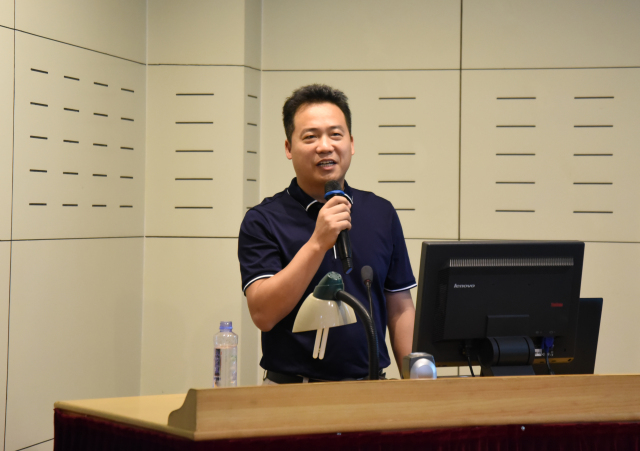 Xiaoshan Zhao (赵晓山)合作论文数南方医科大学中医药学院15
 Xiaomin Sun (孙晓敏)合作论文数南方医科大学珠江医院中医科14
 Qi Xue (薛琪)合作论文数10Jieying QI (齐杰莹)合作论文数9Lei Xiang (项磊)合作论文数8JianLu Bi (毕建璐)合作论文数7YuPing Li (李玉萍)合作论文数6Chang-zheng Li (李长征)合作论文数5Lifen Xie合作论文数5YanZhao Ji (姬彦兆)合作论文数5LeBin Yang (杨乐斌)合作论文数5Yanyan Liu合作论文数5
 Keqiang Yu (余克强)合作论文数School of Traditional Chinese Medicine, Southern Medical University5JieYu Chen (陈洁瑜)合作论文数4Haiyu Guan (管海玉)合作论文数3Linsen Qin合作论文数3Mengni Wu合作论文数3Rong Deng (邓蓉)合作论文数3Ye Yao合作论文数3Chuanfeng Xiong合作论文数3Qiaoying ZHANG (张巧莹)合作论文数3Yan-Ni Wang合作论文数3Yang Shaofeng (杨少锋)合作论文数3
 Jun Chen合作论文数Department of Medicine, Duke University School of Medicine3ZuJiang Chen (谌祖江)合作论文数3YanYan Liu (刘艳艳)合作论文数3Jun Li (李俊)合作论文数3
 Dongsheng Wang (王东生)合作论文数Xiangya Hospital, Central South University3
 Nelson Jen An Chao合作论文数School of Medicine, Duke University;Division of Cell Therapy in the Department of Medicine at Duke University3Jiao Yiqun合作论文数3Huang Wei合作论文数3
 Yingyong Zhao (赵英永)合作论文数The College of Life Sciences, Northwestern University3Peijie Shi合作论文数2Wenjun Shan合作论文数2Xiao-Jun Li合作论文数2Qin Luo合作论文数2Ying Huang合作论文数2Yujing Zou合作论文数2Hongyu Jie合作论文数2Shengwei Wu合作论文数2Charles Huang合作论文数2
 Jeffrey Rathmell合作论文数Ben May Department of Cancer Research, University of Chicago2Lili Zhang合作论文数2Lin Zhou合作论文数2
 Diana Cardona合作论文数Department of Pathology, Duke University School of Medicine2
 Andrew Neil Macintyre合作论文数Department of Medicine, Duke University School of Medicine2
 Nancie MacIver合作论文数Division of Pediatric Endocrinology, Department of Pediatrics, School of Medicine, The University of North Carolina at Chapel Hill;Department of Nutrition, Gillings School of Global Public Health, The University of North Carolina at Chapel Hill2




