The mechanical environment of a cell, which profoundly influences cell behaviors, includes loading parameters such as magnitude, rate cycle number and duration. Time-varying, or dynamic, levels of load are generally associated with anabolic responses, while time invariant, or static, forces often increase catabolic pathophysiology. How cells differentiate between static and dynamic loading parameters is unclear. In mesenchymal stem cells (MSC), we found that static strain (SS) increased nuclear YAP at 3 h, whereas 200 cycles of dynamic strain (DS) did not. Differences in nuclear YAP were directed by phosphorylation of Hippo enzymes: SS promoted association of PP2Ac dephosphorylase with nuclear MST1/2. In contrast, DS activated Hippo signaling with phosphorylation of MST1/2 and YAP. Actin remodeling was differentially affected by DS and SS: DS generated thicker fibers with greater cross-sectional area and enhanced parallel alignment. In contrast, static strain reinforced the existing isotropic actin network by increasing fiber density and focal adhesion count. DS induced actin remodeling was associated with phosphorylation of both LATS1/2 and AMOT, which binds both actin and nuclear MST1/2. When LATS1/2 was inhibited, or AMOT was knocked down, nuclear PP2Ac increased and YAP was dephosphorylated. This suggests that DS induced actin remodeling provokes release of phosphorylated AMOT from actin binding sites, while SS induced actin reinforcement sequesters AMOT. In sum, our data shows that MSC are equipped to differentiate between load components, resulting in nuanced mechanical effects on the Hippo pathway.
The continuously improving power density of Li-ion batteries and the widespread application of fast charging and discharging have rendered thermal management an increasingly critical task. Cold plates are among the most important means for such a task, and their channel structure significantly affects battery performance. Aiming to further improve the thermohydraulic performance of cold plate, this study proposes a cold plate with sinusoidal wave-shaped channel. Using channel quantity, amplitude, wavelength, diameter, and coolant mass flow rate as variables, the orthogonal experimental scheme is employed to design combinations of different variables for numerical simulation. The numerical simulation results are used to train a deep neural network for cold plate performance prediction. The trained neural network can accurately predict the maximum temperature, comprehensive performance indicators, and entropy generation rate with errors below 5.0%, 5.0%, and 10.0%, respectively. Multi-objective optimization design (MOOD) is implemented by combining a deep neural network with the NSGA-II genetic optimization, yielding two sets of Pareto fronts as follows: one for maximizing comprehensive performance indicator and minimizing entropy generation rate, and the other for minimizing maximum temperature and entropy generation rate, and TOPSIS decision points are provided. This study provides a new method and valuable MOOD results for the thermal management of Li-ion batteries and cold plate engineering while offering theoretical guidance for practical applications.
Thermal runaway accidents in lithium batteries necessitate effective thermal management. This study proposes a liquid cooling plate with internal spiral-array fins and investigates its performance under electrochemically coupled temperature-dependent heat generation conditions. A pseudo-two-dimensional (P2D) electrochemical model simulates battery discharge at 0.5C–2C rates to obtain heat generation characteristics, which serve as inputs for a fluid–solid coupled heat transfer model. The effects of spiral fin parameters—pitch (S) and height (h)—are systematically analyzed. Three main contributions are presented: spiral fins induce secondary flow that disrupts thermal boundary layer development and enhances fluid mixing, with smaller pitch extending the flow path and increasing radial velocity; a performance evaluation criterion (PEC)-based analysis identifies the optimal parameter range that balances heat transfer enhancement and pressure drop penalty; and increasing the fin height raises the finned area proportion and swirl intensity, suppressing bypass flow and strengthening heat transfer, with effects more pronounced at higher discharge rates. Key quantitative findings show that at 2C discharge, the optimized configuration (S = 3 mm, h = 0.5 mm) achieves a comprehensive performance index of 2.19 and reduces the maximum temperature by 25.32% compared to smooth channels. This work integrates electrochemical and thermal models to provide a new approach for optimizing spiral fin microchannels tailored to lithium battery operation.
Airfoil fin channel printed circuit heat exchangers offer an important regenerator option in supercritical carbon dioxide power cycles. In order to further improve their comprehensive performance, this study explores their thermal-hydraulic characteristics and proposes a stepwise iterative multi-objective optimization strategy. Experimental designs, CFD numerical simulations, deep neural networks, and genetic optimization algorithms are combined for multi-objective optimization design, thus deriving the Pareto frontier, and the LINMAP and TOPSIS methods are employed for decision-making. The performance indicators of the decision points were verified through numerical calculations. The maximum error of the first optimization design was 25.3 %, and the maximum error of the second optimization design was only 0.45 %. The calculation results showed that the stepwise iterative optimization strategy can achieve low-cost, high-precision multi-objective optimization design for multiple parameters over wide ranges. Judging from unit volume heat transfer rate, average Nusselt number, and average friction factor, high flow rate and small fins could yield better performance. Meanwhile, reducing the transverse pitch of the fins could increase the unit volume heat transfer rate, whereas increasing the transverse pitch of the fins could reduce the friction factor. The methods and conclusions provide methodological and theoretical support for heat exchanger design and optimization.
AbstractPolymerized β-actin may provide a structural basis for chromatin accessibility and actin transport into the nucleus can guide mesenchymal stem cell (MSC) differentiation. Using MSC, we show that using CK666 to inhibit Arp2/3 directed secondary actin branching results in decreased nuclear actin structure, and significantly alters chromatin access measured with ATACseq at 24 h. The ATAC-seq results due to CK666 are distinct from those caused by cytochalasin D (CytoD), which enhances nuclear actin structure. In addition, nuclear visualization shows Arp2/3 inhibition decreases pericentric H3K9me3 marks. CytoD, alternatively, induces redistribution of H3K27me3 marks centrally. Such alterations in chromatin landscape are consistent with differential gene expression associated with distinctive differentiation patterns. Further, knockdown of the non-enzymatic monomeric actin binding protein, Arp4, leads to extensive chromatin unpacking, but only a modest increase in transcription, indicating an active role for actin-Arp4 in transcription. These data indicate that dynamic actin remodeling can regulate chromatin interactions.
The surge in autonomous robotic applications across various sectors highlights the crucial need for effective robot battery management to ensure robots perform their tasks successfully with energy constraints. This survey aims to provide a comprehensive overview of the latest advancements in the application Artificial Intelligence in robot battery management, focusing on the integration of task requirements with battery state prediction and management through a task-centric approach. Utilizing the Systematic Literature Review method, this survey analyzes current research findings in the domain of robot battery management, underscoring the significant potential of Deep Learning and Deep Reinforcement Learning techniques in revolutionizing robot battery management. It highlights the effectiveness of various Deep Learning models, such as Feedforward Neural Networks, Extreme Learning Machines, Convolutional Neural Networks, Long Short-Term Memory, Gated Recurrent Units, and Transformers, in accurately predicting battery states, and Deep Reinforcement Learning, including Deep Q-Network, Deep Deterministic Policy Gradient, Twin Delayed DDPG, and Soft Actor–Critic, for optimizing battery usage in response to task requirements and adjusting task plans according to battery health. Building on this survey, we introduce a task-centric neural network framework for robot battery management. This framework is designed to seamlessly integrate robot attributes and task characteristics with real-time battery state and health data, facilitating precise battery management and task planning adjustments. Compared to previous literature focusing on generic battery management systems, this survey provides an analysis of task-centric robot battery management challenges and solutions with Neural Network, setting a new direction for future research in this burgeoning field.
This study establishes a unit cell model of thermal-mechanical coupling of 3D chip thermal through-silicon via (TTSV), and conducts optimization study under the constraints of the given ratio of total unit cell volume to TTSV volume. A single-degree-of-freedom optimization study with TTSV spacing as the design variable was first carried out to analyze the impact laws of heat flow density in the hot spot region, TTSV filling material and volume share on the optimal structure and maximum temperature. The results of the two-degree-of-freedom optimization with TTSV spacing and TTSV array rotation angle as design variables were further investigated to determine the distribution of thermal stresses. The maximum temperature of the cell decreases and then increases with the increase in the TTSV pitch, regardless of the rotation angle of the TTSV array, and there exists a minimum value. The higher the temperature, the higher the thermal stress. Thermal stress is always concentrated in the inner and edge regions of the TTSV.
Two new integrated models with heat source–heat sink are established, in which isothermal liquid cooling channels with triangle or square sections are, respectively, embedded in a cylindrical heating body with uniform heat production. Based on constructal theory, under the conditions of a fixed cylinder cross-sectional area and the proportion of channels, taking the dimensionless maximum temperature and the dimensionless entransy equivalent thermal resistance (EETR) as the optimization goals, the influences of distribution of liquid cooling channels on the heat dissipation capacity of integrated models are studied with the number and the center distance of liquid cooling channels as design variables, and the optimal constructs with different proportions of channels are obtained. The results show that when the proportion of channels, cross-sectional area and the number of liquid cooling channels are given, there is an optimal center distance to make the overall heat dissipation performance of the integrated model reach its best, but the optimal center distances for the two indicators are different. The dimensionless maximum temperature and the dimensionless EETR decrease when the proportion of channels increases, but the optimal dimensionless center distances are almost the same for different proportions of channels. The dimensionless maximum temperature with the triangular cross-section is lower than that with the square cross-section under the conditions of constant cross-sectional area and dimensionless center distance, which is the same as the case for the dimensionless EETR. The results can furnish the theoretical guidelines for the thermal design of cylindrical devices needing efficient cooling.
Printed circuit heat exchangers (PCHEs) are widely used as recuperators in the supercritical carbon dioxide (S-CO2) Brayton cycle design. The variation of heat sources will have a great impact on the heat transfer effect of the recuperator. It is of interest to study the fast calculation of flow and heat transfer performance of PCHEs under different operating conditions to obtain the optimal comprehensive performance and provide guidance for the operation control strategy analysis. Herein, a fast calculation method is established through a one-dimensional model of a PCHE based on Modelica. The effects of working medium mass flow rate and inlet temperature on the flow and heat transfer process are analyzed from the three aspects of heat transfer rate, flow pressure drop, and comprehensive performance, and the mass flow rate matching optimization is realized. The results show that increased mass flow rate increases heat transfer rate and flow pressure drop. The efficiency evaluation coefficient (EEC) has a maximum value at which the mass flow rate values of the cold and hot channels are best matched, and the comprehensive performance is optimal. When the mass flow rate of the heat channel is 4.8 g/s, the maximum EEC is 1.42, corresponding to the mass flow rate of the cold channel, 4.2 g/s. Compared with the design condition, the heat transfer rate increases by 62.1%, and the total pump power increases by 14.2%. When the cold channel inlet temperature increases, EEC decreases rapidly, whereas EEC increases when the hot channel inlet temperature increases. The conclusions can provide theoretical support for the design and operation of PCHEs.
基于有限时间热力学理论和前人建立的内可逆Dual循环模型,本文进一步考虑非理想气体工质比热模型,对循环的性能进行了研究,推导得到了循环功率和效率的基本优化关系,通过数值计算分析了传热损失系数(B)、预胀比(ρ)、单原子气体自由度(d)和循环最大温比(τ)对循环特性的影响,比较了不同比热模型条件下循环的性能差异.结果表明:随着τ和d增加,循环最大功率(Pmax)、最大效率(ηmax)、最大功率时对应的效率(ηPmax)、最大功率和最大效率时对应的压缩比(γP)和(γη)均增加;随着B增加,ηmax、和ηPmax均减小,γη 不变;随着ρ增大,Pmax、γP 和γη 先增大后减小,ηmax和ηPmax增大;比热模型对循环性能不产生定性的影响仅产生定量影响,非理想气体比热模型条件下得到的Pmax、ηmax、ηPmax、γP 和γη 最小.本文所得结论对实际热机的设计有一定的参考意义.
大部分机电设备故障在其表面温度分布上都有所体现,利用红外热像仪,通过监测设备表面温度分布的变化,可以判断设备的运行状态.由于设备故障类型较多,判断方法及标准也有很多,对于电气设备的热缺陷,判断方法及标准比较规范,对于其他领域的设备热缺陷,缺少统一的判断方法及标准.针对此情况,系统地总结了各种类型的热缺陷,依据发热机理的不同将其划分为4类.梳理了红外监测技术常用的判断方法,以及不同判断方法适用的热缺陷类型.并分析了5种不同类型的典型热缺陷案例,表明红外监测技术能够在早期发现各类热缺陷,有利于及时排除安全隐患,或者跟踪监控故障的发展变化趋势,保障设备的安全运行.最后指出了建立设备的红外特征图谱档案,对于红外监测工作有重要意义,是监测技术人员非常有价值的研究方向.
Embedded liquid cooling is a preferred solution for dissipating the heat generated by high-power chips. The cooling capacity and pump power consumption of embedded liquid cooling heat sinks differ significantly between different structures. To achieve an accurate match between cooling capacity and heat dissipation requirements, the selection of a liquid-cooled heat sink should be carefully considered in conjunction with the heat dissipation needs of heat sources in real-world thermal management issues. Based on the manufacturing limitations on chip temperature and microchannel pressure, a composite performance index function was developed to assess the cooling capacity and cooling cost of the heat sink. This allowed for the establishment of an evaluation standard to determine the suitability of embedded liquid cooling and heat sink for the heat source. In this study, the suitability of four microchannel heat sinks with the same feature length and fin volume was evaluated under various thermal load conditions. The results show that the best-suited heat sink changes with variations in the thermal load of the chip. In the example, when the heat source was homogeneous at 100 W, the circular section pin fins have an optimal suitability of 0.928 for Re = 500. When the heat source was a heterogeneous heat source with a power of 100 W, the value of Θ was found to be 0.389. Additionally, the optimal suitability of drop section pin fins for Re = 971.5 was determined to be 0.862.
采用Fe3O4/水磁性纳米流体和磁场改善管壳式换热器壳程的对流换热性能.通过三维数值模拟,分析了磁性纳米流体体积分数、流率和磁感应强度对管壳式换热器对流换热性能的影响.结果表明,换热器的传热率和强化效应会因为纳米粒子的导热系数和布朗运动而得到提高,但当体积分数大于1%时,提升幅度会逐渐减小并且效能评价系数会降低.相比其他性能强化技术,磁场对磁性纳米流体的作用可以使换热器在压降增加不大的情况下显著提高换热性能;与没有施加磁性纳米流体和磁场的情况相比,磁场下加入了Fe3O4/水磁性纳米流体的管壳式换热器的传热率提升最高可达68.2%,而压降只增加了13.8%,与施加了磁性纳米流体而没有施加磁场的情况相比,其传热率的提升最高可达46.7%,而压降只增加了1.96%.磁性纳米粒子本身具有的高导热性质和其布朗运动效应以及磁性纳米流体在垂直均匀磁场的作用下带动壳程流体形成的由内向外的旋流,加剧了对热边界层的扰动和冷热流体的混合,是对流换热性能增强的主要原因,且磁感应强度越大,流体流率越低,磁场对流体综合传热性能的影响越显著.
Combining the finite piston speed thermodynamics and finite time thermodynamics and considering the irreversible losses caused by heat transfer, friction, finite piston speed and internal irreversibility, a more practical irreversible Atkinson cycle model is founded in the paper. When the finite piston speeds in cycle processes are not equal, choosing the ecological coefficient of performance, thermal efficiency, power output and ecological function as performance parameters, and choosing the piston speed ratio and finite piston speed as the design parameters, the relationships among the performance parameters and design parameters are obtained, and the influences of the finite piston speed and piston speed ratio on the performance parameters are presented. The research results show that it is necessary to consider the different piston speeds in each process. The designer can choose the corresponding ranges of design parameters to make the corresponding performance parameter reach the maximum value in practice. This work has a certain theoretical significance and can guide the practical design.
Introduction: Longitudinal effect of diet-induced obesity on bone is uncertain. Prior work showed both no effect and a decrement in bone density or quality when obesity begins prior to skeletal maturity. We aimed to quantify long-term effects of obesity on bone and bone marrow adipose tissue (BMAT) in adulthood. Methods: Skeletally mature, female C57BL/6 mice (n = 70) aged 12 weeks were randomly allocated to low-fat diet (LFD; 10% kcal fat; n = 30) or high-fat diet (HFD; 60% kcal fat; n = 30), with analyses at 12, 15, 18, and 24 weeks (n = 10/group). Tibial microarchitecture was analyzed by µCT, and volumetric BMAT was quantified via 9.4T MRI/advanced image analysis. Histomorphometry of adipocytes and osteoclasts, and qPCR were performed. Results: Body weight and visceral white adipose tissue accumulated in response to HFD started in adulthood. Trabecular bone parameters declined with advancing experimental age. BV/TV declined 22% in LFD (p = 0.0001) and 17% in HFD (p = 0.0022) by 24 weeks. HFD failed to appreciably alter BV/TV and had negligible impact on other microarchitecture parameters. Both dietary intervention and age accounted for variance in BMAT, with regional differences: distal femoral BMAT was more responsive to diet, while proximal femoral BMAT was more attenuated by age. BMAT increased 60% in the distal metaphysis in HFD at 18 and 24 weeks (p = 0.0011). BMAT in the proximal femoral diaphysis, unchanged by diet, decreased 45% due to age (p = 0.0002). Marrow adipocyte size via histomorphometry supported MRI quantification. Osteoclast number did not differ between groups. Tibial qPCR showed attenuation of some adipose, metabolism, and bone genes. A regulator of fatty acid β-oxidation, cytochrome C (CYCS), was 500% more abundant in HFD bone (p < 0.0001; diet effect). CYCS also increased due to age, but to a lesser extent. HFD mildly increased OCN, TRAP, and SOST. Conclusions: Long-term high fat feeding after skeletal maturity, despite upregulation of visceral adiposity, body weight, and BMAT, failed to attenuate bone microarchitecture. In adulthood, we found aging to be a more potent regulator of microarchitecture than diet-induced obesity.
ObjectivesThis study seeks to improve the thermal management technology of electronic devices through constructal optimization design.MethodsFirst, the 3D flow and heat transfer numerical model of a hybrid microchannel heat sink is established, and the volume ratio and relative position of its single-sided internal fins are fixed. Constructal optimization is then performed, for which the height-to-width ratio h/w and spacing distribution of fins ε are taken as the design variables, and the minimization of the temperature gradient uniformity factor in the solid region of the heat sink is taken as the objective. The exhaustive method and genetic algorithm are subsequently performed.ResultsThe results show that both the exhaustive method and genetic algorithm can find the minimum value of the temperature gradient uniformity factor and corresponding optimal construct, and the temperature gradient uniformity is improved by up to 13.30% compared to that of the finless microchannel heat sink. The relative difference in the obtained minimum objective function value between the exhaustive method and ten genetic algorithm schemes is no more than 0.92%.ConclusionsThis study provides new optimization design results for the research and development of heat sinks for electronic devices.
When the dense pin-fins array distributed uniformly is used to dissipate the non-uniform heat source, it is easy to generate excessive cooling at the non-hot spot, which leads to unnecessary heat dissipation loss. In this study, a three-dimensional model of a multi-core chip-microchannel heat sink is established. Fin layout in the chip-microchannel is optimized under the conditions of non-uniform power-partition chip based on constructal theory. The total volume of fins in a channel is selected as the constraint condition. A genetic algorithm is used to seek the optimal construct. Comparing the optimal fin layout with the dense pin-fins array, the results demonstrate that the maximum temperature can be reduced by 6.75 K when Re number is 750, and the total pressure loss can be reduced by 54.1% when Re number is 750. Namely, under the condition of non-uniform heat source, the fins with a certain total volume were distributed reasonably, which can maintain the optimal balance of heat dissipation capacity and heat dissipation cost, so that the accurate and efficient thermal design is realized, and the better comprehensive benefits are obtained.
ObjectiveTo meet the efficient thermal management needs of electronic devices such as ships and underwater vehicles, this study focuses on the constructal design of a tree-shaped microchannel disc heat sink with wavy walls. MethodA design prototype of the heat sink with wavy walls is first proposed. Based on constructal theory, the amplitude and wavelength of the wavy walls are designed under the constraints of fixed heat sink volume and fixed microchannel volume by maximizing the comprehensive performance evaluation criteria (PEC) while considering both heat transfer and flow pressure drop. ResultsThe results show that the wavy walls increase the heat transfer surface areas and generate vortices in their cavities, effectively reducing the maximum temperature. When the inlet Reynolds number is fixed at 700, 900 or 1100 respectively, the maximum temperature is reduced by 13.5 K by increasing the amplitude of the wavy walls, while the pressure drop increases significantly; and the maximum temperature is reduced by 4.7 K by reducing the wavelength of the wavy walls, while the pressure drop increases slightly. There are optimal amplitudes that raise the comprehensive performance evaluation criteria to extreme values for given larger wavelengths, while the comprehensive performance evaluation criteria increase monotonously as the amplitude increases for given smaller wavelengths. ConclusionWavy walls can significantly improve the thermal performance of tree-shaped microchannel disc heat sinks, and the use of constructal design can realize optimal geometric constructs with optimal comprehensive performance evaluation criteria.
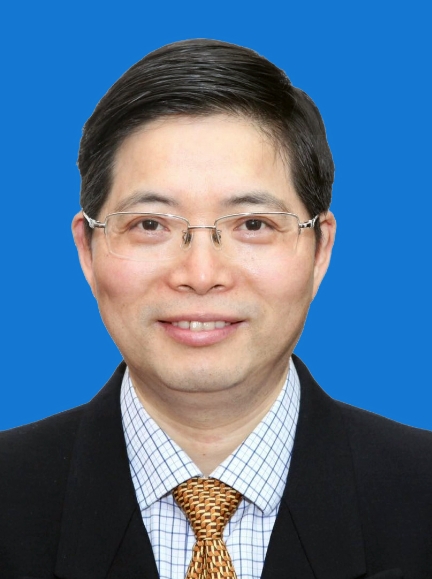 Lingen Chen (陈林根)合作论文数School of Mechanical & Electrical Engineering, Wuhan Institute of Technology;Institute of Thermal Science and Power Engineering, Wuhan Institute of Technology109
 Fengrui Sun合作论文数China University of Petroleum, Beijing75Huijun Feng合作论文数62Buer Sen合作论文数50
 Janet Rubin合作论文数VA Medical Center, Emory University48
 Maya Styner合作论文数46Yanlin Ge合作论文数35
 Uzer Gunes合作论文数Univ N Carolina32Cody McGrath合作论文数17Kun Xi合作论文数16Natasha Case合作论文数16Zhuoqun Lu合作论文数14Shaojun Xia合作论文数13
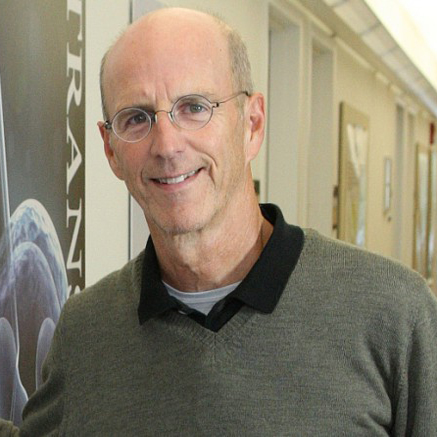 Clinton T. Rubin合作论文数Department of Biomedical Engineering, College of Engineering and Applied Sciences, Stony Brook University;College of Business, Stony Brook University;Brookhaven National Laboratory13
 Martin Andreas Styner合作论文数Department of Computer Science, College of Arts and Sciences, The University of North Carolina at Chapel Hill;Neuro Image Research and Analysis Laboratories, The University of North Carolina at Chapel Hill;Developmental Neuroimaging Laboratory, Carolina Institute for Developmental Disabilities, The University of North Carolina at Chapel Hill13
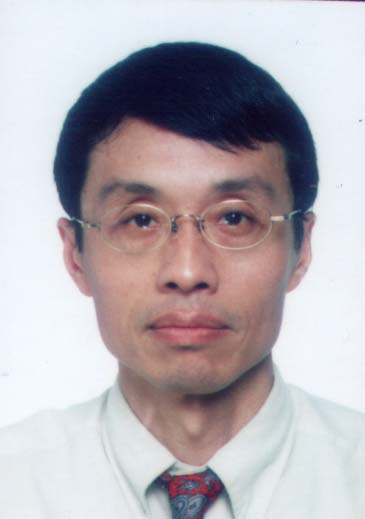 Naihe Jing (景乃禾)合作论文数Guangzhou Laboratory12
 Leland W Chung合作论文数Cedars-Sinai Cancer12GUAN Xiaonan (关潇男)合作论文数11FanKai Meng (孟凡凯)合作论文数11Aibo Yang合作论文数10
 Andre Van Wijnen合作论文数The Stein/Lian Laboratory, Department of Biochemistry, Larner College of Medicine, University of Vermont10Srinivas Sankaran Jeyantt合作论文数10William R. Thompson合作论文数School of Medicine, Indiana University10Yen Sherwin S合作论文数9NAN Gang (南刚)合作论文数8Zhenyi Shao合作论文数8Hua Xie合作论文数8Zhau Haiyen E合作论文数8
 Naiqing Zhao (赵耐青)合作论文数School of Public Health, Fudan University8
 Guoyou Qin (秦国友)合作论文数Department of Biostatistics, School of Public Health, Fudan University8Xiaopeng Zong合作论文数7
 Yuanyuan Xiao合作论文数7
 Dudakovic Amel合作论文数the Department of Orthopedic Surgery., From7
 Pagnotti Gabriel M合作论文数Department of Biomedical Engineering, State University of New York7
 Wen Chen (陈文)合作论文数School of Public Health, Fudan University7Linfang Jin合作论文数6
 Galior Kornelia合作论文数Department of Medicine, University of North Carolina6Wu Xin合作论文数6Zongqiong Sun (孙宗琼)合作论文数Affiliated Hospital of Jianonan Unnversity6Francois Guillemot合作论文数6
 Keith Burridge合作论文数Department of Cell Biology and Physiology, School of Medicine, University of North Carolina at Chapel Hill6Xiaoyong Qin合作论文数6J Rubin合作论文数5
 Pat Levitt合作论文数Center on the Developing Child, Harvard University;Keck School of Medicine, University of Southern California;Saban Research Institute, Children’s Hospital Los Angeles5
 Nengyin Sheng (盛能印)合作论文数University of Chinese Academy of Sciences;Kunming Institute of Zoology, Chinese Academy of Sciences5
 Sean Howard合作论文数Univ Svizzera Italiana, Inst Res Biomed, Via Vela 6, CH-6500 Bellinzona, Switzerland5
 Sarah E Little-Letsinger合作论文数Department of Medicine, University of North Carolina at Chapel Hill5Jian Zhang合作论文数5DaoGuang Lin (林道光)合作论文数5




