The protein-level functionalities of the human gut microbiota in large populations, and their associations with host factors, remain unexplored. This study reports a metaproteomic study of 1,967 fecal samples from 1,399 middle-aged and elderly Chinese individuals, identifying microbial functions linked to 44 phenotypes. We uncover aging-associated functional shifts in carbon metabolism and energy production driven by species within the Bacillota, Bacteroidota, Actinomycetota, and Pseudomonadota. Across metabolic diseases, we observe the consistent depletion of Bacillota species and their proteins involved in carbohydrate, energy, amino acid metabolism, and short-chain fatty acid production. We also identify medication-associated features across diabetes, hypertension, and dyslipidemia. Validated in an independent cohort, Megasphaera elsdenii emerged as a hub species in type 2 diabetes. Experimental validation indicates that M. elsdenii is promoted by antidiabetic drugs and may regulate glucose homeostasis through butyrate production. This study provides protein-level evidence of microbial functions in health and disease, highlighting potential therapeutic targets.
Disturbances in the gut microbiota (GM) contribute to the pathogenesis of various prevalent metabolic disorders. Short-chain fatty acids act as signaling molecules and donors for host post-translational modifications. Here, we report a novel type of lysine modification, phenylacetylation (Kpaa), derived from the phenylalanine-dependent phenylacetic acid (PAA) metabolic pathway of the GM. Hepatic Kpaa levels were significantly elevated in mice with high-fat-diet-induced obesity and were reduced by the deacetylase sirtuin 3 (SIRT3). Proteome-wide substrates were significantly associated with mitochondria. PAA disrupted mitochondrial function and impaired insulin signaling. Mechanistically, PAA-induced K481paa of HSP60 triggered the mitochondrial unfolded protein response, which could be reversed by SIRT3. Finally, relatively low levels of hepatic SIRT3 in adults with obesity and metabolic dysfunction-associated steatohepatitis (MASH) were negatively correlated with increased Kpaa levels. Together, our study uncovered a microbiota-derived lysine acylation modification underlying its biological relevance in the development of metabolic dysfunction-associated steatotic liver disease (MASLD)/MASH.
Objectives Most mammalian tissues have limited regenerative capacity. It has been speculated that the brain might regulate tissue regeneration, while this concept has yet to be experimentally addressed. Using cartilage, a tissue with limited regenerative capacity as an example, we investigated this hypothesis. Methods We employed magnetic resonance imaging, polysynaptic retrograde tracing, chemogenetic/optogenetic manipulations, and single-cell RNA sequencing to characterise a functional brain-cartilage neural circuit regulating cartilage regeneration in human and mouse models. Results We found that fractional anisotropy and amplitude of low-frequency fluctuations values of the paraventricular nucleus (PVN) are elevated, and correlate with Western Ontario and McMaster Universities Arthritis Index scores and synovial fluid norepinephrine (NE) concentrations in patients with osteoarthritis. We further demonstrate the existence of a functional trans-neuronal circuit to regulate cartilage regeneration, which originates from PVNCRH neurons to sympathetic nerves in the synovium of joint. Inhibition of the circuit is sufficient to strongly promote the production of stable mature articular cartilage instead of fibrocartilage. This process fosters the regeneration of articular cartilage by inhibiting the pathways mediated by NE/articular cartilage via the β2-adrenergic receptor (ADRB2) in Proteoglycan 4+ cells. Furthermore, treatment with an ADRB2 inverse agonist prevented cartilage degradation in human articular cartilage explants. Conclusions Our findings unveil a brain-cartilage circuit that regulates cartilage regeneration, providing valuable insights into the inherent limitations of tissue regeneration and suggesting a promising treatment strategy for enhancing cartilage regeneration.
Stereotactic body radiotherapy (SBRT) is effective for localized prostate cancer, yet many recurrences originate from the intraprostatic tumor mass (ITM). Prostate-specific membrane antigen positron emission tomography (PSMA-PET) and multiparametric magnetic resonance imaging (mpMRI) enable precise ITM localization and support focal dose escalation. This trial assesses whether PSMA-PET/mpMRI-guided boosting during SBRT improves biochemical control without excess toxicity. This is a single-center, prospective, randomized (1:1), controlled, open-label clinical trial conducted at Huashan Hospital, Fudan University. A total of 128 men with newly diagnosed localized prostate adenocarcinoma will be enrolled and randomized to receive either (1) standard SBRT (39 Gy in 6 fractions) or (2) PSMA-PET/mpMRI-guided focal dose-escalated SBRT (up to 48 Gy in 6 fractions). All participants will receive androgen deprivation therapy (ADT) according to National Comprehensive Cancer Network (NCCN) risk group and clinical practice. The primary endpoint is biochemical progression-free survival (PSA-PFS), defined by the Phoenix criteria. Secondary endpoints include local progression-free survival (LPFS), distant metastasis-free survival (DMFS), overall survival (OS), prostate cancer-specific survival (PCSS), toxicity (CTCAE v5.0), and patient-reported quality of life (EPIC-26 and SF-12). Survival outcomes will be analyzed using Kaplan-Meier estimates and compared via log-rank testing.Clinical trial registration:www.chictr.org.cnidentifier ChiCTR2500114310.
A detailed, spatially resolved quantitative map of the human proteome is essential for a deeper understanding of human biology and disease1-4. Here we present a comprehensive human proteomic landscape, generated by profiling more than 13,000 proteins across 2,856 samples using data-independent acquisition mass spectrometry. The dataset spans 58 major tissue types, 251 specific tissue subtypes and 25 distinct carcinomas. This resource enables the depiction of spatially resolved proteome trajectories across tissue types and physiological states, including fetal, tumour, adjacent non-tumour and healthy adult tissue, thereby providing insight into both developmental processes and oncogenic progression. Furthermore, quantitative proteomics comparisons across diverse tissue types and states facilitate the indication of organ-specific toxicity, the identification of repurposable anticancer drug candidates and the prioritization of therapeutic targets for cancers. This study establishes a quantitative resource for navigating the proteome in the human body and in common cancers.
PCa is one of the most common malignant tumors in male patients [...].
Intratumor bacteria (ITB) have emerged as key modulators in various malignancies; however, their role in clear-cell renal cell carcinoma (ccRCC) remains unclear and elusive. In this study, we analyzed seven independent cohorts (comprising one 16S rRNA sequencing and six bulk RNA sequencing data sets) encompassing 517 ccRCC and 65 paired adjacent normal tissues. Following a rigorous decontamination pipeline, we found that neither microbial diversity nor compositional profiles differed significantly between cancerous and adjacent normal tissues. Thirteen specific genera-including Streptococcus, Rothia, Cutibacterium, and Corynebacterium-exhibited significant prognostic associations. The microbial risk scores constructed from these genera demonstrated robust performance in prognostic risk stratification and were validated as an independent prognostic factor for both overall survival and progression-free survival, respectively. Host-microbe interaction analysis revealed correlations between these prognostic genera and oncogenic pathways, particularly those involved in immune regulation and metabolism. Notably, culturomics successfully isolated Cutibacterium acnes (C. acnes) from ccRCC tissues, and higher C. acnes' abundance was correlated with a favorable prognosis. Functional assays revealed that C. acnes inhibits tumor growth and suppresses macrophage M2 polarization. Mechanistically, C. acnes and its primary metabolite, propionic acid, attenuate macrophage M2 polarization by activating TNF signaling. Our findings underscore the protective role of C. acnes in the ccRCC microenvironment and highlight its potential as a target for precision immunotherapy. IMPORTANCE:To address previous methodological limitations, we applied rigorous decontamination to multi-omic datasets to isolate and experimentally validate intratumor bacteria colonization in ccRCC. Comparable profiles between tumorous and normal tissues suggest intratumor bacteria generally act as "passengers." We successfully constructed robust microbial risk scores predictive of patient survival. Mechanistically, in vitro and in vivo models demonstrated that Cutibacterium acnes and its metabolite, propionic acid, inhibit tumor growth and suppress M2 macrophage polarization via TNF signaling. These findings highlight the protective role of Cutibacterium acnes in the tumor microenvironment, revealing it as a promising target for precision immunotherapy.
Tyrosine phosphorylation (pTyr) plays critical roles in diverse physiological and pathological processes. Mass spectrometry (MS)-based strategies have been developed for mapping pTyr proteome. Nonetheless, ultradeep characterization of pTyr signaling is still hindered by inherently low abundance and highly dynamic range. Here, we designed a sensitive and cost-efficient workflow combining Src homology 2 (SH2) superbinder-based enrichment with data independent acquisition (DIA)-based MS analysis for tyrosine phosphoproteomics. By applying the hybrid DIA (hybDIA) search strategy, this approach identified over 7000 high-confidence pTyr sites, achieving the deepest coverage of the tyrosine phosphoproteome in a single measurement reported thus far. Moreover, this approach showed superior performance on detection sensitivity, data completeness, quantitative robustness, and accuracy. Applied to gefitinib resistance in non-small cell lung cancers (NSCLCs), multiple canonical resistance pathways, including phosphatidylinositol 3-kinase/protein kinase B (PI3K-AKT), epidermal growth factor (EGF) receptor-tyrosine kinase inhibitor (EGFR-TKI) resistance, and erythroblastic leukemia viral oncogene B (ERBB) pathways, were significantly enriched, confirming the reliability and applicability of our analytical workflow. In addition, glycolysis/gluconeogenesis and neurotrophin signaling pathways showed high potential to participate in gefitinib resistance. In light of these findings, drug combination experiments further demonstrated that inhibitors of acetyl-CoA carboxylase (ACC) or tropomyosin receptor kinase (TRK) significantly enhanced the therapeutic efficacy of gefitinib. Phosphorylation at nuclear envelope membrane protein 1 (NEMP1) Ser368, ribosomal protein S6 kinase b1 (RPS6KB1) Ser441/Thr444, and cortactin (CTTN) Tyr154 showed potentially important roles in gefitinib resistance. Functional rescue assay of NEMP1 Ser368 and RPS6KB1 Ser441/Thr444 further demonstrated that phosphorylation-defective mutant, compared to the phosphomimetic mutant, significantly enhanced the sensitivity of resistant cell to gefitinib. Collectively, this study provides a powerful tool for Tyr phosphoproteomics, facilitating mechanistic insights into the EGFR-TKI resistance in NSCLC.
Reliable prostate cancer decision support requires integrating evidence across MRI, ultrasound and whole slide imaging (WSI), while recognizing that these modalities differ in scale, acquisition context and label availability. We present a MedGemma-based multimodal framework for prostate cancer segmentation, Gleason grade group classification and survival prediction. The architecture uses modality-specific encoders, hierarchical MIL for WSI, modality availability masks, registered or semantically constrained gated cross-attention, and dedicated task heads. Because public resources do not provide one large fully matched MRI+US+WSI cohort, we report task-specific configurations and make every result table locally explicit about dataset, target, active modalities, comparison source, and model variant. Supervised training optimizes classification, segmentation, survival, and alignment losses, followed by a separate RL-DAPO stage that tunes a structured clinical rationale decoder while freezing visual encoders and task heads. The rationale reward combines final-answer correctness, factuality, grounding, cross-output consistency, and length regularization. Results from this study report confidence intervals for prespecified primary metrics; paired tests are limited to predefined same-case contrasts with available paired prediction vectors, including the matched MRI+US analysis. Published values are presented as contextual references rather than statistically tested comparative claims.
Bladder cancer remains a significant therapeutic challenge due to its marked heterogeneity and capacity for immune evasion. Here, we employ spatial metabolomics and spatial transcriptomics to systematically characterize and visualize the metabolic and transcriptional landscapes of bladder cancer. Our findings identify distinct metabolic and transcriptional profiles across different tumor regions, highlighting heterogeneity and immune-associated metabolic reprogramming in BLCA. Further investigation identifies zinc finger protein 36 (ZFP36) as a potential immunotherapeutic target. Utilizing Zfp36 whole-body knockout and T cell-specific Zfp36 conditional knockout mice, we validated that Zfp36 knockout decreases the activation threshold for T cells and increases T cell infiltration in tumors. Moreover, we found that elevated ZFP36 expression is dramatically linked to worse patient outcomes. Mechanistically, ZFP36 facilitates mRNA degradation of key immune regulators, including C1QBP, thereby inhibiting T cell activation and cytotoxicity. Notably, combining Zfp36 knockout with anti-PD-1 therapy produced synergistic antitumor effects, suggesting that ZFP36 inhibition could be a promising therapeutic strategy. This integrated multiomics approach collectively uncovers immune-metabolic regulatory pathways in BLCA and points to critical molecular targets for immunotherapy.
S4. Mitochondrial uncoupler NEN inhibits reductive carboxylation under hypoxia.
Resistance to endocrine therapy remains a major challenge in treating prostate cancer (PCa), highlighting the need for alternative therapeutic approaches. In this study, we investigated the potential of Ginsenoside Rh2 to counteract such resistance by influencing the SIRT1-dependent deacetylation pathway, thereby modulating the equilibrium between estrogen receptor α (ERα) and androgen receptor (AR). We proposed that Rh2 may suppress therapy-resistant PCa progression by adjusting ERα/AR transcriptional dynamics. Through network pharmacology analysis, key anti-PCa targets of Rh2 were identified, with Cytoscape enrichment indicating a pivotal role in AR signaling modulation. Functional validation was performed using 3D tumor organoids and human PCa cell lines (C4-2B and LNCaP) treated with Rh2 to assess cellular behaviors and receptor deacetylation status. Additionally, xenograft mouse models were employed to evaluate Rh2’s in vivo effects, based on tumor burden, serum PSA levels, and tissue histopathology. Rh2 treatment led to significant, dose- and time-dependent inhibition of PCa cell proliferation and metastatic traits, accompanied by restored ERα/AR balance through activation of SIRT1. In animal studies, Rh2 notably reduced tumor size, decreased PSA expression, and improved systemic health indicators. Collectively, our results suggest that Rh2 re-sensitizes PCa to endocrine therapy by targeting the SIRT1 pathway, positioning it as a promising phytochemical candidate for managing resistant PCa. This work provides mechanistic insights supporting Rh2’s potential for clinical translation.
S1. Mitochondrial uncoupler NEN increases cellular NAD+/NADH ratio and inhibits reductive carboxylation.
S7. Mitochondrial uncoupling inhibits reductive carboxylation in spheroid culture.
S2. Mitochondrial uncoupler NEN accelerates forward TCA cycle and inhibits reductive carboxylation.
Mitochondrial uncouplers have shown clinical potential across various diseases, including cancer. Niclosamide, an FDA-approved anthelmintic drug, acts as a mild mitochondrial uncoupler and has demonstrated anticancer activity in multiple preclinical cancer models. However, its clinical application remains limited, with some attributing this to poor bioavailability, while the underlying mechanisms are still unclear. Here, we demonstrate that niclosamide exhibits a dose-dependent biphasic effect, promoting uncoupling at low concentration while acting as a mitochondrial inhibitor at high concentration, which could restrict its therapeutic window and limit efficacy. To overcome this challenge, we aimed to develop next-generation mitochondrial uncouplers (MUs) by synthesizing and evaluating novel Niclosamide derivatives with enhanced therapeutic potential. Through structural modifications, we optimized uncoupling activity while reducing inhibitory toxicity, thereby expanding the pharmacological window. Our findings suggest that fine-tuning the molecular structure of mitochondrial uncouplers could provide a safer and more effective metabolic reprogramming strategy for cancer treatment. ### Competing Interest Statement The authors have declared no competing interest.
Regional counting of differential methylated probes in SK-N-BE(2) cells treated with NEN for 24hrs under nomoxia. Go enrichment pathways of the differential methylated probes of the CpG Island in the promoter (B) (C) and gene body (D) (E)
Proteomics research represents a critical area within modern biomedical science. Fixatives, as essential components in proteomic analysis, play a pivotal role in maintaining proteome stability and analytical accuracy, while also exerting a substantial influence on experimental outcomes. However, there remains a limited understanding of how various fixatives affect proteome stability. In this study, we conducted a systematic comparison of commonly used fixation agents—specifically formaldehyde, paraformaldehyde, methanol, and ethanol—to evaluate how they affect the stability of the cellular proteome. Our results show that different fixatives lead to notably different levels of proteome stability. Importantly, formaldehyde solution and paraformaldehyde produce cross-linking effects that can significantly reduce protein solubility and hinder the efficiency of enzymatic digestion. Additionally, we analyzed the proteomic profiles of both drug-treated and untreated samples under different fixation conditions to better understand how these conditions may affect the quality and interpretation of mass spectrometry data. These results provide a scientific basis for selecting the most appropriate fixative in proteomics research. Our study also contributes to improving the compatibility between fixatives and mass spectrometry technologies, offering dependable technical support for biological and biomedical research. Significance We conducted a systematic comparison of commonly used fixation agents—specifically formaldehyde, paraformaldehyde, methanol, and ethanol—to evaluate how they affect the stability of the cellular proteome. These results provide a scientific basis for selecting the most appropriate fixative in proteomics research. Our study also contributes to improving the compatibility between fixatives and mass spectrometry technologies, offering dependable technical support for biological and biomedical research.
 Qiang Ding (丁强)合作论文数Huashan Hospital, Fudan University150
 Zhong Wu (吴忠)合作论文数46
 Jiangbin Ye合作论文数Division of Radiation and Cancer Biology, Department of Radiation Oncology, School of Medicine, Stanford University42
 Yuanfang Zhang (张元芳)合作论文数Am-Sino Healthcare;Shanghai Medical College, Fudan University41Chenchen Feng合作论文数40
 Rong Na (那溶)合作论文数Ruijin Hospital, School of Medicine, Shanghai Jiaotong University31
 Mengbo Hu合作论文数Huashan Hospital, Fudan University31Hu Jimeng合作论文数29
 Limin Zhang合作论文数28Xinan Chen合作论文数27
 Yishuo Wu合作论文数27He Bo合作论文数27Yang Li合作论文数27
 Chen Yang合作论文数Shanghai Institute for Biological Sciences Chinese Academy of Sciences, Chinese Academy of Sciences26
 Jianfeng Xu合作论文数NorthShore University HealthSystem;University of Chicago Pritzker School of Medicine26
 Jia Li (李佳)合作论文数State Key Laboratory of Drug Research, National Center for Drug Screening, Shanghai Institute of Materia Medica, Chinese Academy of Sciences;University of Chinese Academy of Sciences25
 Fangdie Ye合作论文数24Yuxi Ou合作论文数24Zou Lujia合作论文数24Albert M Li合作论文数23Chenyang Xu合作论文数23
 Shanhua Mao (茅善华)合作论文数21Ding Guanxiong合作论文数21
 Jingya Li (李静雅)合作论文数Shanghai Institute of Materia Medica, Chinese Academy of Sciences;University of Chinese Academy of Sciences20
 Shenghua Liu合作论文数20Zezhong Mou合作论文数19
 Siqi Wu合作论文数19
 Hua Xu (徐华)合作论文数Department of Urology, Tongji Hospital, Tongji Medical College, Huazhong University of Science and Technology19Xiyu Dai合作论文数17Zheyu Zhang合作论文数17Xiaoling Lin合作论文数17Yang Tian合作论文数17Fang Liu合作论文数16
 Jian Gong (龚健)合作论文数Xiangya Hosp 2, Cent South Univ16
 Yufei Liu合作论文数Fudan Inst Urol, Fudan Univ16
 Zhou Mengning合作论文数16Zujun Fang (方祖军)合作论文数16Yun Hu合作论文数15Lv Huang (黄虑)合作论文数15
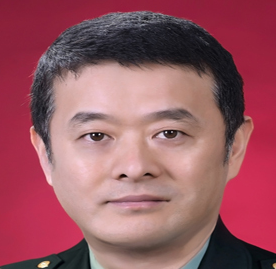 Yinghao Sun (孙颖浩)合作论文数Naval Medical University15S. Lilly Zheng合作论文数School of Medicine, Wake Forest University15Clifford He合作论文数14Zhu Wenhui合作论文数14Xiaobo Wu合作论文数14Jielin Sun合作论文数13
 Ming Guan (关明)合作论文数复旦大学附属华山医院13
 Hiroyuki Shimada合作论文数Department of Pathology, School of Medicine, Stanford University13Yi-Ling Chen合作论文数13
 Bill Chiu合作论文数Children's Memorial Hospital, Northwestern University Feinberg School of Medicine13




