X-ray photoelectron spectroscopy, micro-Raman spectroscopy, Fourier transform infrared spectros-copy, X-ray powder diffraction, thermal analysis, and scanning electron microscopy were used to study the nature of color grain-size effect (CGSE) in samples of lazurite-type minerals (LTM) from deposits near Lake Baikal (Russia). A neotype of the mineral with the ratio of cage anions SO42- and S-3(-), close to unity, found at the Malo-Bystrinskoye deposit, was used as a standard sample. Experiments in air at 800 degrees C for 8 h with particles of <0.04 and 0.1-0.2 mm size showed that the former partially or completely decolorize, and the latter darken in the bulk and acquire a violet hue. The effect is practically independent of the structure features of the starting material (incommensurately modulated cubic, orthorhombic, monoclinic), although the non-cubic varieties easily lose S-3(-) chromophore in small par-ticles. In the sample initially containing the molecular center S-4, neither S-4 nor S-3(-) retains in small grains. Raman spectra do not reveal any bands that allow for identifying the nature of the species responsible for the preservation and deepening of the color tone of the "large" grains. FTIR data do not exclude the presence of thiosulfate, but mainly record the tetrahedral framework vibrations, S-O stretching and bending modes, and the presence of H2O, CO2, and CO32- in the structures of the initial samples. TA and SEM data reveal significant development of calcite microinclusions in LTM samples. We propose a model according to which in relatively large grains calcite microinclusions and subgrain boundary segregations play the role of an internal buffer that maintains the equilibrium coexistence of oxidized (SO42- , SO32- , S2O32- ) and reduced (S-3(-) ) sulfur. As a result, the blue coloration due to the S-3(-) chromophore is retained and even becomes more saturated, acquiring a violet hue due to the admixture of the S2O3- radical ion or a change in the configuration of the trisulfide radical. In small grains, microinclusions and grain-boundary calcite precipitates are mostly exposed to the surface or isolated, resulting in loss of buffering properties, S-3(-) instability with respect to air oxygen, and discoloration of the grains. In lazurite pigment with properly selected grain size, the stability of the chromophore is provided by the internal buffer, which can eliminate the discoloration of paints used for architectural and graphic art projects. With the optimal particle size, lapis lazuli pigment in paints is a stable phase and will not discolor over time in air.
In this work, we report the synthesis of novel nontoxic CuO-containing nanocomposites with a polysaccharide matrix. Biocompatible CuO-containing nanoparticles are obtained under mild conditions by an environmentally friendly condensation method. The use of an arabinogalactan matrix to regulate the size of the nanoparticles and impart hydrophilicity to them is justified. The formation of copper oxides in the presence of a polysaccharide, as a stabilizing matrix, leads to the formation of monodisperse copper oxide nanoparticles with a controlled narrow size distribution (5–11 nm), due to effective stabilization by the functional groups of the polysaccharide. The copper-containing nanocomposites are characterized using X-ray diffraction analysis. Infrared spectroscopy is used to study the coordination between CuO and arabinogalactan nanoparticles. Transmission electron microscopy and ultraviolet UV–Vis spectrometry are used to analyze the size and optical properties of the nanoparticles. The surface morphology and elemental composition are studied using XRDMA. The new hydrophilic nanocomposites in an arabinogalactan matrix are nontoxic materials with respect to natural microbial communities of wood-decay fungi.
A multimethodic approach based on infrared, Raman, electron spin resonance and photoluminescence spectroscopy, absorption spectroscopy in near infrared, visible and ultraviolet regions, single-crystal X-ray diffraction as well as electron microprobe analyses was applied to the characterization of a new commensurately modulated cubic haüyne analogue with the modulation parameter of 0.2 and unit-cell parameter of 45.3629(3) Å (designated as haüyne-45Å) from the Malobystrinskoe lazurite deposit, in the Baikal Lake area, Siberia, Russia, as well as associated SO32−-bearing afghanite. Haüyne-45Å is the second member, after vladimirivanovite, of the sodalite group with a commensurately modulated structure. The average structure is based on the tetrahedral aluminosilicate sodalite-type framework with sodalite cages of different sizes. The simplified formula of haüyne-45Å is Na6Ca2−x(Si6Al6O24)(SO42−,HS−,S2●−,S4,S3●−,S52−)2−y. The structural modulations of the haüyne-45Å framework are presumably related to the regular alternation of SO42− anions with polysulfide S2●−, S3●−, S4, and S52− groups detected by the spectroscopic methods. Mechanisms of thermal conversions of S-bearing groups in haüyne-45Å under oxidizing and reducing conditions at temperatures up to 800 °C are studied, and their geochemical importance is discussed.
The results of the synthesis and chemiluminescence diagnostics of the radical-binding activity of water-soluble arabinogalactan-stabilized sulfur nanoparticles is presented. Thus, using the stabilizing ability of the natural polysaccharide arabinogalactan, composites containing 0.3–4.6
New data on the crystal structure, chemical composition, and nature of extra-framework components of the orthorhombic sodalite-group mineral vladimirivanovite were obtained using chemical and single-crystal X-ray diffraction data as well as infrared and Raman spectroscopy. The crystal structure of vladimirivanovite is based on the sodalite-type aluminosilicate framework with ordered Al and Si atoms. Sodalite-like cages are mainly occupied by Na+ and Ca2+ cations and (SO4)2− anions. It was shown that vladimirivanovite is characterized by significant variations in the content of extra-framework polysulfide groups (S3•−, S4), as well as other neutral molecules (H2O and CO2), the presence of which in the structure is the main cause of structural modulations and the orientation disordering of sulfate anions. Three samples with different S3•−:S4 ratios were studied. All of them are orthorhombic (space group Pnaa) with the unit-cell parameters a ≈ 9.1, b ≈ 12.9, and c ≈ 38.6 Å; Z = 6. The general crystal-chemical formula of vladimirivanovite is (Na+6.0–6.4Ca2+1.5–1.7)(Al6Si6O24)(SO42−,S3•−,S4)1.7–1.9(CO2)0–0.1·nH2O (n = 1–3), where the S4 molecule occurs in different conformation states.
New data on the crystal structure and isomorphism of extra-framework components in the cancrinite-group mineral tounkite have been obtained using chemical and single-crystal X-ray diffraction data, as well as infrared, Raman, ESR, UV–Vis–near-IR absorption and photoluminescence spectroscopy methods. The crystal structure of tounkite is based on the aluminosilicate framework formed by the САСАСВСВСАСВ stacking sequence with ordered Si and Al atoms The framework hosts Losod and liottite cages as well as columns of cancrinite cages. It is shown that tounkite is characterized by wide variations of the chemical composition. Its simplified crystal–chemical formula is (Na+3.89–5.18K+0.15–1.64Ca2+2.30–2.58(Al6Si6O24)(SO42−,S52−,S4) 2−x (Cl−, HS−)1+y·nH2O (x, y, n < 1). The S2⦁− and S3⦁− radical anions may occur in some tounkite samples in minor amounts. These crystal–chemical features indicate that tounkite crystallizes under highly reducing conditions. All studied tounkite samples were polysynthetic twins. A large 10-layed cage formed at the border between twin components, connected by a rotation of 180° around the [001] axis, which may host the large S52− anion.
The work presents the results of the synthesis and characterization of arabinogalactan-stabilized Ag0NPs nanoparticles, and also the assessment of their radical-binding ability by the luminol-activated chemiluminescence method using the radical-generating horseradish peroxidase–H2O2 system. The obtained water-soluble nanocomposites containing 0.5–5.0
The status of lazurite as a valid mineral species has been confirmed. The neotype specimen from the Malaya Bystraya gem lazurite deposit, Baikal Lake area has been studied using electron microprobe, wet chemical analysis, ESR, IR, Raman, X-ray photoelectron spectroscopy, UV-Vis-near IR absorption and luminescence spectroscopy, and powder X-ray diffraction. The empirical formula of the neotype sample is (Na 6.97 Ca 0.88 K 0.10 ) 7.96 [Si 6.04 Al 5.96 ] 12 O 24 (SO 4 ) 1.09 ( S_3^∙ - ) 0.55 S_0.05^2 - Cl 0.04 ⋅0.72H 2 O, where S_3^∙ - is trisulfide radical anion, which is a blue chromophore. The idealized formula Na 7 Ca(Al 6 Si 6 O 24 )(SO 4 ) S_3^∙ - ⋅H 2 O has been approved by the IMA Commission on New Minerals, Nomenclature and Classification, proposal #20-H. The crystal structure of lazurite is characterized by commensurate and incommensurate modulations; the a parameter of the cubic sub-cell is 9.087(3) Å. The neotype sample is slightly birefringent, with α' = 1.523(2) and γ' = 1.525(2).
AbstractBystrite is redefined as a four-layer cancrinite-group mineral with the four-layer Losod-type framework and the end-member formula Na7Ca(Al6Si6O24)S52–Cl–. The mineral is known only at the Malo–Bystrinskoe gem lazurite deposit, Baikal Lake area, Siberia, Russia. The associated minerals are calcite, lazurite, sodalite, fluorapatite, phlogopite, diopside, dolomite and plagioclase. Bystrite is brittle, with the Mohs hardness of 5 and distinct cleavage on {10$\bar{1}$0}. The yellow colour of bystrite is due to the presence of S52– anions occurring in Losod (LOS) cages of the aluminosilicate framework with the ABAC stacking sequence. Measured and calculated density is, respectively, 2.43(1) and 2.412 g cm–3 for the holotype and 2.42(1) and 2.428 g cm–3 for the cotype sample. Bystrite is uniaxial (+), ɛ = 1.660(2) and ω = 1.584(2). The mineral was characterised by infrared and Raman spectra. The empirical formulae of the holotype and cotype samples are Na6.97K0.04Ca0.98(Si6.03Al5.97O24)(S52–)0.93[(SO42–)0.15Cl0.83] and Na6.75K0.04Ca1.11(Si6.09Al5.91O24)(S52–)1.04[(HS–)0.17Cl0.85], respectively. Bystrite is trigonal, space group P31c. The unit-cell parameters are: a = 12.8527(6) Å, c = 10.6907(5) Å, V = 1529.4(1) Å3 and Z = 2. The strongest lines of the powder X-ray diffraction pattern [d, Å (I, %) (hkl)] are: 4.821 (32) (102), 3.915 (38) (211), 3.712 (100) (300), 3.307 (50) (212), 2.782 (18) (400), 2.692 (22) (401), 2.673 (30) (004) and 2.468 (23) (402). Isomorphism and genesis of bystrite-type minerals is discussed. Bystrite and its K,HS-analogue sulfhydrylbystrite, Na5K2Ca(Al6Si6O24)S52–(HS)–, are indicators of highly reducing conditions.
Crystal-chemical features of a sulfide-bearing variety of the cancrinite-group mineral balliranoite from the Tuluyskoe lapis lazuli deposit, Baikal Lake area, Siberia, Russia, have been investigated using a multimethodic approach based on infrared (IR), Raman, and electron spin resonance (ESR), as well as ultraviolet, visible and near infrared (UV–Vis–near IR) absorption spectroscopy methods, luminescence spectroscopy, electron microprobe analysis, selective sorption of CO2 and H2O from annealing products, and single-crystal X-ray structure analysis. Holotype balliranoite and its sulfate analogue, davyne, were studied for comparison. The crystal-chemical formula of the studied sample from Tultuyskoe is Na5.4K0.1Ca2.4(Si6Al6O24)Cl2[(CO3)0.7(SO4)0.18S*0.95Cl0.1(H2O)0.16], where the content of the wide zeolite channel is given in square brackets; S* is total sulfide sulfur occurring as disordered S2●−, cis- and trans-S4, S52−, minor S3●−, and HS− groups. The presence of S52− and HS− groups, the absence of CO2 molecules, and the association with pyrrhotite and Fe-free pargasite indicate that the studied sample crystallized under highly reducing, low-temperature conditions, unlike holotype balliranoite whose formation was related to the Somma-Vesuvius volcanic complex, Italy. Irradiation of balliranoite from Tultuyskoe with X-rays results in the transformations of polysulfide groups other than S3●− into S3●− in accordance with the scheme: S52− → S2●− + S3●−; 3S2●− → 2S3●− + e−; S4 + S2●− + e− → 2S3●−; S4 + S2●− + e− → 2S3●−; S4 + S52− + e− → 3S3●− (e− = electron).
The new sodalite-group mineral species slyudyankaite, ideally Na28Ca4(Si24Al24O96)(SO4)(6)(S-6)(1/3)(CO2)2H(2)O, was discovered in altered lazurite-bearing metasomatic rock at the MaloBystrinskoe gem lazurite deposit, Baikal Lake area, eastern Siberia, Russia. The associated minerals are diopside, calcite, fluorapatite, phlogopite, lazurite, and pyrite. Slyudyankaite forms green to pale blue isolated anhedral equant grains up to 0.5 cm across and their aggregates. The streak is white and the luster is vitreous. Slyudyankaite is brittle, with a Mohs hardness of 5 1/2. Cleavage and parting are not observed. Density measured by flotation in heavy liquids is equal to 2.46(2) gcm(-3). Density, calculated using the empirical formula and unit-cell volume refined from single-crystal XRD data, is 2.454 gcm(-3). Slyudyankaite was characterized using the IR, Raman, ESR, near infrared (NIR), visible (Vis), and ultraviolet (UV) absorption, XPS and photoluminescence spectroscopy methods. The chemical composition is (wt%, electron microprobe, H2O and CO2 determined by selective sorption of ignition products, CO2 confirmed by quantitative IR spectroscopic method, sulfate sulfur determined by wet chemical analysis): Na2O 19.28, K2O 0.12, CaO 5.13, Al2O3 27.01, SiO2 33.25, SO3 10.94, S 1.75, Cl 0.10, CO(2)1.42, H2O 0.90, -O equivalent to(Cl,HS) -0.03, total 99.87. The empirical formula is Na27.57Ca4.05 K-0.11(Si24.52Al23.48O96)(SO4)(6.06)(S2.42Cl0.12)-Cl-0(CO2)(1.43)2.21H(2)O where S-2.42(0) is the total sulfide sulfur, mainly occurring as neutral S-6 and subordinate S-4 molecules, according to the structural data. XPS spectroscopy confirms the presence of sulfide sulfur in neutral form. The crystal structure was determined using single-crystal X-ray diffraction data and refined to R = 0.0428. Slyudyankaite is triclinic, space group P1, a = 9.0523(4) angstrom, b = 12.8806(6) angstrom, c = 25.681(1) angstrom, alpha = 89.988(2)degrees, beta = 90.052(1)degrees, gamma = 90.221(1)degrees, V = 2994.4(2) angstrom 3, Z = 1. Slyudyankaite contains two kinds of sodalite cages occurring in the structure in a ratio of 3:1. Cages of the first kind are completely occupied by SO42- anions and extra-framework cations, whereas cages of the second type contain only neutral molecules (S-6, CO2, H2O, and minor S-4). The strongest lines of the powder X-ray diffraction pattern [d, angstrom (I, %) (hkl)] are: 6.45 (11) (004, 112, 020), 3.716 (100) (204, 220, 116, 132), 2.878 (12) (136, 028, 044), 2.625 (23) (208, 240), 2.431 (6) (209), 2.275 (6) (048), 2.143 (12) (0.0.12, 336), 1.784 (7) (444, 1.1.14, 356, 172).
Lazurite and other lazurite-related minerals (LRMs) containing sulfur in both sulfate and sulfide forms are sodalite-type compounds with various extraframework species, of which the tendency to order leads to structural modulations with a period that is either commensurate or incommensurate with the period of the basic lattice. In this work, the structures of incommensurately modulated monoclinic LRMs are re-examined based on the superstructure of slyudyankaite, formerly known as triclinic lazurite. Similarities and differences between three one-dimensionally modulated LRMs and cubic LRM structures modulated in several directions are discussed. Assumptions are made on how the symmetry of the structure and the composition of the crystal can affect the period of structural modulation.
Isomorphic substitutions of extra-framework components in sodalite-group aluminosilicate minerals and their thermal conversions have been investigated using infrared, Raman, electron spin resonance (ESR), as well as ultraviolet, visible and near infrared (UV–Vis–near IR) absorption spectroscopy methods and involving chemical and X-ray diffraction data. Sodalite-related minerals from gem lazurite deposits (haüyne, lazurite, and slyudyankaite) are characterized by wide variations in S-bearing extra-framework components including SO42− and various polysulfide groups (S2●−, S3●−, S4●− radical anions, and S4 and S6 neutral molecules) as well as the presence of CO2 molecules. Heating at 700 °C under reducing conditions results in the transformation of initial S-bearing groups SO42− and S3●− to a mixture of S2−, HS−, S2●−, and S4●− and transformation of CO2 to a mixture of CO32− and C2O42− or HC2O4− anionic groups. Further heating at 800 °C in air results in the decomposition of carbonate and oxalate groups, restoration of the SO42− and S3●− groups, and a sharp transformation of the framework. The HS− anion is stable only under reducing conditions, whereas the S3●− radical anion is the most stable polysulfide group. The HS−-dominant sodalite-group mineral sapozhnikovite forms a wide solid-solution series with sodalite. The conditions required for the formation of HS−- and CO20-bearing sodalite-group minerals are discussed.
Bismuth ferrite nanobiocomposites obtained using a natural polysaccharide were studied. The morphology of new self-organizing nanobiocomposites, which were dispersed in water, was studied, and the sizes of bismuth ferrite nanoparticles were determined and found to vary in the range of 10–45 nm. The temperature dependence of magnetization of the bismuth ferrite-based nanocomposite with spatially separated particles and the dependencies of magnetization on the external magnetic field at temperatures 5 and 320 K were determined.
The status of lazurite as a valid mineral species has been confirmed. The neotype specimen from the Malaya Bystraya gem lazurite deposit, Baikal Lake area has been studied using electron microprobe, wet chemical analysis, ESR, IR, Raman, X-ray photoelectron spectroscopy, UV-Vis-near IR absorption and luminescence spectroscopy, and powder X-ray diffraction. The empirical formula of the neotype sample is (Na6.97Ca0.88K0.10)(7.96)[Si6.04Al5.96](12)O-24(SO4)(1.09)(S-3(center dot-))(0.55)S0.05-2Cl0.04 center dot 0.72H(2)O, where S-3(center dot-) is trisulfide radical anion, which is a blue chromophore. The idealized formula Na7Ca(Al6Si6O24)(SO4)S-3(center dot-)center dot H2O has been approved by the IMA Commission on New Minerals, Nomenclature and Classification, proposal #20-H. The crystal structure of lazurite is characterized by commensurate and incommensurate modulations; the a parameter of the cubic sub-cell is 9.087(3) angstrom. The neotype sample is slightly birefringent, with alpha' = 1.523(2) and gamma' = 1.525(2). \
The isomorphism of S-bearing feldspathoids belonging to the cancrinite, sodalite, tugtupite, vladimirivanovite, bystrite, marinellite and scapolite structure types has been investigated using a multimethodical approach based on infrared, Raman and electron spin resonance (ESR), as well as ultraviolet, visible and near infrared (UV–Vis–near IR) absorption spectroscopy methods and involving chemical and X-ray diffraction data. Sapozhnikovite Na8(Al6Si6O24)(HS)2 and sulfite and thiosulfate analogues of cancrinite are synthesized hydrothermally and characterized by means of electron microprobe analyses, powder X-ray diffraction and Raman spectroscopy. The possibility of the incorporation of significant amounts of SO42−, S4 and SO32− in the crystal structures of cancrisilite, sulfhydrylbystrite and marinellite, respectively, has been established for the first time. Thermal conversions of S-bearing groups in the synthetic sulfite cancrinite and sapozhnikovite analogues as well as natural vladinirivanovite and S4-bearing haüyne under oxidizing and reducing conditions have been studied using the multimethodical approach. The SO42− and S2− anions and the S3•– radical anion are the most stable S-bearing species under high-temperature conditions (in the range of 700–800 °C); their ratio in the heated samples is determined by the redox conditions and charge-balance requirement. The HS− and S52− anions are stable only under highly reducing conditions.
Abstract Dark blue lazurite from the Malo-Bystrinskoe lazurite deposit, Baikal Lake area, Eastern Siberian region, Russia, was analyzed by electron microprobe and revealed an unusually high content of total sulfur corresponding to 8.3 wt% S. The relative content of sulfur in sulfate and sulfur in sulfide form was determined by wet chemical analysis. The H2O content was measured by means of differential thermal analysis in combination with mass spectrometry and infrared (IR) spectroscopy. The charge-balanced empirical formula of lazurite calculated on the basis of 12 (Al+Si) atoms per formula unit was N a 6.97 C a 0.88 K 0.10 Σ 7.96 A l 5.96 S i 6.04 Σ 12 O 24 S O 4 1.09 2 − S 3 − 0.55 S 0.05 2 − C l 0.04 ⋅ 0.72 H 2 O . $\left(\mathrm{Na}_{6.97} \mathrm{Ca}_{0.88} \mathrm{~K}_{0.10}\right)_{\Sigma 7.96}\left[\left(\mathrm{Al}_{5.96} \mathrm{Si}_{6.04}\right)_{\Sigma 12} \mathrm{O}_{24}\right]\left(\mathrm{SO}_{4}\right)_{1.09}^{2-}\left(\mathrm{S}_{3}^{-}\right)_{0.55} \mathrm{~S}_{0.05}^{2-} \mathrm{Cl}_{0.04} \cdot 0.72 \mathrm{H}_{2} \mathrm{O}.$The presence of H2O molecules and (S3)– and (SO4)2– groups was confirmed by the combination of IR, Raman, electron paramagnetic resonance (EPR), and X‑ray photoelectron spectroscopy (XPS) methods. The idealized formula of lazurite is Na7Ca[Al6Si6O24](SO4)2–(S3)–·H2O, and it is believed that extra-framework cations and anions are grouped into clusters of [Na3Ca·SO4]3+ and [Na4(S3)–]3+. The types of isomorphous substitutions in nosean and haüyne are discussed. Lazurite is a clathrate-type mineral, which may be an effective (S3)– sensor due to the stability of the trisulfur radical anion in isolated cages of the crystal structure. This specific feature makes it possible to study the behavior of this ubiquitous radical anion over larger T and P ranges as compared to free species. This kind of lazurite, with oxidized and reduced sulfur species, seems to be appropriate for the estimation of the fugacity of SO2 and O2 in metasomatic systems forming lazurite-containing rocks. The systematic presence of incommensurate modulations is a unique structural feature of Baikal lazurite and may be an important marker indicating provenance of the mineral.
Over the past decades, researchers have increasingly turned to natural compounds and preparations created on their basis. Biologically active terpenoids, in particular, natural sesquiterpene lactones, are of great interest. One of the rich sources of these compounds is a plant of the genus Artemisia, whose representative is wormwood Artemisia glabella Kar et Kir., Growing on the territory of Central Kazakhstan. In the study of the chemical composition of wormwood, a new biologically active compound, sesquiterpenic lactone arglabin, with antitumor and radiosensitizing properties has been isolated. The antitumor drug "Arglabin" is used in oncological clinics of the Republic of Kazakhstan, the Russian Federation, Uzbekistan, the Republic of Georgia, Belarus, Kyrgyzstan and Tajikistan in the complex therapy of tumors of the breast, lung, liver, etc. The purpose of this work is to study the physicochemical properties of mechanically treated arglabin and its mixture with a larch water–soluble polysaccharide arabinogalactan, obtained by mechanochemical means. According to IR, UV and NMR 13С spectroscopy, long–term mechanochemical treatment does not lead to a change in the chemical composition of arglabin molecules. All the spectra obtained are identical to the spectra of the initial (not mechanically treated) arglabin. Using X–ray analysis, it was shown that in the mechanocomposites of arglabin with arabinogalactan there is no disordering of the crystal structure of arglabin and its molecular dispersion in the polysaccharide matrix does not occur.
Water-soluble nanocomposites consisting of arabinogalactan (AG)-stabilized Bi2Te3 nanoparticles with an average size of 32–44 nm were synthesized for the first time on the basis of the natural polysaccharide arabinogalactan and telluride ions generated from elemental tellurium in the system N2H4·H2O–KOH. The phase composition, morphology, and average size of Bi2Te3 nanoparticles were found to be determined by the conditions of their synthesis. Increase of the ratio AG/Bi3+/Te2– is accompanied by reduction of the degree of sphericity and increase of the average size of Bi2Te3 nanoparticles, as well as by the transition of the AG/Bi2Te3 nanocomposite from amorphous to amorphous–crystalline state.
 Boris Gennadievich Sukhov合作论文数26
 Boris A. Trofimov合作论文数A.E. Favorsky Institute of Chemistry, Siberian Branch of the Russian Academy of Sciences21
 G. P. Aleksandrova合作论文数19
 Vladimir Tauson合作论文数18
 Nikita V. Chukanov合作论文数Institute of Problems of Chemical Physics, Russian Academy of Sciences15
 Roman Shendrik合作论文数15Marina F. Vigasina合作论文数14Marina V. Lesnichaya合作论文数11
 Ramiza K. Rastsvetaeva合作论文数11
 Nadezhda Bolotina合作论文数Institute of Crystallography, Russian Academy of Sciences11L. P. Feoktistova合作论文数9L. F. Suvorova合作论文数9
 Ekaterina Kaneva合作论文数X-ray Analysis Laboratory, Vinogradov Institute of Geochemistry SB RAS9
 Sergey Lipko合作论文数8A. A. Kashaev合作论文数8
 N. V. Zubkova合作论文数Faculty of Geology, Lomonosov Moscow State University7Anna V. Zhmurova合作论文数6
 Svetlana Medvedeva合作论文数6
 Igor Pekov合作论文数Department of Mineralogy, Faculty of Geology, Lomonosov Moscow State University;Fersman Mineralogical Museum6
 Gania Dolmaa合作论文数6L. A. Grishchenko合作论文数6d regdel合作论文数5
 D. A. Varlamov合作论文数Institute of Chemical Physics Problems, Russian Academy of Sciences5E. E. Lustenberg合作论文数5T. V. Ganenko合作论文数4м в лесничая合作论文数4
 Klimenkov I.V合作论文数4Dmitry A. Ksenofontov合作论文数4
 Larissa A. Ivanova合作论文数Russian Academy of Sciences Botanical Garden4
 Pushcharovsky Dmitry合作论文数Faculty of Geology, Lomonosov Moscow State University4v g evsyunin合作论文数3Nomintsetseg B合作论文数3Р.Ю. Шендрик合作论文数3A. A. Levchuk合作论文数3Т. В. Фадеева合作论文数3
 Aleksey S. Paklin合作论文数3Aa Kashaev合作论文数3N. A. Neverova合作论文数3
 Gervais Chapuis合作论文数Institute of Crystallography, University of Lausanne3
 Spartak Khutsishvili合作论文数Favorskii Irkutsk Institute of Chemistry, Russian Academy of Sciences3Dmitriy I. Belakovskiy合作论文数Fersman Mineralogical Museum, Russian Academy of Sciences3
 Valery Vasil'evich Akimov合作论文数3V. I. Levitskii合作论文数3A. I. Nepomnyashchikh合作论文数3
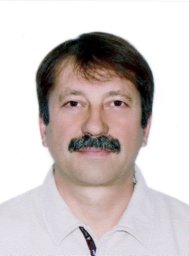 Igor S. Peretyazhko合作论文数Vinogradov Institute of Geochemistry, Russian Academy of Sciences3
 V. A. Babkin合作论文数Favorskii Institute of Chemistry, Russian Academy of Sciences3
 A. Shalaev合作论文数Vinogradov Institute of Geochemistry;Academy of Sciences;Siberian Branch;Vinogradov Institute of Geochemistry, Academy of Sciences3E. N. Medvedeva合作论文数2M. V. Zvereva合作论文数2




