The Magnus effect is a classical fluid dynamic phenomenon associated with rotating bodies immersed in uniform flow. In this study, we numerically investigate the flow past a rotating core-shell cylinder based on the volume-averaged macroscopic equations that are solved by the multiple-relaxation-time lattice Boltzmann method. The effects of the velocity ratio (0 <= VR <= 6), Darcy number (10(-6) <= Da <= 10(-2)), and dimensionless thickness (0 <= L/D <= 1) of the porous layer are investigated on the hydrodynamic force as well as the flow characteristic and pressure coefficient for the rotating core-shell cylinder at a Reynolds number of Re = 40. The results show that the permeation flow through the porous shell induces a confined vortex structure within the porous layer at high Darcy number, while increasing the porous layer thickness suppresses the wake vortex shedding to form an enveloping wake. It is found that the Magnus lift decreases nonlinearly with the porous layer thickness and more rapidly at high Darcy number and velocity ratio. For a thicker porous layer, the Magnus lift decreases with Da more sharply while increases with VR more gradually. The decrease in the drag force with VR at Da = 10(-2) depends significantly on L/D. Based on the computed results of lift-to-drag angle, it is found that the porous layer with high permeability can strongly modulate the lift increment at low VR. Two fitting formulas are further developed for rotating core-shell circular cylinders to predict the lift coefficient as a function of L/D and VR at Da = 10(-2).
Centralized management is critical for the efficient and safe operation of an integrated energy system. In practice, fragmented management solutions focus on a single aspect of operations, such as load forecasting or fault detection, while overlooking the collaborative management of the entire integrated energy system under real-world operating conditions. To address it, a multi-agent centralized management method based on load prediction, fault incipient warning, and fault recovery decision is proposed for an industrial heat-electrical integrated energy system (IHE-IES), in which two types of agents are designed in this framework: one is a lightweight task-specific (LTS-based) discriminative agent, the other is a large language model-based (LLM-based) generative agent. Specifically, an LTS-based discriminative agent handles real-time specific load prediction and incipient fault warning tasks that require high efficiency and low latency but involve relatively regular patterns well within the capacity of compact models. In contrast, fault recovery decision-making demands reasoning over specialized domain expert knowledge across different industrial subsystems in IHE-IES and the generation of structured, professional fault logs. Based on the LTS-based discriminative agent’s prediction and detection results, an LLM-based generative agent, embedded with an IHE-IES fault knowledge graph retrieval-augmented generation (RAG) approach, is developed to provide professional, structured, and context-aware fault recovery decisions. Comparative experiments demonstrate that the proposed management method achieves superior performance. For load prediction, the accuracy improves by 5.08% compared to state-of-the-art methods. For the incipient fault warning, the fault detection rate increases by at least 5.90%. For fault recovery decision-making, the proposed agent demonstrates better fault recovery generation capability than LLMs with equivalent parameter counts. As one of the first few studies to cooperate multiple agents in IHE-IES operation management, it provides a novel, effective centralized operation management scheme for IHE-IES.
Most of the existing researches focus on the performance improvement of thermoelectric generators (TEGs), but few pay attentions to the TE units thermal failure warning, which is equally important in practical application. In this work, a thermoelectric generator system early thermal failure warning with failure thermoelectric unit location method based on contribution graph convolution kernel principal component analysis are successfully introduced to monitor the TEG system thermal failure. Firstly, a multi-physics TEG mathematical model is established with its accuracy verified by the experimental data. Then, the entire TEG system thermal failure monitoring is divided into two stages. In early thermal failure warning stage, the graph convolution kernel principal component analysis (GC-KPCA) is employed, where the graph convolution captures the heat transfer correlations among TE units and the KPCA handles the nonlinearity of thermal field features for early thermal failure warning. In the thermal failure TE unit location stage, the contribution of each TE unit to the system thermal failure is calculated, and the unit with the larger contribution is identified as the failure source. For the three different working conditions of the TEG system, the simulation results show that 1) The abnormal operations of the TEG system can be detected 4-20 min ahead of the real thermal failure occurs. 2) The thermal failure TE units can be accurately located in different working conditions. The introduction of this method can effectively maintain the safe operation of the device and prolong the life of the device.
An intelligent and rapid regulation strategy is essential for enhancing the performance of microchip-scale electrocaloric refrigeration devices. However, the high computational cost associated with transient electrocaloric simulations poses a significant challenge to designing optimal control policies. This paper presents a fast intelligent regulation strategy based on a dual-domain attention dynamic graph transfer network that simultaneously adjusts the electric field intensity and motion frequency. The proposed approach achieves optimal control of the electrocaloric refrigeration device by accounting for the dynamic thermal fluctuations of local hotspots, while substantially reducing computational overhead. We first review recent advances in asynchronous electrocaloric refrigerator designs. Then, a surrogate model is developed using the dual-domain attention dynamic graph transfer network to reduce the order of the multi-physics transient numerical model for temperature prediction. Thanks to its fine-grained characterization of dynamic thermal features, the proposed model outperforms four state-of-the-art methods in temperature forecasting. By incorporating a domain attention mechanism, the model effectively highlights critical information from large simulation datasets and quantifies the contributions of electric field intensity and motion frequency to cooling performance under different types of local hotspots—via learned domain-specific attention weights. Notably, these contribution assessments align well with the underlying physics of electrocaloric refrigeration, thereby addressing a key issue of surrogate models: interpretability. Moreover, the model can be flexibly transferred across different boundary conditions, under the constraints of fixed geometry and governing equations, using a heat load-based transfer mechanism. This enables rapid convergence with limited training data. The surrogate model is subsequently integrated into an optimization algorithm to rapidly identify the best intelligent regulation strategy. Through iterative optimization, the proposed scheme simultaneously reduces the local peak temperature and global temperature fluctuations during microchip operation. Additionally, the adoption of the surrogate model leads to a significant reduction in optimization costs.
Owing to the limited coolant carried by aircraft, high-efficient heat transfer with less coolant Nconsumption loss is highly desired for the surface cooling. To cope with it, a novel nonlinear cross-dimensional control optimization method combining model-free predictive control and Tornado optimization algorithm is proposed to exploit the optimal porous surface structure with non-smooth fin groove and design the optimal coolant control strategy for the performance enhancement of the supercritical CO2 porous transpiration cooling system. This method realizes the optimal porous transpiration cooling surface structure with minimum coolant consumption and the optimal cooling performance and control performance. In this work, the supercritical CO2 porous transpiration cooling (SCPTC) system is first developed with preliminary mechanism analysis. Secondly, four typical surface structure schemes are further compared and discussed, the nonlinear empirical formulas for surface temperature of different structures are also developed. Finally, a model-free predictive control embedded cross-dimensional optimization method is implemented, in which the cooling performance, control performance, and coolant consumption are taken as the three contradictory objective function, the shape, number, and size of the contact surface grooves are defined as optimization variables. After optimization, a proper balanced optimal design scheme is achieved considering three crucial performance indicators. The main conclusions cover: The different designs of contact surface grooves can enhance the SCPTC system cooling performance. Through iterative optimization, better cooling and control performance, as well as lower coolant consumption of the SCPTC system are obtained. Concretely, the optimal design achieves the enhances of 6.04 % and 39.24 % in cooling and control performance, decrease of 61.34 % in coolant consumption, compared to the initial design scheme. This study highlights the application of cross-dimensional control optimization in transpiration cooling-based aircraft thermal protection enhancement: Optimal cooling performance at the cost of minimal coolant consumption.
Battery thermal management is the key for battery safe and reliable operation. Existing thermal management solutions mainly focus on cooling capability improvement while ignoring other crucial issues such as coolant consumption control and thermal failure prevention, inevitably causing compromised performance in real-word extreme operating condition. This study developed an extreme battery thermal management comprehensive optimization decision method that simultaneously enhance cooling performance, coolant flow control performance and anti-thermal fault capability. A pin fin-based cross cold plate battery thermal management system is designed as the physics prototype. Primary analysis covered pin fin heat transfer enhancement, efficient pin fin non-uniform arrangement design, and pump power consumption. To achieve better battery temperature control with minimum coolant consumption under computation cost limitation, a gate recurrent unit surrogate-based minimum coolant predictive control method is conducted, enabling precise battery temperature control using less coolant at each control interval. The position, number, size of the pin fins are determined aiming to minimize the battery surface maximum temperature, improve the control performance, and reduce pump power consumption. For each candidate design, the model predictive controller adaptively regulates coolant inlet flow to stabilize battery temperature in optimization. Compared with the baseline design, the optimized battery thermal management system design can better adapt extreme operating condition with each pin fin fully used, demonstrating battery surface maximum temperature reduction of 2.10 K, pump power saving of 48.54 %, and 1.00% improvement in control performance. In addition, a thermal fault early alarm-based decision algorithm is developed to identify the most thermal robust solution from the optimal thermal management system designs, indicating enhanced anti-thermal fault resistance under harsh operating condition. This work introduces a systematically extreme battery thermal management optimization method, yielding significant improvements in both the reliability and efficiency of the battery in practical application under extreme condition.
Bubble dynamics is a fundamental aspect of multiphase flow, critical for applications in energy, chemical engineering, and biomedicine. Although physics-informed neural networks (PINNs) offer a promising alternative to conventional numerical solvers, their application to interactions between horizontally aligned bubbles remains relatively limited. This study develops a PINN-based framework to simulate the dynamics of horizontally aligned bubble pairs, including complete coalescence, partial coalescence followed by separation, and non-coalescing coupled ascent. The model is validated against high-fidelity computational fluid dynamics (CFD) simulations. To improve efficiency for parameterized studies, transfer learning is employed to adapt a pre-trained model to new geometric configurations involving variations in bubble radius and inter-bubble spacing. The results show that the proposed framework reproduces the dominant interaction behavior and interfacial evolution with good overall consistency with CFD reference solutions over the tested cases. The transfer learning strategy also substantially reduces the retraining cost for new configurations, thereby accelerating parameterized modeling of bubble pair interactions. These findings demonstrate the practical potential of the proposed framework as an efficient accelerated surrogate approach for gas-liquid two-phase bubble dynamics.
Calcination of calcium carbonate is a fundamental but important means for calcium looping thermochemical energy storage (TCES). An efficient simulation to understand the heterogenous calcination process of CaCO3 is important for improving the heat storage/release performance. In this work, a lattice Boltzmann (LB) model is proposed to simulate the heterogenous physicochemical processes of CaCO3 calcination. As compared with previous models, the semiempirical formulas instead of assumed-set values are adopted for physical properties in the present model, and simultaneously, the effect of spatially variable and time-dependent porous structure is considered on the reactive transport processes. Meanwhile, to accelerate the computing performance, the LB simulations are implemented by graphics processing unit parallel computing based on the Taichi language. After the substantial validity of the proposed model, the calcination process of a CaCO3 particle is investigated and discussed. The comparison results with the previous model show that, owing to disregarding the changes of porous structure, the previous model overestimates the mass transfer resistance CO2 during diffusion and underestimates the heat transfer resistance, while the distributions of temperature and CO2 concentration predicted by the present model match better with physically realistic processes inside the porous reactants. This work develops an efficient LB model to study the heterogenous physicochemical processes in TCES, contributing to extending its application in the design and optimization of the TCES.
Coaxial downhole heat exchangers (CDHEs) extract heat directly from geothermal reservoirs through a closed loop, minimizing environmental impacts. However, the heat extraction efficiency is generally lower than that of groundwater harvesting technology. This study proposes integrating spiral fins on the CDHE outer tube’s inner surface to enhance heat transfer performance. Numerical simulations demonstrate that placing spiral fins on the inner wall of the outer tube significantly enhances rotational velocity and turbulence within the annular flow channel, outperforming configurations with fins on the outer wall of the inner tube. The intensified swirling flow extends to the bottom of the CDHE, promoting effective mixing of hot and cold fluids and consequently improving the heat transfer coefficient. This study also investigates the influence of fin pitch and height on heat transfer and flow characteristics. The results show that both the Nusselt number (Nu) and flow resistance increase as fin pitch decreases, causing the performance evaluation criteria (PEC) to initially increase and then decrease. Additionally, increased fin height enhances the heat transfer coefficient, but also leads to a greater pressure drop. The optimal performance was achieved with a fin pitch of 500 mm and a fin height of 10 mm, attaining a maximum PEC of 1.53, effectively balancing heat transfer enhancement and hydraulic resistance. These findings provide guidance for the structural optimization of coaxial downhole heat exchangers.
The study of bubble dynamics in gas-liquid two-phase flow plays an important role in such fields as chemical engineering, hydraulic engineering, and aerospace. In this research, we consider the multibubble coalescence behaviors in still water, based on a machine learning approach combining data with physical constraints, namely, physics-informed neural networks (PINNs). Given the significant changes of different physical quantities including the velocity, pressure, and volume fraction during coaxial bubble coalescence, we develop a modified PINNs framework with multistage augmented Lagrangian terms (MSAL-PINNs) to capture the process of bubble rising, merging, and breaking. We first consider the corresponding penalty terms in different stages to improve the prediction accuracy of the model. We simulate the scenario of double-bubble coalescence. We further extend the cases to the breakup, different radii, and multibubble interactions. Finally, we explore the performance of the model to extrapolate in the parameter domain (σ) as well as the time domain. The results show that the MSAL-PINNs perform well in both aspects. The proposed framework in solving bubble dynamics is validated at both qualitative and quantitative levels, through comparing with computational fluid dynamics and related PINN methods. Our results provide new insights for the intelligent exploration of complex bubble dynamics in gas-liquid two-phase flow.
This study introduces a fractal gradient honeycomb-reverse Tesla valve configuration (HC-RTV-GD) to enhance heat transfer and temperature uniformity in high-flux thermal management systems. Through comparative analysis with conventional Tesla valves and honeycomb structures, the HC-RTV-GD leverages hierarchical bifurcation and controlled turbulence generation to achieve superior heat transfer performance. At high Reynolds numbers, the design significantly reduces thermal resistance and suppresses maximum wall temperatures while flattening longitudinal temperature gradients, mitigating thermal stress risks. The improved temperature uniformity stems from gradient-driven flow redistribution, which minimizes stagnant zones and sustains coolant velocity in secondary channels. Thermal improvements come with hydraulic trade-offs: the gradient geometry amplifies flow resistance through localized vortices, elevating pressure drop and friction coefficients compared to conventional designs. Performance evaluation confirms the HC-RTV-GD’s viability exclusively in high-flux scenarios, where heat transfer gains outweigh pumping penalties. A neural network-enhanced optimization framework further identifies optimal coolant parameters, balancing thermal and hydraulic efficiency. The HC-RTV-GD advances cooling system design by strategically combining geometric complexity with turbulence control, prioritizing thermal uniformity in extreme heat flux environments.
Electrocaloric refrigeration, as a sustainable refrigeration technology, remaining numerous challenges in the refrigeration efficiency and/or capacity of the existing reported electrocaloric refrigeration devices. In this study, a novel asynchronous stacked electrocaloric refrigeration device (ASERD) model is firstly proposed. The ASERD model enables simultaneous heat absorption and release within a single refrigeration cycle, thereby maintaining a significant vertical thermal gradient between the upper and lower electrocaloric sliding layers. This creates a "thermal wall" effect that impedes horizontal thermal reflux from the heat dissipation side to the microchip side, reducing the temperature at the microchip side by approximately 5 K compared to synchronous design. Secondly, six typical microchip local dynamic hotspots are designed to verify the ASERD model's anti-interference ability to heat load fluctuations. During regulation process, the "thermal wall" effect continuously strengthens, resulting in increasing refrigeration performance. The maximum temperature rise is reduced by 9.87 K, 8 K, 9.51 K, 8.92 K, 6.85 K, and 6.98 K, respectively. Thirdly, two main regulation strategies for refrigeration performance enhancement are studied for ASERD model with higher degree of freedom: field intensity and motion frequency. In these two regulation strategies, two overregulated phenomena caused by heat conduction overshoot: temperature feedback and refrigeration reversal phenomenon are discussed in field intensity regulation. Based on above analysis, a hierarchical regulation strategy for refrigeration performance enhancement combining field intensity and motion frequency is proposed, further reducing maximum temperature rise by 10.65 K and 6.96 K compared to optimal single regulation. In summary, the feasibility of ASERD model is verified in principle, which achieves better refrigeration capability compared to conventional synchronous design. Besides, flexible regulation strategy for ASERD model is discussed to further improve the refrigeration performance. Therefore, the novel ASERD model demonstrates better potential application prospects.
Modern cooling systems are multi-mode characteristics for energy conservation, which brings a big challenge for accurate fault diagnosis due to data feature variation in different operation modes. This paper proposes a deep agent reinforcement learning-based early adaptive multivariate state estimation fault diagnosis method to address this issue. Firstly, an enterprise multi-mode data center cooling system is modeled under Beijing's environmental temperature conditions, which can automatically transit between the natural cooling, precooling, and mechanical cooling modes based on outdoor temperature, achieving 39.6 % energy consumption. Then, considering cooling system's multi-mode characteristics, a deep agent reinforcement learning-based early adaptive multivariate state estimation method is proposed, the introduction of deep reinforcement learning improves the fault diagnosis performance of the multi-mode cooling system by adaptively updating the memory matrix, which can be formulated to an agent decision problem in deep reinforcement learning, equivalent to the Markov decision process. Finally, three state-of-the-art comparison methods and five typical cooling system faults are simulated to evaluate the fault diagnosis performance. The proposed method can advance the fault warning time by more than 9 h, and improves the average fault diagnosis rate by 1.38 %, 2.23 %, and 10.38 %, while reduces the fault alarm rate reduced by 0.36 %, 0.46 %, and 8.05 %.
Efficient thermal management in battery modules is paramount for optimizing performance and extending lifespan. Traditional approaches have encountered difficulties in balancing thermal efficiency with the system's power consumption. Previous research has primarily focused on side or bottom cooling techniques, neglecting the localized heat generation within the battery, resulting in uneven cooling distribution and increased energy consumption. This study proposed a hybrid Battery Thermal Management System (BTMS) combining side cooling and bottom cooling to enhance thermal performance and reduce system pump power. We comprehensively analyzed the composite cooling plate to evaluate the impact of total coolant flow rate, side plate channel spacing, and flow distribution ratio on BTMS heat dissipation and power consumption. The design was optimized using neural network surrogate modeling along with a multi-objective genetic algorithm, considering the side plate microchannel spacing and flow distribution ratio as optimization variables while aiming to minimize system pump power and battery temperature. The accuracy of the optimization results was verified through computational fluid dynamics (CFD) software simulations. Our findings demonstrate that compared to the initial configuration, at discharge rates of 1C, 2C, and 3C, respectively, there is a decrease in maximum temperature by 1.21 %, 4.16 %, and 7.79 %, while pump power decreases by 27 %.
This study investigates the sedimentation behavior of two porous particles under gravity in a two-dimensional (2D) infinite channel using the multiple-relaxation-time lattice Boltzmann method. Three cases of initial configurations are considered for the Darcy number (Da) of particles, i.e., two particles with identical Da (case 1); the trailing particle with higher Da than the leading particle (case 2); and the leading particle with higher Da than the trailing particle (case 3). The dynamics of the drafting, kissing, and tumbling (DKT) process are examined during the particle-pair sedimentation. The results show that the increase in Da reduces the settling velocity and weakens the wake-induced hydrodynamic effects between particles, which enhances their ability to maintain the vertical alignment upon contact. When the Darcy number becomes sufficiently large, the increased fluid penetration through the particles enhances the flow velocity in their wake, which makes the two porous particles no longer come into contact while maintain a stable gap. Depending on the combination of Da for the particle pair, several sedimentation modes are identified in a phase diagram, including periodic, staggered equilibrium, aligned equilibrium, and individual settling modes during the DKT process. Especially, when the trailing particle holds a large Da, the two porous particles may span multiple transitions from periodic state to individually settling state. These findings provide new insight into porous particle interactions and may guide the control of particle settling in engineering applications, such as fluidized beds and mineral separation.
The rational design of Ni-based catalysts is essential due to their abundance and low cost for advancing sustainable energy technologies, particularly for water splitting and fuel cells. This study employs spin-polarized density functional theory (DFT) to examine the influence of anchoring rare-earth elements on the 'y-NiOOH lattice surface, aiming to identify the optimal catalytic site for the oxygen evolution reaction (OER) and oxygen reduction reaction (ORR). Following the identification of an appropriate active site through Ni vacancy, a rare earth element (REE1) is introduced as a dopant for single-atom catalysis (SACs). The structural, thermodynamic, and catalytic characteristics of all newly designed REE1/'y-NiOOH catalysts have been extensively studied. Among the newly developed catalysts, Tb1/'y-NiOOH exhibits the lowest OER overpotential of (0.36 V), while Ce1/'y-NiOOH and Pr1/'y-NiOOH also demonstrate excellent OER performance (0.51 and 0.41 V), respectively. Notably, Nd1/'y-NiOOH and Pm1/'y-NiOOH exhibit efficient ORR activity, with low overpotentials of (0.63 and 0.61 V) due to their balanced adsorption and desorption energies of intermediates. Bader charge analysis reveals strong electron donation from doped REE1 to the surface. This study identified Ce1, Pr1, Nd1, and Tb1 anchoring catalysts as highly promising for water-splitting applications. Moreover, Nd1 and Pm1 doping markedly improve ORR performance, underscoring their promise for enhanced electrochemical applications in metal-air batteries. The catalytic performance of all newly developed catalysts was further evaluated using electronic descriptors. The catalytic performance was further assessed using the volcano curve and scaling relationships for the adsorbed intermediates. This study offers an extensive theoretical foundation for designing cost-effective and high-performance REE1/'y-NiOOH electrocatalysts. (c) 2025 Science Press and Dalian Institute of Chemical Physics, Chinese Academy of Sciences. Published by Elsevier B.V. and Science Press. All rights are reserved, including those for text and data mining, AI training, and similar technologies.
The integrated blackbody method is an emissivity measurement method that does not require independent measurement of the true temperature of the sample surface. In this method, the sample flies rapidly from the bottom of the cavity to the mouth of the cavity, and this rapid flight will cause a temperature drop on the sample surface, which will produce a non-negligible negative deviation of the emissivity measurement. At present, the temperature drop and emissivity of sample 0 flight time cannot be measured by experiments. Therefore, to study the influence of surface temperature drop caused by sample flight, an experiment design that can change sample flight time is proposed in this paper, and a corresponding experimental system is established. By adjusting the pulse value of the linear motor, the sample flight time can be adjusted to (147-1604)ms when the flight distance is 180 mm. Then, taking graphite material as an example, the experiment of sample flight temperature drop was carried out with the wavelength of 0.65 mu m and temperature of 1573 K. The result with 0 flight time was obtained by extrapolation, and the correction factor of sample temperature drop was calculated for different flight times, with the wavelength region of (0.65-13.00) mu m. Finally, the emittance measurement experiment from 3.00 mu m to 13.00 mu m was carried out, and the temperature drop correction factor was applied to correct the results.
Evaporation of functional nanoparticle-containing droplets on solid surfaces plays a key role in applications such as air conditioning, refrigeration, and electronic cooling. In this study, we experimentally investigated the evaporation behavior and particle deposition of nanofluid droplets on solid surfaces. The deposition patterns were photographed, and microscopic characterizations were performed. The results show that the droplets always evaporate in the mode of constant contact radius. Changes in substrate temperature and droplet volume have little influence on the evaporation mode and morphology of the droplets, and the contact angle changes linearly with time. The surfactant can significantly regulate the kinetic behavior of droplet spreading. The addition of only 0.25% of surfactant sodium dodecyl sulfate (SDS) increases the droplet spreading radius from 0.71 mm to 1.12 mm, decreases the initial contact angle from 83° to 54°, and increases the area of spreading by 89%. The substrate temperature and droplet volume significantly affect the deposition patterns after droplet evaporation. The higher the substrate temperature, the larger the droplet volume and the more obvious the coffee-ring pattern formed after evaporation. SDS significantly increases the coffee ring width, which reaches 230 μm when the mass fraction of SDS reaches 1.00%, and the particles have been widely distributed throughout the entire evaporation area, suggesting that the coffee ring effect has been effectively suppressed. By introducing the Ma number, the influence of the Marangoni effect, guided by temperature, volume, and mass fraction changes, on the internal flow of droplets and the mechanism of coffee-ring formation are explained.
This study presents a novel cold plate design with self-crossing flow channels to enhance convective heat transfer, improving battery temperature control in thermal management systems. Comparisons with straight and traditional side plate designs show that cross-flow channels disrupt conventional channel flow, boosting heat dissipation but increasing resistance. Results indicate a 7 % reduction in maximum battery surface temperature compared to straight channels and 25 % and 17 % reductions compared to two traditional side plates, while improving temperature uniformity. Further research analyzed the effects of structural and coolant parameters on cooling performance. Using the Taguchi method to increase comprehensive heat transfer performance, it was found that inlet flow rate and the number of collision points has a significant impact, while flow distribution has minimal effects. Under optimal conditions identified by the Taguchi method, both maximum battery surface temperature and power consumption decreased by 12 % and 30 %, respectively, indicating that the cross-flow confluence cold plate design can comprehensively improve thermal control while maintaining acceptable pump power.
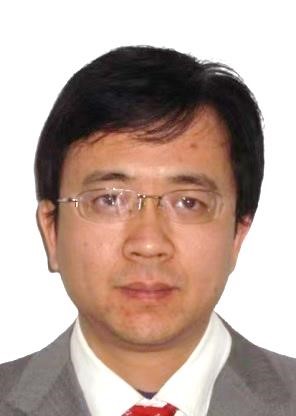 Xiaodong Wang (王晓东)合作论文数Technical Institute of Physics and Chemistry, Chinese Academy of Sciences;University of Chinese Academy of Sciences23
 Jinghui Meng (孟境辉)合作论文数School of Energy Power and Mechanical Engineering, North China Electric Power University18
 Yan Liu合作论文数School of Computer Science and Technology, Zhejiang University15Liang Wang (王亮)合作论文数14Yuanyuan Li (李元媛)合作论文数School of Energy Power and Mechanical Engineering, North China Electric Power University12
 Jiahong Pan (潘家鸿)合作论文数College of Environmental Science and Engineering, North China Electric Power University11Zhang Kai合作论文数10
 Yuanyuan Duan (段远源)合作论文数Department of Energy and Power Engineering, Tsinghua University9
 Kai Zhang (张锴)合作论文数Wu Zhonghua College, North China Electric Power University7
 Shi Tao合作论文数Corresponding author.6
 Wei-Mon Yan (顏維謀)合作论文数Department of Energy and Refrigerating Air-Conditioning Engineering, College of Mechanical & Electrical Engineering, National Taipei University of Technology6
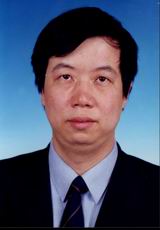 Xiaofeng Peng (彭晓峰)合作论文数Tsinghua University5Hao-Chi Wu合作论文数4
 Shuo Lin Wang合作论文数4Mouheb Sboui合作论文数Dept Ingn Quim, Univ Malaga4
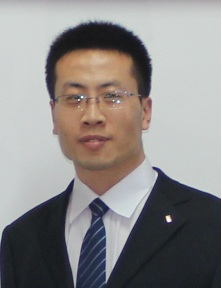 Tianhu Wang (王天虎)合作论文数School of Energy Power and Mechanical Engineering, North China Electric Power University;Wu Zhonghua College, North China Electric Power University4Duu-Jong Lee合作论文数4
 Lei Wang (王雷)合作论文数School of Mathematics and Physics, North China Electric Power University4
 Detlef Bahnemann合作论文数Laboratory “Photoactive Nanocomposite Materials”, Saint-Petersburg State University;Institut fuer Technische Chemie, Faculty of Natural Sciences, Leibniz University of Hannover;Robert Gordon University4Wenke Niu合作论文数3Sheng Hui合作论文数3Xuhui Meng (孟旭辉)合作论文数School of Mathematics and Statistics, Huazhong University of Science and Technology3Jingliang Bi (毕景良)合作论文数3
 Yuting Li (李玉婷)合作论文数3
 Dong Fu (付东)合作论文数Department of Environmental Science and Engineering, North China Electric Power University3
 Bing Bing Wang合作论文数3
 Carlos Ponce De Leon Albarran合作论文数Faculty of Engineering and Physical Sciences, University of Southampton3Chao Si合作论文数3De-Yang Gao合作论文数2Zhang Yabin合作论文数2Fan Zhen合作论文数2LI Yuan-yuan合作论文数2Jiahui Li (李嘉辉)合作论文数2Mahmoud A Hussein合作论文数2Feng XU (徐凤)合作论文数2
 Youssef O. Alghamdi合作论文数College of Science Al-Zulfi, Majmaah University2LI Yuting (李宇婷)合作论文数2Fang-Fang Xie合作论文数2Shao-Yu Wang合作论文数2Chen Xin (陈鑫)合作论文数2Cheng Chen (陈程)合作论文数2Bin Wu (吴斌)合作论文数2
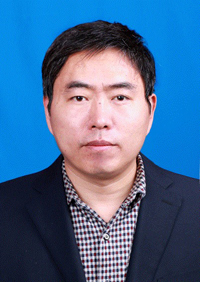 Dongwei Ma (马东伟)合作论文数College of Physics and Electronic Engineering, Huaibei Normal University2
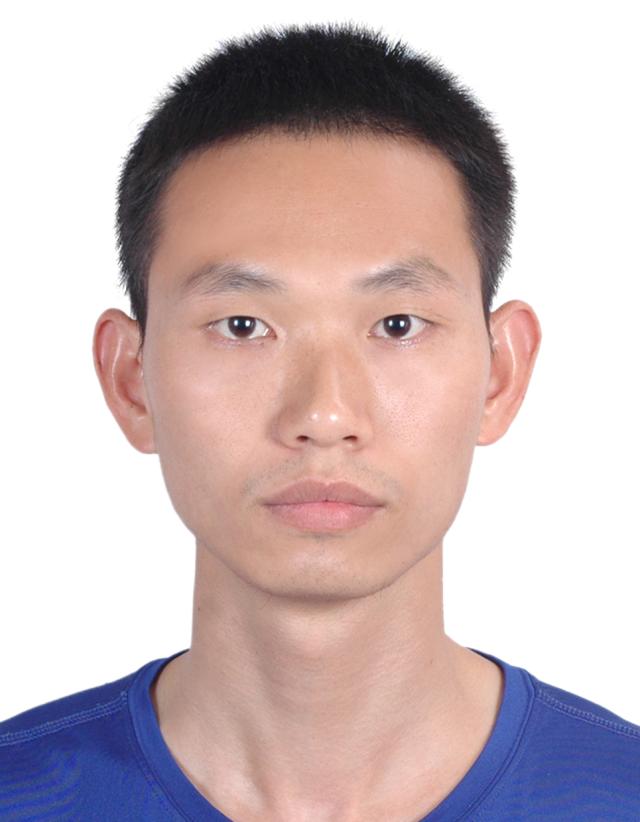 Junjie Hu (胡俊杰)合作论文数Department of Safety Engineering, Faculty of Engineering, China University of Geosciences (Wuhan)2
 Zhihai Feng (冯志海)合作论文数China Academy of Launch Vehicle Technology2
 Han Hu合作论文数Department of Mechanical Engineering, College of Engineering, University of Arkansas2Yanhong Wang合作论文数2
 Chao Xu (徐超)合作论文数North China Electric Power University2




