Rice is a vital staple crop in China. With climate warming, drought has become a significant threat to rice cultivation. Endophytes have garnered considerable attention for their potential to enhance plant stress resistance, yet their underlying mechanisms remain poorly understood. This study aims to investigate the effects of inoculating Colletotrichum EF0801 strain on the drought tolerance of rice and elucidate the underlying molecular mechanisms. This experiment investigated the growth and physiological indicators of rice seedlings inoculated and non-inoculated with Colletotrichum EF0801 strain under polyethylene glycol 6000-simulated drought stress, and conducted metabolomics analysis. Results indicated that under polyethylene glycol stress, the EF0801 strain formed an effective symbiotic relationship with rice seedlings, resulting in increased biomass. Following inoculation with Colletotrichum EF0801 strain, electrical conductivity, malondialdehyde, and H₂O₂ contents of rice seedlings decreased, while proline and ascorbate-glutathione cycle-related substances increased. In addition, the EF0801 strain promoted chlorophyll accumulation, enhanced the maximum photochemical efficiency and photochemical quenching coefficient of photosystem II, and optimized gas exchange parameters. Metabolomics revealed that the tentatively identified differentially accumulated metabolites in rice leaves inoculated with Colletotrichum EF0801 strain under polyethylene glycol stress were primarily enriched in starch and sucrose metabolism, glutathione metabolism pathways. These metabolic pathways and metabolites collectively participate in regulating plant osmotic balance, antioxidant defense, and energy supply, and have responded to environmental stress. These findings indicate that Colletotrichum EF0801 strain enhances rice tolerance to polyethylene glycol-induced osmotic stress, providing a basis for further evaluation under actual drought conditions.
With rising atmospheric CO₂ and intensifying cadmium (Cd) pollution negatively affect rice growth and development. Rice seedlings "Liaoxing No. 1" (Oryza sativa L.) were treated under four treatments (AC: CO2 400 ± 20 μmol·mol-1 and CdCl2 0 μmol·L-1; EC: CO2 800 ± 20 μmol·mol-1 and CdCl2 0 μmol·L-1; Cd: CO2 400 ± 20 μmol·mol-1 and CdCl2150 μmol·L-1; EC + Cd: CO2 800 ± 20 μmol·mol-1and CdCl2 150 μmol·L-1) for 7 days. Integrated transcriptome sequencing and quantitative real-time PCR (qPCR) were used to analyze the expression patterns and regulatory networks of long non-coding RNAs (lncRNAs) in rice leaves under elevated CO₂ and/or Cd stress. A total of 841 lncRNAs were identified, and KEGG enrichment analysis showed that differentially expressed lncRNAs (DE-lncRNAs) were primarily associated with nitrogen metabolism. Cd stress significantly inhibited nitrogen assimilation via a lncRNA-mediated network: MSTRG.25360.1 downregulated nitrate reductase (NR) genes, reducing NR activity; MSTRG.19531.1 positively regulated glutamate synthase (GOGAT) activity; and MSTRG.16002.2 was involved in inhibiting carbonic anhydrase (CA) activity. Elevated CO₂ (EC) also suppressed the activities of key enzymes, including NR, nitrite reductase (NIR), GOGAT, and CA, while shifting ammonia assimilation toward the glutamine synthetase (GS) pathway, a process involving MSTRG.1264.1. Under combined stress (EC + Cd), EC partially alleviated Cd toxicity by activating NIR and glutamate dehydrogenase (GDH), leading to a higher nitrogen metabolism efficiency than under Cd stress alone. However, the activities of NR and GOGAT failed to recover, and CA activity was further suppressed synergistically via MSTRG.25184.5. In conclusion, elevated CO₂ only partially mitigates Cd-induced inhibition of nitrogen assimilation in an enzyme-specific manner, which is mediated by distinct lncRNA regulatory networks targeting key nitrogen metabolism enzymes.
Two CO2 concentrations (400 ± 20 and 800 ± 20 µmol mol− 1) and two CdCl2 concentrations (0 and 150 µmol L− 1) were applied to rice seedlings for a duration of 10 days to investigate the regulatory mechanisms underlying elevated CO2 on Cd stress resistance. Physiological parameters of rice roots, including electrical conductivity, malondialdehyde (MDA) content, and antioxidant enzymes such as superoxide dismutase (SOD), catalase (CAT), and peroxidase (POD), were evaluated. Additionally, metabolomic analysis was conducted to elucidate the metabolic changes associated with the treatments. Our results demonstrated that Cd stress induced membrane damage, that was evident by a significant increase in electrical conductivity by 4.5
Ragweed (Ambrosia artemisiifolia L.), an invasive species, is well-known for its rapid growth, strong reproductive potential, and high stress tolerance. The evolutionary distinctiveness and strong ecological adaptability of Ambrosia have enabled the endophytic fungi that coevolved with it to become valuable microbial resources. In this study, one of the endophytic fungi isolated from ragweed was named strain V3. Strain V3 was identified as Chaetomium sp. (Ascomycota) based on morphological characteristics and molecular analyses. The strain V3 promotes tomato growth by significantly increasing plant height, root length, the number of lateral roots, and chlorophyll content, effectively enhancing photosynthesis and consequently improving fruit yield. Meanwhile, compared to the control, tomato fruits inoculated with strain V3 exhibited significantly higher levels of vitamin C (VC) and lycopene, indicating a notable enhancement in fruit quality. Additionally, strain V3 is capable of producing phytohormones, including indole-3-acetic acid (IAA), gibberellin (GA3), and zeatin, and of regulating the expression of tomato auxin response factor (ARF) genes. This study demonstrates that strain V3 has the potential to promote tomato plant growth.
Bacteria that thrive in extreme environmental conditions possess unique abilities to promote plant growth and enhance disease resistance. In this study, a plant growth-promoting rhizobacteria (PGPR) was isolated and purified from the rhizosphere soil collected at the Red Beach of Panjin, designated as strain YB1701. Strain YB1701 was identified as Bacillus amyloliquefaciens, a gram-negative Bacillus, measuring between 1.6 mu m to 3.1 mu m in length and 0.9 mu m to 1.1 mu m in width. The optimal pH for strain YB1701 growth was determined to be between 7.0 and 8.0, and the strain exhibited a strong ability to degrade starch. The indole-3-acetic acid (IAA) content produced by the strain was 137.58 mu gmL-1, and it showed 1-aminocyclopropane-1-carboxylate (ACC) deaminase activity of 3.03 mu molmg-1h-1. Strain YB1701 inhibited 16 different plant pathogenic fungi by at least 50%, with more than 80% inhibition observed against Exserohilum turcicum and Sclerotinia sclerotiorum. Additionally, treatment with strain YB1701 significantly promoted the growth of rice seedlings, increasing shoot height, root length, and shoot and root dry weight by 64.54%, 20.39%, and 71.94%, respectively. Root dry weight alone increased by 2.36%. These findings suggest that B. amyloliquefaciens strain YB1701 has potential applications in agriculture and other fields as a novel biocontrol agent and growth promoter. This strain could enrich microbial species resources and provide a basis for the utilization of bacterial resources in various applications.
Soil salinization, a major cause of soil degradation, induces osmotic and oxidative stresses in plants and impairs growth and yield. PGPB possess unique functions, such as production of growth-promoting substances like auxin (IAA) and the ability to dissolve soil nutrients, which could help plants resist saline-alkali stress. This study investigated the protective effect of Bacillus amyloliquefaciens YB1701 on rice subjected to Na2CO3 stress (0–20 mM) through hydroponic co-culture of rice seedlings with bacterial suspensions. On the 7th day of cultivation, morphological characteristics and physiological indicators were measured. The results showed that under all stress concentrations, rice inoculated with strain YB1701 grew better than non-inoculated group, with increased shoot biomass. This linked to the improvement of rice leaves in antioxidant capacity with increased activities of SOD, POD, and CAT and reduced ROS levels. At 15 mM Na2CO3, the O_2^· - and H2O2 decreased by 32.06
Heavy metals as environmental pollutants pose a major threat to agroecosystems and crop quality. Among them, Pb is one of the most common heavy metal pollutants, which not only inhibits plant growth and nutrient uptake, but also disrupts the expression of genes, affects the accumulation of metabolites, and even causes plant death. We investigated a joint transcriptomics and metabolomics analysis to study the response of rice seedlings to Pb stress. Our results showed that Pb stress inhibited the growth of rice seedlings. Meanwhile, Pb stress decreased SPAD values, chlorophyll fluorescence parameters, antioxidant enzyme activities, and GSH and TGSH contents, but increased ASC and TASC contents and reactive oxygen species levels in rice leaves. Using the MetaboAnalyst website for metabolites enrichment analysis, 7 metabolic pathways involving 36 differentially expressed metabolites (DAMs) were affected. Transcriptomics analysis revealed that 1873 differentially expressed genes (DEGs) identified were mainly involved in 16 metabolic pathways. Comprehensive enrichment analysis of DAMs and DEGs showed that alanine, aspartate and glutamate metabolism as well as starch and sucrose metabolism were the co-enriched pathways and were upregulated under Pb stress. The main metabolites involving soluble sugars (cellobiose, D-glucose, trehalose and maltose) and gamma-aminobutyric acid (GABA). These findings suggest that rice leaves enhance tolerance to Pb by upregulating the expression of genes involved in carbohydrate and amino acid metabolism, increasing accumulation of soluble sugars and GABA. The results of this study will contribute to understanding the molecular mechanisms of rice response to Pb stress and provide a basis for screening rice varieties with high resistance to heavy metals.
Lead (Pb) is a widely ubiquitous and highly toxic heavy metal pollutant that severely inhibits crop growth. However, the molecular regulatory mechanisms of Pb toxicity in plants remain incompletely understood. We investigated growth indices, chlorophyll content, and chlorophyll fluorescence parameters in rice leaves after 1 day of treatment with 100 μM Pb(NO₃)₂ stress, and performed transcriptomics analysis using RNA sequencing (RNA-seq) technology. The results indicated that Pb stress significantly reduced growth parameters, SPAD values, maximum photochemical efficiency (Fᵥ/Fₘ), and performance index (PIABS) in rice seedlings, as well as the electron transport efficiency of Photosystem II (PSII), as reflected by decreased φE₀ and ψ₀. In contrast, it markedly increased energy absorption per reaction center (ABS/RC), non-photochemical energy dissipation (DI₀/RC), and the quantum yield of dissipation (φD₀). Through RNA-seq analysis, 1721 differentially expressed genes (DEGs) were identified. Gene Ontology (GO) enrichment analysis showed that the most significantly enriched upregulated DEGs were oxidation-reduction processes. Gene set enrichment analysis (GSEA) and Kyoto Encyclopedia of Genes and Genomes (KEGG) joint analysis identified 8 common pathways, such as cysteine and methionine metabolism, brassinosteroid biosynthesis, and photosynthesis. All DEGs in cysteine and methionine metabolism were upregulated. Additionally, Pb stress upregulated genes encoding heat shock transcription factors and heat shock proteins, whereas genes encoding MYB and WRKY were downregulated. This study systematically revealed the transcriptome response mechanisms of rice leaves under short-term Pb stress, providing crucial data support and theoretical foundations for deepening the understanding of rice response mechanisms to heavy metal stress.
Rice (Oryza sativa L.) is one of the most important food crops in China, and saline-alkali stress significantly affects the growth and development of rice.In this study, growth parameters were measured, and a metabolomics analysis technique was used to analyze differentially expressed metabolites in rice seedlings in response to saline-alkali stress.The results showed that growth, relative growth rate, and biomass of rice seedlings significantly decreased under saline-alkali stress.A total of 41 metabolites (16 up-regulated and 25 down-regulated) were significantly changed in leaves of rice seedlings under saline-alkali stress.There were 36 metabolic pathways associated with saline-alkali stress, of which starch and sucrose metabolism, glyoxylate and dicarboxylic metabolism, tricarboxylic acid cycle (TCA cycle), alanine, aspartate and glutamate metabolism, and pentose phosphate pathway were the most highly correlated.This study found that saline-alkali stress significantly reduced carbohydrate metabolism, respiratory metabolism, amino acid metabolism, and organic acid synthesis, while the increased amino acids may be the key metabolites for rice seedlings to adapt to saline-alkali stress.Our results provide new ideas for studying the metabolic mechanism of saline-alkali tolerance of rice seedlings.
Base on atmosphere CO2 concentration increases and Cd pollution stress, the response mechanism of rice to environmental change was studied. To explore the changes of endogenous hormones and organic acids in rice roots under high CO2 and Cd stress, which provide the theoretical basis for future rice production under the double environmental impacts of atmospheric CO2 changes and Cd stress. Rice seedlings (Oryza sativa L., “Beijing No. 2”) were treated from two-leaf stage, with two CO2 concentrations (400 ± 20 μmol/mol and 800 ± 20 μmol/mol, controlled by an artificial climate chamber) and/or three CdCl2 concentrations (0, 50, 150 μmol/L) for 7 days. The growth parameters of rice seedlings were measured. The root endogenous hormones and organic acids contents were determined by high-performance liquid chromatography (HPLC). Results:(1) Increased CO2 concentration promoted the accumulation of aboveground dry weight by 45.6
Aluminum (Al) is known to inhibit plant growth and limit crop yields in acid areas. This study aimed to investigate the effect of endophytic fungus Glomerella sp. JP4 infection on the growth, photosynthetic pigments, antioxidant enzyme activities, organic acids contents, and Al content of endophyte-infected rice seedlings (EI) and endophyte-uninfected rice seedlings (EF) exposed to Al stress for 9 days. Al stress decreased shoot height, root length, and dry weight of EF plants. Endophyte infection increased the growth parameters except for root length. Compared to EF plants, the chlorophyll a + b content and carotenoid content were significantly enhanced in the EI plants. Antioxidant enzyme activity was also increased in the EI plants compared to the EF plants subjected to Al stress, while malondialdehyde (MDA) content was remarkably reduced. Endophytic infection significantly increased the contents of citrate and succinate in leaves, as well as that of lactate, malate, fumarate, and succinate in roots under Al stress. Endophyte infection decreased the Al content in the shoots and the roots and restricted the Al transfer from the roots to the shoots in the EI plants compared to the EF plants. Our results indicated that infection with endophytic fungus JP4 in the roots had an active role in promoting plant growth, alleviating the phytotoxic effects caused by Al exposure.
The gradual rise of CO2 is one of the global climate changes, Cd stress is also a major abiotic stress factor that affects rice (Oryza sativa L.). The rice seedlings were treated under two CO2 concentrations and two CdCl2 concentrations for 7 days (treatments names: 400 ± 20 μmol mol-1 CO2 and 0 μmol L-1 CdCl2 concentrations, AC; 400 ± 20 μmol mol-1 CO2 and 150 μmol L-1 CdCl2 concentrations, Cd; 800 ± 20 μmol mol-1 CO2 and 0 μmol L-1 CdCl2 concentrations, EC; 800 ± 20 μmol mol-1 CO2 and 150 μmol L-1 CdCl2 concentrations, EC + Cd). The lncRNAs informations were analyzed and excavated using high-throughput sequencing, target genes annotation, and qRT-PCR analysis techniques so as to reveal the regulatory mechanism of lncRNAs in rice roots under high CO2 concentrations and/or Cd stress. The results show that: (1) 326 (AC vs Cd), 331 (AC vs EC), 343 (AC vs EC + Cd), 112 (Cd vs EC + Cd) DE-lncRNAs were identified. (2) MAPK signaling pathway-plant (relevant genes Os04g0534166, Os05g0399800 regulated by MSTRG.18576.11, MSTRG.20864.1) and diterpenoid biosynthesis (relevant genes Os12g0491800, Os02g0570400 regulated by MSTRG.8965.1, MSTRG.11509.1) were annotated in AC vs Cd; Under EC relative to AC, DE-lncRNAs were annotated significantly to the flavonoid biosynthesis (relevant genes Os10g0196100, Os10g0320100, Os11g0116300, Os03g0819600 regulated by MSTRG.4612.1, MSTRG.4668.1, MSTRG.6051.1, MSTRG.16669.1); Under composite treatments, relative to AC, DE-lncRNAs were mainly annotated in the plant hormone signal transduction pathway (relevant genes Os03g0180800, Os03g0180900, Os03g0181100 regulated by MSTRG.13776.1). Under combined treatment, elevated CO2 alleviates Cd stress damage by regulating phenylpropanoid biosynthesis through DE-lncRNAs (relevant genes Os09g0419200 regulated by MSTRG. 29,573.1).
Alternative splicing (AS) is the direct cause of different transcripts in eukaryotes and plays a vital role in biological processes such as plant growth and signal transduction. Reproductive development is the key process for rice production. Although numerous studies on AS in plants have been identified, AS of reproductive development stage between japonica and indica rice has not been conducted. In this research, we identified 6994 genes (19.2
BACKGROUND:Salt-alkali stress represents one of the most stressful events with deleterious consequences for plant growth and crop productivity. Despite studies focusing on the effects of salt-alkali stress on morphology and physiology, its molecular mechanisms remain unclear. Here, we employed RNA-sequencing (RNA-seq) to understand how Na2CO3 stress inhibits rice seedling growth.RESULTS:Na2CO3 stress significantly inhibited the growth of rice seedlings. Through RNA-seq, many differentially expressed genes (DEGs) were shown to be potentially involved in the rice seedling response to salt-alkali stress. After 1-day and 5-day treatments, RNA-seq identified 1780 and 2315 DEGs in the Na2CO3-treated versus -untreated rice seedling shoots, respectively. According to the gene ontology enrichment and the Kyoto Encylopedia of Genes and Genomes annotation of DEGs, the growth-inhibition processes associated with salt-alkali stress involve a myriad of molecular events, including biosynthesis and metabolism, enzyme activity, and binding, etc. CONCLUSION: Collectively, the transcriptome analyses in the present work revealed several potential key regulators of plant response to salt-alkali stress, and might pave a way to improve salt-alkali stress tolerance in rice.
[目的]研究高粱生长素(IAA)与杂种优势之间的潜在关系,为高粱育种中杂种优势的利用提供重要理论依据.[方法]以11 个亲本及组配的11 个杂交种为材料,采用高效液相色谱技术测定杂交种及其亲本生长素在抽穗期和成熟期的含量,利用实时荧光定量PCR技术比较抽穗期、成熟期高粱不同品种的生长素基因表达的差异.[结果]11 个杂交种成熟期的生长素含量均高于抽穗期,成熟期杂种辽粘 3 号、辽杂 19、辽杂35、辽杂36、辽2297、辽2697、辽5397、辽糯7 号、辽糯11 号、辽夏梁1 号的生长素含量与其亲本相比,子代生长素含量更高,成熟期只有辽粘6 号的生长素含量比其亲本的低.以对应的母本或父本为对照,杂交种辽粘3 号和辽杂19 在抽穗期的生长素基因表达量低于其亲本,杂交种辽粘3 号、辽粘6 号、辽杂36 在成熟期的生长素基因表达量低于其亲本,其余杂交品种在抽穗期、成熟期生长素基因表达量均高于其亲本.[结论]内源生长素是调节高粱生长杂种优势的一个因素,但不是唯一因素.
Rice seedlings were exposed to two CO2 concentrations (400 ± 20 and 800 ± 20 μmol mol−1) and three PbNO3 concentrations (0, 50 and 100 µmol L−1) for 10 days to explore the regulatory mechanisms of elevated CO2 for Pb stress resistance. Electrical conductivity, MDA content, SOD, POD, CAT activities and metabolomics changes were studied. Results showed that: Pb stress damaged cell membrane system, electrical conductivity and MDA content increased 49.34 % and 73.27 %, respectively, and some antioxidant enzymes activities increased. Sugar, polyol, amino acid metabolism and fatty acid β-oxidation were all enhanced to improve osmotic adjustments, maintain cell membrane stability, supply energy, nitrogen assimilates and antioxidant capacity; Under composite treatments, cell membrane damage was reduced, activities of protective enzymes increased compared with only Pb stress, POD activity increased the most (49.14 %) under severe Pb composite treatment. High CO2 caused the enhance of cells antioxidant capacity, TCA cycle intermediate products contents and fatty acid desaturation under mild Pb stress. Many sugars, polyols and amino acids contents were increased as osmotic regulatory substances by high CO2 under severe Pb stress; Secondary metabolites played an important role under Pb stress and composite treatments. The object of this study is to provide a possible molecular mechanism of rice response to Pb stress under high CO2 in the future.
This study investigated the growth, SPAD value, chlorophyll fluorescence and transcriptome response of endophyte uninoculated and inoculated rice seedlings under Pb stress after treatment of 1 d and 5 d. Inoculation of endophytes significantly improved the plant height, SPAD value, Fv/F0, Fv/Fm and PIABS by 1.29, 1.73, 0.16, 1.25 and 1.90 times on the 1 d, by 1.07, 2.45, 0.11, 1.59 and 7.90 times on the 5 d, respectively, however, decreased the root length by 1.11 and 1.65 times on the 1 d and 5 d, respectively under Pb stress. Analysis of rice seedlings leaves by RNA-seq, there were 574 down-regulated and 918 up-regulated genes after treatment of 1 d, 205 down-regulated and 127 up-regulated genes after treatment of 5 d, of which 20 genes (11 up-regulated and 9 down-regulated) exhibited the same changing pattern after treatment of 1 d and 5 d. Using Gene Ontology (GO) and Kyoto Encyclopedia of Genes and Genomes (KEGG) to annotate these DEGs, and it was found that many of DEGs involved in photosynthesis, oxidative detoxification, hormone synthesis and signal transduction, protein phosphorylation/kinase and transcription factors. These findings provide new insights into the molecular mechanism of interaction between endophyte and plants under heavy metal stress, and contribute to agricultural production in limited environments.
The mitigation mechanism of endophytic fungus EF0801 on rice seedlings under PEG stress was examined in the present study.Rice seedlings were divided into endophyte infection (E+) group and non-infection (E-) group under 0, 5, 10, 15 and 20% PEG stress for 6 days.The results showed that plant height, aboveground dry weight, the activities of ascorbate peroxidase (APX) and glutathione reductase (GR), and the contents of ascorbic acid (ASC), total ascorbic acid (TASC), glutathione (GSH) and total glutathione (TGSH) of E-group decreased significantly, while root length and underground dry weight first increased and then decreased, but electrical conductivity (EC) and malondialdehyde (MDA) contents and superoxide anion (O 2 -) contents increased with the increasing PEG concentrations.However, compared to E-group, the increases in the activities of GR, and APX, and the contents of Pro, TASC, TGSH and GSH result in the decreases in the contents of hydrogen peroxide (H 2 O 2 ), O 2 and MDA, and the increases in plant height and aboveground dry weight in E+ group.These results suggested that endophytic infection promoted ascorbic acid-glutathione cycle, thereby inhibiting oxidative stress to a certain extent, and subsequently improving the resistance of rice seedlings to PEG stress.
为探讨不同高粱品种碳代谢相关酶的活性和SPS基因相对表达量的差异,以辽粘3号、辽杂11号、辽糯12号、辽杂53号4个高粱品种为试验材料,分别测定苗期、拔节期、抽穗期、成熟期高粱叶片和抽穗期、成熟期高粱籽粒碳代谢相关酶(SS、SPS、SSS、ADPG-ppase、UDPG-ppase)的活性,并比较分析4个高粱品种叶片及籽粒SPS基因表达的差异,探究它们之间的关系,从生理和基因角度选育出具有优良品质的高粱品种.分析结果发现,抽穗期、成熟期辽粘3号高粱叶片的SS、SPS、SSS、UDPG-ppase活性最高,显著高于其他3个高粱品种;成熟期辽粘3号高粱籽粒的SS、SPS、SSS、ADPG-ppase、UDPG-ppase活性也显著高于其他品种;对4个高粱品种的SPS基因表达量进行分析发现,苗期、抽穗期、成熟期辽粘3号高粱叶片的SPS基因表达量均为最高,抽穗期、成熟期高粱籽粒SPS基因表达量表现为辽糯12号>辽粘3号>辽杂53号>辽杂11号.综上所述,辽粘3号高粱品种叶片和籽粒在各个时期的碳代谢相关酶活性比较高,并且苗期、抽穗期、成熟期辽粘3号高粱叶片SPS基因相对表达量也相对较高,辽粘3号高粱籽粒SPS基因相对表达量仅次于辽糯12号,所以辽粘3号高粱品种可作为高粱生产中的首选品种,对筛选高质量的高粱品种具有重要的指导意义.
To explore the regulatory mechanism of rice to Cd stress and/or elevated CO2 concentration. The rice seedlings (Oryza sativa L.) were exposed to two CO2 concentrations (400 ± 20 μmol mol−1, AC; 800 ± 20 μmol mol−1, EC) and CdCl2 concentrations (0 µmol L−1, 150 µmol L−1) for 10 days. Antioxidant enzymes activities, respiration rate, transcriptomics and metabolomics changes of leaves were studied. GR (glutathione reductase) activity, respiration rate, many sugars, polyols, amino acids and organic acids contents increased under Cd stress. DEGs (differentially expressed genes) annotated in photosynthesis-antenna proteins were down-regulated; When CO2 increases, some antioxidant enzymes activities and respiration rate decreased. Genes and metabolites related to photosynthesis were enhanced; Under the composite treatment, the ascorbate–glutathione (ASA-GSH) cycle was regulated, some amino acids contents increased, respiration rate decreased. The DEGs mainly enriched in substances transmembrane movement and enzymes activities, etc. Under Cd stress, GR played an important antioxidant role. Sugar, polyol and amino acid metabolisms were enhanced to provide energy, improve osmotic adjustments, maintain cell membrane stability, etc. Organic acids contents increased for regulating plant nutrition, the tricarboxylic acid (TCA) cycle and as the secondary metabolites. Photosynthesis was adversely affected; Under high CO2, photosynthesis increased, the decrease of partial O2 pressure resulted in the decrease of some antioxidant enzymes activities and respiration rate; Under the composite treatment, Cd stress played a dominant role, elevated CO2 alleviated the Cd stress damage by regulating ASA-GSH cycle and amino acids metabolism.
 Xuemei Li (李雪梅)合作论文数College of Life Science, Shenyang Normal University42
 LianJu Ma (马莲菊)合作论文数35Pang Hong-Bo合作论文数26WANG Lan-lan (王兰兰)合作论文数25ma chunyan合作论文数17
 Junfeng Xu (徐俊锋)合作论文数浙江省农业科学院12
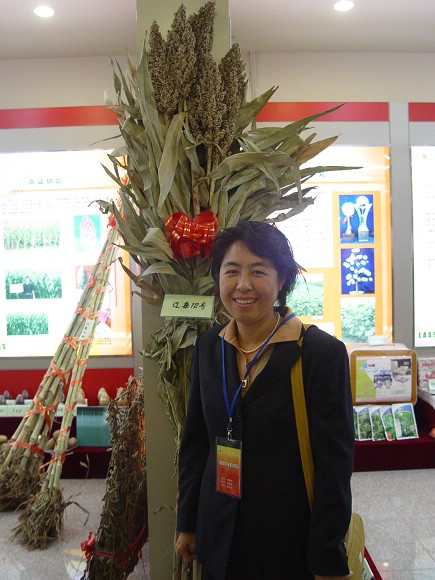 Jianqiu Zou (邹剑秋)合作论文数辽宁省农业科学院11Xiaofu Wang (王晓甫)合作论文数11Xiaoyun Chen合作论文数9ShuHua Zhao (赵姝华)合作论文数8Lihong Zhang (张利红)合作论文数School of Environment, Liaoning University8Ning Bu合作论文数7Siyuan Tao (陶思源)合作论文数7Xuhao Wang合作论文数6LongKun Wu (吴隆坤)合作论文数6NanZhu Li (李南珠)合作论文数6
 Xiaoming Zheng (郑晓明)合作论文数Institute of Crop Sciences, Chinese Academy of Agricultural Sciences6Jinghui Cui合作论文数5jing shang (商靖)合作论文数5RuiFang Hu (胡瑞芳)合作论文数5ShiQiang Liu (刘世强)合作论文数5Qiang Chen (陈强)合作论文数5Guanxiong Chen合作论文数5Xin Li合作论文数4Wang YanQiu合作论文数4Jiahui Fan合作论文数4XU Xin (徐昕)合作论文数4Xu Xiaoli (徐晓丽)合作论文数4Xin Wei (魏鑫)合作论文数4Shuiyi Lu (陆水怡)合作论文数4Li Xu (许丽)合作论文数4
 Xudong Zhang (张旭东)合作论文数Institute of Applied Ecology, Chinese Academy of Sciences;University of Chinese Academy of Sciences4Xiufen Qi合作论文数3Ze Wang合作论文数3hongchao xu (徐洪超)合作论文数3Huachen GAO (高华晨)合作论文数3LU Jinyu (陆劲羽)合作论文数3Xinyue Zhang (张馨月)合作论文数3Yuxin ZHANG (张雨欣)合作论文数3Jiaqi Li (李嘉琦)合作论文数3Yun-he ZHANG (张云鹤)合作论文数3ZHANG Ying (张颖)合作论文数3ErXin Guan (关尔鑫)合作论文数3Qiu Gao (高秋)合作论文数3QingMei Mou (缪青梅)合作论文数3Feng Lin (林凤)合作论文数3LiGuo Yang (杨立国)合作论文数3
 Qingwen Yang (杨庆文)合作论文数Institute of Crop Sciences, Chinese Academy of Agricultural Sciences3




