Objective:This study was aimed to evaluate the clinical effectiveness of tympanoplasty using auricular cartilage combined with balloon eustachian tuboplasty for the treatment of adhesive otitis media(adhesive otitis media, AdOM) under endoscopic. Methods:A retrospective analysis was conducted on 60 patients with unilateral adhesive otitis media who visited Department of Otolaryngology Head and Neck Surgery, the First Affiliated Hospital of Xiamen University between January 2017 and February 2022. All patients were divided into three groups: ①conservative treatment group;②simple tympanoplasty group; ③tympanoplasty combined with balloon dilation group(BET group). All patients were regularly assessed for the improvement of tympanic membrane morphology, hearing, and Eustachian tube function, as well as complications, after treatment. Results:There was no significant improvement in eardrum morphology, hearing, or eustachian tube function in the conservative treatment group(P>0.05); both the simple tympanoplasty group and the BET group showed significant improvements in eardrum morphology and hearing after surgery(P<0.01); In terms of Eustachian tube function improvement, the BET group showed significantly greater improvements in Eustachian tube manometry(TMM) and Eustachian Tube Dysfunction Questionnaire(ETDQ-7) scores compared to the tympanoplasty alone group(P<0.01). Conclusion:Tympanoplasty using auricular cartilage combined with balloon eustachian tuboplasty shows good clinical outcomes in the treatment of adhesive otitis media, significantly ameliorating patients' subjective symptoms such as tinnitus and ear congestion after surgery, thereby improving the patient's quality of life.
Objective This study is aimed to evaluate the efficacy and safety of PD-1 inhibitors combined with neoadjuvant chemotherapy in patients with locally advanced hypopharyngeal and oropharyngeal cancer prior to surgical resection.Methods This retrospective analysis included 42 patients diagnosed with locally advanced hypopharyngeal and oropharyngeal cancer. The efficacy, safety, survival, and laryngeal preservation rate were evaluated.Results A total of 42 patients were included in this retrospective analysis, of whom 28 had hypopharyngeal cancer and 14 had oropharyngeal cancer. Of the 42 patients, 14 (33.3%) achieved a pathological complete response (PCR) at the primary site, 20 (47.6%) achieved a major pathological response (MPR), and 8 (19%) had an incomplete pathological response (IPR) at the primary lesion. A PCR at both the primary site and the neck lymph nodes was observed in 9 patients (21.4%). The laryngeal preservation rate was 92.9% (26/28) in patients with hypopharyngeal cancer. The median follow-up time was 10.5 months. The median progression-free survival (PFS) was 26.42 months (95% CI, 23.416-29.424), and the median overall survival (OS) was 27.1 months (95% CI, 24.316-29.884). The 1-year PFS rate was 83.1%, and the 1-year OS rate was 85.9%.Conclusion Combination therapy with PD-1 inhibitors and neoadjuvant chemotherapy has demonstrated superior efficacy and safety as a preoperative treatment for locally advanced hypopharyngeal and oropharyngeal cancer. Notably, this treatment regimen does not increase the risk of severe postoperative complications and has shown promising results in improving laryngeal preservation rates.
ObjectiveThe objective of this study is to assess the prognostic value of Ki67 and p16 proteins in laryngeal cancer.Materials and methodsThis retrospective cohort analysis comprised 260 patients diagnosed with laryngeal cancer. Immunohistochemistry (IHC) was employed to assess the expression levels of p16 and Ki67, and their correlation with the survival time of laryngeal cancer patients was analyzed.ResultsThe Ki67 index level exhibited a significant association with the prognosis of laryngeal cancer. Patients with higher Ki67 index levels demonstrated shorter survival times, more severe pathological classification, and higher tumor stages (P < 0.05). Conversely, no significant differences in prognostic characteristics of laryngeal cancer were observed in the p16 (-/+) population (P > 0.05). The median survival times for patients with Ki67 index levels of 0-35%, 36-70%, and 70-100% were 3.54 years, 2.10 years, and 1.92 years, respectively. After adjusting for age, smoking, alcohol consumption, pathological classification, surgical intervention, recurrence, and metastasis, the risk of death for patients with Ki67 index levels of 70-100% was 2.0504 times higher than that of patients with Ki67 index levels of 0-35% (95% CI: 1.2997-3.2345, P = 0.0020).ConclusionThe Ki67 index level is strongly associated with survival time and the risk of death in laryngeal cancer, making it a valuable prognostic indicator. However, the prognostic value of p16 levels in laryngeal cancer is limited. These findings provide important insights for prognosis evaluation and treatment decision-making in patients with laryngeal cancer.
患者,女性,46岁。因“进固体食物时吞咽困难4年,唾液带血2个月”于2015年5月8日就诊厦门大学第一附属医院耳鼻咽喉头颈外科门诊。无声嘶、吞咽痛、呼吸困难、耳痛、体质量减轻或颈部肿块。否认吸烟和接触电离辐射史,无特殊家族史。检查时发现口腔清晰,舌活动正常,触诊显示舌根底部中线有2 cm的肿块,肿块坚硬,触感灵敏。电子喉镜显示舌根部有一个肉质的樱桃状球形肿块,并延伸到声门上区域(见图1)。颈软,无明显气管前甲状腺或颈部淋巴结肿大,甲状腺功能正常。99mTc微磷酸钠扫描显示,舌根部摄99mTc增加,颈部无摄取(见图2)。颈部计算机断层扫描(CT)增强和磁共振成像(MRI)显示:舌根部2.9 cm×1.7 cm×3.5 cm低密度灶,呈不均匀增强,没有原位甲状腺。未见明显病理性颈部淋巴结(见图3)。肿块活检显示甲状腺乳头状癌。根据检查结果,舌异位甲状腺乳头状癌诊断明确。该患者接受了手术治疗,包括气管切开、双侧选择性颈Ⅰ、Ⅱ、Ⅲ区淋巴结清扫术和经颈舌骨上径路舌异位甲状腺癌切除术,肿块整体切除,舌根部呈楔形切除。最后的病理诊断为(舌异位甲状腺)甲状腺乳头状癌,没有转移颈部淋巴结(见图4)。术后口服左甲状腺素片,并更换金属套管,堵管48 h无明显呼吸困难,拔除气管套管,封闭气切口。随访全身放射性碘扫描,舌根摄碘呈阴性。出院时建议终身左旋甲状腺素治疗,以抑制促甲状腺激素(TSH)和预防黏液水肿。现术后随访至第6年,检查未发现肿瘤局部复发或全身转移。
Objective:To investigate the effect of prolonged negative pressure drainage time after parotidectomy and analyze its relationship with the incidence of postoperative salivary fistula.Methods:The clinical data of 94 patients with benign parotid gland tumors who received treatment in the Department of Otolaryngology-Head and Neck Surgery of The First Affiliated Hospital of Xiamen University from July 2021 to June 2022 were retrospectively analyzed. These patients were divided into an observation group and a control group ( n = 47 per group). In the observation group, the negative pressure drainage tube was removed after 1 week of simple negative pressure drainage, while in the control group, conventional local bandaging of the parotid gland was performed for 2 weeks, and negative pressure drainage was given for 2-3 days. Postoperative drainage volume, pain degree, and the incidence of salivary fistula were recorded for each group. Results:The total drainage volume in the observation group was (77.93 ± 23.83) mL, which was significantly greater than (47.06 ± 24.71) mL in the control group ( t = 6.17, P < 0.001). The Visual Analogue Scale score in the observation group was (3.021 ± 1.07) points, which was significantly lower than (7.53 ± 1.27) points in the control group ( t = 18.63, P < 0.001). The incidence of postoperative salivary fistula in the observation group was 2.1% (1/47), which was significantly lower than 17.0% (8/47) in the control group ( χ2 = 4.42, P = 0.035). Conclusion:Simple prolongation of negative pressure drainage time can achieve full drainage, improve the quality of life of patients after parotidectomy and reduce the occurrence of postoperative salivary fistula, which is worthy of clinical promotion.
Objective:To investigate the clinical value of 3D-FLAIR MRI in the diagnosis of paroxysmal vestibular syndrome.Methods:The clinical data of 72 patients with suspected disease of paroxysmal vestibular syndrome diagnosed and treated in vertigo clinic of our hospital from July 2018 to December 2019 were analyzed retrospectively.All patients had a history of hearing loss, tinnitus and recurrent vertigo.They were divided into two groups: 37 patients suspected of Meniere and 35 patients suspected of vestibular migraine.3D-FLAIR MRI of inner ear was performed after 4 hours of intravenous injection of GD DTPA diluent.The results of diagnosis were compared with those of gadolinium radiography.The data were analyzed by SPSS 19.0.Results:Twenty-one patients with suspected Meniere's disease showed signs of water accumulation in the membranous labyrinth, 4 patients with suspected vestibular migraine showed signs of water accumulation in the membranous labyrinth ( P<0.01). Twenty-three patients with positive signs of water accumulation in the membranous labyrinth were finally diagnosed as Meniere's disease, while Meniere's disease was found in 2 cases of 47 patients with negative signs of membranous labyrinthine hydrops(the sensitivity, specificity and accuracy of the diagnosis of Meniere's disease were 92.0%, 95.9% and 94.6%, respectively). Three cases were complicated with vestibular migraine in the 25 cases with positive signs of membranous labyrinthine hydrops, and 29 cases were finally diagnosed as vestibular migraine in 47 cases with negative signs of membranous labyrinthine hydrocephalus (the sensitivity, specificity and accuracy of diagnosing vestibular migraine with signs of membranous labyrinthine hydrops were 90.6%, 52.4% and 68.9%, respectively). Conclusion:The 3D-FLAIR MRI technique of inner ear after gadolinium radiography has an important role in distinguishing the suspected diseases of paroxysmal vestibular syndrome, and is helpful to improve the diagnosis level of vestibular diseases.
良性阵发性位置性眩晕(BPPV)作为最常见的外周前庭疾病,发病率及患病率均高,多发生于夜间睡眠期间或晨起醒来时,与睡眠关系密切.回顾总结近年来二者的相关文献,发现睡眠姿势与BPPV的发生发展、治疗和预后都有密切的关系,而不同种类的睡眠障碍也都各自影响着疾病的发生.论文旨在提高对二者相关性的认识,并为疾病的诊断及治疗提供方法思路.
目的:探讨拜阿司匹林在偏头痛性眩晕(MV)预防治疗中的疗效.方法:收治MV患者82例,随机分为观察组和对照组,各41例.观察组给予拜阿司匹林联合氟桂利嗪治疗,对照组给予氟桂利嗪治疗.结果:观察组起效时间短于对照组(P<0.05).结论:拜阿司匹林预防治疗MV疗效明显,可加速改善眩晕症状.
The Wnt/β-catenin pathway serves important roles in cancer development. The expression and function of Chibby (Cby), as a direct antagonist of β-catenin, in nasopharyngeal carcinoma (NPC) has not been fully investigated. The present study revealed that the mRNA and protein expression of Cby was significantly lower in NPC tissue than in the adjacent normal tissue. Low expression of Cby was significantly associated with the tumor and the clinical staging. Furthermore, Cby overexpression inhibited the proliferation of human NPC SUNE1 cells and induced cell cycle arrest. In addition, Cby overexpression also significantly enhanced the susceptibility of SUNE1 cells to apoptosis. These results indicated that Cby might serve as an anti-oncogenic gene in the development of NPC and could represent a potential therapeutic target for the human NPC therapy.
目的:研究鼻咽癌放疗后大出血的急救与伦理沟通。方法本文收集37例经病理证实的鼻咽癌治疗后鼻咽大出血患者,急救方法主要包括预防性气管切开、前后鼻孔填塞、数字减影动脉造影栓塞术,同时与患者家属进行合理的伦理沟通。结果8例气管切开术后行血管栓塞成功,半年后随访只有2例存活。患者家属均无异议。结论鼻咽癌放疗后大出血死亡率高,伦理沟通可获家属理解。
The aberrant expression of retinoic acid receptor-α (RARα) has been reported in various types of cancer. However, its association with the prognosis and development of laryngeal squamous cell carcinoma (LSCC) has not yet been determined. Therefore, the present study aimed to examine the expression and function of RARα in patients with LSCC. The expression of RARα in LSCC tissues was investigated using immunostaining. An MTT assay and flow cytometry analysis were also performed to investigate the function of RARα in the proliferation and cell cycle of LSCC cells. The expression of RARα was significantly elevated in LSCC tissues compared with adjacent noncancerous tissues (78.1 vs. 6.3%, P<0.05). The overexpression of RARα was associated with poorly differentiated features of LSCC (P<0.05). Furthermore, the downregulation of RARα inhibited the proliferation of LSCC cells, and arrested the cell cycle at the G1 phase via upregulation of cyclin dependent kinase inhibitor 1A, which may be associated with inhibition of the protein kinase B signaling pathway. Therefore, the overexpression of RARα may contribute to the development of LSCC through the regulation of the cell cycle. The results of the present study provide evidence that RARα serves an important function in LSCC development and may be a potential therapeutic target or prognostic predictor for LSCC.
Objective To summary the experience in the diagnosis and treatment of enormous infant bran-chial cleft cyst(EIBCC).Methods 17 cases of EIBCC inpatient were retrospectively analyzed,with the clinical char-acteristics,CT imaging materials.17 cases were treated with operation.The surgical operation was performed with the L curve of the external jugular incision.The the clinical effect was observed.Results The 17 EIBCC cases clinically appeared as difficult breathing in different degrees.The results of CT were consistent with the pathological diagnosis. There was no necrosis of the cervcal iskin flap.There was no post -operative recurrence after a half to 6 years following -up.Conclusion Dyspnea is the common clinical manifestation of EIBCC.Spiral CT is of great importance to diagnose the IBCC.Airway maintenance is the premise of safe cure.Surgical ablation is the main treatment of EIBCC.
目的:探讨PET-CT诊断鼻咽癌假阳性出现的原因.方法:回顾性分析PET-CT诊断的鼻咽癌患者54例的PET-CT资料及病理资料.结果:假阳性率18.5%.设备本身因素6例(11.1%),人为因素4例(7.4%).结论:PET-CT结果结合临床症状诊断鼻咽癌的准确率较高.
Objective:To discuss the clinical characteristic of pediatric neck tumor which compress airway leading to the difficulty breathing in order to further improve the diagnose level.Methods:32 cases of children with acute respiratory difficulties caused by huge cervical masses were selected.All patients underwent cervical and thoracic spiral scan and 3D reconstruction.All of them chosen operation excision in the treatment of respiratory obstruction symptoms for the first time.Results:There were 17 cases of branchial cleft cyst,12 cases of vascular tumors,2 cases of thyroglossal cyst and 1 case of malignant teratoma in postoperative pathological diagnosis.There was no more recurrence after the operation for half a year to 6 years of follow-up, except with the death of malignant teratoma.Conclusion:Spiral CT scan combined with 3D reconstruction has important guiding significance for the diagnosis of huge neck tumor diagnosis in children.Operation resection is the preferred method to relieve dyspnea.Multi-disciplinary cooperation is the foundation of the cure.
Objective:To provide the reference for the clinical diagnosis of nasopharyngeal carcinoma.Methods: 153 patients with nasopharyngeal carcinoma were selected from January 2013 to July 2014.We analyzed the first presentation auxiliary examination results of them.Results:VCA-IgA antibody test in 10 cases,magnetic resonance imaging(MRI) examination in 15 cases,CT scan in 23 cases,cervical lymph node biopsy in 6 cases,30 cases of nasal endoscopy,54 cases of nasopharyngeal mirror,5 cases of PET/CT. Conclusion:The first hint of auxiliary examination of nasopharyngeal carcinoma is diversity.It has very important significance to the diagnosis and treatment as soon as possible.
目的 探讨异物性咽后脓肿临床特点,进一步提高诊治水平.方法 回顾性分析异物性咽后脓肿14例临床资料,对比、归纳其临床特点.结果 总结14例患者共性为:①发病年龄以中年人为最多;②CT清楚显示所有患者病变部位及累及范围;③异物取出及脓肿切开引流是治疗的关键.结论 中年人是异物性咽后脓肿的高发群体;CT能准确评价异物性咽后脓肿,应作为首选影像检查方法;颈侧切开途径是治疗异物性咽后脓肿的主要方式.
目的:研究探讨在治疗水平半规管性、后半规管性等良性阵发性位置性眩晕(BPPV)中采用耳石移位手法的临床效果,为临床提供更多的理论参考依据。方法:对100例良性阵发性位置性眩晕患者,根据眼震进行耳石移位手法治疗。对其1周、2个月预后恢复情况进行跟踪记录。结果:治疗后1周痊愈75例,改善13例,无效12例,总有效率为88.00%;2个月后痊愈88例,改善9例,无效3例,总有效率为97.00%。结论:在治疗BPPV中,采用耳石移位手法具有显著效果,值得广大医学工作者在临床推广。
小儿气管、支气管异物是耳鼻咽喉科常见的危急症,国外调查显示1岁以内意外死亡的患儿中40%系呼吸道异物所致[1]. 1 资料与方法 回顾性分析我科2007-01-2013-01期间收治的214例气管、支气管异物患儿.异物种类以植物性为主,其中花生米163例,瓜子壳39例,橡胶圈2例,泡泡糖2例,贴贴纸1例,鱼刺4例,骨片3例.异物发生于气管隆突以上(包括喉腔)16例,发生于右支气管101例,发生于左支气管84例,发生于双侧支气管13例.
目的:探讨中西医结合治疗由喉咽反流(LPR)导致的咽喉炎的疗效.方法:回顾性分析因咽喉不适而就诊,反流症状指数量表(RSI)评分>13分和/或反流检查计分量表(RFS)评分>7分为阳性,其中RFS评分阳性100例,RSI评分阳性105例,结合喉镜检查及临床表现,诊断为LPR 105例.随机数字表法分成三组(A组、B组和C组).治疗方法避免高脂、高糖、辛辣饮食及改变生活方式(如禁烟、酒,晚上9点后不再进食).A组35例予奥美拉唑[质子泵抑制剂(PPI)],多潘立嗣片治疗加用金参润喉剂;B组35例,给予奥美拉唑,多潘立酮片治疗;C组35例子奥美拉唑治疗.3个月疗程结束后观察疗效.结果:A组35例,显效25例(占71.43%),有效7例(占20%),无效3例(占8.57%),总有效率91.43%;B组35例,显效17例(占48.57%),有效5例(占14.29%),无效13例(占37.14%),总有效率62.86%;C组35例,显效12例(占34.29%),有效6例(占17.14%),无效17例(占48.57%),总有效率51.43%.三组间的总有效率比较差异有统计学意义(x2=13.788,P<0.05).组间比较:A组的总有效率高于B组,差异有统计学意义(x2=6.563,P< 0.05),亦高于C组,差异亦有统计学意义(x2--11.830,P<0.0125);B组总有效率与c组总有效率差异无统计学意义(x2=o.933,P>0.0125,三组总有效率两两比较的检验水准α'=α/2 (k-1) =0.05/2×(3-1)=0.0125).患者咽喉部主要症状缓解时间(周数)比较,A组较B组、C组所需时间短,B组较C组所需时间短,差异均有统计学意义(均P< 0.05).结论:中西医结合治疗由LPR导致的咽喉炎临床疗效更佳.
Objective To explore the reason of styloid syndrome after tonsillectomy and the clinical effect of styloidectomy.Methods Seven patients with styloid syndrome after tonsillectomy received styloidectomy.The clinical effect was evaluated.Results One side styloid was removed in six patients,while both sides styloid were removed in one patient.All patients were followed-up for 3 months to 3 years after operation.Among them,5 patients were cured and the others showed considerable alleviation.Conclusion The mechanism of styloid syndrome after tonsillectomy might be related to the stimulation of scar formation in the tonsillar fossa.Styloidectomy is an effective treatment.
 Xianyang Luo (骆献阳)合作论文数The First Affiliated Hospital of Xiamen University15
 Chengfu Cai (蔡成福)合作论文数6HuiPing Zhang (张晖萍)合作论文数5ZhiChun Li (李志春)合作论文数5
 Cunshan Liu (刘存山)合作论文数The First Affiliated Hospital, Xiamen University4XingQiang Gao (高兴强)合作论文数3
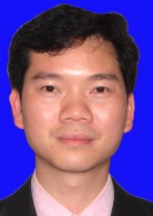 Aimin Chen (陈爱民)合作论文数The First Affiliated Hospital of Xiamen University3
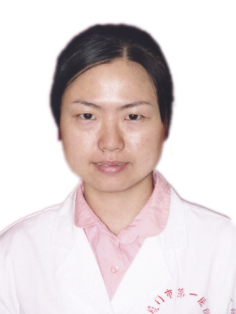 Wuna Chen (陈乌娜)合作论文数The First Affiliated Hospital of Xiamen University3XianMin Wu (吴贤敏)合作论文数2QiaoLing Guo (郭巧玲)合作论文数2XiaoYun Chen (陈晓云)合作论文数2AiDong Zhou (周爱东)合作论文数2JianFu Chen (陈建福)合作论文数2Dongyan Shen (沈东炎)合作论文数2Peiji Zeng合作论文数1Xingwang Rao合作论文数1HE Jing (何静)合作论文数1Haiwei Han合作论文数1
 Li-Man Liu合作论文数Dept Otolaryngol, Univ Kentucky1Yimeng Li合作论文数1Liwei Wang (汪莉薇)合作论文数1shu-zhan LAN (兰书湛)合作论文数1TANG Dongmei (唐冬梅)合作论文数1Shuai Chen合作论文数1Jiangfeng Huang合作论文数1Jin-Xing Shen合作论文数1Yue WANG (王玥)合作论文数1BingHuang Zhang (张炳煌)合作论文数1Ying Lin (林英)合作论文数1He Li (李贺)合作论文数1Yue Zhang (张悦)合作论文数1Yi Zhou (周毅)合作论文数1
 Qingping Zhu (朱清平)合作论文数The First Affiliated Hospital of Xiamen University1
 Shuyu Yang (杨叔禹)合作论文数The First Affiliated Hospital of Xiamen University1
 Limei Guan (关丽梅)合作论文数The First Affiliated Hospital of Xiamen University1
 Huawei Li (李华伟)合作论文数The First Affiliated Hospital of Xiamen University;Department of Otorhinolaryngology, Eye & Ent Hospital of Fudan University1Pengfei Zhang (张鹏飞)合作论文数1
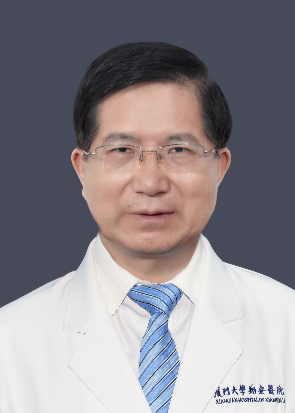 Dean Zhao (赵德安)合作论文数Xiang'an Hospital of Xiamen University1
 Xiaofeng Wang (汪晓锋)合作论文数The First Affiliated Hospital of Xiamen University1Zhang Rong合作论文数1
 Wei Zhang (张微)合作论文数School of Medicine, Wake Forest University;Comprehensive Cancer Center of Wake Forest Baptist Medical Center1
 Baochang He (何保昌)合作论文数Public Health School, Fujian Medical University1
 Yuanqin Jiang (姜元芹)合作论文数The First Affiliated Hospital of Xiamen University1




