Tropical cyclone (TC) forecasting is critical for disaster warning and emergency response. Deep learning methods address computational challenges but often neglect physical relationships between TC attributes, resulting in predictions lacking physical consistency. To address this, we propose Phys-Diff, a physics-inspired latent diffusion model that disentangles latent features into task-specific components (trajectory, pressure, wind speed) and employs cross-task attention to introduce prior physics-inspired inductive biases, thereby embedding physically consistent dependencies among TC attributes. Phys-Diff integrates multimodal data including historical cyclone attributes, ERA5 reanalysis data, and FengWu forecast fields via a Transformer encoder-decoder architecture, further enhancing forecasting performance. Experiments demonstrate state-of-the-art performance on global and regional datasets.
The biological primary visual system has greatly contributed to the design of artificial neural networks, with its mode of information transmission serving as an important reference. Simulating the primary visual pathway not only helps us better understand the biological visual system but also holds significant value for the development of the computer vision field. However, few recent studies have incorporated this simulation into rapidly evolving deep neural networks. Existing works mainly focus on electrophysiological investigations of visual feature selectivity and the simulation of neural impulses across different cortical areas. Enhancing deep neural networks through insights from visual neuroscience remains a highly important area of research. In this study, we propose an Antagonistic Modulation Module (AMM) by exploring the structure of the primary visual pathway and the functional roles of each cortical region. By simulating the primary visual pathway, the AMM extracts orientation information and performs antagonistic modulation of neural stimulation. This module can be incorporated into deep neural networks for semantic segmentation as a front-end component, effectively improving the model’s robustness. We believe that our proposed antagonistic modulation approach offers a meaningful contribution to the development of robust network architectures and holds significant implications for research in visual neuroscience.
Large Multimodal Models (LMMs) store vast amounts of pretrained knowledge but struggle to remain aligned with real-world updates, making it difficult to avoid capability degradation when acquiring evolving knowledge. Furthermore, most current work focuses on exploring static textual knowledge injection, neglecting dynamic multimodal evolving knowledge injection, leaving the potential of LMMs for multimodal knowledge injection as an open question. To address this, we first propose a pipeline to construct MMEVOKE, a benchmark for evaluating LMMs' ability in multimodal evolving knowledge injection. MMEVOKE contains 9,422 samples spanning 159 subtypes. Then, based on extensive experiments with MMEVOKE, we reveal challenges such as poor injection performance and capability degradation in existing knowledge injection methods through knowledge injection tests and general capability tests. Finally, to tackle these challenges, we introduce knowledge augmentation and knowledge retention methods, finding that knowledge-aware augmentation strengthens knowledge injection performance, and that Data Replay and MoE methods effectively mitigate capability degradation.
Accurate wind power forecasting (WPF) is essential for reliable energy management, especially during extreme weather events. However, existing WPF methods often compromise overall model performance when adapting to extreme events, as they tend to overfit to rare, extreme samples. To address this challenge, we propose an adaptive sampling method (ARS-WPF) based on reinforcement learning (RL), which enhances forecasting for extreme events without sacrificing accuracy under normal weather. Specifically, ARS-WPF formulates the selection of training samples as an RL problem, optimized using a novel fine-grained reward function. This reward encourages the selection of informative samples to enhance forecasting, penalizes overfitting performance and supports precise timing of crucial turbine shutdowns. Experimental results show that ARS-WPF achieves error reductions of 4.3% and 11.7% in MAE under cold wave and typhoon events, respectively.
Accurate state-of-health (SOH) estimation is critical for the safety of lithium-ion batteries. Current data-driven methods face three key challenges: limited accuracy under data scarcity, insufficient physical consistency, and poor interpretability. This study proposes the Physics-Informed Kolmogorov-Arnold Network (PIKAN), establishing a novel interpretable symbiotic co-evolution mechanism that combines and jointly optimizes SOH estimation and degradation mechanism discovery. PIKAN integrates three innovations: (1) the State of Health Estimation Module (SHEM) utilizes the functional decomposition and symbolic representation capabilities of KAN to achieve accurate and interpretable estimation; (2) the Degradation Dynamics Modeling Module (DDMM) uses KAN as a general approximator to adaptively discover degradation dynamical equations without predefined forms; (3) these modules interact bidirectionally, where SHEM provides real-time battery state to guide the equation discovery of DDMM, while DDMM regularizes the output of SHEM through physical constraints, achieving self-regularization and synergistic learning. Comprehensive experiments across four datasets demonstrate that PIKAN outperforms state-of-the-art methods in conventional and transfer scenarios, with maximum 63.4% RMSE reduction in small-sample scenarios. Crucially, symbolic regression transforms the learned model into explicit analytical expressions, revealing the intrinsic decision-making logic of SOH mapping and degradation dynamics. Under mechanism guidance, discovered degradation equations exhibit structural similarity to existing electrochemical models, bridging data-driven discovery with physical theory. The analytical expressions obtained from the PIKAN framework provide actionable insights for practical battery management systems (BMS) and exhibit a certain degree of cross-battery transferability. This study offers a physics-informed interpretable paradigm for intelligent battery management. The source code is available at https://github.com/USTC-AI4EEE/PIKAN.
Generalist embodied agents must perform interactive, causally-dependent reasoning, continually interacting with the environment, acquiring information, and updating plans to solve long-horizon tasks before they could be adopted in real-life scenarios. For instance, retrieving an apple from a cabinet may require opening multiple doors and drawers before the apple becomes visible and reachable, demanding sequential interaction under partial observability. However, existing benchmarks fail to systematically evaluate this essential capability. We introduce COIN, a benchmark designed to assess interactive reasoning in realistic robotic manipulation through three key contributions. First, we construct COIN-50: 50 interactive tasks in daily scenarios, and create COIN-Primitive required by causally-dependent tasks, and COIN-Composition with mid-term complexity for skill learning and generalization evaluation. Second, we develop a low-cost mobile AR teleoperation system and collect the COIN-Primitive Dataset with 50 demonstrations per primitive task (1,000 in total). Third, we develop systematic evaluation metrics about execution stability and generalization robustness to evaluate CodeAsPolicy, VLA, and language-conditioned H-VLA approaches. Our comprehensive evaluation reveals critical limitations in current methods: models struggle with interactive reasoning tasks due to significant gaps between visual understanding and motor execution. We provide fine-grained analysis of these limitations.
With the rapid advancement of natural language processing (NLP), the demand for large-scale training data has grown substantially. To reduce the associated costs, it has become common practice for individuals and organizations to outsource the labor-intensive task of data collection to third-party providers. However, recent studies have highlighted a significant security risk in this practice, namely, the susceptibility of NLP systems to backdoor attacks. These attacks allow adversaries to manipulate model behavior by injecting malicious patterns into a small subset of the training data. Compared to their counterparts in computer vision, textual backdoor attacks face stricter constraints on stealthiness due to the high information density and structure of natural language. Existing approaches often suffer from a trade-off between attack effectiveness and stealth, primarily because of the semantic sensitivity of text. In this paper, we propose EST-Bad (Efficient and Stealthy Textual Backdoor), a novel attack method that exploits large language models (LLMs) to achieve both high efficacy and stealth. EST-Bad comprises three key components: (1) exploiting model-inherent flaws as implicit triggers, (2) leveraging LLMs to subtly inject these triggers into text, and (3) carefully selecting high-impact samples for poisoning. Experimental results across various scenarios-including prompt-tuning of LLMs-demonstrate that EST-Bad outperforms existing methods by achieving competitive attack success rates while maintaining significantly improved stealthiness.
Multi-modal Large Language Models (MLLMs) predominantly adopt pre-trained CLIP-ViT architectures as visual encoders, which are highly susceptible to adversarial attacks. Existing approaches primarily enhance robustness against uni-modal attacks through adversarial fine-tuning. However, these methods are insufficient for defending against multi-modal adversarial attacks, as they focus solely on visual adversarial augmentation while overlooking cross-modal interactions. To address this limitation, we propose a novel method, Fully Multi-modal Interaction-based Adversarial Fine-tuning (FMI-AF). FMI-AF exploits the rich textual knowledge embedded in multi-modal data to guide fine-tuning, thereby strengthening image-text alignment under multi-modal adversarial settings. In addition, we design a visual-semantic consistency loss to enforce distributional alignment between adversarial and clean embeddings extracted by CLIP-ViT before and after fine-tuning. This design ensures that the robust visual encoder can be seamlessly substituted for the original one without compromising the visual understanding capability of MLLMs.
Accurate wind power forecasting is essential for the secure operation of power grids and the integration of large-scale renewable energy. Existing methods primarily exploit dominant meteorological variables with direct physical relationships to power output. However, under highly coupled meteorological conditions, these dominant variables often bias the learned representations toward directly relevant information. This leads to the insufficient exploitation of information from other meteorological variables, thereby limiting further improvements in forecasting performance. To tackle this problem, we propose a dynamics-aware wind power forecasting framework based on latent channel decomposition (LCD), termed Wind-LCD. Specifically, Wind-LCD utilizes learnable latent queries to derive channel-wise representations from the input variables. It then introduces a cosine-similarity regularizer to encourage these representations to be pairwise orthogonal, thereby reducing redundancy and overlap across channels. This design promotes the learning of diverse representations and helps preserve useful information from all meteorological variables. Based on the decomposed representations, the framework employs a dual-branch architecture to model historical observations and future meteorological forecasts, enabling historical temporal dynamics and horizon-specific guidance to be captured before fusion for multi-horizon prediction. Wind-LCD was evaluated on four geographically diverse datasets for 24- to 96-hour forecasting. Results demonstrate that our framework surpasses the existing baselines, achieving average relative reductions of 14.8% in normalized mean absolute error (NMAE) and 12.2% in normalized root mean square error (NRMSE) relative to the best baseline result in each dataset-horizon setting. The source code and datasets will be made publicly available upon publication.
Generating trajectories from high-level commands is critical for autonomous driving, but prevailing methods suffer from a flaw we term semantic misalignment. By associating long trajectories with a single, static meta-action (e.g., “lane change”), these methods corrupt training data during maneuver transitions, hindering the learning of robust command-following. To resolve this, we propose the Autoregressive Meta-Action (AMA) framework, a novel formulation that operates at a frame-wise level. It autoregressively predicts the joint distribution of the next-step meta-action and its corresponding state, ensuring strict semantic alignment at every timestep. We implement this framework using a flexible modular architecture where lightweight modules are fine-tuned atop a pre-trained foundation model. This modular design drastically reduces training costs for new commands and enables seamless switching between autonomous and command-following modes. We support our research by releasing an expanded Waymo Open Motion Dataset with dense, frame-level meta-action labels and validate our method's efficacy on real-world test vehicles.
Accurate wind power forecasting (WPF) is crucial for ensuring the stable operation of power systems. Long-term effective forecasting can optimize wind power generation planning and reduce operational costs. Although deep learning advancements have significantly improved wind power forecasting accuracy, existing methods often struggle to effectively separate the complex relationships between variables, features, and time dimensions in multivariate time-series data, limiting their predictive performance. To address this issue, this paper proposes a novel model, named Triple Decoupled Transformer (TDFormer), for multi-step wind power forecasting. The model incorporates a novel Triple Decoupled Attention (TDA) mechanism to independently decouple input data across three dimensions-variables, features, and time-enabling more efficient and precise feature extraction. TDFormer adopts an encoder-decoder architecture to integrate historical data from multiple variables and future time sequences, making it ideal for multi-step wind power forecasting. Extensive experiments conducted on real-world datasets from wind farms with varying capacities and geographical locations demonstrate that the proposed TDFormer significantly outperforms state-of-the-art (SOTA) methods, especially in scenarios involving longer forecasting horizons. In addition, the model demonstrated excellent generalization ability and practical application potential in the transfer learning experiments, making it particularly suitable for newly established wind farms with limited data, and offering significant application value. The source code and datasets are available at https://github.com/USTC-AI4EEE/TDFormer.
This paper investigates the integrated production and material distribution scheduling in multiple heterogeneous factories (IPMDS_MHF). The problem encompasses two highly coupled sub-decision processes, namely material distribution and distributed heterogeneous factory scheduling, with the objective of minimizing the sum of the makespans of all production lines through collaborative optimization. To address the complexity and heterogeneous constraints inherent in this problem, a Bayesian learning-based evolutionary algorithm (BLEA) is proposed. Within the BLEA, a decoding strategy is designed to obtain a feasible scheduling scheme for each individual, and simultaneously, a Bayesian learning-based probabilistic model is proposed to extract valuable knowledge from solutions. Accordingly, the BLEA employs the Bayesian learning probabilistic model to generate the candidate population (CP), and utilizes the variable neighborhood descent (VND) algorithm to generate the main population (MP). Subsequently, a greedy competition strategy is proposed to construct a high-quality population (HP) from the CP and MP, thereby establishing an interaction between learning and search. Experimental results demonstrate that the BLEA exhibits superior convergence and robustness compared to current state-of-the-art benchmark algorithms when solving the IPMDS_MHF instances of varying scales.
Event cameras asynchronously capture brightness changes with microsecond latency, offering exceptional temporal precision but suffering from severe noise and signal inconsistencies. Unlike conventional signals, events carry state information through polarities and process information through inter-event time intervals. However, existing event filters often ignore the latter, producing outputs that are sparser than the raw input and limiting the reconstruction of continuous irradiance dynamics. We propose the Event Density Flow Filter (EDFilter), a framework that models event generation as threshold-crossing probability fluxes arising from the stochastic diffusion of irradiance trajectories. EDFilter performs nonparametric, kernel-based estimation of probability flux and reconstructs the continuous event density flow using an O(1) recursive solver, enabling real-time processing. The Rotary Event Dataset (RED), featuring microsecond-resolution ground-truth irradiance flow under controlled illumination is also presented for event quality evaluation. Experiments demonstrate that EDFilter achieves high-fidelity, physically interpretable event denoising and motion reconstruction.
Large Multimodal Models encode extensive factual knowledge in their pre-trained weights. However, its knowledge remains static and limited, unable to keep pace with real-world developments, which hinders continuous knowledge acquisition. Effective knowledge injection thus becomes critical, involving two goals: knowledge adaptation (injecting new knowledge) and knowledge retention (preserving old knowledge). Existing methods often struggle to learn new knowledge and suffer from catastrophic forgetting. To address these challenges, we propose KORE, a synergistic method centered around KnOwledge-oRientEd controls. These controls are implemented through a two-stage optimization process: (1) KORE automatically converts individual knowledge items into structured and comprehensive knowledge to ensure that the model accurately learns new knowledge, enabling accurate adaptation. (2) KORE stores previous knowledge in the covariance matrix of LMM's linear layer activations and initializes the adapter by projecting the original weights into the matrix's null space, defining a fine-tuning direction that minimizes interference with previous knowledge, enabling powerful retention. Extensive experiments on various LMMs, including LLaVA-v1.5 (7B), LLaVA-v1.5 (13B), and Qwen2.5-VL (7B), show that KORE achieves superior new knowledge injection performance and effectively mitigates catastrophic forgetting.
Trajectory generation is a pivotal task in autonomous driving. Recent studies have introduced the autoregressive paradigm, leveraging the state transition model to approximate future trajectory distributions. This paradigm closely mirrors the real-world trajectory generation process and has achieved notable success. However, its potential is limited by the ineffective representation of realistic trajectories within the redundant state space. To address this limitation, we propose the Kinematic-Driven Generative Model for Realistic Agent Simulation (KiGRAS). Instead of modeling in the state space, KiGRAS factorizes the driving scene into action probability distributions at each time step, providing a compact space to represent realistic driving patterns. By establishing physical causality from actions (cause) to trajectories (effect) through the kinematic model, KiGRAS eliminates massive redundant trajectories. All states derived from actions in the cause space are constrained to be physically feasible. Furthermore, redundant trajectories representing identical action sequences are mapped to the same representation, reflecting their underlying actions. This approach significantly reduces task complexity and ensures physical feasibility. KiGRAS achieves state-of-the-art performance in Waymo's SimAgents Challenge, ranking first on the WOMD leaderboard with significantly fewer parameters than other models. The video documentation is available at https://kigras-mach.github.io/KiGRAS/.
Offline-to-online reinforcement learning (O2O RL) aims to improve the performance of offline pretrained agents through online fine-tuning. Existing O2O RL methods have achieved advances in mitigating the overestimation of Q-value biases (i.e., biases of cumulative rewards), improving the performance. However, in this paper, we are the first to reveal that Q-value biases of these methods often follow a heavy-tailed distribution during online fine-tuning. Such biases induce high estimation variance and hinder performance improvement. To address this challenge, we propose a Laplace-based robust offline-to-online RL (LAROO) approach. LAROO introduces a parameterized Laplace-distributed noise and transfers the heavy-tailed nature of Q-value biases into this noise, alleviating heavy tailedness of biases for training stability and performance improvement. Specifically, (1) since Laplace distribution is well-suited for modeling heavy-tailed data, LAROO introduces a parameterized Laplace-distributed noise that can adaptively capture heavy tailedness of any data. (2) By combining estimated Q-values with the noise to approximate true Q-values, LAROO transfers the heavy-tailed nature of biases into the noise, reducing estimation variance. (3) LAROO employs conservative ensemble-based estimates to re-center Q-value biases, shifting their mean towards zero. Based on (2) and (3), LAROO promotes heavy-tailed Q-value biases into a standardized form, improving training stability and performance. Extensive experiments demonstrate that LAROO achieves significant performance improvement, outperforming several state-of-the-art O2O RL baselines.
Attention patterns play a crucial role in both training and inference of large language models (LLMs). Prior works have identified individual patterns—such as retrieval heads, sink heads, and diagonal traces—but these observations remain fragmented and lack a unifying explanation. To bridge this gap, we provide a unifying framework to explain the existence of diverse attention patterns by analyzing their underlying mathematical formulations with a temporal continuous perspective. Our work can both deepen the understanding of attention behavior and guide inference acceleration approaches. Specifically, this framework characterizes attention patterns as either predictable patterns, characterized by clear regularities, or unpredictable ones that appear random. Our analysis further reveals that the distinction between them can be explained by variations in query self-similarity across the temporal dimension. Focusing on the predictable patterns, we further provide a detailed mathematical analysis of three representative predictable patterns in terms of the joint effect of queries, keys, and Rotary Positional Embeddings. To validate the framework, we apply it to KV cache compression and LLM pruning tasks. In these experiments, a simple metric inspired by our theory consistently improves performance over baseline methods.
While AI-based weather forecasting models have achieved remarkable success, they typically operate on discrete time steps, limiting their flexibility and preventing them from modeling the underlying physical dynamics explicitly. To address this, we propose the Lagrangian-based Motion-Capture Model (LMCM), a novel framework for continuous-time weather forecasting. Built on top of a Lagrangian perspective, LMCM decomposes the atmospheric evolution into an advection process governing motion and a transformation process governing property changes. The core of our method is a deep neural network trained to predict the Taylor series coefficients that define these two continuous processes. This formulation enables the model to generate forecasts for any given time interval ∆t by evaluating the learned continuous functions, thereby achieving seamless generalization across temporal resolutions without retraining. Experiments on medium-range forecasting tasks demonstrate that LMCM attains competitive accuracy against state-of-the-art methods while successfully validating its continuous-time prediction capabilities. By explicitly modeling physical motion, LMCM represents a significant step towards more flexible and physically-interpretable AI-driven weather prediction.
Accurate prediction of tropical cyclone (TC) intensity is essential for effective disaster mitigation. Existing methods mainly rely on limited spatiotemporal information from ERA5 and overlook the spatiotemporal dependencies between historical intensity sequences and spatial environmental features, which restricts their ability to capture the full spatial and temporal patterns needed for intensity forecasting. To address these limitations, we propose the multisource multiscale constrained autoregressive (MSCAR) model, the first approach to combine spatiotemporal dependency modeling with large-scale multisource datasets for autoregressive prediction of global TC intensity. In addition, to fill the gap of a comprehensive dataset covering diverse spatial variables, we introduce the Multisource Satellite and ERA5-based Tropical Cyclone Dataset, currently the longest and most complete global dataset for TCs. Experiments show that MSCAR outperforms existing methods, reducing forecast errors globally and regionally by up to 9.52% and 6.74%, respectively.
Photovoltaic (PV) power is significantly affected by meteorological factors such as irradiance and temperature, and exhibits strong volatility under variable weather conditions, which brings great challenges to PV power forecasting. Existing forecasting methods mainly suffer from two limitations: 1) Multi-factor coupled modeling approach is adopted without considering the heterogeneity in the intrinsic characteristics of different meteorological variables. 2) Multi-scale feature perception is introduced with fixed strategies, making it difficult to adaptively capture power fluctuations and periodic dynamic features driven by weather changes. To address these problems, this paper proposes an Adaptive Multi-scale Perception-based Decoupled Network (AMPDNet) for PV power forecasting. Unlike previous RNN-based models and Transformer-based models, AMPDNet is a lightweight and efficient forecasting model entirely based on convolutional operations. It introduces a decoupling paradigm that achieves triple decoupling of input information along temporal, channel, and variable dimensions, thereby enabling more fine-grained and effective feature extraction. The proposed Adaptive Multi-scale Convolution (AMSConv) module captures multi-scale temporal dependencies, aiming to handle forecasting tasks under variable weather conditions. Experimental results on two solar power stations operated by the State Grid Corporation of China show that AMPDNet reduces NMSE, NRMSE, and NMAE by 12.6%, 7.8%, and 9.2%, respectively, on average across the 15-minute, 1-hour, and 4-hour forecasting tasks. In terms of forecasting accuracy and efficiency, AMPDNet significantly outperforms mainstream methods such as PatchTST and Transformer, validating the effectiveness of its architectural design. The source code and datasets are available at https://github.com/USTC-AI4EEE/AMPDNet.
 Zhenquan Zhuang合作论文数61Ziqiang Li合作论文数35
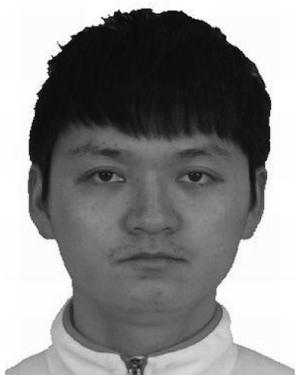 Lei Liu合作论文数34
 Pengfei Xia合作论文数University of Science and Technology of China23
 Jie Wang (王杰)合作论文数Department of Electronic Engineering and Information Science, School of Information Science and Technology, University of Science and Technology of China;Key Laboratory of Brain-inspired Intelligent Perception and Cognition of the Ministry of Education, University of Science and Technology of China;MIRA Lab22
 Bo Yuan (袁博)合作论文数Department of Computer Science and Engineering, College of Engineering, Southern University of Science and Technology15Weiming Liu (刘伟明)合作论文数Tencent AI Lab14
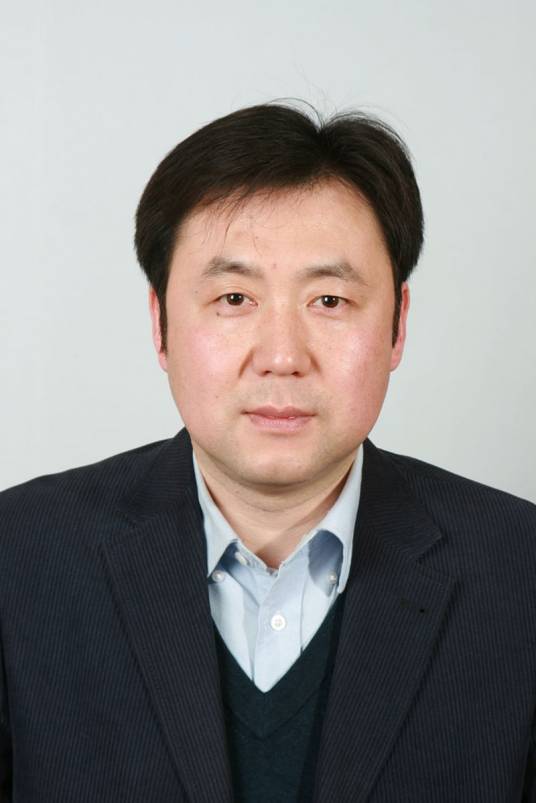 Houqiang Li (李厚强)合作论文数Department of Electronic Engineering and Information Science, University of Science and Technology of China;School of Information Science and Technology, University of Science and Technology of China13Zhang Wencong合作论文数12
 Rentuo Tao合作论文数12
 Hongjing Niu合作论文数School of Information Science and Technology, University of Science and Technology of China12
 Peng Yao (姚鹏)合作论文数School of Integrated Circuits, University of Science and Technology of China12
 Xin Yao (姚新)合作论文数Department of Computer Science and Engineering, Southern University of Science and Technology;Centre of Excellence for Research in Computational Intelligence and Applications, University of Birmingham;School of Computer Science, University of Birmingham;School of Artificial Intelligence, Xidian University12
 Xueyi Ye (叶学义)合作论文数School of Communication Engineering, Hangzhou Dianzi University12
 Feng Wu (吴枫)合作论文数Department of Electronic Engineering and Information Science, School of Information Science and Technology, University of Science and Technology of China;School of Artificial Intelligence, Xidian University12
 Kang Chen (陈康)合作论文数Lee Kuan Yew Sch Publ Policy, Natl Univ Singapore9
 Shaochen Wang合作论文数University of Science and Technology of China, Hefei, China9Jizheng Xu合作论文数ByteDance9
 Thomas Weise合作论文数Nature Inspired Computation and Applications Laboratory
School of Computer Science and Technology
University of Science and Technology of China (USTC)9Xizhou Zhu合作论文数Shanghai AI Laboratory;Tsinghua University8
Thomas Weise合作论文数Nature Inspired Computation and Applications Laboratory
School of Computer Science and Technology
University of Science and Technology of China (USTC)9Xizhou Zhu合作论文数Shanghai AI Laboratory;Tsinghua University8 Jifeng Dai (代季峰)合作论文数Department of Electronic Engineering, Tsinghua University8
 Weijie Su (苏伟杰)合作论文数University of Science and Technology of China;Shanghai AI Laboratory;SenseTime Research8
 Rui Yang合作论文数Laboratory of Machine Intelligence Research and Applications, Department of Electronic Engineering and Information Science, University of Science and Technology of China;DiDi Voyager7
 Yu Wang (王宇)合作论文数Department of Modern Mechanics, School of Engineering Science, University of Science and Technology of China7
 Chaoyue Wang合作论文数JD Explore Academy7
 Jianye Hao (郝建业)合作论文数Deep Reinforcement Learning Laboratory, School of Computer Software, College of Intelligence and Computing, Tianjin University7Li-xiang TAN (谭立湘)合作论文数6
 Zijie Geng (耿子介)合作论文数Laboratory of Machine Intelligence Research and Applications, Department of Electronic Engineering and Information Science, University of Science and Technology of China;School of Artificial Intelligence and Data Science, University of Science and Technology of China;Noah’s Ark Lab, Huawei Technologies;Nanjing Truezir Software Technology Co., Ltd6
 Lewei Lu合作论文数SenseTime Research6
 Lei Bai (白磊)合作论文数Shanghai AI Laboratory6
 Yu Qiao (乔宇)合作论文数Multimedia Laboratory, Shenzhen Institutes of Advanced Technology, Chinese Academy of Sciences;Shanghai AI Laboratory;Shenzhen University of Advanced Technology6
 Huanhuan Chen (陈欢欢)合作论文数School of Computer Science and Technology, University of Science and Technology of China6
 Yi Wu合作论文数Department of Computer Science, Purdue University;Amazon Web Services5
 Chengtao Peng合作论文数Department of Electronic Science and technology, University of Science and Technology of China, Hefei, 230061, China.5Hongping DENG (邓宏平)合作论文数5
 Xiaogang Wang (王曉剛)合作论文数Department of Electronic Engineering, The Chinese University of Hong Kong5
 Yongdong Zhang (张勇东)合作论文数Laboratory for Future Networks, University of Science and Technology of China;Department of Electronic Engineering and Information Science, School of Information Science and Technology, University of Science and Technology of China5
 Weimin Li (李为民)合作论文数School of Engineering Science, University of Science and Technology of China5
 Xiaofeng Li (李晓峰)合作论文数University of Science and Technology of China5Kaibo Zhang合作论文数5
 Zhongqian Fu (傅忠谦)合作论文数School of Microelectronics, University of Science and Technology of China;Department of Electronic Engineering and Information Science, School of Information Science and Technology, University of Science and Technology of China5guang jie jun (解光军)合作论文数4Yueqi Zeng合作论文数4Xin Tong合作论文数4
 Zhihao Shi合作论文数Laboratory of Machine Intelligence Research and Applications, Department of Electronic Engineering and Information Science, University of Science and Technology of China4Yinda Zhou合作论文数4
 Beihao xia合作论文数4
 Qing Li (李庆)合作论文数Beijing Institute for General Artificial Intelligence4




