Previous studies have shown that abscisic acid (ABA) and ethylene are involved in pulp maturation and peel coloration in the nonclimacteric citrus fruits. There are also signs indicating that other plant hormones may play some roles in citrus fruit ripening. In this study, we compared profiles of genome-wide gene expression and changes in hormones and peel pigments between fruits of Shatangju mandarin (Citrus reticulata Blanco, designated WT) and its natural mutant, Yuenongwanju (designated MT). The MT fruit matures ~2 months later than the WT fruit. Significant differences in fruit diameter, total soluble solids, titratable acid content, chlorophylls and carotenoids were detected between the fruits of the two genotypes at the sampled time points. Genome-wide transcriptome profiling showed that many genes involved in auxin and ABA metabolism and/or signaling pathways were differentially expressed between the MT and the WT fruits. Importantly, the expression of CrYUCCA8 was significantly lower and the expression of CrNCED5 was significantly higher in WT than in MT fruits at 230 and 250 DPA, respectively. In addition, the indole-3-acetic acid (IAA) level in the MT fruit was significantly higher than that in the WT counterpart, whereas a significantly lower level of ABA was detected in the mutant. Treatment of the WT fruit with exogenous IAA significantly delayed fruit maturation. Our results provide experimental evidence supporting the notion that auxin is a negative regulator of fruit maturation in citrus.
Golden gate/modular cloning facilitates faster and more efficient cloning by utilizing the unique features of the type IIS restriction enzymes. However, it is known that targeted insertion of DNA fragment(s) must not include internal type IIS restriction recognition sites. In the case of cloning CRISPR constructs by using golden gate (GG) cloning, this narrows down the scope of guide RNA (gRNA) picks because the selection of a good gRNA for successful genome editing requires some obligation of fulfillment, and it is unwanted if a good gRNA candidate cannot be picked only because it has an internal type IIS restriction recognition site. In this article, we have shown that the presence of a type IIS restriction recognition site in a gRNA does not affect cloning and subsequent genome editing. After each step of GG reactions, correct insertions of gRNAs were verified by colony color and restriction digestion and were further confirmed by sequencing. Finally, the final vector containing a Cas12a nuclease and four gRNAs was used for Agrobacterium-mediated citrus cell transformation. Sequencing of PCR amplicons flanking gRNA-2 showed a substitution (C to T) mutation in transgenic plants. The knowledge derived from this study could widen the scope of GG cloning, particularly of gRNAs selection for GG-mediated cloning into CRISPR vectors.
测定广东省代表性不同种类柑橘果园243个采样单元的叶片和土壤有效微量元素含量,叶片Cu和Mo含量与土壤有效Mn、Cu、Zn、B含量差异较大,而叶片B和土壤有效Mo含量较平均.橙、宽皮柑橘和柚果园的叶片B和土壤有效Mo适量比例(>60%)、叶片Mo和土壤有效B缺乏比例(>50%)较高.橙果园所有的土壤有效B和Mn含量、大部分的叶片Zn (77.8%)、土壤有效Cu (50.0%)和有效Zn (55.6%)缺乏.柚果园土壤有效Zn和叶片Cu、橙果园和宽皮柑橘园的土壤有效Cu和Fe以过量为主.不同树龄的叶片和土壤有效Fe、Mn和Mo含量的等级分布比例相似.短龄树(3~8年生)和长龄树(>8年生)的土壤有效Cu过量比例(>60%)高于幼龄树(<3年生,48%).宽皮柑橘园叶片与土壤有效Fe、Mn、Cu和B,柚果园叶片与土壤有效Fe和Cu均呈极显著正相关;柚果园叶片与土壤有效Fe、Mn和Cu的拟合度高于宽皮柑橘园和橙果园.长龄树和短龄树叶片与土壤有效Mn、Cu和B,短龄树叶片与土壤有效Zn均呈显著正相关.叶片与土壤有效Fe的拟合度大小为:幼龄树>短龄树>长龄树.典型性相关分析结果显示,宽皮柑橘和柚果园叶片Cu含量、长龄树叶片B与Fe、短龄树叶片Mo与Mn能较好地判断不同种类和树龄柑橘园整体微量元素丰缺状况;宽皮柑橘园和短龄树的土壤有效Zn与B、柚果园土壤有效Cu、长龄树土壤有效B与Fe是影响不同种类和树龄柑橘树体微量元素的主要因素,在柑橘园培肥管理时应予以重点关注.
为了解广东省清远市沙糖橘园土壤养分丰缺状况,分析结果树不同砧穗组合叶片、果实养分丰缺状况,为沙糖橘营养科学管理、果园合理施肥及产业提质增效提供科学依据.采集清远市27个10~15年生枳砧和酸橘砧沙糖橘果园的土壤、叶片及果实,分析土壤、叶片及果实矿质养分含量,分析土壤、叶片及果实养分含量间的相关性.结果表明,清远沙糖橘果园土壤pH整体偏酸性,土壤有机质较丰富,有机质含量适量及以上果园占比70.4%.速效N含量缺乏果园为51.8%,81.5%的果园土壤速效P超量,有效K超量的占比48.1%,多数果园土壤有效Mn、有效Zn、有效Mo含量较适宜,但有效Ca、有效Mg、有效B缺乏占比分别达到81.5%、88.9%、77.8%.枳砧、酸橘砧沙糖橘叶片矿质养分丰缺程度存在差异,枳砧沙糖橘叶片N、B、Ca含量较少缺乏,而酸橘砧沙糖橘叶片3种元素含量存在严重缺乏的现象,2种砧木沙糖橘叶片中Cu、Mg均相对缺乏,Mo含量均严重缺乏.枳砧和酸橘砧沙糖橘果实矿质养分的大量元素中N、K含量高于P,中量元素Mg含量低于Ca含量,微量元素中Fe含量最高.枳砧沙糖橘果实单果重、果形指数、可食率、可滴定酸、可溶性固形物、Vc含量等指标均低于酸橘砧.2种砧木的沙糖橘果园土壤矿质养分与叶片矿质养分间,枳砧Mg、Fe分别呈极显著、显著正相关,酸橘砧B、Fe均呈显著负相关,枳砧沙糖橘叶片与果实中Mo含量显著正相关,酸橘砧沙糖橘叶片、果实、土壤三者间Mo含量均为极显著正相关.清远市沙糖橘果园管理应注重改良土壤酸碱度,施用适当配比的N、P、K肥,深施有机肥的同时适量添加或叶面喷施Zn、Mg、B、Ca、Mo,合理控制含Mn农药的使用次数.
Agrobacterium-mediated transformation of epicotyl segment has been used in Citrus transgenic studies. The approach suffers, however, from limitations such as occasionally seed unavailability, the low transformation efficiency of juvenile tissues and the high frequency of chimeric plants. Therefore, a suspension cell culture system was established and used to generate transgenic plants in this study to overcome the shortcomings. The embryonic calli were successfully developed from undeveloped ovules of the three cultivars used in this study, "Sweet orange"-Egyptian cultivar (Citrus sinensis), "Shatangju" (Citrus reticulata) and "W. Murcott" (Citrus reticulata), on three different solid media. Effects of media, genotypes and ages of ovules on the induction of embryonic calli were also investigated. The result showed that the ovules' age interferes with the callus production more significantly than media and genotypes. The 8 to 10 week-old ovules were found to be the best materials. A cell suspension culture system was established in an H+H liquid medium. Transgenic plants were obtained from Agrobacterium-mediated transformation of cell suspension as long as eight weeks subculture intervals. A high transformation rate (~35%) was achieved by using our systems, confirming BASTA selection and later on by PCR confirmation. The results demonstrated that transformation of cell suspension should be more useful for the generation of non-chimeric transgenic Citrus plants. It was also shown that our cell suspension culture procedure was efficient in maintaining the vigor and regeneration potential of the cells.
The endophytic bacterial and fungal profiles were comparatively studied between Citrus Huanglongbing (HLB) infected and uninfected healthy leaves of a mandarin cultivar, Shatangju (Citrus reticulata Blanco), by using the next generation sequencing technology. A total of 53 endophytic bacterial orders in12 phyla and 24 endophytic fungal orders in 2 phyla were detected in healthy, asymptomatic and symptomatic leaf midribs. It was found that the predominant endophytic bacteria belonged to Proteobacteria, Firmicutes, Actinobacteria, and Bacteroidetes and the predominant endophytic fungi belonged to Ascomycota and Basidiomycota. Operational taxonomic unit (OTU) analysis showed that OTU_2 and OTU_6 were the core endophytic fungal OTUs, and OTU_10, OTU_4 and OTU_141 were the core endophytic bacterial OTUs. The richness and diversity of the endophytic microbes were affected by infection of the HLB bacterium, Candidatus Liberibacter asiaticus (CLas). The most significant change was the reduction in endophytic fungal OTUs following CLas infection. Eleven endophytic fungal OTUs and 24 endophytic bacterial OTUs were found to be associated with tree healthy status in citrus. Some of the healthy and HLB disease specific OTUs were discussed, with emphasis on their possible roles in HLB pathogenesis.
A Citrus clementina gene, CcGASA4 , which is involved in the responses of citrus to stress, was characterized. The gene was induced by Citrus tristeza virus infection, wounding and gibberellic, salicylic and abscisic acid treatments. A qRT-PCR analysis showed that CcGASA4 had a very high basal expression in flowers yet was still able to be further induced independently in giberellic, salicylic and abscisic acid-treated flowers. Subcellular localization analysis revealed that the CcGASA4 protein localized to the cell membrane and nucleus. A yeast two-hybrid analysis and bimolecular fluorescence complementation (BiFC) assays showed that CcGASA4 interacted with two proteins, the large proline-rich protein bag6-A (PRPBAG6-A) and the general negative regulator of transcription subunit 3 (CNOT3). PRPBAG6 has been reported to be involved in disease resistance. Replacing some of CcGASA4's conserved cysteines with alanines (Cys → Ala) abolished the protein’s interaction with CNOT3 but did not show any effect on the protein’s interaction with PRPBAG6-A. Thus, CcGASA4 appears to play multiple roles in Citrus , probably by interacting with different proteins and/or by localizing to different subcellular compartments.
Proline-rich proteins (PRPs) are a group of proteins with repeated proline/hydroproline residues that synthesize cell walls. Here, we identified CsPRP4, a new gene encoding a hybrid PRP, from Citrus sinensis. CsPRP4 showed preferential expression in leaves and significant upregulation when treated with exogenous ethylene. We used the Citrus sinensis (L.) Osbeck genome to clone the 1.5 kb CsPRP4 promoter and performed a GUS activity assay. The CsPRP4 promoter drove GUS expression in the leaf tissue of Arabidopsis thaliana transgenic plants in response to external stimuli. To functionally characterize CsPRP4, Citrus transformation was conducted using the full-length CsPRP4 cDNA sense sequence with a binary vector. Electron microscopy and physiological assays revealed that overexpression of CsPRP4 increased the number and size of starch granules in the chloroplast. RNA-Seq analysis identified 467 genes in transgenic plants that were significantly differentially expressed compared with the WT. Among all differentially expressed genes (DEGs), key genes encoding starch biosynthetic enzymes were upregulated in transgenic plants, while starch degradation-related genes were downregulated. Taken together, these results demonstrate a potential role of CsPRP4 in leaf development and sugar metabolism.
Introns exist not only in coding sequences (CDSs) but also in untranslated regions (UTRs) of a gene. Recent studies in animals and model plants such as Arabidopsis have revealed that the UTR-introns (UIs) are widely presented in most genomes and involved in regulation of gene expression or RNA stability. In the present study, we identified introns at both 5′UTRs (5UIs) and 3′UTRs (3UIs) of sweet orange genes, investigated their size and nucleotide distribution characteristics, and explored the distribution of cis-elements in the UI sequences. Functional category of genes with predicted UIs were further analyzed using GO, KEGG, and PageMan enrichment. In addition, the organ-dependent splicing and abundance of selected UI-containing genes in root, leaf, and stem were experimentally determined. Totally, we identified 825 UI- and 570 3UI-containing transcripts, corresponding to 617 and 469 genes, respectively. Among them, 74 genes contain both 5UI and 3UI. Nucleotide distribution analysis showed that 5UI distribution is biased at both ends of 5′UTR whiles 3UI distribution is biased close to the start site of 3′UTR. Cis- elements analysis revealed that 5UI and 3UI sequences were rich of promoter-enhancing related elements, indicating that they might function in regulating the expression through them. Function enrichment analysis revealed that genes containing 5UI are significantly enriched in the RNA transport pathway. While, genes containing 3UI are significantly enriched in splicesome. Notably, many pentatricopeptide repeat-containing protein genes and the disease resistance genes were identified to be 3UI-containing. RT-PCR result confirmed the existence of UIs in the eight selected gene transcripts whereas alternative splicing events were found in some of them. Meanwhile, qRT-PCR result showed that UIs were differentially expressed among organs, and significant correlation was found between some genes and their UIs, for example: The expression of VPS28 and its 3UI was significantly negative correlated. This is the first report about the UIs in sweet orange from genome-wide level, which could provide evidence for further understanding of the role of UIs in gene expression regulation.
Citrus are widely cultivated in more than 140 countries in the world, in tropical, subtropical and Mediterranean climates, in the "citrus belt" between approximately 40° N and 40° S latitude, but their natural distribution areas before domestication must be much smaller. The chapter briefly outlines the issues related to the exact identification of the geographical origin and spread of citrus fruits: these simple questions have bothered citrus breeders and taxonomists for centuries. Nevertheless, we have witnessed a tremendous progress in the past two decades since the introduction of molecular tools in citrus researches, and the release of the first citrus genome has made an unprecedented breakthrough in our understanding of citrus genetics, taxonomy and evolution. Currently, on the basis of genomic, phylogenetic, and biogeographic analyses, scientists from different part of the world agree and haven't doubt that the main centers of origin for the citrus species are the tropical and subtropical regions of south-east Asia, the northeastern India in the Himalayan foothills, Yunnan province of south-west China, northern Myanmar, the Indochinese peninsula, and the Malaysian archipelago, from which Citrus began the spread into the other continents. The genus Citrus is the result of a long and complex domestication process and this, together with sexual compatibility between Citrus and related genera and the frequency of bud mutations, makes citrus taxonomy and phylogeny very complicated. The chapter focuses on the genetic origin of the main cultivated species such as sweet oranges, clementine, citron, pummelo, grapefruit and mandarins. Finally, the major citrus production areas and the main commercial citrus groups and producing countries are reported.
High throughput sequencing was used to reveal the distribution of whole-genome variations in cultivated Morella rubra (Sieb. et Zucc.). A total of 3,151,123 SNPs, 371,757 small indels, and 15,904 SVs were detected in 52 accessions. Verification by Sanger sequencing demonstrated that the positive rate of the SNPs was approximately 97.3%. Search for more genetic variations was expanded to 141 red bayberry accessions, most of which were cultivars, by sequencing 19 selected genomic segments (SEG1-19). The results showed that each segment harbored, on average, 7.8 alleles (haplotypes), a haplotype diversity of 0.42, and a polymorphic information content (PIC) of 0.40. Seventy-two different genotypes were identified from the 141 accessions, and statistical analysis showed that the accessions with duplicated genotypes were either somatic mutants or simply synonyms. Core set selection results showed that a minimum of 34 genotypes could already have covered all the alleles on the segments. A DNA fingerprinting system was developed for red bayberry, which used the diversity information of only 8 DNA segments yet still achieved a very high efficiency without losing robustness. No large clade was robustly supported by hierarchical clustering, and well-supported small clusters mainly included close relatives. These results should lead to an improved understanding of the genetic diversity of red bayberry and be valuable for future molecular breeding and variety protection.
In order to explore the extraction method of carotenoids from citrus leaves, the extraction effect of carotenoids from leaves of Honey pomelo by ultrasonic-assisted extraction was investigated by single factor experiment and orthogonal experiment. The results showed that the optimum extraction condition was: the ration of ethanol and acetone 1 : 1(v/v, containing 0.1% BHT), solid-liquid ratio 1 : 30 (g/mL), extraction time 7 min, ultrasonic power 240 W, extraction frequency 3 times. Under the above condition, the extraction rate of carotenoids was 85.98%.
文中采用PCR技术从番茄中克隆获得了Mi基因,采用反转录PCR(RT-PCR)技术从来源于红橘(Citus retic-ulate)的根结线虫中克隆获得了16D10基因,采用DNA重组技术构建了Mi基因的过表达载体和16D10基因的RNAi载体,分别命名为pB-Mi和pB-16DR.通过根瘤农杆菌介导的遗传转化,获得了经PCR检测为阳性的沙田柚转基因植株.这一结果将为研究Mi基因过表达和16D10基因的RNA干扰对柑橘根结线虫病的抗性影响提供试材和技术支持.
Mandarin (Citrus reticulata) is one of the most important citrus crops worldwide. Its domestication is believed to have occurred in South China, which has been one of the centers of mandarin cultivation for four millennia. We collected natural wild populations of mandarin around the Nanling region and cultivated landraces in the vicinity. We found that the citric acid level was dramatically reduced in cultivated mandarins. To understand genetic basis of mandarin domestication, we de novo assembled a draft genome of wild mandarin and analyzed a set of 104 citrus genomes. We found that the Mangshan mandarin is a primitive type and that two independent domestication events have occurred, resulting in two groups of cultivated mandarins (MD1 and MD2) in the North and South Nanling Mountains, respectively. Two bottlenecks and two expansions of effective population size were identified for the MD1 group of cultivated mandarins. However, in the MD2 group there was a long and continuous decrease in the population size. MD1 and MD2 mandarins showed different patterns of interspecific introgression from cultivated pummelo species. We identified a region of high divergence in an aconitate hydratase (ACO) gene involved in the regulation of citrate content, which was possibly under selection during the domestication of mandarin. This study provides concrete genetic evidence for the geographical origin of extant wild mandarin populations and sheds light on the domestication and evolutionary history of mandarin.
了解广东柑桔病虫草害发生及农药使用情况,给广东柑桔农药减施增效技术的合理制定奠定基础.采用定点调查法,调查了惠州、韶关、梅州市27个乡镇柑桔病虫草害的种类、分布及用药情况,明确农药使用的种类、各类农药在各地区的占比情况.结果表明,主要发生的病害有柑桔炭疽病、柑桔溃疡病,主要虫害有柑桔木虱、红蜘蛛、柑桔潜叶蛾,主要草害有牛筋草、龙葵、狗尾草.使用的农药品种约有50种,各药剂种类的比例为25(杀虫剂):22(杀菌剂):4(除草剂),杀虫剂是当前果农使用种类和数量最多的一类农药.使用的杀虫剂中有机磷类>杀螨剂类>烟碱种类=拟除虫菊酯类>大环内酯类>季酮酸类=氨基甲酸酯类,其占比分别为28.0%、24.0%、14.2%、14.2%、8.0%、4.0%、4.0%;使用的杀菌剂中唑类杀菌剂>含铜杀菌剂>有机硫杀菌剂>取代苯类杀菌剂=复配杀菌剂>抗菌素类杀菌剂=其他杀菌剂,其占比分别为45.5%、22.7%、13.6%、9.1%、9.1%、4.5%、4.5%;除草剂主要使用草甘膦、草铵膦.在所调查的地区中,柑桔病虫草害方面没有发现新的病害、虫害及草害,在用药方面,各地区化学农药使用普遍不合理.
To improve the disease resistance of Shatianyou Pummelo ( Citrus grandis L. Osbeck) to Huanglong-bing, the open reading frames of NPR1 and Defensin genes were obtained by PCR from the leaf genomic DNA of Citrus clementina and lich cv. "Red March", respectively, and were cloned into the binary vector pBI 121. The re-combinant plasmid harboring both genes of NPR1 and Defensin , named ND-PBI 121, was successfully construc-ted, and was transformed into Shatianyou Pummelo by the Agrobacterium tumefaciens mediated transformation. Six transformed plants were obtained. The results provide the basis for study of the function of NPR1 and Defensin on the resistance of Shatianyou Pummelo to Citrus Huanglongbing.
Citrus Huanglongbing (HLB), the most destructive citrus disease, can be transmitted by psyllids and diseased budwoods. Although the final symptoms of the two main HLB transmission ways were similar and hard to distinguish, the host responses might be different. In this study, the global gene changes in leaves of ponkan (Citrus reticulata) mandarin trees following psyllid-transmission of HLB were analyzed at the early symptomatic stage (13 weeks post inoculation, wpi) and late symptomatic stage (26 wpi) using digital gene expression (DGE) profiling. At 13 wpi, 2452 genes were downregulated while only 604 genes were upregulated in HLB infected ponkan leaves but no pathway enrichment was identified. Gene function analysis showed impairment in defense at the early stage of infection. At late stage of 26 wpi, however, differentially expressed genes (DEGs) involved in carbohydrate metabolism, plant defense, hormone signaling, secondary metabolism, transcription regulation were overwhelmingly upregulated, indicating that the defense reactions were eventually activated. The results indicated that HLB bacterial infection significantly influenced ponkan gene expression, and a delayed response of the host to the fast growing bacteria might be responsible for its failure in fighting against the bacteria.
柑桔细菌性病害黄龙病是全球柑桔业的致命威胁.采用无病苗、砍除罹病树、统防统治柑桔木虱等综合防控措施虽然有效,但在幼年园中落实难.调查表明,导致此现象的主要原因是传统使用的露地小苗一般需要3年才能长大投产,许多果农在此期间不得不外出打工以减轻经济压力.针对此种情况,提出了采用无病容器大苗建园,辅以促生栽培管理措施,使之在定植1年后就投产的栽培技术路线,藉以减低幼树期黄龙病防控压力并减慢发病速度.4年多的实践表明,容器大苗技术非常适合在黄龙病疫区使用,可大幅度提高疫区柑桔种植效益.简介了无病容器大苗技术及其原理,分析了该技术的优势,并对其推广应用前景进行展望.
A hypoxia responsive gene ,CsHRP ,was cloned from the fruit abscission zone of sweet orange [Citrus sinensis (L. ) cv. Olinda] using RT‐PCR and RACE .According to sequence analysis ,CsHRP en‐coded a protein of 98 amino acid residues .Alignment of CsHRP genomic DNA sequences with cDNA showed that the gene contained two introns .BLASTp analysis showed that CsHRP protein contained a conserved hypoxia induced protein conserved region HIG_1_N ,and shared 68% -81% amino acid identi‐ties with its homologous proteins from Theobroma cacao ,Zea mays ,Hevea brasiliensis and other species . Subcellular localization revealed that CsHRP protein was localized in cell wall/cell membrane .Quantitative real‐time PCR results showed that the expression of CsHRP was higher in cotyledons than in leaves , stems and roots .Under adverse conditions ,CsHRP was induced by cold ,salinity ,PEG6000 ,abscisic acid (ABA) ,ethylene (ET) ,methyl jasmonic acid (MeJA) and salicylic acid (SA) ,suggesting that this gene may respond to multiple signal transductions .
 Yun Zhong (钟云)合作论文数26Chunzhen Cheng (程春振)合作论文数19Bo Jiang (姜波)合作论文数15JiWu Ceng (曾继吾)合作论文数11Huaxue Yan (闫化学)合作论文数11ShuTang Yan (闫树堂)合作论文数10Xuejun Bei (贝学军)合作论文数10
 Yanyan Ma合作论文数9Yongyan Zhang合作论文数7Zeng Ji-Wu (曾继吾)合作论文数7Jiawei Yang (阳佳位)合作论文数7Lv Yuanda合作论文数6Jiao Chen合作论文数5minlun hu合作论文数4YANG Run-ting (杨润婷)合作论文数4Tianli Wu合作论文数4Bo Wu合作论文数4BiRong Zhou (周碧容)合作论文数4Ganjun Yi (易干军)合作论文数4ZhiMing Lu (陆智明)合作论文数3
 Moniruzzaman M.合作论文数Department of Microbiology, University of Dhaka3
 Shiping Zhu (朱世平)合作论文数Shool of Science and Engineering, Chinese University of Hong Kong, Shenzhen3
 Doron Holland合作论文数Department of Fruit Tree Breeding and Genetics;Agricultural Research Organization;Department of Fruit Tree Breeding and Genetics, Agricultural Research Organization3Raphael Goren合作论文数3Yang Xuehu (学虎 楊)合作论文数2Zhaoxin Wei合作论文数2Fernando Alferez合作论文数2Li LiangRong合作论文数2Yue-jia Li合作论文数2Zhifeng Huang合作论文数2Xuelian Yang合作论文数2Jun ZHANG (张军)合作论文数2Yong HUANG (黄勇)合作论文数2DongGuo Zhou (周东果)合作论文数2
 Xinnian Zeng (曾鑫年)合作论文数College Of Agriculture, South China Agricultural University2NongHui Jiang (蒋侬辉)合作论文数2
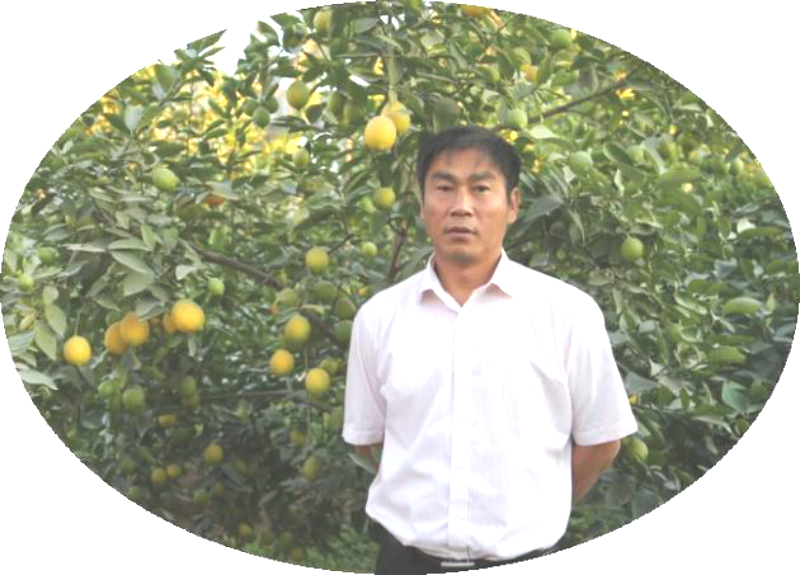 Jianqiang Yue (岳建强)合作论文数云南省农业科学院热带亚热带经济作物研究所2Zhong Yun合作论文数2
 Dong Jiang (江东)合作论文数Citrus Research Institute, Southwest University2
 Chong Li (李翀)合作论文数College of Pharmaceutical Sciences, Southwest University2
 Xiuxin Deng (邓秀新)合作论文数College of Horticulture & Forestry Sciences, Huazhong Agricultural University2
 Feng Gao (高峰)合作论文数School of Life Sciences, South China Normal University2
 Lingyun Zhang (张凌云)合作论文数College of Forestry, Beijing Forestry University2Miao Wang (王淼)合作论文数2Li Zhang (张丽)合作论文数Beijing Academy of Agriculture and Forestry Sciences2




