Abstract The Analects is the most reliable source for the teachings of Confucius, and studies of this book have been in existence almost as long as the book itself. The rich commentary tradition of the Analects has two main threads: textual study and philosophical inquiry. Through these the Analects has continued to unfold as a living text through the centuries. The chapter describes the textual history of, editions of, commentaries on, and translations of the Analects. It also explores a new strategy, the “gongfu” approach: in contrast to the predominantly intellectualist orientation of Western philosophy that emphasizes timeless truths and moral codes, gongfu regards the Analects as offering teachings about the art of life.
Mencius’s theory of the gongfu (or art) to be human and live a human life is not just a part of his philosophy, but an overall approach of his philosophy. That is, the primary purpose of his philosophy is to guide people along the right path of life rather than to offer a truth-telling account of reality. Understanding this fact has implications on how Mencius should be interpreted. It resolves puzzling purported logical fallacies in the text of Mencius, and makes Mencius more coherent, intelligent, and plausible. It also implies that, although Mencius’s normative theory shares some features with other normative theories familiar to the West, such as utilitarianism, Kantian deontology, and virtue ethics, it should not be forced into any of these frameworks. The theory is distinct enough to be called a “gongfu ethics.”
Unlike typical journal articles that deal with specific issues in detail, this article offers a sketchy comprehensive re-description of the Confucian Way of family that serves the purpose of providing a bird's-eye view to grasp the fact that, for Confucianism, family is not merely a part of the puzzle of human life, nor merely an ontological entity that serves as the foundation of the Confucian theory, but more a "Way" of living or gongfu (sic) that comprised of values toward which cultivation of the person is practiced, an art of life to be mastered, and a model of social order to be implemented.
儒家思想在当代最受诟病之处是它压抑人的自由.近来许多学者提出儒家思想与自由观念可以兼容,但也一般是以西方的自由主义为标准来证明儒家文化在现代社会中的合理性.实际上儒家思想蕴含着一种独特而富启发意义的自由观,即自由是修炼而成的自发性.儒家的"不欲人之加诸我"和"无加诸人"展示的不仅是类似于伯林的"消极自由"的观念,而且是修炼所及的成就.其"从心所欲不逾矩"也不是简单的没有外在限制,而是通过修炼,化"矩"为功夫能力的升华.与"酸葡萄"式的自我消解不同,它是使自己能"发而皆中节"的自我成就.与"布律丹的驴"那种没有倾向的中立不同,它是理性与心理倾向高度一致后达到的无需选择的自由.以伯林为代表的自由观念最为缺乏的,就是自由的主体所需要的功夫能力和作为个人自由之必要条件的他者.一个人不仅通常需要来自他者的限制才能保证其更为根本的自由,他人的支持甚至是一个人自由的构成成分.伯林式的自由观对凸显自由的底线和对个人权益的保护有重要的作用,但它窄化了自由的内容,需要有儒家自由观对其作出纠正和补充.
About 60 years ago, Tang Junyi (sic) (Tang Chun-i), Mou Zongsan (sic)(sic)(sic) (Mou Tsung-san), Xu Fuguan (sic) (Hsu Fu-kuan), and Zhang Junmai (sic) (Carson Chang) published "A Manifesto for a Reappraisal of Sinology and Reconstruction of Chinese Culture." In the Manifesto, these major representatives of contemporary New Confucianism tried to rectify Westerners' biases and reestablish Chinese people's cultural confidence by upholding the Confucian learning of the heart-mind as the core of Chinese culture. Following the same approach, some prominent scholars today continue the effort of bringing Confucianism to a new epoch through reappropriating metaphysical theories of the heart-mind and human nature of the Zisi offspring(sic)-Mencius lineage, which flourished in the Song-Ming (sic) period. This article critically reflects on this approach and argues that the Confucian learning of the heart-mind and human nature should not be taken so much as a mirror that reflects metaphysical reality than as a lever that directs and uplifts human vision and gongfu (sic)/(sic) (the art of life). In the cultural context today, revealing the gongfu nature of Confucianism can help us appreciate the real value of Confucianism as a constructive resource for global culture.
Using the opportunity of responding to Wang's critiques,this short article clarifies a number of important points related to the topic of human dignity.It argues that,only in moving beyond his a priori reasoning by assuming humans to be rational agents can the Kantian theory of dignity be applied to actual humans;only in taking our moral potential as a recommended way of human self-identification can the is-ought dichotomy be resolved;only in respecting human dignity can punishment be justified;and only from its function in shaping our visions and attitudes can a teleological metaphysics be helpful.
“中国精神”这个题目牵涉到一系列的复杂问题,不容易讲清楚.不过我们可以从一个现象入手,也许能够得到一些启发.在一个世纪前,人们可以毫无顾忌地谈论民族性格,说“法国人比英国人更浪漫”和说“地球是圆的”没有两样.可是到了20世纪的后期,这方面的言论越来越少.首先,谈论民族性格就很难避免性格的优劣问题.但按照自由主义的“政治正确”框架,民族优越感是种族歧视的根源,因此只能说各民族文化有不同特点,不可以说有优劣之分.于是谈论民族性格的言论显得非常敏感,人们宁可回避而不愿涉及这一雷区.其次,每个民族都由个人组成,谈论民族性格难免忽视特殊性,形成简单化的一概而论的概念或者偏见.找到一个刻板的法国人和一个浪漫的英国人,就可以证伪“法国人比英国人浪漫”的全称判断,所以干脆不做全称判断.再者,这类论题的消隐也与后现代哲学理论的解构有关.法国哲学家福柯(Michel Foucault)指出,被看作是客观知识的观念在很大程度上其实是话语权的表现.在福柯的影响下,萨伊德(Edward Said)进一步提出“东方主义”的概念,认为西方人对东方的“地域研究”式的理解,是出于他们自己的“殖民主义”视角,而不是按照东方人自己的价值观.既然这里所有的言论都是权力的表现,那么要不玩弄权力,就最好还是保持中立的沉默.同样的逻辑,东方人自己看自己的文化,也会形成各种不同的印象和观念,就像同一部《红楼梦》在不同人眼里看到的是不同的故事一样.因此,要保持客观,也最好是闭口不言.当然,这所有一切的背后还有一个客观因素,那就是民族本身的复杂性.即便是一个个人,也会在不同的年龄段、面对不同的人,显示出不同的品性,更何况是一个民族.以中华民族而言,南北方的地域气候和地理环境有很大的差异,它们所养育的人也有性格上的不同.这也给谈论民族性格造成困难.
The Confucian tradition concerned not so much at constructing philosophical theories than at cultivating the person and living a moral life. During the Song-Ming periods, this learning on cultivation of the person was widely characterized as the learning of gongfu 工夫 (or 功夫, aka. Kung fu). Since gongfu is what the Confucian learning is all about and the term permeates all of ZHU Xi’s writings, it should not be taken merely as one part of ZHU Xi’s teachings next to other parts, but as a leading cord with which to grasp Zhu’s entire system. Only in grasping this cord can we see clearly why ZHU Xi selected the Four Books as the most fundamental works of the Confucian tradition, what he meant by the cosmic principle (li 理), and where he differs from other influential thinkers of his time.
从西方哲学的视角来看,中国哲学似乎拙于认识论.这是因为西方哲学的核心关注是真理认知,而中国哲学传统则更关注知“道”.从后者的角度来看,认识论需要突破其真理认知的狭隘框架,形成一个包括技能之知、默会之知、熟识之知、程序之知等知识种类的广义的知识—“功夫之知”,或生活的艺术——的学问.所谓命题之知和技能之知,是功夫认知中既互摄而又不能单纯归约为其中某一方的两种形态,而这两个形态也并非功夫认知的全部.功夫认知远比真理认知丰富得多.功夫认知要求体身化,即身体的参与和把所知变为身体的内容,它还要求知道“不知”甚至“弃知”的价值.功夫认知需要对语言的语用功能有足够的认识.从描述功能而言,语言的清晰性和明确性使人倾向于个体化的思路,它具有重要认知价值,但也不利于把握事物的关联和变化.就非描述性功能而言,语言更是丰富的行为方式.描述性的理论体系要求线性的逻辑关联,而功夫体系则遵循功法开展的要求.功夫认知要求功夫主体的全面修炼,即人的内在转化和面向万物的扩展,而不仅仅是理智的培养和资讯的获得.这种修炼的主要方法不是靠接受语言信息,而是通过对楷模的模仿(不同于简单的重复)进行.
如何在中国传统伦理理论的基础上探讨一种功夫伦理?在宋明儒家那里,功夫总体而言指的是生活的艺术,而非仅仅是武术,虽然武术可以作为功夫的一个典型例子.如果以“坏人能不能有好功夫”作为切入点,将引导出三个逐渐递进的答案,每一个代表道德和功夫的多层次关系的一个层面:第一个答案是肯定的,因为功夫和道德属于两个不同的范畴,即生活的艺术和道德上的责任.第二个答案是否定的,因为每一个道德的善恶对应一个相应的功夫能力或这种能力的缺失.第三个答案是:一个人如果需要调用道德责任来规范自己,就还没有达到高功夫的境界;真正的功夫大师无需以道德约束自己,因而成为道德中性.这些分析展示了一个包括道德善恶,然而却不局限于道德善恶的功夫伦理.通过与德性伦理、效用主义伦理、道德相对主义和主观主义的比较,可以揭示功夫伦理的丰富意蕴.
功夫论不只是理解中国哲学整体特征的钥匙,哲学之于功夫论也不只是一个新的标签.从功夫论到功夫哲学的转向包含了两个向度:一是哲学的功夫转向,即通过将功夫概念引入哲学,克服理智主义的局限,开发哲学功夫学的研究,运用功夫视角建立功夫哲学理论;二是功夫的哲学转向,即对传统功夫论作进一步的哲学梳理、分析、反思和提升.这一转向的意义远远超出对儒学功夫论的局部研究,它面向的是整个哲学,是让功夫论在世界哲学的语境中成为当代的、世界范围的哲学.
在全球化背景下,重新思考并深入阐释中国哲学的思想特质、当代价值和未来趋向是中国哲学创新发展的重要路径。主讲者与评议人就此深入探讨了中国哲学何以是一种扎根于儒家传统的"精神人文主义",梳理了其思想渊源、经典文本、核心命题和发展逻辑,阐明了中国哲学在人类遭遇文明困境时不可忽视的重要价值;在此基础上力图结合全球文化的最新发展,思考当代中国哲学如何实现方法论转型,如何解答遭遇的现实问题,如何开拓中国哲
Responding to comments of my recent book, Understanding the Analects of Confucius, by Huang Yong, Fan Ruiping, and Wang Qingjie, this paper looks to highlight one of its major features—that it is a contemporary continuation of the Chinese tradition of doing commentary both as a way of allowing classic texts to unfold their rich meanings in the context of different times, and as a way for the commentator to express his or her own views. It strives to explain how a gongfu reconstruction of Confucianism can explain the apparent inconsistency between advocating rule-like instructions next to its encouragement of the art of flexibility, and to reveal what is more fundamental about Confucianism—rather than a system of rigid moral rules, it is an art of life. This gongfu interpretation would lead to the view that Confucianism does not depend on metaphysical truths as its justification, although it does need to hold metaphysical views as a way of affirming its values, which are justified through the excellence of life to which they lead. While the gongfu approach more accurately reflects Confucius’ own philosophical orientation, and it is therefore used to determine technical details such as what interpretations to put into translation of a text and what interpretations to list in the annotations as alternatives, it is, in the author’s humble view, also a unique contribution that the Chinese tradition can offer to world philosophy.
 LeZhe An (安乐哲)合作论文数2
 Chenyang Li合作论文数School of Humanities, College of Humanities, Arts, and Social Sciences, Nanyang Technological University2
 Weiming Du (杜维明)合作论文数Cheung Kong Graduate School of Business2ChuanFang Luo (罗传芳)合作论文数1
 Xiaogan Liu (刘笑敢)合作论文数School of Philosophy, Beijing Normal University1Shuang Qian (钱爽)合作论文数1RuiQuan Li (李瑞全)合作论文数1FaSheng Zhao (赵法生)合作论文数1ChunMei Yang (杨春梅)合作论文数1
 Chunsong Gan (干春松)合作论文数College of Philosophy, Nankai University1
 Xia Chen (陈霞)合作论文数School Of International Affairs And Public Administration, Ocean University Of China1
 Xing Han (韩星)合作论文数School of Chinese Classics, Renmin University of China1
 Jianhui Li (李建会)合作论文数School of Philosophy, Beijing Normal University1
 Jinglin Li (李景林)合作论文数Philosophy Department, Sichuan University;School of Philosophy, Beijing Normal University1
 Xiangjun Li (李祥俊)合作论文数School of Philosophy, Beijing Normal University1
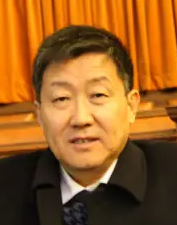 Shuguang Zhang (张曙光)合作论文数School of Philosophy, Beijing Normal University1
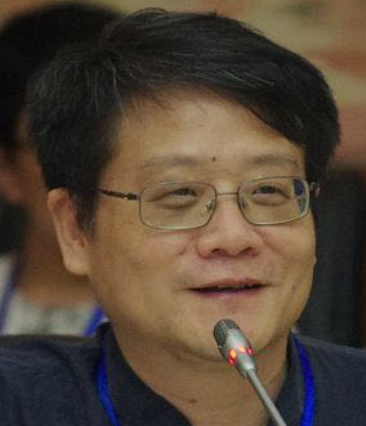 Tao Liang (梁涛)合作论文数School of Chinese Classics, Renmin University of China1
 Yali Cong (丛亚丽)合作论文数School of Health Humanities, Peking University1
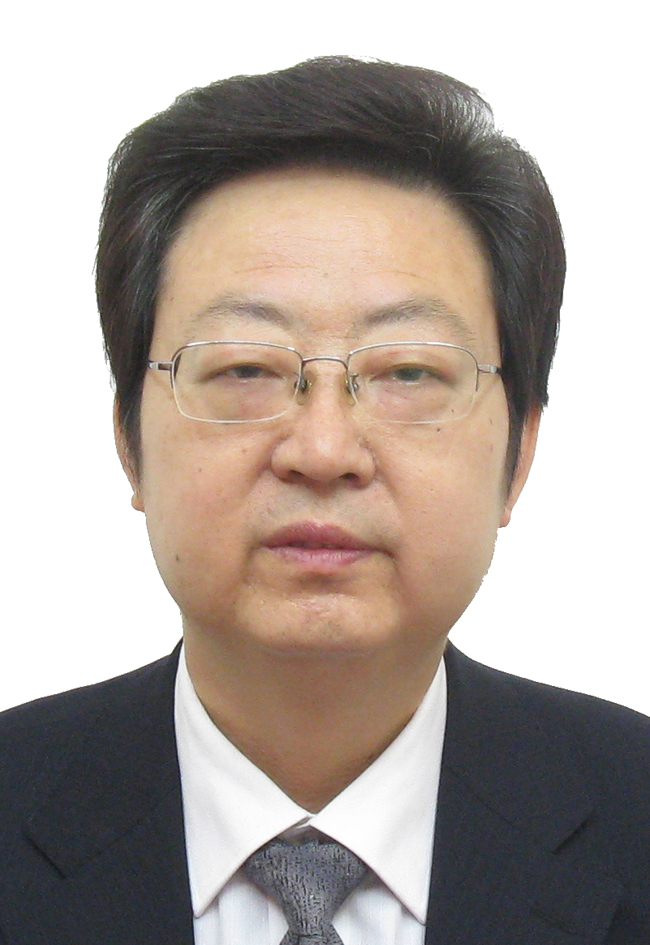 Mingxu Wang (王明旭)合作论文数School of Public Health, Health Science Center, Xi'an Jiaotong University1
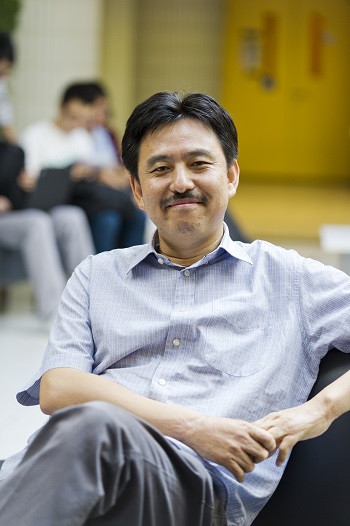 Ruiping Fan (范瑞平)合作论文数Department of Public Policy, College of Liberal Arts and Social Sciences, City University of Hong Kong1




